

What do you think?

Teahouse
Set in an old teahouse in Beijing, the play is typical of Lao She's art that seeks to provide a panoramic view of Chinese history and culture in their transformation from tradition to modernity. Teahouse spans fifty years in modern Chinese history from the collapse of the Qing dynasty and the Republican Revolution to the birth of the People's Republic. The play brings together over sixty characters, representing all walks of life in change. It is noted for its vivid portrayal of characters and lively use of Beijing dialect, but its main thrust lies in Lao She's vision of history, which is prophetic of later political movements and its disastrous effects on the average Chinese people. Teahouse is a rare masterpiece of the contemporary Chinese theatre. It has been performed in Japan, Europe and North America, and translated into major foreign languages.
198 pages, Paperback
First published January 3, 1949
About the author
Lao She
784 books127 followersLao She (Chinese: 老舍; pinyin: Lǎo Shě; Wade–Giles: Lao She; February 3, 1899 – August 24, 1966) was the pen name of Shu Qingchun (simplified Chinese: 舒庆春; traditional Chinese: 舒慶春; pinyin: Shū Qìngchūn; Manchu surname: Sumuru), a noted Chinese novelist and dramatist. He was one of the most significant figures of 20th-century Chinese literature, and best known for his novel Rickshaw Boy and the play Teahouse (茶館). He was of Manchu ethnicity. His works are known especially for their vivid use of the Beijing dialect.
(from Wikipedia)
(from Wikipedia)
Ratings & Reviews
Friends & Following
Create a free account to discover what your friends think of this book!
Community Reviews
Displaying 1 - 30 of 58 reviews

March 25, 2018
I really enjoyed this play, though I think I might have got more out of it if I'd seen in on stage - there are a lot of characters, which makes it a little hard to follow. However, I loved the exploration of Chinese history between the 1890s and the 1950s (?) and how society can change so dramatically with political changes. I also loved the setting and found some of the central characters very interesting. I would definitely go and see it on stage if I got the chance.

November 18, 2021
"Now we serve whoever puts food in our bellies."
▫️TEAHOUSE by Lao She, translated from the Chinese by John Howard-Gibbon, 1957/2004.
Always love a story with a strong sense of place, and TEAHOUSE is just that.
A later work from Lao She, one the preeminent 20th-century Chinese writers / dramatists, this play is set entirely in the walls of Yu Tai Teahouse in Beijing.
Each of the 3 acts is set in different decades, reflecting the changes in China: Act 1 in 1898, the final days of the Qing Dynasty; Act 2 in 1908 in the Republic, and Act 3 in 1945 the last days of WWII, just before the founding of the People's Republic of China.
The Wang family are the proprietors of the teahouse, with them are 70 characters in this play, from the "regulars", to government and police officials who stop by for bribes, gangsters and pimps conducting their business, a fortune teller, chess and mahjong players, etc.
The richness of this story comes with the long timespan and single setting; within the walls of Yu Tai Teahouse, but obviously a reflection of everything happening outside.
Wang Li Fa has a prominent sign at the front door that says "Do Not Discuss State Affairs", yet this is (of course) a very political work - labour disputes, workers' strikes, peasant uprisings, unlawful arrests, The Boxer Rebellion, the stream of foreigners coming to Beijing, the Japanese occupation, the American GIs...
All of this with the constant looming of "reform". Reforming and re-decorating the teahouse / reforming the nation.
I didn't know much about this one going in, so I appreciated the intro essay by Professor Kwok-kan Tam of The Chinese University of Hong Kong, providing a detailed biography of Lao She, with the context and culture of Beijing during the period of TEAHOUSE.
Lao She was targeted and publicly beaten during the Cultural Revolution in 1966, this abuse and humiliation leading to his death by suicide a short time later. His reputation was "rehabilitated" in the 1970s, and his works reached a larger audience in the 1980s, and he is read and performed in schools today.
"Reform! I've never forgetten about reform, change - keeping up with the times... I tried anything and everything, but only sonwe could live. It's the truth. Sure, I bribed people when I had to, but never did anything unjust or immoral. Don't I deserve a normal life? Who have I wronged? Who? Those bastards in the imperial family still have a life of luxury, but I can't even get cornbread to fill my belly. It doesn't make sense." (pg 180)
▫️TEAHOUSE by Lao She, translated from the Chinese by John Howard-Gibbon, 1957/2004.
Always love a story with a strong sense of place, and TEAHOUSE is just that.
A later work from Lao She, one the preeminent 20th-century Chinese writers / dramatists, this play is set entirely in the walls of Yu Tai Teahouse in Beijing.
Each of the 3 acts is set in different decades, reflecting the changes in China: Act 1 in 1898, the final days of the Qing Dynasty; Act 2 in 1908 in the Republic, and Act 3 in 1945 the last days of WWII, just before the founding of the People's Republic of China.
The Wang family are the proprietors of the teahouse, with them are 70 characters in this play, from the "regulars", to government and police officials who stop by for bribes, gangsters and pimps conducting their business, a fortune teller, chess and mahjong players, etc.
The richness of this story comes with the long timespan and single setting; within the walls of Yu Tai Teahouse, but obviously a reflection of everything happening outside.
Wang Li Fa has a prominent sign at the front door that says "Do Not Discuss State Affairs", yet this is (of course) a very political work - labour disputes, workers' strikes, peasant uprisings, unlawful arrests, The Boxer Rebellion, the stream of foreigners coming to Beijing, the Japanese occupation, the American GIs...
All of this with the constant looming of "reform". Reforming and re-decorating the teahouse / reforming the nation.
I didn't know much about this one going in, so I appreciated the intro essay by Professor Kwok-kan Tam of The Chinese University of Hong Kong, providing a detailed biography of Lao She, with the context and culture of Beijing during the period of TEAHOUSE.
Lao She was targeted and publicly beaten during the Cultural Revolution in 1966, this abuse and humiliation leading to his death by suicide a short time later. His reputation was "rehabilitated" in the 1970s, and his works reached a larger audience in the 1980s, and he is read and performed in schools today.
"Reform! I've never forgetten about reform, change - keeping up with the times... I tried anything and everything, but only sonwe could live. It's the truth. Sure, I bribed people when I had to, but never did anything unjust or immoral. Don't I deserve a normal life? Who have I wronged? Who? Those bastards in the imperial family still have a life of luxury, but I can't even get cornbread to fill my belly. It doesn't make sense." (pg 180)

May 31, 2021
Piinlikkusega pidin tunnistama, kuivõrd vähe pakub meie haridussüsteem meile teadmisi Aasia riikide ajaloost, ja samavõrd kurb on see, kui vähe olen ise oma lugemise, eneseharimise ja tegevusega oma lünkasid teadmistes täiendanud. Mul on hea meel, et maailmakirjanduse vabaaine aitas mul jõuda teoseni, mille kultuuriline ja ajalooline taust on minu jaoks niivõrd võõras ja tundmatu. Tegu on hea näidendiga, millest alustada ka juhul, kui Hiina ajalugu on täiesti tume maa.
Joonealused märkused, värvikad tegelased, poliitilised vihjed ja arutelud ning emotsionaalne taust aitavad teha igati asjalikke ja selgeid samme Hiina 20. sajandi esimese poole suurte ajalooliste ja ühiskondlike muutuste tõlgendamisel ja mõistmisel. Näidendi tegevustik leiab aset 50 aasta ulatuses ühes ja samas teemajas, mida külastavad näidendi jooksul suuresti needsamad tegelased. Kolme ajahetke lõikes saame nende kõneluste ja elumuutuste taustal aimu poliitilistest ja ühiskondlikest muutustest, kannatustest ja tähendusest.
Lugemise teeb omamoodi raskeks asjaolu, et mingisugust "loo moraali" või elufilosoofiat on siit keeruline kaasa võtta, vähemalt juhul, kui lugeja ei taha leppida sünge mõttetusega. Samas on arusaadav, et ajastu asjaolusid arvestades on ka autoril keeruline anda edasi mingisugust helgemat pilti kui see, mis kirja sai pandud.
Kas peale jääb tugeva moraali ja põhimõtetega inimene, või hoopis paindlik kohaneja, keda mõned võivad näha kui tallalakkujat? Mis siis, kui üksikisik üleüldse suure hävitava surmamasina taustal ellu ei jäägi ning mõlemad kaovad omal moel kaotajana pildilt? Kas võit on füüsiline ellujäämine, või hoopis moraalne ellujäämine, isegi kui see nõuab füüsilist surma? Kas peale jääb see, kes oma väärtuste voolavuses endale ellujäämise tagab, või see, kes oma põhimõtetest taganemise asemel surma valib? Või on mõlemad režiimide ja aegade ohvrid, olles sunnitud sellist otsust üleüldse langetamagi?
Meeldiv kultuuriline suplus, aitab astuda järgmisi samme Hiina ja Aasia kirjanduse maastikul. Suur pluss on näidendi puhul see minu meelest, kui see on ka niisama loetav - ilma lavastuseta. Igati hea meel.
Joonealused märkused, värvikad tegelased, poliitilised vihjed ja arutelud ning emotsionaalne taust aitavad teha igati asjalikke ja selgeid samme Hiina 20. sajandi esimese poole suurte ajalooliste ja ühiskondlike muutuste tõlgendamisel ja mõistmisel. Näidendi tegevustik leiab aset 50 aasta ulatuses ühes ja samas teemajas, mida külastavad näidendi jooksul suuresti needsamad tegelased. Kolme ajahetke lõikes saame nende kõneluste ja elumuutuste taustal aimu poliitilistest ja ühiskondlikest muutustest, kannatustest ja tähendusest.
Lugemise teeb omamoodi raskeks asjaolu, et mingisugust "loo moraali" või elufilosoofiat on siit keeruline kaasa võtta, vähemalt juhul, kui lugeja ei taha leppida sünge mõttetusega. Samas on arusaadav, et ajastu asjaolusid arvestades on ka autoril keeruline anda edasi mingisugust helgemat pilti kui see, mis kirja sai pandud.
Kas peale jääb tugeva moraali ja põhimõtetega inimene, või hoopis paindlik kohaneja, keda mõned võivad näha kui tallalakkujat? Mis siis, kui üksikisik üleüldse suure hävitava surmamasina taustal ellu ei jäägi ning mõlemad kaovad omal moel kaotajana pildilt? Kas võit on füüsiline ellujäämine, või hoopis moraalne ellujäämine, isegi kui see nõuab füüsilist surma? Kas peale jääb see, kes oma väärtuste voolavuses endale ellujäämise tagab, või see, kes oma põhimõtetest taganemise asemel surma valib? Või on mõlemad režiimide ja aegade ohvrid, olles sunnitud sellist otsust üleüldse langetamagi?
Meeldiv kultuuriline suplus, aitab astuda järgmisi samme Hiina ja Aasia kirjanduse maastikul. Suur pluss on näidendi puhul see minu meelest, kui see on ka niisama loetav - ilma lavastuseta. Igati hea meel.

October 11, 2013
I don't know what this translation will be like, but I've read an older translation of this play and it's a really moving and incredible story. You have to know a lot of Chinese history to see where it's coming from and there's a very rich cast involved. But it's moving seeing all the changes and all the interplay between the different parties involved. The three acts take place over different periods of time and shows how different philosophies and beliefs play out over the generations. I'll write more in detail at a future date.
A quote by Qin Zhongyi:
"Tell them, once upon a time, there was a foolish man called Qin who was mad on industrialization. After many years, these were the only things he salvaged from the rubble of his factory. The moral of this story is, if you have money, spend it all on wine, women, and gambling. Only enjoy life. Never try to do anything useful!"
A quote by Qin Zhongyi:
"Tell them, once upon a time, there was a foolish man called Qin who was mad on industrialization. After many years, these were the only things he salvaged from the rubble of his factory. The moral of this story is, if you have money, spend it all on wine, women, and gambling. Only enjoy life. Never try to do anything useful!"

May 7, 2020
Lao She ရေးသားတဲ့ Teahouse ကို ဘာသာပြန်ထားတယ်လို့ သိရပါတယ်။
အခန်း ၃ ခန်းပါတဲ့ ပြဇာတ်ပုံစံအနေနဲ့ဖတ်ရပါမယ်။ တရုတ်နိုင်ငံ ပေကျင်းမြို့က လက်ဖက်ရည်ဆိုင်လေးတစ်ဆိုင်မှာပဲ ပြဇာတ်ခင်းထားပါတယ်။ ချင်မင်းဆက်ခေတ်၊ သမ္မတ နိုင်ငံတော်ခေတ်၊ ဂျပန်ခေတ် စတဲ့ ခေတ်အကူးအပြောင်းများမှာ တရုတ်ပြည်ရဲ့ နိုင်ငံရေး၊ လူမှုရေး၊ စီးပွားရေးပြောင်းလဲမှုတွေကို ထင်ဟတ်စေဖို့ လက်ဖက်ရည်ဆိုင်ထဲမှာ ဖြတ်သန်းသွားလာနေတဲ့ ဇာတ်ကောင်လေးတွေနဲ့ ပြသသွားပါတယ်။ လေးနက်တဲ့ အကြောင်းအရာများဖြစ်သော်လည်း ဖြတ်သွားဖြတ်လာ ဆိုင်အခင်းအကျင်းမှာ ပေါ့ပေါ့ပါးပါးပဲ ဖော်ပြသွားပါတယ်။
ဘာသာပြန်အရဆိုရင်လဲ မြသန်းတင့်ဘာသာပြန်မှု တော်တော်လေးဇာတ်လမ်းနဲ့ အသားကျတယ်လို့ ပြောလို့ရပါတယ်။
တရုတ်နိုင်ငံရဲ့ သမိုင်းကို သိထားရင်တော့ ပိုပြီးဖတ်လို့ကောင်းမယ့် ပြဇာတ်လေးဖြစ်ပါတယ်။
အခန်း ၃ ခန်းပါတဲ့ ပြဇာတ်ပုံစံအနေနဲ့ဖတ်ရပါမယ်။ တရုတ်နိုင်ငံ ပေကျင်းမြို့က လက်ဖက်ရည်ဆိုင်လေးတစ်ဆိုင်မှာပဲ ပြဇာတ်ခင်းထားပါတယ်။ ချင်မင်းဆက်ခေတ်၊ သမ္မတ နိုင်ငံတော်ခေတ်၊ ဂျပန်ခေတ် စတဲ့ ခေတ်အကူးအပြောင်းများမှာ တရုတ်ပြည်ရဲ့ နိုင်ငံရေး၊ လူမှုရေး၊ စီးပွားရေးပြောင်းလဲမှုတွေကို ထင်ဟတ်စေဖို့ လက်ဖက်ရည်ဆိုင်ထဲမှာ ဖြတ်သန်းသွားလာနေတဲ့ ဇာတ်ကောင်လေးတွေနဲ့ ပြသသွားပါတယ်။ လေးနက်တဲ့ အကြောင်းအရာများဖြစ်သော်လည်း ဖြတ်သွားဖြတ်လာ ဆိုင်အခင်းအကျင်းမှာ ပေါ့ပေါ့ပါးပါးပဲ ဖော်ပြသွားပါတယ်။
ဘာသာပြန်အရဆိုရင်လဲ မြသန်းတင့်ဘာသာပြန်မှု တော်တော်လေးဇာတ်လမ်းနဲ့ အသားကျတယ်လို့ ပြောလို့ရပါတယ်။
တရုတ်နိုင်ငံရဲ့ သမိုင်းကို သိထားရင်တော့ ပိုပြီးဖတ်လို့ကောင်းမယ့် ပြဇာတ်လေးဖြစ်ပါတယ်။
February 25, 2024
Lao She suudab tabavalt näidata Hiina ajaloo kolme ajastu allakäiku erinevatest ühiskonnakihtidest pärit inimeste kokkusaamiskohas toimunud vestluste näol. Poliitiliselt laetud teksti asukoht, teemaja, on nagu omaette väike ühiskond, mis kajastab 50 aasta jooksul toimunud sündmusi ääretult meisterlikult ja sisutihedalt.
Read
May 1, 2013Wonderful work! I remember when this famous Chinese play “Teahouse” (茶馆) came to town in Singapore in 1986, I enjoyed the play thoroughly and got to know and read up more on Lao She’s work since then.
“Teahouse” is one of Lao She's most famous work, it portrayed the struggles of ordinary people, men on the street so to speak; with the words they used, their cares and concerns and sufferings under different political backdrops from the late 1800s, under the weak government of the Qing monarchy, which was under foreign oppressions at that time, and came the opium war; then the beginning of the fall of the Qing dynasty leading to the times of civil war between war lords-the fights between Kuomintang and the communists which eventual raised to power.
All history played out throughout the entire play in this one single Teahouse setting, I had thought then that the set designer had a blissful day earning his pay haha! I couldn’t be more wrong in assuming that! I realised now that, it is actually more challenging for the designer to portray the different times and seasons with just one set and setting! With hindsight it is easy to see how successful the Play was and the set designer in portraying the different times in the play.
Although the setting is in the same tea house throughout the play and other than the protagonist of the play – the owner of the teahouse and some main characters, the words spoken and the other characters changes with times in the play; people come and go through this Teahouse discussing about the situations, about what facing their daily lives.
I thought the setting was very colourful and captivating; very surreal to watch history played out from the perspective of ordinary folks; all in one setting (teahouse), one play, in which it encapsulates time through the lives and struggles of people from all walks of life..
Spare the political overtones; it is indeed a Very creative and artistic work! 赞!
Simon Lim
“Teahouse” is one of Lao She's most famous work, it portrayed the struggles of ordinary people, men on the street so to speak; with the words they used, their cares and concerns and sufferings under different political backdrops from the late 1800s, under the weak government of the Qing monarchy, which was under foreign oppressions at that time, and came the opium war; then the beginning of the fall of the Qing dynasty leading to the times of civil war between war lords-the fights between Kuomintang and the communists which eventual raised to power.
All history played out throughout the entire play in this one single Teahouse setting, I had thought then that the set designer had a blissful day earning his pay haha! I couldn’t be more wrong in assuming that! I realised now that, it is actually more challenging for the designer to portray the different times and seasons with just one set and setting! With hindsight it is easy to see how successful the Play was and the set designer in portraying the different times in the play.
Although the setting is in the same tea house throughout the play and other than the protagonist of the play – the owner of the teahouse and some main characters, the words spoken and the other characters changes with times in the play; people come and go through this Teahouse discussing about the situations, about what facing their daily lives.
I thought the setting was very colourful and captivating; very surreal to watch history played out from the perspective of ordinary folks; all in one setting (teahouse), one play, in which it encapsulates time through the lives and struggles of people from all walks of life..
Spare the political overtones; it is indeed a Very creative and artistic work! 赞!
Simon Lim
June 20, 2012
Considered to be one of Lao She's best works, "Teahouse" takes a diverse cast of nearly seventy characters and expertly weaves them together to bring to life the story of a tea house as it attempts to whether through the "reforms" of a changing China. Taking place at three different major periods in China's transformation (the collapse of the Quing dynasty in 1898, the failure of the Republican revolution in 1917, and the downfall of the Nationalist Government in 1945) the "Teahouse" welcomes in everyone from corrupt police officials to rival gangs to fortune tellers. Although the Tea house is lacking in a real dramatic action, what is does do is create an in-depth view of a changing China through the brief interactions of its large cast and then seeing how their lives have changed (often for the worse) upon their return in the next act, and what it lacks in any real dramatic action it makes up for with its continuous change of customers that shifts the viewer quickly from one story to another and manages to build up interest with the use of but a few brief interactions.
"Teahouse" is a dark and bitter satire, often drawing humor from the suffering and despair of its patrons. However, as Lao She wrote, "The bitterer a satire, the livelier and funnier it has to be. All the details of the characters and events must be delineated, in the liveliest way possible, so that they look reasonable, convincing and life-like. When satire is embedded in such a method of portrayal, it will produce unexpected effects upon the people who are to be cursed... It will make people want to cry but unable to cry, and laugh but unable to laugh".
"Teahouse" is a dark and bitter satire, often drawing humor from the suffering and despair of its patrons. However, as Lao She wrote, "The bitterer a satire, the livelier and funnier it has to be. All the details of the characters and events must be delineated, in the liveliest way possible, so that they look reasonable, convincing and life-like. When satire is embedded in such a method of portrayal, it will produce unexpected effects upon the people who are to be cursed... It will make people want to cry but unable to cry, and laugh but unable to laugh".

April 17, 2011
A beautiful translation of a beautifully written Chinese satire spanning 50 years in a Beijing Teahouse. Through the proprietor, his family, his loyal customers, and the men seeking profit from the misfortunes of others, Lao She gives a perspective of life in Beijing and the deterioration of society with a humorous twist, however sad.

December 6, 2017
时间就像一条线索,牵着我们走回了那个年代,那个故事。茶馆随着社会的变革变化着,王掌柜想尽办法来维持他一生所拥有的全部。一个人对一个地方的感情,奠基着世事的繁华,蕴含着岁月的沧桑。“改良改良,越改越凉”,茶馆的古朴被世间的光怪陆离抹去,留下了一片空虚和残废。
“我爱咱们的国呀,可是谁爱我呢?” 老舍笔下的芸芸众生、人间百态,虽然没有很集中或强烈的矛盾冲突,但平平淡淡的人物、平平淡淡的小事,揭露了旧中国社会的黑暗与腐败。
“我爱咱们的国呀,可是谁爱我呢?” 老舍笔下的芸芸众生、人间百态,虽然没有很集中或强烈的矛盾冲突,但平平淡淡的人物、平平淡淡的小事,揭露了旧中国社会的黑暗与腐败。

February 19, 2016
I don't give it five stars because it is a positive story but with negative meanings. Sometimes I can figure it out, but sometimes I can't see it.
Read
May 26, 2023See on siis huvitav kui sulle võimaldatakse lai ülevaade Hiina ajaloost 20. sajandil (mille ma sain pooleldi). Aga mul siiralt ei ole ühtegi arvamust sellest raamatust.

September 28, 2020
A most interesting exploration of the Chinese commoners’ life in the turbulent era between the fall of the Qing and the establishment of the CCP. Nicely illustrates a diverse range of people, their customs, lifestyle, occupation, etc. Beside, it shows the importance of the tea house as a social hub as well as the way its (now lost) position kept changing. Short, dense, and super insightful.

May 6, 2014
This is, beyond a doubt, and without exaggeration, one of the best Chinese dramas of all time. The English version is translated by Ying Ruocheng, who played "Pockmark Liu" in the earlier stagings of the play (and the role of Norman Bethune's interpreter in the 1964 biopic "Dr Bethune", and also the head of the war criminals detainment center in "The Last Emperor").
Strongly recommended for those interested in modern Chinese plays. This March the Beijing People's Art Theatre came to my hometown and played "Teahouse" for three nights. It was the first time that the play was performed in Qingdao, and I purchased two tickets so I could go see it with my mother on Opening Night. I was lucky enough to be picked for an audience-reaction interview (to be shown to the crew later), and I told them that I was very excited that this play has come to Qingdao for the first time (Lao She lived in this city during the 1930s where he wrote a lot of thing including "Rickshaw Boy") and that it would be very unlikely that this would be the only time the performance would be staying here.
Watching it live is like going through fifty years of history in the span of three and a half hours, hearts would thump as the citizen characters struggle, and wrench as the three old men "send themselves off" with the ritual of tossing paper coins. It would leave the viewers/readers to think about how much has changed in the past century, and how much was for the worse/better?
Some of the immortal quotes:
“莫谈国事。” — "Refrain from talking about national affairs."
“我爱咱们国啊,可是谁爱我呢?” — "I love my country, but who cares about me?"
Strongly recommended for those interested in modern Chinese plays. This March the Beijing People's Art Theatre came to my hometown and played "Teahouse" for three nights. It was the first time that the play was performed in Qingdao, and I purchased two tickets so I could go see it with my mother on Opening Night. I was lucky enough to be picked for an audience-reaction interview (to be shown to the crew later), and I told them that I was very excited that this play has come to Qingdao for the first time (Lao She lived in this city during the 1930s where he wrote a lot of thing including "Rickshaw Boy") and that it would be very unlikely that this would be the only time the performance would be staying here.
Watching it live is like going through fifty years of history in the span of three and a half hours, hearts would thump as the citizen characters struggle, and wrench as the three old men "send themselves off" with the ritual of tossing paper coins. It would leave the viewers/readers to think about how much has changed in the past century, and how much was for the worse/better?
Some of the immortal quotes:
“莫谈国事。” — "Refrain from talking about national affairs."
“我爱咱们国啊,可是谁爱我呢?” — "I love my country, but who cares about me?"
This entire review has been hidden because of spoilers.

July 4, 2017
CHINESE CIVILIZATION IS ONE HUNDRED TIMES OLDER THAN THE WEST
One of the strangest plays we can imagine because it deals with China and for us, westerners, China is the other end of the universe. It has three acts, one in 1898. The second ten years later hence in 1908 or so, and the third one after 1945 but under the Kuomintang government. The scene is in the Teahouse in Beijing all the time. At first we are at the end of the Imperial China with the Empire going out, meaning down, and the Emperor being pushed aside out of power. The reformist party takes over and in the second act we have the republican power. This will not change much at the end after the Japanese occupation and defeat when Beijing is under the control of the Kuomintang and the quasi occupation of the country by Americans. The hope everyone is waiting for (either as a frightful future for the Kuomintang officials, or some hope of decency among simple people) is coming from the western provinces and mountains and will take four years to arrive, but they will arrive indeed, the Communists.
As for the historical change from 1898 to 1945 the play is not that original. But it is fascinating because it is tremendously Brechtian in the fact it concentrates on simple people and how they feel, react and simply suffer in front of change. Yet they have to endorse it because life is change. The main character is typical. Hardly 20 in 1898, taking over the Teahouse from his dead father he follows the trend and changes and he will change all along because nothing can be successful if it does not change.
His point of view, his vision of successive periods of change and what they mean, including the shift from the older generation to the younger generation, at times twice removed, is sad, very sad. Change most of the time meant takeover, from the old proprietors, the old people, to the newcomers. In 1898 it meant getting rid of the Empire and its systematic selling and buying of girls and boys as anything at all and a plain banal practice, for the rich and the powerful who could buy a wife, when a eunuch, and even buy a son. Absurd world where a eunuch can buy himself a family, since he can’t make it himself, or shouldn’t I say “it”self. In 1908 it meant industrialization and the enthusiasm it may bring to the younger generation then who are able to sell all their property that brought no real enterprising benefits to open a factory. But that change did not go beyond this limited evolution and it required a lot of corruption and under the table or under the cover dealings.
In 1945 the picture has changed. The Japanese had taken over and occupied the country for many years. They had purely seized all property that could produce anything and had integrated these requisitioned properties into their industrial endeavor whose only objective was the war with the USA. The Japanese were defeated and the Americans took over under the semblance of the Kuomintang. That meant transforming the Teahouse into a brothel more than anything else, with charming names on the ladies and the place, for the sole entertaining of the powerful of the Kuomintang and the occupying Americans and their puppets. All those opposed were either sent to prison or beaten up. A teachers’ strike is declared a rebellion and repressed in blood and violence. The ringleaders, as they are called are simply killed on the spot when captured, in the most effective and rapid way possible.
All those who are against this evolution which is no reform but the continuation of the Japanese endeavor under the star-spangled banner and their local lackeys, their hope is the communists in the western mountains. And to symbolize how dead this old new world is, the younger man who was taking over the Teahouse after the death of his father in 1898 just hang himself before his Teahouse is seized by the Kuomintang and he himself is reduced to being a doorman in his own Teahouse. He can hang himself because all the members of his family have left and are on the way to the Western Mountains, hence to the communists.
That’s probably what people like Trump and his supporters who voted for him, as well as those who voted not for Clinton but against Trump, will never understand. China is not about the first or the second amendment of the US Constitution, but it is about millennia (not centuries) of exploitation in China itself by various political systems and success in global commerce represented by the famous Silk Roads finally discovered by Marco Polo (1271–1368), which meant that the western world limited to Europe at the time finally came to realizing China was the real global power Europe and then the West tried to become after the discovery of the Americas (1492) and the re-invention of slavery by the Portuguese around 1450 in Africa from Western Africa to Congo, Angola, Mozambique and eastern Africa, plus India on the other side of the Indian Ocean. And China was already a very wide empire long before even Homer and Aeschylus were even born, not to mention Plato and Aristotle, the fanatic supporters of slave societies.
Unluckily this play will not be understood by Westerners, especially narrow-minded people like those I have just mentioned, because they think they are hot hamburgers and hotdogs all over and that anyone and everything that is not in their direct mental and geographical territory is nothing but swampy water and rotting mud. Waking up will be difficult and I just hope they do not start throwing their atomic bonbons on us before dying out.
Dr. Jacques COULARDEAU
One of the strangest plays we can imagine because it deals with China and for us, westerners, China is the other end of the universe. It has three acts, one in 1898. The second ten years later hence in 1908 or so, and the third one after 1945 but under the Kuomintang government. The scene is in the Teahouse in Beijing all the time. At first we are at the end of the Imperial China with the Empire going out, meaning down, and the Emperor being pushed aside out of power. The reformist party takes over and in the second act we have the republican power. This will not change much at the end after the Japanese occupation and defeat when Beijing is under the control of the Kuomintang and the quasi occupation of the country by Americans. The hope everyone is waiting for (either as a frightful future for the Kuomintang officials, or some hope of decency among simple people) is coming from the western provinces and mountains and will take four years to arrive, but they will arrive indeed, the Communists.
As for the historical change from 1898 to 1945 the play is not that original. But it is fascinating because it is tremendously Brechtian in the fact it concentrates on simple people and how they feel, react and simply suffer in front of change. Yet they have to endorse it because life is change. The main character is typical. Hardly 20 in 1898, taking over the Teahouse from his dead father he follows the trend and changes and he will change all along because nothing can be successful if it does not change.
His point of view, his vision of successive periods of change and what they mean, including the shift from the older generation to the younger generation, at times twice removed, is sad, very sad. Change most of the time meant takeover, from the old proprietors, the old people, to the newcomers. In 1898 it meant getting rid of the Empire and its systematic selling and buying of girls and boys as anything at all and a plain banal practice, for the rich and the powerful who could buy a wife, when a eunuch, and even buy a son. Absurd world where a eunuch can buy himself a family, since he can’t make it himself, or shouldn’t I say “it”self. In 1908 it meant industrialization and the enthusiasm it may bring to the younger generation then who are able to sell all their property that brought no real enterprising benefits to open a factory. But that change did not go beyond this limited evolution and it required a lot of corruption and under the table or under the cover dealings.
In 1945 the picture has changed. The Japanese had taken over and occupied the country for many years. They had purely seized all property that could produce anything and had integrated these requisitioned properties into their industrial endeavor whose only objective was the war with the USA. The Japanese were defeated and the Americans took over under the semblance of the Kuomintang. That meant transforming the Teahouse into a brothel more than anything else, with charming names on the ladies and the place, for the sole entertaining of the powerful of the Kuomintang and the occupying Americans and their puppets. All those opposed were either sent to prison or beaten up. A teachers’ strike is declared a rebellion and repressed in blood and violence. The ringleaders, as they are called are simply killed on the spot when captured, in the most effective and rapid way possible.
All those who are against this evolution which is no reform but the continuation of the Japanese endeavor under the star-spangled banner and their local lackeys, their hope is the communists in the western mountains. And to symbolize how dead this old new world is, the younger man who was taking over the Teahouse after the death of his father in 1898 just hang himself before his Teahouse is seized by the Kuomintang and he himself is reduced to being a doorman in his own Teahouse. He can hang himself because all the members of his family have left and are on the way to the Western Mountains, hence to the communists.
That’s probably what people like Trump and his supporters who voted for him, as well as those who voted not for Clinton but against Trump, will never understand. China is not about the first or the second amendment of the US Constitution, but it is about millennia (not centuries) of exploitation in China itself by various political systems and success in global commerce represented by the famous Silk Roads finally discovered by Marco Polo (1271–1368), which meant that the western world limited to Europe at the time finally came to realizing China was the real global power Europe and then the West tried to become after the discovery of the Americas (1492) and the re-invention of slavery by the Portuguese around 1450 in Africa from Western Africa to Congo, Angola, Mozambique and eastern Africa, plus India on the other side of the Indian Ocean. And China was already a very wide empire long before even Homer and Aeschylus were even born, not to mention Plato and Aristotle, the fanatic supporters of slave societies.
Unluckily this play will not be understood by Westerners, especially narrow-minded people like those I have just mentioned, because they think they are hot hamburgers and hotdogs all over and that anyone and everything that is not in their direct mental and geographical territory is nothing but swampy water and rotting mud. Waking up will be difficult and I just hope they do not start throwing their atomic bonbons on us before dying out.
Dr. Jacques COULARDEAU

September 23, 2015
စာအုပ်က ပါးပါးလေးဖြစ်ပြီး ပေါ့ပေါ့ပါးပါး ဖတ်ဖို့ ကောင်းတဲ့ စာအုပ်ပါ။ တရုတ်ပြည်ရဲ့ သမိုင်းကြောင်း အချို့ကို စာအုပ်ကနေ တဆင့် သိရှိနိုင်ပါတယ်။

May 16, 2019
老舍的这部剧本从三个不同的时间节点反映了二十世纪中国的社会问题,分别是Hundred Days reforma,军阀割据,和抗日战争时期。
每一个人物都被塑造的十分鲜明,寥寥几笔就勾勒出了一种人物形象。读者跟随王利发,常四爷等人的人生看中国社会,从他们的壮年时期到老年,一边感叹这世态万象。
每一个人物都被塑造的十分鲜明,寥寥几笔就勾勒出了一种人物形象。读者跟随王利发,常四爷等人的人生看中国社会,从他们的壮年时期到老年,一边感叹这世态万象。
April 3, 2026
After reading 茶馆 by 老舍, I can’t help but to think that this play truly encapsulates the essence of China's troubled past century. It speaks intimately to the human condition—both the beautiful, and ugly—and how despite changing times, human nature never changes. Its play structure stands unique, spread over three distinct periods of time: following the failed Hundred Days Reform in 1898 Qing China, at the beginning of the Warlord Era (军阀时代) in 1916 after the death of Yuan Shikai, and following the Second Sino-Japanese War (抗日战争) in 1945. Throughout all this time, the stage focuses on the same setting: the 裕泰 teahouse. This play structure allows the viewer to appreciate the continuity of the setting, characters, and interactions, while also allowing it to be contrasted by major differences brought about by the unique time periods. I will touch upon primary themes explored in the play, and the historical context of when the play was written.
One the primary ideas that Laoshe explores in Teahouse is one often seen in 骆驼祥子—the cycle of suffering. It is clear that Laoshe’s message is that the cycle of suffering will always persist, no matter the place or era. In all three acts of the play, we see innocent people being exploited, we see those who are doing the exploitation, and the hardships of everyday people. Policemen and officers are consistently corrupt, extortion pervades, albeit in different forms depending on the era, and poverty always runs rampant. Laoshe builds on this idea by highlighting the root of the suffering—the impossible battle between the individual and an oppressive society. Laoshe depicts a society where the just and hardworking are desolate, and the sneaky and furtive thrive. No matter how hard just people work, they will always be bound to the will of the despicable. The thugs and bullies in the play always seem to be extorting the kind-hearted and upright 王 family, the human traffickers always seem to be selling off others, while the average folk always seem to be at mercy of somebody else. This drives one of the primary conflicts of the play: If nothing we do matters, if we are to be subjugated by others, why even try? If either way we are going to be destroyed, why don’t we go down happy with drink and self-indulgence? As one of the characters puts it: “你应当劝告大家,有钱哪,就该吃喝嫖赌,胡作非为,可千万别干好事!”
茶馆 was written in 1957, which although written before the mass suffering of the Great Leap Forward and Cultural Revolution, still gave him sufficient time to witness the suffering brought about in the People’s Republic, as the early 50’s was no beautiful time either. Laoshe undoubtedly experienced the mass arrests and executions of KMT members, intellectuals, and any accused of being “anti-party elements” during the 镇反 period of 1950-1953. Being a member of the intelligentsia himself and having toured the U.S and U.K., Laoshe was also in no way detached from the Three-anti and Five-anti campaign (三反五反运动) purges of the early 50’s either. The widespread paranoia and suffering generated by these movements unquestionably influenced Laoshe’s depiction of the cycle of suffering in the play. Careful to not present itself as counterrevolutionary, its view as a pro-revolutionary play can easily be seen—corrupt officials of the past bring upon suffering for the wronged Chinese people. But, where it differs from revolutionary plays, is its open-ended conclusion. The Communists in the Western Hills (西山) are a mystical group and seldom mentioned. The play ends with one of the girls sobbing over the misfortune that had befallen on the teahouse, where the man with the 快板 comes and says:
小姑娘,别这样,黑到头儿天会亮。
小姑娘,别发愁,西山的泉水向东流。
苦水去,天水来,谁也不在做奴才。
Does this really convey a sense of hope? Does it convey that the CCP will relieve everyone of suffering and slavery? Potentially. But given the pattern of suffering that persisted throughout all three of the distinct time periods highlighted in the play, Laoshe suggests a darker note—humans will suffer invariably, regardless of who is in power. Yes, the characters may be filled with hope that the “army from the Western Hills” can finally end their subjugation and relieve them from hunger and death, but the reality is that suffering will never end. For a scholar interested in the development of Chinese society, this is an intriguing message, but for a budding revolutionary student in the 60s, this message is without a doubt counterrevolutionary. It is no wonder Laoshe was a target of mass scrutiny during the cultural revolution, and died only three months after it began.
Overall, Laoshe’s 茶馆 stands as a masterful piece of social commentary, written in the rare period following the founding of the People’s Republic. His lively characters, realistic writing, and social analysis make these three acts a classic in modern Chinese literature. If Laoshe was alive today, one may wonder what a fourth act taking place during the Cultural Revolution would look like. Frankly, there’s little chance such a play would ever make it to the public’s eye nowadays.
One the primary ideas that Laoshe explores in Teahouse is one often seen in 骆驼祥子—the cycle of suffering. It is clear that Laoshe’s message is that the cycle of suffering will always persist, no matter the place or era. In all three acts of the play, we see innocent people being exploited, we see those who are doing the exploitation, and the hardships of everyday people. Policemen and officers are consistently corrupt, extortion pervades, albeit in different forms depending on the era, and poverty always runs rampant. Laoshe builds on this idea by highlighting the root of the suffering—the impossible battle between the individual and an oppressive society. Laoshe depicts a society where the just and hardworking are desolate, and the sneaky and furtive thrive. No matter how hard just people work, they will always be bound to the will of the despicable. The thugs and bullies in the play always seem to be extorting the kind-hearted and upright 王 family, the human traffickers always seem to be selling off others, while the average folk always seem to be at mercy of somebody else. This drives one of the primary conflicts of the play: If nothing we do matters, if we are to be subjugated by others, why even try? If either way we are going to be destroyed, why don’t we go down happy with drink and self-indulgence? As one of the characters puts it: “你应当劝告大家,有钱哪,就该吃喝嫖赌,胡作非为,可千万别干好事!”
茶馆 was written in 1957, which although written before the mass suffering of the Great Leap Forward and Cultural Revolution, still gave him sufficient time to witness the suffering brought about in the People’s Republic, as the early 50’s was no beautiful time either. Laoshe undoubtedly experienced the mass arrests and executions of KMT members, intellectuals, and any accused of being “anti-party elements” during the 镇反 period of 1950-1953. Being a member of the intelligentsia himself and having toured the U.S and U.K., Laoshe was also in no way detached from the Three-anti and Five-anti campaign (三反五反运动) purges of the early 50’s either. The widespread paranoia and suffering generated by these movements unquestionably influenced Laoshe’s depiction of the cycle of suffering in the play. Careful to not present itself as counterrevolutionary, its view as a pro-revolutionary play can easily be seen—corrupt officials of the past bring upon suffering for the wronged Chinese people. But, where it differs from revolutionary plays, is its open-ended conclusion. The Communists in the Western Hills (西山) are a mystical group and seldom mentioned. The play ends with one of the girls sobbing over the misfortune that had befallen on the teahouse, where the man with the 快板 comes and says:
小姑娘,别这样,黑到头儿天会亮。
小姑娘,别发愁,西山的泉水向东流。
苦水去,天水来,谁也不在做奴才。
Does this really convey a sense of hope? Does it convey that the CCP will relieve everyone of suffering and slavery? Potentially. But given the pattern of suffering that persisted throughout all three of the distinct time periods highlighted in the play, Laoshe suggests a darker note—humans will suffer invariably, regardless of who is in power. Yes, the characters may be filled with hope that the “army from the Western Hills” can finally end their subjugation and relieve them from hunger and death, but the reality is that suffering will never end. For a scholar interested in the development of Chinese society, this is an intriguing message, but for a budding revolutionary student in the 60s, this message is without a doubt counterrevolutionary. It is no wonder Laoshe was a target of mass scrutiny during the cultural revolution, and died only three months after it began.
Overall, Laoshe’s 茶馆 stands as a masterful piece of social commentary, written in the rare period following the founding of the People’s Republic. His lively characters, realistic writing, and social analysis make these three acts a classic in modern Chinese literature. If Laoshe was alive today, one may wonder what a fourth act taking place during the Cultural Revolution would look like. Frankly, there’s little chance such a play would ever make it to the public’s eye nowadays.
May 13, 2026
"Kui ruumis üldse on midagi silmatorkavat, siis on need sildid kirjaga "Riigiasjade arutamine keelatud", mida on märksa rohkem ja mis on märksa suuremad kui varem. Neile lisaks on ilmunud veel üks silt: "Tee eest ettemaks"" (54)
Pekingi teemajas avaneb kolme vaatuse kaudu läbilõige Hiina ühiskonna allakäigust pärast 1898. aasta saja päeva reformi luhtumist, 1918. aasta keisririigi langemist ja varajase vabariigi vaesust, ning hiliste 1940ndate kodusõda vaatamata Jaapani vastu võitmist.
Teemaja peremees Wang Lifa on üks vähestest, kes viiekümne aasta jooksul vastu peab nagu ainus prussakas, keda pole veel laiaks litsutud. Ajaga kohanemiseks viib ta teemajas läbi muudatusi, mis vähegi äril aitaksid püsida. Küll lisandub juurde pansionaat, jutuvestjad ning näitlejad meelelahutuseks, kuni viimaks saab paigast vastu tahtmist pordumaja.
Kohtumispaik kõigile: ennustajad, kaabakad, salapolitsei nuhid, inimkaubandajad, allilmategelased, "Rõugearmiline Liu – kolmekümne ümber; kupeldaja ja vahetalitaja, südametu lurjus" jt, keda on kokku viiskümmend. Isiklikult polnud tegelasi raske jälgida, kui etendus hakkas silme ees jooksma.
Hiina on kriisis. Inimesed on vaesemad, inflatsiooniga tuleb nõuda tee eest ettemaksu, kuna hind tõuseb reaalajas, talumehed müüvad tütreid maha olematu hõbeda eest, salanuhid panevad raudu iga väiksemagi valitsusvastase kommentaari eest, et ise kuidagi söönuks saada.
Lao She näidend ei ilusta, vaid ütleb nii, kuidas elu kahjuks lihtsalt on: mõnikord ei aita ka see, et oled heatahtlik, vaga ja töökas. Maailm võib olla inetu ega luba, et heade inimestega juhtuvad alati head asjad.
"Aga nurjatuste peale pole ma eladeski läinud ega taeva tahtest üle astunud. Mispärast mul siis elada ei lasta? Kellele ma olen kurja teinud?" (82)
Pekingi teemajas avaneb kolme vaatuse kaudu läbilõige Hiina ühiskonna allakäigust pärast 1898. aasta saja päeva reformi luhtumist, 1918. aasta keisririigi langemist ja varajase vabariigi vaesust, ning hiliste 1940ndate kodusõda vaatamata Jaapani vastu võitmist.
Teemaja peremees Wang Lifa on üks vähestest, kes viiekümne aasta jooksul vastu peab nagu ainus prussakas, keda pole veel laiaks litsutud. Ajaga kohanemiseks viib ta teemajas läbi muudatusi, mis vähegi äril aitaksid püsida. Küll lisandub juurde pansionaat, jutuvestjad ning näitlejad meelelahutuseks, kuni viimaks saab paigast vastu tahtmist pordumaja.
Kohtumispaik kõigile: ennustajad, kaabakad, salapolitsei nuhid, inimkaubandajad, allilmategelased, "Rõugearmiline Liu – kolmekümne ümber; kupeldaja ja vahetalitaja, südametu lurjus" jt, keda on kokku viiskümmend. Isiklikult polnud tegelasi raske jälgida, kui etendus hakkas silme ees jooksma.
Hiina on kriisis. Inimesed on vaesemad, inflatsiooniga tuleb nõuda tee eest ettemaksu, kuna hind tõuseb reaalajas, talumehed müüvad tütreid maha olematu hõbeda eest, salanuhid panevad raudu iga väiksemagi valitsusvastase kommentaari eest, et ise kuidagi söönuks saada.
Lao She näidend ei ilusta, vaid ütleb nii, kuidas elu kahjuks lihtsalt on: mõnikord ei aita ka see, et oled heatahtlik, vaga ja töökas. Maailm võib olla inetu ega luba, et heade inimestega juhtuvad alati head asjad.
"Aga nurjatuste peale pole ma eladeski läinud ega taeva tahtest üle astunud. Mispärast mul siis elada ei lasta? Kellele ma olen kurja teinud?" (82)
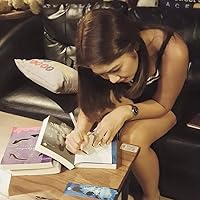
March 10, 2023
“จะเยียวยารักษาม้าที่เหมือนตายแล้วให้เหมือนว่ามันยังไม่ดับดิ้นน่ะหรือ เป็นความคิดที่เพ้อเจ้อ”
Book: ร้านน้ำชา
Writer: เหลาเส่อ
(พระราชนิพนธ์แปล โดย กรมสมเด็จพระเทพรัตนราชสุดา)
#หยิบมาเพราะ
เห็นว่าเล่มนี้เป็นบทละครพูดของจีน ซึ่งทางเราไม่ค่อยอ่านงานจีนเท่าไร เลยนึกอยากลองดู และเล่มนี้ก็บาง ดูแล้วน่าจะอ่านไม่ยาก
#ภาพรวม
เนื่องจากเล่มนี้เป็นบทละครพูดแบบสามองก์ ซึ่งใครที่ไม่คุ้นเคยกับการอ่านบทละครก็จะรู้สึกแปลกตาหน่อยกับวิธีการเล่าเรื่อง แต่กับเด็กวรรณกรรมการละครที่อ่านบทมาเยอะแล้วอย่างเรานั้น รูปแบบนี้ไม่ได้แปลกสักเท่าไร
เนื้อเรื่องพูดถึงร้านน้ำชาของจีนในสมัยก่อน ยุคราวๆ 1898 และเล่าไปเรื่อย ร้านน้ำชาในเรื่องเปรียบเสมือนสถานที่ที่ผู้คนหลากหลายได้มาเจอกัน มานั่งพูดคุยแลกเปลี่ยน และเป็นสถานที่นัดพบเพื่อกิจกรรมต่างๆ มากมาย ทั้งพูดคุยโอ้อวด ค้าขาย นัดพบดูตัว และแม้กระทั่งหลบซ่อนตัว
ตัวละครในเรื่องนำเสนอมาอย่างหลากหลายชนชั้น และครบครันในแบบจีนอย่างที่เราจะนึกได้ มีทั้งระบบขันที นายทหารขี้อวดเบ่งเรื่องกำลังวังชา ผู้อำนวยการใหญ่ที่อวดฐานะและออกอำนาจ ผู้คนบ้านนอกที่ปากกัดตีนถีบและอดอยาก พ่อค้าคนกลางที่หน้าเงินและคดโกง เด็กสาวที่ถูกขายให้กับขันทีและผู้อาวุโส นักลงทุนจอมเพ้อฝันที่ความรู้แค่ห่างอึ่ง และสุดท้าย เจ้าของร้านน้ำชาที่ต้องปรับตัวเพื่ออยู่รอดในแต่ละยุคสมัยที่เปลี่ยนไป
แม้เนื้อเรื่องจะปรากฏฉากหลักในภาวะสงครามสมัยก่อน แต่กลับทำให้เรารู้สึกถึงปัญหาความเหลื่อมล้ำและความต่างของชนชั้นที่ยังปรากฏอยู่ชัดเจนแม้ในยุคปัจจุบันแล้วเช่นกัน
เล่มนี้แถมมาด้วยภาคผนวกที่ดีงาม มีคำอธิบายเกี่ยวกับเรื่องราวในยุคสมัยของเรื่องเพิ่มเติม ด้วยการแนบประวัติศาสตร์จีนมาด้วย และยังมีที่มาที่ไปของการเกิดร้านน้ำชาในจีน และประวัติผู้เขียนโดยสังเขปให้เราเข้าใจได้มากขึ้นด้วยค่ะ
Book: ร้านน้ำชา
Writer: เหลาเส่อ
(พระราชนิพนธ์แปล โดย กรมสมเด็จพระเทพรัตนราชสุดา)
#หยิบมาเพราะ
เห็นว่าเล่มนี้เป็นบทละครพูดของจีน ซึ่งทางเราไม่ค่อยอ่านงานจีนเท่าไร เลยนึกอยากลองดู และเล่มนี้ก็บาง ดูแล้วน่าจะอ่านไม่ยาก
#ภาพรวม
เนื่องจากเล่มนี้เป็นบทละครพูดแบบสามองก์ ซึ่งใครที่ไม่คุ้นเคยกับการอ่านบทละครก็จะรู้สึกแปลกตาหน่อยกับวิธีการเล่าเรื่อง แต่กับเด็กวรรณกรรมการละครที่อ่านบทมาเยอะแล้วอย่างเรานั้น รูปแบบนี้ไม่ได้แปลกสักเท่าไร
เนื้อเรื่องพูดถึงร้านน้ำชาของจีนในสมัยก่อน ยุคราวๆ 1898 และเล่าไปเรื่อย ร้านน้ำชาในเรื่องเปรียบเสมือนสถานที่ที่ผู้คนหลากหลายได้มาเจอกัน มานั่งพูดคุยแลกเปลี่ยน และเป็นสถานที่นัดพบเพื่อกิจกรรมต่างๆ มากมาย ทั้งพูดคุยโอ้อวด ค้าขาย นัดพบดูตัว และแม้กระทั่งหลบซ่อนตัว
ตัวละครในเรื่องนำเสนอมาอย่างหลากหลายชนชั้น และครบครันในแบบจีนอย่างที่เราจะนึกได้ มีทั้งระบบขันที นายทหารขี้อวดเบ่งเรื่องกำลังวังชา ผู้อำนวยการใหญ่ที่อวดฐานะและออกอำนาจ ผู้คนบ้านนอกที่ปากกัดตีนถีบและอดอยาก พ่อค้าคนกลางที่หน้าเงินและคดโกง เด็กสาวที่ถูกขายให้กับขันทีและผู้อาวุโส นักลงทุนจอมเพ้อฝันที่ความรู้แค่ห่างอึ่ง และสุดท้าย เจ้าของร้านน้ำชาที่ต้องปรับตัวเพื่ออยู่รอดในแต่ละยุคสมัยที่เปลี่ยนไป
แม้เนื้อเรื่องจะปรากฏฉากหลักในภาวะสงครามสมัยก่อน แต่กลับทำให้เรารู้สึกถึงปัญหาความเหลื่อมล้ำและความต่างของชนชั้นที่ยังปรากฏอยู่ชัดเจนแม้ในยุคปัจจุบันแล้วเช่นกัน
เล่มนี้แถมมาด้วยภาคผนวกที่ดีงาม มีคำอธิบายเกี่ยวกับเรื่องราวในยุคสมัยของเรื่องเพิ่มเติม ด้วยการแนบประวัติศาสตร์จีนมาด้วย และยังมีที่มาที่ไปของการเกิดร้านน้ำชาในจีน และประวัติผู้เขียนโดยสังเขปให้เราเข้าใจได้มากขึ้นด้วยค่ะ

December 11, 2020
TANG THE ORACLE: I've given up opium.
WANG LIFA: What! Then you'll be able to make something of yourself!
TANG THE ORACLE: I've taken up heroin instead.
It sure is an interesting snapshot of three wild eras of Chinese history: the dying Qing Dynasty, the Warlord Era, and the conclusion of the Second Sino-Japanese War...all from one teahouse. And the colorful cast of teahouse residents, and then eventually their children. Wrestlers, agents, fortune-tellers, soldiers, pimps, and the poor bastard Wang Lifa who tries to keep the place running. For all of the changes China keeps going through, it doesn't seem to be getting all that much better to Wang Lifa.
Sure, you can see the ending coming a mile away . It's a downer of a play. But that doesn't diminish what a compact and important cultural artifact it is. And also an interesting exercise in translations.
A SOLDIER: Balls! Who wants paper money? Give us silver dollars!
WANG LIFA: Sirs, where can I get silver dollars?
A SOLDIER: Balls! Beat the shit out of him!
POLICEMAN: Quick! Give them some more!
WANG LIFA (taking the money out of his pocket): You can burn my house down! I haven't one dollar more! (Hands over paper money.)
A SOLDIER: Balls. (Takes money, turns to go out, and, in passing, snatches away two new tablecloths. Exeunt the soldiers.)

March 25, 2018
My book group was reading Teahouse, and I could only find an e-version in French. So, voila!
It’s a play in three acts, tracing the fate of a Beijing teahouse from the time of the Boxers in 1898, through the warlord period, and then to the cusp of the revolution as civil war raged.
To me it was mostly a social commentary. One of the well-informed discussants talked about how this play was neither character- nor plot-driven. There were some archetypical characters who represented various poor or evil or sad elements of society at these different time periods. Men spending their days hang no out at the teahouse and then going to race their birds. Poor men selling their daughters. Gangsters threatening action if bribes aren’t paid. People who’ve experienced loss regretting what or who they have no more.
Sadly, the playwright committed suicide during the cultural revolution, after he’d been abused by young guards. He is today a figure much respected in literature, lifted from the clouds of political controversy that dominated his final years.
We talked about the book at a Beijing teahouse.
It’s a play in three acts, tracing the fate of a Beijing teahouse from the time of the Boxers in 1898, through the warlord period, and then to the cusp of the revolution as civil war raged.
To me it was mostly a social commentary. One of the well-informed discussants talked about how this play was neither character- nor plot-driven. There were some archetypical characters who represented various poor or evil or sad elements of society at these different time periods. Men spending their days hang no out at the teahouse and then going to race their birds. Poor men selling their daughters. Gangsters threatening action if bribes aren’t paid. People who’ve experienced loss regretting what or who they have no more.
Sadly, the playwright committed suicide during the cultural revolution, after he’d been abused by young guards. He is today a figure much respected in literature, lifted from the clouds of political controversy that dominated his final years.
We talked about the book at a Beijing teahouse.
December 12, 2022
这本书我是在微信听书听的,他们的版本很生动。角色很细腻 情感也很微妙。很多人的参与 像个小世界在转。这个小世界是一个茶馆 很多人参与他的世界 很混乱的世界
这本故事是由三部分组成的 都在不同的历史背景。
结局给我带了悲伤与无奈 那时代很多中国人都很无助 拼命活着却最后还是不如意。有很多角色 有拐卖妇女的 茶馆的老板 有钱的扩少爷 但最终还是被历史决定他们悲哀的结局。
”常四爷 我也不比你强啊!自食其力,凭良心干了一辈子啊,我一事无成!七十多了,只落得卖花生米!个人算什么呢,我盼哪,盼哪,只盼国家像个样儿,不受外国人欺侮。可是……哈哈!
秦仲义 日本人在这儿,说什么合作,把我的工厂就合作过去了。咱们的政府回来了,工厂也不怎么又变成了逆产。仓库里(指后边)有多少货呀,全完!哈哈!”
“常四爷 盼哪,盼哪,只盼谁都讲理,谁也不欺侮谁!可是,眼看着老朋友们一个个的不是饿死,就是叫人家杀了,我呀就是有眼泪也流不出来喽!松二爷,我的朋友,饿死啦,连棺材还是我给他化缘化来的!他还有我这么个朋友,给他化了一口四块板 的棺材;我自己呢?我爱咱们的国呀,可是谁爱我呢?看,(从筐中拿出些纸钱)遇见出殡的,我就捡几张纸钱。没有寿衣,没有棺材,我只好给自己预备下点纸钱吧,哈哈,哈哈!”
这本故事是由三部分组成的 都在不同的历史背景。
结局给我带了悲伤与无奈 那时代很多中国人都很无助 拼命活着却最后还是不如意。有很多角色 有拐卖妇女的 茶馆的老板 有钱的扩少爷 但最终还是被历史决定他们悲哀的结局。
”常四爷 我也不比你强啊!自食其力,凭良心干了一辈子啊,我一事无成!七十多了,只落得卖花生米!个人算什么呢,我盼哪,盼哪,只盼国家像个样儿,不受外国人欺侮。可是……哈哈!
秦仲义 日本人在这儿,说什么合作,把我的工厂就合作过去了。咱们的政府回来了,工厂也不怎么又变成了逆产。仓库里(指后边)有多少货呀,全完!哈哈!”
“常四爷 盼哪,盼哪,只盼谁都讲理,谁也不欺侮谁!可是,眼看着老朋友们一个个的不是饿死,就是叫人家杀了,我呀就是有眼泪也流不出来喽!松二爷,我的朋友,饿死啦,连棺材还是我给他化缘化来的!他还有我这么个朋友,给他化了一口四块板 的棺材;我自己呢?我爱咱们的国呀,可是谁爱我呢?看,(从筐中拿出些纸钱)遇见出殡的,我就捡几张纸钱。没有寿衣,没有棺材,我只好给自己预备下点纸钱吧,哈哈,哈哈!”
March 29, 2023
A wonderful play that captures the sense of helplessness felt by ordinary people trying to weather the sweeping changes that have occurred in modern Chinese history. The irony is poignant and bitter, much like the grounds that remain after drinking a cup of tea. I really wish I was able to read it in Chinese, as Lao She distinctively used the Beijing dialect in the dialogue, so I think a bit of the flav-儿 (flavour) was lost in translation. Regardless, I really really enjoyed it and am now itching to be able to see it performed live.
ps. elaine and joy BETT儿 laugh at my joke...no excuses
ps. elaine and joy BETT儿 laugh at my joke...no excuses

March 26, 2025
A fascinating exploration of Chinese modern history by way of looking simply at peoples reactions and lifestyles that show themselves in a teahouse during significant times of change in China. Where it starts off as some smooth reading and with memorable characters, the further you go the more you're asked to consider what times do to those around you and yourself. The book ends on a very interesting twist that asks the reader to put the times into perspective. A recommendation for theater lovers!
Read
January 23, 2020(tr. John Howard-Gibbon)
I liked the setting. A play about changing times and the effect it has on the characters. The spirit of the teahouse itself changes over time. I really liked the simple, poignant stories that emerge over the acts. Wang Lifa's ending and Kan Shunzi's life stood out.
In my edition there is a collection of pieces performed before acts, I recommened reading them to set the scene.
I liked the setting. A play about changing times and the effect it has on the characters. The spirit of the teahouse itself changes over time. I really liked the simple, poignant stories that emerge over the acts. Wang Lifa's ending and Kan Shunzi's life stood out.
In my edition there is a collection of pieces performed before acts, I recommened reading them to set the scene.

May 31, 2021
这部剧有几种读法,但我选择把《茶馆》读作老舍的遗书。第一幕晚清的维新失败。第二幕民国的军阀纷争。第三幕抗日胜利了,但世事却未变。普通人一样穷困潦倒,饱受欺压。剧尾,茶馆老板自杀,因被黑帮暴徒所逼,也因为被民国军官所害。剧中角色感慨:”我爱咱们的国,可是谁爱我呢?”。老舍1956年写出《茶馆》。在解放初期,难免对中国的前景而感到乐观,所以并未写第四幕。毕竟旧社会是邪恶的,解放后,像茶馆老板一样的人,再也不会被逼得走投无路,而自杀。毕竟,中国人民站起来了。
老舍的Wikipedia写了《茶馆》本该有的最后一幕:
”1966年8月23日,老舍被挂上’反动文人‘牌子。被押至北京孔庙大成门前,被押着向焚毁京剧服装、道具的大火下跪,惨遭侮辱、毒打。血流满面、遍体鳞伤。24日清晨,伤心之至的老舍独自离家出走到北京城西北角外的太平湖畔;穿着白衬衫蓝裤子,拿着《毛泽东诗词》在岸念了整整一天,又坐了大半夜。当日深夜,老舍于太平湖畔跳湖自尽,终年67岁”。
《茶馆》是对中国这一百年,最大的讽刺。
老舍的Wikipedia写了《茶馆》本该有的最后一幕:
”1966年8月23日,老舍被挂上’反动文人‘牌子。被押至北京孔庙大成门前,被押着向焚毁京剧服装、道具的大火下跪,惨遭侮辱、毒打。血流满面、遍体鳞伤。24日清晨,伤心之至的老舍独自离家出走到北京城西北角外的太平湖畔;穿着白衬衫蓝裤子,拿着《毛泽东诗词》在岸念了整整一天,又坐了大半夜。当日深夜,老舍于太平湖畔跳湖自尽,终年67岁”。
《茶馆》是对中国这一百年,最大的讽刺。
May 9, 2022
老舍的文字功力太强了,透过几句话就把人物描写得活灵活现,仿佛眼前就是一座茶馆,我站在一旁看他们嬉笑怒骂。底层老百姓和宰杀时代也就求个活着,可有人偏要别人活得不顺,甚至不活着,从古至今再没变过。秦二爷第三幕那一席话也叫人感动,沮丧,还是常四爷说得好:“我爱咱们的国,可谁爱我呢?”
其实差不多已经猜到结局,但我以为王掌柜的会把茶馆给一把火烧了,可没想到“做了一辈子顺民”的他最后还是上吊自杀了。要是真烧了,那整本《茶馆》的基调也就变了,我太天真。
豆瓣看到一篇影评,给我的感想是王掌柜即便活到中华人民共和国成立,那他这茶馆也保不住,最后也还是个死。王掌柜就是中国人的典型代表,只保住自己那一亩三分地即可,做一辈子顺民,到了保不了的时候,也大多是活不下去了。
其实差不多已经猜到结局,但我以为王掌柜的会把茶馆给一把火烧了,可没想到“做了一辈子顺民”的他最后还是上吊自杀了。要是真烧了,那整本《茶馆》的基调也就变了,我太天真。
豆瓣看到一篇影评,给我的感想是王掌柜即便活到中华人民共和国成立,那他这茶馆也保不住,最后也还是个死。王掌柜就是中国人的典型代表,只保住自己那一亩三分地即可,做一辈子顺民,到了保不了的时候,也大多是活不下去了。
This entire review has been hidden because of spoilers.

April 22, 2026
تدور أحداث المسرحية بالكامل داخل مقهى "يوي تاي" في بكين، وهو مقهى تقليدي يعمل كمرآة للمجتمع. تنقسم المسرحية إلى ثلاثة فصول، يمثل كل منها حقبة تاريخية مختلفة:
الفصل الأول: الحركة الإصلاحية وأسباب فشلها.
الفصل الثاني: تأسيس الجمهورية وصراع حكام الولايات العسكريين.
الفصل الثالث: الحرب الصينية_ اليابانية.
الفصل الأول: الحركة الإصلاحية وأسباب فشلها.
الفصل الثاني: تأسيس الجمهورية وصراع حكام الولايات العسكريين.
الفصل الثالث: الحرب الصينية_ اليابانية.

January 17, 2019
By the end I had bonded a bit with Wang Lifa, but overall the characters seemed to jump in and out of scenes without offering much depth. Interesting context, but the plot and characterization both lacked the dynamism of truly engaging works.
Displaying 1 - 30 of 58 reviews