

What do you think?

The Gift
The Gift is the last of the novels Nabokov wrote in his native Russian and the crowning achievement of that period in his literary career. It is also his ode to Russian literature, evoking the works of Pushkin, Gogol, and others in the course of its narrative: the story of Fyodor Godunov-Cherdyntsev, an impoverished émigré poet living in Berlin, who dreams of the book he will someday write—a book very much like The Gift itself.
403 pages, Paperback
First published January 1, 1937
About the author
Vladimir Nabokov
892 books15.6k followersVladimir Nabokov (Russian: Владимир Набоков) was a writer defined by a life of forced movement and extraordinary linguistic transformation. Born into a wealthy, liberal aristocratic family in St. Petersburg, Russia, he grew up trilingual, speaking Russian, English, and French in a household that nurtured his intellectual curiosities, including a lifelong passion for butterflies. This seemingly idyllic, privileged existence was abruptly shattered by the Bolshevik Revolution, which forced the family into permanent exile in 1919. This early, profound experience of displacement and the loss of a homeland became a central, enduring theme in his subsequent work, fueling his exploration of memory, nostalgia, and the irretrievable past.
The first phase of his literary life began in Europe, primarily in Berlin, where he established himself as a leading voice among the Russian émigré community under the pseudonym "Vladimir Sirin". During this prolific period, he penned nine novels in his native tongue, showcasing a precocious talent for intricate plotting and character study. Works like The Defense explored obsession through the extended metaphor of chess, while Invitation to a Beheading served as a potent, surreal critique of totalitarian absurdity. In 1925, he married Véra Slonim, an intellectual force in her own right, who would become his indispensable partner, editor, translator, and lifelong anchor.
The escalating shadow of Nazism necessitated another, urgent relocation in 1940, this time to the United States. It was here that Nabokov undertook an extraordinary linguistic metamorphosis, making the challenging yet resolute shift from Russian to English as his primary language of expression. He became a U.S. citizen in 1945, solidifying his new life in North America. To support his family, he took on academic positions, first founding the Russian department at Wellesley College, and later serving as a highly regarded professor of Russian and European literature at Cornell University from 1948 to 1959.
During this academic tenure, he also dedicated significant time to his other great passion: lepidoptery. He worked as an unpaid curator of butterflies at Harvard University's Museum of Comparative Zoology. His scientific work was far from amateurish; he developed novel taxonomic methods and a groundbreaking, highly debated theory on the migration patterns and phylogeny of the Polyommatus blue butterflies, a hypothesis that modern DNA analysis confirmed decades later.
Nabokov achieved widespread international fame and financial independence with the publication of Lolita in 1955, a novel that was initially met with controversy and censorship battles due to its provocative subject matter concerning a middle-aged literature professor and his obsession with a twelve-year-old girl. The novel's critical and commercial success finally allowed him to leave teaching and academia behind. In 1959, he and Véra moved permanently to the quiet luxury of the Montreux Palace Hotel in Switzerland, where he focused solely on writing, translating his earlier Russian works into meticulous English, and studying local butterflies.
His later English novels, such as Pale Fire (1962), a complex, postmodern narrative structured around a 999-line poem and its delusional commentator, cemented his reputation as a master stylist and a technical genius. His literary style is characterized by intricate wordplay, a profound use of allusion, structural complexity, and an insistence on the artist's total, almost tyrannical, control over their created world. Nabokov often expressed disdain for what he termed "topical trash" and the simplistic interpretations of Freudian psychoanalysis, preferring instead to focus on the power of individual consciousness, the mechanics of memory, and the intricate, often deceptive, interplay between art and perceived "reality". His unique body of work, straddling multiple cultures and languages, continues to
The first phase of his literary life began in Europe, primarily in Berlin, where he established himself as a leading voice among the Russian émigré community under the pseudonym "Vladimir Sirin". During this prolific period, he penned nine novels in his native tongue, showcasing a precocious talent for intricate plotting and character study. Works like The Defense explored obsession through the extended metaphor of chess, while Invitation to a Beheading served as a potent, surreal critique of totalitarian absurdity. In 1925, he married Véra Slonim, an intellectual force in her own right, who would become his indispensable partner, editor, translator, and lifelong anchor.
The escalating shadow of Nazism necessitated another, urgent relocation in 1940, this time to the United States. It was here that Nabokov undertook an extraordinary linguistic metamorphosis, making the challenging yet resolute shift from Russian to English as his primary language of expression. He became a U.S. citizen in 1945, solidifying his new life in North America. To support his family, he took on academic positions, first founding the Russian department at Wellesley College, and later serving as a highly regarded professor of Russian and European literature at Cornell University from 1948 to 1959.
During this academic tenure, he also dedicated significant time to his other great passion: lepidoptery. He worked as an unpaid curator of butterflies at Harvard University's Museum of Comparative Zoology. His scientific work was far from amateurish; he developed novel taxonomic methods and a groundbreaking, highly debated theory on the migration patterns and phylogeny of the Polyommatus blue butterflies, a hypothesis that modern DNA analysis confirmed decades later.
Nabokov achieved widespread international fame and financial independence with the publication of Lolita in 1955, a novel that was initially met with controversy and censorship battles due to its provocative subject matter concerning a middle-aged literature professor and his obsession with a twelve-year-old girl. The novel's critical and commercial success finally allowed him to leave teaching and academia behind. In 1959, he and Véra moved permanently to the quiet luxury of the Montreux Palace Hotel in Switzerland, where he focused solely on writing, translating his earlier Russian works into meticulous English, and studying local butterflies.
His later English novels, such as Pale Fire (1962), a complex, postmodern narrative structured around a 999-line poem and its delusional commentator, cemented his reputation as a master stylist and a technical genius. His literary style is characterized by intricate wordplay, a profound use of allusion, structural complexity, and an insistence on the artist's total, almost tyrannical, control over their created world. Nabokov often expressed disdain for what he termed "topical trash" and the simplistic interpretations of Freudian psychoanalysis, preferring instead to focus on the power of individual consciousness, the mechanics of memory, and the intricate, often deceptive, interplay between art and perceived "reality". His unique body of work, straddling multiple cultures and languages, continues to
Ratings & Reviews
Friends & Following
Create a free account to discover what your friends think of this book!
Community Reviews
Displaying 1 - 30 of 407 reviews

April 16, 2013
The Gift is Vladimir Nabokov’s best novel written in Russian – dense, voluminous, multifaceted, multilayered, multilevel, nostalgic, linguistically splendid and most beautiful.
While reading The Gift I fell under its spell and relived all the hero’s emotional experiences: the gift of youth, the gift of love, the gift of talent, the gift of poetry…
Poems are like butterflies – they bring summer, flutter all around and charm.
Then, when I fell under the spell of butterflies, something unfolded in my soul and I relived all my father’s journeys, as if I myself had made them: in my dreams I saw the winding road, the caravan, the many-hued mountains, and envied my father madly, agonizingly, to the point of tears – hot and violent tears that would suddenly gush out of me at table as we discussed his letters from the road or even at the simple mention of a far, far place.
While reading The Gift I fell under its spell and relived all the hero’s emotional experiences: the gift of youth, the gift of love, the gift of talent, the gift of poetry…
Poems are like butterflies – they bring summer, flutter all around and charm.

Read
November 21, 2015
Half way through this novel, we come on a scene where Russian writer Nikolay Chernyshevsky smudges his old boots with ink to hide the scuff marks, and freshens up his bootlaces at the same time by dipping them into the ink pot. Then he carelessly drops one of the ink-soaked laces onto a page he'd just written.
It’s difficult to imagine that scene in an age when we rarely see an ink bottle, never mind dip anything into it. The ink we use today is safely sealed in cartridges, and more often destined for electronic printers than for any kind of writing instrument. However, this little scene made me wonder what would happen if an inky bootlace fell on a page of Nabokov's writing. I imagined a snake of ink blots sliding across the text causing some words to disappear completely, others to be partially obliterated, their shape emerging from the blackness like phantoms. Still others would be transformed into new words by the deletion of a beginning syllable, a middle one or an ending.
And then I wondered how the text would read after the accident.
Like something in code?
Like something that has been censored?
Like something only partially formed, something that has not yet emerged from a chrysalis state?
Or like a text read in a dream..
The Gift, the last novel Nabokov wrote in Russian, and the most exciting of his I’ve read, offers all those variations, and much, much more.
Fyodor Godunov, poet and writer, is the first-person narrator of the book. But like a knight who has moved sideways and fallen of the edge of a chessboard, Fyodor seems to be outside the world of the main story, watching himself, the other knight as it were, still active on the squares of the storyboard, and referred to in the third person.
The early chapters of his narrative read like a dream in every sense of that phrase; Fyodor takes time out from describing daily life in Berlin in the 1920s - the chessboard of the main story - to look back at a time before the time of the story, a time that seems very remote and only visible as if through a moiré curtain. With a painter's eye for the effects of dissolving light and shimmering shade, he recreates a secondary narrative, the smoky outlines of that time before time, the childhood spent in a country that doesn't exist anymore but to which he holds the keys: Russia before the revolution. Fyodor mislays keys many times in the course of the book but he is certain that he will never mislay the keys to his Russia because he carries his homeland inside himself.
Ought one not to reject any longing for one’s homeland, for any homeland besides that which is with me, within me, which is stuck like silver sand of the sea to the skin of my soles, lives in my eyes, my blood, gives depth and distance to the background of life’s every hope? Some day, interrupting my writing, I will look through the window and see a Russian autumn.
To return to the framework of Fyodor’s Berlin story, there emerges within it a third entirely different but equally interesting narrative. Through a circuitous set of circumstances involving various interesting coincidences, Fyodor finds himself researching and writing a memoir of the Russian revolutionary writer-poet, Nicolay Chernyshevski (1828-1889) whose novels influenced many political activists including Lenin. But just as insects learn to mimic their surroundings in order to fool their enemies, Fyodor’s memoir is only the mimicry of a memoir. Though adequately factual and suitably literary, it is in reality a satire aimed at all the writer-revolutionaries like Chernyshevsky whose clumsy inky boots had trampled all over the literary legacy of Russia built so carefully by Pushkin, Gogol, Lermontov, Tolstoy, Bely and many more.
Not surprisingly, the editors and critics among the Russian emigré community in Berlin turn out to be very sharp-eyed predators who are not fooled by such a pseudo memoir (which the reader gets to read in its entirety in chapter four of The Gift); they are not prepared to accept that the satire might contain truth, even if only an artistic one. Fyodor’s Chernyshevsky memoir is more or less blotted out, deleted, forgotten. (In a case of life imitating art, when Nabokov succeeded in having The Gift published in serial form in a Paris emigré magazine in 1937, it appeared without Chapter Four. The Chernyshevski chapter had once again been censored, deleted, wiped out, just as had happened in its fictional existence. It didn’t finally appear in print until the 1952 edition of The Gift).
Within the Russian doll that is The Gift lies a fourth story: Fyodor’s personal struggle to be a composer of something more lasting than literary or political satire. Before tackling the Chervyshevski memoir, he had already been searching for his own literary destiny; was he a poet, or a dramatist, or perhaps a novelist? Eventually, like Proust's narrator, he begins to figure out what it is he really wants to write about and how he wants to write it. Reading between the lines, and in spite of false trails and coded wording, the reader realises that The Gift itself is the chrysalis of the book Fyodor will one day write.
……………………………………………………………
If I've given more information than I usually do about the plot of this book, it was to emphasize the structure which I think is really brilliant. But rest assured, there are a few more Russian dolls wrapped up inside The Gift; Fyodor's Berlin life is full of character and incident, and provides a valuable record of the world of the Russian emigré community in Berlin in the 1920s.
July 12, 2019
Of the many Nabokov novels I have read so far, The Gift might not rank as one of my favourites, but it's probably the most ambitious. For a start, it reads like two books in one, as the narrative is about, and in part, by Fyodor Konstantinovich Godunov-Cherdyntsev, the young Russian émigré aristocrat living in Berlin who is at the centre of Nabokov's novel. In its ambiguities, its poetry, its typical Nabokov wordplay, and its originality, The Gift can be seen as a metaphor for Russian literature, that greatest of mother Russia’s gifts to the world, and a kind of literary road map to the rest of Nabokov’s work.
Moving from fiction to more or less fact, The story begins by looking at Fyodor’s poems, before Pushkin gets noted in Fyodor’s literary progress which contains his attempt to describe his father’s zoological explorations. We then shift to a chapter on Gogol, and then Fyodor’s biography of 19th-century Russian philosopher Nikolay Chernyshevsky titled a spiral within a sonnet, which is an entirely different narrative structure from the enveloping novel. All this going on inside his work is played out alongside his life outside of writing, and combines all the preceding themes and represents the book Fyodor dreams of writing someday: The Gift. Which to both Nabokov and Fyodor, is an indictment of everything wayward and ignoble about the old Russia that the new Soviet Russia inherited and enlarged.
The Gift is a homage and a parody not only to old Russian masters such as Gogol, Pushkin and Tolstoy, but also of lesser-known provincial writers. Nabokov in the past has carried with him a malice towards certain other Russian writers, but there is none of that here, and one of Nabokov’s greatest accomplishments as a writer is the way he respectfully parodies the great traditions that inspire him. Like all writers, Fyodor is fascinated despite himself by such grotesque details; but like all good writers, including his creator, he has compassion to match his perspicacity. Indeed, in the course of the novel Fyodor’s feelings for others, notably his fiancée, Zina, deepen and mature. There is a striking tenderness in his courtship of Zina that comes across as more affectionate and innocent than the sardonic, jittery and silly love affairs elsewhere in Nabokov’s work. Maybe because it was strongly based on Nabokov’s own courtship of his wife Véra, as so much else in the novel is firmly based on those émigré years, The Gift should be regarded as Nabokov’s most autobiographical novel.
Russian émigré life comes back to life with a greater, deeper, more poignant accuracy here than in any other of Nabokov’s novels, and Fyodor himself grows up before our very eyes, changing from self-indulgent idler, to a man of many letters, with a novelistic, or Nabokovian, eye for masterly writing. There was so much to like about this, however, as Nab set the bar pretty high regarding the rest of his work, this wouldn't even get into my top five, but it does deserve a solid 4/5.

December 17, 2008
I don't think I know enough about Russian literature to properly get this book, but it did have some great moments. One in particular that I'm often reminded of whenever people on either side of the religion/skepticism debate start saying that things are "obvious". A character is in the middle of an atheist rant. "There's no God!" he exclaims. "It's as obvious as the fact that it's raining right now!" Then Nabokov's camera moves back, and you see that the person upstairs has in fact been watering the flowers on his balcony.
I loved this scene, but I'd be very wary about interpreting it to mean that Nabokov was religious. Just like the non-existence of God: it may be true, but it's not obvious.

June 6, 2008
The Gift finds among its peers works such as In Search of Lost Time and A Portrait of the Artist as a Young Man, or Dedalus' scenes in Ulysses (does the root of every novel since inexorably stretch back to Ulysses? I see it everywhere). It even feels like a sequel to Speak, Memory, though Nabokov is careful to dissociate himself from Godunov-Cherdyntsev. Yet the book is woven with Pushkin and Gogol and lepidoptera, musings on chess and time, the deceptive and imitative qualities of the natural world, and the essence of fate and consciousness, all Nabokov's pet subjects. Godunov-Cherdyntsev resides in the same Berlin where Nabokov resided in the same time period (the lee between the world wars), associates with similar coevals as Nabokov kept company with in his Berlin years, and the literary progression of the poet becoming the prose stylist extraordinaire seems to mirror a rather familiar reflection. All in all, it feels like Nabokov's most personal work, outside of the autobiography. It is also a retort to all of those who criticize Nabokov for being all style and no substance, or those who claim his characters are inhuman or that he doesn't understand people or have compassion for them. Martin Amis, in his introduction to Lolita, called him "the laureate of cruelty". Certainly Lolita is a cruelly amusing work, and certainly he has created monsters. But if I can restrain from overstatement: The Gift is overwhelmingly hopeful and rapturous about life. It is an examination of and tribute to the design of fate, an embrace of the idea that the chaos of our lives is simply "the reverse side of a magnificent fabric", and if we strain our eyes out of time and look across the breadth of our memory, we will see the precise workings of a hidden design, even in the obstructions that have checked us along the way. Thus the form of the book takes on a series of biographies, playing out the mechanisms of a succession of lives and probing them for the shadow of the delicate hand of fate. Yasha's life, Fyodor's father's life, Chernyshevski's life (there is much to be said, essays worth to be said, of the duality in his recollection of his father's wanderings and his Life of Chernyshevski), his own life from an idyllic childhood to exile in a foreign city and falling in love with Zina; Nabokov through Godunov-Cherdyntsev transcribes many destinies in the service of splaying providence out on a dissecting table. In this way, Nabovok is skewing the idea that "life imitates art", expressing life as a work of art, that if we look closely we can see the individual brush strokes that together created our masterpiece. The Life of Chernyshevski (given as a whole text within the novel), Godunov-Cherdyntsev's skewering of Russia's "men of the sixties", the materialists whose ideas led to the banal artistic credo of Social Realism and in many ways directly to the Bolsheviks, is, to me, some of Nabokov's most interesting and strong writing. It takes the circular structure of The Gift itself, and is an inversion of Godunov-Cherdyntsev's philosophy and the entire novel.
Great books don't need the ornament of reviews, and this is a great book. As such it should just be read, again and again. The Gift is something like what Fyodor himself at some point offhandedly thinks of writing, "a practical handbook: How to Be Happy".
Great books don't need the ornament of reviews, and this is a great book. As such it should just be read, again and again. The Gift is something like what Fyodor himself at some point offhandedly thinks of writing, "a practical handbook: How to Be Happy".

December 18, 2021
CRITIQUE ["WORKIN' ON MYSTERIES WITHOUT ANY CLUES"]:
Random Collection Of Consonants
As soon as I started "The Gift", I realised that it was so long since I'd read any serious Russian literature (my reading life started with Gogol and Turgenev, followed shortly after by Laurence Sterne), that I was no longer used to the random collection of consonants that constituted most Russian surnames.
The two principal surnames in "The Gift" are Cherdyntsev and Chernyshevski. Once you look closely at their structure and verbalise them, they're quite different, and easily differentiated.
The second feature that facilitated my reading of the novel was the fact that there were five chapters of almost identical length.
Soon the end of each chapter became a signpost and a measure of distance travelled, that gave me a sense of progress as I made my way through the novel.
1.1 Russian Émigrés in Berlin
The first chapter (like most of the novel, apart from chapter 4) is set in the Russian émigré community in Berlin in the 1920's. It's not always clear whether the characters are exiles from late Tsarist Russia, or refugees from revolutionary Russia.
However, the ones we meet (authors, poets, critics, and journalists) all belong to political and literary circles, who meet in halls and salons to discuss, critique and bicker over books,pamphlets and periodicals that they've written or read. They all have strong opinions (not always positive) about works that come to their attention, even if they've been written by a friend. Friends' books seem to garner the most unrestrained criticism.
That said, literature is not just a rest or break from real life, it's a vital part of life in its own right. You are nothing if you aren't reading or writing. Literature is a measure of your engagement in life.
1.2 Some Bizarre Love Triangle
The centre of attention in the first chapter is Yasha Chernyshevski, a poet who is supposedly the great-grandson of the famous 1860's writer, philosopher and author of the novel, "What is to Be Done?", Nikolay Chernyshevski. Yasha commits suicide when caught in a bizarre love triangle (“a triangle inscribed in a circle”). It's hinted that he is the only one who honoured his promise in a triangular suicide pact:
The narrator is another poet, Fyodor Godunov-Cherdyntsev, who has just published his first volume of poems, to little critical attention or appreciation.
It seems that poetry, for Fyodor, is just a first step in his writing career, one day to be followed by a biography and/or a novel (potentially, a fictionalisation of the "events" we are reading about in Nabokov's novel).
Many in the circle are keen to give Fyodor advice on his next step.
Another poet suggests: "Look, you ought to write a little book in the form of a biographie romancée about our great man of the sixties…Nikolay Chernyshevski was indeed a heroic soul."
Yasha's grief-stricken mother wants Fyodor to write a novel about her son (whom he resembles physically). Fyodor is reluctant, never having been that close to Yasha when they were at university:
2. The Expeditions of Fyodor's Father
In chapter 2, assuming Fyodor is the writer/narrator (he leaps between first and third person throughout), Fyodor's first writing focuses on his father's life story, including his interest in butterflies:
It's this sort of detail that has given rise to speculation that the novel is partly autobiographical. However, it's probably more correct to say that Nabokov consistently farmed his (and his family's) life for literary detail:

3. Zina Mertz - "Girl Made to Measure"
The autobiographical detail seems to continue into chapter 3, which, in addition to containing a love interest by the name of Zina Mertz (possibly based on Vera?), refers several times to the game of chess and knight moves.
Fyodor and Zina are very close:
Zina is also extremely supportive of Fyodor's writing career (having been one of the few people to purchase a copy of his first book of poems):
Zina believes Fyodor has a gift.
4. "The Life of Chernyshevski"
Despite Fyodor's apparent reservations, chapter 4 contains a biographical essay about the life and works of Nikolay Chernyshevski, which is presumably the work that Fyodor is supposed to have written. We can also assume that chapter 1 is his story about Yasha.
This juxtaposition of fiction and non-fiction is a precursor to the poem and fictional criticism in "Pale Fire".
Fyodor is as devoted to the world of fiction as he is patriotic to his homeland and its literature:
5. Love and "Wars of Words"
In chapter 5, Fyodor describes his writing goals in terms of the infinite:
Like "Finnegans Wake", the end of "The Gift" circles back to the beginning of the novel.
In this chapter, we also see the reviews of Fyodor's essay. It was not sufficiently laudatory of Chernyshevski to gain positive reviews, and some of them are positively damning. Those who did not go to war engaged in "wars of words".
Nevertheless, Zina remains loyal to Fyodor:
To which, Fyodor responds:
Zina pleads for more:
"On the Whole It Does Not Matter"
Nabokov's exemplary, quinary, "kind of" novel belongs firmly in the modernist tradition, though he was averse to using the term himself, and many post-modernists would soon borrow his methods (including imitation, juxtaposition, and mockery).
VERSE:
Farewell Owed to Pushkin
[by Vladimir Nabokov]
"Good-bye, my book! Like mortal eyes,
imagined ones must close some day.
Onegin from his knees will rise
– but his creator strolls away.
And yet the ear cannot right now
part with the music and allow
the tale to fade; the chords of fate
itself continue to vibrate;
and no obstruction for the sage
exists where I have to put The End:
the shadows of my world extend
beyond the skyline of the page,
blue as tomorrow’s morning haze
– nor does this terminate the phrase."
HOMAGE:
Some Bizarre Triangular Suicide Pact
As Quentin Tarantino intuited in "Reservoir Dogs", it must be more difficult than you think to stage a triangular suicide pact or shoot out.
Imagine, to start with, that X (a male)) is in love with Y (a female), Y is in love with Z (a male), and Z is in love with X. But none of the couples is happy (if two people are happy, then the third must be unhappy), and the three, who are all good friends, resolve to end their lives by suicide. It must happen all the time. If not here, then in Russia.
Assuming they only had one revolver between them, it's unlikely that, even with the ultimate goal of happiness (or absence of unhappiness) in mind, all three lovers could or would commit suicide simultaneously.
It's more likely that there would be at least one murder required. Thus, one plausible outcome is a suicide, a murder, and a suicide. Another might be a murder, a murder and a suicide. A suicide seems to be necessary for the survivor of the first two deaths.
One more conjecture: all three lovers decide to wear gloves, so that no fingerprints are left on the single revolver they plan to use.
So, let's start with Z shooting himself. This leaves X and Y alive. So, imagine that Y works up the courage to shoot X. Now, X and Z are dead, and Y must commit suicide, to fulfill their pact.
What if Y reneges on their vow to commit suicide? Especially while they are surrounded by the bloody mess of the two dead lovers. Wouldn't this experience have quenched their appetite for death?
Y is more fragile than ever, and in need of sympathetic and understanding love.
Imagine, further, that you are F, and that unbeknown to any of the other three (X, Y or Z), you were in love with Y. This would, finally, leave you, F, to pursue your love of Y, without a rival. Even though, Y is a murderer, having been responsible for (and technically guilty of) the death by murder of X.
Fortunately, each death has involved the same revolver, and it's not possible to prosecute Y for any of the deaths, because everybody has worn gloves. So there is no criminal judicial obstacle in the way of F and Y establishing a relationship, and living happily ever after.
What could possibly go wrong?
I wonder whether the Coen Brothers might have any ideas.
SOUNDTRACK:
Random Collection Of Consonants
As soon as I started "The Gift", I realised that it was so long since I'd read any serious Russian literature (my reading life started with Gogol and Turgenev, followed shortly after by Laurence Sterne), that I was no longer used to the random collection of consonants that constituted most Russian surnames.
The two principal surnames in "The Gift" are Cherdyntsev and Chernyshevski. Once you look closely at their structure and verbalise them, they're quite different, and easily differentiated.
The second feature that facilitated my reading of the novel was the fact that there were five chapters of almost identical length.
Soon the end of each chapter became a signpost and a measure of distance travelled, that gave me a sense of progress as I made my way through the novel.
1.1 Russian Émigrés in Berlin
The first chapter (like most of the novel, apart from chapter 4) is set in the Russian émigré community in Berlin in the 1920's. It's not always clear whether the characters are exiles from late Tsarist Russia, or refugees from revolutionary Russia.
However, the ones we meet (authors, poets, critics, and journalists) all belong to political and literary circles, who meet in halls and salons to discuss, critique and bicker over books,pamphlets and periodicals that they've written or read. They all have strong opinions (not always positive) about works that come to their attention, even if they've been written by a friend. Friends' books seem to garner the most unrestrained criticism.
That said, literature is not just a rest or break from real life, it's a vital part of life in its own right. You are nothing if you aren't reading or writing. Literature is a measure of your engagement in life.
1.2 Some Bizarre Love Triangle
The centre of attention in the first chapter is Yasha Chernyshevski, a poet who is supposedly the great-grandson of the famous 1860's writer, philosopher and author of the novel, "What is to Be Done?", Nikolay Chernyshevski. Yasha commits suicide when caught in a bizarre love triangle (“a triangle inscribed in a circle”). It's hinted that he is the only one who honoured his promise in a triangular suicide pact:
"He said he would shoot himself by right of seniority…and this simple remark rendered unnecessary the stroke of drawn lots…"
The narrator is another poet, Fyodor Godunov-Cherdyntsev, who has just published his first volume of poems, to little critical attention or appreciation.
It seems that poetry, for Fyodor, is just a first step in his writing career, one day to be followed by a biography and/or a novel (potentially, a fictionalisation of the "events" we are reading about in Nabokov's novel).
Many in the circle are keen to give Fyodor advice on his next step.
Another poet suggests: "Look, you ought to write a little book in the form of a biographie romancée about our great man of the sixties…Nikolay Chernyshevski was indeed a heroic soul."
Yasha's grief-stricken mother wants Fyodor to write a novel about her son (whom he resembles physically). Fyodor is reluctant, never having been that close to Yasha when they were at university:
"Everything that to his mother was filled with enchantment only repelled me. As a poet he was, in my opinion, very feeble: he did not create, he merely dabbled in poetry, just as thousands of intelligent youths of his type did; but if they did not meet with some kind of more or less heroic death…, they subsequently abandoned literature altogether…"
"I had no desire at all to write about the great man of the sixties and even less to write about Yasha, as his mother persistently counselled for her part (so that, taken together, here was an order for a complete history of their family)."
"…I was both amused and irritated by these efforts of theirs to channel my muse…"
2. The Expeditions of Fyodor's Father
In chapter 2, assuming Fyodor is the writer/narrator (he leaps between first and third person throughout), Fyodor's first writing focuses on his father's life story, including his interest in butterflies:
"A love of lepidoptera was inculcated into him by his German tutor. By the way: what has happened to those originals who used to teach natural history to Russian children - green net, tin box on a sling, hat stuck with pinned butterflies, long, learned nose, candid eyes behind spectacles...?"
It's this sort of detail that has given rise to speculation that the novel is partly autobiographical. However, it's probably more correct to say that Nabokov consistently farmed his (and his family's) life for literary detail:
"...he might go off on his journeys not so much to seek something as to flee something, and...on returning, he would realise that it was still with him, inside him, unriddable, inexhaustible."
3. Zina Mertz - "Girl Made to Measure"
The autobiographical detail seems to continue into chapter 3, which, in addition to containing a love interest by the name of Zina Mertz (possibly based on Vera?), refers several times to the game of chess and knight moves.
Fyodor and Zina are very close:
"…not only was Zina cleverly and elegantly made to measure for him by a very painstaking fate, but both of them, forming a single shadow, were made to the measure of something not quite comprehensible, but wonderful and benevolent and continuously surrounding them."
"Despite the complexity of her mind, a most convincing simplicity was natural to her, so that she could permit herself much that others would be unable to get away with, and the very speed of their coming together seemed to Fyodor completely natural in the sharp light of her directness."
Zina is also extremely supportive of Fyodor's writing career (having been one of the few people to purchase a copy of his first book of poems):
"Oh, I have a thousand plans for you. I have such a clear feeling that one day you’ll really lash out. Write something huge to make everyone gasp."
Zina believes Fyodor has a gift.
4. "The Life of Chernyshevski"
Despite Fyodor's apparent reservations, chapter 4 contains a biographical essay about the life and works of Nikolay Chernyshevski, which is presumably the work that Fyodor is supposed to have written. We can also assume that chapter 1 is his story about Yasha.
This juxtaposition of fiction and non-fiction is a precursor to the poem and fictional criticism in "Pale Fire".
Fyodor is as devoted to the world of fiction as he is patriotic to his homeland and its literature:
"Love only what is fanciful and rare;
What from the distance of a dream steals through;
What knaves condemn to death and fools can’t bear.
To fiction be as to your country true."
5. Love and "Wars of Words"
In chapter 5, Fyodor describes his writing goals in terms of the infinite:
"Definition is always finite, but I keep straining for the faraway. I search beyond the barricades (of words, of senses, of the world) for infinity, where all, all the lines meet."
Like "Finnegans Wake", the end of "The Gift" circles back to the beginning of the novel.
In this chapter, we also see the reviews of Fyodor's essay. It was not sufficiently laudatory of Chernyshevski to gain positive reviews, and some of them are positively damning. Those who did not go to war engaged in "wars of words".
Nevertheless, Zina remains loyal to Fyodor:
"I like it all immensely. I think you'll be such a writer as has never been before and Russia will simply pine for you - when she comes to her senses too late...But do you love me?"
To which, Fyodor responds:
"What I am saying is in fact a kind of declaration of love."
Zina pleads for more:
"A 'kind of' is not enough. You know at times I shall probably be wildly unhappy with you. But on the whole it does not matter, I'm ready to face it."
"On the Whole It Does Not Matter"
Nabokov's exemplary, quinary, "kind of" novel belongs firmly in the modernist tradition, though he was averse to using the term himself, and many post-modernists would soon borrow his methods (including imitation, juxtaposition, and mockery).
VERSE:
Farewell Owed to Pushkin
[by Vladimir Nabokov]
"Good-bye, my book! Like mortal eyes,
imagined ones must close some day.
Onegin from his knees will rise
– but his creator strolls away.
And yet the ear cannot right now
part with the music and allow
the tale to fade; the chords of fate
itself continue to vibrate;
and no obstruction for the sage
exists where I have to put The End:
the shadows of my world extend
beyond the skyline of the page,
blue as tomorrow’s morning haze
– nor does this terminate the phrase."
HOMAGE:
Some Bizarre Triangular Suicide Pact
As Quentin Tarantino intuited in "Reservoir Dogs", it must be more difficult than you think to stage a triangular suicide pact or shoot out.
Imagine, to start with, that X (a male)) is in love with Y (a female), Y is in love with Z (a male), and Z is in love with X. But none of the couples is happy (if two people are happy, then the third must be unhappy), and the three, who are all good friends, resolve to end their lives by suicide. It must happen all the time. If not here, then in Russia.
Assuming they only had one revolver between them, it's unlikely that, even with the ultimate goal of happiness (or absence of unhappiness) in mind, all three lovers could or would commit suicide simultaneously.
It's more likely that there would be at least one murder required. Thus, one plausible outcome is a suicide, a murder, and a suicide. Another might be a murder, a murder and a suicide. A suicide seems to be necessary for the survivor of the first two deaths.
One more conjecture: all three lovers decide to wear gloves, so that no fingerprints are left on the single revolver they plan to use.
So, let's start with Z shooting himself. This leaves X and Y alive. So, imagine that Y works up the courage to shoot X. Now, X and Z are dead, and Y must commit suicide, to fulfill their pact.
What if Y reneges on their vow to commit suicide? Especially while they are surrounded by the bloody mess of the two dead lovers. Wouldn't this experience have quenched their appetite for death?
Y is more fragile than ever, and in need of sympathetic and understanding love.
Imagine, further, that you are F, and that unbeknown to any of the other three (X, Y or Z), you were in love with Y. This would, finally, leave you, F, to pursue your love of Y, without a rival. Even though, Y is a murderer, having been responsible for (and technically guilty of) the death by murder of X.
Fortunately, each death has involved the same revolver, and it's not possible to prosecute Y for any of the deaths, because everybody has worn gloves. So there is no criminal judicial obstacle in the way of F and Y establishing a relationship, and living happily ever after.
What could possibly go wrong?
I wonder whether the Coen Brothers might have any ideas.
SOUNDTRACK:

October 15, 2012
“Have you ever happened, reader, to feel that subtle sorrow of parting with an unloved abode? The heart does not break, as it does in parting with dear objects. The humid gaze does not wander around holding back a tear, as if it wished to carry away in it a trembling reflection of the abandoned spot; but in the best corner of our hearts we feel pity for the things which we did not bring to life with our breath, which we hardly noticed and are now leaving forever. This already dead inventory will not be resurrected in one's memory...”― Vladimir Nabokov, The Gift
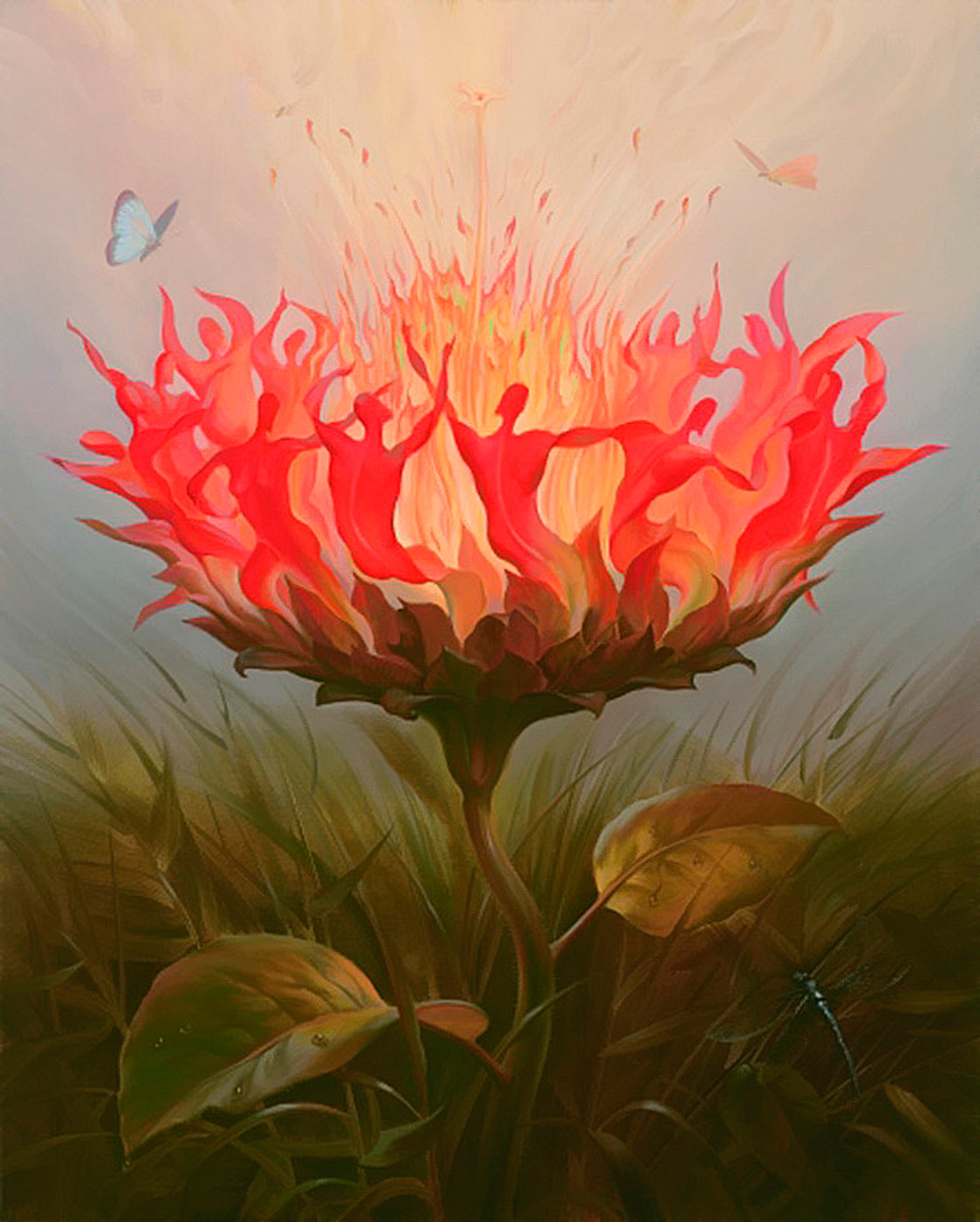
A very Proust-inspired (memory, love, dreams, art) Nabokov. The last of his Russian novels, 'the Gift' is a complex and rich Künstlerroman and is one of those novels that makes me wish I spent more time in college studying Russian simply so I could catch the nuanced differences between the Chapters where Nabokov is mimicking Pushkin, Gogol, and other Russian novelists.
Nabokov always amazes me with his ability to provoke, entertain and awe his readers. There are some novelists where it is clear they are writing for a certain audience. Nabokov seems content just to write novels that entertain an audience of one (VN). If someone else gets his books, well, it is all just a sugary and mischievous bonus, but overall ... he'd prefer to be left alone to categorize and pin his rare butterflies and metric variations.
A very Proust-inspired (memory, love, dreams, art) Nabokov. The last of his Russian novels, 'the Gift' is a complex and rich Künstlerroman and is one of those novels that makes me wish I spent more time in college studying Russian simply so I could catch the nuanced differences between the Chapters where Nabokov is mimicking Pushkin, Gogol, and other Russian novelists.
Nabokov always amazes me with his ability to provoke, entertain and awe his readers. There are some novelists where it is clear they are writing for a certain audience. Nabokov seems content just to write novels that entertain an audience of one (VN). If someone else gets his books, well, it is all just a sugary and mischievous bonus, but overall ... he'd prefer to be left alone to categorize and pin his rare butterflies and metric variations.

January 31, 2023
Reading 'The Gift' was an unforgettable mind-blowing experience.
I haven't read some of Nabokov's works yet, so to me 'The Gift' is the most impressive work among the ones I have. To me Nabokov is the Writer par excellence. Although the beauty, sophistication and complexity of his prose might be lost in translation, some translators do a really good job.
“Thus it transpired that even Berlin could be mysterious. Within the linden's bloom the streetlight winks. A dark and honeyed hush envelops us. Across the curb one's passing shadow slinks: across a stump a sable ripples thus. The night sky melts to peach beyond that gate. There water gleams, there Venice vaguely shows. Look at that street--it runs to China straight, and yonder star above the Volga glows! Oh, swear to me to put in dreams your trust, and to believe in fantasy alone, and never let your soul in prison rust, nor stretch your arm and say: a wall of stone.”
I haven't read some of Nabokov's works yet, so to me 'The Gift' is the most impressive work among the ones I have. To me Nabokov is the Writer par excellence. Although the beauty, sophistication and complexity of his prose might be lost in translation, some translators do a really good job.
“Thus it transpired that even Berlin could be mysterious. Within the linden's bloom the streetlight winks. A dark and honeyed hush envelops us. Across the curb one's passing shadow slinks: across a stump a sable ripples thus. The night sky melts to peach beyond that gate. There water gleams, there Venice vaguely shows. Look at that street--it runs to China straight, and yonder star above the Volga glows! Oh, swear to me to put in dreams your trust, and to believe in fantasy alone, and never let your soul in prison rust, nor stretch your arm and say: a wall of stone.”

August 31, 2007
I took down my copy intending to re-read just the famously censored fourth chapter, a 90-page biographical burlesque of Nikolai Chernyshevsky, author of Lenin’s favorite novel (What Is to Be Done?, 1863) and an untouchable idol even to the émigré liberals who edited Contemporary Annals, the Paris-based journal in which The Gift was serialized in 1938. But after a few pages I turned back to the beginning and read straight through. The Gift is, after Lolita, my favorite of Nabokov’s novels, and Fyodor Godunov-Cherdyntsev one of the most attractive and admirable of his protagonists:
Commensurate with Fyodor’s life in multiple worlds - his mental wandering between daily Berlin and recollected Petersburg, between “the streetcar rattle of life”* and the acoustics of Russian verse, paltry city parks and the Tibetan distances into which his lepidopterist father disappeared - a typical sentence of the The Gift is rich in parenthetic vistas, acerbic asides, and otherworldly portals; as I think Martin Amis once said of Nabokov’s sentences in general, they end up far, far from where they start:
Fyodor isn’t on that Berlin tramcar long, though, before he finds a way back into his “hothouse paradise”:
_____
*Mandelstam, The Noise of Time – but doesn’t it sound like Nabokov, his fellow peterburzhets, fellow Tenishev graduate? My copy of The Gift is a soft, worn, ink-soaked Vintage International paperback, but I like that Goodreads lists this Russian edition whose cover is a late 30s photo of Nabokov with a Berlin scene - complete with yellow tramcar! - set into his sweater.
---Older Review---
The last, longest, and greatest of Nabokov's Russian novels, a project that in some form occupied him for much of the 1930s (published in 1938, Nabokov "ordered its bricks" in 1933), The Gift is frequently compared to Portrait of the Artist as a Young Man but I think it's better, and more ambitious. Nabokov focuses not so much on Fyodor's childhood and youth (although they are powerfully present in the first chapter) as much as on his growth and expansion as a quickly maturing writer (he starts a talented poet, tries his hand at a family memoir, succeeds brilliantly at ironic biography, and is poised to write “a classical novel” - “with ‘types,’ love, fate, conversations” - which the reader knows will be anything but), and on his impassioned relation to Russian literary tradition - more interesting processes, and much harder to present dramatically. This novel's ingenuity is unbounded. It communicates the essence of Nabokov's art, and displays his total mastery.
And now, sitting in the tramcar, he saw with ineffable vividness how in seven or eight minutes he would enter the familiar study, furnished in Berliner animal luxury, would settle in the deep leather armchair beside the low, metal table with its glass cigarette box opened for him, and its lamp fashioned like a terrestrial globe, would light a cigarette, cross his legs with cheap gaiety and come face to face with the agonized, submissive gaze of his hopeless pupil, would hear so clearly his sigh and the ineradicable “Nu, voui” with which he interlarded his answers; but suddenly the unpleasant feeling of lateness was replaced in Fyodor’s soul by a distinct and somehow outrageously joyful decision not to appear at all for the lesson – to get off at the next stop and return home to his half-read book, to his unworldly cares, to the blissful mist in which his real life floated, to the complex, happy, devout work which had occupied him for about a year already. He knew that today he would receive payment for several lessons, knew that otherwise he would have to smoke and eat again on credit, but he was quite reconciled to this for the sake of that energetic idleness (everything is here, in this combination), for the sake of the lofty truancy he was allowing himself. And he was allowing it not for the first time. Shy and exacting, living always uphill, spending all his strength in pursuit of the innumerable beings that flashed inside him, as if at dawn in a mythological grove, he could no longer force himself to mix with people either for money or for pleasure, and therefore he was poor and solitary.
Commensurate with Fyodor’s life in multiple worlds - his mental wandering between daily Berlin and recollected Petersburg, between “the streetcar rattle of life”* and the acoustics of Russian verse, paltry city parks and the Tibetan distances into which his lepidopterist father disappeared - a typical sentence of the The Gift is rich in parenthetic vistas, acerbic asides, and otherworldly portals; as I think Martin Amis once said of Nabokov’s sentences in general, they end up far, far from where they start:
He walked past a boulder with rowan saplings clambering onto it (one had turned to offer a hand to the younger), past a small grass-grown plat which had been a pond in Grandfather’s time and past some shortish fir trees which used to become quite round in winter under their burden of snow: the snow used to fall straight and slow, it could fall like that for three days, five months, nine years — and already, ahead, in a clear space traversed by white specks, one glimpsed a dim yellow blotch approaching, which suddenly came into focus, shuddered, thickened and turned into a tramcar, and the wet snow drifted slantingly, plastering over the left face of a pillar of glass, the tram stop, while the asphalt remained black and bare, as if incapable by nature of accepting anything white, and among the signs over chemists’ shops, stationers’ and grocers’, which swam before the eyes and, at first, were even incomprehensible, only one could still appear to be written in Russian: Kakao. Meanwhile, around him everything that had just been imagined with such pictorial clarity (which in itself was suspicious, like the vividness of dreams at the wrong time of day or after a soporific) paled, corroded, disintegrated, and if one looked around, then (as in a fairy tale the stairs disappear behind the back of whoever is mounting them) everything collapsed and disappeared, a farewell configuration of trees, standing like people come to see someone off and already swept away, a scrap of rainbow faded in the wash, the path, of which there remained only the gesture of a turn, a butterfly on a pin with only three wings and no abdomen, a carnation in the sand, by the shade of the bench, the very last most persistent odds and ends, and in another moment all this yielded Fyodor without a struggle to his present, and straight out of his reminiscence (swift and senseless, visiting him like an attack of a fatal illness at any hour, in any place), straight from the hothouse paradise of the past, he stepped onto a Berlin tramcar.
Fyodor isn’t on that Berlin tramcar long, though, before he finds a way back into his “hothouse paradise”:
This clever system (pleasant evidence of a certain purely German flaw in the planning of tram routes) was willingly followed by Fyodor; from absentmindedness however, from an incapacity to cherish a material advantage for any length of time, and already thinking of something else, he paid automatically for the new ticket he had intended to save on. And even then the cheat prospered, even then not he but the city transport department proved to be out of pocket, and furthermore for a much, much greater sum (the price of a Nord Express ticket!) than could have been expected: crossing the square and turning into a side street, he walked towards the tram stop through a small, at first glance, thicket of fir trees, gathered here for sale on account of the approach of Christmas; they formed between them a kind of small avenue; swinging his arms as he walked he brushed his fingertips against the wet needles; but soon the tiny avenue broadened out, the sun burst forth and he emerged onto a garden terrace where on the soft red sand one could make out the sigla of a summer day: the imprints of a dog’s paws, the beaded tracks of a wagtail, the Dunlop stripe left by Tanya’s bicycle, dividing into two waves at the turn, and a heel dent where with a light, mute movement containing perhaps a quarter of a pirouette she had slid off it to one side and started walking, keeping hold of the handlebars.
_____
*Mandelstam, The Noise of Time – but doesn’t it sound like Nabokov, his fellow peterburzhets, fellow Tenishev graduate? My copy of The Gift is a soft, worn, ink-soaked Vintage International paperback, but I like that Goodreads lists this Russian edition whose cover is a late 30s photo of Nabokov with a Berlin scene - complete with yellow tramcar! - set into his sweater.
---Older Review---
The last, longest, and greatest of Nabokov's Russian novels, a project that in some form occupied him for much of the 1930s (published in 1938, Nabokov "ordered its bricks" in 1933), The Gift is frequently compared to Portrait of the Artist as a Young Man but I think it's better, and more ambitious. Nabokov focuses not so much on Fyodor's childhood and youth (although they are powerfully present in the first chapter) as much as on his growth and expansion as a quickly maturing writer (he starts a talented poet, tries his hand at a family memoir, succeeds brilliantly at ironic biography, and is poised to write “a classical novel” - “with ‘types,’ love, fate, conversations” - which the reader knows will be anything but), and on his impassioned relation to Russian literary tradition - more interesting processes, and much harder to present dramatically. This novel's ingenuity is unbounded. It communicates the essence of Nabokov's art, and displays his total mastery.

September 12, 2018
Inchìnati al dio immaginario, onora ciò che entra senza porte dalla periferia del sogno, il raro, il dono che la plebe manda a morte.
Un libro talvolta richiede molta fatica, quella che mi ci è voluta per superare l’estenuante quarto capitolo: una feroce parodia che il protagonista Fedor Konstantinovic scrive sul poeta rivoluzionario Cernysevskij, tanto osannato da Lenin.
Nabokov si immaginava che io non avessi una approfondita conoscenza della letteratura russa. Secondo me quindi esplode in altre pagine tutta la bellezza di questo romanzo con una struttura circolare, incentrato sull’assenza del padre e sulla nostalgia della patria, sull’aspirazione a colmare questi vuoti e su un destino che, benevolo per una volta tanto, decide giocosamente di dare a due giovani più di una possibilità di incontrarsi nella Berlino degli anni Venti.
Ho trovato la bellezza nelle parole con cui viene descritta la storia tra Fedor e Zina e nel modo con cui Nabokov ci rivela – per gradi, dopo una serie di allusioni - qual è la ragazza di Fedor, tra i personaggi che di sfuggita abbiamo precedentemente già conosciuto.
Agli appuntamenti segreti, di sera, lei avanzava a piccoli passi, la punta di un piede contro il tallone dell’altro, come se camminasse su una fune.
Poiché gli sembrava assolutamente impossibile avere una parte qualsiasi nella sua anima e nella sua vita, soffriva quando scopriva in lei qualcosa di particolarmente incantevole, e provava un gioioso sollievo quando invece trovava qualche imperfezione nella sua bellezza.
La bellezza sta nelle cose. La pioggia diventò diluvio e spazzò l’asfalto, che ora sembrava cosparso di piccole candele saltellanti.
Fedor, per diventare un bravo scrittore, aspira alla molteplicità di livelli di pensiero, in modo da entrare nella testa delle persone che conosce, come nel caso degli ultimi attimi di vita di un altro esule russo, Aleksandr.
“Che stupidaggini. Ma certo, dopo non c’è nulla.” Sospirò, stette per un attimo ad ascoltare il gocciolio e il tamburellio fuori dalla finestra e poi ripeté con estrema chiarezza: “Non c’è nulla. E’ chiaro come il fatto che sta piovendo”. E fuori, intanto, il sole primaverile giocava sulle tegole dei tetti, il cielo era pensieroso e sgombro di nubi, e l’inquilina del piano di sopra innaffiava le piante del balcone, e l’acqua giocciolava tamburellando.
Ironia che ritorna, mescolata al dolore, anche nelle precedenti descrizioni dei grotteschi incontri culturali degli esuli russi, a casa di Alexandr. Da poco gli è morto il figlio Jasa, suicida. Da allora non si è più ripreso, vede ancora il fantasma del figlio, un fantasma che può essere più reale di questi inconsistenti esuli. Come succede al momento dei saluti.
E a questo punto tutti cominciarono pian piano a impallidire, a ondeggiare nel moto involontario delle masse di nebbia, a dissolversi; i loro contorni assumevano le linee sinuose di un 8 e poi si scioglievano nell’aria, ma qua e là brillavano ancora dei puntini luminosi: una scintilla di cordialità in un occhio, il luccichio di un braccialetto; dopo di che tutto scomparve, e nel salotto pieno di fumo, immerso in un silenzio totale, entrò Jasa, con le pantofole ai piedi, convinto che il padre fosse già andato a letto; alla luce di rosse lanterne, intanto, invisibili folletti riparavano con magici suoni la nera pavimentazione all’angolo della piazza.
Un libro talvolta richiede molta fatica, quella che mi ci è voluta per superare l’estenuante quarto capitolo: una feroce parodia che il protagonista Fedor Konstantinovic scrive sul poeta rivoluzionario Cernysevskij, tanto osannato da Lenin.
Nabokov si immaginava che io non avessi una approfondita conoscenza della letteratura russa. Secondo me quindi esplode in altre pagine tutta la bellezza di questo romanzo con una struttura circolare, incentrato sull’assenza del padre e sulla nostalgia della patria, sull’aspirazione a colmare questi vuoti e su un destino che, benevolo per una volta tanto, decide giocosamente di dare a due giovani più di una possibilità di incontrarsi nella Berlino degli anni Venti.
Ho trovato la bellezza nelle parole con cui viene descritta la storia tra Fedor e Zina e nel modo con cui Nabokov ci rivela – per gradi, dopo una serie di allusioni - qual è la ragazza di Fedor, tra i personaggi che di sfuggita abbiamo precedentemente già conosciuto.
Agli appuntamenti segreti, di sera, lei avanzava a piccoli passi, la punta di un piede contro il tallone dell’altro, come se camminasse su una fune.
Poiché gli sembrava assolutamente impossibile avere una parte qualsiasi nella sua anima e nella sua vita, soffriva quando scopriva in lei qualcosa di particolarmente incantevole, e provava un gioioso sollievo quando invece trovava qualche imperfezione nella sua bellezza.
La bellezza sta nelle cose. La pioggia diventò diluvio e spazzò l’asfalto, che ora sembrava cosparso di piccole candele saltellanti.
Fedor, per diventare un bravo scrittore, aspira alla molteplicità di livelli di pensiero, in modo da entrare nella testa delle persone che conosce, come nel caso degli ultimi attimi di vita di un altro esule russo, Aleksandr.
“Che stupidaggini. Ma certo, dopo non c’è nulla.” Sospirò, stette per un attimo ad ascoltare il gocciolio e il tamburellio fuori dalla finestra e poi ripeté con estrema chiarezza: “Non c’è nulla. E’ chiaro come il fatto che sta piovendo”. E fuori, intanto, il sole primaverile giocava sulle tegole dei tetti, il cielo era pensieroso e sgombro di nubi, e l’inquilina del piano di sopra innaffiava le piante del balcone, e l’acqua giocciolava tamburellando.
Ironia che ritorna, mescolata al dolore, anche nelle precedenti descrizioni dei grotteschi incontri culturali degli esuli russi, a casa di Alexandr. Da poco gli è morto il figlio Jasa, suicida. Da allora non si è più ripreso, vede ancora il fantasma del figlio, un fantasma che può essere più reale di questi inconsistenti esuli. Come succede al momento dei saluti.
E a questo punto tutti cominciarono pian piano a impallidire, a ondeggiare nel moto involontario delle masse di nebbia, a dissolversi; i loro contorni assumevano le linee sinuose di un 8 e poi si scioglievano nell’aria, ma qua e là brillavano ancora dei puntini luminosi: una scintilla di cordialità in un occhio, il luccichio di un braccialetto; dopo di che tutto scomparve, e nel salotto pieno di fumo, immerso in un silenzio totale, entrò Jasa, con le pantofole ai piedi, convinto che il padre fosse già andato a letto; alla luce di rosse lanterne, intanto, invisibili folletti riparavano con magici suoni la nera pavimentazione all’angolo della piazza.

December 14, 2025
رفته بودم سرو نگاهی بندازم شاید چیزی رو خوشم بیاد.این کتاب رو دیدم و با خوندن متن پشتش بدون اینکه بدونم درمورد چیه برداشتمش:
«گاه پیش می آید که موفقیت بزرگی را به درازنایی وعده ات می کنند؛ موفقیتی که از همان ابتدا باورش نداری، زیرا شباهتی به دیگر هدایای زندگی ندارد و جز با نگاهی بزرگوارانه به تخیل به آن نمی اندیشی. اما آنگاه که سرانجام در یک روزی بسیار عادی که باد غربی میوزد، خبری می رسد که به آنی و برای همیشه هر امیدی را تباه می کند، ناگهان با حیرت درمییابی که تمام مدت با آن آرزو زیسته ای بی آنکه حضور دائمی و خودمانی اش را که مدت هاست بربالیده و مستقل شده است، احساس کنی. بدین ترتیب طرد این آرزو بدون چاک چاک کردن زندگی ناممکن میشود...»
راجع به شاعر مهاجر و فقیر به نام فئودور چردینتسف که ساکن برلینه. تنها امیدش اینه که بتونه شاهکاری به نثر بنویسه و وارد حوزه ی نویسندگی بشه.
اول از خاطرات و زندگی پدرش شروع میکنه، پدری که علاقه به حشرات و پروانه ها داشت با کلکسیونی از پروانه های مختلف و کمیاب. با وجود توصیف و به تصویر کشیدن کل دوران کودکی و سفرها و کارهای پدر، این کتاب ناتمام میمونه، نه به این دلیل که قدرت ادبی نداره و یا ناتوانه بلکه به این علت که پدر هنوز توی ذهنش مقدس و زندست (برعکس همه که بهش میگن پدر سالها پیش مرده) و نمیخواد پدر رو تمام شده ببینه پس کتابی که شب و روز براش زحمت کشید رو رها میکنه.
میره سراغ نوشتن زندگی نامه ی چرنیشفسکی با تمام جزئیات و نقدها و ... که من به خاطر اینکه هیچ آشنایی ای با چرنیشفسکی نداشتم این صفحات رو رد کردم و نخوندم. ولی یه جور مقاله ی ادبی از زبان خود ناباکوف بود.
این کتاب با عنوان هدیه /Дар/The Gift/ منتشر میشه. و در فارسی به نبوغ ترجمه شده. پس کتابی که ما میخونیم همون اثر نهایی شخصیت رمان فئودور چردینتسف با تمام سختی ها و اتفاقات زندگی این نویسنده هست.
چردینتسف به هدفش میرسه وارد جامعه ی ادبی میشه، معروف میشه ولی احساس تعلق نمیکنه. چون میفهمه راهش از نویسنده های دیگه جداست و چقدر باهاشون فرق داره.
شاید یه روزی برگردم دوباره بخونمش. چون صفحات زیادی رو به خاطر عدم علاقه به محتواش رد کردم. ولی نمیتونم منکر قدرت ادبی ناباکوف و باارزش بودن این کتاب بشم. متاسفانه هنوز به اون سطح سواد و آگاهی از ادبیات روسیه نرسیدم. :)))
آذر ۱۴۰۴
«گاه پیش می آید که موفقیت بزرگی را به درازنایی وعده ات می کنند؛ موفقیتی که از همان ابتدا باورش نداری، زیرا شباهتی به دیگر هدایای زندگی ندارد و جز با نگاهی بزرگوارانه به تخیل به آن نمی اندیشی. اما آنگاه که سرانجام در یک روزی بسیار عادی که باد غربی میوزد، خبری می رسد که به آنی و برای همیشه هر امیدی را تباه می کند، ناگهان با حیرت درمییابی که تمام مدت با آن آرزو زیسته ای بی آنکه حضور دائمی و خودمانی اش را که مدت هاست بربالیده و مستقل شده است، احساس کنی. بدین ترتیب طرد این آرزو بدون چاک چاک کردن زندگی ناممکن میشود...»
راجع به شاعر مهاجر و فقیر به نام فئودور چردینتسف که ساکن برلینه. تنها امیدش اینه که بتونه شاهکاری به نثر بنویسه و وارد حوزه ی نویسندگی بشه.
اول از خاطرات و زندگی پدرش شروع میکنه، پدری که علاقه به حشرات و پروانه ها داشت با کلکسیونی از پروانه های مختلف و کمیاب. با وجود توصیف و به تصویر کشیدن کل دوران کودکی و سفرها و کارهای پدر، این کتاب ناتمام میمونه، نه به این دلیل که قدرت ادبی نداره و یا ناتوانه بلکه به این علت که پدر هنوز توی ذهنش مقدس و زندست (برعکس همه که بهش میگن پدر سالها پیش مرده) و نمیخواد پدر رو تمام شده ببینه پس کتابی که شب و روز براش زحمت کشید رو رها میکنه.
میره سراغ نوشتن زندگی نامه ی چرنیشفسکی با تمام جزئیات و نقدها و ... که من به خاطر اینکه هیچ آشنایی ای با چرنیشفسکی نداشتم این صفحات رو رد کردم و نخوندم. ولی یه جور مقاله ی ادبی از زبان خود ناباکوف بود.
این کتاب با عنوان هدیه /Дар/The Gift/ منتشر میشه. و در فارسی به نبوغ ترجمه شده. پس کتابی که ما میخونیم همون اثر نهایی شخصیت رمان فئودور چردینتسف با تمام سختی ها و اتفاقات زندگی این نویسنده هست.
چردینتسف به هدفش میرسه وارد جامعه ی ادبی میشه، معروف میشه ولی احساس تعلق نمیکنه. چون میفهمه راهش از نویسنده های دیگه جداست و چقدر باهاشون فرق داره.
شاید یه روزی برگردم دوباره بخونمش. چون صفحات زیادی رو به خاطر عدم علاقه به محتواش رد کردم. ولی نمیتونم منکر قدرت ادبی ناباکوف و باارزش بودن این کتاب بشم. متاسفانه هنوز به اون سطح سواد و آگاهی از ادبیات روسیه نرسیدم. :)))
آذر ۱۴۰۴

March 4, 2023
Marcel Proust è presente in questo romanzo non viene citato ma c'è... Le protagoniste del romanzo sono due la letteratura russa e Zina... Fedor pensa di scrivere il romanzo che noi leggiamo alla fine del romanzo.
il pallone perduto e infine ritrovato, il dialogo non fatto e infine quello fatto, il romanzo non pubblicato e infine il romanzo pubblicato
PS pure noi abbiamo il nostro Nabokov... si chiama Giorgio Manganelli non Umberto Eco ma Giorgio Manganelli
il pallone perduto e infine ritrovato, il dialogo non fatto e infine quello fatto, il romanzo non pubblicato e infine il romanzo pubblicato
PS pure noi abbiamo il nostro Nabokov... si chiama Giorgio Manganelli non Umberto Eco ma Giorgio Manganelli

March 26, 2018
Não é um livro fácil e as razões para tal são várias — a estrutura é multilinear e descontínua; a forma é poética e de vocabulário rico mas escrito como torrente descritiva; e o contexto exigido é não só enorme como distante da maioria dos leitores contemporâneos. Não acontece muito, ou quase nada, em “O Dom”, muita nostalgia relatada por emigrantes russos fixados num espaço que é a cidade de Berlim nos anos 1920, e que tal como o espaço de Dublin, em “Ulisses” (1922) de Joyce, serve a Nabokov para agregar a estrutura fragmentada. Tudo parece sustentar-se num processo de regressão afetiva e na sua descrição por recurso a uma estilística de embelezamento máximo, completamente colada a Proust. Digamos que Nabokov, dotado de enorme virtuosismo, resolveu criar uma obra capaz de homenagear dois dos seus autores favoritos, mas a homenagem não se fica por aqui já que o tema do livro é nada menos que a Literatura Russa do século XIX, ou seja, a homenagem estende-se a Puchkin, Gogol, Tchékhov, Turgeniev, Tchernichevski entre muitos outros. Deste modo, para se poder iniciar algum envolvimento com a leitura desta obra convém conhecer algo destes autores, assim como deter algum conhecimento sobre o antes e o depois da Revolução Russa de 1917.
[Imagem]
[Publicado no VI, com imagens e links, em https://virtual-illusion.blogspot.lu/...]
Não conhecia todos os enunciados, faltava-me Puchkin e Tchernichevski, e por isso são os livros que se seguem, embora sejam dois autores em pólos opostos, ou seja, se Puchkin é o grande pai das letras russas, Tchernichevski é não só desconhecido fora da Rússia, como é aqui totalmente ridicularizado. Mas deixarei o meu comentário sobre o capítulo inteiro que se lhe dedica para quando acabar de ler o livro de Tchernichevski, que entretanto já comecei e em poucas páginas deu para quase compreender Nabokov. Digo quase porque tenho de confessar que me custou ler Nabokov, um dos meus autores de referência, num discurso de critica ad hominem. Aliás, não é por acaso que o capítulo não foi publicado aquando da primeira edição da obra em 1938. Ainda que perceba a qualidade muito baixa de Tchernichevski, só consigo compreender esta reação de Nabokov pelo caráter político que o livro de Tchernichevski adquiriu, ou porque o próprio Nabokov exerce uma crítica constante mesmo a si próprio como podemos ver no seguinte diálogo (Nabokov não gostava de Dostoiévski e era admirador de Flaubert):
“eu tenho gostos diferentes, hábitos diferentes; o seu Fet, por exemplo, não posso suportá-lo, e por outro lado sou um ardente admirador do autor de O Duplo e de Os Possessos, a quem você parece disposto a faltar ao… Há muito em si que não gosto, o seu estilo de São Petersburgo, a sua tara gaulesa, o seu neo-voltaireanismo e o fraco por Flaubert…” (p.342)
[Imagem]
As fotografias de Nabokov recordam-me sempre Hitchcock mas também a personalidade que ambos pareciam possuir — de estarem sempre prontos a pregar uma partida a alguém!
Existe um enredo amoroso no livro a que Nabokov faz referência no prefácio, diga-se semi-explicativo da obra, mas é um romance imensamente subtil, ainda que venha dar, em parte, resposta ao título. A essência do livro assenta no processo descritivo do mundo aos olhos de um jovem autor russo, recentemente emigrado para Berlim, à procura de se afirmar enquanto escritor, e nesse sentido, apesar de Nabokov dizer nesse prefácio que não é Fyodor, é ele quem ali vemos representado. Mais uma aproximação a Proust, que descreve o mundo através dos olhos de Marcel sem nunca dar conta de qualquer ligação com este. Aliás, na primeira parte o tom é bastante próximo do livro autobiográfico de Nabokov, “Fala Memória”, que só viria a escrever anos mais tarde. E já agora, a meio do livro acontece algo no mínimo estranho, ou talvez não, que é uma descrição breve do enredo de “Lolita” (1955), seguida de uma referência do protagonista que me obrigou a parar e ir verificar datas, dizendo “É estranho, pareço lembrar-me dos meus trabalhos futuros”. Ou seja, o romance existia muitos anos antes na cabeça de Nabokov.
Para se poder entender este texto, já disse que conhecer os autores acima é relevante mas é também relevante lerem mais sobre a obra — a sua data de criação, a vida de Nabokov, a sua fuga da Rússia, a política do país — e para tal recomendo vivamente o livro de Yuri Leving “Keys to the Gift: A Guide to Vladimir Nabokov's Novel”. Leving criou um compêndio das múltiplas abordagens possíveis à interpretação mas não é preciso lerem tudo, basta que leiam as entradas que mais vos interessarem. As chaves apresentadas por Leving vão desde a criação e publicação da obra ao contexto histórico do país e da literatura, passando pela análise da estrutura — altamente detalhada nos seus constituintes de título, enredo, narrativa, cenário, personagens, tema — ou do estilo, forma e método, ou ainda da receção crítica nas diferentes épocas, e muito mais. Digo que não é preciso ler tudo, porque o texto de Nabokov está tão carregado de símbolos e subtextos que tentar compreender tudo está apenas ao alcance de um labor intenso, fazendo deste uma boa obra para a realização de trabalhos académicos no campo da literatura.
Deixo uma breve explicação estrutural. O livro começa com um capítulo de contextualização da vida de Fyodor em Berlim, que aos poucos nos vai dando conta da sua vida passada em São Petersburgo, dos amigos deixados e dos novos entretanto criados. Nesta primeira fase Fyodor só escreve poemas. No segundo capítulo Fyodor recorda o pai, que tal como o pai de Nabokov morreu quando este tinha cerca de 25 anos, o capítulo é intenso e belo, e segundo os críticos segue o estilo de Puchkin. No terceiro capítulo temos uma mudança de espaço e o encontro com a amada, a escrita é menos embelezada mas mais escorreita, o estilo mudou novamente porque agora é Gogol que Nabokov nos dá. O quarto é o tal capítulo banido, não segue propriamente Tchernichevski, já que a abordagem é profundamente satírica, mas é completamente diferente de tudo o que veio antes e virá no último. Por fim, voltamos ao nosso herói Fyodor e a Zina, com o mundo a desejar recompor-se e a querer criar espaço para que o espírito do artista possa florescer.
O livro termina mais uma vez homenageando Proust, já que é dado a entender que o livro que lemos será o que Fyodor escreveu, e tal como em Proust, cria-se uma urgência por voltar ao início e reiniciar a leitura, reler tudo com um novo olhar, capaz de ler mais dentro das múltiplas camadas que protegem o sentir de Nabokov em “O Dom”, já que é inevitável sentirmos ao longo de toda a leitura que muito do que vamos lendo é-nos vedado, não só por falta de referências, mas também porque o próprio texto trabalha num modo auto-referencial muito joyciano.
Sobre a profundidade da análise da psicologia humana, algo caro a Nabokov, um estudioso da psicologia e muito crítico da fantochada de Freud, veja-se o seguinte descrito do que responde Fyodor a um potencial crítico do seu livro:
“Ao princípio queria escrever-lhe uma carta a agradecer, sabe, com uma referência comovente ao meu pouco mérito e assim por diante, mas depois pensei que dessa forma iria introduzir um odor humano intolerável no domínio da liberdade de opinião. E além disso, se escrevi um bom livro, era a mim que devia agradecer e não a si, tal como você deve agradecer a si próprio e não a mim por compreender o que é bom, não é verdade? Se nos pomos com vénias um ao outro, então, logo que um pare, o outro sentir-se-á magoado e ir-se-á embora vexado.” (p.339)
No final questiono-me se o título português é o melhor, mas por mais que procure, as interpretações são tantas que não é possível dizer muito, a não ser talvez que o título em inglês dá-se melhor às múltiplas leituras. No inglês (“The Gift”) pode significar Dom mas pode significar também Prenda, e se o nosso título atira imediatamente ao virtuosismo do escritor, o inglês permite ainda apontar para a homenagem à Literatura Russa, funcionando este livro como uma prenda de Nabokov em modo de despedida, já que este seria o seu último livro escrito em russo.
Publicado no VI, com imagens e links, em https://virtual-illusion.blogspot.lu/...
(Dei 5 estrelas, embora o prazer da minha leitura, tendo apenas em conta o livro em si, chegue apenas às 4. Terei de o ler uma segunda vez, depois de realizar mais algumas leituras, para poder entrar mais dentro do livro e assim chegar a uma absorção mais completa do todo.)
[Imagem]
[Publicado no VI, com imagens e links, em https://virtual-illusion.blogspot.lu/...]
Não conhecia todos os enunciados, faltava-me Puchkin e Tchernichevski, e por isso são os livros que se seguem, embora sejam dois autores em pólos opostos, ou seja, se Puchkin é o grande pai das letras russas, Tchernichevski é não só desconhecido fora da Rússia, como é aqui totalmente ridicularizado. Mas deixarei o meu comentário sobre o capítulo inteiro que se lhe dedica para quando acabar de ler o livro de Tchernichevski, que entretanto já comecei e em poucas páginas deu para quase compreender Nabokov. Digo quase porque tenho de confessar que me custou ler Nabokov, um dos meus autores de referência, num discurso de critica ad hominem. Aliás, não é por acaso que o capítulo não foi publicado aquando da primeira edição da obra em 1938. Ainda que perceba a qualidade muito baixa de Tchernichevski, só consigo compreender esta reação de Nabokov pelo caráter político que o livro de Tchernichevski adquiriu, ou porque o próprio Nabokov exerce uma crítica constante mesmo a si próprio como podemos ver no seguinte diálogo (Nabokov não gostava de Dostoiévski e era admirador de Flaubert):
“eu tenho gostos diferentes, hábitos diferentes; o seu Fet, por exemplo, não posso suportá-lo, e por outro lado sou um ardente admirador do autor de O Duplo e de Os Possessos, a quem você parece disposto a faltar ao… Há muito em si que não gosto, o seu estilo de São Petersburgo, a sua tara gaulesa, o seu neo-voltaireanismo e o fraco por Flaubert…” (p.342)
[Imagem]
As fotografias de Nabokov recordam-me sempre Hitchcock mas também a personalidade que ambos pareciam possuir — de estarem sempre prontos a pregar uma partida a alguém!
Existe um enredo amoroso no livro a que Nabokov faz referência no prefácio, diga-se semi-explicativo da obra, mas é um romance imensamente subtil, ainda que venha dar, em parte, resposta ao título. A essência do livro assenta no processo descritivo do mundo aos olhos de um jovem autor russo, recentemente emigrado para Berlim, à procura de se afirmar enquanto escritor, e nesse sentido, apesar de Nabokov dizer nesse prefácio que não é Fyodor, é ele quem ali vemos representado. Mais uma aproximação a Proust, que descreve o mundo através dos olhos de Marcel sem nunca dar conta de qualquer ligação com este. Aliás, na primeira parte o tom é bastante próximo do livro autobiográfico de Nabokov, “Fala Memória”, que só viria a escrever anos mais tarde. E já agora, a meio do livro acontece algo no mínimo estranho, ou talvez não, que é uma descrição breve do enredo de “Lolita” (1955), seguida de uma referência do protagonista que me obrigou a parar e ir verificar datas, dizendo “É estranho, pareço lembrar-me dos meus trabalhos futuros”. Ou seja, o romance existia muitos anos antes na cabeça de Nabokov.
Para se poder entender este texto, já disse que conhecer os autores acima é relevante mas é também relevante lerem mais sobre a obra — a sua data de criação, a vida de Nabokov, a sua fuga da Rússia, a política do país — e para tal recomendo vivamente o livro de Yuri Leving “Keys to the Gift: A Guide to Vladimir Nabokov's Novel”. Leving criou um compêndio das múltiplas abordagens possíveis à interpretação mas não é preciso lerem tudo, basta que leiam as entradas que mais vos interessarem. As chaves apresentadas por Leving vão desde a criação e publicação da obra ao contexto histórico do país e da literatura, passando pela análise da estrutura — altamente detalhada nos seus constituintes de título, enredo, narrativa, cenário, personagens, tema — ou do estilo, forma e método, ou ainda da receção crítica nas diferentes épocas, e muito mais. Digo que não é preciso ler tudo, porque o texto de Nabokov está tão carregado de símbolos e subtextos que tentar compreender tudo está apenas ao alcance de um labor intenso, fazendo deste uma boa obra para a realização de trabalhos académicos no campo da literatura.
Deixo uma breve explicação estrutural. O livro começa com um capítulo de contextualização da vida de Fyodor em Berlim, que aos poucos nos vai dando conta da sua vida passada em São Petersburgo, dos amigos deixados e dos novos entretanto criados. Nesta primeira fase Fyodor só escreve poemas. No segundo capítulo Fyodor recorda o pai, que tal como o pai de Nabokov morreu quando este tinha cerca de 25 anos, o capítulo é intenso e belo, e segundo os críticos segue o estilo de Puchkin. No terceiro capítulo temos uma mudança de espaço e o encontro com a amada, a escrita é menos embelezada mas mais escorreita, o estilo mudou novamente porque agora é Gogol que Nabokov nos dá. O quarto é o tal capítulo banido, não segue propriamente Tchernichevski, já que a abordagem é profundamente satírica, mas é completamente diferente de tudo o que veio antes e virá no último. Por fim, voltamos ao nosso herói Fyodor e a Zina, com o mundo a desejar recompor-se e a querer criar espaço para que o espírito do artista possa florescer.
O livro termina mais uma vez homenageando Proust, já que é dado a entender que o livro que lemos será o que Fyodor escreveu, e tal como em Proust, cria-se uma urgência por voltar ao início e reiniciar a leitura, reler tudo com um novo olhar, capaz de ler mais dentro das múltiplas camadas que protegem o sentir de Nabokov em “O Dom”, já que é inevitável sentirmos ao longo de toda a leitura que muito do que vamos lendo é-nos vedado, não só por falta de referências, mas também porque o próprio texto trabalha num modo auto-referencial muito joyciano.
Sobre a profundidade da análise da psicologia humana, algo caro a Nabokov, um estudioso da psicologia e muito crítico da fantochada de Freud, veja-se o seguinte descrito do que responde Fyodor a um potencial crítico do seu livro:
“Ao princípio queria escrever-lhe uma carta a agradecer, sabe, com uma referência comovente ao meu pouco mérito e assim por diante, mas depois pensei que dessa forma iria introduzir um odor humano intolerável no domínio da liberdade de opinião. E além disso, se escrevi um bom livro, era a mim que devia agradecer e não a si, tal como você deve agradecer a si próprio e não a mim por compreender o que é bom, não é verdade? Se nos pomos com vénias um ao outro, então, logo que um pare, o outro sentir-se-á magoado e ir-se-á embora vexado.” (p.339)
No final questiono-me se o título português é o melhor, mas por mais que procure, as interpretações são tantas que não é possível dizer muito, a não ser talvez que o título em inglês dá-se melhor às múltiplas leituras. No inglês (“The Gift”) pode significar Dom mas pode significar também Prenda, e se o nosso título atira imediatamente ao virtuosismo do escritor, o inglês permite ainda apontar para a homenagem à Literatura Russa, funcionando este livro como uma prenda de Nabokov em modo de despedida, já que este seria o seu último livro escrito em russo.
Publicado no VI, com imagens e links, em https://virtual-illusion.blogspot.lu/...
(Dei 5 estrelas, embora o prazer da minha leitura, tendo apenas em conta o livro em si, chegue apenas às 4. Terei de o ler uma segunda vez, depois de realizar mais algumas leituras, para poder entrar mais dentro do livro e assim chegar a uma absorção mais completa do todo.)

June 16, 2020
The beginning and end of this book are great. The middle section went over my head—it is crammed full of insufficiently explained details about classical Russian authors, what they have written and their respective styles. One must be an expert on Russian literature to fully grasp that which is inferred. The writing here is elliptical, abstruse, as far from clear as one can get. The middle section is almost impossible to make sense of. This section is a book within a book. Thereafter follows a similarly complicated analysis, a literary critique of the “book within the book” we have just struggled through.
I have now described the bad sections, the sections which were for me annoying because they were unnecessarily confusing. These sections were worthy of only one star.
Now I get to explain what I have liked, what I totally adore in this book. Simply put, I love Nabokov’s prose--in the good parts, not in the bad. The way he describes people and places and events speaks to me. His manner of writing sparkles. He puts together words in unusual ways. He speaks in colors. His synesthesia influences how he writes. He throws in details that consistently pique my interest or make me smile. You must think about what he says—little is said outright. This is exactly the kind of writing I like.
This s a book of metafiction. The central protagonist, Fyodor, an aspiring author, is a Russian émigré living in Berlin. Despite what the 1962 foreword to the book states, the story told is about Nabokov. Consider the book semi-autobiographical. Fyodor test-tries different ideas for books and different writing styles. He writes of his childhood, growing up alongside his sister in St. Petersburg. He writes of his father—his travels in Siberia, in China, in Yalta. These parts are stunning. Magnificent! In Berlin we meet those of the Russian émigré community. He has a clandestine love affair with his landlord’s stepdaughter. We learn why the affair must be kept secret. Then Fyodor writes what I call “that terrible book”, for which he gets mixed reviews. We learn of what happens with Fyodor and his girlfriend. At the end he writes this book, the book we have in our hands. This book fills the requirements for a book of metafiction to a T!
The audiobook is narrated by Stefan Rudnicki. I have given the narration three stars because although he speaks clearly and it is never hard to follow, I would have preferred a slower tempo. The French words spoken are poorly pronounced.
I have averaged out the one and the five star sections, giving the book three stars.
This book was the last book Nabokov wrote in Russian. He has checked and OKed the translation. For the most part, it was written when he was living in Berlin.
****************
*Lolita 5 stars
*Ada, or Ardor: A Family Chronicle 5 stars
*Speak, Memory 5 stars
*Glory 4 stars
*The Gift 3 stars
*Pale Fire 2 stars
*Pnin 1 star
*Despair 1 star
*Mary TBR
*Laughter in the Dark TBR
*Transparent Things TBR
*King, Queen, Knave TBR
*The Real Life of Sebastian Knight TBR
I have now described the bad sections, the sections which were for me annoying because they were unnecessarily confusing. These sections were worthy of only one star.
Now I get to explain what I have liked, what I totally adore in this book. Simply put, I love Nabokov’s prose--in the good parts, not in the bad. The way he describes people and places and events speaks to me. His manner of writing sparkles. He puts together words in unusual ways. He speaks in colors. His synesthesia influences how he writes. He throws in details that consistently pique my interest or make me smile. You must think about what he says—little is said outright. This is exactly the kind of writing I like.
This s a book of metafiction. The central protagonist, Fyodor, an aspiring author, is a Russian émigré living in Berlin. Despite what the 1962 foreword to the book states, the story told is about Nabokov. Consider the book semi-autobiographical. Fyodor test-tries different ideas for books and different writing styles. He writes of his childhood, growing up alongside his sister in St. Petersburg. He writes of his father—his travels in Siberia, in China, in Yalta. These parts are stunning. Magnificent! In Berlin we meet those of the Russian émigré community. He has a clandestine love affair with his landlord’s stepdaughter. We learn why the affair must be kept secret. Then Fyodor writes what I call “that terrible book”, for which he gets mixed reviews. We learn of what happens with Fyodor and his girlfriend. At the end he writes this book, the book we have in our hands. This book fills the requirements for a book of metafiction to a T!
The audiobook is narrated by Stefan Rudnicki. I have given the narration three stars because although he speaks clearly and it is never hard to follow, I would have preferred a slower tempo. The French words spoken are poorly pronounced.
I have averaged out the one and the five star sections, giving the book three stars.
This book was the last book Nabokov wrote in Russian. He has checked and OKed the translation. For the most part, it was written when he was living in Berlin.
****************
*Lolita 5 stars
*Ada, or Ardor: A Family Chronicle 5 stars
*Speak, Memory 5 stars
*Glory 4 stars
*The Gift 3 stars
*Pale Fire 2 stars
*Pnin 1 star
*Despair 1 star
*Mary TBR
*Laughter in the Dark TBR
*Transparent Things TBR
*King, Queen, Knave TBR
*The Real Life of Sebastian Knight TBR

May 26, 2019
My goodness-gracious, this book is one hell of a monster.
It is the ultimate Russian nesting doll of and about art, memory, satire, and "Art". If I wasn't already a huge fan of Nabokov, I probably would have thrown this book across the room.
Nabokov wrote this novel as a tribute to his native language and is the last, and undeniably brilliant, of that period. It is a prime example of a supremely self-satisfied intellectual engorgement. Beautiful turns of phrase, rich and belligerent in its knowledge of the Russian Greats, it waves itself under the noses of anyone who might dare to understand it.
Look. I know my fair share of the greats of Russian Literature, but aside from my Dostoyevski, I'm like a babe in the woods against my Pushkin and Gogol. Coming up against The Gift makes me flail like a flensed man hung from a gibbet. Or like the remaining skin of a man. In Siberia. If I wasn't a dedicated fan of the writer and his gorgeous prose, the brilliant structure, the way he nested his prose within prose within prose and went ALL META on me in a way that made my head spin, I probably would have cut off his self-satisfied intellectual engorgement and thrown it out the window of a moving car.
I both loved and hated this book. I wanted to DNF it because I couldn't follow so much of it. I didn't know enough of any of the poets of the period, let alone a sufficient number of the greats, to know whether Nabokov was MAKING THEM UP OUT OF WHOLE CLOTH a-la Possession. I guess I could look it up, but frankly, I'm happy I'm done and I want to move on. :)
It's definitely going to be right up your alley if you A: love Russian literature, B: love to hear about writers crafting their magnum opuses, C: are tolerant of monstrous egotists. :)
It is the ultimate Russian nesting doll of and about art, memory, satire, and "Art". If I wasn't already a huge fan of Nabokov, I probably would have thrown this book across the room.
Nabokov wrote this novel as a tribute to his native language and is the last, and undeniably brilliant, of that period. It is a prime example of a supremely self-satisfied intellectual engorgement. Beautiful turns of phrase, rich and belligerent in its knowledge of the Russian Greats, it waves itself under the noses of anyone who might dare to understand it.
Look. I know my fair share of the greats of Russian Literature, but aside from my Dostoyevski, I'm like a babe in the woods against my Pushkin and Gogol. Coming up against The Gift makes me flail like a flensed man hung from a gibbet. Or like the remaining skin of a man. In Siberia. If I wasn't a dedicated fan of the writer and his gorgeous prose, the brilliant structure, the way he nested his prose within prose within prose and went ALL META on me in a way that made my head spin, I probably would have cut off his self-satisfied intellectual engorgement and thrown it out the window of a moving car.
I both loved and hated this book. I wanted to DNF it because I couldn't follow so much of it. I didn't know enough of any of the poets of the period, let alone a sufficient number of the greats, to know whether Nabokov was MAKING THEM UP OUT OF WHOLE CLOTH a-la Possession. I guess I could look it up, but frankly, I'm happy I'm done and I want to move on. :)
It's definitely going to be right up your alley if you A: love Russian literature, B: love to hear about writers crafting their magnum opuses, C: are tolerant of monstrous egotists. :)

February 25, 2016
"Dar" recenzija prezentuje kao svojevrsni Bildungsroman i fiktivnu autobiografiju mladoga ruskog pesnika koji živi u Berlinu 1920-ih godina i kreće se u krugu ruskih emigranata koji su napustili Rusiju nakon revolucije i građanskog rata.
Zapravo, reč je o demonstraciji književne sile ovog pisca. Čas prvo, čas treće lice, čas poezija, čas proza, gomila istorije ruske književnosti, kritike i aluzija. I Leptiri, leptiri, leptiri.
Kad bolje razmislim, nema bitnijeg dela koje sam pročitala, a da ga on ovde nije pomenuo, direktno ili indirektno (a mogu da pretpostavim koliko je onoga što ne vidim).
Što bi mladi rekli - rokanje!
Upozorenje za one koji traže akciju i fascinaciju: ni u tragovima.
Zapravo, reč je o demonstraciji književne sile ovog pisca. Čas prvo, čas treće lice, čas poezija, čas proza, gomila istorije ruske književnosti, kritike i aluzija. I Leptiri, leptiri, leptiri.
Kad bolje razmislim, nema bitnijeg dela koje sam pročitala, a da ga on ovde nije pomenuo, direktno ili indirektno (a mogu da pretpostavim koliko je onoga što ne vidim).
Što bi mladi rekli - rokanje!
Upozorenje za one koji traže akciju i fascinaciju: ni u tragovima.

September 10, 2018
yetenek, nabokov’un son ve birçok değerlendirmeye göre en iyi rusça romanı. içeriğiyle yazarın berlin’deki sürgün/göçmenlik günlerine ve yazarlığının oluşma sürecine ışık tutarken, biçimiyle de, özgün/sıra dışı olmayı başarıyor. daha net ifade etmek gerekirse: içinde bir şiir kitabı/şiir-edebiyat eleştirisi, bir gelişim ve aşk hikayesi, bir çernişevski biyografisi ve ayrıca bir tür roman içinde roman barındırıyor yetenek ve tüm bunlarla birlikte otobiyografik bir temele dayanıyor. nabokov’un romancılıkta neden ve nasıl ayrı bir yerde durduğunu, daha doğrusu duracağını, edebiyat tarihinde kendine neden eşsiz bir yer edineceğini gösteriyor. nabokov’un yazarlık hikayesi sanki yetenek romanının devamı gibi ilerleyecek, yazar-kahramanımız gelişimini anadilini terk edip bir başka dilde yeniden var olarak tamamlayacak. belki yetenek de o zaman, lolita’dan, solgun ateş’ten, ada ya da arzu’dan sonra bakıldığında yerini, anlamını, değerini bulacak.

Did Not Finish
January 8, 2021Read the first part. Nabokov at his most intolerably arch, self-regarding, pore-clogging, and fustian.

August 2, 2009
Includes: Hunting expeditions in Tibet; fake executions; nude sunbathing; mysterious disappearances; Siberian exiles; three-way suicide pacts; left-wing censorship; recurring ghosts; Russian emigre life in Berlin; an affecting love story; the secrets of fictional composition; and much, much more. One of Nabokov's greatest masterpieces.
December 9, 2019
“I want to keep everything as it were on the very brink of parody. You know those idiotic “biographies les romancees” where Byron is cooly slipped a dream extracted from one of his own poems? And there must be on the other hand an abyss of seriousness, and I must make my way along the narrow ridge between my own truth and a caricature of it. And most essentially there must be a single uninterrupted progression of thought. I must peel my apple in a single strip, without removing the knife”. So tells Fyodor Godunov-Cherdyntsev, the protagonist of the “Gift” to his lover about his forthcoming novella. In my view, this is a pretty accurate summary what is “The Gift” as whole actually. But he definitely saved my time and effort in coming up with something half as elegant as this phrase.
Probably, it is not surprising in this case to find such an accurate description of the novel within the novel. Nabokov always plays games with his readers. “The Gift” is metafictional in its core. It contains numerous long and short, intertwined and stand alone narratives and poems. The young Fyodor, an emigre and former Russian aristocrat finds himself in Weimar Berlin where he tries to polish his gift as an inspiring writer. The book consists of five parts, and three of those parts are finished and not quite pieces of work by Fyodor. It starts with his poems, follows with his unfinished investigation into the work and fate of his father, the natural scientist and the traveller (of course, plenty of butterflies are in there). It culminates in an study or a short biography of Chernyshevsky, the Russian writer and revolutionary thinker of a sort who was the one of the founders of Social Democratic movement. The rest of the book is Fyodor’s life, thoughts about literature and surroundings, and the mystery of the process of creation.
The concepts of a biography and a parody stitches this novel into the whole as a strong thread. Fyodor refers to a parody for the Chernyshevsky’s piece only. But I could not help but think that it applies to the novel as whole. Specifically, in two earlier pieces by Fyodor, Nabokov parodies an attempt by the young author to develop his craft and his skills of self-criticism. The verses of the first part I found particularly underwhelming. It was jolly good when Nabokov used his well known skill of painting with memory in the bits of prose, but those memories, even beautifully written, did not raise any response in me either. They were dear to Fyodor, but too banal and without appeal to me. The really successful witty bits were those when Fyodor was thinking about potential reviews of his work and was in imaginary conversations with his opponents.The second part about his father was plain boring. That is if you are not into butterflies like me. Again, I hope it was partly the author’s intention to show that effort was going nowhere with Fyodor. But it was a hard work to read.
Now, fortunately, we are coming to the stuff I liked. In the foreword, Nabokov is saying that the main “heroine is not Zina (Fyodor’s girlfriend), but Russian literature.”. And it is truly the case. Through Fyodor’s thoughts, Nabokov takes the readers into the excursion through the contemporary Russian literature and criticism starting from Pushkin and ending with Bely and the others. As always with Nabokov, he does not hold punches for those who he does not like (which is the majority). But the comments are always witty and incorporated well into the text. To give just one example, Dostoyevsky “reminds a room with an electrical light switched on during the daytime.”
Apart from the main 3 texts produced by Fyodor, there are many more incorporated into the texture of the novel: the extracts from newspapers, real and not, the book reviews, numerous poems and studies. Nabokov, as Joyce never uses the quotation marks. So it is impossible to trace directly what comes from other sources and what he devices specifically for this book. But it is a part of the game. Unless they are metafictional reviews, many of these texts are biographical - memories of Fyodor’s childhood, the story of Fyodor alter ego, Yasha, the travels of his father. Apparently, it was an era of biographical novels in a style Zweig and others in Europe and Tynyanov in Russia. In these novels, the author put himself into the shoes of the main character and associated strongly with him. These authors took a licence to imagine their characters and create their fictional portraits adding imaginary details to their lives. Fyodor (and presumably Nabokov) hated this. On the other hand, Fyodor was fascinated what happened to the Russian literature in the 60s of 19th century when it went downhill. Therefore Fyodor decided to create a biography of Chernyshevsky solely by compilation of existing sources. The idea was not to add fictional or psychological insights, but only comment on the existing diaries by Chernyshevsky and the documents created by his contemporaries. As a result, Fyodor came up with a spiteful, comic and slightly absurd compilation which portrays Chernyshevsky as an accident prone, not very profound, but courageous person who was just a toy in the hands of his fate. This portrait was very different from the generally accepted one. Respectively, in real life Nabokov’s publishers refused to accept this part. Though Fyodor, his character, was more successful. Again in this part especially, Nabokov does not attribute any writing, but almost all the text has been traced by Nabokov’s followers back to the sources. Amazing how a skilful writer with an agenda can create a narrative out of facts of someone else life and how vulnerable practically anyone could be in his skilful hands. However, Fyodor does not manage to answer his main question: he does not manage to explain how such an “mediocre” personality has influenced the revolutionary movement in Russia to such an extent.
In spite of sometimes being infuriated with Nabokov’s snobbery (characteristically related to the “natives”- Germans and his literary enemies), in spite of being bored by the verses of the first part, I enjoyed this novel as a whole. There were two main sources of joy for me. The first one is seeing the world through Fyodor’s eyes, to be a witness of his fight to create and grasping with his gift. Nabokov is very good in “seeing” the multitude of our reality and he knows this. For example, in one scene, Fyodor thinks what he would want to teach the others. And his example is simultaneous appreciation of someone’s character, the detail of a scene and a reminisce of his own past. I think, later it was called “cosmic synchronisation in prose”.
Another joy was a sheer intellectual one - to understand the structure of this beast and to hunt for many little clues and references to other authors he left in the text. For example, in the foreword to English edition he says: “I wonder how far the imagination of the reader would follow the young lovers after they’ve been dismissed.” Well, the matter is that So yes, one has to come up with the imaginative solution for this one. And the harder one which I am still not sure about. A gifted poet, another character of the novel says: “ real writer should ignore all readers but one, that of the future reader, who in his turn is merely the author reflected in time.” In fact, in Russian it is even more strong. Literally it is “real writer would spite on the readers” which would be more correctly translated “real writer does not give a damn about the readers.” But this is not my puzzle. I know this about Nabokov. The puzzle is what does he mean by “the future reader is the author reflected in time”? I have a few ideas but I keep puzzling.
And the structure is the total aesthetic pleasure by itself. He hints again talking about Chernyshevsky bit that he wants “composing his biography in a shape of a ring, closed with the clasp of apocryphal sonnet (so the result would be not the form of a book, which is in its finiteness is opposed to the circular nature of everything’s existence, but a continuously curving, and this infinite, sentence).” And of course he does it with “The Gift”. In the early part Fyodor sees the picture of a naked woman holding her own portrait. In the last part, Fyodor is talking about a new novel he wants to write about his life which is obviously a reference to the one I’ve just finished.
Это последний роман Набокова написанный по-русски. И здесь были вещи, которые мне понравились. Но все равно я предпочитаю его романы по-английски. Особенно “Бледный огонь”. Там - тот же набор идей, но все сделано гораздо более изящно. Здесь очень много самолюбования и прямо таки открытого снобизма, что надоедает. Есть конечно гениальные места. Но есть и чересчур. Например стихи в первой части банальны до нельзя. Или сколько прилагательных например мы имеем в этой фразе «И, идя через могильно-роскошный сад, мимо жирных клумб, где в блаженном успении цвели басисто-багряные георгины». Я лично продиралась через "басистые георгины". Но в целом, интересно было прочитать и окунуться в полемику того периода, посмотреть, кто на него повлиял, и как он влияет на следующие поколения писателей.
Probably, it is not surprising in this case to find such an accurate description of the novel within the novel. Nabokov always plays games with his readers. “The Gift” is metafictional in its core. It contains numerous long and short, intertwined and stand alone narratives and poems. The young Fyodor, an emigre and former Russian aristocrat finds himself in Weimar Berlin where he tries to polish his gift as an inspiring writer. The book consists of five parts, and three of those parts are finished and not quite pieces of work by Fyodor. It starts with his poems, follows with his unfinished investigation into the work and fate of his father, the natural scientist and the traveller (of course, plenty of butterflies are in there). It culminates in an study or a short biography of Chernyshevsky, the Russian writer and revolutionary thinker of a sort who was the one of the founders of Social Democratic movement. The rest of the book is Fyodor’s life, thoughts about literature and surroundings, and the mystery of the process of creation.
The concepts of a biography and a parody stitches this novel into the whole as a strong thread. Fyodor refers to a parody for the Chernyshevsky’s piece only. But I could not help but think that it applies to the novel as whole. Specifically, in two earlier pieces by Fyodor, Nabokov parodies an attempt by the young author to develop his craft and his skills of self-criticism. The verses of the first part I found particularly underwhelming. It was jolly good when Nabokov used his well known skill of painting with memory in the bits of prose, but those memories, even beautifully written, did not raise any response in me either. They were dear to Fyodor, but too banal and without appeal to me. The really successful witty bits were those when Fyodor was thinking about potential reviews of his work and was in imaginary conversations with his opponents.The second part about his father was plain boring. That is if you are not into butterflies like me. Again, I hope it was partly the author’s intention to show that effort was going nowhere with Fyodor. But it was a hard work to read.
Now, fortunately, we are coming to the stuff I liked. In the foreword, Nabokov is saying that the main “heroine is not Zina (Fyodor’s girlfriend), but Russian literature.”. And it is truly the case. Through Fyodor’s thoughts, Nabokov takes the readers into the excursion through the contemporary Russian literature and criticism starting from Pushkin and ending with Bely and the others. As always with Nabokov, he does not hold punches for those who he does not like (which is the majority). But the comments are always witty and incorporated well into the text. To give just one example, Dostoyevsky “reminds a room with an electrical light switched on during the daytime.”
Apart from the main 3 texts produced by Fyodor, there are many more incorporated into the texture of the novel: the extracts from newspapers, real and not, the book reviews, numerous poems and studies. Nabokov, as Joyce never uses the quotation marks. So it is impossible to trace directly what comes from other sources and what he devices specifically for this book. But it is a part of the game. Unless they are metafictional reviews, many of these texts are biographical - memories of Fyodor’s childhood, the story of Fyodor alter ego, Yasha, the travels of his father. Apparently, it was an era of biographical novels in a style Zweig and others in Europe and Tynyanov in Russia. In these novels, the author put himself into the shoes of the main character and associated strongly with him. These authors took a licence to imagine their characters and create their fictional portraits adding imaginary details to their lives. Fyodor (and presumably Nabokov) hated this. On the other hand, Fyodor was fascinated what happened to the Russian literature in the 60s of 19th century when it went downhill. Therefore Fyodor decided to create a biography of Chernyshevsky solely by compilation of existing sources. The idea was not to add fictional or psychological insights, but only comment on the existing diaries by Chernyshevsky and the documents created by his contemporaries. As a result, Fyodor came up with a spiteful, comic and slightly absurd compilation which portrays Chernyshevsky as an accident prone, not very profound, but courageous person who was just a toy in the hands of his fate. This portrait was very different from the generally accepted one. Respectively, in real life Nabokov’s publishers refused to accept this part. Though Fyodor, his character, was more successful. Again in this part especially, Nabokov does not attribute any writing, but almost all the text has been traced by Nabokov’s followers back to the sources. Amazing how a skilful writer with an agenda can create a narrative out of facts of someone else life and how vulnerable practically anyone could be in his skilful hands. However, Fyodor does not manage to answer his main question: he does not manage to explain how such an “mediocre” personality has influenced the revolutionary movement in Russia to such an extent.
In spite of sometimes being infuriated with Nabokov’s snobbery (characteristically related to the “natives”- Germans and his literary enemies), in spite of being bored by the verses of the first part, I enjoyed this novel as a whole. There were two main sources of joy for me. The first one is seeing the world through Fyodor’s eyes, to be a witness of his fight to create and grasping with his gift. Nabokov is very good in “seeing” the multitude of our reality and he knows this. For example, in one scene, Fyodor thinks what he would want to teach the others. And his example is simultaneous appreciation of someone’s character, the detail of a scene and a reminisce of his own past. I think, later it was called “cosmic synchronisation in prose”.
Another joy was a sheer intellectual one - to understand the structure of this beast and to hunt for many little clues and references to other authors he left in the text. For example, in the foreword to English edition he says: “I wonder how far the imagination of the reader would follow the young lovers after they’ve been dismissed.” Well, the matter is that So yes, one has to come up with the imaginative solution for this one. And the harder one which I am still not sure about. A gifted poet, another character of the novel says: “ real writer should ignore all readers but one, that of the future reader, who in his turn is merely the author reflected in time.” In fact, in Russian it is even more strong. Literally it is “real writer would spite on the readers” which would be more correctly translated “real writer does not give a damn about the readers.” But this is not my puzzle. I know this about Nabokov. The puzzle is what does he mean by “the future reader is the author reflected in time”? I have a few ideas but I keep puzzling.
And the structure is the total aesthetic pleasure by itself. He hints again talking about Chernyshevsky bit that he wants “composing his biography in a shape of a ring, closed with the clasp of apocryphal sonnet (so the result would be not the form of a book, which is in its finiteness is opposed to the circular nature of everything’s existence, but a continuously curving, and this infinite, sentence).” And of course he does it with “The Gift”. In the early part Fyodor sees the picture of a naked woman holding her own portrait. In the last part, Fyodor is talking about a new novel he wants to write about his life which is obviously a reference to the one I’ve just finished.
Это последний роман Набокова написанный по-русски. И здесь были вещи, которые мне понравились. Но все равно я предпочитаю его романы по-английски. Особенно “Бледный огонь”. Там - тот же набор идей, но все сделано гораздо более изящно. Здесь очень много самолюбования и прямо таки открытого снобизма, что надоедает. Есть конечно гениальные места. Но есть и чересчур. Например стихи в первой части банальны до нельзя. Или сколько прилагательных например мы имеем в этой фразе «И, идя через могильно-роскошный сад, мимо жирных клумб, где в блаженном успении цвели басисто-багряные георгины». Я лично продиралась через "басистые георгины". Но в целом, интересно было прочитать и окунуться в полемику того периода, посмотреть, кто на него повлиял, и как он влияет на следующие поколения писателей.

December 27, 2020

Nabokov in Berlin, 1930's
This is slow, but good stuff. As I work through Nabokov‘s novels, this was easily the weighty-est so far. There is a lot in here, like everything - poetry, Pushkin, Gogol, a complete biography of Chernyshevsky (!), literary commentary, critics, death, love, language, commentary on Nazi Germany - all here. It was also his last Russian language novel.
The novel is about a young Russian émigré author who just published his first book in Germany, a book of Russian poetry that sells a few dozen copies. He works as a language tutor, mostly for Germans learning English, which gives him just enough money, when he's responsible, to rent a room. As our book progresses, he interacts with literary émigrés in Berlin, meets a girl, Zina, who loves his book of poetry and falls for him and helps him write a biography Nikolay Gavrilovich Chernyshevsky. What? You haven't heard of Chernyshevsky? He was part of the Russia intellectual community in the 1860's, an era of reform in Russian, and when all that great Russian literature was appearing. Chernyshevsky was a proto-Communist, noted by Marx, and highly regarded by Lenin. Despite his caution, he was arrested, given a mock execution and sent to life-long exile in different parts of Siberia. Our protagonist is maybe less than reverential of his subject, making for some curious reading (the entire biography of Chernyshevsky is contained within), and ruffling many features throughout the fictional émigré community. His sales go up.
But this is just the surface. This book itself becomes an introspective look at misunderstood poetry, and at language, a love letter to certain era and mentality in a lost Russia, and a love story - all this with parallels to Nabokov's own life, even if he strongly denies the resemblance in his introduction. The opening chapter, a long musing on poetry, is some work for the reader to hack through. But then he switches to the narrator's lost father, a disconnected obsessive butterfly collector. This is also slow, but beautifully written and rewarding as his admiration pores out. Later the love story makes for simply great reading. Nabokov, in his translation introduction, claims a heavy influence from the Russian greats. He calls one chapter "a surge toward Pushkin", another a "shift to Gogol", and he claims the book's "heroine is not Zina, but Russian Literature." (with a capital 'L').
When one his favorite older émigré acquaintances dies, Nabokov goes uncharacteristically almost spiritual talking about death and life. On death:
"Fear gives birth to sacred awe, sacred awe erects a sacrificial altar, its smoke ascends to the sky, there assumes the shape of wings, and bowing fear addresses a prayer to it. Religion has the same relationship to man‘s heavenly condition that mathematics has to his earthly one: both the one and the other are merely the rules of the game."And on life:
"...the unfortunate image of a “road” to which the human mind has become accustomed (life is a kind of journey) is a stupid allusion: we are not going anywhere, we are sitting at home. The other world surrounds us always and is not at all at the end of some pilgrimage. In our earthly house, windows are replaced by mirrors; the door, until a given time, is closed; but air comes through the cracks."
This book mostly closes the chapter on Nabokov's Russian literary output, and it seems to know that, as it practically seems to take everything he neglected to put into his previous novels and collect it all in place here, a document of writer's life to this point (if not his protagonist's). Highly recommended for Nabokov enthusiasts, but for others I can only recommend this to the brave and those willing to hack through the slow stuff to find the beauty within. But it really does reward. I enjoyed this.
-----------------------------------------------
62. The Gift by Vladimir Nabokov
Translation: from Russian, by Michael Scammell, with the author, 1963
published: 1937
format: 391-page paperback
acquired: June
read: Nov 25 – Dec 23
time reading: 17 hr 45 min, 2.9 min/page
rating: 4½
locations: Berlin
about the author: 1899 – 1977. Russia born, educated at Trinity College in Cambridge, 1922. Lived in Berlin (1922-1937), Paris, the US (1941-1961) and Montreux, Switzerland (1961-1977).

May 3, 2020
Iniziato, senza capirci niente, dieci anni fa. Poi lasciato, poi recuperato per caso in questa quarantena e solo per questo benedetta fu.
Difficile spiegare i perchè di un libro al tempo stesso ostico e godibile. Nabokov è uno scrittore esigentissimo, pretende lettori che corrispondano al suo maniacale, ossessivo rapporto con ciò che scrive.
Questo libro non è mai ciò che sembra essere: è la storia di Fëdor Godunov-Čerdyncev, un giovane scrittore russo esiliato a Berlino durante gli anni '20, dopo la rivoluzione russa. Nel primo capitolo seguiamo le vicende del giovane Fëdor che riflette sulla sua magra produzione letteraria, un libro di poesie dedicate alla sua infanzia, scritto secondo una eco circolare che segue la peripezia di un pallone perduto e infine ritrovato. Orfano di padre, però, Fëdor si convince di scrivere un romanzo sulle vicende del padre, l'esploratore, naturalista, entomologo Kostantin Godunov-Čerdyncev. Persona affascinante ed enigmatica, costantemente in viaggio, famoso in tutto il mondo e scomparso, probabilmente morto, durante la sua ultima spedizione nelle steppe dell'Asia, in coincidenza con la rivoluzione russa. Questa storia occupa un altro intero, lungo capitolo. Ma il libro non vedrà mai la luce; troppo carico di emozioni il ricordo del padre. Nel frattempo Fëdor si innamora di Zina, la giovane figlia di un'altra coppia di espatriati presso cui prende alloggio, dopo un forzato trasloco, sempre a Berlino. Prende finalmente corpo il suo primo romanzo, la biografia romanzata del critico letterario ottocentesco Nikolaj Černyševskij, circonfuso di un alone di sacro rispetto e di cui lui scrive invece una caustica ma documentatissima anti-agiografia. Questo libro è interamente riportato in un capitolo del libro (dunque libro nel libro, il secondo a non contare il libro di poesie, scritto secondo un movimento circolare che inizia e finisce con lo stesso sonetto).
Questa opera suscita una certa reazione nel milieu degli intellettuali della diaspora russo-zarista, scandalizzato e in parte ammirato. La partenza dei padroni di casa permette inoltre a Fëdor di poter finalmente abbracciare l'amata Zina. In un fantastico, onirico ultimo capitolo finiamo per capire che Fëdor ha in animo di scrivere un ultimo libro centrato sulle circostanze che lo hanno portato a conoscere Zina e che quel libro è proprio il libro che abbiamo in mano. Con un ultimo movimento circolare.
Impossibile spiegare gli innumerevoli raffinatissimi passaggi che costellano il libro, le storie nelle storie (post-moderno puro ma 20 anni prima di Pynchon), la raffinatissima conoscenza della letteratura russa, i giochi di nomi e coincidenze, la densa riflessione metaletteraria.
La quantità di temi toccata con profondità nel libro (rapporto padre-figlio, uomo-natura, ragione-intuizione) è quasi inumana: anche se tutto viene attinto quasi di taglio, sempre trasversalmente.
Libro eccezionale di un autore eccezionale.
Per alcune (bellissime) riflessioni sul libro (che necessitano, per essere apprezzate, di aver letto il libro) consiglio:
http://www.minimaetmoralia.it/wp/la-m...
Difficile spiegare i perchè di un libro al tempo stesso ostico e godibile. Nabokov è uno scrittore esigentissimo, pretende lettori che corrispondano al suo maniacale, ossessivo rapporto con ciò che scrive.
Questo libro non è mai ciò che sembra essere: è la storia di Fëdor Godunov-Čerdyncev, un giovane scrittore russo esiliato a Berlino durante gli anni '20, dopo la rivoluzione russa. Nel primo capitolo seguiamo le vicende del giovane Fëdor che riflette sulla sua magra produzione letteraria, un libro di poesie dedicate alla sua infanzia, scritto secondo una eco circolare che segue la peripezia di un pallone perduto e infine ritrovato. Orfano di padre, però, Fëdor si convince di scrivere un romanzo sulle vicende del padre, l'esploratore, naturalista, entomologo Kostantin Godunov-Čerdyncev. Persona affascinante ed enigmatica, costantemente in viaggio, famoso in tutto il mondo e scomparso, probabilmente morto, durante la sua ultima spedizione nelle steppe dell'Asia, in coincidenza con la rivoluzione russa. Questa storia occupa un altro intero, lungo capitolo. Ma il libro non vedrà mai la luce; troppo carico di emozioni il ricordo del padre. Nel frattempo Fëdor si innamora di Zina, la giovane figlia di un'altra coppia di espatriati presso cui prende alloggio, dopo un forzato trasloco, sempre a Berlino. Prende finalmente corpo il suo primo romanzo, la biografia romanzata del critico letterario ottocentesco Nikolaj Černyševskij, circonfuso di un alone di sacro rispetto e di cui lui scrive invece una caustica ma documentatissima anti-agiografia. Questo libro è interamente riportato in un capitolo del libro (dunque libro nel libro, il secondo a non contare il libro di poesie, scritto secondo un movimento circolare che inizia e finisce con lo stesso sonetto).
Questa opera suscita una certa reazione nel milieu degli intellettuali della diaspora russo-zarista, scandalizzato e in parte ammirato. La partenza dei padroni di casa permette inoltre a Fëdor di poter finalmente abbracciare l'amata Zina. In un fantastico, onirico ultimo capitolo finiamo per capire che Fëdor ha in animo di scrivere un ultimo libro centrato sulle circostanze che lo hanno portato a conoscere Zina e che quel libro è proprio il libro che abbiamo in mano. Con un ultimo movimento circolare.
Impossibile spiegare gli innumerevoli raffinatissimi passaggi che costellano il libro, le storie nelle storie (post-moderno puro ma 20 anni prima di Pynchon), la raffinatissima conoscenza della letteratura russa, i giochi di nomi e coincidenze, la densa riflessione metaletteraria.
La quantità di temi toccata con profondità nel libro (rapporto padre-figlio, uomo-natura, ragione-intuizione) è quasi inumana: anche se tutto viene attinto quasi di taglio, sempre trasversalmente.
Libro eccezionale di un autore eccezionale.
Per alcune (bellissime) riflessioni sul libro (che necessitano, per essere apprezzate, di aver letto il libro) consiglio:
http://www.minimaetmoralia.it/wp/la-m...
January 12, 2024
Maestoso, tutto in questo libro è di livello irraggiungibile.

April 14, 2013
https://notesfromzembla.wordpress.com...
Please see website for the full review
Beauty plus pity-that is the closest we can get to a definition of art: Vladimir Nabokov
The Gift is Nabokov’s greatest and most important work-it is Nabokov’s most poetic novel, in which he develops the themes central to his work and philosophy; the ability of art to capture and recreate the miracle of consciousness, of parental, romantic and platonic love, of the wonders of childhood and the importance of individuality and the ephemerality in comparison to the endless void of death. The Gift is the clearest distillation of Nabokov’s humanist philosophy, of his aesthetic preferences and acts as a kind of guide book on happiness; it teaches us about the wonders of a sunbeam on a desolate park bench, to incandescent blueness of the eyes of a person we love, the beauty of a verse by Pushkin and shows us that life is miraculous beyond any words if only we would open our eyes and see. It is Nabokov’s gift to the world.
BEAUTY
The Miracle of Conciousness
The novel begins with the description of an everyday scene; a couple are moving into a new flat and the narrator quips, “Someday, I must use that scene to start a good old fashioned novel.” The reason as to why the narrator would use this scene is explained further down the page, “Lined with lindens of medium size, with hanging droplets of rain distributed among their intricate black twigs according to the future arrangements of leaves (tomorrow each drop would contain a green pupil; complete with a smooth tarred surface some thirty feet across and variegated sidewalks (hand-built and flattering to the feet) it rose at a barely perceptible angle, beginning with the post office and ending with the church, like an epistolary novel.” Nabokov is attempting to reveal the quiddity of the most quotidian things; he is drawing our eyes to the beauty beneath the most everyday scenes and objects, the budding of a leaf and the reflection of the sky in a dusty mirror: “As he crossed towards the pharmacy at the corner he involuntary turned his head because a burst of light that had ricocheted from his temple, and saw, with that quick smile with which we greet a rainbow or a rose, a blindingly white parallelogram of sky being unloaded from the van-a dresser with mirror across which, as across a cinema screen passed a flawlessly clear reflection of boughs sliding and swaying, not arboreally, but with human vacillation, produced by the nature of those who were carrying the sky, these boughs, this gliding façade.”
Nabokov’s musings on the beauty of the world and the wonders of life reach their crescendo in his lyrical evocations towards the end of the book; “The sun played on various objects along he right side of the street, like a magpie picking out the tiny things that glittered: and at the end of it, where it was crossed by the wide ravine of a railroad, a cloud of locomotive steam suddenly appeared from the right of the bridge, disintegrated against its iron ribs, then immediately loomed white again on the other side and wavily streamed away through the gaps in the trees.” Via his lyrical language and charming solecisms Nabokov is able to pay homage to life and consciousness and that most ephemeral of things: the present, forever trapped between the inexorable walls of the future and the past, whose fleetingness can only be captured via the…
The intransigence of memory
The narrator states, “It is strange how a memory will grow into a wax figure, how the cherub grows suspiciously prettier as its frame darkens with age –strange, strange are the mishaps of memory.” For Nabokov our memory, like nature, could be deceitful and has to power to deceive us, to trick us into believing something is more beautiful than it actually was or vice versa, the only way to overcome this is via art and its ability to recapture the wonders of consciousness, the beauty behind a sunset or the smile of a woman we love, and, unlike Proust, Nabokov felt that we could only reconstruct the past via conscious effort, not involuntarily. “The theory that I find most tempting-that there is no time, that everything is the present situated like a radiance outside our blindness.” For Nabokov memory and the imagination were intertwined-every time we remember something we go about imagining it too, because our memory is merely us consciously reimagining the past in accordance to the innumerable flights of our imagination. Great art, or in this case literature, is the purest and most distilled form of imagination possible, which leads us to…
The power of art
Despite the inability of the imagination to truly recapture the past, the imitation which Fyodor is able to conjure up is a thing of wondrous beauty; “Each of his poems iridesces with harlequin colours”. Fyodor ponders whether any readers will notice the boundless beauty which lay within his work, the secret messages which were disguised via the words , images and metaphors that made up his poems, as he observes, “While he had been musing over his poems, rain had lacquered the street from end to end. The van had gone and in the spot where its tractor had recently stood, there remained next to the sidewalk a rainbow of oil, with the purple predominant and prune-like twist. Asphalt’s parakeet.” Fyodor has several imaginary conversations with the artists Koncheyev and Vladimirov (both stand ins for Nabokov circa 1925) in which they discuss Russian literature and art in general. Fyodor has very definite tastes in literature, though Koncheyev points out that even supposedly worthless writers such as Dostoevsky have worthwhile elements and passages that Fyodor is too myopic in his literary tastes and myopia is the most inartistic of human qualities. And yet how to describe the joy which art brings is-that tell-tale tinge along the spine-or in its innate ability to, like magic, recapture and relive memories and emotions. For Fyodor, the question as to whether words can truly capture emotions drives him when he is writing his poetry (“models of your future novels” according to Koncheyev), Fyodor feels it can and it is one of his artistic purposes to do so; “The oft repeated complaints of poets that, alas, no words are available, that words are incapable of expressing our thingummy-bob feelings (and to prove it a torrent of trochaic hexameters is let loose) seemed to him just as senseless as the staid conviction of the eldest inhabitant of a mountain hamlet that yonder mountain has never been climbed by anyone and never will be.” Fyodor, like Humbert Humbert, may only have words to play with, but those words are Fyodor’s gateway in capturing…
The wonders of childhood
The narrator then thinks about the joy brought about the publication of his poetry, poems about childhood, about finding a lost ball or the drive to the dentists, yet the true importance of the poetry doesn’t lie in the subject matter, which is merely the vehicle by which the narrator is able to express, “The strategy of inspiration and the tactics of the mind, the flesh of poetry and the spectre of translucent prose.” Further than the narrator is celebrating the wonders of childhood and the insatiable curiosity it brings, of the uniqueness of every childhood and of how art is able to transmute our individual perceptions of the world into something tangible and universal; “the author ought on the one hand to generalize reminisces by selecting elements typical of any successful childhood-hence their seeming obviousness; and on the other hand he has allowed only his genuine quiddity to penetrate into his poems-hence their seeming fastidiousness.” For the narrator, in documenting the events of his own childhood he is able to both celebrate the uniqueness of his own experiences but also of others-after all which one of didn’t, as a child, felt disconsolate about a lost ball or desultorous about the dreaded trip to the dentist? The true artist is able to capture both the particular and the universal-in many ways this is Nabokov’s rejoinder to old fraud Freud, who chose to cloak childhood behind a phalanx of meaningless symbols and banal sexual theories, whereas Freud wished to fashion human consciousness according to his own neuroses, Nabokov wanted to celebrate the uniqueness of each individual existence and the ability of art to capture this. Another major Nabokovian theme is…
The beauty of the natural world
For Nabokov, books whose descriptions of nature were static and clichéd were completely inartistic. He frequently railed against books such as Don Quixote or eighteenth century literature (“the most inartistic of centuries”), because as a result of their picaresque and one-dimensional renderings of the natural world they failed to recapture or recreate the limitless bounty which nature, and thus life, has to offer. For Nabokov truly great art opens our eyes to the limitless beauty of the world, the inexhaustible potential of an existence, in which spider-webs are transformed into a shimmering rainbow as in Chekhov or pink hawthorns into a bridal train as in Proust, where clouds are not white but pink, snow is blue and the sea and sky coalesce into one as in a Turner painting. Everybody sees the world in different ways, the very concept of ‘realist’ literature or ‘objective reality’ was abhorrent to Nabokov, who valued the individual and particular and the artists ability to render their own unique outlooks on life and the world. Few writers were able to render nature as beautifully and completely as Nabokov; “Farther on it became very nice: the pines had come into their own, and beneath their pinkish, scaly trunks the feathery foliage of the low rowans and vigorous greenery of oaks broke the stripiness of the pinewood sun into an animated dapple.” And “…after being made transparent by the strength of the light, it was now assimilated to the shimmering of the summer forest with its satiny pine needles and heavenly-green leaves, with its ants running over the transfigured, most radiant-hued wool of the laprobe, with its birds, smells, hot breath of nettles and spermy odour of sun-warmed grass, with its blue sky where droned a high-flying plane that seemed filmed over with blue dust, the blue essence of the firmament.” And yet whilst nature is beautiful, without people its beauty is inherently empty-after all even Nabokov’s most poignant depictions of nature are still populated with people (however insignificant) and with people comes…
The wonders of love
Fyodor reminisces about his first love, a pale, pathetic and gentle woman, whose chestnut hair and black eyes still haunt him until he meets Zina Mertz, whose philistine family he lodges with. At first they hardly talk, as he cautiously observe her over the breakfast table; “She hardly spoke to him, although by certain signs-not so much by the pupils of her eyes as by their lustre that seemed slanted at him-he felt that she was noticing every glance of his and that all her movements were restricted by the lightest shrouds of that very impression she was producing on him; and because it seemed completely impossible to him that he should have any part in her life, he suffered when he detected anything particularly enchanting in her and was glad and relieved when he glimpsed some flaw in her beauty. Her pale hair which radiantly and imperceptibly merged into the sunny air around her head, the light blue vein on her temple, another on her long, tender neck, her delicate hand, her sharp elbow, the narrowness of her hips, the weakness of her shoulders and peculiar forward slant of her graceful body, as if he floor over which, gathering speed like a skater, she hastened was always sloping away towards the haven of the chair or table on which lay the object she sought-all this was perceived by him with agonize distinctness. ” She knocks on his door and insouciantly asks him to sign her copy of his poetry book, her impertinence driven perhaps by her attraction to him and her desire to keep this attraction a secret from her family. Gradually they meet in secret and their relationship develops and blossoms beautifully as Fyodor imbues every glance, every look, from the imperceptible bristles of hair on her forearm to the limpidity of her eyes or their shared love of literature and outlooks on life. They are finally able to be together without any kind of interruption from her parents, who conveniently relocate to Copenhagen and he is able to bask in the gentle warmth her presence brings to him, a salve to the loneliness which had punctuated his life before her met her; “As they walked down the street he felt a quick tremor along his spine, and again that emotional constraint, but now in a different languorous form. It was a twenty minutes slow walk to the house, and the air, the darkness and the honeyed scent of blooming lindens caused a suckling ache at the base of his chest. The scent evanesced in the stretch from linden to linden, being replaced there by a black freshness, and then again, beneath the next canopy, and oppressive and heavy cloud would accumulate, and Zina would say, tensing her nostrils, ‘Ah, smell it’”.
There is also the love Fyodor feels for his parents. His parents are intrinsically linked to his love of art-for example his father’s love of Pushkin; and the serene, happy and almost conversationless walks with his mother, which inspires him to write a book on Pushkin, a book which he never finishes and in fact never really begins. Fyodor has a deep love for his father, whose individuality, indifference to public opinions and love of freedom, art and nature he hopes to emulate. He imagines what it must have been like on the trips his father took when he was exploring China; “Only in China is the early mist so enchanting…as into any abyss, the river runs into the murk of prematutinal twilight that still hangs in the gorges, while higher up, along flowing waters, all glimmers and scintillates, and quite a company of blue magpies has already awakened in the willows by the mill.” He thinks about his last farewell to his father, gradually his reminiscences coalesce with his present as he notes the fauna surrounding him as his father, who was a great naturalist, would; he puts his fist on a tree and bursts into tears, as he realises his father is irrevocably lost to him and all he has left of him is the memories of their time together, a precious gift, but shallow in comparison to the gift of hearing his father’s voice or hear him talking about his expeditions.
He thinks back to his mother’s visit the previous year after a 3 year absence ; “powdered to a deathly pallor, wearing black gloves and black stockings and an old seal-skin coat thrown open, she had descended the iron steps of the coach, glancing with equal quickness first at him and then what was underfoot, and the next moment, her face twisted with the pain of happiness, was clinging to him…it had seemed to him that the beauty of which he had been so proud had faded, but as his vision adjusted itself to the twilight of the present, so different at first from the distantly receding light of memory, he once again recognized in her everything he had loved .” Nevertheless the spectre of his father’s death haunts the both of them, a grief too sad to put in words punctuated by the naïve hope that he may in fact still be alive somewhere, that maybe one day he will turn up again in Berlin or Paris or Petersburg or anywhere and come back into their lives, to fill in the endless chasm which his death has opened up in their lives, which leads us on to…
PITY and
The irrevocability of death
Memory, art, the powers of the imagination and sacredness of childhood are all important themes within Nabokov’s work, yet as Nabokov stated, art is beauty plus pity and we are about to feel pity for the pathetic Chernyshevskis. Fyodor is introduced to them after Mrs Chernyshevski noticed a passing resemblance between him and her dead son. Fyodor thinks any such resemblance is purely superficial, however is touched by their melancholy, by their anguish over the death of their son, the victim of a suicide in a banal love affair, Mr Chernyshevski, half crazed with grief, still sees an apparition of his son wondering around the flat. Before Fyodor leaves the flat he experiences a kind of epiphany, “And now they began gradually to grow less distinct, to ripple with the random agitation of a fog, and then to vanish altogether; their outlines, weaving in figure-eight patterns, were evaporating though here and there a bright point still glowed-the cordial glint in an eye, the gleam of a bracelet…and at the very last there was a floating glimpse of pistachio-coloured straw, decorated with silk roses and now everything was gone, and into the smoky parlour, without sound, in his bedroom slippers, came Yasha, thinking his father had already retired, and with a magic tinkling, by the light of crimson lanterns, dim beings were repairing the corner of the pavement…” This coalescment of life with death and the ability of art to, if not wholly overcome than to at least traverse the spectre of death are further developed in the relationship between Fyodor and his father, who went missing whilst exploring and is presumed dead.
Fyodor’s forlorn hope, that his father is still alive and that he will perhaps one day meet him again, links him to lachrymose Chernyshevski who, like Fyodor is followed be the ghost of a loved one, though, unlike Fyodor, Chernyshevski is unable to differentiate between reality and his imagination. Yet, Fyodor ponders upon an aura his father had about him, as if he knew a profound secret, a secret known to very few people, the secret of consciousness and the ability of the mind to cheat and overcome the purely physical sensation of dying. Fyodor later ponders whether this is merely a flight of fancy, a sentimental embellishment of his father’s aura, after all just before Chernyshevski passes away (and who in the novel was closer to the world of dead than him?) he confirms that after death there is nothing. Yet a feeling still lingers on, that perhaps his father did know how to cheat death, on a spiritual if not physical level, and perhaps Fyodor himself has or is able to develop this gift via his literature. Perhaps his sharing of this knowledge via his art is his gift to the world, yet it is a gift which only few will ever know, appreciate or take pleasure in as he undergoes the
The feeling that his art will be forever unappreciated or misunderstood
More than this, however, Fyodor is disappointed that his art will never be known, that he will forever remain obscure, doubly obscure even, his homeland would be forever closed to him and his sole audience would consist of the Russian émigré community, most of whom, as Koncheyev points out, will never truly understand him. The only fame he will ever have is a kind of local literary fame, hard to gain and easy to lose. And yet beyond this Fyodor deeply feels…
The loneliness of exile
And it’s utter displacement-Fyodor can never revisit the places he writes about in his poems, they only exist within his memory, which will only ever be a pale imitation of his past life, the fact that the garden of his past will be forever closed to him via the unsurmountable gate of political exile-he imagines one day revisiting Leshino;
Please see website for the full review
Beauty plus pity-that is the closest we can get to a definition of art: Vladimir Nabokov
The Gift is Nabokov’s greatest and most important work-it is Nabokov’s most poetic novel, in which he develops the themes central to his work and philosophy; the ability of art to capture and recreate the miracle of consciousness, of parental, romantic and platonic love, of the wonders of childhood and the importance of individuality and the ephemerality in comparison to the endless void of death. The Gift is the clearest distillation of Nabokov’s humanist philosophy, of his aesthetic preferences and acts as a kind of guide book on happiness; it teaches us about the wonders of a sunbeam on a desolate park bench, to incandescent blueness of the eyes of a person we love, the beauty of a verse by Pushkin and shows us that life is miraculous beyond any words if only we would open our eyes and see. It is Nabokov’s gift to the world.
BEAUTY
The Miracle of Conciousness
The novel begins with the description of an everyday scene; a couple are moving into a new flat and the narrator quips, “Someday, I must use that scene to start a good old fashioned novel.” The reason as to why the narrator would use this scene is explained further down the page, “Lined with lindens of medium size, with hanging droplets of rain distributed among their intricate black twigs according to the future arrangements of leaves (tomorrow each drop would contain a green pupil; complete with a smooth tarred surface some thirty feet across and variegated sidewalks (hand-built and flattering to the feet) it rose at a barely perceptible angle, beginning with the post office and ending with the church, like an epistolary novel.” Nabokov is attempting to reveal the quiddity of the most quotidian things; he is drawing our eyes to the beauty beneath the most everyday scenes and objects, the budding of a leaf and the reflection of the sky in a dusty mirror: “As he crossed towards the pharmacy at the corner he involuntary turned his head because a burst of light that had ricocheted from his temple, and saw, with that quick smile with which we greet a rainbow or a rose, a blindingly white parallelogram of sky being unloaded from the van-a dresser with mirror across which, as across a cinema screen passed a flawlessly clear reflection of boughs sliding and swaying, not arboreally, but with human vacillation, produced by the nature of those who were carrying the sky, these boughs, this gliding façade.”
Nabokov’s musings on the beauty of the world and the wonders of life reach their crescendo in his lyrical evocations towards the end of the book; “The sun played on various objects along he right side of the street, like a magpie picking out the tiny things that glittered: and at the end of it, where it was crossed by the wide ravine of a railroad, a cloud of locomotive steam suddenly appeared from the right of the bridge, disintegrated against its iron ribs, then immediately loomed white again on the other side and wavily streamed away through the gaps in the trees.” Via his lyrical language and charming solecisms Nabokov is able to pay homage to life and consciousness and that most ephemeral of things: the present, forever trapped between the inexorable walls of the future and the past, whose fleetingness can only be captured via the…
The intransigence of memory
The narrator states, “It is strange how a memory will grow into a wax figure, how the cherub grows suspiciously prettier as its frame darkens with age –strange, strange are the mishaps of memory.” For Nabokov our memory, like nature, could be deceitful and has to power to deceive us, to trick us into believing something is more beautiful than it actually was or vice versa, the only way to overcome this is via art and its ability to recapture the wonders of consciousness, the beauty behind a sunset or the smile of a woman we love, and, unlike Proust, Nabokov felt that we could only reconstruct the past via conscious effort, not involuntarily. “The theory that I find most tempting-that there is no time, that everything is the present situated like a radiance outside our blindness.” For Nabokov memory and the imagination were intertwined-every time we remember something we go about imagining it too, because our memory is merely us consciously reimagining the past in accordance to the innumerable flights of our imagination. Great art, or in this case literature, is the purest and most distilled form of imagination possible, which leads us to…
The power of art
Despite the inability of the imagination to truly recapture the past, the imitation which Fyodor is able to conjure up is a thing of wondrous beauty; “Each of his poems iridesces with harlequin colours”. Fyodor ponders whether any readers will notice the boundless beauty which lay within his work, the secret messages which were disguised via the words , images and metaphors that made up his poems, as he observes, “While he had been musing over his poems, rain had lacquered the street from end to end. The van had gone and in the spot where its tractor had recently stood, there remained next to the sidewalk a rainbow of oil, with the purple predominant and prune-like twist. Asphalt’s parakeet.” Fyodor has several imaginary conversations with the artists Koncheyev and Vladimirov (both stand ins for Nabokov circa 1925) in which they discuss Russian literature and art in general. Fyodor has very definite tastes in literature, though Koncheyev points out that even supposedly worthless writers such as Dostoevsky have worthwhile elements and passages that Fyodor is too myopic in his literary tastes and myopia is the most inartistic of human qualities. And yet how to describe the joy which art brings is-that tell-tale tinge along the spine-or in its innate ability to, like magic, recapture and relive memories and emotions. For Fyodor, the question as to whether words can truly capture emotions drives him when he is writing his poetry (“models of your future novels” according to Koncheyev), Fyodor feels it can and it is one of his artistic purposes to do so; “The oft repeated complaints of poets that, alas, no words are available, that words are incapable of expressing our thingummy-bob feelings (and to prove it a torrent of trochaic hexameters is let loose) seemed to him just as senseless as the staid conviction of the eldest inhabitant of a mountain hamlet that yonder mountain has never been climbed by anyone and never will be.” Fyodor, like Humbert Humbert, may only have words to play with, but those words are Fyodor’s gateway in capturing…
The wonders of childhood
The narrator then thinks about the joy brought about the publication of his poetry, poems about childhood, about finding a lost ball or the drive to the dentists, yet the true importance of the poetry doesn’t lie in the subject matter, which is merely the vehicle by which the narrator is able to express, “The strategy of inspiration and the tactics of the mind, the flesh of poetry and the spectre of translucent prose.” Further than the narrator is celebrating the wonders of childhood and the insatiable curiosity it brings, of the uniqueness of every childhood and of how art is able to transmute our individual perceptions of the world into something tangible and universal; “the author ought on the one hand to generalize reminisces by selecting elements typical of any successful childhood-hence their seeming obviousness; and on the other hand he has allowed only his genuine quiddity to penetrate into his poems-hence their seeming fastidiousness.” For the narrator, in documenting the events of his own childhood he is able to both celebrate the uniqueness of his own experiences but also of others-after all which one of didn’t, as a child, felt disconsolate about a lost ball or desultorous about the dreaded trip to the dentist? The true artist is able to capture both the particular and the universal-in many ways this is Nabokov’s rejoinder to old fraud Freud, who chose to cloak childhood behind a phalanx of meaningless symbols and banal sexual theories, whereas Freud wished to fashion human consciousness according to his own neuroses, Nabokov wanted to celebrate the uniqueness of each individual existence and the ability of art to capture this. Another major Nabokovian theme is…
The beauty of the natural world
For Nabokov, books whose descriptions of nature were static and clichéd were completely inartistic. He frequently railed against books such as Don Quixote or eighteenth century literature (“the most inartistic of centuries”), because as a result of their picaresque and one-dimensional renderings of the natural world they failed to recapture or recreate the limitless bounty which nature, and thus life, has to offer. For Nabokov truly great art opens our eyes to the limitless beauty of the world, the inexhaustible potential of an existence, in which spider-webs are transformed into a shimmering rainbow as in Chekhov or pink hawthorns into a bridal train as in Proust, where clouds are not white but pink, snow is blue and the sea and sky coalesce into one as in a Turner painting. Everybody sees the world in different ways, the very concept of ‘realist’ literature or ‘objective reality’ was abhorrent to Nabokov, who valued the individual and particular and the artists ability to render their own unique outlooks on life and the world. Few writers were able to render nature as beautifully and completely as Nabokov; “Farther on it became very nice: the pines had come into their own, and beneath their pinkish, scaly trunks the feathery foliage of the low rowans and vigorous greenery of oaks broke the stripiness of the pinewood sun into an animated dapple.” And “…after being made transparent by the strength of the light, it was now assimilated to the shimmering of the summer forest with its satiny pine needles and heavenly-green leaves, with its ants running over the transfigured, most radiant-hued wool of the laprobe, with its birds, smells, hot breath of nettles and spermy odour of sun-warmed grass, with its blue sky where droned a high-flying plane that seemed filmed over with blue dust, the blue essence of the firmament.” And yet whilst nature is beautiful, without people its beauty is inherently empty-after all even Nabokov’s most poignant depictions of nature are still populated with people (however insignificant) and with people comes…
The wonders of love
Fyodor reminisces about his first love, a pale, pathetic and gentle woman, whose chestnut hair and black eyes still haunt him until he meets Zina Mertz, whose philistine family he lodges with. At first they hardly talk, as he cautiously observe her over the breakfast table; “She hardly spoke to him, although by certain signs-not so much by the pupils of her eyes as by their lustre that seemed slanted at him-he felt that she was noticing every glance of his and that all her movements were restricted by the lightest shrouds of that very impression she was producing on him; and because it seemed completely impossible to him that he should have any part in her life, he suffered when he detected anything particularly enchanting in her and was glad and relieved when he glimpsed some flaw in her beauty. Her pale hair which radiantly and imperceptibly merged into the sunny air around her head, the light blue vein on her temple, another on her long, tender neck, her delicate hand, her sharp elbow, the narrowness of her hips, the weakness of her shoulders and peculiar forward slant of her graceful body, as if he floor over which, gathering speed like a skater, she hastened was always sloping away towards the haven of the chair or table on which lay the object she sought-all this was perceived by him with agonize distinctness. ” She knocks on his door and insouciantly asks him to sign her copy of his poetry book, her impertinence driven perhaps by her attraction to him and her desire to keep this attraction a secret from her family. Gradually they meet in secret and their relationship develops and blossoms beautifully as Fyodor imbues every glance, every look, from the imperceptible bristles of hair on her forearm to the limpidity of her eyes or their shared love of literature and outlooks on life. They are finally able to be together without any kind of interruption from her parents, who conveniently relocate to Copenhagen and he is able to bask in the gentle warmth her presence brings to him, a salve to the loneliness which had punctuated his life before her met her; “As they walked down the street he felt a quick tremor along his spine, and again that emotional constraint, but now in a different languorous form. It was a twenty minutes slow walk to the house, and the air, the darkness and the honeyed scent of blooming lindens caused a suckling ache at the base of his chest. The scent evanesced in the stretch from linden to linden, being replaced there by a black freshness, and then again, beneath the next canopy, and oppressive and heavy cloud would accumulate, and Zina would say, tensing her nostrils, ‘Ah, smell it’”.
There is also the love Fyodor feels for his parents. His parents are intrinsically linked to his love of art-for example his father’s love of Pushkin; and the serene, happy and almost conversationless walks with his mother, which inspires him to write a book on Pushkin, a book which he never finishes and in fact never really begins. Fyodor has a deep love for his father, whose individuality, indifference to public opinions and love of freedom, art and nature he hopes to emulate. He imagines what it must have been like on the trips his father took when he was exploring China; “Only in China is the early mist so enchanting…as into any abyss, the river runs into the murk of prematutinal twilight that still hangs in the gorges, while higher up, along flowing waters, all glimmers and scintillates, and quite a company of blue magpies has already awakened in the willows by the mill.” He thinks about his last farewell to his father, gradually his reminiscences coalesce with his present as he notes the fauna surrounding him as his father, who was a great naturalist, would; he puts his fist on a tree and bursts into tears, as he realises his father is irrevocably lost to him and all he has left of him is the memories of their time together, a precious gift, but shallow in comparison to the gift of hearing his father’s voice or hear him talking about his expeditions.
He thinks back to his mother’s visit the previous year after a 3 year absence ; “powdered to a deathly pallor, wearing black gloves and black stockings and an old seal-skin coat thrown open, she had descended the iron steps of the coach, glancing with equal quickness first at him and then what was underfoot, and the next moment, her face twisted with the pain of happiness, was clinging to him…it had seemed to him that the beauty of which he had been so proud had faded, but as his vision adjusted itself to the twilight of the present, so different at first from the distantly receding light of memory, he once again recognized in her everything he had loved .” Nevertheless the spectre of his father’s death haunts the both of them, a grief too sad to put in words punctuated by the naïve hope that he may in fact still be alive somewhere, that maybe one day he will turn up again in Berlin or Paris or Petersburg or anywhere and come back into their lives, to fill in the endless chasm which his death has opened up in their lives, which leads us on to…
PITY and
The irrevocability of death
Memory, art, the powers of the imagination and sacredness of childhood are all important themes within Nabokov’s work, yet as Nabokov stated, art is beauty plus pity and we are about to feel pity for the pathetic Chernyshevskis. Fyodor is introduced to them after Mrs Chernyshevski noticed a passing resemblance between him and her dead son. Fyodor thinks any such resemblance is purely superficial, however is touched by their melancholy, by their anguish over the death of their son, the victim of a suicide in a banal love affair, Mr Chernyshevski, half crazed with grief, still sees an apparition of his son wondering around the flat. Before Fyodor leaves the flat he experiences a kind of epiphany, “And now they began gradually to grow less distinct, to ripple with the random agitation of a fog, and then to vanish altogether; their outlines, weaving in figure-eight patterns, were evaporating though here and there a bright point still glowed-the cordial glint in an eye, the gleam of a bracelet…and at the very last there was a floating glimpse of pistachio-coloured straw, decorated with silk roses and now everything was gone, and into the smoky parlour, without sound, in his bedroom slippers, came Yasha, thinking his father had already retired, and with a magic tinkling, by the light of crimson lanterns, dim beings were repairing the corner of the pavement…” This coalescment of life with death and the ability of art to, if not wholly overcome than to at least traverse the spectre of death are further developed in the relationship between Fyodor and his father, who went missing whilst exploring and is presumed dead.
Fyodor’s forlorn hope, that his father is still alive and that he will perhaps one day meet him again, links him to lachrymose Chernyshevski who, like Fyodor is followed be the ghost of a loved one, though, unlike Fyodor, Chernyshevski is unable to differentiate between reality and his imagination. Yet, Fyodor ponders upon an aura his father had about him, as if he knew a profound secret, a secret known to very few people, the secret of consciousness and the ability of the mind to cheat and overcome the purely physical sensation of dying. Fyodor later ponders whether this is merely a flight of fancy, a sentimental embellishment of his father’s aura, after all just before Chernyshevski passes away (and who in the novel was closer to the world of dead than him?) he confirms that after death there is nothing. Yet a feeling still lingers on, that perhaps his father did know how to cheat death, on a spiritual if not physical level, and perhaps Fyodor himself has or is able to develop this gift via his literature. Perhaps his sharing of this knowledge via his art is his gift to the world, yet it is a gift which only few will ever know, appreciate or take pleasure in as he undergoes the
The feeling that his art will be forever unappreciated or misunderstood
More than this, however, Fyodor is disappointed that his art will never be known, that he will forever remain obscure, doubly obscure even, his homeland would be forever closed to him and his sole audience would consist of the Russian émigré community, most of whom, as Koncheyev points out, will never truly understand him. The only fame he will ever have is a kind of local literary fame, hard to gain and easy to lose. And yet beyond this Fyodor deeply feels…
The loneliness of exile
And it’s utter displacement-Fyodor can never revisit the places he writes about in his poems, they only exist within his memory, which will only ever be a pale imitation of his past life, the fact that the garden of his past will be forever closed to him via the unsurmountable gate of political exile-he imagines one day revisiting Leshino;

December 9, 2010
Il manifesto dell'identità intellettuale di Nabokov (e molto altro)
Il dono segna la fine della prima fase della produzione letteraria di Nabokov, e la storia della sua pubblicazione è abbastanza contorta. Fu infatti scritto in russo nell'ultimo periodo della permanenza dell'autore a Berlino, tra il 1935 e il 1937, ed apparve a puntate negli anni successivi, su una rivista dell'emigrazione russa a Parigi, in una edizione non integrale. Solo nel 1952 vide la luce integralmente a New York, essendosi l'autore ormai da tempo trasferito prima in Gran Bretagna e poi negli USA, e nel 1963 fu tradotto in inglese (con revisione dello stesso Nabokov). Questa edizione Adelphi è condotta sul testo originale russo.
Le peripezie editoriali del libro ben si adattano alla complessità del testo: Il dono è infatti una sorta di autobiografia romanzata dei primi anni berlinesi dell'autore, nella quale sono comprese altre due storie, quella del padre del protagonista e un “libro” su Nikolaj Černyševskij, lo scrittore e pensatore rivoluzionario dell'ottocento russo autore di Che fare?, scritto dal protagonista de Il dono.
Queste due storie, che occupano rispettivamente quasi tutto il secondo e l'intero quarto capitolo dei cinque in cui è suddiviso Il dono sono le colonne su cui si fondano due delle tematiche fondamentali sviluppate nel libro (tematiche peraltro sempre presenti nell'opera di Nabokov, almeno del Nabokov russo: la nostalgia per la Russia prerivoluzionaria – associata ad un profondo disprezzo per la Russia sovietica – e la polemica (che anche in questo caso sfocia nel disprezzo) nei confronti dell'arte utilitaristica, realista, volta all'impegno civile, rappresentata in sommo grado – nell'immaginario dell'intelligentsia russa di inizio '900, proprio dall'opera di Černyševskij.
Accanto a questi due temi portanti, che Nabokov sviluppa lungo tutto il libro, Il dono contiene anche una sferzante satira sull'ambiente dell'immigrazione intellettuale russa a Berlino, ci mostra il disprezzo (ancora!) di Nabokov per la città e la mentalità tedesca in genere, ci fa conoscere nuclei familiari gretti e meschini o sconvolti da tragedie personali, ci narra della nascita dell'amore del protagonista per una giovane russa e ci espone la sua completa dedizione all'opera dei grandi poeti russi romantici e simbolisti, Puškin e Blok sopra tutti.
Il tributo a Puškin emerge sin dal nome scelto da Nabokov per il protagonista, Fëdor Kostantinovič Godunov-Čerdincev: egli è da poco giunto a Berlino, all'inizio degli anni '20, ed ha pubblicato un primo volume di poesie dedicate alla sua agiata e serena infanzia russa, che ha tuttavia venduto poche decine di copie. A Berlino frequenta, oltre ai circoli letterari degli emigranti, anche la casa dei Černyševskij (significativamente una famiglia con il cognome dello scrittore ottocentesco), il cui unico figlio, Jaša, aspirante poeta, si è da poco suicidato. Il secondo capitolo del libro è in gran parte dedicato alla rievocazione del padre, famoso entomologo ed esploratore, che non è più tornato da un viaggio in Asia nel periodo della rivoluzione, sulla cui figura Fëdor vuole scrivere un libro (che non scriverà). Fëdor Kostantinovič quindi si innamora, corrisposto, di Zina, la figlia dei suoi nuovi padroni di casa, gretti borghesi antisemiti a loro volta emigrati dalla Russia. Progetta e scrive un libro sulla vita di Nikolaj Černyševskij, il cui risultato è il contenuto del quarto capitolo. Il libro, tuttavia, mettendo decisamente alla berlina un intellettuale considerato un po' da tutti uno dei massimi rappresentanti della letteratura russa dell'800, prima trova difficoltà ad essere edito, quindi riceve molte critiche negative. Nelle ultime pagine, Fëdor Kostantinovič prima partecipa ad una seduta dell'associazione degli scrittori emigrati, nella quale si scontrano diverse correnti la cui unica finalità è gestire la cassa, poi ha un divertente incidente mentre fa il bagno al Grünewald, infine, approfittando della partenza dei genitori di Zina per Copenhagen, si appresta ad andare a vivere con lei e progetta un nuovo libro, magari da scrivere tra alcuni anni, in cui raccontare la sua vita a Berlino. Questa a grandi linee la trama, che sicuramente non è l'elemento essenziale del libro: facendo i dovuti distinguo, ritengo che Il dono, come struttura, possa essere accostato ad un capolavoro assoluto scritto un decennio prima: L'Ulisse di Joyce. Così come nella insignificante giornata di Leopold Bloom si dispiega il viaggio esistenziale dell'uomo novecentesco, la sua ricerca di identità di fronte al venir meno di ogni certezza, sublimata nel bisogno di paternità, negli anni berlinesi di Fëdor Kostantinovič ci viene mostrato il viaggio intellettuale dell'emigrato Nabokov, la ricerca di una nuova identità fondata sulla nostalgia del paradiso perduto russo e sul recupero di quella parte della sua cultura antecedente alla grande rottura che non ne costituisse il presagio o l'humus letterario. Tra l'altro sembra (anche se nella traduzione di Serena Vitale è a mio avviso difficile trovarne traccia) che ciascuno dei cinque capitoli de Il dono sia stato scritto nello stile di diversi autori russi (Puškin, Gogol', Saltikov – Ščedrin), il che aumenterebbe il tasso delle inquietanti assonanze con il capolavoro di Joyce.
Il dono, l'esaltazione di Puškin, il disprezzo per Černyševski, certamente quantomeno ingeneroso e secondo me dettato in buona parte dall'ammirazione apertamente espressa da Lenin, non possono quindi a mio avviso essere compresi appieno se non si tiene presente il sostrato di viscerale antibolscevismo che animava Nabokov, già emerso appieno nei primi racconti, raccolti da Adelphi ne “La veneziana”. Sarebbe interessante indagare se la posizione rigidamente individualistica e la sua concezione dell'arte per l'arte, il suo rifiuto di qualsiasi ruolo sociale dell'intellettuale e del suo prodotto siano stati la causa o la conseguenza del suo assoluto rifiuto di comprendere ciò che stava avvenendo nel suo Paese.
Al netto di questi presupposti ideologici è indubbio che Il dono sia un libro estremamente affascinate, per la complessità dei temi trattati, per l'efficacia satirica del ritratto impietoso degli intellettuali russi emigrati, per la prosa di Nabokov che sta raggiungendo le vette espressive della maturità, per la forza quasi picaresca di alcuni episodi (su tutti quello del bagno al Grünewald).
Il libro tra l'altro ha un andamento quasi circolare, e questo è un ulteriore indubbio motivo di fascino, nel senso che la sua fine è anche l'inizio dell'idea del suo racconto da parte di Fëdor Kostantinovič. Questa circolarità è espressa anche in alcuni episodi apparentemente secondari: Nelle prime pagine l'osservazione di un trasloco fa pensare a Fëdor che quello Sarebbe un buon inizio per un bel romanzo lungo, di quelli che si scrivevano una volta; sia nel primo sia nell'ultimo capitolo vi è una storia di chiavi dimenticate da Fëdor, che gli impediscono di entrare in casa; due (e simmetrici) sono gli incontri che Fëdor immagina di avere con il poeta Končeev. Vi sono poi alcuni episodi anticipatori di Lolita, a testimonianza del fatto che Nabokov sapeva di dover scrivere il suo capolavoro: il colloquio con il patrigno di Zina in cui questo esprime l'idea di scrivere un romanzo su un vecchio che si innamora di una giovanissima, e il modo in cui Fëdor Kostantinovič decide di prendere in affitto la stanza offertagli dai genitori di lei.
Si è discusso molto del fatto se nel personaggio di Fëdor Kostantinovič si rispecchi totalmente il giovane Nabokov: l'autore stesso, nella prefazione all'edizione statunitense, nega recisamente l'identità con il suo personaggio. Io credo che la questione non sia importante: è Il dono nel suo complesso che è Nabokov, un Nabokov ormai pronto per traghettare la sua opera al di là dell'oceano ma che non si è ancora liberato completamente (se mai lo farà) di alcuni retaggi della sua aristocratica origine.
Il dono segna la fine della prima fase della produzione letteraria di Nabokov, e la storia della sua pubblicazione è abbastanza contorta. Fu infatti scritto in russo nell'ultimo periodo della permanenza dell'autore a Berlino, tra il 1935 e il 1937, ed apparve a puntate negli anni successivi, su una rivista dell'emigrazione russa a Parigi, in una edizione non integrale. Solo nel 1952 vide la luce integralmente a New York, essendosi l'autore ormai da tempo trasferito prima in Gran Bretagna e poi negli USA, e nel 1963 fu tradotto in inglese (con revisione dello stesso Nabokov). Questa edizione Adelphi è condotta sul testo originale russo.
Le peripezie editoriali del libro ben si adattano alla complessità del testo: Il dono è infatti una sorta di autobiografia romanzata dei primi anni berlinesi dell'autore, nella quale sono comprese altre due storie, quella del padre del protagonista e un “libro” su Nikolaj Černyševskij, lo scrittore e pensatore rivoluzionario dell'ottocento russo autore di Che fare?, scritto dal protagonista de Il dono.
Queste due storie, che occupano rispettivamente quasi tutto il secondo e l'intero quarto capitolo dei cinque in cui è suddiviso Il dono sono le colonne su cui si fondano due delle tematiche fondamentali sviluppate nel libro (tematiche peraltro sempre presenti nell'opera di Nabokov, almeno del Nabokov russo: la nostalgia per la Russia prerivoluzionaria – associata ad un profondo disprezzo per la Russia sovietica – e la polemica (che anche in questo caso sfocia nel disprezzo) nei confronti dell'arte utilitaristica, realista, volta all'impegno civile, rappresentata in sommo grado – nell'immaginario dell'intelligentsia russa di inizio '900, proprio dall'opera di Černyševskij.
Accanto a questi due temi portanti, che Nabokov sviluppa lungo tutto il libro, Il dono contiene anche una sferzante satira sull'ambiente dell'immigrazione intellettuale russa a Berlino, ci mostra il disprezzo (ancora!) di Nabokov per la città e la mentalità tedesca in genere, ci fa conoscere nuclei familiari gretti e meschini o sconvolti da tragedie personali, ci narra della nascita dell'amore del protagonista per una giovane russa e ci espone la sua completa dedizione all'opera dei grandi poeti russi romantici e simbolisti, Puškin e Blok sopra tutti.
Il tributo a Puškin emerge sin dal nome scelto da Nabokov per il protagonista, Fëdor Kostantinovič Godunov-Čerdincev: egli è da poco giunto a Berlino, all'inizio degli anni '20, ed ha pubblicato un primo volume di poesie dedicate alla sua agiata e serena infanzia russa, che ha tuttavia venduto poche decine di copie. A Berlino frequenta, oltre ai circoli letterari degli emigranti, anche la casa dei Černyševskij (significativamente una famiglia con il cognome dello scrittore ottocentesco), il cui unico figlio, Jaša, aspirante poeta, si è da poco suicidato. Il secondo capitolo del libro è in gran parte dedicato alla rievocazione del padre, famoso entomologo ed esploratore, che non è più tornato da un viaggio in Asia nel periodo della rivoluzione, sulla cui figura Fëdor vuole scrivere un libro (che non scriverà). Fëdor Kostantinovič quindi si innamora, corrisposto, di Zina, la figlia dei suoi nuovi padroni di casa, gretti borghesi antisemiti a loro volta emigrati dalla Russia. Progetta e scrive un libro sulla vita di Nikolaj Černyševskij, il cui risultato è il contenuto del quarto capitolo. Il libro, tuttavia, mettendo decisamente alla berlina un intellettuale considerato un po' da tutti uno dei massimi rappresentanti della letteratura russa dell'800, prima trova difficoltà ad essere edito, quindi riceve molte critiche negative. Nelle ultime pagine, Fëdor Kostantinovič prima partecipa ad una seduta dell'associazione degli scrittori emigrati, nella quale si scontrano diverse correnti la cui unica finalità è gestire la cassa, poi ha un divertente incidente mentre fa il bagno al Grünewald, infine, approfittando della partenza dei genitori di Zina per Copenhagen, si appresta ad andare a vivere con lei e progetta un nuovo libro, magari da scrivere tra alcuni anni, in cui raccontare la sua vita a Berlino. Questa a grandi linee la trama, che sicuramente non è l'elemento essenziale del libro: facendo i dovuti distinguo, ritengo che Il dono, come struttura, possa essere accostato ad un capolavoro assoluto scritto un decennio prima: L'Ulisse di Joyce. Così come nella insignificante giornata di Leopold Bloom si dispiega il viaggio esistenziale dell'uomo novecentesco, la sua ricerca di identità di fronte al venir meno di ogni certezza, sublimata nel bisogno di paternità, negli anni berlinesi di Fëdor Kostantinovič ci viene mostrato il viaggio intellettuale dell'emigrato Nabokov, la ricerca di una nuova identità fondata sulla nostalgia del paradiso perduto russo e sul recupero di quella parte della sua cultura antecedente alla grande rottura che non ne costituisse il presagio o l'humus letterario. Tra l'altro sembra (anche se nella traduzione di Serena Vitale è a mio avviso difficile trovarne traccia) che ciascuno dei cinque capitoli de Il dono sia stato scritto nello stile di diversi autori russi (Puškin, Gogol', Saltikov – Ščedrin), il che aumenterebbe il tasso delle inquietanti assonanze con il capolavoro di Joyce.
Il dono, l'esaltazione di Puškin, il disprezzo per Černyševski, certamente quantomeno ingeneroso e secondo me dettato in buona parte dall'ammirazione apertamente espressa da Lenin, non possono quindi a mio avviso essere compresi appieno se non si tiene presente il sostrato di viscerale antibolscevismo che animava Nabokov, già emerso appieno nei primi racconti, raccolti da Adelphi ne “La veneziana”. Sarebbe interessante indagare se la posizione rigidamente individualistica e la sua concezione dell'arte per l'arte, il suo rifiuto di qualsiasi ruolo sociale dell'intellettuale e del suo prodotto siano stati la causa o la conseguenza del suo assoluto rifiuto di comprendere ciò che stava avvenendo nel suo Paese.
Al netto di questi presupposti ideologici è indubbio che Il dono sia un libro estremamente affascinate, per la complessità dei temi trattati, per l'efficacia satirica del ritratto impietoso degli intellettuali russi emigrati, per la prosa di Nabokov che sta raggiungendo le vette espressive della maturità, per la forza quasi picaresca di alcuni episodi (su tutti quello del bagno al Grünewald).
Il libro tra l'altro ha un andamento quasi circolare, e questo è un ulteriore indubbio motivo di fascino, nel senso che la sua fine è anche l'inizio dell'idea del suo racconto da parte di Fëdor Kostantinovič. Questa circolarità è espressa anche in alcuni episodi apparentemente secondari: Nelle prime pagine l'osservazione di un trasloco fa pensare a Fëdor che quello Sarebbe un buon inizio per un bel romanzo lungo, di quelli che si scrivevano una volta; sia nel primo sia nell'ultimo capitolo vi è una storia di chiavi dimenticate da Fëdor, che gli impediscono di entrare in casa; due (e simmetrici) sono gli incontri che Fëdor immagina di avere con il poeta Končeev. Vi sono poi alcuni episodi anticipatori di Lolita, a testimonianza del fatto che Nabokov sapeva di dover scrivere il suo capolavoro: il colloquio con il patrigno di Zina in cui questo esprime l'idea di scrivere un romanzo su un vecchio che si innamora di una giovanissima, e il modo in cui Fëdor Kostantinovič decide di prendere in affitto la stanza offertagli dai genitori di lei.
Si è discusso molto del fatto se nel personaggio di Fëdor Kostantinovič si rispecchi totalmente il giovane Nabokov: l'autore stesso, nella prefazione all'edizione statunitense, nega recisamente l'identità con il suo personaggio. Io credo che la questione non sia importante: è Il dono nel suo complesso che è Nabokov, un Nabokov ormai pronto per traghettare la sua opera al di là dell'oceano ma che non si è ancora liberato completamente (se mai lo farà) di alcuni retaggi della sua aristocratica origine.

April 19, 2016
Questo libro è rimasto in attesa quasi due anni sul mio scaffale, nonostante Nabokov sia da sempre uno dei miei autori preferiti. È rimasto in attesa soprattutto perché da più parti mi veniva indicato come un librone di quelli difficili e che, senza un'adeguata conoscenza della letteratura russa, difficilmente avrei capito tutte le allusioni che l'autore vi aveva inserito. Allora io, in questi due anni, mi sono preparato attentamente, leggendo i miei Tolstoj, i miei Dostoevskij, i miei Gogol', ho scavato nella (sempre troppo poca) letteratura russa tradotta in italiano, con la speranza di capire almeno una buona parte dei riferimenti di Nabokov. Ecco, è servito a ben poco. A fine libro, quando ho letto il saggio in cui Serena Vitale racconta a suo modo "Il dono", ho capito di non aver riconosciuto un buon 80% delle allusioni che Nabokov ha inserito in questo suo librone.
Detto questo, ora che probabilmente avrò scoraggiato tutti coloro che vorrebbero leggere "Il dono" di Nabokov e che dalla loro non hanno mai neanche aperto "Guerra e pace", posso aggiungere che non importa. Alla fine il libro di Nabokov è comunque godibile, anche se non si riconoscono tutte le allusioni alla cultura russa. Nabokov, nel suo trasformismo che lo porta a scrivere romanzi sempre molto distanti fra loro — tanto come forma, quanto come contenuto —, si lancia in un racconto che a tratti pare molto autobiografico: un emigrato russo nella Berlino degli anni venti affronta la perdita del suo Paese con l'amore per la letteratura (e una passione per i lepidotteri). Ma il libro è a sua volta un contenitore, una scatola in cui tanti racconti si incastrano fra di loro, un labirinto che, giunti al finale, ci riporta esattamente lì da dove eravamo partiti.
La maestria di Nabokov viene qui tutta allo scoperto, tanto che mi è parso in certi momenti che due romanzi fondamentalmente avessero "influenzato" l'idea di Nabokov. Il primo è l'Ulisse di Joyce, il secondo La Recherche di Proust. L'Ulisse perché la struttura de "Il dono" è potenzialmente simile: ci troviamo alle prese con un protagonista i cui pensieri e azioni sono in primo piano, e tutto ciò che lo circonda viene visto dai suoi occhi e al tempo stesso è il protagonista che cerca di modificarlo. La Recherche perché anche in Nabokov è l'idea del libro stesso ad essere alla base del libro che stiamo leggendo: protagonista e scrittore si mescolano fra loro, e al lettore non resta che capire in questo "sistema a più livelli", in queste scatole che racchiudono al loro interno altre scatole, dove finisce una storia e dove inizia l'altra. Entrambi, Ulisse e Recherche, hanno poi la stessa caratteristica de "Il dono" di divagare avanti e indietro nel tempo, di riesumare vicende passate su cui il protagonista rimugina e che pian piano presenta al lettore. Ma Nabokov ha uno stile tutto suo (più stili tutti suoi, a voler essere corretti): "Il dono" non è un flusso di coscienza e non è un testo con frasi descrittive lunghe cinque pagine. La personificazione degli oggetti, la ricerca spasmodica del termine più rappresentativo, l'uso della lingua in maniera maniacale, fanno di Nabokov uno scrittore che con la singola frase è capace di lasciare il segno nel lettore.
"Il dono" ha però anche un difetto, ed è una pesantezza eccessiva, soprattutto lì dove i riferimenti alla letteratura russa iniziano a diventare fondamentali. Leggere questo libro, che nel primo centinaio di pagine sembra essere decisamente scorrevole, si rivela pagina dopo pagina sempre più pesante, tanto che arrivati ai due terzi del libro vi sembrerà di aver scalato una montagna a mani nude.
Detto questo, sicuramente non è il libro giusto per chi Nabokov non l'ha mai letto né per chi non ha una minima conoscenza della letteratura russa. Tutti gli altri, anche senza per forza sapere chi è Cernysevskij (ma almeno Puskin, quello sì), potranno provare ad affrontare questo mattone, sapendo già in partenza che richiederà un bel po' di fatica e di costanza. Per me rimane comunque il solito Nabokov, quello de "Un mondo sinistro" piuttosto che di "Lolita", l'emigrato russo che, alla maniera di un Dovlatov o di uno Sklovskij, rimpiange con calore la fredda Russia.
Detto questo, ora che probabilmente avrò scoraggiato tutti coloro che vorrebbero leggere "Il dono" di Nabokov e che dalla loro non hanno mai neanche aperto "Guerra e pace", posso aggiungere che non importa. Alla fine il libro di Nabokov è comunque godibile, anche se non si riconoscono tutte le allusioni alla cultura russa. Nabokov, nel suo trasformismo che lo porta a scrivere romanzi sempre molto distanti fra loro — tanto come forma, quanto come contenuto —, si lancia in un racconto che a tratti pare molto autobiografico: un emigrato russo nella Berlino degli anni venti affronta la perdita del suo Paese con l'amore per la letteratura (e una passione per i lepidotteri). Ma il libro è a sua volta un contenitore, una scatola in cui tanti racconti si incastrano fra di loro, un labirinto che, giunti al finale, ci riporta esattamente lì da dove eravamo partiti.
La maestria di Nabokov viene qui tutta allo scoperto, tanto che mi è parso in certi momenti che due romanzi fondamentalmente avessero "influenzato" l'idea di Nabokov. Il primo è l'Ulisse di Joyce, il secondo La Recherche di Proust. L'Ulisse perché la struttura de "Il dono" è potenzialmente simile: ci troviamo alle prese con un protagonista i cui pensieri e azioni sono in primo piano, e tutto ciò che lo circonda viene visto dai suoi occhi e al tempo stesso è il protagonista che cerca di modificarlo. La Recherche perché anche in Nabokov è l'idea del libro stesso ad essere alla base del libro che stiamo leggendo: protagonista e scrittore si mescolano fra loro, e al lettore non resta che capire in questo "sistema a più livelli", in queste scatole che racchiudono al loro interno altre scatole, dove finisce una storia e dove inizia l'altra. Entrambi, Ulisse e Recherche, hanno poi la stessa caratteristica de "Il dono" di divagare avanti e indietro nel tempo, di riesumare vicende passate su cui il protagonista rimugina e che pian piano presenta al lettore. Ma Nabokov ha uno stile tutto suo (più stili tutti suoi, a voler essere corretti): "Il dono" non è un flusso di coscienza e non è un testo con frasi descrittive lunghe cinque pagine. La personificazione degli oggetti, la ricerca spasmodica del termine più rappresentativo, l'uso della lingua in maniera maniacale, fanno di Nabokov uno scrittore che con la singola frase è capace di lasciare il segno nel lettore.
"Il dono" ha però anche un difetto, ed è una pesantezza eccessiva, soprattutto lì dove i riferimenti alla letteratura russa iniziano a diventare fondamentali. Leggere questo libro, che nel primo centinaio di pagine sembra essere decisamente scorrevole, si rivela pagina dopo pagina sempre più pesante, tanto che arrivati ai due terzi del libro vi sembrerà di aver scalato una montagna a mani nude.
Detto questo, sicuramente non è il libro giusto per chi Nabokov non l'ha mai letto né per chi non ha una minima conoscenza della letteratura russa. Tutti gli altri, anche senza per forza sapere chi è Cernysevskij (ma almeno Puskin, quello sì), potranno provare ad affrontare questo mattone, sapendo già in partenza che richiederà un bel po' di fatica e di costanza. Per me rimane comunque il solito Nabokov, quello de "Un mondo sinistro" piuttosto che di "Lolita", l'emigrato russo che, alla maniera di un Dovlatov o di uno Sklovskij, rimpiange con calore la fredda Russia.

January 5, 2012
"......but suddenly the unpleasant feeling of lateness was replaced in Fydor's soul by a distinct and somehow outrageously joyful decision not to appear at all for the lesson - to get off at the next stop and return home to his half-read book, to his unworldly cares, to the blissful mist in which his real life floated, to the complex, happy, devout work which had occupied him for about a year already. He knew that today he would receive the payment for several lessons, knew that otherwise he would have to smoke and eat again on credit, but he was quite reconciled to this for the sake of that energetic idleness (everything is here, in this combination), for the sake of the lofty truancy he was allowing himself. And he was allowing it not for the first time. Shy and exacting, living always uphill, spending all his strength in pursuit of the immumerable beings that flashed inside him, as if at dawn in a mythological grove, he could no linger force himself to mix with people either for money or for pleasure, and therefore he was poor and solitary. "
- Vladimir Nabokov (The Gift)
In my journey through books I always glimpsed flashes of myself in the characters. In The Gift, I came across this passage that exactly summerises my life and the lives of several thousand souls like me that lived down the ages and will continue to haunt the forgotten corners of the earth till the end of time.
How many times have I broken away from the 'acceptable' course of daily activities to hide away among the pages of a delightful book or to hold my pen feverishly between my ink-stained fingers and scratch across a page. How many job offers, how many invitations to go shopping, eating, movies I'd given up, how many things I've postponed, people I've forgotten to call because I was lost in wonder at the drama unfolding around me, between the folds of a book.
Oh the bliss, the bliss of swimming, sinking, floating in that abyss, caring nothing, dreaming everything, reading deep into the night, watching the pre-dawn sky trickle into my eyes. The numbing yet sensual joy of floating through the mundanity, of languishing at the office waiting, just waiting for the clock to strike 5.30 to rush out into the arms of magic waiting for me out there. And the inspiration a single book can spawn - the number of things to be made, flavours to be tasted, verses to be recited in soft whispers over and over again, rains to be drenched in, sunsets to be seen, blue-grey starry nights to be touched staining my face with their inky shadows, and the ideas, the stories the countless ones waiting to be captured, tended, fondled, loved and eventually written down.
Reading a book is like hiking to the mountains, each bend opening a new vista of ideas, histories, a new ways of thinking. And this book, despite its complexities, and meanderings, opened to me a new way to accept the way I am and inspired me to continue this madcap path that I've taken.
- Vladimir Nabokov (The Gift)
In my journey through books I always glimpsed flashes of myself in the characters. In The Gift, I came across this passage that exactly summerises my life and the lives of several thousand souls like me that lived down the ages and will continue to haunt the forgotten corners of the earth till the end of time.
How many times have I broken away from the 'acceptable' course of daily activities to hide away among the pages of a delightful book or to hold my pen feverishly between my ink-stained fingers and scratch across a page. How many job offers, how many invitations to go shopping, eating, movies I'd given up, how many things I've postponed, people I've forgotten to call because I was lost in wonder at the drama unfolding around me, between the folds of a book.
Oh the bliss, the bliss of swimming, sinking, floating in that abyss, caring nothing, dreaming everything, reading deep into the night, watching the pre-dawn sky trickle into my eyes. The numbing yet sensual joy of floating through the mundanity, of languishing at the office waiting, just waiting for the clock to strike 5.30 to rush out into the arms of magic waiting for me out there. And the inspiration a single book can spawn - the number of things to be made, flavours to be tasted, verses to be recited in soft whispers over and over again, rains to be drenched in, sunsets to be seen, blue-grey starry nights to be touched staining my face with their inky shadows, and the ideas, the stories the countless ones waiting to be captured, tended, fondled, loved and eventually written down.
Reading a book is like hiking to the mountains, each bend opening a new vista of ideas, histories, a new ways of thinking. And this book, despite its complexities, and meanderings, opened to me a new way to accept the way I am and inspired me to continue this madcap path that I've taken.

February 5, 2024
4.5 stars. A very well written, character based novel about the Russian immigrant community in Berlin after World War One. There are two story threads. One is the maturation of Fyodor, as a gifted writer. The other is his love affair with Zina, also a Russian immigrant.
The part of the novel describing in detail Fyodor’s father is particularly compassionate and memorable. Fyodor explores the writings of Gogol and Pushkin.
This novel is a demanding read with little plot momentum.
There are many beautifully written, thoughtful sentences, for example:
‘One night between sunset and river on the old bridge we stood, you and I. Will you ever forget it, I queried. that parallel swift that went by? And you answered so earnestly: Never! And what sobs made us suddenly shiver, what a cry life emitted in ‘flight! Till we die, till tomorrow, for ever, you and I on the old bridge one night.’
Highly recommended. A book to reread.
The author, in the novel preface, states that the novel is about Russian literature and not about himself. However, the novel reads like an autobiography, particularly in the first half of the book. For example, Fyodor’s father is a lepidopterist and Fyodor also takes an interest in butterflies and moths.
This book was first published in Russian in 1938.
The part of the novel describing in detail Fyodor’s father is particularly compassionate and memorable. Fyodor explores the writings of Gogol and Pushkin.
This novel is a demanding read with little plot momentum.
There are many beautifully written, thoughtful sentences, for example:
‘One night between sunset and river on the old bridge we stood, you and I. Will you ever forget it, I queried. that parallel swift that went by? And you answered so earnestly: Never! And what sobs made us suddenly shiver, what a cry life emitted in ‘flight! Till we die, till tomorrow, for ever, you and I on the old bridge one night.’
Highly recommended. A book to reread.
The author, in the novel preface, states that the novel is about Russian literature and not about himself. However, the novel reads like an autobiography, particularly in the first half of the book. For example, Fyodor’s father is a lepidopterist and Fyodor also takes an interest in butterflies and moths.
This book was first published in Russian in 1938.

June 26, 2022
Per leggere Nabokov ti devi immergere tra i flutti del suo oceano narrativo. Parole e frasi che brillano di poesia e complessità. Ogni paragrafo è un gioiello. L'intreccio si perde nella complessità delle parentesi (tonde, quadre, graffe ecc.) che metaforicamente compongono la struttura del testo. In questo caso gli abissi acquatici che il lettore è chiamato a solcare ed esplorare sono quelli della letteratura russa. Un'immersione in piena regola, ti senti a volte quasi spaesato, solo, di fronte a una massa d'acqua che ti sovrasta e che non riesci interamente a decifrare, nonostante la dimestichezza in materia. Uno stupendo intermezzo è rappresentato anche dall'altro grande amore dell'autore: l'entomologia (v. il capitolo 3) e qui pare davvero di sfogliarle certe pagine di Prišvin, ti inerpichi tra i boschi dell'estremo oriente, alla ricerca di nuove specie di lepidotteri...
E' un libro che richiede la matita tra le dita, ti serve per segnare quel che serve, e qui ce n'è parecchio (linee orizzontali, verticali, punti, cerchi...), per evidenziare il marasma di elegantissimi pensieri e di taglienti citazioni che vorresti sempre avere pronte, alla bisogna, sulla punta della lingua ma che - ahimè - sai già che richiedono una padronanza della sintassi che forse non è nelle tue corde...
E' un libro che richiede la matita tra le dita, ti serve per segnare quel che serve, e qui ce n'è parecchio (linee orizzontali, verticali, punti, cerchi...), per evidenziare il marasma di elegantissimi pensieri e di taglienti citazioni che vorresti sempre avere pronte, alla bisogna, sulla punta della lingua ma che - ahimè - sai già che richiedono una padronanza della sintassi che forse non è nelle tue corde...

February 25, 2021
Avrei dovuto dare quattro stelle perché ho trovato leggermente ostico il quarto capitolo; tuttavia, la splendida scrittura di Nabokov ha avuto la meglio.
Displaying 1 - 30 of 407 reviews