Useful for writers at any level or age, this guide explains the basic steps to effective fiction writing. From an award-winning author, sound, practical advice is included on the most significant elements of fiction, such as plot, character development, and voice, and strategies are provided for the effective use of tense and the dialogue. All forms of fiction are explored, including novels, novellas, short stories, and crime fiction. In addition, the writing concepts introduced are illustrated with examples from a wide variety of known writers, presenting a candid picture of the pleasure and pitfalls from a wide range of fiction-writing experiences.
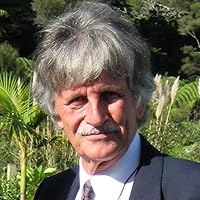
Garry Disher was born in 1949 and grew up on his parents' farm in South Australia.
He gained post graduate degrees from Adelaide and Melbourne Universities. In 1978 he was awarded a creative writing fellowship to Stanford University, where he wrote his first short story collection. He travelled widely overseas, before returning to Australia, where he taught creative writing, finally becoming a full time writer in 1988. He has written more than 40 titles, including general and crime fiction, children's books, textbooks, and books about the craft of writing.
Not being a writer, but having always been curious about how to set out a plan to write a book, then discover how to do all the nittygritty to make it engaging for people to want to read it, I bought this mainly to discover what writers have to go through to become successful in their own eyes, and make sales, therefore successful in publishers' and readers' eyes. I know what artists go through and sculptors, but no idea how to write a book. It is wonderful. So many angles on every conceivable decision a writer needs to make, how to this and that, and what to leave out, such an eye opener! Authors have my admiration. Many writers just babble on chick-lit style. (There's so much same-ness out there, therefore it's refreshing to find concisely different but thrilling and driving crime stories, with fully fleshed characters minus the 'soapie' side of it. When I find such an author I follow that author's books.) I have neither the desire nor the patience to write, nor perhaps the ability, but this book gives a fantastic 'appreciation' of what writers go through to achieve their personal goal. A generously written introduction to coax people along in their goals, for that this author has my admiration. Disher's mentoring is philanthropic in spirit, he didn't have to do it, but that's the generousity of the person.
This book is great. I read it once before, years ago when I first decided I wanted to be a writer. I thought I'd give it another read now with several first drafts under my belt. This book explains things so well. I love Disher's language and his slight sense of humour he weaves in. There are lots of examples that are well explained and I just love how this book makes you feel. It gives you the facts straight up, but it also makes you feel like you can do it. The only reason this book isn't 5 stars (my true rating is 4.5) is because it uses some books I've never heard of as examples which makes it difficult to understand his point sometimes. But I do recommend this book to any author of any age.
While just as unimaginative and forgettable as its title, this how-to guide provides sensible, conventional, comprehensive advice, such as: ‘Almost all novels and stories rely on their effects by posing questions and maintaining doubts about outcomes.’ (Not that this sentence makes sense to me; don’t almost all novels and stories rely, rather, on posing questions etc. to produce their effects?)
Still, Writing Fiction (2001) is readable, accessible and not too demanding – pretty much like the sort of fiction it tells you how to craft. What most irks me about it, apart from the Stempel Schneidler font, is the inclusion of ho-hum samples of its author’s technique. In fact, the main reason I’d kept it too long is there’s nothing too wrong with it.
The first time I read books on writing I go straight through, stopping to do occasional exercises, but mostly reading the examples and getting the feel of the content and a sense of how helpful it may be as a reference later when I want to focus on a specific thing ie. plot, character, point of view. I put a large sticky note in the front with page numbers of note and names of other works referenced in the chapters. I often 'tab' pages noting current interest. This will be a good reference to join the others on my writing shelf.
Most 'How To Write' books contain one or two really insightful snippets, a lot of same old, same old and some over-invasive analysis. This was no exception, and will be useful to dip into in the future.
Good introduction to writing. Lays out the rules clearly and concisely. Good for absolute beginners and for relatively new writers to clarify parts of the process. Also conveys a love for reading and for the art of writing as well as the process.
Does a good job of covering many aspects of writing; nothing too in depth. May be too much to take in for new writers but has some good reference points.
This is one of the more helpful books on fiction writing that I've read. It touches on practically every element of writing fiction without trying to propose a formula. Rather than repeating generic writing advice that you could find anywhere online, Disher offers practical insight based on his own experience.
A really accessible, readable book laying bare the basic elements of fiction writing: setting, POV, character, plot, structure, outlines are all covered along with commonsense advice on how to put it all together, with lots of examples.
Particularly worthwhile were the invaluable tips Disher gives to help new writers to get over the hurdles most likely to stop a newbie in their tracks: writers block, lack of ideas, and diagnostics to get a story back on track.
A practical book that taught me to ask myself: what is the scene for each chapter and what is its function? He recommends increasing speech and action. There should be a hook and a tag (turning point or summary) for each scene, and a balance between scenes and summaries. This book contains two valuable chapters on “The Words on the Page” and “Troubleshooting.”
I read this while I was doing a short writing course. I learned heaps by doing the course, but this book was amazing. I will be referring to it many times in the years to come!
The first edition of this book is quite simply one of the best I've read on the topic. The second edition pales in comparison. I wish I hadn't let friends loan my original!