Jump to ratings and reviews
Rate this book

What Has Government Done to Our Money? and The Case for a 100 Percent Gold Dollar

Rate this book
The Mises Institute is pleased to present this very beautiful hardbound edition of Rothbard's most famous monetary essay--the one that has influenced two generations of economists, investors, and business professionals. The Mises Institute has united this book with its natural complement: a detailed reform proposal for a 100 percent gold dollar. The Case for a 100 Percent Gold Dollar was written a decade before the last vestiges of the gold standard were abolished. His unique plan for making the dollar sound again still holds up. Some people have said: Rothbard tells us what is wrong with money but not what to do about it. Well, by adding this essay, the problem and the answer are united in a comprehensive whole. After presenting the basics of money and banking theory, he traces the decline of the dollar from the 18th century to the present, and provides lucid critiques of central banking, New Deal monetary policy, Nixonian fiat money, and fixed exchange rates. He also provides a blueprint for a return to a 100 percent reserve gold standard. The book made huge theoretical advances. He was the first to prove that the government, and only the government, can destroy money on a mass scale, and he showed exactly how they go about this dirty deed. But just as importantly, it is beautifully written. He tells a thrilling story because he loves the subject so much. The passion that Murray feels for the topic comes through in the prose and transfers to the reader. Readers become excited about the subject, and tell others. Students tell professors. Some, like the great Ron Paul of Texas, have even run for political office after having read it. Rothbard shows precisely how banks create money out of thin air and how the central bank, backed by government power, allows them to get away with it. He shows how exchange rates and interest rates would work in a true free market. When it comes to describing the end of the gold standard, he is not content to describe the big trends. He names names and ferrets out all the interest groups involved. Since Rothbard's death, scholars have worked to assess his legacy, and many of them agree that this little book is one of his most important. Though it has sometimes been inauspiciously packaged and is surprisingly short, its argument took huge strides toward explaining that it is impossible to understand public affairs in our time without understanding money and its destruction.

191 pages, Hardcover

First published January 1, 1963

135 people are currently reading
7054 people want to read

About the author

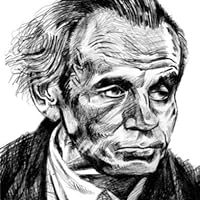
Murray N. Rothbard

282 books1,114 followers
Murray Newton Rothbard was an influential American historian, natural law theorist and economist of the Austrian School who helped define modern libertarianism. Rothbard took the Austrian School's emphasis on spontaneous order and condemnation of central planning to an individualist anarchist conclusion, which he termed "anarcho-capitalism".

In the 1970s, he assisted Charles Koch and Ed Crane to found the Cato Institute as libertarian think tank.

Ratings & Reviews

What do you think?
Rate this book

Friends & Following

Create a free account to discover what your friends think of this book!

Community Reviews

5 stars
1,505 (51%)
4 stars
886 (30%)
3 stars
354 (12%)
2 stars
94 (3%)
1 star
56 (1%)
Displaying 1 - 30 of 169 reviews
Profile Image for Navid.
117 reviews96 followers
January 6, 2025
پیش‌گفتار
موری روتبارد اقتصاددان، تاریخ‌دان اقتصادی و نظریه پرداز بود.
او احتمالاً معروف‌ترین چهره‌ی «لیبرتارین» و بنیان‌گذار شاخه‌ی «آنارکوکاپیستالیسم» باشد. به طور کلی لیبرتارین‌هایی مثل روتبارد خواستارِ کوچک کردن دولت تا حد ممکن هستند.
من نقدهایی به بعضی از دیدگاه‌های روتبارد و به طور کلی لیبرتارین‌ها دارم، در واقع قصد داشتم درباره‌ی تفاوت‌های لیبرتارین‌ها با لیبرال‌های کلاسیک و نقدهایم به لیبرتارین‌ها چیزکی بنویسم، ولی این کتاب را برای این کار مناسب نیافتم.
متأسفانه روتبارد در این کتاب، زیاد حرفِ ناحسابی نمی‌زند که بشود نقدش کرد!
فکر می‌کنم حرف‌های روتبارد در این کتاب در مورد پولِ دولتی و تورم مورد توافق بیشترِ اقتصاددان‌های فعلی است و حرف‌های عجیب و غریبی نیست. اما برعکس، ایده‌ی پول خصوصی یکی از چالش‌برانگیز‌ترین و مورد اختلاف‌ترین ایده‌هاست. ایده‌ی پول خصوصی را در کتاب «خصوصی‌سازی پول» نوشته‌ی هایک، بررسی کردم و آنجا نیز اشاره کردم، این ایده هرگز به صورتی که هایک می‌خواست (و در این کتاب روتبارد می‌خواهد) در هیچ کجای دنیا پیاده نشده‌است و پیچیدگی‌های بسیاری دارد. بنابراین دقیقاً نمی‌دانیم ایده‌ی پول خصوصی کار می‌کند یا نه.
پس فعلا از خیرِ بررسیِ نظرات لیبرتارین‌ها و نقدشان می‌گذرم و آن را می‌گذارم برای یک کتابِ مناسب‌تر.
یک نکته در مورد روتبارد هم اینکه او در بسیاری از کتاب‌هایش از جمله این کتاب، نویسنده‌ای نسبتاً ساده‌نویس است و مخاطب نوشته‌هایش یک خواننده‌ی معمولی همچون من است. بر خلاف نویسنده‌ای مثل هایک که در بیشترِ کتاب‌هایی که تاکنون از او خوانده‌ام، لازم است با متن ترجمه شده‌ی کتاب کُشتی بگیرم تا مفهوم حرف‌هایش کاملاً دستگیرم شود. البته حجم قابل توجهی از کتاب نیز درباره‌ی تاریخِ پولیِ آمریکاست که به نظرم برای خواننده‌ی ایرانی جذاب نیست.
پیشنهاد می‌کنم پیش از خواندن این ریویو، نگاهی به یادداشتم در مورد کتاب «خصوصی‌سازی پول» بیندازید. به خصوص در مورد مفهوم «استاندارد طلا» که آنجا توضیحش دادم. ضمن اینکه برای نوشتن این ریویو، کمی ایده‌های روتبارد را دستکاری می‌کنم و به زبان امروزی‌تر و ایرانی‌تر می‌نویسمشان.
***
پیچیدگی‌های پول
شاید هیچ موضوعی در اقتصاد به اندازه‌ی پول پیچیده و مورد اختلاف نباشد، هر گروه از اقتصاددان‌ها سیاست پولی خاصی را پیشنهاد می‌دهند.
عده‌ای طرفدار کنترل کامل دولت بر پول هستند، عده‌ای بازار آزاد پولی را پیشنهاد می‌دهند. حتی عده‌ای طرفدار ایجاد تورم هستند.
بسیاری از اقتصاددان‌های طرفدارِ بازار آزاد، وقتی به موضوعِ پول می‌رسند متوقف می‌شوند. آن‌ها اصرار می‌کنند که پول متفاوت است و باید حتماً توسط دولت عرضه و کنترل شود، آن‌ها دخالت دولت در پول را دخالت در بازار آزاد نمیدانند و بازار آزادِ پول برایشان غیر قابل تصور است. اما چرا نباید بازار آزاد پول داشته باشیم، همانطور که بازار آزاد کالا و خدمات داریم؟

بهتر است اول ببینیم از نظر تاریخی چرا و چگونه پول ارزشمند شد.
مبادله
مبادله پایه‌ی زندگیِ اقتصادیِ ماست، بدون مبادله، اقتصاد و جامعه‌ای هم وجود ندارد.
همانطور که می‌دانید، اولین روش مبادله در انسان‌ها، مبادله‌ی کالا با کالا بود. چرا انسان‌ها کالاها را مبادله می‌کردند؟ چون هرکس فکر می‌کرد کالایی که می‌گیرد، ارزشمندتر از کالایی است که می‌دهد.
ما انسان‌ها با هم متفاوتیم و هر یک در کاری استعداد یا مهارت بیشتری داریم، پس هرکس کاری را بهتر انجام می‌دهد.
منابع هم یکنواخت توزیع نشده‌اند، جایی خاک حاصلخیزتری دارد و برای کشاورزی مناسبتر است، جایی معدن فلزات هست و از جای دیگری نفت استخراج می‌شود.
مبادله کیفیت زندگی ما انسان‌ها را بالا می‌برد، هرکس کالا یا خدماتش را می‌دهد و کالا یا خدمات مورد نیازش را می‌گیرد. ما انسان‌ها نمی‌توانیم در همه‌چیز خودکفا باشیم. مبادله جریان زندگی است.
اشکالات مبادله‌ی کالا با کالا
مبادله‌ی کالا با کالا دو مشکل عمده دارد:
۱ـ بعضی کالاها خُرد نمی‌شوند: فرض کنید شغل شما مشاور املاک است و زمین و خانه خرید و فروش می‌کنید، حالا می‌خواهید یک کیلو سیب بخرید. چطور مبادله انجام می‌دهید؟ برای خرید یک کیلو سیب یک متر مربع زمین مبادله می‌کنید یا یک واحد آپارتمان یا مقداری مصالح ساختمان؟ شما نمی‌توانید کالایتان را خُرد کنید و به ازای آن سیب دریافت کنید.
۲ـ فروشنده نیازی به کالای شما ندارد: باز هم فرض کنید شغل شما ماهی‌فروش است و می‌خواهید سیب بخرید. اما میوه‌فروش می‌گوید نیازی به ماهی ندارد و حاضر نیست مبادله کند.
بنابراین مبادله‌ی کالا با کالا روش چندان کارآمدی نیست.
مبادله‌ی غیرمستقیم
پس انسان‌ها برای کارآمدتر شدن مبادله‌ی خود، دست به دامان یک کالای حد واسط شدند. این کالا باید «بازارپسند» باشد (marketability). فرض کنید مردمِ یک جامعه متوجه می‌شوند که گندم در جامعه‌شان خیلی طرفدار دارد و مورد استفاده است، پس آن‌ها می‌توانند واحدی از وزنِ گندم را به عنوان کالای حد واسط انتخاب کنند و با آن مبادلاتشان را راحت‌تر انجام دهند. من به مشتریان ماهی می‌فروشم و در ازایش گندم می‌گیرم، بعد با آن گندم می‌روم سیب می‌خرم.
اما چه کالاهایی بازارپسندترند؟ آن‌هایی که تقاضای بیشتری برایشان وجود دارد، قابل تقسیم به واحدهای کوچکترند (خُرد می‌شوند)، ماندگارند و با مرور زمان خراب نمی‌شوند، و قابلیت جابجایی در مسافت‌های طولانی دارند. گندم چون ممکن است فاسد شود کالای حد واسط مناسبی نیست. ولی ما در طول تاریخ کالاهای حد واسط زیادی را برگزیده‌ایم مثلاً:
تنباکو در آمریکا، نمک در آفریقا، مس در مصر و ...
اما دو ماده در طول تاریخ بیشتر به عنوان کالای حدواسط برگزیده شدند، چون بسیار بازارپسند بودند: طلا و نقره. اینجاست که پول متولد شد. توجه کنید که طلا و نقره برای مصارف دیگر( مثلاً جواهرآلات) نیز استفاده می‌شدند و دارای ارزش ذاتی بودند.
پیدایش حواله‌ی کاغذی و بانک
کم‌کم ایده‌ای برای راحت‌تر کردن مبادلات پیدا شد: شما مقدار مشخصی سکه‌ی طلا دارید، آن را نزد یک بانک(که در آن زمان نهادی کاملاً خصوصی بود) می‌گذارید. بانک به شما حواله‌ای کاغذی می‌دهد که نشان می‌دهد شما این مقدار طلا پیش بانک گذاشته‌اید، حالا شما به جای این که یک کیسه طلا با خود جابجا کنید، حواله‌ی کاغذی را جابجا می‌کنید و هرجا خواستید با آن خرید می‌کنید. فروشنده از شما حواله‌ی کاغذی را می‌گیرد و هر موقع دلش خواست می‌تواند آن را به بانک ببرد و تبدیل به طلای معادل آن کند، یا خودش هم با آن خرید کند. این شروعِ پیدایشِ اسکناس و پول کاغذی در جهان بود.

پول را هم مثل کالا در نظر بگیرید
پس همانطور که گفتیم، پول چیزی بیش از کالای واسطه‌ی بازارپسند نبود و ارزش پول با قدرت خرید آن مشخص می‌شود.
باید بدانیم هیچ دولتی در جهان نمی‌تواند از هیچ، پول دولتی، مثلا در قالب اسکناس بسازد، یعنی مثلا دولت X نمی‌تواند فردا پول جدیدی چاپ کند و به مردم بگوید: «آی مردم! این پول خیلی ارزش دارد! استفاده‌اش کنید!» چون اسکناس به خودیِ خود ارزشی بیش از یک تکه کاغذ ندارد. همه‌ی پول‌های دولتی، در ابتدا ارزش مشخص و ثابتی در ازای یک کالای باارزش حد واسط داشته‌اند.(مثلا در ایران، دینار و تومان (ریال بعدا واحد پولی شد) در ابتدا ارزش مشخصی به ازای سکه‌های طلا و نقره و مس داشته‌اند یا پیش از سال ۱۹۳۳ که قانون استاندارد طلا در آمریکا رعایت می‌شد، هر دلار آمریکا معادلِ یک بیستمِ یک انس طلا تعریف شده بود)
پس نباید پول را یک واحد اندازه‌گیری جدا از ارزش ذاتی‌اش بدانیم، پول هم مثل یک کالا عمل می‌کند، کالایی که ما به عنوان حد واسط برگزیده‌ایم.
مثل همه‌ی کالاهای دیگر ارزش پول هم از قانون عرضه و تقاضا پیروی می‌کند.
افزایش عرضه‌ی پول
بیایید همانطور که گفتم، پول را نیز مثل یک کالا در نظر بگیریم و ببینیم در تورم واقعا چه اتفاقی می‌افتد.
فرض کنید من کشاورز باشم و امسال بتوانم مقدار زیادی سیب به بازار عرضه کنم. عرضه‌ی کالاها و خدمات برای جامعه اتفاق خوبی است، هم سطح رفاه را بالا می‌برد (ما سیب را می‌خوریم و می‌گوییم به‌به!) و هم قیمت کالا یا خدمات را کاهش می‌دهد (بر اثر عرضه‌ی زیاد سیب، قیمت آن ارزان می‌شود)
اما در عرضه‌ی بیش از حد پول چه اتفاقی می‌افتد؟
پول تفاوتی با بقیه‌ی کالاها دارد، آن هم این است که به هیچ دردی به جز مبادله نمی‌خورد، یعنی نمی‌شود آن را مستقیم استفاده کرد. پس بر اثر عرضه، فقط ارزان می‌شود یعنی ارزشش را از دست می‌دهد. معنای واقعی تورم همین است.
تورم همواره یک سیاست پولی است و فقط بر اثر عرضه‌ی بیش از حد پول اتفاق می‌افتد. پول بی‌ارزش می‌شود پس ما کالاها را گران‌تر می‌خریم.
پس اگر می‌بینیم عرضه‌ی کالایی ثابت است ولی قیمتش روزبه روز گران‌تر می‌شود، علتش تورم است. پس دلیلِ گران شدن سبزی‌خوردن این نیست که سبزی‌فروش محله‌ی ما گران‌فروش است یا دولت به اندازه‌ی کافی بر قیمت سبزی نظارت نمی‌کند، یا «سلطان سبزی» سبزی‌ها را جایی احتکار کرده و باید اعدامش کرد! این‌ها همه شعارهایی عوام‌فریبانه است. علتش فقط و فقط این است که دولت‌ها زیادی پول عرضه می‌کنند. (زمانی که اسکناس استفاده می‌شد، عرضه‌ی پول برابر بود با چاپ اسکناس، حالا که از اسکناس کمتر استفاده می‌شود و پول‌ها بر بستر اینترنت داد و ستد می‌شود، عرضه‌ی پول حتی از چاپ اسکناس هم ساده‌تر شده و دولت می‌تواند به سادگیِ فشار دادن یک دکمه، از غیب پول ایجاد کند!)
پس دولت‌ها را باید از عرضه‌ی بیش از حد پول منع کرد. دولت چقدر می‌تواند پول عرضه کند تا تورم ایجاد نشود؟ متناسب با تقاضای پول. تقاضای پول هم یعنی حجم تجارت و میزان کالاها و خدمات.
پس کشورهایی که حجم تجارت و کالا و خدمات بزرگتری (اقتصاد بزرگتری) دارند، حجم بیشتری از پول هم می‌توانند عرضه کنند، نتیجه می‌گیریم که به طور ساده افزایش عرضه‌ی پول باید با رشد اقتصادی متناسب باشد تا تورم ایجاد نکند.
تورم چه بلایی بر سر مردم می‌آورد؟
• تورم به دولت‌ها اجازه می‌دهد بیش از درآمدشان از جیب مردم خرج کنند، و کالاها و خدمات بیشتری برای خودشان بخرند یا حتی پول را بین طرفدارانش بیشتر پخش کنند و حمایتشان را بخرند. تورم مالیاتی پنهان است. دولت‌ها معمولا در قبال خرج کردن مالیاتِ آشکار پاسخ‌گوترند، و مالیاتِ زیاد در طول تاریخ معمولاً منجر به شورش علیه دولت شده است. ولی با تورم، دولت می‌تواند از مردم مالیاتی بگیرد که نسبت به آن پاسخگو نیست و اعتراض به آن کمتر است.
• تورم باعث م��‌شود هرچه افراد دیرتر پولشان را دریافت کنند، بیشتر ضرر ببینند، پس فضای جامعه تبدیل می‌شود به مسابقه‌ای برای دریافت زودتر پول و خرج کردن سریع‌تر آن. مردم برای گرفتن وام‌ها صف می‌بندند. قرض دادن به دیگران بدون دریافت سود ضررده می‌شود. کسانی که حقوق ثابت دریافت می‌کنند مثل بازنشستگان، روزبه روز فقیرتر می‌شوند، قرارداد‌های طولانی مدت دچار کسریِ پول می‌شوند و سپرده‌های بانکی زیان‌ده می‌شوند.
• محاسبه‌ی سود و زیان برای کسب و کارها بسیار دشوار می‌شود، ممکن است به نظر برسد کسب و کاری سودده است ولی در واقع با درنظر گرفتنِ تورم، زیان‌ده باشد.
• تورم کارایی بازار را کاهش می‌دهد، بازاری که در رقابت به افراد کارآمدتر پاداش می‌داد و ناکارآمدان را تنبیه می‌کرد، حالا در اثر تورم، محاسباِت سود و زیانش به می‌ریزد و به کسانی که قدرت خریدشان را بهتر حفظ کنند، بیشتر پاداش می‌دهد. بازدهی نیروی کار کاهش می‌یابد و کیفیت کالاها و خدمات کم می‌شود.
انحصار دولت بر پول
همانطور که در بررسی کتاب «خصوصی‌سازی پول» نوشتم، به تدریج مردم به دولت اعتماد کردند تا تضمین ارزش پول را بر عهده گیرد، با گذشت زمان، کنترل پول به طور انحصاری در اختیار دولت قرار گرفت، چیزی که روتبارد آن را «مونوپلیِ دولتی بر پول» می‌نامد و ابراز تعجب می‌کند از اینکه بیشترِ مردم با انحصار مخالف‌اند، اما انحصار دولت بر پول را به راحتی می‌پذیرند.

مخالفانِ پول خصوصی: قانون گریشام
یکی از مهمترین دلایل مخالفت با پولِ خصوصی  در بین اقتصاددان‌هایی که دانش اقتصادی بیشتری دارند،  قانون گریشام است. این قانون به طور خیلی خلاصه بیان می‌کند: «پولِ بد، پولِ خوب را حذف می‌کند»
قانون عجیبی است، نه؟ بیایید مثال بزنیم:
فرض کنید شما در خانه مقداری ریال، دلار و بیت‌کوین دارید. شما وضعیت تورم در ایران را می‌دانید، پس میدانید که ریال نسبت به دلار و بیت‌کوین، اوضاع بدی دارد. حالا شما برای خرید کالای مورد نیازتان، کدام ارز را انتخاب می‌کنید؟ البته که ریال را!  شما می‌دانید که ارزش ریالتان در ماه‌های آینده بیشتر از دلار و بیت‌کوین سقوط خواهد کرد، پس زودتر می‌خواهید از شر ریال خلاص شوید و دلارها و بیت‌کوین‌ها را نگه دارید، پس اول ریال را خرج می‌کنید.
به این ترتیب مردم اول پول بد را خرج می‌کنند تا از شرش خلاص شوند و پول خوب را نگه می‌دارند. در نتیجه پول‌های خوب به صورت سرمایه در منزل می‌ماند و پول بد است که در مبادلات استفاده می‌شود، بنابر‌این پول بد است که در اقتصاد نقش ایفا می‌کند و در واقع پول خوب از مبادلات حذف می‌شود.
به این ترتیب مخالفان پول خصوصی معتقدند حتی اگر بتوانیم ایده‌ی پول خصوصی را به خوبی پیاده کنیم، پول دولتی با ارزش کمتر آن را حذف می‌کند.
نقد قانون گریشام در پول خصوصی
پاسخ روتبارد این است که اتفاقی که در قانون گریشام می‌افتد به خاطر دخالت دولت در بازارِ پولی است. روتبارد معتقد است ما می‌خواهیم از شر پول بد خلاص شویم چون دولت ارزش آن را به زور بالا نگه داشته و می‌دانیم در ماه‌ها یا سال‌های آینده ارزش آن سقوط خواهد کرد.
من هم پاسخی به قانون گریشام دارم که با توجه به اینکه اقتصاددان نیستم، شاید درست نباشد، به نظر من علت اینکه مردم ترجیح می‌دهند پول بد را زود خرج کنند، این است که بازار آزاد پول وجود ندارد.
در یک بازار آزادِ پولیِ واقعی، کارمند دولت می‌توانست انتخاب کند که حقوق سر ماهش را با کدام پول بگیرد، یعنی ریال بگیرد یا دلار یا بیت‌کوین. سبزی‌فروشِ محله هم می‌توانست انتخاب کند که دستگاه کارتخوانش سبزی‌اش را به ریال بفروشد یا دلار یا بیت‌کوین. در چنین شرایطی که همه حق انتخاب داشته باشند، کسی نمی‌خواهد پولِ بد تحویل بگیرد و در‌واقع قانون گریشام معکوس می‌شود و پول خوب، پول بد را حذف می‌کند، ولی وقتی کارمند مجبور است ریال بگیرد، چاره‌ای هم ندارد جز اینکه ریالش را زود خرج کند.
کتاب نکات ریز و درست بسیاری دارد که اینجا ذکر نمی‌کنم چون خوب نیست ریویو زیادی طولانی شود. موضوعاتی مثل: مشکلاتی که بانک‌های مرکزی در کشورها ایجاد می‌کنند، روش‌هایی که دولت مردم را در عرضه‌ی پول فریب می‌دهد، تاریخِ پولیِ آمریکا ، استاندارد طلا و ...

پی‌نوشت۱: مقایسه‌ی ایده‌ی پول خصوصی با رمزارزهای امروزی از دیگاه من
در کتاب خصوصی‌سازی پول به این موضوع اشاره کردم که رمزارزهای امروزی به نوعی مدیون ایده‌های هایک در مورد پول خصوصی هستند، پیدایش کامپیوتر و اینترنت کمک کرد که بتوان ایده‌ی پول خصوصی را به جای بنگاه‌های خصوصیِ فیزیکی، در فضای اینترنت پیاده کرد. مهمترین شباهت بین پول خصوصی و رمزارزها، خارج شدن از انحصار دولت بر پول است، ولی باید به تفاوت‌هایشان نیز توجه کرد، برخی از تفاوت‌های مهمی که تا این لحظه به ذهنم می‌رسد عبارت‌اند از:
۱ـ ایده‌ی پول خصوصیِ هایک و بعدها، روتبارد، این بود که بنگاه‌های خصوصی، انحصار دولت را در چاپ و توزیعِ پول بشکنند و با ایجاد بازار آزاد و رقابتی، به بالا نگه‌داشتنِ ارزش پول‌های مورد استفاده در جامعه کمک کنند.
اما پشتِ بیشترِ رمزارزهای مهم مثل بیت‌کوین بنگاهی خصوصی نیست، در واقع یک نفر یا گروه برای اولین بار ایده‌ی رمزارز را به صورت برنامه‌ی کامپیوتری نوشته و اجرا کرده و دیگر دخالتی در رمزارزِ ایجاد شده ندارد. در واقع بیشترِ رمزارزها از نوع غیرمتمرکز( decentralised) هستند و کنترلشان به نوعی در دست همه‌ی دارندگان آن‌هاست نه در دست شخص یا بنگاه خاصی. در مورد ایده‌ی پول خصوصی، کنترل پول متمرکز (centralised) است ولی در دست بنگاه خصوصی است نه دولت.
۲ـ همانطور که گفتیم، هدف از ایجاد پول خصوصی، حفظ ارزش و کیفیت پول بود. ایده‌ی هایک و روتبارد این بود که بنگاه خصوصی برای جذب مشتریان به پولش در بازار آزاد، ارزش پول خود را تا حد زیادی ثابت نگه خواهد داشت و از نوسانات ارزش پول خودداری می‌کند تا اعتماد مشتریان را جلب کند. برای حفظ ارزش پول، بنگاه اقتصادی به طور عمده به دو روش متوسل می‌شود، همان روش‌هایی که دولت‌ها نیز به آن‌ها متوسل می‌شوند: کنترل چاپ پول و تغییرِ نرخِ بهره با توجه به شرایط اقتصادی. این دو روش باعث کنترل حجم پول و کنترل نوسانات در ارزش پول می‌شوند.
ولی در مورد رمزارزهای معروف معمولاً چنین نیست. برخی از رمزارزها مثل بیت‌کوین حجم‌نهایی ثابت و مشخصی دارند (در مورد بیت‌کوین اگر اشتباه نکنم تعداد نهایی آن ۲۱ میلیون واحد است که تاکنون ۱۹ میلیون واحد آن استخراج شده)، یا در دوره‌های مشخصی افزایش حجم پیدا می‌کنند. شخص یا بنگاه خاصی حجم رمزارز یا نرخ بهره بر آن را کنترل نمی‌کند، به همین خاطر همانطور که در سال‌های گذشته دیده‌ایم، ارزش رمزارزهایی مثل بیت‌کوین به شدت مستعدِ نوسان است و ثابت نمی‌ماند. این مسئله استفاده از آن‌ها را به عنوان پول رایج برای مبادله، بسیار دشوار کرده است. البته برخی معتقدند میزان نوسان‌ در رمزارزهایی مثل بیت‌کوین، با گذشت زمان کمتر و کمتر خواهد شد. باید صبر کرد و دید.
پی‌نوشت۲: درباره‌ی ترجمه
ظاهراً کتاب توسط نشر آماره با ترجمه‌ی آقای سپهرداد شیدوش با عنوان «حکومت با پول ما چه کرده است» به فارسی ترجمه شده است. این که ترجمه‌ی کتاب را تهیه نکردم، باید بگذارم به حساب تنبلیِ خودم، با توجه به سابقه‌ی نشر آماره شاید ترجمه‌ی بدی نباشد.

پی‌نوشت۳: روتبارد این کتاب را برای مخاطب آمریکایی نوشته ولی مخاطب آمریکایی به هیچ‌وجه مثل ما متوجه آسیب‌های تورم نمی‌شود. گاهی فکر می‌کنم اگر روتبارد وضعیت اقتصاد ایران را از نزدیک می‌دید و می‌دید که دولت با پول ما چه کرده است، گریبان می‌درید و سر به بیابان می‌گذاشت!
Profile Image for Andrew Skretvedt.
87 reviews23 followers
December 20, 2009
This book, along with "The Mystery of Banking" make for fantastic introductions into the system of economic theory known as the Austrian-School.

Austrian-School economics is the foundation for economic theory among most libertarians. If you've come to regard economics as boring, you're missing out! Austrian-School theory is intuitive, commonsensical, and empowering. It's the only fully integrated theory of economics which can simply and reliably explain (and predict!) the ups and downs of the business cycle, without resorting to dubious claims from psychology and bastardizations of group dynamics.

Other theories, like the Keynesian-School, must use intensely complicated and ultimately fallacious concepts to explain common economic phenomena, making for a disinterested public, and an over-reliance on so-called experts to interpret conditions. It's no surprise then, that Keynesian-School theory is the choice of most modern educational institutions, and the orthodoxy of public policy schools. It's inscrutability and need for expert interpretation lends itself to use by the state as a lever of control.

This book and "Banking", mentioned above, both by renown libertarian scholar Murray Rothbard, give an easy, ground-up primer on the monetary aspect of Austrian-School theory. No prior experience is required. You'll likely find yourself "getting it" almost from the first page. And if you've never been in contact with this way of economic thinking before, get ready for a shock. It'll cause you to question why the mainstream doesn't ever seem to want to look at things this way.

You'll discover here why the gold standard was natural, a great idea, why we (and all modern nations) left it, and how it's not the anachronistic boogey-man mainstream media and economists would like you to think it is.
Profile Image for Nevin.
311 reviews
September 13, 2024
This type of book is usually not within my comfort zone. I don’t tend to gravitate towards financial related content. However it was a gift from a friend, so I couldn’t pass it off. I thought it would be really technical and boring but to my surprise, it was a very quick and informative read.

It talks about the banking system of the world, how money is traded and how the value of a currency is determined. What causes inflation, what should be done to get out of it…

And finally, the author suggests we should go back to the system before the 1970’s where the value of the dollar was backed with actual gold. This way, we will have less fluctuations and more stable economy.

Now don’t ask me any questions 😉because clearly this is not my area of expertise nor does it interest me all that much however, I love learning and reading about different topics. 💝
9 reviews
June 27, 2008
I learned or rather rediscovered my passion for economics by reading Dr.Rothbard's book. His effort here is a very short, concise, surprisingly easy one to read. Rothbard suggests that it is government meddling and its monopolistic strangehold on the creation of money that is responsible for boom-bust business cycles. He expounds on this sentiment in his narrative regarding the perfect storm of several interdependent events which drive the destructive hyperinflation of our currency. The dissolution of the gold standard, fractional-reserve banking and the usurpation of the countries treasury by a handful of wealthy private bankers Rothbard asserts as the reason for such a disparity in arms.

Profile Image for Patrick Peterson.
520 reviews318 followers
October 6, 2019
6 Oct. 2019 - I have read this book at least a couple times over the last 40 years.
Excellent little book.
It really clearly explains the concept of money and how the Fed (Federal Reserve Board) controls it in the US.

Rothbard has a funky notion about 100% reserve requirement and I believe gets that aspect quite wrong. This is not really a minor problem with this book, but the rest is so good that I still give it 4 stars.

But I urge the thoughtful reader to move on to Mises, in particular the pertinent sections of Human Action, to get the more full and complete story.

There are other critiques of Rothbard, and I will add them as I get that info.

Profile Image for Eric Jensen.
4 reviews5 followers
August 22, 2014
'What Has Government Done to Our Money' is considered one of the strongest introductions into monetary theory by many liberty-minded individuals. Rothbard is a literary economist, rather than an academic one, and the unfortunate result is an exploratory work, and not a particularly rigorous one. The only interesting part of this work is a modest exploration of the history of 'money'. Unfortunately, Rothbard skips inductive or deductive methodologies, analysis of monetary data, and any semblance of quasi or true experimental design. Instead, he proposes to move straight into the discussion of policy options. It does not occur to Rothbard that proper inferences can only be drawn when there is data from which to draw!In so doing, Rothbard allows himself to leap from bombastic claim(fractional reserve banking is the primary cause of business cycles) to bombastic conclusion (in a free society, people would institute bank runs to close down fractional reserve banks).

My point is not that Rothbard is mistaken (although he is), but rather that his work lends no justification to his claims, or to any claims, for that matter. It is important that this is recognized for what it is: a man's opinion, not argument.
Profile Image for Tanya Tosheva.
53 reviews48 followers
February 26, 2016
Why do we consider that money, alone among all commodities, needs to be carefully regulated and controlled by a central government and cannot be left in the invisible hands of the free market? What really is money, how it came to be and what is its price? Can its creation and regulation be entrusted to the free market? How did currencies such as the pound and the dollar cease to mean a certain weight of gold and become the fiat moneys they are today?
Those are just a few of the questions answered in this book. It is both engaging and extremely informative. It filled many of the gaps in my appalingly meagre financial education. Highly recommend, even if you don't agree with the author's libertalian views.
Profile Image for Christopher.
50 reviews16 followers
April 8, 2010
"WHERE'S THE GOLD? LET'S GO GET THE GOLD!!!" --ATHF

Ever wonder why gold's breaking $900 (Jan 2008), or "if our money isn't based on the gold standard anymore, then what is it based on?"

Wonder why our government has rendered our money increasingly worthless for their own power and self-aggrandizement?

This book is pretty damn good if you want to take the red pill and see why our government is leading us to financial ruin.

As a bonus, you can download a pdf copy or read the html version off of the mises.org website. Just google, "rothbard government money."
Profile Image for Jacob Aitken.
1,687 reviews419 followers
October 4, 2017
Rothbard argues that federal tampering with money depreciates the value of the dollar, thus increasing inflation. More money in the economy is not necessarily good. If I increase the money supply by 10%, then people have more money to spend on goods. However, in order to make a profit (or not go broke), the entrepreneur must increase his prices by 10%, so we are back at square one.


But it is more sinister than that. The FED, by means of controlling central bank, can create wealth ex nihilo, sort of like God in Genesis 1. The more money they create by means of fraction reserve banking, the less our dollar is worth. Don't believe me? Read a newspaper and see the results.
Profile Image for Marcus.
311 reviews364 followers
April 22, 2011
Rothbard is the man. His brutally methodical and rational approach to what money is, and what it should be, make his case for a gold standard seem obvious, despite the majority of economists supporting government controlled, fiat currencies and condescendingly mocking 'goldbugs.'

After reading from various sources on inflation, deflation, the gold standard, the merits and evils of saving (aka hoarding) and the role of government in creating and regulating money I am convinced that this is the book to go to. Any argument against a gold standard will have to answer Rothbard to remain credible.
Profile Image for Aziz Albaz.
11 reviews5 followers
November 17, 2015
many people believe we can go back to the gold standard and that it would cause more monetary and economic stability which not possible today. this book provides excellent knowledge on money and the revolution of money
its a good read. i'd recommend it to whoever is calling to go back to the gold standard,specifically the last two chapters, and what he said about world war I is an explanation on why it is impossible to go back to a gold standard today.

NOTE: read the last edition because since the first edition many content changed.
Profile Image for Денис Агафонов.
129 reviews2 followers
July 7, 2022
Кратко и простым языком изложенная теория денег. Вполне может использоваться в качестве учебника. Жаль что анализ взаимодействия денег и государства заканчивается на 70-х годах.
У аудиокниги на удивление отличный чтец - Артем Логинов. Часто бывает сложно слушать нон-фикшн, но у него получается донести все содержание до мозга.
627 reviews2 followers
January 25, 2024
It is a joy to read a clearly stated and intelligent argumentative text. For those who don’t want to get into the whole ordeal (even though I recommend reading this, no matter your opinions on the monetary standards) the argument comes down to one question: do most people believe (what matters for the value of money is what most people believe, not what you as an individual believe) that the government or firms that have competed for the trust of people and survived this is the most trustworthy?
Profile Image for Snehal Bhagat.
91 reviews19 followers
August 29, 2010
Governments change, but policies rarely seem to.

After all, when the creation of false dilemmas is deemed an occupational necessity, their perpetuation becomes an unspoken imperative. So, regardless of the degree of fiscal conservatism practiced, and monetary policy tightening encouraged; all governments tend to be inherently inflationary.

This assertion itself is not greatly disputed, and Rothbard demonstrates why this is so in the first part of the book; What Has Government Done to Our Money? is a cogent account of the evolution of money to facilitate trade, and of its subsequent appropriation by the states and their agencies, the central banks, that eventually led to the de-linking to the gold standard which kept the overall supply of money in check.

How this in turn has fostered the now-familiar economic boom-bust cycles is also well argued; and economists from the Austrian school can feel vindicated for having predicted the current state of affairs on this basis.

The second part of the book, The Case for the 100 Percent Gold Dollar , is not as persuasive, even if it does possess theoretical merit. For one, on the monetary side, fractional-reserve banking is so well-entrenched that to even contemplate that consumers would pay "warehousing fees" for the safe-keeping of their money, rather than receive an interest income, is rather difficult; not is it clear that governments can effectively provide the desired supply of public goods without being at least somewhat inflationary.

Profile Image for T.
131 reviews
January 23, 2009
This is an excellent overview of how and why government interferes with the proper use and role of money in society. Nationalization of currency creates unnatural barriers between nations that don't exist where "hard money" (gold) is used. Governments that are too cowardly to tax their citizens the way they would like to, simply steal their money through inflation. They can only inflate at will if they remove the checks on credit pyramiding. We have no practical checks to inflation left in the modern economic world.

One of the chapters read like a prophecy of the cover of WSJ any of the last 6 months. The hard truth here, is that our monetary system is totally screwed up, and all of the current 'ideas' to correct it will only take us in the wrong direction. A proper cure to our monetary system will hurt, but it won't hurt as bad as the disease we currently have.
Profile Image for Von Fugal.
8 reviews5 followers
January 13, 2010
An excellent case for the gold standard with intelligent rebuttals to the claimed pitfalls of the same. The essay at the end, Case for the 100 Percent Gold Dollar, is a great short read if you don't have as much time, or if you want to decide whether to read the book, but the book is far more detailed and perhaps even more reader friendly. What is monetary policy? What is even money? Why do even some otherwise free market types yet call for government regulation of money? Is there a place for free market types that take the buck all the way to include even money? This book does an excellent job of addressing these questions and more.
Profile Image for M.G. Bianco.
Author 1 book122 followers
May 25, 2009
Rothbard is ever the genius. This review will not do his book justice.

He promotes a free market monetary system with no government control/meddling. He clearly favors a hard metal currency, and a single currency within a country. I am more of a believer in any currency (metal or no) that the free market determines. Thus, I would be more than happy to see concurrent currencies. However, Rothbard does not really broach that issue, he simply mentions it in passing.

The book is good and finishes with a brief overview of the history of government meddling in money.
Profile Image for Jon.
41 reviews5 followers
March 3, 2016
If you've ever wondered how humanity went from a bartered system of trade to one that uses FIAT currency, you should read this book. Eye-opening and seriously scary stuff from Rothbard regarding our system of currency and its evolution.
Profile Image for Ryan Watkins.
907 reviews15 followers
November 11, 2018
Great short book about why we should go back to the 100% Gold Standard and the history of how we got off the gold standard. Free ebook version available at mises.org.
40 reviews4 followers
October 6, 2024
Present scenario: There are countries in the world where people are more productive. They work hard and therefore are rewarded their due.

But a vast majority of nations are not doing the job. They are always complaining, fighting and begging for dollars. People there are illegally trying to smuggle them to hard working nations. Where these people live comfortably as parasites upon hard working people. Really simple.

Still, curious minds question why these people were not capsizing their boats along the coasts of Italy a century earlier. Why they weren't dying of hunger then. Even under imperialism they were surviving.
Go further back in time. Before imperialism these people were productive. They were adding in great amounts to world GDP with their same laziness.
What has caused this?

Monetary system a century earlier was based on gold standard. A person working in Asia earned in gold. Another one working in Europe or America was also rewarded in gold. Here or there motivation was same. Presently, in the absence of single international currency motivation to prosper lies in the west. Why would one work harder when all he/she could do is barely make the ends meet in comparison with one earning in whiter race countries.

Solution: Single currency of the world. Finding a single currency with all the nations agreeing upon it is a difficult streak to achieve. Who will print those papers called money? Each government has monopoly on money (which is in paper) in its respective territory. Single universal currency will be printed somewhere. Power will reside in some hands. Power always tends to be used. Those using it will dominate all the others (governments, of course) .

More reasonable solution: resume the gold standard. But if governments leave the monopoly on money how will they earn their keep? After all, governments work on the sole principle of cheating the individuals. Take their monopoly on money they are back to square one. It is clear that present system has failed. Exchange controls, trade barriers, labour division, migrant crisis etc. All point to this fact. But governments cannot let go of a power craftily earned. They cannot curb their powers and go back to square one.
Profile Image for Carlos Oliver.
29 reviews4 followers
February 19, 2019
As someone who knows nothing about economics this was still quite accessible. The beginning was a really nice introduction on the origins of money with examples for every concept. My only complaint is that as the book progressed the concepts started to get out of hand and there were fewer examples to help out. Some extra background reading is probably recommended. Overall I learned quite a bit.
Profile Image for William Schrecengost.
907 reviews33 followers
April 13, 2020
A very good, short, easy to read and understand book(s) on money, what it is, what it's used for and some of the problems we currently have regarding it. I liked the history he gave of money and how our government gradually seized control of it via banking and minting. This is a fairly accessible book, I think most people will be able to grasp it. He keeps it pretty basic, which is nice.
Profile Image for Vivek Sathvic .
47 reviews15 followers
May 29, 2021
This book is pretty damn good if you want to take the red pill and see why our government is leading us to financial ruin. It was first published 1963, it nicely sums up the backstory of banking. Though many more changes have occurred after the book was written, the crux remains the same.

This is a great introduction to the bubble called "banking". The author discusses Austrian school of economics, explains in a simplest possible way
1. why the gold standard was natural, a great idea,
2. why we (and all modern nations) left it, and
3. how it's not the anachronistic boogey-man mainstream media and economists would like you to think it is.
Add the growing interest towards Cryptocurrency and Decentralised Finance, this is an excellent read.

You can find this book in the form of PDF and epub here for free.
Profile Image for Captain Curmudgeon.
181 reviews109 followers
Currently reading
July 12, 2024
What the fuck is this guy talking about? Exchanging shoes for peanut butter? I thought this guy was a economist!

page 15, chapt 6
Profile Image for Miroslav.
12 reviews2 followers
April 24, 2016
Money is the lifeblood of economy. Monetary system is the nerve system of it. AND... The rest of the statement depends on whom it is coming from. It is there that the unity stops and grave disaccords among various schools of economics - such as mainstream economics (think Krugman) and that of Austrians (think Rothbard) - begin.

A MAINSTREAM economicst would finish it something like this: "And THAT IS WHY IT MUST BE controlled and regulated by the government." An AUSTRIAN would go on saying: "And YET, IT IS controlled and regulated by the government."

I wonder how many of the world central bankers, as well as (mainstream) economists endorsing the necessity for central banks, have read this classic. I am even more curious as to what those who have read it truly think about it.

In any case,

what I truly think is that the fiat paper money system under which the world economies operate today - IMHO being one of the two biggest problems of the world - is a PERNICIOUS system. There are more reasons as to why. To name a few:

1) it is detrimental to economy (in that it hampers the division of labor, specialization, and trade, the very essence of society that has progressed and moved beyond its primitive stage of barter);

2) it is immoral (think redistribution of wealth; worse yet, think redistribution of wealth from the many poor to the few rich);

3) it is destabilizing (think boom and bust cycles; worse yet, think credit-induced artificial, phony boom leading to real, painful bust);

4) it creates environment that encourages the culture of consumerism (please, do not confuse consumerism with capitalism).

I think IT IS HIGH TIME PEOPLE GOT EDUCATED about what system we have (and what system we don’t have), whom it benefits, what money is (and what money is not), what governments/central banks do, what the difference between a savings-induced growth and credit-induced boom is, etc. - all this having serious effects on them.

To get this education, this book is an EXCELLENT choice. I find it extremely well written. In fact, Rothbard is BRILLIANT in it.

A must read for all who long to understand how the money - and by extension, the world - works (think Henry Kissinger, Secretery of State under Nixon and then Ford: "If you control the oil, you control nations. If you control food, you control people. If you control money, you control the world.")
Profile Image for Jonas Persson.
25 reviews1 follower
March 20, 2013
This was a quick read, and an interesting history of money.

The first part of the book explains how money came about, and how gold (and silver) came to be the most common medium for trade exchange, and also makes a case for how a free market gold standard would work in a fictional (or historic) economy. I liked the historic aspects, but thought the case for a gold standard lacking. There was no mention of the limitations to deal with bubbles (may it be tulips, .com, or real estate), and it was very simplistic in how a gold standard would auto-correct prices in a deflation. Further, inflation is painted as a great evil, but there is no mention of the benefits of a moderate inflation, nor the benefits of avoiding deflation. Instead the focus lies on the dangers of hyperinflation, and government interactions .

The author also made it pretty clear that he considered banking leverage being theft, or fraud, but there is no mention of potential benefits from funding loans (be it start-ups or personal) beyond that of the fixed money supply (the finite resource of gold). It seems to me that we would have much less growth without leverage, so it would have been interesting to read the author's take on that.

The last part of the book explained the international standards from WWI and onward. This was, to me, the most interesting part, since I didn't know much about this prior, and it gave me some understanding of the Bretton Woods stystem, etc. Almost bumped the book up to three stars, but I give it two strong stars.
Profile Image for Othoob.
48 reviews
May 29, 2022
Most of the things in this book were new concepts to me. I really had no idea about money mechanics and banking (and I still do to some extent but not as before). And it taught me a lot of new things I never knew about in the past, and made me understand more about monetary policy and how government corrupts economics, disrupts the free market, and the flow of money.

This book explains money mechanics and banking systems. It first goes on with a brief history of money and how it developed from barter exchange into choosing money (Gold, silver, or metal) as an exchange for high (that which you value more than money) commodities.

Money is a commodity as well, it has a supply and demand, and you exchange money for another commodity that you value higher than money.

The next chapter talks about the supply of money, central banks, and governmental regulations of commercial banks and the supply of money.
And he mentioned the consequences of cutting off from the gold standard which was the most interesting part to me.


Topics that I want to look further into (and I didn’t understand them well):
- Gold exchange standard
- Depressions
- Supply and demand
- Bimetallism
Profile Image for Jacob Yarrington.
11 reviews1 follower
May 25, 2014
An exceptionally educational look at the creation of value, wealth, standard of living and how the theory of exchange that is money interacts with those ideas. Not a political diatribe but a historical panoramic examination of how the entities of government (even from the era of fiefdoms) influenced /polluted the sound principles on which the function of money operates in economic terms. It is a relatively easy "connect the dots" type of exercise for the reader to then derive his/her own observations about the adverse social, political, and economic impacts of polluting the operational basis of money. Whether such be instigated by government or private interest, detriment is the result. Government manipulations however often cause a "double whammy" effect when polluting the principles. Many illustrations of this are given in real world examples.
This book will open your eyes in extremely important ways! READ IT!
Displaying 1 - 30 of 169 reviews

Can't find what you're looking for?

Get help and learn more about the design.