

What do you think?
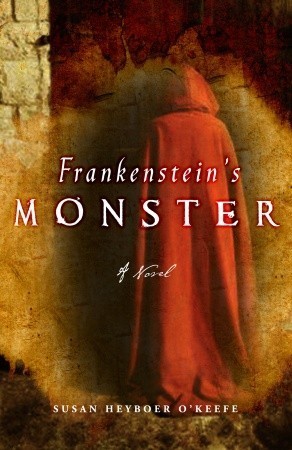
Frankenstein's Monster
Behind me, stiffened with frost, lie the remains of Victor Frankenstein.
What becomes of a monster without its maker? At the end of Mary Shelley’s classic novel, the creator dies but his creation still lives, cursed to a life of isolation and hatred.
Frankenstein’s Monster continues the creature’s story as he’s compelled to discover his humanity, to escape the ship captain who vowed to the dying Frankenstein to hunt him down—and to resist the woman who would destroy them all.
This is a tale of passion, revenge, violence, and madness—and the desperate search for meaning in an often meaningless world.
What becomes of a monster without its maker? At the end of Mary Shelley’s classic novel, the creator dies but his creation still lives, cursed to a life of isolation and hatred.
Frankenstein’s Monster continues the creature’s story as he’s compelled to discover his humanity, to escape the ship captain who vowed to the dying Frankenstein to hunt him down—and to resist the woman who would destroy them all.
This is a tale of passion, revenge, violence, and madness—and the desperate search for meaning in an often meaningless world.
344 pages, Paperback
First published October 5, 2010
Ratings & Reviews
Friends & Following
Create a free account to discover what your friends think of this book!
Community Reviews
Displaying 1 - 30 of 79 reviews

September 12, 2010
Imagine if you were given the task of writing the sequel to "Frankenstein", one of the all-time great classics. You'd want to do several things to make sure and get it right: 1) you would need to develop a great plot that is loyal to the original and is "necessary" in order for the book to have any value to the reader, 2) you would need to provide the right style of writing, the right "voice" so that it would meld well with the original, sounding much like Mary Shelley's voice, and 3) not have the whole thing sound too classic because you don't want today's readers to be bored...it would still need a fairly quick pace to keep the reader interested. On top of all of that you would still need to do all of the things that make for a good novel; i.e. great multi-dimensional characterization, interesting settings, involved plot, etc etc.
Sound impossible? Perhaps, but Susan Heyboer O'Keefe has done remarkably well in writing "Frankenstein's Monster". Especially when one considers this is her first effort for the adult market, having only published children's books before. I took a look at her website and found her to be a real hoot; I suppose you'd have to be in order to tackle this particular novel. Most of the book is told as diary entries from the monster himself. It takes place ten years after the end of the first novel but we learn everything about what happened after the first one ends. There is more than just plot and action here as the monster struggles with his very nature, trying to find his place in the world. He takes quite a journey as he is pursued by Walton who has vowed to his friend Victor Frankenstein to finish off the monster. Along the way he encounters several intriguing new characters and plenty of horrifying and desperate moments.
I felt like I was taking a chance when I began reading this one but feel very happy with the results. Highly recommended!
Sound impossible? Perhaps, but Susan Heyboer O'Keefe has done remarkably well in writing "Frankenstein's Monster". Especially when one considers this is her first effort for the adult market, having only published children's books before. I took a look at her website and found her to be a real hoot; I suppose you'd have to be in order to tackle this particular novel. Most of the book is told as diary entries from the monster himself. It takes place ten years after the end of the first novel but we learn everything about what happened after the first one ends. There is more than just plot and action here as the monster struggles with his very nature, trying to find his place in the world. He takes quite a journey as he is pursued by Walton who has vowed to his friend Victor Frankenstein to finish off the monster. Along the way he encounters several intriguing new characters and plenty of horrifying and desperate moments.
I felt like I was taking a chance when I began reading this one but feel very happy with the results. Highly recommended!

March 23, 2011
“The surest plan to make a Man is: Think him so.” James R. Lowell
Susan Heyboer O’Keefe uses rich and vivid language to paint pages of opposites as Frankenstein’s monster races through various European cities. He rushes towards and away from his intense emotions as well as a literal pursuer, but he himself is in constant pursuit of someone who will “Think him so”.
I don’t think it’s a spoiler to say that this is a monster who longs to be a man, or is he a man who’s been ‘thought’ to be a monster? Either way, it is his humanity that drew me to him and caused me to sit up far into the dark hours of the night reading his story, which he conveys with a tormented voice via the entries of a diary.
I won’t use the central character’s name, it would be a slight spoiler, but I will tell you that the protagonist’s hunter is a man. This man, this obsessed stalker, is more of a monster than the protagonist himself. Lust and rage rule the protagonist, but he is also possessed of tenderness and yearning. These characteristics are at odds within him like the mismatched body parts stitched together without. Despite the flaws his personality is composed of, I found myself rooting for the protagonist to escape from his pursuer, and even destroy him.
As I read Frankenstein’s Monster, I learned that the monster is not only a lover of poetry, but also a poet evidenced by the journal he keeps which tells his side of the story. Does that say something about poets? About writers? If you’ve read other books by Susan Heyboer O’Keefe, you know she has a keen wit, so maybe, it says something about all of us. This reader is, like the ‘monster’ in this book, made up of a patchwork of parts: mother, spouse, sister, writer, musician and yes, when pushed, monster. I think we all have a bit of monster in us.
And the monster of the book’s title is pushed, and pulled, in many directions as he seeks to understand and embrace what he is. One of the things he is, at least by the timeline in the book, is an adolescent, and he is ruled by his newly awakened feelings of desire and by his anger. Like any adolescent he is very aware of what others ‘think’ of him, which throughout the book ‘makes him so’. He also struggles to come to terms with his parents, in this case his father, or fathers.
There are two fathers for Frankenstein’s monster; symbolic of the choices he faces when at this point in his life he realizes he must ‘create’ himself. Then there are the questions about The Father, and to The Father. Ms. O’Keefe shows traces of brilliance in her writing when the monster of her creation ponders theology.
As there are two fathers in his life, there are two faces to our protagonist, man and monster, opposites. He considers tenuous love and burning hatred, the light of hope and the darkness of despair.
Frankenstein’s Monster is perfect reading not just for the month of October when spooks abound—I ran back to the bookstore and bought two more copies to give as gifts—but for any time of year.
Indeed, people will read and reread this book over the years I’m sure, for beware! Frankenstein’s Monster has been born again, and in his second life, as in his first, he is a classic.
To learn more about Susan Heyboer O’Keefe, click on the monster. Don’t worry, he won’t bite, but he may haunt you . . .
Susan Heyboer O’Keefe uses rich and vivid language to paint pages of opposites as Frankenstein’s monster races through various European cities. He rushes towards and away from his intense emotions as well as a literal pursuer, but he himself is in constant pursuit of someone who will “Think him so”.
I don’t think it’s a spoiler to say that this is a monster who longs to be a man, or is he a man who’s been ‘thought’ to be a monster? Either way, it is his humanity that drew me to him and caused me to sit up far into the dark hours of the night reading his story, which he conveys with a tormented voice via the entries of a diary.
I won’t use the central character’s name, it would be a slight spoiler, but I will tell you that the protagonist’s hunter is a man. This man, this obsessed stalker, is more of a monster than the protagonist himself. Lust and rage rule the protagonist, but he is also possessed of tenderness and yearning. These characteristics are at odds within him like the mismatched body parts stitched together without. Despite the flaws his personality is composed of, I found myself rooting for the protagonist to escape from his pursuer, and even destroy him.
As I read Frankenstein’s Monster, I learned that the monster is not only a lover of poetry, but also a poet evidenced by the journal he keeps which tells his side of the story. Does that say something about poets? About writers? If you’ve read other books by Susan Heyboer O’Keefe, you know she has a keen wit, so maybe, it says something about all of us. This reader is, like the ‘monster’ in this book, made up of a patchwork of parts: mother, spouse, sister, writer, musician and yes, when pushed, monster. I think we all have a bit of monster in us.
And the monster of the book’s title is pushed, and pulled, in many directions as he seeks to understand and embrace what he is. One of the things he is, at least by the timeline in the book, is an adolescent, and he is ruled by his newly awakened feelings of desire and by his anger. Like any adolescent he is very aware of what others ‘think’ of him, which throughout the book ‘makes him so’. He also struggles to come to terms with his parents, in this case his father, or fathers.
There are two fathers for Frankenstein’s monster; symbolic of the choices he faces when at this point in his life he realizes he must ‘create’ himself. Then there are the questions about The Father, and to The Father. Ms. O’Keefe shows traces of brilliance in her writing when the monster of her creation ponders theology.
As there are two fathers in his life, there are two faces to our protagonist, man and monster, opposites. He considers tenuous love and burning hatred, the light of hope and the darkness of despair.
Frankenstein’s Monster is perfect reading not just for the month of October when spooks abound—I ran back to the bookstore and bought two more copies to give as gifts—but for any time of year.
Indeed, people will read and reread this book over the years I’m sure, for beware! Frankenstein’s Monster has been born again, and in his second life, as in his first, he is a classic.
To learn more about Susan Heyboer O’Keefe, click on the monster. Don’t worry, he won’t bite, but he may haunt you . . .

September 29, 2017
This book was disturbing & sad, yet the final few pages offered hope. I think the author did a fair turn to the extended tale of Frankenstein's creature -- the story from his viewpoint, picking up where Mary Shelley's original story stopped.
Both books (the original Frankenstein & this book) range between intense rage & immense sadness. They're just harrowing.
Both books (the original Frankenstein & this book) range between intense rage & immense sadness. They're just harrowing.

May 18, 2017
Interesting concept. Sloppy execution. It had disturbing elements, not only in the way you would imagine from a book about Frankenstein's monster, but also in other ways that were quite frankly just messed up. It was uncomfortable to read sometimes, and not in any sort of good way.
I was intrigued to learn this author usually writes children's books, though. I wouldn't peg a book like this coming from a children's author.
I was intrigued to learn this author usually writes children's books, though. I wouldn't peg a book like this coming from a children's author.

July 28, 2017
A Review of the Reasons Why the Frankenstein’s Monster in the Eponymous Book by Susan Heyboer O’Keefe Will Break Your Heart!
Background
He begins his story right from where the original work by Mary Shelley left off. The monster tries to kill himself and fails repeatedly. If the polar cold doesn’t hurt him, I’d say there are few things that could!
P.S. Read my review of the original classic here. For more information on Project Frankenstein, click here.
Reasons for Heart-Break
Reason # 1
He says things like:

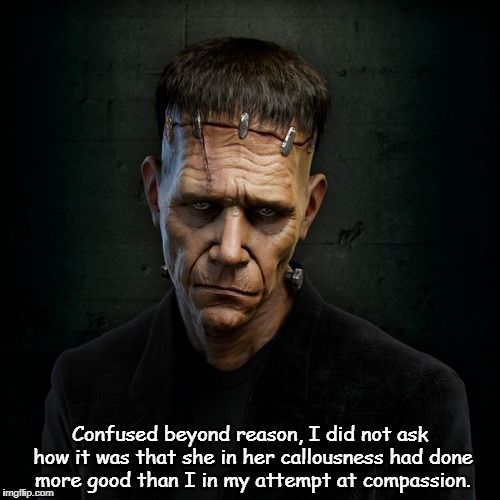
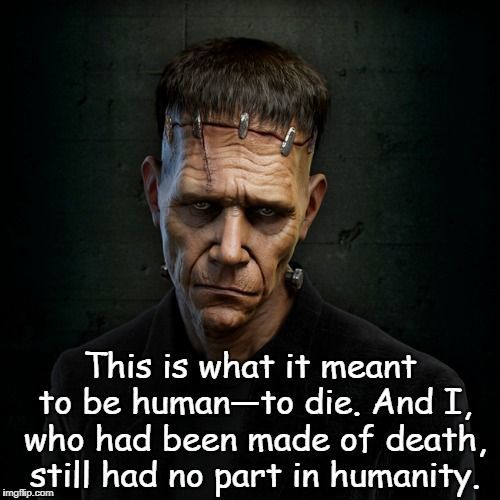
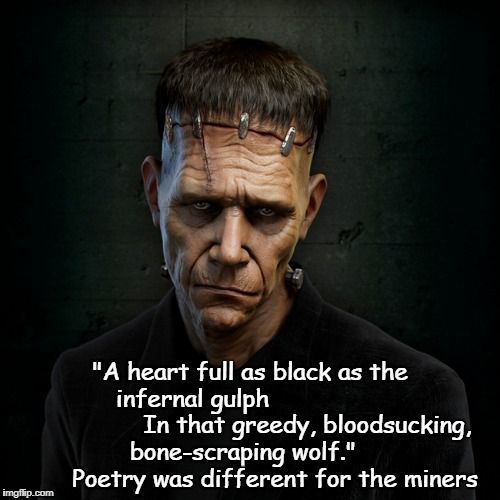
Reason # 2
He is well-read just like the creature from the original book. However, no one appreciated his genius.
Reason # 3
He is willing to believe in the goodness of humans even after what he has suffered at their hands. In fact, he acknowledges this is because he has met quite a few people who have been kind to him, including a nun.
Reason # 4
He is stuck in an abusive relationship with a woman who tortures and provokes him mercilessly. Yet not unlike many humans, he can’t seem to let her go.
Reason # 5
When the woman gives birth to someone else’s child, the creature steels his heart to try and murder the child according to its mother’s desires. He can’t!
Reason # 6
He is followed by an insane person — the captain of the ship that Victor Frankenstein died on. That person destroys his life but when given a chance to end the crazy person’s life, all the monster feels is pity.
Reason # 7
Even with all that is going on, the creature appreciates a good sense of humor.
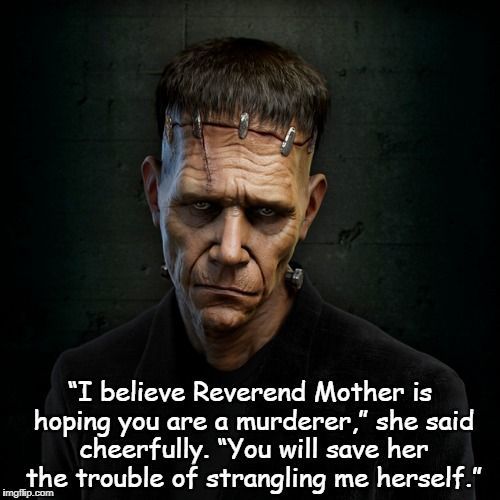
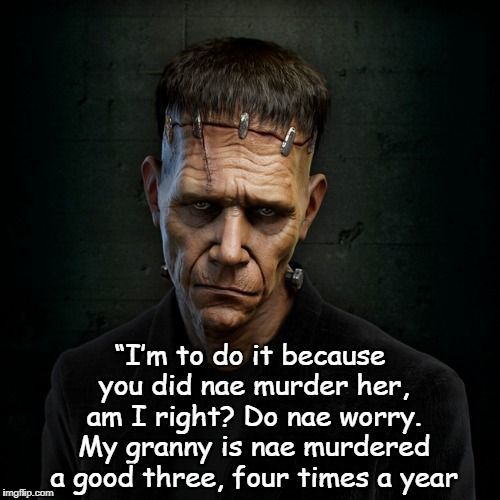
Reason # 8
By the end of the book, he has decided that he will be raising the kid. It isn’t going to be easy because its mother starved herself throughout her pregnancy, so she’d lose the child. The kid’s brain will show what difference her ministrations must have made. The kid is also crippled.
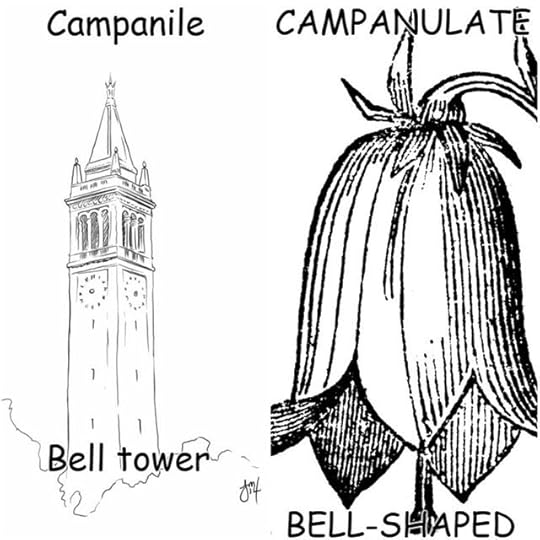
Why I Love Botany
Final Thoughts
The relationship, if it can’t be called that, Frankenstein’s monster and the woman, Lily were in, had shades of Heathcliff and Cathy’s relationship from Wuthering Heights. It might not have been healthy but it made for an interesting read.
Also reviewed at:
BL
BS
WP
LI
ME
BO
This entire review has been hidden because of spoilers.

February 3, 2011
Originally Posted at Dread Central -
When Mary Shelly first published Frankenstein in 1818, the story of the insane doctor and his grotesque creation was horrifying, too much so to have been written by an 18-year-old girl. And over time, it has become the stick against which all other gothic horror has been measured. But the ending of the book was left ambiguous, and never told exactly what happened to Victor Frankenstein's creation. Susan Heyboer O'Keefe, who previously wrote children's books, answers the question in this compelling, often unsettling, and emotional followup to the original.
Told from the point of view of the creature, Frankenstein's Monster picks up where the original left off, in the frozen sea with the ship's captain, Robert Walton, making an insane vow to the dying Victor Frankenstein that he would kill the monster. So begins the game of chase that lasts for years as the self-aware and and sensitive monster searches for his own humanity, and Walton slowly loses his own.
O'Keefe takes masterful hold of the language and manages to work with Shelly's original writing style and rhythms. Her research in, and respect for, the original book is something to be applauded, as she pulls out minor details that add a great deal to her novel. Instead of a traditional narrative, the story is told through a series of journal entries, written by the creature, as he tries to avoid Walton while, at the same time, comes to terms with what he is and is not.
The real strengths in Frankenstein's Monster come from O'Keefe's characterization of not only the monster, but of his supporting cast. It is little wonder that the kindest people in the book are the poorest, beggars and peasants, and the true monsters are revealed in those who have wealth and position. From Walton's slow decent into madness and his gradual physical transformation, to Lily's unwavering bitchiness and insanity, the characters are painted as intricate, albeit damaged, people off whom the monster can play. "Monster," however, is a loosely defined word at best in this novel, because he alone is a truly sympathetic character. Of all the "men" he meets, he is the one who is most human.
There are few flaws in Frankenstein's Monster, but none that diminish the book. First, while the language is beautiful, and fits in very well with Shelly's description of the self-educated creation, it can prove distracting in some places, dragging in others. To be fair, I have the same opinion of the original, though I love it. Also, and it's a very small nit-picky point, I took exception to the creature's name. Throughout the book, he refers to himself as Victor (for his father) Hartmann (which another term for "beast") because he claims he was never given a name. In the original, however, Victor Frankenstein referred to his creation as "my Adam," thereby naming him after the Biblical first human male.
The bottom line is that if you own the original, and always felt a bit unfulfilled by the ambiguous ending, Frankenstein's Monster is a worthy successor. Poignant, moving, horrifying, and, at times, tender, it is an emotional journey that the reader will enjoy.
When Mary Shelly first published Frankenstein in 1818, the story of the insane doctor and his grotesque creation was horrifying, too much so to have been written by an 18-year-old girl. And over time, it has become the stick against which all other gothic horror has been measured. But the ending of the book was left ambiguous, and never told exactly what happened to Victor Frankenstein's creation. Susan Heyboer O'Keefe, who previously wrote children's books, answers the question in this compelling, often unsettling, and emotional followup to the original.
Told from the point of view of the creature, Frankenstein's Monster picks up where the original left off, in the frozen sea with the ship's captain, Robert Walton, making an insane vow to the dying Victor Frankenstein that he would kill the monster. So begins the game of chase that lasts for years as the self-aware and and sensitive monster searches for his own humanity, and Walton slowly loses his own.
O'Keefe takes masterful hold of the language and manages to work with Shelly's original writing style and rhythms. Her research in, and respect for, the original book is something to be applauded, as she pulls out minor details that add a great deal to her novel. Instead of a traditional narrative, the story is told through a series of journal entries, written by the creature, as he tries to avoid Walton while, at the same time, comes to terms with what he is and is not.
The real strengths in Frankenstein's Monster come from O'Keefe's characterization of not only the monster, but of his supporting cast. It is little wonder that the kindest people in the book are the poorest, beggars and peasants, and the true monsters are revealed in those who have wealth and position. From Walton's slow decent into madness and his gradual physical transformation, to Lily's unwavering bitchiness and insanity, the characters are painted as intricate, albeit damaged, people off whom the monster can play. "Monster," however, is a loosely defined word at best in this novel, because he alone is a truly sympathetic character. Of all the "men" he meets, he is the one who is most human.
There are few flaws in Frankenstein's Monster, but none that diminish the book. First, while the language is beautiful, and fits in very well with Shelly's description of the self-educated creation, it can prove distracting in some places, dragging in others. To be fair, I have the same opinion of the original, though I love it. Also, and it's a very small nit-picky point, I took exception to the creature's name. Throughout the book, he refers to himself as Victor (for his father) Hartmann (which another term for "beast") because he claims he was never given a name. In the original, however, Victor Frankenstein referred to his creation as "my Adam," thereby naming him after the Biblical first human male.
The bottom line is that if you own the original, and always felt a bit unfulfilled by the ambiguous ending, Frankenstein's Monster is a worthy successor. Poignant, moving, horrifying, and, at times, tender, it is an emotional journey that the reader will enjoy.

February 15, 2026
It definitely had potential. At first, I thought this would be a five-star read. It felt very close to the original, picking up right where Frankenstein left off. I loved the writing style, beautiful, poetic, and told through journal entries, which gave it an intimate, haunting atmosphere.
Buuuut, it quickly turned into a complete mess.
Things started going downhill the moment the Monster met Lily.
~ Lily is utterly insufferable from beginning to end. I won’t even elaborate. I’ve suffered enough.
~ Both her motives and the Monster’s are unclear and often make no sense.
~ I still don’t understand why Walton spent ten years of his life pursuing the Monster. Why was he so obsessed? It was none of his damn business to begin with. Dude, get a hobby. Knit something!
~ The scene that completely ruined the book for me was when . Ffs!!! 😑
~ The ending is a convoluted mess, with revelations that once again fail to make any logical sense.
What I loved about the original Frankenstein was how relatable the Monster is. A misunderstood outcast craving acceptance and kindness. That’s what makes him tragic. Rather than giving him more emotional depth, the book turns him into a creature who assaults women and appears motivated almost entirely by lust. Because that’s obviously what was missing from Frankenstein. 😓 The original story never felt dirty or vulgar. It wasn’t about s$x. It was about loneliness, rejection, and the consequences of abandonment.
So yes, loved the beginning. But unfortunately, I hated almost everything that followed. What a waste of genuinely beautiful prose.
Buuuut, it quickly turned into a complete mess.
Things started going downhill the moment the Monster met Lily.
~ Lily is utterly insufferable from beginning to end. I won’t even elaborate. I’ve suffered enough.
~ Both her motives and the Monster’s are unclear and often make no sense.
~ I still don’t understand why Walton spent ten years of his life pursuing the Monster. Why was he so obsessed? It was none of his damn business to begin with. Dude, get a hobby. Knit something!
~ The scene that completely ruined the book for me was when . Ffs!!! 😑
~ The ending is a convoluted mess, with revelations that once again fail to make any logical sense.
What I loved about the original Frankenstein was how relatable the Monster is. A misunderstood outcast craving acceptance and kindness. That’s what makes him tragic. Rather than giving him more emotional depth, the book turns him into a creature who assaults women and appears motivated almost entirely by lust. Because that’s obviously what was missing from Frankenstein. 😓 The original story never felt dirty or vulgar. It wasn’t about s$x. It was about loneliness, rejection, and the consequences of abandonment.
So yes, loved the beginning. But unfortunately, I hated almost everything that followed. What a waste of genuinely beautiful prose.

July 4, 2017
Susan Heyboer O’Keefe has written a sequel to Mary Shelly’s gothic novel, Frankenstein. Entitled Frankenstein’s Monster, the novel evokes all the dark, fantastical elements of the original—except O’Keefe tells the story from the monster’s point of view.
Beginning on sea ice near the North Pole, where the action in Shelley’s novel ends, O’Keefe follows the monster’s anguished flight from Victor Frankenstein’s obsessive surrogate, Captain Robert Walton. Over and over again, we see the monster behaving with more humanity than most of the humans he encounters.
In a day when we humans are close to creating designer babies, O’Keefe gives us reason to pause and consider our moral choices and their consequences. Her exploration of our human persistence in judging by appearance also seems particularly timely in the face of recurring racism in America—and a President who attacks his perceived opponents on the basis of their looks.
Very gothic and often very fantastic, Frankenstein’s Monster still gives its readers much to consider regarding the human condition, as did Shelley’s original novel.
Beginning on sea ice near the North Pole, where the action in Shelley’s novel ends, O’Keefe follows the monster’s anguished flight from Victor Frankenstein’s obsessive surrogate, Captain Robert Walton. Over and over again, we see the monster behaving with more humanity than most of the humans he encounters.
In a day when we humans are close to creating designer babies, O’Keefe gives us reason to pause and consider our moral choices and their consequences. Her exploration of our human persistence in judging by appearance also seems particularly timely in the face of recurring racism in America—and a President who attacks his perceived opponents on the basis of their looks.
Very gothic and often very fantastic, Frankenstein’s Monster still gives its readers much to consider regarding the human condition, as did Shelley’s original novel.
August 22, 2017
Full disclosure: I have not ready Mary Shelley's "Frankenstein," which may, in part, explain why I did not care for the story in this book.
This book is very well written from a grammar, mechanics and use of language standpoint. This is something I truly appreciate in a writer.
I initially thought a follow-up to "Frankenstein" would make for a good story. But as I read through some of the earlier reviews, I found I am not the only one who thought it would be better than it had been executed.
I had trouble (and still don't understand) why Walton was so intent on tracking and killing Victor...over the course of 10 years. He's either really bad at tracking or did not find the courage to actually take a life. "Madness," or even obsession does not really seem like a valid reason to spend so much time, money and life.
Much of the story seems disjointed. I will be the first to admit that I do not, generally speaking, like reading books written in a "journal" style of storytelling. Had I know this book was basically a "journal," I very likely would have passed.
I agree with other reviewers who felt the characters in the story were either underdeveloped or overshadowed unnecessarily. I would have liked to know more about how Victor made it from Venice to England...even by today's travel standards that is not a short trip.
When I read the Acknowledgements, Heyboer-O'Keefe included her editor...which is probably a great idea for any writer. The part that caught my attention is the part where her editor told her, "Now cut 20 percent, rewrite the rest, and then let me see it..." I think Heyboer-O'Keefe cut the 20 percent that connected the story line and the characters.
This book is very well written from a grammar, mechanics and use of language standpoint. This is something I truly appreciate in a writer.
I initially thought a follow-up to "Frankenstein" would make for a good story. But as I read through some of the earlier reviews, I found I am not the only one who thought it would be better than it had been executed.
I had trouble (and still don't understand) why Walton was so intent on tracking and killing Victor...over the course of 10 years. He's either really bad at tracking or did not find the courage to actually take a life. "Madness," or even obsession does not really seem like a valid reason to spend so much time, money and life.
Much of the story seems disjointed. I will be the first to admit that I do not, generally speaking, like reading books written in a "journal" style of storytelling. Had I know this book was basically a "journal," I very likely would have passed.
I agree with other reviewers who felt the characters in the story were either underdeveloped or overshadowed unnecessarily. I would have liked to know more about how Victor made it from Venice to England...even by today's travel standards that is not a short trip.
When I read the Acknowledgements, Heyboer-O'Keefe included her editor...which is probably a great idea for any writer. The part that caught my attention is the part where her editor told her, "Now cut 20 percent, rewrite the rest, and then let me see it..." I think Heyboer-O'Keefe cut the 20 percent that connected the story line and the characters.

March 27, 2016
I don't know where to start with this one. What was done to Mirabella was crap and as a reader, I feel very cheated by that. I am super obsessed with Frankenstein and his creation, so much so that I am working on my own story. That being said, I love reading just about anything about them. A positive the author did have was her understanding of the Creature's flip-floppy nature of "I want love but I am also a dick at times". But we don't understand his pain. He murders people not because he is pure evil but because he is suffering so much that he lives in the misguided notion that others should suffer like him as if he can somehow relate to people through mutual suffering. I feel like this was three separate stories: one with Mirabella and what we were cheated out of, the second was with Walton's and his insane family (I get that incest is the cause of insanity and that the family is prone to this behavior and mental degeneration to sociopathy, but geez), the final story is the conclusion where the creature obtains what he has always longed for. It was okay at best, not my favorite and the fact that I finished it means it wasn't the worst. Writing is a process, but I sometimes feel like people rush to the press before they have completed their process which is why readers don't feel a whole lot when they put the book down.

October 2, 2010
Frankenstein's Monster continues where Mary Shelley's Frankenstein left off. In this book, the reader has a chance to find out what happened to Frankenstein's creation, after his creator dies. The book is told from the "monster's" point of view in the form of his journals.
I was excited by the idea of the book but I found it just an okay read. While the writing was good, I had trouble feeling sympathy for the creature. He makes out like he is this poor misunderstood man who is only violent because he is forced to be but as he goes on to commit many acts of unprovoked violence, I pretty much lost the sympathy I might have had for him. I also found the story somewhat repetitive . . . Frankenstein makes a friend and thinks he's finally understood but then things go wrong and he goes on a killing spree . . . again and again. I also wasn't quite clear on why his pursuer (Walton) was so intent on destroying him. It seemed that madness wasn't a good enough reason. Also, I didn't remember the creature being so well spoken and well read. I wish I had reread Shelley's Frankenstein before reading this, as perhaps some of that would have been explained. This book does come to a satisfying conclusion.
I was excited by the idea of the book but I found it just an okay read. While the writing was good, I had trouble feeling sympathy for the creature. He makes out like he is this poor misunderstood man who is only violent because he is forced to be but as he goes on to commit many acts of unprovoked violence, I pretty much lost the sympathy I might have had for him. I also found the story somewhat repetitive . . . Frankenstein makes a friend and thinks he's finally understood but then things go wrong and he goes on a killing spree . . . again and again. I also wasn't quite clear on why his pursuer (Walton) was so intent on destroying him. It seemed that madness wasn't a good enough reason. Also, I didn't remember the creature being so well spoken and well read. I wish I had reread Shelley's Frankenstein before reading this, as perhaps some of that would have been explained. This book does come to a satisfying conclusion.

May 4, 2022
*sighs*
What I thought I will read will be some interesting tale of Creature and his later life.
Even the start seemed promising and close to the original book, some moments had the potential and a surprising depth.
What I unfortunately got was a story disturbingly chilling to bones, with awful plot, inconsistency and disgusting elements, even Mary Shelley would twist in her grave if she knew.
The beginning and natural description made by the Creature are the best part, the rest of the plot is chilling to core but not in a good sense.
I didn’t understand the "worm" reference until the very last reveal, that was quite shocking (not in a good way). Creature (as well as Walton) is inconsistent, changing his motives and unpredictably changes his behaviour and reasons. Not even towards the Waltons’, but to complete strangers he meets along his journeys as well.
The reveal about Lily’s origin was disgusting to me, and the part where creature finds "a mate" sickened me to stomach.
I’d give it 1,5 stars out of 1 since in some aspects it’s better than Dark Descent but also goes to disturbing and unnecessary wild territory.
What I thought I will read will be some interesting tale of Creature and his later life.
Even the start seemed promising and close to the original book, some moments had the potential and a surprising depth.
What I unfortunately got was a story disturbingly chilling to bones, with awful plot, inconsistency and disgusting elements, even Mary Shelley would twist in her grave if she knew.
The beginning and natural description made by the Creature are the best part, the rest of the plot is chilling to core but not in a good sense.
I didn’t understand the "worm" reference until the very last reveal, that was quite shocking (not in a good way). Creature (as well as Walton) is inconsistent, changing his motives and unpredictably changes his behaviour and reasons. Not even towards the Waltons’, but to complete strangers he meets along his journeys as well.
The reveal about Lily’s origin was disgusting to me, and the part where creature finds "a mate" sickened me to stomach.
I’d give it 1,5 stars out of 1 since in some aspects it’s better than Dark Descent but also goes to disturbing and unnecessary wild territory.
December 2, 2019
This book had potential, I'll give it that. It had a lot of lines and moments that stood out to me as doorways into something deeper, something monumental, but they were almost always abandonded with no further exploration. The two main characters, Frankenstein's monster and Robert Walton, both lacked any sense of consistency, both from the original novel and within this book. They were barely recognizable as the same characters that Mary Shelley had written about so long ago. Not to mention that the novel seemed to lack any internal consistency, with characters turning on a dime and random, extremely unlikely and just plain weird events coming out of nowhere.
It had it's moments, but by the end of the novel it just felt disgusting, confusing, and had no moral or deeper message that I could discern at all.
It had it's moments, but by the end of the novel it just felt disgusting, confusing, and had no moral or deeper message that I could discern at all.

January 29, 2011
After reading "Frankenstein" by Mary Shelley in high school, I often wondered what life would have been like through the monster's eyes. In "Frankenstein's Monster," not only does the reader see how life is portrayed in his eyes, you feel sorrow, love, and anger. I even wanted to cry at the end! At times, I questioned whether the monster was in fact, a monster or a man.
I have not read a book in a while, but I could not put this down! I finished reading it in 2 days, which is a record for me. I hated to see it end! For anyone considering reading this book, I would definitely recommend it!
I have not read a book in a while, but I could not put this down! I finished reading it in 2 days, which is a record for me. I hated to see it end! For anyone considering reading this book, I would definitely recommend it!
October 15, 2012
I loved this sequel to Shelley's original because I'm very pro-creature and I like seeing the creature as a thinking, feeling human being. Everytime I read the darn original in class as an English major I'd write a 10 page paper lashing out at the visciousness of the humans. This novel just takes that further. Who is monster Frankenstein created? The creature or the captain? That's your call. I already know my choice.

January 25, 2012
One of my English teaching friends talked me into reading the real Frankenstein book by Shelly... WOW, not your hollywood monster! This book was written to continue the story and it was true in tone and style to the original.
June 26, 2024
This was a DNF, barely started. I struggled to get going when the prologue had a date mismatched from the end of Frankenstein, and these two events were supposed to be simultaneous.
November 21, 2021
I scarcely know how to start. This book put my heart through a wringer (those old-fashioned, crank-handle ones,) then lashed it across a washboard a few times for good measure.
And that is partially why I have to get the negative out here: if this book had not been about my beloved Creature (here named Victor, which I am fine with,) I would have flung the book at the wall in disgust. This kind of non-stop pain is why I don't read hardly any Russian authors and skip most modern "novels." (You know. The ones that wind up on the bestseller list until they so saturate the market that the dollar stores can't even give them away.) I wish that there had been just one or two more points of happiness, or at least contentment. There's a scene of bestiality, and however brief and vague it might have been, it was still unavoidable, and I could have quite cheerfully never read that. (Though my sick brain wonders how the animal survived...Victor IS 8 feet tall.) And I really do rebel against the idea that the only person poor Victor's been in consistent contact with in ten years is a raving, bi-polar, abusive, homicidal product of incest. (Why does EVERY gothic-y work I pick up resort to incest?! WHY!?) Give the man a break! I don't see how the story would be any less compelling for giving him a perfectly sane companion-- there's plenty to be worked through and explored without the maniac tempting him to torture every other page.
But, oh...the language, which is classical without attempting to be a carbon-copy of Shelley; the lovely scenery, which contains enough detail to make you think the author knows each area but not so much you start skimming; the multi-layered Victor, who IS sympathetic in his wretchedness but still has violent mood swings and can be just selfish enough to make him...well...human. And that masquerade, and Victor in the mines at the end, and the reverend who is neither false nor a gross parody (thank you, Susan! I appreciate your efforts!) I loved the return to the Orkneys, and the idea of Walton descending into a madness that reduces him to below Victor's level. I even liked the ghastly graveyard scene where Victor holds a woman's corpse as though it were his mother, reinforcing both his unnatural origins and, strangely, making him seem more human for his fascination with death.
I wish Victor had shown the baby more sympathy. I wish he had the mental fortitude to write Lily off, though the way he clings to her until the very end is highly indicative of real abusive relationships. I wish Winterbourne hadn't shown himself to be such a weak-minded sheep. But for all my complaints, I still devoured this book that gave so much insight to one of my favorite literary creations. I would recommend it only if you've read Shelly's book, or you'll be lost. And I would still do so with caution, because the DARK is real in this one. Enter of your own free will...and make sure you have some tissues handy.
And that is partially why I have to get the negative out here: if this book had not been about my beloved Creature (here named Victor, which I am fine with,) I would have flung the book at the wall in disgust. This kind of non-stop pain is why I don't read hardly any Russian authors and skip most modern "novels." (You know. The ones that wind up on the bestseller list until they so saturate the market that the dollar stores can't even give them away.) I wish that there had been just one or two more points of happiness, or at least contentment. There's a scene of bestiality, and however brief and vague it might have been, it was still unavoidable, and I could have quite cheerfully never read that. (Though my sick brain wonders how the animal survived...Victor IS 8 feet tall.) And I really do rebel against the idea that the only person poor Victor's been in consistent contact with in ten years is a raving, bi-polar, abusive, homicidal product of incest. (Why does EVERY gothic-y work I pick up resort to incest?! WHY!?) Give the man a break! I don't see how the story would be any less compelling for giving him a perfectly sane companion-- there's plenty to be worked through and explored without the maniac tempting him to torture every other page.
But, oh...the language, which is classical without attempting to be a carbon-copy of Shelley; the lovely scenery, which contains enough detail to make you think the author knows each area but not so much you start skimming; the multi-layered Victor, who IS sympathetic in his wretchedness but still has violent mood swings and can be just selfish enough to make him...well...human. And that masquerade, and Victor in the mines at the end, and the reverend who is neither false nor a gross parody (thank you, Susan! I appreciate your efforts!) I loved the return to the Orkneys, and the idea of Walton descending into a madness that reduces him to below Victor's level. I even liked the ghastly graveyard scene where Victor holds a woman's corpse as though it were his mother, reinforcing both his unnatural origins and, strangely, making him seem more human for his fascination with death.
I wish Victor had shown the baby more sympathy. I wish he had the mental fortitude to write Lily off, though the way he clings to her until the very end is highly indicative of real abusive relationships. I wish Winterbourne hadn't shown himself to be such a weak-minded sheep. But for all my complaints, I still devoured this book that gave so much insight to one of my favorite literary creations. I would recommend it only if you've read Shelly's book, or you'll be lost. And I would still do so with caution, because the DARK is real in this one. Enter of your own free will...and make sure you have some tissues handy.
This entire review has been hidden because of spoilers.
August 23, 2021
Just... Wow! A 'sequel' that is just as good, if not better, than it predecessor!
The writing, storyline, characters, themes... it was all just so good!!
I teetered between loving and abhorring the protagonist (I won't be giving his name, as it's SLIGHTLY spoiler-y), but that's exactly how you feel about him in Mary Shelley's classic novel. It shows how well the author understands the source material and the character of The Creature, and it's honestly really refreshing in a world full of Boris Karloff-esque Creatures (and don't get me started on the fact that the author is capable of closely mirroring Shelley's prose...)!
But you feel awful for the protagonist having witnessed the brunt of humanity's cruelty, but yet you loathe him when he lashes out in return because when he does act out, it's greatly malicious and violent. But in the end, I found myself rooting for him! Despite the impulsive and hateful part of his character, I couldn't help but feel compassion, sadness, and even a little pity.
I just feel conflicted as fuck as to how I feel about Lucy's character... I both liked and disliked her character. She was a mostly cruel person, but she had her moments and you KIND of understand the reason behind her cruelty????? (and if you know, you know.) But overall I think I dislike her more than I like her, and her relationship with the protagonist just... made me sadder?
And this book made me feel just that: sad. Sad, and then its ending left me feeling a glimmer of hope.
Overall, I enjoyed this read! My only complaint is that some parts dragged a bit, to the point where I was skimming until I deemed it necessary to resume, and there were also some plot twists revealed that I feel... mixed about. Like... the twists felt like they should've shocked me (and they did), but they were also a little predictable and came out of nowhere a bit. Some twists felt like they were added for shock value. But the twists weren't enough to take away my general enjoyment of this book, fortunately!
But despite the rollercoaster of emotions I felt, I still enjoyed this read quite a bit! I recommend it for anyone who is a fan of the original 'Frankenstein' novel, fans of the Creature as a character, and just overall classical literature, horror, and character study novels!
The writing, storyline, characters, themes... it was all just so good!!
I teetered between loving and abhorring the protagonist (I won't be giving his name, as it's SLIGHTLY spoiler-y), but that's exactly how you feel about him in Mary Shelley's classic novel. It shows how well the author understands the source material and the character of The Creature, and it's honestly really refreshing in a world full of Boris Karloff-esque Creatures (and don't get me started on the fact that the author is capable of closely mirroring Shelley's prose...)!
But you feel awful for the protagonist having witnessed the brunt of humanity's cruelty, but yet you loathe him when he lashes out in return because when he does act out, it's greatly malicious and violent. But in the end, I found myself rooting for him! Despite the impulsive and hateful part of his character, I couldn't help but feel compassion, sadness, and even a little pity.
I just feel conflicted as fuck as to how I feel about Lucy's character... I both liked and disliked her character. She was a mostly cruel person, but she had her moments and you KIND of understand the reason behind her cruelty????? (and if you know, you know.) But overall I think I dislike her more than I like her, and her relationship with the protagonist just... made me sadder?
And this book made me feel just that: sad. Sad, and then its ending left me feeling a glimmer of hope.
Overall, I enjoyed this read! My only complaint is that some parts dragged a bit, to the point where I was skimming until I deemed it necessary to resume, and there were also some plot twists revealed that I feel... mixed about. Like... the twists felt like they should've shocked me (and they did), but they were also a little predictable and came out of nowhere a bit. Some twists felt like they were added for shock value. But the twists weren't enough to take away my general enjoyment of this book, fortunately!
But despite the rollercoaster of emotions I felt, I still enjoyed this read quite a bit! I recommend it for anyone who is a fan of the original 'Frankenstein' novel, fans of the Creature as a character, and just overall classical literature, horror, and character study novels!

October 16, 2024
This was a DNF for me. I wanted to like it, but I had just read a biography of Mary Shelley and her mother, Mary Wollstonecraft, and then the 1818 edition of Frankenstein, then this, and this story suffers much by comparison.
There were early warning signs of trouble in the prologue and first chapter. The most egregious of these, for me, was when the creature refers to Victor Frankenstein as his father - which is in direct conflict to the language MWS used to describe their tortured connection. --But I pushed on and finished part one, disappointed at every turn.
There is just not enough art or nuance in the exploration of the themes it's trying to grapple. In the 1818 edition, Shelley is so masterful at showing the creature's mercurial nature, his fits of passion followed by deep and existential self loathing. While those themes are attempted here, they aren't convincing or carried off well. It's like a blinking fluorescent sign that says MONSTER ➡️ at a two dollar freak show. The creature himself lacks gravitas. Instead of justifiable rages at the injustice of a world not meant for him, his fits read more like tantrums, childish, small and unsupported. Not to mention, the original text makes his isolation nearly complete... he's said to be so revolting that no living being can stand the sight of him. And yet in the first 50ish pages of this book he manages to make a friend and entice a woman to sleep with him. Not only does this undercut his supposed hideousness, it blunts the fangs of his lonely, exiled existence which was his entire impetus for hounding Frankenstein for a companion in the original book.
It just doesn't work for me, and I abandoned it at p. 75.
There were early warning signs of trouble in the prologue and first chapter. The most egregious of these, for me, was when the creature refers to Victor Frankenstein as his father - which is in direct conflict to the language MWS used to describe their tortured connection. --But I pushed on and finished part one, disappointed at every turn.
There is just not enough art or nuance in the exploration of the themes it's trying to grapple. In the 1818 edition, Shelley is so masterful at showing the creature's mercurial nature, his fits of passion followed by deep and existential self loathing. While those themes are attempted here, they aren't convincing or carried off well. It's like a blinking fluorescent sign that says MONSTER ➡️ at a two dollar freak show. The creature himself lacks gravitas. Instead of justifiable rages at the injustice of a world not meant for him, his fits read more like tantrums, childish, small and unsupported. Not to mention, the original text makes his isolation nearly complete... he's said to be so revolting that no living being can stand the sight of him. And yet in the first 50ish pages of this book he manages to make a friend and entice a woman to sleep with him. Not only does this undercut his supposed hideousness, it blunts the fangs of his lonely, exiled existence which was his entire impetus for hounding Frankenstein for a companion in the original book.
It just doesn't work for me, and I abandoned it at p. 75.
This entire review has been hidden because of spoilers.

January 8, 2018
It's hard for me to review this book. It is dark and yet it was so poignant at times that you wanted to cry with the unfairness of it all. I loved it (with exception to one part I could have done without. )
To me this story raised the question of who really is the monster? I found several of the human characters to truly be monstrous.
I couldn't keep from pulling for the monster as you see the depths of his struggles of self hatred of what he is and yet there is beauty hidden underneath the monstrous, parts of his being. His writings reveal those two counterpoints of his being.
Through the masterful telling of his story we are privy to his struggle to have what he so desires to be loved, to be able to fellowship and be accepted, and yet keep the rage at bay.
I found the ending as satisfactory as,this sad story could be.
To me this story raised the question of who really is the monster? I found several of the human characters to truly be monstrous.
I couldn't keep from pulling for the monster as you see the depths of his struggles of self hatred of what he is and yet there is beauty hidden underneath the monstrous, parts of his being. His writings reveal those two counterpoints of his being.
Through the masterful telling of his story we are privy to his struggle to have what he so desires to be loved, to be able to fellowship and be accepted, and yet keep the rage at bay.
I found the ending as satisfactory as,this sad story could be.

February 14, 2023
What makes a man and what makes a monster? This is the central question of the book by Susan heyboer O'Keefe. Frankenstein's monster is told from the point of view of the monster after the Dr Frankenstein's death in the first book.
The answer to that question is not honestly easily given. I asked myself many other questions during this book, but chiefest among them was " if you are told that you are a thing for long enough, do you then become that thing? " For me the answer is that if Victor can manage to not become the monster he has told his entire life that he is, even with some missteps, poor choices, and blood on his hands, then I have to believe that we are all able to retain our humanity in the face of being told otherwise.
The story actually gets a 3.75 star rating from me, however it did not get a four or higher because it does drag.
The answer to that question is not honestly easily given. I asked myself many other questions during this book, but chiefest among them was " if you are told that you are a thing for long enough, do you then become that thing? " For me the answer is that if Victor can manage to not become the monster he has told his entire life that he is, even with some missteps, poor choices, and blood on his hands, then I have to believe that we are all able to retain our humanity in the face of being told otherwise.
The story actually gets a 3.75 star rating from me, however it did not get a four or higher because it does drag.
July 16, 2020
This was such a gripping novel. Frankenstein is my very favorite novel and the notion of a sequel seemed intriguing and crazy to me. This tale unfolds work such poetry, such highs and lows, and such greatness. It was hard to put it down, but I paced myself wanting it to last as long as possible. This was a great book and I would go so far as to say it's now a favorite of mine.
June 9, 2017
It was a really good book and very well written.

July 9, 2017
Quick read, decent characters and character development. Honestly, it's a forgettable story. But overall a good read.

October 25, 2017
A Satisfying read. What DID happen to the creature created by Frankenstein? Now I know. Well written and crafted.

December 27, 2020
A decent sequel to the original classic. Still questioning if he is man or beast and trying to find his place.
Read
May 20, 2021I recomend it!

September 19, 2022
Victor's and Lilly's flight was way too long and turned out to have nothing to do with the beginning or end of the story. Fairly decent ending though.
June 22, 2023
I had great difficulty getting through the early chapters
Displaying 1 - 30 of 79 reviews