
What do you think?
Rate this book

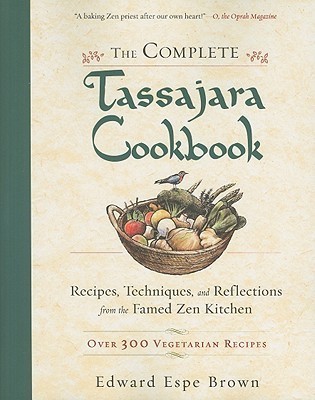
Edward Brown’s Zen approach to the preparation and enjoyment of delicious food has been changing the way people cook for almost four decades. Here is a compilation drawn from all his previous books, including Tassajara Cooking, The Tassajara Recipe Book, and Tomato Blessings and Radish Teachings—along with new recipes and illustrations. Brown’s cooking style focuses on fresh, seasonal ingredients and whole foods. From soups and salads, to sauces and spreads, entrees and desserts, and the pastries and breads he is famous for, Brown presents over three hundred easy-to-make recipes including Cardamom Lemon Soda Bread, Tassajara Spinach Pie, and Tofu Pad Thai.
Brown’s subtle and gentle teachings will inspire even the most apprehensive cook to take to the kitchen. The Complete Tassajara Cookbook urges readers to cook, to have fun cooking, to experiment in the kitchen, and to rejoice in the fact that not all of their dishes will come out perfectly. Brown also provides personal reflections on cooking and the Zen path, offering wonderful insights into living a life that celebrates simple food.
544 pages, Paperback
First published September 8, 2009


...people will pay three to five times as much money for prepared foods as for the plain ingredients, even for something quite simple like scalloped potates. This basic fact explains why turning raw materials into "product" (being a manufacturer) is a much more lucrative business than producing the raw materials (being a farmer). The real work that farmers are doing is not as highly valued as manufacturing.(p. 6)
Nowadays we are often advised to eat the best, to enjoy the freshest. And we shop for only the finest...My Zen teacher...would buy the worst looking vegetables. "Who will use them if I don't?" he would ask...It's an ancient Zen tradition, not wasting anything, including leftovers: we understand that the way you treat one thing is the way you treat everything, so study carefully how to use the moment, before discarding it: Do not see with ordinary eyes. Do not think with ordinary mind. (p. 35)


