

What do you think?
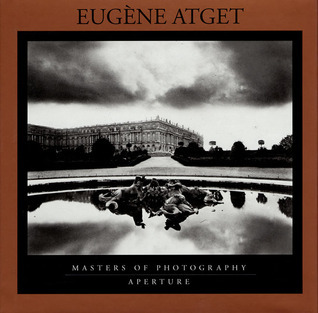
Eugène Atget: Masters of Photography Series
With the marvelous lens of dream and surprise, Atget “saw” (that is to say, photographed) practically everything about him, in and outside of Paris, with the vision of a poet. --Berenice Abbott
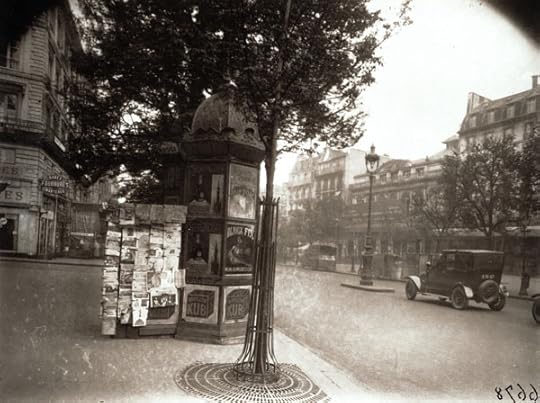
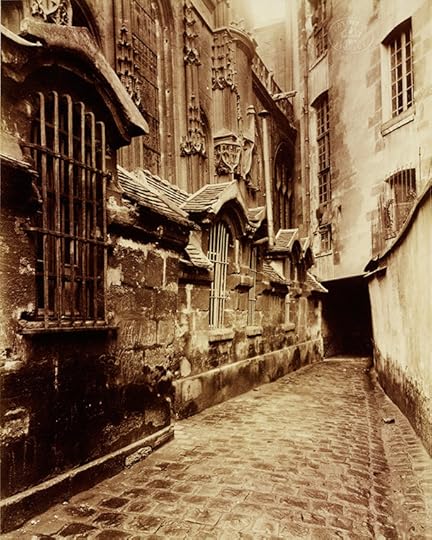
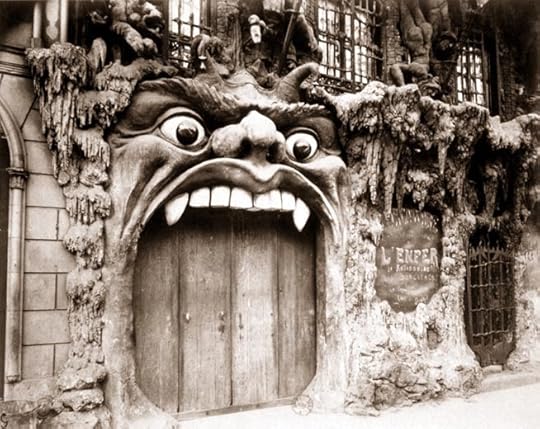
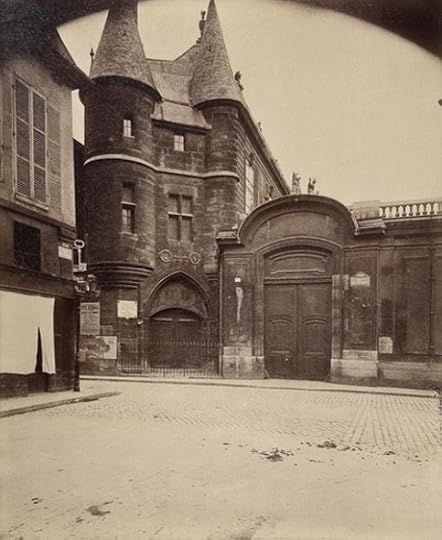
Atget's photographs are unparalleled in their lucid realism and lyrical response to the pulse of the city and to the artifacts of human life in almost every social class. His images of parks, lakes, shop windows, vendors, prostitutes, buildings, sculpture and Paris street scenes go beyond documentation to a poetic vision of an era. Atget created some of the most beautifully articulated images of light and space ever made with a camera.
Atget's photographs are unparalleled in their lucid realism and lyrical response to the pulse of the city and to the artifacts of human life in almost every social class. His images of parks, lakes, shop windows, vendors, prostitutes, buildings, sculpture and Paris street scenes go beyond documentation to a poetic vision of an era. Atget created some of the most beautifully articulated images of light and space ever made with a camera.
96 pages, Hardcover
First published December 1, 1980
About the author
Eugène Atget
114 books9 followersEugène Atget was a French photographer best known for his photographs of the architecture and streets of Paris. He took up photography in the late 1880s and supplied studies for painters, architects, and stage designers. Atget began shooting Paris in 1898 using a large format view camera to capture the city in detail. His photographs, many of which were taken at dawn, are notable for their diffuse light and wide views that give a sense of space and ambience. They also document Paris and its rapid changes; many of the areas Atget photographed were soon to be razed as part of massive modernization projects.
Atget’s photographs drew the admiration of a variety of artists, most notably Man Ray, Henri Matisse, and Pablo Picasso. Man Ray even used one of Atget’s photographs for the cover of his surrealist magazine la Révolution surréaliste. The photographer Berenice Abbott preserved Atget’s prints and negatives and was the first person to exhibit Atget’s work outside of France.
Atget’s photographs drew the admiration of a variety of artists, most notably Man Ray, Henri Matisse, and Pablo Picasso. Man Ray even used one of Atget’s photographs for the cover of his surrealist magazine la Révolution surréaliste. The photographer Berenice Abbott preserved Atget’s prints and negatives and was the first person to exhibit Atget’s work outside of France.
Ratings & Reviews
Friends & Following
Create a free account to discover what your friends think of this book!
Community Reviews
Displaying 1 - 4 of 4 reviews

Want to Read
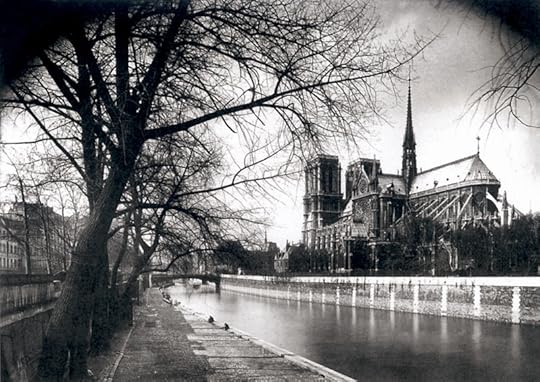
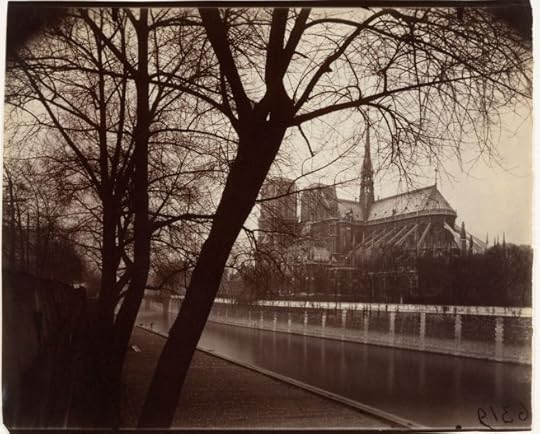
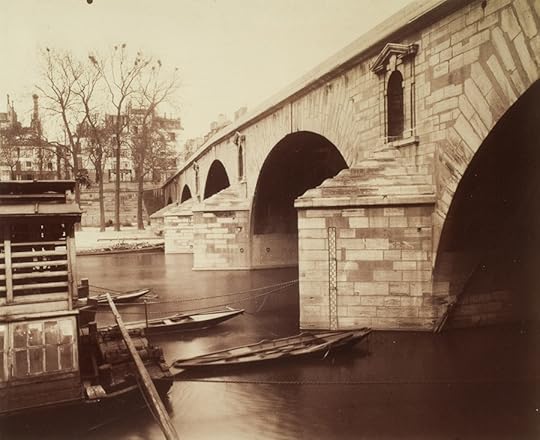
January 3, 2016"I may say that I have in my possession all of Old Paris”.

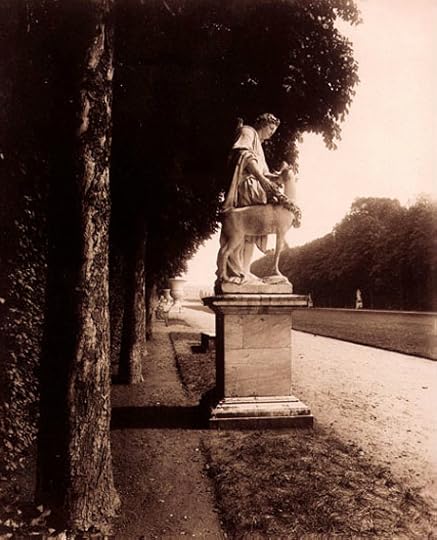
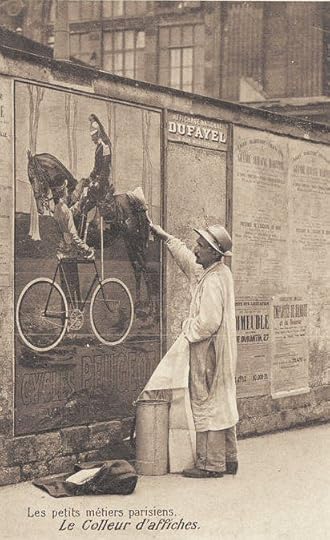
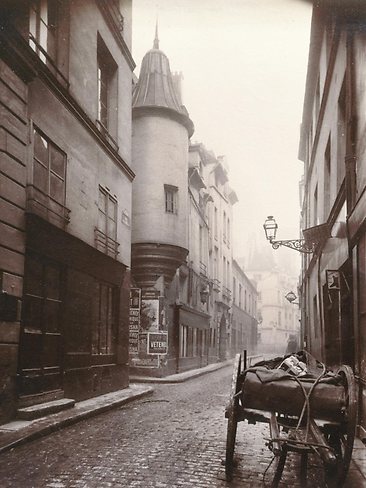
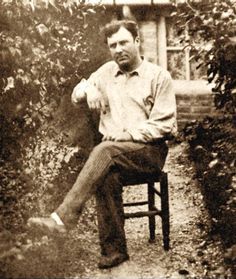
http://www.theaustralian.com.au/arts/...
"Photographer Eugene Atget captured old Paris as it disappeared"
http://www.imaging-resource.com/news/...
The obsessive eye of Eugène Atget: Master photographer’s images of “Old Paris” still resonate

June 25, 2018
A small little book, helped me learn a few more things about one of the pioneers of "street photography". What I really liked were the castles with trees in front of them. The perspective of the tree partially covering the castles and BW is quite powerful. But the Fotos of Old Paris didn't convince me that much.

May 17, 2020
10" square book means the images are not too small, but this isn't a cumbersome coffee table book. Images rendered well, too. One image per double truck, which I appreciate, enabling me to consider one image at a time, and not look at two and make inevitable comparisons.
Intro essay isn't particularly insightful, full of a lot of lists that lose their meaning once it is longer than, say 5 or 6. Best when it just focuses on one image and delves into what makes it special.
Intro essay isn't particularly insightful, full of a lot of lists that lose their meaning once it is longer than, say 5 or 6. Best when it just focuses on one image and delves into what makes it special.

March 28, 2010
Fantastic photographer, love all his work. He saw interesting things in everyday things.
Displaying 1 - 4 of 4 reviews