The Torah is an encounter between past and present, moment and eternity, which frames Jewish consciousness. In this second volume of a five-volume collection of parashat hashavua commentaries, Rabbi Sir Jonathan Sacks explores these intersections as they relate to universal concerns of freedom, love, responsibility, identity, and destiny. Chief Rabbi Sacks fuses Jewish tradition, Western philosophy, and literature to present a highly developed understanding of the human condition under God’s sovereignty. Erudite and eloquent, Covenant & Conversation allows us to experience Chief Rabbi Sacks’ sophisticated approach to life lived in an ongoing dialogue with the Torah.
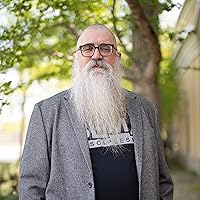
Rabbi Lord Jonathan Henry Sacks was the Chief Rabbi of the United Hebrew Congregations of the Commonwealth. His Hebrew name was Yaakov Zvi.
Serving as the chief rabbi in the United Kingdom from 1991 to 2013, Sacks gained fame both in the secular world and in Jewish circles. He was a sought-after voice on issues of war and peace, religious fundamentalism, ethics, and the relationship between science and religion, among other topics. Sacks wrote more than 20 books.
Rabbi Sacks died November 2020 after a short bout with cancer. He was 72.
A continuation of his parashah series, this book looks at the weekly reading portions from the book of Exodus. I thought this work was even better than his examination of Genesis. The opening essays on justice and the women of the Exodus were some of the best things I’ve read in years.
I also loved the literary analysis that Sacks engaged in as he examined the instructions of the building of the Tabernacle. He brought out deep and meaningful lessons from portions of Text that are often hard to find inspiration in.
Like his other works, this book was full of insight and bridged the world of textual examination with rabbinical wisdom and ancient commentary, as well as the reframing for current application. One of my favorite Exodus resources.
Each week, synagogues around the world read a section from the Torah (the five books of Moses). The cycle begins with Genesis and ends with the last verses of Deuteronomy 12 months later. The Covenant & Conversation series has essays commenting on each of the weekly readings.
These essays are by Rabbi Jonathan Sacks who was the Chief Rabbi of the U.K. for some 20 years. I'd read his editorials occasionally in the Wall Street Journal and always found them insightful, inspirational, and down to earth. When I discovered he'd done this series I began at the beginning with Genesis. What I found was a work of genius.
These essays have the same easy style I remembered while giving in-depth, brilliant, compassionate commentary that often surprised me and sometimes changed my whole perspective on a Biblical person or their actions. Sacks is good at comparing ancient and modern world views. This not only clarifies Biblical context but often shows just how different our current ideas are. These are stories about people and Sacks never forgets that. He looks at what Torah is showing us that is the same not only in those ancient times, but in our own lives. After all, the word of God is eternal, applying to all time and all people.
This second in the series, focusing on the book of Exodus, is simply wonderful and just as good as his first in the series about Genesis. This book in particular shows Sacks' skill at not only examining the stories of the Bible but in giving us context for the rituals that are so lovingly detailed. Regardless of how dense and uninteresting they appear to the modern reader, Sacks' context gives us a way to see how they still apply to us and our relationship to God in modern times.
Dit boek is sowieso goed omdat het Bijbeluitleg van Jonathan Sacks is. Het is echter een verzameling nieuwsbrieven over de wekelijkse thora-lezing. Het boek is dus niet helemaal één geheel, bevat herhalingen, en de lezer moet zelf een beetje de krenten uit de pap vissen. Heel fijn voor fans zoals ik, en voor als je eens een toegankelijk naslagwerk bij Exodus wilt. Andere lezers kunnen beter 'Een gebroken wereld heel maken' kopen van dezelfde auteur.
Dagelijks lees ik een hoofdstuk uit de 5-delige reeks over de Tora van Jonathan Sacks. Wat een verrassende perspectieven openen zich dan! Eerder las ik Genesis en Leviticus ligt al op de stapel. De boeken blijken tot nu to een rijke bron voor leerhuizen/gespreksgroepen en kerkdiensten. Menig keer noteer ik iets waarvan ik denk: daar kan ik misschien iets mee in een preek. En krijg ik zin om er iets mee te doen. Het komt zelden voor dat je als professioneel bijbellezer zovaak verrast wordt met inzichten over de Bijbel. Nu ben ik benieuwd wat Leviticus gaat opleveren. Het is immers het boek waarin menig Bijblelezer die van voren af aan de Schrift wil lezen, vast komt te zitten. Maar ook Exodus bleek na Genesis een mooie ervaring.
I read this roughly in time with the weekly parsha as a break from my regular reading. Each week or thereabouts I read all of Rabbi Sacks's essays relating to that portion and continued to be amazed by his gentle wisdom and his erudition. My plan is to work through all five volume over the year. It is wonderful just to soak in his thoughts and mull over his commentary. It feels both wonderfully contemporary and evergreen.
Thoughtful and connected to other traditions, it still feels Jewish and traditional. This is no fault - it is a strength; but it feels sometimes not merely comforting but comfortable, which is a strange tone.
Exodus: Boek van de bevrijding is het tweede deel in de serie Verbond en Dialoog van emeritus opperrabbijn Jonathan Sacks. In dit boek staat de wekelijkse parasja centraal: de Thoralezing uit Exodus, zoals die in de synagoge wordt gelezen. In elf weken wordt zo het hele bijbelboek behandeld. Dienovereenkomstig telt dit boek elf hoofdstukken, elk gewijd aan een parasja en steeds opgebouwd uit vier essays, waarin Sacks uiteenlopende thema’s verkent. Denk hierbij aan burgerlijke ongehoorzaamheid, het omgaan met haatgevoelens, leiderschap, of de betekenis van het begrip “een koninkrijk van priesters”.
Sacks biedt in deze essays verrassende en diepgaande inzichten, waarbij hij rijkelijk put uit de Bijbeltekst zelf, de Joodse traditie (met verwijzingen naar denkers als Maimonides en Rasji) én uit het gedachtegoed van denkers als Plato, Immanuel Kant en Sigmund Freud.
Het boek opent met een kort hoofdstuk over de wekelijkse parasja-lezing, getiteld “Leven met de tijd”. Vervolgens introduceert Sacks het bijbelboek Exodus onder de noemer: “De geboorte van een natie.” In Exodus gaat het over thema’s als politiek, samenleving, vrijheid en rechtvaardigheid. Tegenover de onderdrukking in Egypte stelt de Thora een radicaal andere politieke visie: “Een politiek die niet is gebaseerd op macht, maar op verbond – op de vrijwillige overeenstemming van vrije mensen die alleen absolute macht toekennen aan God” (p. 16). Het Sinaïverbond noemt Sacks dan ook “de eerste verklaring van een vrije samenleving” (p. 23).
In de inleiding vraagt hij bovendien aandacht voor de dubbele vertellingen in Exodus: twee veldslagen (tegen de farao en tegen de Amalekieten), twee openbaringen van Gods majesteit en twee verhalen over de stenen tafelen. De betekenis daarvan? “De eerste keer wordt alles door God alleen gedaan, terwijl er de tweede keer sprake is van menselijke participatie” (p. 27). Vrijheid is pas duurzaam als mensen in een gemeenschap veranderd worden door actief mee te werken.
Na deze inhoudelijk zeer rijke inleiding volgen de elf hoofdstukken over de parasjot. In de in totaal 44 essays behandelt Sacks tal van thema’s. Zo gaat hij bijvoorbeeld in op het belang van scholing voor het behoud van vrijheid. Exodus legt nadruk op het doorgeven van herinnering aan de volgende generatie (Exodus 12:25–27; 13:8, 14). Terwijl een land verdedigd wordt met een leger, betoogt Sacks, wordt een vrije samenleving beschermd door scholen. Dit verklaart het centrale belang van onderwijs in het jodendom. In het essay “Scholing in vrijheid” waarschuwt hij ook voor de afglijdende schaal: “Vrijheid wordt individualisme (‘ieder deed wat goed was in zijn eigen ogen’ [Rechters 21:25]), individualisme ontaardt in chaos, chaos leidt tot de zoektocht naar orde, en die zoektocht eindigt in een nieuwe tirannie die met geweld haar wil oplegt” (p. 88–89). Vrijheid is dus nooit vanzelfsprekend, maar kwetsbaar – en moet voortdurend beschermd en doorgegeven worden, onder andere via onderwijs en de wekelijkse parasja-lezing.
Het overgrote deel van de essays vond ik boeiend en vernieuwend. Dat komt vooral doordat Sacks steeds drie lagen verbindt: (1) de Bijbeltekst zelf, (2) de rijkdom van de Joodse traditie en (3) de relevantie voor het heden – hoe wij vandaag in vrijheid (zouden moeten) samenleven. Zelfs teksten die aanvankelijk raadselachtig lijken, worden op een overtuigende en vaak verrassende manier uitgelegd. Neem bijvoorbeeld de hoofdstukkenlange beschrijvingen van het tabernakel (misjkan): eerst de uitgebreide instructies (Exodus 25–31:11), dan het verhaal over het gouden kalf (32–34), gevolgd door de constructie (35:4–40). Sacks laat zien dat het niet genoeg is dat God voor het volk handelt (zoals bij de Uittocht); het volk moet ook zelf, gezamenlijk, iets voor God doen – het bouwen van de tabernakel op basis van Zijn instructies. Als er niet naar deze instructies wordt geluisterd, dreigt afgoderij, zoals het gouden kalf (dat tussen de instructie en constructie van het tabernakel in staat!) illustreert. De literaire structuur van Exodus – deze chiastische opbouw – is niet alleen literair mooi, maar ook theologisch betekenisvol. Dankzij Sacks’ toelichtingen besef je hoe rijk en gelaagd deze teksten zijn, en dat één lezing eigenlijk niet volstaat.
Eerder las ik al het deel over Genesis uit dezelfde serie, en nu dus ook Exodus. Opnieuw was het een bijzonder leerzame ervaring. Jonathan Sacks laat zien hoe oudtestamentische verhalen verrassend actueel zijn. Hoeveel hebben we niet te leren van deze eeuwenoude teksten over uittocht, vrijheid en samenleven? Samenleven is een kunst, die geleerd en onderhouden moet worden, en vrijheid moet niet alleen verworven, maar ook behouden en doorgegeven worden. De essays van Sacks bieden daarbij zeer waardevolle lessen. Met name het behouden van vrijheid is een voortdurende opgave: na de bevrijding uit Egypte volgen immers telkens nieuwe bedreigingen voor diezelfde vrijheid. Ook vandaag de dag wordt vrijheid bedreigd; de moderne lezer kan veel leren van Exodus over wat ware vrijheid is en waar samenleven ten diepste over gaat.
While the first book in the series (Genesis: The Book of Beginnings) makes copious use of midrash to provide a back-story for Abraham and his family, here Jonathan Sacks' emphasis shifts from the life of Moses then to the life of the Jewish people through the ages, calling on and commenting on the philosopher Maimonides for a deeper understanding of the text. And this is not the story of the Jewish people only. "Never before and never since has the message of monotheism been more world-transforming, and the exodus narrative has inspired many of those who, in later times, fought oppression in the name of freedom and began the long journey across the wilderness in search of the promised land." Within this message, the giving of the law, both ethical and ritual, plays a key part. If Sacks is right in saying that Semitic people were the first to use an alphabet for their writing, this makes it more credible that the long and complex chapters of rules are indeed signposts on the way to freedom, and education an essential component of democracy. I still wonder how much of this happened in the wilderness, and how much recorded with hindsight.
Nothing has ever shook me as greatly as this book did. Every new chapter was another explosion in my brain, heart, and soul.
Even a year ago I never believed I could read such a book, I guess COVID has made me more profound.
Maybe too much so... for as much as I have come to adore the author, I am conflicted as to a theory I have developed: Rabbi Sacks believes Torah as truth, and makes a great effort to make everything work, as every letter has purpose.
This may take me a lifetime to understand fully, and so I expect to revisit this book over and over again, each time with a new perspective and therefore understanding and appreciation. And maybe even more questions.
Rabbi Sacks is maybe my favorite religious intellectual, so I might be biased in my review, but for anyone wanting to understand the book of Exodus in a new light, this is the book for you. Almost every essay inside is filled with new insights, breathing life into stories you’ve heard a hundred times, and verses you’ve skipped a hundred times for their seeming unimportance. I also read his book on Genesis and had the same experience. Looking forward to read his other commentaries on the other three books in the Torah.
Ik ben fan van Jonathan Sacks. Dit boek is een boeiende inleiding voor wie zich wil verdiepen in de betekenis van het bijbelboek Exodus. Sacks weet de grote literaire lijnen uit de Hebreeuwse bijbel te benoemen, te verduidelijken en te verbinden met actuele onderwerpen, op een verfrissende manier. Ook heel moeilijke passages in de bijbel weet hij op een verrassende manier te kaderen. De verschillende besprekingen zijn van origine commentaren bij de joodse lezingen in de synagoge, vandaar dat ze ook los van elkaar te lezen zijn.
As with his companion volume of essays for the Book of Genesis, these essays are an excellent companion to the study of the Book of Exodus. I have thoroughly enjoyed reading them and feel an even keener sense of loss that Rabbi Sacks is no longer with us. May his memory be a blessing. I am sad that I never got the chance to meet him and learn directly from his wisdom.
Bought this after reading and deeply enjoying Rabbi Sacks’ volume of essays on the weekly readings (Parsha) of Genesis. I wasn’t disappointed. This volume of essays on Exodus is magnificent and illuminating, and Sacks has a wonderful way of bringing the text to speak to modern times. As a Christian minister, I’d say that Rabbi Sacks’ insights are invaluable. Looking forward reading his volume on Leviticus.
Rabbi Sack's series has become one of the joys of Sabbath. I love the combination of both Jewish and secular sources, and the clear way that all the information is presented. Both intelligent and sensitive, and the essays about the Mishkan gave me a perspective that I hadn't read before.
Split on this one. On one hand, I gained great insights into parts of Exodus I did not even realize were there. But overall, the ebook was a tough nut to crack, and I had to force myself through it. However, I already recommended it to some people, which is always a sign of a great book. Still, I really enjoy the ecumenical views from a different religion.
This book , as others by Rabbi Sacks, is insightful and challenging in looking at the human condition in light of God’s word. Excellent; excellent reading! Challenges you to think from a different perspective.
I am not the target audience for this book. Therefore, I'm sure that a lot of his insights went over my head. But I still enjoyed what I did learn and understand.