Medea, na vierentwintig eeuwen nog jaarlijks opgevoerd, is het echtscheidingsdrama in zijn extreme vorm, waarbij de vrouw, na alle vergeefse redeneringen, om de man die haar verlaat te straffen de kinderen vermoordt, van wie zij houdt.
Bakchanten is een gruwelijke botsing van rationaliteit en extase. Koning Pentheus wordt bij een poging de vrouwen van zijn land in het gareel te krijgen, die onder invloed van Bakchos hun dagelijkse plicht verzaken, als slachtoffer van zijn seksuele fantasieën door de meedogenloze god bedrogen en door zijn eigen moeder verscheurd.
Voor deze uitgave in de Perpetuareeks heeft Gerard Koolschijn de tekst opnieuw vertaald.
De Athener Euripides (ca. 485-406 v.Chr.) is een van de grootse, invloedrijkste en meest gespeelde toneelschrijvers aller tijden, wiens realistische uitbeelding van bekende mythologische stof zijn tijdgenoten schokte.
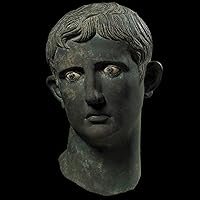
Euripides (Greek: Ευριπίδης) (ca. 480 BC–406 BC) was a tragedian of classical Athens. Along with Aeschylus and Sophocles, he is one of the three ancient Greek tragedians for whom any plays have survived in full. Some ancient scholars attributed ninety-five plays to him, but the Suda says it was ninety-two at most. Of these, eighteen or nineteen have survived more or less complete (Rhesus is suspect). There are many fragments (some substantial) of most of his other plays. More of his plays have survived intact than those of Aeschylus and Sophocles together, partly because his popularity grew as theirs declined—he became, in the Hellenistic Age, a cornerstone of ancient literary education, along with Homer, Demosthenes, and Menander. Euripides is identified with theatrical innovations that have profoundly influenced drama down to modern times, especially in the representation of traditional, mythical heroes as ordinary people in extraordinary circumstances. This new approach led him to pioneer developments that later writers adapted to comedy, some of which are characteristic of romance. He also became "the most tragic of poets", focusing on the inner lives and motives of his characters in a way previously unknown. He was "the creator of ... that cage which is the theatre of William Shakespeare's Othello, Jean Racine's Phèdre, of Henrik Ibsen and August Strindberg," in which "imprisoned men and women destroy each other by the intensity of their loves and hates". But he was also the literary ancestor of comic dramatists as diverse as Menander and George Bernard Shaw. His contemporaries associated him with Socrates as a leader of a decadent intellectualism. Both were frequently lampooned by comic poets such as Aristophanes. Socrates was eventually put on trial and executed as a corrupting influence. Ancient biographies hold that Euripides chose a voluntary exile in old age, dying in Macedonia, but recent scholarship casts doubt on these sources.
Vertaler Gerard Koolschijn levert hier prachtig werk af. Hij heeft van beide theaterstukken een literair meesterwerk gemaakt. Zeker Medea raakt na al die jaren nog. Al is het lot onafwendbaar, de emotionele twijfels zorgen ervoor dat je lange tijd Medea boven Jason kiest. Bakchanten staat verder van de hedendaagse mens af. Waar Medea ook een vleugje Shakespeare, een toefje Hamlet, heeft, is Bakchanten puur gruweltheater. Maar opnieuw is het mooi en vooral indringend geschreven. Ook heel goed is Koolschijns nawoord. Hij plaatst het werk van Euripides, de 17 overgeleverde theaterstukken, in het Athene van zijn tijd. Een tijd van het eerste democratische experiment, maar vooral van veroveringsoorlogen. Zo toont Koolschijn treffend aan hoe Euripides' stukken een weerspiegeling zijn op wat hij rondom zich zag gebeuren.
Ik ben gewend Medea te lezen door een feministische lens, maar het verbaasde me hoe ze geschetst wordt als een vreemdeling. Het narratief van de vluchteling die zoekt naar asiel spreekt voor mij veel meer in deze Nederlandse vertaling dan de Engelse.
Bakchanten is nog altijd even interessant vanuit enthousiasmos en extase gelezen, maar brengt ook naar voren hoe onbetrouwbaar onze observaties soms zijn
Will review this once I´ve had to the chance to read both plays again and think about them long and hard. I feel like I´ve barely scratched the surface reading these plays -Bacchantes in particular-.