

What do you think?
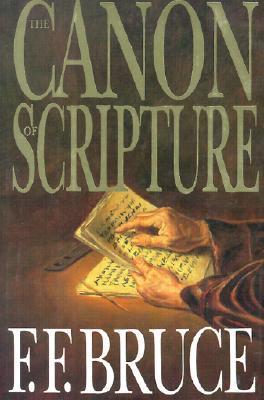
The Canon of Scripture
How did the books of the Bible come to be recognized as Holy Scripture? Who decided what shape the canon should take? What criteria influenced these decisions? After nearly nineteen centuries the canon of Scripture still remains an issue of debate. Protestants, Catholics and the Orthodox all have slightly differing collections of documents in their Bibles. Martin Luther, one of the early leaders of the Reformation, questioned the inclusion of the book of James in the canon. And many Christians today, while confessing the authority of all of Scripture, tend to rely on only a few books and particular themes while ignoring the rest. Scholars have raised many other questions as well. Research into second-century Gnostic texts have led some to argue that politics played a significant role in the formation of the Christian canon. Assessing the influence of ancient communities and a variety of disputes on the final shaping of the canon call for ongoing study. In this significant historical study, F. F. Bruce brings the wisdom of a lifetime of reflection and biblical interpretation to bear in answering the questions and clearing away the confusion surrounding the Christian canon of Scripture. Adept in both Old and New Testament studies, he brings a rare comprehensive perspective to his task. Though some issues have shifted since the original publication of this book, it still remains a significant landmark and touchstone for further studies.
349 pages, Hardcover
First published July 1, 1988
About the author
F.F. Bruce
250 books138 followersFrederick Fyvie Bruce FBA was a Biblical scholar who supported the historical reliability of the New Testament. His first book, The New Testament Documents: Are They Reliable? (1943), was voted by the American evangelical periodical Christianity Today in 2006 as one of the top 50 books "which had shaped evangelicals".
Ratings & Reviews
Friends & Following
Create a free account to discover what your friends think of this book!
Community Reviews
Displaying 1 - 30 of 103 reviews

November 24, 2012
I'll have to give this book 5 stars. It's a scholarly work meant for the keen and interested layman. It is lengthy, however, and it will require a good amount of concentration to get through. If you're a careful reader and student like me, you'll want a highlight pen nearby! Also be close to your computer so that you can google the many different names and documents and books and scholarly works peppered liberally throughout the book. I've read other reviews that say Bruce's text is too heavy, with notes and also with details. At times, I admit, I found myself there, too; but then I gave up on the footnotes and just read for the information and the pleasurable study of how over hundreds of years we have come to accept certain texts, but not others, as canon. (Remember, the footnotes are there for further reading and to show support for the author's text; you don't have to read every one!) I do have some previous experience with Bruce's work, and the likes of GK Chesterton and RT France, so that is a foundation of knowledge I brought to this work. This book helped me to deepen my understanding of what I already knew, and it provided me new insights and information on a subject I'm interested in.
Overall, I think the author provides an incredibly expansive, thorough, and, where needed, detailed look at how we have come to have what we know as "The Bible" today.
Many things I learned anew; others I re-learned. Re-learnings for me included the importance of extra-canonical works that support the canon. The only surviving letter of Polycarp comes to mind. Written between 110 and 140 AD, it cites many books (some argue all 27) from the New Testament. This is important, knowing that the oldest known fragment from a NT book dates to around 150 AD. Another re-learning for me was the enormous volume of NT manuscript evidence; texts number, literally, in the thousands. For other ancient texts, such as Thucydides’ History, Caesar’s Gallic Wars, Herodotus’ History, and Plato, there are less than a dozen, and all are dated over a millennium from their originals. Still another re-learning was the importance of non-canonical texts to the early church, such as The Didache and The Shepherd of Hermas.
Readers interested in this topic will likely want to keep this volume handy on their shelf for some time to come. I searched some for similar titles, and this one stands among what is generally accepted to be the very best on the topic. It's great to come across a mighty mind like his, too; Bruce's grasp of the macro topics, and drilling down into the micro topics, as needed, in some instances, is marvelous. In my version there are two appendices, both lectures. I think it would have been a privilege to hear the man speak.
Overall, I think the author provides an incredibly expansive, thorough, and, where needed, detailed look at how we have come to have what we know as "The Bible" today.
Many things I learned anew; others I re-learned. Re-learnings for me included the importance of extra-canonical works that support the canon. The only surviving letter of Polycarp comes to mind. Written between 110 and 140 AD, it cites many books (some argue all 27) from the New Testament. This is important, knowing that the oldest known fragment from a NT book dates to around 150 AD. Another re-learning for me was the enormous volume of NT manuscript evidence; texts number, literally, in the thousands. For other ancient texts, such as Thucydides’ History, Caesar’s Gallic Wars, Herodotus’ History, and Plato, there are less than a dozen, and all are dated over a millennium from their originals. Still another re-learning was the importance of non-canonical texts to the early church, such as The Didache and The Shepherd of Hermas.
Readers interested in this topic will likely want to keep this volume handy on their shelf for some time to come. I searched some for similar titles, and this one stands among what is generally accepted to be the very best on the topic. It's great to come across a mighty mind like his, too; Bruce's grasp of the macro topics, and drilling down into the micro topics, as needed, in some instances, is marvelous. In my version there are two appendices, both lectures. I think it would have been a privilege to hear the man speak.

July 17, 2012
The best part is the three chapters at the end, when Bruce has completed the rather tedious presentation of historical evidence and provides his own synthesis of tying things together in concluding thoughts. In brief, then, the criteria for canonicity are: apostolicity (referring to whether a book was written by an apostle), orthodoxy (this become more important over time, basically whether a book affirmed or contradicted what was already regarded as canon), and finally catholicity (whether a book was broadly accepted). He digs also into the question of inspiration -- what it really means for the Bible to have been divinely inspired (for e.g. if a book is written based on source material, should the source material be regarded as divinely inspired as well?) which I think is really THE question.
Overall the book is quite informative but rather plodding in the main section. The discussion traces the development of the canon starting from the point at which there was already a core canon. It does a good job in reviewing the debates over inclusion of marginal books, but that simply pushes the question back further, which is how the core canon -- the canon within a canon, the books that were unanimously determined as canonical and not questioned -- was decided upon in the first place. I think the answer is that they were accepted as gospel and authoritative at the time, and you cannot trace it back further because it is already within years and decades of when the apostles were still alive. The book does not really get into the questions of authorship of the various books, although admittedly that is not necessarily within the titular scope. I appreciated his open discussion of certain books that were in question, as well as his explanation of the Apocrypha as originally accepted as true and useful but not essential in the sense of explicating doctrine. This raises the question of what is doctrinal, vs what is generally edifying, and how these lines are drawn.
Overall the book is quite informative but rather plodding in the main section. The discussion traces the development of the canon starting from the point at which there was already a core canon. It does a good job in reviewing the debates over inclusion of marginal books, but that simply pushes the question back further, which is how the core canon -- the canon within a canon, the books that were unanimously determined as canonical and not questioned -- was decided upon in the first place. I think the answer is that they were accepted as gospel and authoritative at the time, and you cannot trace it back further because it is already within years and decades of when the apostles were still alive. The book does not really get into the questions of authorship of the various books, although admittedly that is not necessarily within the titular scope. I appreciated his open discussion of certain books that were in question, as well as his explanation of the Apocrypha as originally accepted as true and useful but not essential in the sense of explicating doctrine. This raises the question of what is doctrinal, vs what is generally edifying, and how these lines are drawn.

June 26, 2012
Let me prepare you potential readers, know that this will consume much time and require even more contemplation. The Canon of Scripture by FF Bruce was, without question, the most academic piece of literature I've ever read. I don't consider myself to be a theologian by any stretch, though I have spent years reading and learning about this faith of ours. I eventually came to the point where I should have started from, the foundation of the book we find inspiration and understanding of our God in. If you are searching for the same thing, this book will certainly aid you in that pursuit. Now to be clear, FF Bruce did not go into the detail I would have liked as far as the specific question of why individual books were not included per se, but he does heavily cover the time periods, people, locations, and circumstances surrounding the compilation of what we know as the Testaments collectively. Again, it is not a snuggle up in front of the fireplace with a cup of hot chocolate type of read, but if you are hungry to knowledge and dedicated to reading and re-reading the same book, then this is the one for you. It certainly increased my faith that this belief system we cling to is without question founded on documented historical fact. At least in regard to the compilation of the books making up the Bible.

September 23, 2025
Very helpful.

December 14, 2014
This monograph on the canon of scripture (both old and new testaments) has been a standard for decades and for good reason. Bruce does an excellent job of bringing different levels of analysis to bear on scripture, showing both skeptic and Christian alike that the documents we now have in the bible are well placed as a canon. Keep a highlighter and notepad handy. Bruce spares his reader no breaks to digest the information he unearths.

August 27, 2025
The book itself is well laid out and the author clearly did his homework. It was definitely highly technical for me. The only thing I wish it had was a bit more personal commentary or more personal laid out explanation of the facts. I found myself wondering what exactly the author believed about a particular series of facts. It’s not exactly a “page turner” but if you’re interested in the Bible itself, this is an excellent resource.

February 14, 2025
If the stereotype of evangelicals is that they don't have an awareness of church history, F. F. Bruce is a counterpoint to that idea. While not the most inherently gripping topic (the book spends a lot of time comparing lists), Bruce manages to make it engaging, and I learned a lot more than I expected to.

May 31, 2021
If you were just going to read one book on the formation of the canon, I would highly recommend it be this book. In The Canon of Scripture, FF Bruce sets out on a comprehensive study of the history and origins of the canon, condensing vast amounts of information and scholarship into a digestible format. Though the book is academic in nature, it is passionate and faithful in tone. FF Bruce was a well-respected scholar and a committed Christian, and he draws upon both aspects of his life to produce this work.
Bruce starts with an introduction to set the stage for his work, then works through the formation of the Old Testament in part two. He touches on the early stages of the books and then dives into the Jewish debates and canonization process. After that, he looks at the Christian use of the Old Testament and its canonization, both in the East and in the West, before going on to talk about the relevant data in the medieval period and in the reformation.
In part three, Bruce takes a comprehensive tour of the New Testament writings, discussing their origins and how they were compiled. He discusses the early heresies such as Marcionism and docetism as they relate to the formation of the canon (and their own canons). He continues on with the relevant data through the early fathers and on into the age of printing.
Finally, Bruce ends with some concluding thoughts about the criteria of canonicity, how we view the canon today, whether or not someone could add to or take away from the canon today, and interpretation. It is in the final chapters that his faith commitment really comes out, though in a way that is most fitting for this historical and academic approach.
What I appreciate most about Bruce is that he deals with all the data and evidence, and doesn't brush things to the side that might be uncomfortable for evangelicals. The historical facts are what they are, and we need not shy away from them. That being said, he also doesn't run the opposite way, as most critical scholarship has, and assumed that the text can't be trusted and that there was no divine hand in it whatsoever (I know that's an extreme position of the other side, but I'm just marking the two boundaries on a spectrum of beliefs). Bruce offers a balanced and nuanced interpretation of the data, offering both intellectual honesty and fervent faith.
This book is such a great contribution to the canon discussion, and I would honestly suggest that you start here if you are looking into the canon and how the scriptures were formed. Bruce is an academic, and that is clear in his writing, but this book is accessible to those outside of the academy. It is both thorough and interesting. I highly recommend.
Bruce starts with an introduction to set the stage for his work, then works through the formation of the Old Testament in part two. He touches on the early stages of the books and then dives into the Jewish debates and canonization process. After that, he looks at the Christian use of the Old Testament and its canonization, both in the East and in the West, before going on to talk about the relevant data in the medieval period and in the reformation.
In part three, Bruce takes a comprehensive tour of the New Testament writings, discussing their origins and how they were compiled. He discusses the early heresies such as Marcionism and docetism as they relate to the formation of the canon (and their own canons). He continues on with the relevant data through the early fathers and on into the age of printing.
Finally, Bruce ends with some concluding thoughts about the criteria of canonicity, how we view the canon today, whether or not someone could add to or take away from the canon today, and interpretation. It is in the final chapters that his faith commitment really comes out, though in a way that is most fitting for this historical and academic approach.
What I appreciate most about Bruce is that he deals with all the data and evidence, and doesn't brush things to the side that might be uncomfortable for evangelicals. The historical facts are what they are, and we need not shy away from them. That being said, he also doesn't run the opposite way, as most critical scholarship has, and assumed that the text can't be trusted and that there was no divine hand in it whatsoever (I know that's an extreme position of the other side, but I'm just marking the two boundaries on a spectrum of beliefs). Bruce offers a balanced and nuanced interpretation of the data, offering both intellectual honesty and fervent faith.
This book is such a great contribution to the canon discussion, and I would honestly suggest that you start here if you are looking into the canon and how the scriptures were formed. Bruce is an academic, and that is clear in his writing, but this book is accessible to those outside of the academy. It is both thorough and interesting. I highly recommend.

February 18, 2019
The reader should know that this is a pretty-dry, historical survey. Bruce had an impressively-wide range of knowledge on the transmission of historical texts (especially the New Testament documents) and this book is a succinct presentation of his work and research on the subject. And because of the nature of the topic, a majority of the book reads like a survey of church history.
That all being said, this is a wealth of knowledge in a relatively small package. The weight of the book is on the tradition surrounding the New Testament canon, but the chapters on the Old Testament are still enlightening and helpful. And while there are no big surprises, one does get a sense of the broader story of the Christian scriptures, and the main historical figures that played a part in the process. It's a competent and very readable antidote to some of the popular-conspiratorial ideas that float around today concerning the formation of the Christian Bible. Definitely recommended, but only to those with a significant interest in history and an ability to stomach dry, technical writing.
That all being said, this is a wealth of knowledge in a relatively small package. The weight of the book is on the tradition surrounding the New Testament canon, but the chapters on the Old Testament are still enlightening and helpful. And while there are no big surprises, one does get a sense of the broader story of the Christian scriptures, and the main historical figures that played a part in the process. It's a competent and very readable antidote to some of the popular-conspiratorial ideas that float around today concerning the formation of the Christian Bible. Definitely recommended, but only to those with a significant interest in history and an ability to stomach dry, technical writing.

September 6, 2012
This was much like rummaging through a large drawer of nuts and bolts. Lots of historical evidences here. Good stuff and if one can work though the tedium there's a nice payoff.
I would recommend this volume be read with Michael J. Kruger's book entitled, Canon Revisited. Kruger does a great job of helping the reader think theologically about the issue of canonicity, whereas Bruce provides a detailed historical analysis.
I would recommend this volume be read with Michael J. Kruger's book entitled, Canon Revisited. Kruger does a great job of helping the reader think theologically about the issue of canonicity, whereas Bruce provides a detailed historical analysis.

May 23, 2022
An incredible academic work that lays out the history of the biblical canon so thoughtfully and understandably. The writing style packs so much in so few words. Bruce's scholarly mind in some ways went way over my head I guess that means I just need to level up and study some more. But I appreciate the depth of scholarship that has been devoted to the study of the canon of the Bible. I'm going to have to read this book again and take notes.

December 18, 2023
It's not quite an academic work, but I think it's above the average layman (if you don't agree I'd guess you're above average, lol).
There were a few chapters that I found fascinating, a few chapters that answered a lot of my questions, and a few chapters that I just slogged through. It was fine. It was well researched and well presented and I'm glad I read it, but I'm not sure I'd recommend it. And if I never hear about 'plenary sense' again it shall be too soon 😅
There were a few chapters that I found fascinating, a few chapters that answered a lot of my questions, and a few chapters that I just slogged through. It was fine. It was well researched and well presented and I'm glad I read it, but I'm not sure I'd recommend it. And if I never hear about 'plenary sense' again it shall be too soon 😅
February 27, 2024
This is one of the definitive books on how the biblical canon in the Old and New Testament came to be. I have been reading through the Apocrypha and found this book recommended more than once. I enjoyed this one and if you are interested in learning more about textual criticism and how the modern Bible came to be, this is a great read.
September 16, 2026
كتاب رائع منقسم إلى ثلاث اقسام و هن
العهد القديم
العهد الجديد
الخلاصة
و لكن اسلوب الكتابة بشكل علمي بحت فا اشوف أنه ما يناسب للأشخاص الي يحبون المادة المكتوبة بأسلوب جاف
المهم هذه بعض النقاط
لان سا اتكلم عن المسيحيين ثم نرجع الى هذا النص اليوناني
اولا يسوع لكي يثبت أنه موجود استخدم التوراة بالنص العبري فمثلا قال
لوقا 4:16–21
مجمع الناصرة
يقرأ يسوع من إشعياء 61:
«روح الرب عليّ، لأنه مسحني...»
ثم يقول: «اليوم قد تم هذا المكتوب في مسامعكم».
هنا النص العبري يُستخدم مباشرةً لتفسير شخص يسوع ورسالته
لوقا 24:44–47
بعد القيامة
يقول إن الأمور التي حدثت له كانت مكتوبة في ناموس موسى والأنبياء والمزامير، ثم يشرح أن المسيح ينبغي أن يتألم ويقوم، وأن تُكرز التوبة باسمه
( توضيح الكاتب مسيحي و من اشهر المدافعين عن المسيحية و لكنه بنفس الوقت يعترف بعلم الأديان و يقر به ، المهم هذا الكلام يرد عليه فراس السواح بأحد كتبها عن المسيحية بأن المسيحيين استخدموا العهد القديم و نسجو حوله الأناجيل ، يعني كان معهم اقوال يسوع و لكن نسجوها بالتنبؤات الي في العهد القديم )
و لكن المسيحيين توسعو في الأمر و اعتبرو ان أغلب النصوص( العهد القديم باليوناني ) تدل على المسيح مثل قصة موسى مع العليقة ، ابراهيم و مقابلته لملاك الرب لكي يبشره بولد يولد له
و نتيجة لذالك يوجد حاخام قال بأن ترجمة العهد القديم إلى اليونانية لهوا مثل يوم صنع العجل
و من هنا صار لدينا كتاب ذو نظرتين
فاليهودي يرا بأن المسيحية ماهي الا تسويغات لكي يثبتو المسيح من خلال كتبهم
و المسيحي يتسال كيف اليهودي لا يرى وضوح النص و بيان الحق و سطوع نور المسيح به و لكي يجيب عن هذا التساؤل يقول المسيحي لأنهم معميين عن الحق و بعضهم يقول عندما طلب موسى أن يرى الرب غطى موسى وجهه و منذ ذلك اليوم و اليهود مغطى أعينهم
و يكمل المؤلف و يقول من المؤسف بأن الحال و صل لهذا و لكن نقدر أن نرجع لتراثنا المشترك و فهمه فالمسيحي و اليهودي سيمتلكون نظرة واحد و هي التفسير المعتمد على اللغة و التاريخ
( قانونية العهد القديم عند الكنائس الشرقية )
منذ القرن الرابع قام للاباء بكتابة قوائم تبين الأسفار القانونية و لكن قائمة اثناسيوس هي الأدق و الاوضح لانه بين برسالة واحدة لاساقفة الشرق ما هي الكتب القانونية و الكتب الغير قانونية و لكن يجب أن تنضم في الكتاب و كتب ابو كريفا و حذر من قراته في الكنائس و بعدها قام مجمع لاودوكيا و حددو الأسفار على ضوء قائمة اثناسيوس و حذرو من انتشار الكتب الغير قانونية
( كنائس الغرب )
البابا جيروم رجع إلى العهد القديم بالعبري و ترجم من خلالها النص الى اللاتينية و البابا أوغستين أصدر تقرير حول ايهم قانوني و من ثم تم الاعتراف به من خلال مجامع
( الإصلاحيين )
1- لوثر كان داخل جدل مع يوهان ليك حول السلطات المقدسة فا لوثر يقول فقط الكتاب المقدس و يوهان يقول لا بل سلطة الكنيسة و الكتاب ، المهم في مشكلة كانو يتكلمون عنها و ركيزة خلة لوثر يعمل الإصلاح و هو صكوك الغفران و ما يرتبط بها من عقيدة المطهر و صلاة الموتى فا يوهان يجيب نص من الكتاب المقدس يدل على أن الصلاة فكرة كتابية و لكن لوثر يستدل على جيروم بأن لا هي إضافة للكتاب
و بتالي إلغاء صكوك التطهير و ما يرتبط بها
2- لوثر عمل مع مجموعة مترجمين ليترجمو الكتاب إلى الألمانية و هو اكتفى فقط بكتابة المقدمات و لكن أول خطوة في تاريخ كنيسة الغرب لوثر يفصل الكتب القانونية الاولى عن الثانية و يجعل الثانية ملحق للاولى و يقول بأن الثانية ماهي الا كتابات غير مقدسة و لكنها مفيدة و هذا ما قاله جيروم و لكن لم يفصل مثل لوثر
3- تسوية الملكة اليزابيث
علشان ما تدخل حروب دينية و صراعات بعد انتهاءها من الحرب مع الملكة ماري ، سوة تسوية بأن النصوص القانونية الثانية تتجمع و تنحط بين نهاية العهد القديم و قبل بداية العهد الجديد
4- الحذف
و لكن في عام 1602 صار لمذهب البورتينيين صوت و قام يزيد يدعو بحذف الأسفار القانونية الثانية و لكن اسقف كانتربريبري وقتها رفض ذالك و قال يجب أن لا يسمح ببيع الكتب أو تغليفها يعني طبعتها بدون الأسفار القانونية الثانية و لكن في عام 1650 بدأت بعض الأناجيل نسخة جيمس تباع بدون الأسفار القانونية الثانية و بعد كذا سنة ازداد صوت البريتانيين و صار لهم تأثير على البرلمان فا أقر البرلمان بحذف الأسفار القانونية الثانية من الكتاب المقدس
العهد الجديد
1- اول مجموعة كتب تتجمع و يطلق عليها اسم العهد الجديد كانت ترجع إلى مارقيون الغنوصي فجمع الكتب و اعترف بها فقط أما العهد القديم فلا تعتبر ذا سلطة لانها من تأسيس اله شرير الذي صنع المادة و خطف بعض الانوار من عالم الانوار و حبسها في هذه المادة و القوانين ما هي إلا غطاء لتغطية العيون عن الحقيقة
2- بعض رسائل بولس تحمل شهادات من العهد القديم رفضها مارقيون و قال بأنها ايات مدخولة إلى الرسائل من قبل المسيحيين المتهودين بل و بولس هو الرسول المؤمن الوحيد الي فهم تعاليم يسوع ، أما بقية الرسل فلقد حرفو تعاليم يسوع بإدخال تعاليم من التوراة و التمسك بالشريعة
3- اله العهد القديم اله شرير أقل اخلاق من الإله الطيب الذي لم يكن البشر يعلمون عنه شي إلى أن جاء السيد يسوع المسيح
و السيد يسوع ظهر للعالم فجأة بدون اي قصة للولادة العذرية فبتالي لا وجود لمريم العذراء أو القديس يوسف باناجيله
4- كان يشارك تعاليمه مع قادة كنيسة روما و ايضا تبرع لهم و لكن القادة ارجعوا ماله و لم يتسجيبو له فبتالي انفصل عنهم و أسس كنيسة تلزم كل منتمي له بعدم الزواج و الانجاب
5- و هنا بدأت الكنائس بشكل جدي تسال نفسها اي الأسفار قانونية من عدمها و بدأت كتابات و لكن أكثر كتاب نال على شهرة هو كتابة اثناسيوس حيث وضح ما الكتب القانونية و الغير قانونية بشكل دقيق و منع الاضافه عليها أو حتى حذف منها و بعدها قام مجمع كنسي أقرها
و الأسفار الغير قانونية ممكن يتم استخدامها لأجل الاستفادة منها مع عدم الإيمان بأنها موحى بها
و لكن في بعض الآباء جو بعده مثل جيروم ، كانو يشوفون بأن بعض الرسائل يجب أن تكون قانونية
و حوالي القرن الرابع بدأ بمنع الأسفار الغير قانونية و التحذير منها حتى لو باستفادة لأجل العقيدة لانها غير موحى بها
العهد القديم
العهد الجديد
الخلاصة
و لكن اسلوب الكتابة بشكل علمي بحت فا اشوف أنه ما يناسب للأشخاص الي يحبون المادة المكتوبة بأسلوب جاف
المهم هذه بعض النقاط
لان سا اتكلم عن المسيحيين ثم نرجع الى هذا النص اليوناني
اولا يسوع لكي يثبت أنه موجود استخدم التوراة بالنص العبري فمثلا قال
لوقا 4:16–21
مجمع الناصرة
يقرأ يسوع من إشعياء 61:
«روح الرب عليّ، لأنه مسحني...»
ثم يقول: «اليوم قد تم هذا المكتوب في مسامعكم».
هنا النص العبري يُستخدم مباشرةً لتفسير شخص يسوع ورسالته
لوقا 24:44–47
بعد القيامة
يقول إن الأمور التي حدثت له كانت مكتوبة في ناموس موسى والأنبياء والمزامير، ثم يشرح أن المسيح ينبغي أن يتألم ويقوم، وأن تُكرز التوبة باسمه
( توضيح الكاتب مسيحي و من اشهر المدافعين عن المسيحية و لكنه بنفس الوقت يعترف بعلم الأديان و يقر به ، المهم هذا الكلام يرد عليه فراس السواح بأحد كتبها عن المسيحية بأن المسيحيين استخدموا العهد القديم و نسجو حوله الأناجيل ، يعني كان معهم اقوال يسوع و لكن نسجوها بالتنبؤات الي في العهد القديم )
و لكن المسيحيين توسعو في الأمر و اعتبرو ان أغلب النصوص( العهد القديم باليوناني ) تدل على المسيح مثل قصة موسى مع العليقة ، ابراهيم و مقابلته لملاك الرب لكي يبشره بولد يولد له
و نتيجة لذالك يوجد حاخام قال بأن ترجمة العهد القديم إلى اليونانية لهوا مثل يوم صنع العجل
و من هنا صار لدينا كتاب ذو نظرتين
فاليهودي يرا بأن المسيحية ماهي الا تسويغات لكي يثبتو المسيح من خلال كتبهم
و المسيحي يتسال كيف اليهودي لا يرى وضوح النص و بيان الحق و سطوع نور المسيح به و لكي يجيب عن هذا التساؤل يقول المسيحي لأنهم معميين عن الحق و بعضهم يقول عندما طلب موسى أن يرى الرب غطى موسى وجهه و منذ ذلك اليوم و اليهود مغطى أعينهم
و يكمل المؤلف و يقول من المؤسف بأن الحال و صل لهذا و لكن نقدر أن نرجع لتراثنا المشترك و فهمه فالمسيحي و اليهودي سيمتلكون نظرة واحد و هي التفسير المعتمد على اللغة و التاريخ
( قانونية العهد القديم عند الكنائس الشرقية )
منذ القرن الرابع قام للاباء بكتابة قوائم تبين الأسفار القانونية و لكن قائمة اثناسيوس هي الأدق و الاوضح لانه بين برسالة واحدة لاساقفة الشرق ما هي الكتب القانونية و الكتب الغير قانونية و لكن يجب أن تنضم في الكتاب و كتب ابو كريفا و حذر من قراته في الكنائس و بعدها قام مجمع لاودوكيا و حددو الأسفار على ضوء قائمة اثناسيوس و حذرو من انتشار الكتب الغير قانونية
( كنائس الغرب )
البابا جيروم رجع إلى العهد القديم بالعبري و ترجم من خلالها النص الى اللاتينية و البابا أوغستين أصدر تقرير حول ايهم قانوني و من ثم تم الاعتراف به من خلال مجامع
( الإصلاحيين )
1- لوثر كان داخل جدل مع يوهان ليك حول السلطات المقدسة فا لوثر يقول فقط الكتاب المقدس و يوهان يقول لا بل سلطة الكنيسة و الكتاب ، المهم في مشكلة كانو يتكلمون عنها و ركيزة خلة لوثر يعمل الإصلاح و هو صكوك الغفران و ما يرتبط بها من عقيدة المطهر و صلاة الموتى فا يوهان يجيب نص من الكتاب المقدس يدل على أن الصلاة فكرة كتابية و لكن لوثر يستدل على جيروم بأن لا هي إضافة للكتاب
و بتالي إلغاء صكوك التطهير و ما يرتبط بها
2- لوثر عمل مع مجموعة مترجمين ليترجمو الكتاب إلى الألمانية و هو اكتفى فقط بكتابة المقدمات و لكن أول خطوة في تاريخ كنيسة الغرب لوثر يفصل الكتب القانونية الاولى عن الثانية و يجعل الثانية ملحق للاولى و يقول بأن الثانية ماهي الا كتابات غير مقدسة و لكنها مفيدة و هذا ما قاله جيروم و لكن لم يفصل مثل لوثر
3- تسوية الملكة اليزابيث
علشان ما تدخل حروب دينية و صراعات بعد انتهاءها من الحرب مع الملكة ماري ، سوة تسوية بأن النصوص القانونية الثانية تتجمع و تنحط بين نهاية العهد القديم و قبل بداية العهد الجديد
4- الحذف
و لكن في عام 1602 صار لمذهب البورتينيين صوت و قام يزيد يدعو بحذف الأسفار القانونية الثانية و لكن اسقف كانتربريبري وقتها رفض ذالك و قال يجب أن لا يسمح ببيع الكتب أو تغليفها يعني طبعتها بدون الأسفار القانونية الثانية و لكن في عام 1650 بدأت بعض الأناجيل نسخة جيمس تباع بدون الأسفار القانونية الثانية و بعد كذا سنة ازداد صوت البريتانيين و صار لهم تأثير على البرلمان فا أقر البرلمان بحذف الأسفار القانونية الثانية من الكتاب المقدس
العهد الجديد
1- اول مجموعة كتب تتجمع و يطلق عليها اسم العهد الجديد كانت ترجع إلى مارقيون الغنوصي فجمع الكتب و اعترف بها فقط أما العهد القديم فلا تعتبر ذا سلطة لانها من تأسيس اله شرير الذي صنع المادة و خطف بعض الانوار من عالم الانوار و حبسها في هذه المادة و القوانين ما هي إلا غطاء لتغطية العيون عن الحقيقة
2- بعض رسائل بولس تحمل شهادات من العهد القديم رفضها مارقيون و قال بأنها ايات مدخولة إلى الرسائل من قبل المسيحيين المتهودين بل و بولس هو الرسول المؤمن الوحيد الي فهم تعاليم يسوع ، أما بقية الرسل فلقد حرفو تعاليم يسوع بإدخال تعاليم من التوراة و التمسك بالشريعة
3- اله العهد القديم اله شرير أقل اخلاق من الإله الطيب الذي لم يكن البشر يعلمون عنه شي إلى أن جاء السيد يسوع المسيح
و السيد يسوع ظهر للعالم فجأة بدون اي قصة للولادة العذرية فبتالي لا وجود لمريم العذراء أو القديس يوسف باناجيله
4- كان يشارك تعاليمه مع قادة كنيسة روما و ايضا تبرع لهم و لكن القادة ارجعوا ماله و لم يتسجيبو له فبتالي انفصل عنهم و أسس كنيسة تلزم كل منتمي له بعدم الزواج و الانجاب
5- و هنا بدأت الكنائس بشكل جدي تسال نفسها اي الأسفار قانونية من عدمها و بدأت كتابات و لكن أكثر كتاب نال على شهرة هو كتابة اثناسيوس حيث وضح ما الكتب القانونية و الغير قانونية بشكل دقيق و منع الاضافه عليها أو حتى حذف منها و بعدها قام مجمع كنسي أقرها
و الأسفار الغير قانونية ممكن يتم استخدامها لأجل الاستفادة منها مع عدم الإيمان بأنها موحى بها
و لكن في بعض الآباء جو بعده مثل جيروم ، كانو يشوفون بأن بعض الرسائل يجب أن تكون قانونية
و حوالي القرن الرابع بدأ بمنع الأسفار الغير قانونية و التحذير منها حتى لو باستفادة لأجل العقيدة لانها غير موحى بها

January 16, 2026
F. F. Bruce may have been one of the most well-versed scholars in understanding the canon of scripture. His book, “ the canon of scripture” focuses on the accepted books of the Bible and how those books were accepted as scripture over time. Bruce explains how the early church spread scripture around and when we received many of our historical manuscripts. when I say that Bruce goes into detail, I mean it. Bruce breaks down every idea and list and possible discrepancy, explaining how even for the septuagent, how developed and why some early Christian authors list for those old Testament books might look different, but actually one author is combining multiple books under one name and the other is not. He also breaks down all of the early church fathers and how they explained the canon of scripture. And how, even though Christians in Europe, the Middle East and North Africa had their list of scripture that they used in mass already, the church had to contend with people like Marcion and Valentinus who tried to cut up or add to Christian doctrines and scriptures based on their own ideals. Bruce goes through thousands of years of stories, lists, and evidence, while doing his best to remain mainly neutral. It seems as though his goal is not to tell you that christian scriptures are inspired, but explain the historical context for the scriptures and explain the viewpoints of major players in the Christian religion throughout the decades. Bruce concludes with a comment to all readers that when they’re looking at scriptures, every part of canon makes its contribution to the hole, but it’s important to pay attention to the historical setting of each part in relation to the whole so that the contribution of that part can be properly appreciated. If you are looking to better understand the historical context of the natural development of biblical scripture, this is book for you.

July 30, 2019
I respect the scholarship of this book. I feel confident that he has portrayed the history of individuals and manuscripts fairly. I also appreciate the scope of the work. He said he was explaining the historical argument for the canon and he did. It is clear that he is a teacher, and that the chapters are drawn from various lectures but that does not mar the book. He obviously took care to write it, not simply transcribe lectures. The result is a book that reads clearly.
Why only three stars then? Because I just cannot abide this approach to Scripture. It entirely leaves out what the Bible says itself. Essentially, it seeks to found our confidence in the Word of God on human events rather than biblical doctrine. This makes it a very frustrating book for the conservative believer, one like me who foundationally believes that the doctrine of preservation is biblical and must be biblically derived. Bruce allows events and the historical narrative as he understands it to sit in judgment on the Word of God. That is an almost unforgivable offense in my book.
It was not a waste of time to read. It is the classic in the field and I need to be aware of it, and of its arguments. It did teach me a thing or two historically that I was not familiar with. But to use this to teach seminary students or to ground someone in bibliology would be foolish in my view for the reasons I have cited above.
Why only three stars then? Because I just cannot abide this approach to Scripture. It entirely leaves out what the Bible says itself. Essentially, it seeks to found our confidence in the Word of God on human events rather than biblical doctrine. This makes it a very frustrating book for the conservative believer, one like me who foundationally believes that the doctrine of preservation is biblical and must be biblically derived. Bruce allows events and the historical narrative as he understands it to sit in judgment on the Word of God. That is an almost unforgivable offense in my book.
It was not a waste of time to read. It is the classic in the field and I need to be aware of it, and of its arguments. It did teach me a thing or two historically that I was not familiar with. But to use this to teach seminary students or to ground someone in bibliology would be foolish in my view for the reasons I have cited above.

October 21, 2020
Worth the time, but Kruger's Canon Revisited is better. The positive here is that this book reads far easier than Kruger's work.
Bruce does a fine job of explaining the development of the New Testament canon into the form we use today. He explains not only how early church writers viewed the books, but the criteria used by them to determine canonicity. I'll add that his quotes are quite well documented.
One frustrating thing to me, though—Bruce continually uses the term pope and bishop more than is acceptable by reputable history. He also overuses the word "catholic" (lower-case c) to refer to churches scattered. He wasn't Catholic. He was a member of the Plymouth Brethren. I’m assuming he simply doesn’t want to argue about it—but it’s important. I’m certain he knew that the papacy didn’t exist as we know it for many centuries to come. I'm just as certain that he knew Catholic timelines and titles in history are skewed by tradition. As a (Biblical) historian he simply should have done better in this regard.
All that said, this is a worthy read relative to the subject matter at hand.
Bruce does a fine job of explaining the development of the New Testament canon into the form we use today. He explains not only how early church writers viewed the books, but the criteria used by them to determine canonicity. I'll add that his quotes are quite well documented.
One frustrating thing to me, though—Bruce continually uses the term pope and bishop more than is acceptable by reputable history. He also overuses the word "catholic" (lower-case c) to refer to churches scattered. He wasn't Catholic. He was a member of the Plymouth Brethren. I’m assuming he simply doesn’t want to argue about it—but it’s important. I’m certain he knew that the papacy didn’t exist as we know it for many centuries to come. I'm just as certain that he knew Catholic timelines and titles in history are skewed by tradition. As a (Biblical) historian he simply should have done better in this regard.
All that said, this is a worthy read relative to the subject matter at hand.

May 15, 2019
A classic and must-read on this topic. Although there have been many other updated books on this topic (such as books by Michael Kruger, etc), this one still stands as a thorough and compelling argument for the trustworthiness of the Christian scriptures in the Old and New Testaments.
Put it on your to-read list if you haven't already!
Put it on your to-read list if you haven't already!

November 27, 2019
Studious and meticulously researched yet lacking. For a Christian book by a Christian author about the Christian scriptures there is a curious absence of God. This book could have been written by an unbeliever with very few changes. Historically helpful but spiritually sparse.

July 8, 2024
I usually reserve 5 stars for books I know I will read again. But this book was so informative and helpful to me that I believe it earned the stars. It's basically a textbook but I found it's subject fascinating.

May 13, 2018
Traces the history of the formation of the canon of the Old and New Testaments. It focuses much more on history than theology, though there are a few theological notes. It's scholarly and well-researched, but not the easiest read and is a bit hard to follow; I kept flipping back and forth to "connect the dots." It probably didn't help that I was skimming rather than reading straight through, looking to learn more about the Apocrypha.
Notes
Part 2: Old Testament
The Law and the Prophets
Jesus and apostles viewed Hebrew Bible (39 Protestant OT books) as canon.
The Greek OT
There's no evidence that Alexandrian Jews defined canon. Greek Christians who took over Greek OT added other books and gave them some measure of scriptural status. Philo of Alexandria (20 BC - AD 50) acknowledges as holy scripture only books of Hebrew Bible, not Apocrypha ("Septuagintal plus" books).
Septuagint, written by Alexandrian rather than Palestinian Jews, contained Apocrypha ("Septuagintal plus" books).
NT writers all used Septuagint but don't tell us the limits of its contents.
The Christian Canon of the OT
In AD 170 Melito of Sardis listed OT as all books of Hebrew Bible except Esther.
In AD 367 Athanasius listed OT canon as Hebrew Bible and considered Septuagintal plus books as 2nd grade. He listed as NT canon the books of Protestant NT, and said other books were outside canon.
Athanasius divided books into 3 categories: canonical, edifying, apocryphal. Jerome (a Hebrew scholar) called Septuagintal plus books apocryphal and non-canonical.
Augustine didn't know Hebrew. His list of OT canon includes apocryphal books. He thought Septuagint was inspired. He listed as NT canon the books of Protestant NT.
3rd Council of Carthage (AD 397) approved Augustine's list, which was general consensus of churches of West.
Before and After the Reformation
Latin Bibles, including Vulgate, included apocryphal books. Very few people at the time were concerned about canonicity. In Middle Ages, scholars followed Jerome's view that apocryphal books weren't canonical.
Luther accepted Jerome's distinction between canon and apocrypha in his German Bible.
Most Protestant Bibles published until 1644 included Apocrypha as non-canonical books, including AV/KJV. In 1664 Long Parliament declared Apocrypha should cease to be read in Church of England. Churches that adopted Westminster Confession preferred copies of Bible without Apocrypha.
Part 3: New Testament
The NT Canon in the Age of Printing
Catholics and Protestants have same 27 NT books.
Part 4: Conclusion
Criteria of Canonicity
• Apostolic authorship
• Antiquity (must belong to apostolic age)
• Orthodoxy (what it teaches about person and work of Christ; 1 Cor 12:3; 1 John 4:2)
• Catholicity (wide, general recognition)
• Traditional use (what has always been widely believed)
• Inspiration. NT writers viewed OT as inspired (Heb 3:7-11; 9:8; 2 Tim 3:15-17). Writers speak of their message coming from Christ or Spirit (1 Cor 2:14-16; 2 Cor 13:3, 10; John 14:26; 16:12-15). Writers more often appeal to apostolic authority than inspiration.
A Canon within the Canon?
OT is part of our canon because it part of Jesus' canon.
"It is probable that the considerations which led to the inclusion of the Song of Songs in the canon would be dismissed by us as quite misguided."
NT canon is determined by apolisticity; all books witness to one Lord and one gospel and thus self-authenticate.
About NT: "the reference to their apostolic authority … had the deeper meaning that this particular tradition of Jesus — and this alone — had been established and guaranteed by the Holy Spirit working authoritatively in the Church."
If a lost document from apostolic age were discovered today, it wouldn't meet criteria of catholicity or tradition.
To be part of canon, books must be orthodox; must cohere with canonical books about author of salvation, way of salvation, heirs of salvation.
2 Tim 3:16 and 2 Pet 2:21 say Hebrew Scriptures are inspired.
Canon, Criticism, and Interpretation
NT writers quote from variety of OT texts, including Septuagint, original Hebrew text, Aramaic targum (paraphrase).
Passage about 3 heavenly witnesses in 1 John 5:7 in KJV is late addition; not canonical.
Mark 16:9-20 not original and probably not canonical.
John 7:53 - 8:11 not originally part of John, but "has earmarks of historical veracity," so canonical.
Notes
Part 2: Old Testament
The Law and the Prophets
Jesus and apostles viewed Hebrew Bible (39 Protestant OT books) as canon.
The Greek OT
There's no evidence that Alexandrian Jews defined canon. Greek Christians who took over Greek OT added other books and gave them some measure of scriptural status. Philo of Alexandria (20 BC - AD 50) acknowledges as holy scripture only books of Hebrew Bible, not Apocrypha ("Septuagintal plus" books).
Septuagint, written by Alexandrian rather than Palestinian Jews, contained Apocrypha ("Septuagintal plus" books).
NT writers all used Septuagint but don't tell us the limits of its contents.
The Christian Canon of the OT
In AD 170 Melito of Sardis listed OT as all books of Hebrew Bible except Esther.
In AD 367 Athanasius listed OT canon as Hebrew Bible and considered Septuagintal plus books as 2nd grade. He listed as NT canon the books of Protestant NT, and said other books were outside canon.
Athanasius divided books into 3 categories: canonical, edifying, apocryphal. Jerome (a Hebrew scholar) called Septuagintal plus books apocryphal and non-canonical.
Augustine didn't know Hebrew. His list of OT canon includes apocryphal books. He thought Septuagint was inspired. He listed as NT canon the books of Protestant NT.
3rd Council of Carthage (AD 397) approved Augustine's list, which was general consensus of churches of West.
Before and After the Reformation
Latin Bibles, including Vulgate, included apocryphal books. Very few people at the time were concerned about canonicity. In Middle Ages, scholars followed Jerome's view that apocryphal books weren't canonical.
Luther accepted Jerome's distinction between canon and apocrypha in his German Bible.
Most Protestant Bibles published until 1644 included Apocrypha as non-canonical books, including AV/KJV. In 1664 Long Parliament declared Apocrypha should cease to be read in Church of England. Churches that adopted Westminster Confession preferred copies of Bible without Apocrypha.
Part 3: New Testament
The NT Canon in the Age of Printing
Catholics and Protestants have same 27 NT books.
Part 4: Conclusion
Criteria of Canonicity
• Apostolic authorship
• Antiquity (must belong to apostolic age)
• Orthodoxy (what it teaches about person and work of Christ; 1 Cor 12:3; 1 John 4:2)
• Catholicity (wide, general recognition)
• Traditional use (what has always been widely believed)
• Inspiration. NT writers viewed OT as inspired (Heb 3:7-11; 9:8; 2 Tim 3:15-17). Writers speak of their message coming from Christ or Spirit (1 Cor 2:14-16; 2 Cor 13:3, 10; John 14:26; 16:12-15). Writers more often appeal to apostolic authority than inspiration.
A Canon within the Canon?
OT is part of our canon because it part of Jesus' canon.
"It is probable that the considerations which led to the inclusion of the Song of Songs in the canon would be dismissed by us as quite misguided."
NT canon is determined by apolisticity; all books witness to one Lord and one gospel and thus self-authenticate.
About NT: "the reference to their apostolic authority … had the deeper meaning that this particular tradition of Jesus — and this alone — had been established and guaranteed by the Holy Spirit working authoritatively in the Church."
If a lost document from apostolic age were discovered today, it wouldn't meet criteria of catholicity or tradition.
To be part of canon, books must be orthodox; must cohere with canonical books about author of salvation, way of salvation, heirs of salvation.
2 Tim 3:16 and 2 Pet 2:21 say Hebrew Scriptures are inspired.
Canon, Criticism, and Interpretation
NT writers quote from variety of OT texts, including Septuagint, original Hebrew text, Aramaic targum (paraphrase).
Passage about 3 heavenly witnesses in 1 John 5:7 in KJV is late addition; not canonical.
Mark 16:9-20 not original and probably not canonical.
John 7:53 - 8:11 not originally part of John, but "has earmarks of historical veracity," so canonical.

May 19, 2025
Un libro que analiza documentos, testimonios y concilios, y muestra cómo la antigüedad, la autoría y la aceptación litúrgica fueron decisivos, donde no existe autoridad sin un largo proceso de examen y rechazo. Denso de narices, pero recomendado :)

November 1, 2017
This is exactly the kind of book I'd been looking for; it is a book that honestly and meticulously discusses the history of the canon of scripture. Perhaps the fact that F. F. Bruce is so thorough and meticulous might scare potential readers off from reading his book. I won't lie. This is a difficult book to get through without at least a small understanding of church history. All that being said, Bruce's book is definitely worth your time.
Bruce starts with the Old Testament. For the most part, the Old Testament is something received. There is little dispute on this point. More interesting is the discussion of the Apocrypha. Bruce helpfully tracks the history of the Apocrypha up to the Reformation and beyond to its present day reception.
Bruce is admittedly more interested in the development of the New Testament. This is where it helps to know some church history. Interestingly, it is not until Athanasius that we have someone who gives us all twenty-seven books that "traditionally make up the New Testament in catholic and orthodox Christianity, without making any distinction of status among them" (209). By the time of Jerome and Augustine, the canon of scripture is something given; it is inherited. That being said, this does not mean that there were interesting debates along the way.
Both Hebrews and Revelation sometimes fail to make it on the canonical lists given in earlier times. Further, Origen is aware that 2 Peter, 2 and 3 John, James, and Jude are disputed. However, by the time of fourth century, the disputes have ended. This leads Bruce to state the following: "That the New Testament consists of the twenty-seven books which have been recognized as belonging to it since the fourth century is not a value judgment; it is a statement of fact" (250).
Bruce finishes his book with a few chapters on the criteria of canonicity, a canon within a canon, and canonical interpretation. Arguably, these are some of the most interesting chapters of the book, but one must read everything prior to understand the final discussions.
In conclusion, Bruce's book of the canon of scripture is a fantastic but difficult read. It is likely so difficult because Bruce is forced to work through nearly every major time period and major thinker in the history of Christianity. As if this wasn't already enough, Bruce is forced to go back even further when discussing the Old Testament. Be warned.
Bruce starts with the Old Testament. For the most part, the Old Testament is something received. There is little dispute on this point. More interesting is the discussion of the Apocrypha. Bruce helpfully tracks the history of the Apocrypha up to the Reformation and beyond to its present day reception.
Bruce is admittedly more interested in the development of the New Testament. This is where it helps to know some church history. Interestingly, it is not until Athanasius that we have someone who gives us all twenty-seven books that "traditionally make up the New Testament in catholic and orthodox Christianity, without making any distinction of status among them" (209). By the time of Jerome and Augustine, the canon of scripture is something given; it is inherited. That being said, this does not mean that there were interesting debates along the way.
Both Hebrews and Revelation sometimes fail to make it on the canonical lists given in earlier times. Further, Origen is aware that 2 Peter, 2 and 3 John, James, and Jude are disputed. However, by the time of fourth century, the disputes have ended. This leads Bruce to state the following: "That the New Testament consists of the twenty-seven books which have been recognized as belonging to it since the fourth century is not a value judgment; it is a statement of fact" (250).
Bruce finishes his book with a few chapters on the criteria of canonicity, a canon within a canon, and canonical interpretation. Arguably, these are some of the most interesting chapters of the book, but one must read everything prior to understand the final discussions.
In conclusion, Bruce's book of the canon of scripture is a fantastic but difficult read. It is likely so difficult because Bruce is forced to work through nearly every major time period and major thinker in the history of Christianity. As if this wasn't already enough, Bruce is forced to go back even further when discussing the Old Testament. Be warned.

February 20, 2012
When reading any book there is a central question that the reader must ask themselves and that is What is the author trying to do? Though that seems to be a fairly obvious question, it is often easily lost. For example, the way I read a NYT Bestseller in Fiction will contrast greatly with how I approach Edwards' Freedom of the Will.
The point is this: some books are best to enjoy over a glass of wine (or milk if you teetotal) while other books should be completed with the pages flurried with sweat drops, lots of ink, and maybe a couple of tears.
Thus we come to our subject: F.F. Bruce's opus on the Canon of Scripture. This book overviews the history and formation of the canon and gives general history on things like what sort of Scriptures Jesus and his disciples probably thought of as God's word, what church fathers thought about the canon, and the role of extrabiblical literature (Pseudepigrapha, Apocrypha, etc.) in the church. I definitely walked away marveling at the miracle of the Bible and thankful for the legacy of the Church patriarchs. For content, this book gets a 5.
But mercy was it boring.
Going back to my original point, this book is not for the faint of heart. Bruce is clearly writing to scholars and so by necessity his prose must be a little bit dry. To put it bluntly, I love history, but this is the kind of historical prose that makes me reconsider kicking my love for church history to the curb (that may be a little bit harsh but hey, this is Goodreads). For narrative, this book gets a 3.
Lastly, would I recommend this book? In a word, I'd probably recommend this book like I imagine my friends would recommend doing Crossfit: you'll be pushed and grow alot but there is almost certainly going to be vomit. If you want more of an intro to the Bible, I'd recommend the 40 Questions book I rated a few weeks ago.
The point is this: some books are best to enjoy over a glass of wine (or milk if you teetotal) while other books should be completed with the pages flurried with sweat drops, lots of ink, and maybe a couple of tears.
Thus we come to our subject: F.F. Bruce's opus on the Canon of Scripture. This book overviews the history and formation of the canon and gives general history on things like what sort of Scriptures Jesus and his disciples probably thought of as God's word, what church fathers thought about the canon, and the role of extrabiblical literature (Pseudepigrapha, Apocrypha, etc.) in the church. I definitely walked away marveling at the miracle of the Bible and thankful for the legacy of the Church patriarchs. For content, this book gets a 5.
But mercy was it boring.
Going back to my original point, this book is not for the faint of heart. Bruce is clearly writing to scholars and so by necessity his prose must be a little bit dry. To put it bluntly, I love history, but this is the kind of historical prose that makes me reconsider kicking my love for church history to the curb (that may be a little bit harsh but hey, this is Goodreads). For narrative, this book gets a 3.
Lastly, would I recommend this book? In a word, I'd probably recommend this book like I imagine my friends would recommend doing Crossfit: you'll be pushed and grow alot but there is almost certainly going to be vomit. If you want more of an intro to the Bible, I'd recommend the 40 Questions book I rated a few weeks ago.
December 1, 2014
This book, quite simply, is probably THE book to read if you are interested in the discussion concerning what books are part of the Bible, and which ones aren't, and why. This is a comprehensive, detailed, footnoted, and thoughtful book that gives an excellent overview of every book in both the old and new testaments, and why they are there.
FF Bruce is protestant who makes the case for the protestant point of view on these topics, but he neither shies away from areas of disagreement nor fails to note the most prominent counter arguments that would come from Catholic or Orthodox or even certain Anglican circles. He also was quite simply the world's foremost expert on the topic, at least in protestant circles, and as such is very capable of delivering every detail, while still making it fairly accessible to anyone who's interested.
There are may fascinating things to be learned, and I admit while I'd poked around some of the non-canonical books, I'm more curious to read them now. But one thing the book makes quite clear is that, Dan Brown and other ill informed critics to the contrary, it doesn't matter a great deal how you come down on most of the questions. With the admitted exception of purgatory and all that comes along with it, the differences in cannon between anybody who ever held anything like orthodox Christian views, are minor and change little if anything with regards to major theological points.
In any event, I've been curious about this topic for a while and I look forward to learning more. This was a great starting point that was both sufficiently detailed to be credible, while still accessible to someone who isn't steeped in lingo or details of ancient debates over ancient manuscripts, however well the content was preserved throughout the ages.
FF Bruce is protestant who makes the case for the protestant point of view on these topics, but he neither shies away from areas of disagreement nor fails to note the most prominent counter arguments that would come from Catholic or Orthodox or even certain Anglican circles. He also was quite simply the world's foremost expert on the topic, at least in protestant circles, and as such is very capable of delivering every detail, while still making it fairly accessible to anyone who's interested.
There are may fascinating things to be learned, and I admit while I'd poked around some of the non-canonical books, I'm more curious to read them now. But one thing the book makes quite clear is that, Dan Brown and other ill informed critics to the contrary, it doesn't matter a great deal how you come down on most of the questions. With the admitted exception of purgatory and all that comes along with it, the differences in cannon between anybody who ever held anything like orthodox Christian views, are minor and change little if anything with regards to major theological points.
In any event, I've been curious about this topic for a while and I look forward to learning more. This was a great starting point that was both sufficiently detailed to be credible, while still accessible to someone who isn't steeped in lingo or details of ancient debates over ancient manuscripts, however well the content was preserved throughout the ages.

August 29, 2015
Ok, so I'm a nerd, and I know it. I've always been fascinated by history (duh, history major in college), and the question "How did the Bible come to be?" has always intrigued me. This book was definitely written for the scholar, but I had enough background knowledge that I was able to follow it. I learned a lot! The only thing that surprised me was how long it took before the Apocrypha was set apart from the rest of Old Testament. I thought that it was excised by Protestants during the Reformation, but some of the books lingered until the 18th-19th century, and they were part of several early English translations.
Still, the book helped clarify some things for me. The present (Protestant) Old Testament = the Hebrew Bible. If you compare them, they're identical today. That's fair because I would expect to consider Scripture what the Jews consider Scripture. The post-Christ writings fell into 4 categories:
1) Universally acknowledged
2) Disputed (Hebrews, 2 Peter, 2 and 3 John, James, and Jude)
3) Spurious writings (books that were considered edifying and could be read in church but never reached the level of #1 and #2 even among those who approved of them)
4) Heretical.
#1 and #2 are what made it into the New Testament. It makes sense - the early church erred on the side of "catholicity" or including all books that were held as Scripture (with a capital "S") by all of the orthodox churches.
I recommend this for anyone who already has some background on the subject! You'll have to trudge through it a bit because it's a tough read, but if you're interested, it's worth it.
Still, the book helped clarify some things for me. The present (Protestant) Old Testament = the Hebrew Bible. If you compare them, they're identical today. That's fair because I would expect to consider Scripture what the Jews consider Scripture. The post-Christ writings fell into 4 categories:
1) Universally acknowledged
2) Disputed (Hebrews, 2 Peter, 2 and 3 John, James, and Jude)
3) Spurious writings (books that were considered edifying and could be read in church but never reached the level of #1 and #2 even among those who approved of them)
4) Heretical.
#1 and #2 are what made it into the New Testament. It makes sense - the early church erred on the side of "catholicity" or including all books that were held as Scripture (with a capital "S") by all of the orthodox churches.
I recommend this for anyone who already has some background on the subject! You'll have to trudge through it a bit because it's a tough read, but if you're interested, it's worth it.
June 16, 2016
Written in 1988, but still highly regarded. I can’t seem to find much in the way of updated information that this book covers, which may mean that he covered it well enough that there hasn’t been any reason to re-write it. Covers the OT and NT very well. I learned a ton from this book and enjoyed reading it. It covered exactly what it purports to cover - how the books of the bible came together. A major takeaway is that both the OT and NT have books that barely missed getting included and that barely got included. It gives excellent history on important early church leaders and thinkers. Written from a Christian perspective. Other notes: authorship of Hebrews, Revelation, 2 Peter (some others) has always been questioned; Esther, Song of Songs barely made it in, a few books like Maccabees barely missed cut, among others; many different early important people had different canons - it evolved over the first few hundred years, but the Gospels have been there from early on. The Septuagint (in Greek it refers to the 70 people who supposedly wrote it) was the OT written in Greek for the first time, which was done in Alexandria. Some differences in it from what we now have, which you can say about other books as well.

May 22, 2021
F.F. Bruce in his book The Canon of Scripture gives a compressive look at how the canon of the Old and New Testaments came to be. His work is divided into four parts. Part one is brief and to the point as it defines terms and introduces the reader to the main subject of the book. Part two deals with the Old Testament in a way that goes beyond just how Jesus and the Apostles viewed Scripture. Bruce dives headfirst into the church history, the views of the Anti-Nicene Fathers up to the reformation, the King James Bible and even up to the translation of the New International Version. Part three deals with the New Testament. Most importantly, it deals with how Jesus never wrote a book but how important and authoritative his words were/are. It also speaks of the teachings of the apostles and most importantly those of the Apostle Paul. As with the Old Testament, Bruce once again engages with the voices of the the church fathers and others. Finally, in part 4 Bruce lays out his conclusions which I will deal with at the end of this review.
Given the limited space, I will engage with what I view to be the important issues in each major section beginning with part one. It is always important to define terms and Bruce gives an adequate presentation of what he means by “canon” which may not be the understanding of the casual reader. I appreciate the fact that Bruce engages with Athanasius, Thomas Aquinas as well as the Westminster Confession in helping define the term and subject of this book. While “canon” does mean the list of books contained in the writings of the Old and New testaments, it does come from the Greek word meaning a “straight rod used as a rule.” (page17). Rule, standard, rod, series, and list are all meanings derived from the word “canon.” How the documents contained in the pages of the our Old and New Testaments, and no others, were admitted to the list of holy scriptures is an important worthwhile study.
In the discussion of the Old Testament in part two, I was impressed with how much Bruce engaged with the voices of the Anti-Nicene fathers. In particular, I thought his discussion of Jerome was most significant as he became a master of both Greek and Latin. When he became convinced that the “only satisfactory way to translate the Old Testament was to cut loose from the Septuagint and work from the original Hebrew” (page 88-89) this is what I believe set the tone for many of those who followed him. One subject that I appreciated in part two that gets left out of much of our modern discussion of the Old Testament Canon (at least in my experience) is the importance of the Septuagint and the Apocryphal books. Although I have studied the subject before, I did not remember that the Arch Bishop of Canterbury forbid the binding and selling of the Bible that did not include the Apocrypha. I personally would have enjoyed reading some more of this kind of history because I believe there are parallels of this today within certain segments of Christianity.
Part three is where Bruce spends most of his time and rightly so. This is of course is his discussion of the New Testament. I concur with Bruce in that those in the first two centuries of Christianity understood the Old Testament as bearing witness to Christ. This implication also stands today. Furthermore, while the words of Jesus are certainly important and authoritative, we have no writings from Jesus himself. Therefore we have to rely in eye witness accounts from the Apostles as well as the letters of Paul in order to convey the teachings of Jesus. While Bruce spent considerable time engaging with the church fathers on this subject, I was surprised at how much time he spent in his discussion of Marcion. However, it was time well spent. While Marcion certainly added texture to the theological dialogue of the time, I think the quote from Adolf von Harnack sums up Marcion the best, “…the only man in the early church who understood Paul….even in his understanding misunderstood him.” (Page 134). While Marcion may have been the first person known to have published a fixed collection of New Testament books, his rejection of the the Old Testament essentially solidified his position that the God of the Old Testament and the God of the New Testament were two separate deities. Bruce also discusses other heretical thinking from Valentinus and Muratori. In summery Bruce follows the historical progression of the collection of the New Testament as the early church fathers put the canon together. He recognizes the fact the gospels persevered the words of Jesus while Paul’s writing preserved his teaching as one whose authority is second only to that of the Lord. He further recognizes that these two sections are brought together by the Acts of the Apostles. One last important point that stood out to me is that Bruce didn’t shy away from subjects like Luther rejecting certain books of the Bible like Esther and James. But, I like what Bruce says on Page 251, “The most disputed of all the disputed books of the New Testament is probably 2 Peter, but the New Testament would be poorer without it…”
As Bruce moves from part three to part four, the Conclusion, the importance of studying this subject can be summed up by the following sentence, “Indeed, if the voice of God is heard in the Bible as it is heard in no other book, the canon has a relevance for all to whom the word of God is addressed.” (Page 251).
I believe that The Canon of Scripture is a book that accomplishes what it set out to do. It informs the reader and takes them on a journey of discovery about the formation of the Canon of Scripture through the early church fathers, the church age, and even addresses certain controversies it has encountered along the way. Anyone looking for a a view of the Bible through the lens of history, will find this book a valuable resource. I also found Bruce’s use of footnotes quit informative and effective without being a distraction. I am glad to have this book in my library as it is a most valuable resource.
Given the limited space, I will engage with what I view to be the important issues in each major section beginning with part one. It is always important to define terms and Bruce gives an adequate presentation of what he means by “canon” which may not be the understanding of the casual reader. I appreciate the fact that Bruce engages with Athanasius, Thomas Aquinas as well as the Westminster Confession in helping define the term and subject of this book. While “canon” does mean the list of books contained in the writings of the Old and New testaments, it does come from the Greek word meaning a “straight rod used as a rule.” (page17). Rule, standard, rod, series, and list are all meanings derived from the word “canon.” How the documents contained in the pages of the our Old and New Testaments, and no others, were admitted to the list of holy scriptures is an important worthwhile study.
In the discussion of the Old Testament in part two, I was impressed with how much Bruce engaged with the voices of the Anti-Nicene fathers. In particular, I thought his discussion of Jerome was most significant as he became a master of both Greek and Latin. When he became convinced that the “only satisfactory way to translate the Old Testament was to cut loose from the Septuagint and work from the original Hebrew” (page 88-89) this is what I believe set the tone for many of those who followed him. One subject that I appreciated in part two that gets left out of much of our modern discussion of the Old Testament Canon (at least in my experience) is the importance of the Septuagint and the Apocryphal books. Although I have studied the subject before, I did not remember that the Arch Bishop of Canterbury forbid the binding and selling of the Bible that did not include the Apocrypha. I personally would have enjoyed reading some more of this kind of history because I believe there are parallels of this today within certain segments of Christianity.
Part three is where Bruce spends most of his time and rightly so. This is of course is his discussion of the New Testament. I concur with Bruce in that those in the first two centuries of Christianity understood the Old Testament as bearing witness to Christ. This implication also stands today. Furthermore, while the words of Jesus are certainly important and authoritative, we have no writings from Jesus himself. Therefore we have to rely in eye witness accounts from the Apostles as well as the letters of Paul in order to convey the teachings of Jesus. While Bruce spent considerable time engaging with the church fathers on this subject, I was surprised at how much time he spent in his discussion of Marcion. However, it was time well spent. While Marcion certainly added texture to the theological dialogue of the time, I think the quote from Adolf von Harnack sums up Marcion the best, “…the only man in the early church who understood Paul….even in his understanding misunderstood him.” (Page 134). While Marcion may have been the first person known to have published a fixed collection of New Testament books, his rejection of the the Old Testament essentially solidified his position that the God of the Old Testament and the God of the New Testament were two separate deities. Bruce also discusses other heretical thinking from Valentinus and Muratori. In summery Bruce follows the historical progression of the collection of the New Testament as the early church fathers put the canon together. He recognizes the fact the gospels persevered the words of Jesus while Paul’s writing preserved his teaching as one whose authority is second only to that of the Lord. He further recognizes that these two sections are brought together by the Acts of the Apostles. One last important point that stood out to me is that Bruce didn’t shy away from subjects like Luther rejecting certain books of the Bible like Esther and James. But, I like what Bruce says on Page 251, “The most disputed of all the disputed books of the New Testament is probably 2 Peter, but the New Testament would be poorer without it…”
As Bruce moves from part three to part four, the Conclusion, the importance of studying this subject can be summed up by the following sentence, “Indeed, if the voice of God is heard in the Bible as it is heard in no other book, the canon has a relevance for all to whom the word of God is addressed.” (Page 251).
I believe that The Canon of Scripture is a book that accomplishes what it set out to do. It informs the reader and takes them on a journey of discovery about the formation of the Canon of Scripture through the early church fathers, the church age, and even addresses certain controversies it has encountered along the way. Anyone looking for a a view of the Bible through the lens of history, will find this book a valuable resource. I also found Bruce’s use of footnotes quit informative and effective without being a distraction. I am glad to have this book in my library as it is a most valuable resource.

February 5, 2013
How we got the books in our Bible is of interest to every Christian, at some time in their faith. Bruce understands this and thus carefully spends almost 300 pages telling the story of how the books in the Bible became recognized as authoritative Scripture.
This work was a joy to read because of the vast array of facts that Bruce brings to light, his well-written prose, and his story-telling through the history of the church. I would heartily recommend this to any believer who has questions about the canon. Even though some references to manuscripts and other technical details might be hard to follow, the majority of the work is quite easy to follow. The greatest difficulty to modern readers is probably their unfamiliarity with the early centuries of church history, in which Bruce spends the majority of his time.
As an aside, part of the enjoyment of this read was because of the wonderful publishing by IVP Academic. It has a hardback cover, thick paper pages, and a balanced layout on the page. I wish all books had this kind of aesthetic appeal.
This work was a joy to read because of the vast array of facts that Bruce brings to light, his well-written prose, and his story-telling through the history of the church. I would heartily recommend this to any believer who has questions about the canon. Even though some references to manuscripts and other technical details might be hard to follow, the majority of the work is quite easy to follow. The greatest difficulty to modern readers is probably their unfamiliarity with the early centuries of church history, in which Bruce spends the majority of his time.
As an aside, part of the enjoyment of this read was because of the wonderful publishing by IVP Academic. It has a hardback cover, thick paper pages, and a balanced layout on the page. I wish all books had this kind of aesthetic appeal.

January 18, 2008
Until his untimely death about 15 years ago, Bruce was the leading English-speaking authority on textual criticism. His only serious competitor for this position was Bruce Metzger (who the mainliners preferred due to his less evangelical theological commitments and affiliation with the more liberal Princeton Seminary). But Metzger (whose own book on the canon of Scripture is the standard in mainline circles) acknowledged in a review of Bruce in the Princeton Seminary Bulletin that Bruce's work was superior to his own. He pointed out his reasons for this in detail.
Given the bizarre conspiracy theories and claims of Dan Brown and teh da Vinci Code crowd, Bruce's book is even more relevant than when it was written. I own two copies and bought another for our church library. Get Metzger's book also.
Given the bizarre conspiracy theories and claims of Dan Brown and teh da Vinci Code crowd, Bruce's book is even more relevant than when it was written. I own two copies and bought another for our church library. Get Metzger's book also.
Displaying 1 - 30 of 103 reviews