“A man without history is a tree without roots.”
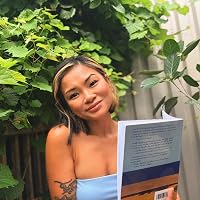
This book was, for me, less a review and more a reflection.
As a first-generation Vietnamese daughter of refugees, I recognized myself throughout Vietamerica. I understood the discomfort of not knowing certain customs, the anxiety of meeting endless aunties and uncles who may or may not actually be related to you, and the ache of having questions about your family’s past while being met with silence. I once mistook that silence for indifference. Growing older, I began to understand that sometimes forgetting was survival.
I saw myself in the author’s return to Vietnam; in the stories learned from relatives who were once strangers; in the guilt of realizing how little I understood about the lives my parents and older sister lived before Canada. I thought of my own father, who does not know his real birth date, and of the privilege of having a history that has been preserved for you.
What struck me most was the beauty and complexity of remembrance. There is something profound about being able to say, “I look like my ancestors.” About photographs, stories, traditions, and family histories surviving long enough to reach us. Perhaps that is why the family photographs throughout this book made my heart flutter. Preservation itself is a privilege.
Through his family’s lens, the author explores war, exile, abandonment, courage, generational trauma, and hope; while also revealing the quieter, deeply personal histories that often exist outside official accounts. I was especially moved by the stories of Vietnamese women, the treatment of those who served during the war, and the painful irony of those who were once valued for their education later suffering under the regime.
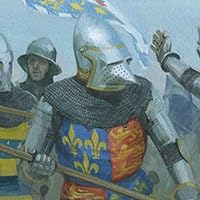
The illustrations were extraordinary. Every face carried emotion; every colour seemed deliberate. Some images left anger and sorrow sitting heavily in my chest, while others quietly reminded me of the ways families survive through what they choose to remember and what they must forget.
A small note: I appreciated the creativity of the typography, though at times I found the font difficult to read.
Ultimately, Vietamerica reminded me that history is not always found in textbooks or official records. Sometimes, it lives in fragmented memories, family photographs, old letters, and the stories we finally find the courage to ask for.
And perhaps, sometimes, in what our families could not bear to remember…