

What do you think?

Αξολότλ και άλλα διηγήματα
Ο Κορτάσαρ έχει βρει το μυστικό πέρασμα που φέρνει κοντά απομακρυσμένους τόπους και ασύμβατες πραγματικότητες. Η «μαγική σκέψη» του περνά μέσα από στοές και υπόγειους λαβύρινθους ακολουθώντας ανταποκρίσεις εικόνων και αισθήσεων για να μας οδηγήσει πότε στις σιδηροδρομικές γραμμές του Σέντραλ Αρχεντίνο και στη λεωφόρο Μαΐου και πότε στο Παρίσι, σε ένα ενυδρείο του Βοτανικού κήπου, σε αίθουσες συναυλιών, δωμάτια νοσοκομείων, γέφυρες του Δούναβη και θυσιαστήρια των Αζτέκας.
Στη συλλογή αυτή περιλαμβάνονται δεκαεννέα διηγήματα, που έγραψε ο Κορτάσαρ σε όλη τη διάρκεια της ζωής του και αντικατοπτρίζουν διαφορετικές δημιουργικές εποχές του Αργεντινού συγγραφέα που ήθελε να ταυτίσει τη ζωή με την ποίηση και την επανάσταση.
Δεκαεννέα ιστορίες στις οποίες το φανταστικό γλιστρά ανεπαίσθητα μέσα στην καθημερινότητα, «η άλλη πλευρά των πραγμάτων» επεκτείνει λαθραία τα όριά της μεταβάλλοντας τους νόμους της λογικής. Οι ιστορίες του Κορτάσαρ μας παρασύρουν όπως ακριβώς συμβαίνει στα όνειρα, όπου πραγματικό και εξωπραγματικό συγχέονται χωρίς να αντιφάσκουν.
"Κανείς δεν μπορεί να αφηγηθεί την περίληψη μιας ιστορίας που έγραψε ο Κορτάσαρ. Κάθε ιστορία του αποτελείται από συγκεκριμένες λέξεις που βρίσκονται σε καθορισμένη σειρά. Αν προσπαθήσουμε να συνοψίσουμε την υπόθεση, διαπιστώνουμε πως κάτι σημαντικό έχει χαθεί."
- Χόρχε Λουίς Μπόρχες
"Η συγγραφή ήταν για τον Κορτάσαρ παιχνίδι, διασκέδαση, οργάνωση της ζωής, των λέξεων, των ιδεών, με την αυθαιρεσία, την ελευθερία, τη φαντασία, την ανευθυνότητα που χαρακτηρίζει τα παιδιά και τους τρελούς. Παίζοντας όμως ο Κορτάσαρ άνοιξε πόρτες άγνωστες, φλέρταρε με το υπερβατικό... βυθοσκόπησε αβύσσους της συνείδησης πάνω από τις οποίες κανείς δεν μπορεί να σκύψει χωρίς να διατρέξει τον κίνδυνο της τρέλας ή του θανάτου."
- Μάριο Βάργκας Γιόσα
Πρόλογος της μεταφράστριας Ισμήνης Κανσή
Χρονολόγιο
1. Το σπίτι
2. Τη νύχτα, ανάσκελα
3. Οι μαινάδες
4. Η υγεία των αρρώστων
5. Το ταξίδι
6. Αξολότλ
7. Μετά το φαγητό
8. Η δεσποινίς Κόρα
9. Γράμματα της μαμάς
10. Το σφάλμα δεν είναι κανενός
11. Η άλλη
12. Η Λιλιάνα κλαίει
13. Σίλβια
14. Μια μεγάλη εξυπηρέτηση
15. Το τέλος του παιχνιδιού
16. Ακατάλληλη ώρα
17. Χειρόγραφο που βρέθηκε σε μια τσέπη
18. Ο άλλος ουρανός
19. Κείμενο σε σημειωματάριο
Στη συλλογή αυτή περιλαμβάνονται δεκαεννέα διηγήματα, που έγραψε ο Κορτάσαρ σε όλη τη διάρκεια της ζωής του και αντικατοπτρίζουν διαφορετικές δημιουργικές εποχές του Αργεντινού συγγραφέα που ήθελε να ταυτίσει τη ζωή με την ποίηση και την επανάσταση.
Δεκαεννέα ιστορίες στις οποίες το φανταστικό γλιστρά ανεπαίσθητα μέσα στην καθημερινότητα, «η άλλη πλευρά των πραγμάτων» επεκτείνει λαθραία τα όριά της μεταβάλλοντας τους νόμους της λογικής. Οι ιστορίες του Κορτάσαρ μας παρασύρουν όπως ακριβώς συμβαίνει στα όνειρα, όπου πραγματικό και εξωπραγματικό συγχέονται χωρίς να αντιφάσκουν.
"Κανείς δεν μπορεί να αφηγηθεί την περίληψη μιας ιστορίας που έγραψε ο Κορτάσαρ. Κάθε ιστορία του αποτελείται από συγκεκριμένες λέξεις που βρίσκονται σε καθορισμένη σειρά. Αν προσπαθήσουμε να συνοψίσουμε την υπόθεση, διαπιστώνουμε πως κάτι σημαντικό έχει χαθεί."
- Χόρχε Λουίς Μπόρχες
"Η συγγραφή ήταν για τον Κορτάσαρ παιχνίδι, διασκέδαση, οργάνωση της ζωής, των λέξεων, των ιδεών, με την αυθαιρεσία, την ελευθερία, τη φαντασία, την ανευθυνότητα που χαρακτηρίζει τα παιδιά και τους τρελούς. Παίζοντας όμως ο Κορτάσαρ άνοιξε πόρτες άγνωστες, φλέρταρε με το υπερβατικό... βυθοσκόπησε αβύσσους της συνείδησης πάνω από τις οποίες κανείς δεν μπορεί να σκύψει χωρίς να διατρέξει τον κίνδυνο της τρέλας ή του θανάτου."
- Μάριο Βάργκας Γιόσα
Πρόλογος της μεταφράστριας Ισμήνης Κανσή
Χρονολόγιο
1. Το σπίτι
2. Τη νύχτα, ανάσκελα
3. Οι μαινάδες
4. Η υγεία των αρρώστων
5. Το ταξίδι
6. Αξολότλ
7. Μετά το φαγητό
8. Η δεσποινίς Κόρα
9. Γράμματα της μαμάς
10. Το σφάλμα δεν είναι κανενός
11. Η άλλη
12. Η Λιλιάνα κλαίει
13. Σίλβια
14. Μια μεγάλη εξυπηρέτηση
15. Το τέλος του παιχνιδιού
16. Ακατάλληλη ώρα
17. Χειρόγραφο που βρέθηκε σε μια τσέπη
18. Ο άλλος ουρανός
19. Κείμενο σε σημειωματάριο
315 pages, Paperback
First published January 1, 1956
About the author
Julio Cortázar
722 books7,683 followersJulio Cortázar, born Julio Florencio Cortázar Descotte, was an Argentine author of novels and short stories. He influenced an entire generation of Latin American writers from Mexico to Argentina, and most of his best-known work was written in France, where he established himself in 1951.
Ratings & Reviews
Friends & Following
Create a free account to discover what your friends think of this book!
Community Reviews
Displaying 1 - 30 of 264 reviews

October 9, 2023
I think that at the beginning I was capable of returning to him in a certain way—ah, only in a certain way—and of keeping awake his desire to know us better. I am an axolotl for good now, and if I think like a man it's only because every axolotl thinks like a man inside his rosy stone semblance.
A profound question often probes our consciousness to instigate our inquisitiveness that why do we read, and before that why do we even write? Books, what are they for? Why do we read them or write them? For Goerge Orwell it might be the inner demons which forced him to write, to keep himself away from insanity; for Kafka, books were “the axe for the frozen sea within us”; for Polish Nobel laureate Wisława Szymborska, books stood as our ultimate frontier of freedom; but the question still stands greatly holding its ground. Perhaps we need to understand it from the perspective of our innate need to express ourselves, which makes us human. At times another question rises up from ignorance of humanity that why do we need to read and create fiction in the first place; though fiction per se may be about the things which may not exist in real world but it is very much about the truth of humanity, the truth to understand what we are and how do behave.
Literature is a form of human expression wherein human beings have devised various forms which have evolved over the years to produce literary works which might bring it closer to real life, in a way that it mirrors our life. We have seen that the literature has evolved over the years from outside to inside, which means that we have turned inwards towards our existential angst and quest, and in the process we have witnessed the blossoming of modernism and other art and philosophical movements of 20th century; the postmodernism rises in response to it underlining the relativism, skepticism, absurdity, randomity and non-sense of life in association with post-structuralism, and some experts say that beyond post-modernism we have progressed towards meta-modernism. The various styles of literary fiction took birth in the advent of exploration and depiction of human condition- such as metafiction, surrealism, and magic realism which portrays realistic view of world by infusing magical elements to it.
As we do deep down analysis to further explore our naïve curiosity, we find another dilemma waiting for us to rob us from the comforts and truths we might have devised for ourselves, and the mystifying dilemma is what should we read, or rather which authors should we devote our time to. Borges would say that everyone is writing the same thing then how does it matter who we should read or who not. Though all of us may be writing about the same thing (to quest the innate desire for peace and curb our existential angst) but perhaps it is the way we write which differentiates some exclusive ones from others. It may be that one would never undertake such a thing if one is not driven on by some demon whom one can neither resist nor understand as Orwell maintained; but, I guess, an author may have an obligation, which is to not to freeze language, or to pretend it is a dead thing that must be revered, but to use it as a living thing, that flows, that borrows words, that allows meanings and pronunciations to change with time. Perhaps, that’s how the different art movements have graduated over the years and probably that’s why we have seen a plethora of authors, and we are still witnessing it, and perhaps would be seeing it in the future too. And in the same stream we find authors such as Julio Cortazar who experimented with the prose in a way to extend the supposedly boundaries of the literature and transformed the way it is being written.
link: source
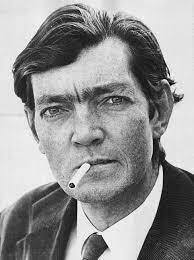
Julio Cortazar created a whole new world altogether wherein the ordinality was plunged to the great depth of nothingness to subvert the realism with surreal and fantastical elements, and what rises up from the annihilation of mundanity is an enigmatic and eerie reality of humanity which forces us to look upon ourselves from a whole new perspective. The author completely eschews the mundane rules of literature so as to write in a non-linear fashion and shifting perspectives which dance across various characters as human consciousness keeps on jumping from one to another, as if to emulate it. The fiction of Cortazar infuses fantastic and bizarre elements to our everyday reality to transform it to a haunting depiction of humanity so as to force us to see our own absurdity which is perhaps more close to the reality as we perceive. Over the years, we have seen that the prose has been progressively seen from the underlying meanings which one might explore by opening up its layers, Cortazar’s world gives us access to such a reality wherein we may have to actively participate to understand or rather assume the various possible realities which may lie in a possibility.
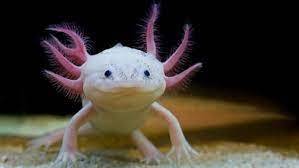
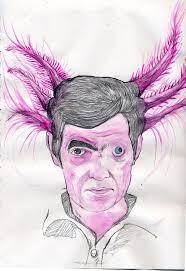
Axolotl stands as a perfect example of the weird but real world of Cortazar wherein the line between reality and fantasy has been blurred to bring up a compelling portrait of human consciousness which is as bewildering as the story is and requires the patience and awareness of a close observer to truly comprehend it. The story starts with one of most overwhelming openings in the history of literature- There was time when I thought a great deal about the axolotls. I went to see them in the aquarium at the Jardin de Plantes and stayed for hours watching them, observing their immobility, their faint movements. Now I am an axolotl, the author subverts a naïve looking sentence by infusing the element of surprise with the last words thereby forcing the readers to think about the transformation rather than contemplating upon the probable end as we do normally. What follows it is a deep exploration of the consciousness of the narrator through variegated perspectives forcing the reader to flex his/ her mental muscles to ascertain that what could it be – an axolotl or a human. We watch with bated breath that a pure act of inquisitiveness changes into a life changing obsession of the narrator so much so that the observer metamorphoses into the object of his observation. The narrator keeps picking himself interchangeably by giving voices to axolotl and his human frame, at times, the reader witnesses the detachment of the narrative voice from either of them as the author uses third person narrative creatively infused with first person narrative, used in general. The author muddles with the identity of axolotl and the man perhaps to exhibit the fluidity of our being unlike the traditionally believed fixed nature of it.
link: source
The horror began—I learned in the same moment —of believing myself prisoner in the body of an axolotl, metamorphosed into him with my human mind intact, buried alive in an axolotl, condemned to move lucidly among unconscious creatures. We hear the cry of soul of the narrator trapped inside the body of an axolotl, the narrator cries from the depth of his being as if he is being thrown in to this hell of nothingness wherein he can’t express himself as if his entire existence is shred to nothingness, just like the vermin Gregor Samsa of Franz Kafka turns into, in The Metamorphosis. The readers find the consciousness of the narrator being confined to the body of an axolotl, severed from the entire world as if the world turns deaf to him, he watches with soul stirring horror that he is reflecting upon his own being through glass of aquarium, it marks the intense loneliness of human life which he can’t escape even after the transformation. However, the treatment here is more optimistic and humane since the narrator soon realizes that axolotls are human like consciousness beings who are trapped in their bodies so as to say condemned to exist, contemplating upon their doomed reality without realizing their true existence.
There are numerous references in the story to Aztecs and various phases of the Argentine history, the intentional usage of foreign words by the author perhaps underlines the invasion by foreigners who silence the local voices. The golden eyes of axolotls, their peculiar heads allude to the history of the country of the author. The author portrays the secluded, shifting and puzzling behavior of the axolotl to underline humanity’s loneliness and solitude of existence as we often struggle to fit into the world we live in, feeling as if we are trapped here and condemned to live. The quiet nature of axolotl may also be interpreted as humanity being an unintentional accomplice to the unfair things in life by mutely spectating them. The author ends the story the way he starts it by subverting the narrative through the infusion of metafictional element to its epilogue for giving a final but decisive twist to the story so as to create an art which might voice to those trapped in the hell of nothingness; but even then, as expected from Cortazar, the end of the story is left to multiple interpretations- the possible realities which may lie in a possibility.
link: source
A profound question often probes our consciousness to instigate our inquisitiveness that why do we read, and before that why do we even write? Books, what are they for? Why do we read them or write them? For Goerge Orwell it might be the inner demons which forced him to write, to keep himself away from insanity; for Kafka, books were “the axe for the frozen sea within us”; for Polish Nobel laureate Wisława Szymborska, books stood as our ultimate frontier of freedom; but the question still stands greatly holding its ground. Perhaps we need to understand it from the perspective of our innate need to express ourselves, which makes us human. At times another question rises up from ignorance of humanity that why do we need to read and create fiction in the first place; though fiction per se may be about the things which may not exist in real world but it is very much about the truth of humanity, the truth to understand what we are and how do behave.
Literature is a form of human expression wherein human beings have devised various forms which have evolved over the years to produce literary works which might bring it closer to real life, in a way that it mirrors our life. We have seen that the literature has evolved over the years from outside to inside, which means that we have turned inwards towards our existential angst and quest, and in the process we have witnessed the blossoming of modernism and other art and philosophical movements of 20th century; the postmodernism rises in response to it underlining the relativism, skepticism, absurdity, randomity and non-sense of life in association with post-structuralism, and some experts say that beyond post-modernism we have progressed towards meta-modernism. The various styles of literary fiction took birth in the advent of exploration and depiction of human condition- such as metafiction, surrealism, and magic realism which portrays realistic view of world by infusing magical elements to it.
As we do deep down analysis to further explore our naïve curiosity, we find another dilemma waiting for us to rob us from the comforts and truths we might have devised for ourselves, and the mystifying dilemma is what should we read, or rather which authors should we devote our time to. Borges would say that everyone is writing the same thing then how does it matter who we should read or who not. Though all of us may be writing about the same thing (to quest the innate desire for peace and curb our existential angst) but perhaps it is the way we write which differentiates some exclusive ones from others. It may be that one would never undertake such a thing if one is not driven on by some demon whom one can neither resist nor understand as Orwell maintained; but, I guess, an author may have an obligation, which is to not to freeze language, or to pretend it is a dead thing that must be revered, but to use it as a living thing, that flows, that borrows words, that allows meanings and pronunciations to change with time. Perhaps, that’s how the different art movements have graduated over the years and probably that’s why we have seen a plethora of authors, and we are still witnessing it, and perhaps would be seeing it in the future too. And in the same stream we find authors such as Julio Cortazar who experimented with the prose in a way to extend the supposedly boundaries of the literature and transformed the way it is being written.
link: source
Julio Cortazar created a whole new world altogether wherein the ordinality was plunged to the great depth of nothingness to subvert the realism with surreal and fantastical elements, and what rises up from the annihilation of mundanity is an enigmatic and eerie reality of humanity which forces us to look upon ourselves from a whole new perspective. The author completely eschews the mundane rules of literature so as to write in a non-linear fashion and shifting perspectives which dance across various characters as human consciousness keeps on jumping from one to another, as if to emulate it. The fiction of Cortazar infuses fantastic and bizarre elements to our everyday reality to transform it to a haunting depiction of humanity so as to force us to see our own absurdity which is perhaps more close to the reality as we perceive. Over the years, we have seen that the prose has been progressively seen from the underlying meanings which one might explore by opening up its layers, Cortazar’s world gives us access to such a reality wherein we may have to actively participate to understand or rather assume the various possible realities which may lie in a possibility.
Axolotl stands as a perfect example of the weird but real world of Cortazar wherein the line between reality and fantasy has been blurred to bring up a compelling portrait of human consciousness which is as bewildering as the story is and requires the patience and awareness of a close observer to truly comprehend it. The story starts with one of most overwhelming openings in the history of literature- There was time when I thought a great deal about the axolotls. I went to see them in the aquarium at the Jardin de Plantes and stayed for hours watching them, observing their immobility, their faint movements. Now I am an axolotl, the author subverts a naïve looking sentence by infusing the element of surprise with the last words thereby forcing the readers to think about the transformation rather than contemplating upon the probable end as we do normally. What follows it is a deep exploration of the consciousness of the narrator through variegated perspectives forcing the reader to flex his/ her mental muscles to ascertain that what could it be – an axolotl or a human. We watch with bated breath that a pure act of inquisitiveness changes into a life changing obsession of the narrator so much so that the observer metamorphoses into the object of his observation. The narrator keeps picking himself interchangeably by giving voices to axolotl and his human frame, at times, the reader witnesses the detachment of the narrative voice from either of them as the author uses third person narrative creatively infused with first person narrative, used in general. The author muddles with the identity of axolotl and the man perhaps to exhibit the fluidity of our being unlike the traditionally believed fixed nature of it.
link: source
The horror began—I learned in the same moment —of believing myself prisoner in the body of an axolotl, metamorphosed into him with my human mind intact, buried alive in an axolotl, condemned to move lucidly among unconscious creatures. We hear the cry of soul of the narrator trapped inside the body of an axolotl, the narrator cries from the depth of his being as if he is being thrown in to this hell of nothingness wherein he can’t express himself as if his entire existence is shred to nothingness, just like the vermin Gregor Samsa of Franz Kafka turns into, in The Metamorphosis. The readers find the consciousness of the narrator being confined to the body of an axolotl, severed from the entire world as if the world turns deaf to him, he watches with soul stirring horror that he is reflecting upon his own being through glass of aquarium, it marks the intense loneliness of human life which he can’t escape even after the transformation. However, the treatment here is more optimistic and humane since the narrator soon realizes that axolotls are human like consciousness beings who are trapped in their bodies so as to say condemned to exist, contemplating upon their doomed reality without realizing their true existence.
There are numerous references in the story to Aztecs and various phases of the Argentine history, the intentional usage of foreign words by the author perhaps underlines the invasion by foreigners who silence the local voices. The golden eyes of axolotls, their peculiar heads allude to the history of the country of the author. The author portrays the secluded, shifting and puzzling behavior of the axolotl to underline humanity’s loneliness and solitude of existence as we often struggle to fit into the world we live in, feeling as if we are trapped here and condemned to live. The quiet nature of axolotl may also be interpreted as humanity being an unintentional accomplice to the unfair things in life by mutely spectating them. The author ends the story the way he starts it by subverting the narrative through the infusion of metafictional element to its epilogue for giving a final but decisive twist to the story so as to create an art which might voice to those trapped in the hell of nothingness; but even then, as expected from Cortazar, the end of the story is left to multiple interpretations- the possible realities which may lie in a possibility.
link: source

September 5, 2023
Read in Found In Translation anthology.
Julio Cortazar is one of the best known Argentinian writers. He is known for his short story collections and for Hopscoth, a philosophic novel that can be read in two different suggested orders.
Axolotl is a short story about a man who frequently visits the local zoo and becomes obsessed with the cute axolotls he sees in an Aquarium. So much so that he begins to think he became one.

I suppose the story can be interpreted in two ways. It is either a fantastic story where somehow the narrator got transformed into an animal or a realist one, where the main character goes mad from loneliness and obsession. Also, the story makes us think about whether we can identify with other species and empathize with them.
Julio Cortazar is one of the best known Argentinian writers. He is known for his short story collections and for Hopscoth, a philosophic novel that can be read in two different suggested orders.
Axolotl is a short story about a man who frequently visits the local zoo and becomes obsessed with the cute axolotls he sees in an Aquarium. So much so that he begins to think he became one.
I suppose the story can be interpreted in two ways. It is either a fantastic story where somehow the narrator got transformed into an animal or a realist one, where the main character goes mad from loneliness and obsession. Also, the story makes us think about whether we can identify with other species and empathize with them.

December 18, 2024

Axolotl clocks in as one of the coolest short stories ever written. To take a deep dive into Julio Cortázar's surreal, haunting, hypermagical tale, I'll pair my comments and observations with a number of choice direct quotes, moving from the opening sentence to the closing sentence.
“There was a time when I thought a great deal about the axolotls. I went to see them in the aquarium at the Jardin des Plantes and stayed for hours watching them, observing their immobility, their faint movements. Now I am an axolotl.”
Usually, if there's a shocking revelation in a short story, it comes at the end. But there’s nothing usual about Julio Cortázar. He discloses the impossible transformation of his narrator right at the outset. This also ties in with one of the author’s enduring themes: the nature of observation, which reflects the Argentine writer’s role as the supreme observer of life, constantly adopting new perspectives and identities.
"That they were Mexican I knew already by looking at them and their little pink Aztec faces and the placard at the top of the tank."
Ah, the axolotl have little pink Aztec faces. Fans of Julio Cortázar will hear echoes of the author's The Night Face Up, about a motorcyclist who crashes and has a fever dream in the hospital, where he becomes a captive of the Aztecs and is about to be sacrificed. Cortázar's reference to the Aztecs highlights the enigmatic, mysterious nature of the axolotl.
“The aquarium guard smiled perplexedly taking my ticket. I would lean up against the iron bar in front of the tanks and set to watching them. There's nothing strange in this, because after the first minute I knew that we were linked, that something infinitely lost and distant kept pulling us together.”
The narrator immediately senses that he and the axolotl are linked, connected in some inscrutable, inexplicable way. Cortázar was keenly interested in the boundaries separating humans from other creatures and, more broadly, the boundaries separating the individual from the outside world—and how humans can overcome such boundaries through empathy, the development of sensitivity, and even the cultivation of powers that verge on the occult. This theme is explored on a psychological level in Orientation of Cats and addressed in a more overtly metaphysical way in Axolotl.
"Above all else, their eyes obsessed me. In the standing tanks on either side of them, different fishes showed me the simple stupidity of their handsome eyes so similar to our own. The eyes of the axolotls spoke to me of the presence of a different life, of another way of seeing."
“Another way of seeing” — even from a young age, Julio knew that his way of seeing the world and being in the world was radically different from the people around him. This unique perspective takes its place as a central theme in Julio's novella, Cronopios and Famas, where the Cronopios' otherworldly realm of literature, art, and imagination contrasts sharply with the Famas' rigid, conformist, and dreary world of routine. Julio the Cronopio. And Julio, likewise, bestows a Cronopian nature on this tale's narrator.
“The golden eyes continued burning with their soft, terrible light; they continued looking at me from an unfathomable depth which made me dizzy. And nevertheless they were close. I knew it before this, before being an axolotl.”
Let’s not forget one of Julio Cortázar’s prime projects: translating the works of Edgar Allan Poe. Those burning golden axolotl eyes share an eeriness and unspeakable depth with the evil, pale blue eye of the old man in Poe’s The Tell-Tale Heart.
"Their blind gaze, the diminutive gold disc without expression and nonetheless terribly shining, went through me like a message: ‘Save us, save us.’ Behind those Aztec faces, without expression but of implacable cruelty, what semblance was awaiting its hour? I was afraid of them.”
Is the axolotl's immobility and silence a metaphor for human existential angst? Does the narrator's fear represent human alienation and isolation? Both of these questions touch on an abiding theme within Julio Cortázar's fiction.
“They were suffering, every fiber of my body reached toward that stifled pain, that stiff torment at the bottom of the tank. They were lying in wait for something, a remote dominion destroyed, an age of liberty when the world had been that of the axolotls.”
For me, reading these lines evokes the possibility that the still, silent axolotls, with their glowing golden eyes, are reincarnated Aztec warriors lying in wait—waiting for the moment when they can magically rise and conquer our modern world, and thus reestablish the lost glory of their ancient Aztec kingdom. Perhaps a first step: taking the narrator as a sacrificial victim.
"And in this final solitude to which he no longer comes, I console myself by thinking that perhaps he is going to write a story about us, that, believing he's making up a story, he's going to write all this about axolotls."
Oh, Julio! With this closing twist, Cortázar lifts the story into the realm of metafiction, blurring the lines between narrator, character, and author. The axolotl’s assertion suggests that the act of storytelling itself becomes a form of transformation—a merging of perspectives where the writer and the written are inseparably intertwined. By infusing the tale with this self-referential moment, Cortázar reminds us that stories are living, breathing entities, just like the axolotls themselves: mysterious, layered, and endlessly open to interpretation. Wow! Make that a double Wow.

April 24, 2015
I want to start by proclaiming my love for Axolotls.

Look at this little guy with his little face.
I've got to be honest, though. After reading this short story, I'm a little scared of them. Just don't stare at one too long, and everything will be fine.
This was a strange little story, but unexpectedly haunting. I have a feeling it will stay with me for a while.
Look at this little guy with his little face.
I've got to be honest, though. After reading this short story, I'm a little scared of them. Just don't stare at one too long, and everything will be fine.
This was a strange little story, but unexpectedly haunting. I have a feeling it will stay with me for a while.

March 26, 2025
این چه کاریه آخه با موجودات مورد علاقه ام میکنین؟؟!
دیگه چطور با خیال راحت زل بزنم به این موجودات شگفت انگیز؟
ولی چقدر از سبک نویسنده خوشم اومد. مرسی بابت معرفی و چقدر خوشحالم دوباره بخش داستان کوتاه رو احیا کردی داریم میخونیم.
فروردین ۱۴۰۴
دیگه چطور با خیال راحت زل بزنم به این موجودات شگفت انگیز؟
ولی چقدر از سبک نویسنده خوشم اومد. مرسی بابت معرفی و چقدر خوشحالم دوباره بخش داستان کوتاه رو احیا کردی داریم میخونیم.
فروردین ۱۴۰۴

March 15, 2021
Το συγκεκριμένο βιβλίο περιέχει 19 διηγήματα τα οποία έγραψε ο Κορτάσαρ σε όλη την συγγραφική του πορεία. Είναι γενικώς γνωστό ότι ως βαθιά
Κορτασαρική δεν θα μπορούσα να βαθμολογήσω με λιγότερο από πέντε. Αν ήταν να ξεχωρίσω κάποια από το συγκεκριμένο βιβλίο θα ήταν σίγουρα το ομώνυμο Αξολότλ , η Υγεία των αρρώστων, και Η άλλη ημερολόγιο της Αλίνα Ρέγιες
Κορτασαρική δεν θα μπορούσα να βαθμολογήσω με λιγότερο από πέντε. Αν ήταν να ξεχωρίσω κάποια από το συγκεκριμένο βιβλίο θα ήταν σίγουρα το ομώνυμο Αξολότλ , η Υγεία των αρρώστων, και Η άλλη ημερολόγιο της Αλίνα Ρέγιες

June 27, 2022
Honestly, I'm not sure what Cortazar is trying to say with this story. Is he talking about the Aztecs?
himself as an expatriate from Latin America (Argentina)? the metamorphosis of a writer? or something else?
What I can say is that his description of these salamanders is wondrous.
"I saw a rosy little body, translucent (I thought of those Chinese figurines of milky glass), looking like a small lizard about six inches long, ending in a fish’s tail of extraordinary delicacy, the most sensitive part of our body. Along the back ran a transparent fin which joined with the tail, but what obsessed me was the feet, of the slenderest nicety, ending in tiny fingers with minutely human nails. And then I discovered its eyes, its face. Inexpressive features, with no other trait save the eyes, two orifices, like brooches, wholly of transparent gold"
And his writing of the metamorphosis is skillfully done, blurring the line of reality.
This is my first reading of his writing and it's not enough of a sample for me to form an opinion. I will search out a bit more of his work before deciding if he is a good fit for me.
Recommended by Jennifer.
himself as an expatriate from Latin America (Argentina)? the metamorphosis of a writer? or something else?
What I can say is that his description of these salamanders is wondrous.
"I saw a rosy little body, translucent (I thought of those Chinese figurines of milky glass), looking like a small lizard about six inches long, ending in a fish’s tail of extraordinary delicacy, the most sensitive part of our body. Along the back ran a transparent fin which joined with the tail, but what obsessed me was the feet, of the slenderest nicety, ending in tiny fingers with minutely human nails. And then I discovered its eyes, its face. Inexpressive features, with no other trait save the eyes, two orifices, like brooches, wholly of transparent gold"
And his writing of the metamorphosis is skillfully done, blurring the line of reality.
This is my first reading of his writing and it's not enough of a sample for me to form an opinion. I will search out a bit more of his work before deciding if he is a good fit for me.
Recommended by Jennifer.

January 2, 2018
4.5 Stars!
I just looked up what an actual axolotl looks like and I have to say, it is one of the coolest looking animals I’ve ever seen. Even for a marine creature it’s pretty strange.
I loved this short. It was fabulous.
I just looked up what an actual axolotl looks like and I have to say, it is one of the coolest looking animals I’ve ever seen. Even for a marine creature it’s pretty strange.
I loved this short. It was fabulous.

December 11, 2015
Cortázar, tú si que sabes como terminar un cuento.

February 27, 2013
Ό,τι και να γράψω για τον Κορτάσαρ, μάλλον θα θεωρηθώ προκατειλημμένη. Θα πω λοιπόν πως το σμίξιμο πραγματικού και φανταστικού στα διηγήματά του μου ταιριάζει πιθανότατα περισσότερο από ότι του Μπόρχες. Κι αυτό για μένα που μεγάλωσα με τα διηγήματα του παππού Χόρχε κι ούτε μπορώ να θυμηθώ πόσες φορές τα έχω διαβάσει, είναι σημαντική δήλωση.
Στο «Αξολότλ και άλλα διηγήματα» περιλαμβάνονται 19 κείμενα που έγραψε ο Κορτάσαρ σχεδόν σε όλη του τη ζωή. Παρ’ όλα αυτά το γράψιμό του δείχνει μια θαυμαστή συνέχεια, ακολουθεί έναν βασικό κανόνα, μας κοιμίζει στην αρχή με μια πραγματική ιστορία, εντελώς ρεαλιστική μέχρι να μπει σαν κλέφτης το φανταστικό και να μας πάρει από το χέρι σε άλλα σύμπαντα. Δε βαρέθηκα σε καμιά, αν όμως έπρεπε κάποιες να ξεχωρίσω, αυτές θα ήταν :
«Η άλλη. Ημερολόγιο της Αλίνα Ρέγες», ένα διήγημα για μια όμορφη γυναίκα που νιώθει να την καλεί ο άλλος της εαυτός, κουρελής και πένης κάπου σε μια γέφυρα της Βουδαπέστης.
«Η υγεία των αρρώστων», μια ιστορία για μια γυναίκα τόσο άρρωστη που όλοι ακροπατούν δίπλα της, δεν της λένε πως πέθανε ο γιος της, ούτε πως είναι άρρωστη η αδελφή της, μπαίνουν στην υποκρισία τόσο καλά που γίνεται η ζωή τους.
«Το τέλος του παιχνιδιού», όπου τρία κοριτσάκια κάνουν τα «αγάλματα» για να τους βλέπουν οι επιβάτες του τρένου που περνά.
«Η δεσποινίς Κόρα», όπου ένα αγόρι μπαίνει στο νοσοκομείο για μια απλή εγχείρηση ρουτίνας για σκωληκοειδίτιδα κι αναπτύσσει μια περίεργη σχέση με την παρ’ ολίγο συνομήλικη του νοσοκόμα.
Αν και ο Μπόρχες είπε πως κανείς δεν μπορεί να αφηγηθεί την περίληψη μιας ιστορίας που έγραψε ο Κορτάσαρ, εγώ τα κείμενα αυτά τα έχω βαθιά μέσα στο μυαλό μου. Δεν είναι μόνο διηγήματα γραμμένα με μοντέρνο τρόπο και δεξιοτεχνικό, είναι κείμενα υψηλής συγκινησιακής θερμοκρασίας. Με άλλα λόγια το ταλέντο ενός ανθρώπου που είναι γεννημένος γραφιάς βρίσκει χώρο στη μικρή φόρμα να φανερωθεί στην άγρια μορφή του, χωρίς να καταπιέζεται, με μια ομορφιά δυνατή και ταυτόχρονα οικεία. Ο Χούλιο Κορτάσαρ δεν κάνει επίδειξη, είναι μεγάλος συγγραφές κι αυτό φαίνεται στην κάθε του λέξη.
"Αξολότλ και άλλα διηγήματα", Χούλιο Κορτάσαρ, μετ. Ισμήνη Κανσή, εκδ. Πάπυρος, 2009, σελ.309
http://diavazontas.blogspot.gr/2012/1...
Στο «Αξολότλ και άλλα διηγήματα» περιλαμβάνονται 19 κείμενα που έγραψε ο Κορτάσαρ σχεδόν σε όλη του τη ζωή. Παρ’ όλα αυτά το γράψιμό του δείχνει μια θαυμαστή συνέχεια, ακολουθεί έναν βασικό κανόνα, μας κοιμίζει στην αρχή με μια πραγματική ιστορία, εντελώς ρεαλιστική μέχρι να μπει σαν κλέφτης το φανταστικό και να μας πάρει από το χέρι σε άλλα σύμπαντα. Δε βαρέθηκα σε καμιά, αν όμως έπρεπε κάποιες να ξεχωρίσω, αυτές θα ήταν :
«Η άλλη. Ημερολόγιο της Αλίνα Ρέγες», ένα διήγημα για μια όμορφη γυναίκα που νιώθει να την καλεί ο άλλος της εαυτός, κουρελής και πένης κάπου σε μια γέφυρα της Βουδαπέστης.
«Η υγεία των αρρώστων», μια ιστορία για μια γυναίκα τόσο άρρωστη που όλοι ακροπατούν δίπλα της, δεν της λένε πως πέθανε ο γιος της, ούτε πως είναι άρρωστη η αδελφή της, μπαίνουν στην υποκρισία τόσο καλά που γίνεται η ζωή τους.
«Το τέλος του παιχνιδιού», όπου τρία κοριτσάκια κάνουν τα «αγάλματα» για να τους βλέπουν οι επιβάτες του τρένου που περνά.
«Η δεσποινίς Κόρα», όπου ένα αγόρι μπαίνει στο νοσοκομείο για μια απλή εγχείρηση ρουτίνας για σκωληκοειδίτιδα κι αναπτύσσει μια περίεργη σχέση με την παρ’ ολίγο συνομήλικη του νοσοκόμα.
Αν και ο Μπόρχες είπε πως κανείς δεν μπορεί να αφηγηθεί την περίληψη μιας ιστορίας που έγραψε ο Κορτάσαρ, εγώ τα κείμενα αυτά τα έχω βαθιά μέσα στο μυαλό μου. Δεν είναι μόνο διηγήματα γραμμένα με μοντέρνο τρόπο και δεξιοτεχνικό, είναι κείμενα υψηλής συγκινησιακής θερμοκρασίας. Με άλλα λόγια το ταλέντο ενός ανθρώπου που είναι γεννημένος γραφιάς βρίσκει χώρο στη μικρή φόρμα να φανερωθεί στην άγρια μορφή του, χωρίς να καταπιέζεται, με μια ομορφιά δυνατή και ταυτόχρονα οικεία. Ο Χούλιο Κορτάσαρ δεν κάνει επίδειξη, είναι μεγάλος συγγραφές κι αυτό φαίνεται στην κάθε του λέξη.
"Αξολότλ και άλλα διηγήματα", Χούλιο Κορτάσαρ, μετ. Ισμήνη Κανσή, εκδ. Πάπυρος, 2009, σελ.309
http://diavazontas.blogspot.gr/2012/1...

August 24, 2024
Cortazár loves Clarice Lispector and it shows; and inevitably I adore (both). Shortly after reading this, I missed/almost bumped into a childhood (best)friend who was lowkey/for a significant while obsessed with axolotls; talk about 'uncanny'. Cortazár happened to me at the right time is all. RTC on a later date though this truly requires no introduction/convincing. Brief, the most delicious form of strange(ness), and 'poetic' (for the lack of a better word).

February 7, 2019
Cortazar e un tip fantastic. Un cronop de prima clasa. este uimitor cum Cortazar se joaca cu cuvintele. Si asta si e - cuvintele sunt ceva relativ, sunt concepte al caror singur rol e sa ne faca viata mai comoda. Caci nu exista nicaieri o regula batuta in cuie, o axioma, ca masa e masa si nu se poate numi alfel decat masa.
insa cand te joci cu cuvintele, si alaturarile dintre ele
trebuie sa creeze jocuri care sa surprinda. si asta ii reuseste de minune lui Cortazar.
Axolotul mi s-a parut mai mult o poveste de groaza.
Distrugerea rutinii este o tema principala la Cortazar.
Lumea cronopilor, a gloriilor si a sperantelor este creata genial, vizualizarea este perfecta.
insa cand te joci cu cuvintele, si alaturarile dintre ele
trebuie sa creeze jocuri care sa surprinda. si asta ii reuseste de minune lui Cortazar.
Axolotul mi s-a parut mai mult o poveste de groaza.
Distrugerea rutinii este o tema principala la Cortazar.
Lumea cronopilor, a gloriilor si a sperantelor este creata genial, vizualizarea este perfecta.

February 8, 2019
M-a miscat Axolotul si mi-au placut la nebunie povestirile din primele doua serii ale volumului, Manual de Instructiuni si Ocupatii Ciudate, in care Cortazar e ironic, jucaus, stralucit, ia in raspar snobismele, scortosenia si rutinele noastre de zi cu zi. De la Material Plastic incolo a inceput sa ma piarda, pentru ca totul a devenit un exercitiu de stil, niste volute gratioase si foarte bine executate, dar lipsite de continut (sau poate nu am putut sa il vad eu dincolo de stilistica). La Povestiri cu Cronopi si Glorii deja nu am mai avut rabdare, pentru ca le citeam ca pe o poezie abstracta, din care stiu ca nu o sa imi raman in minte nici macar niste imagini. Asa ca nota este o medie intre un 4.5 pentru Axolot si primele doua serii si un 1.5 pentru ultimele doua.

March 30, 2015
Πρώτα να ξεκαθαρίσω ότι είναι το πρώτο βιβλίο του Κορτάσαρ που διαβάζω και ότι δεν έχω διαβάσει μέχρι τώρα Μπόρχες (φαντάζομαι είμαι από τους λίγους, σκοπευώ όμως), ό,τι κι αν σημαίνουν αυτά τα δύο.
Οι ιστορίες του Κορτάσαρ απ'ό,τι έχω δει συνήθως περιγράφονται ως ιστορίες όπου ενώ συμβαίνουν συνηθισμένα γεγονότα (δηλαδή πραγματικά, αν υποθέσουμε ότι το ασύνηθες ξεπερνά σε ένα βαθμό την πραγματικοσύνη -αν υπάρχει τέτοια λέξη), ξαφνικά υπεισέρχεται το φανταστικό και τα πράγματα παίρνουν μια άλλη τροπή.
Διαφωνώ με αυτήν τη διχοτόμηση ή ας πούμε αυτήν την ιδέα της «εισβολής» του φανταστικού στο πραγματικό και νομίζω ότι εκεί βρίσκεται όλη η μαγεία του Κορτάσαρ, όπως την αντιλαμβάνομαι εγώ τουλάχιστον. Ο Κορτάσαρ αντιμετωπίζει όλα τα γεγονότα ισότιμα ως προς την οντολογία τους. Αυτός και οι ήρωές του (ή μέσ'απ'τους ήρωές του) δεν αναλογίζονται το απόκοσμο όσων συμβαίνουν ούτε τους φαίνεται περίεργα τα ασυνήθιστα συμβάντα.
Ακόμα και όταν φτιάχνουν ψέματα, ακολουθούν τις συνέπειές τους μέχρι το τέλος και τελικά τα αντιμετωπίζουν σαν να ήταν αλήθεια, ακόμα κι όταν δεν υπάρχει κανένας λόγος να τα συντηρούν. Αυτό αρχικά φαίνεται παράλογο, αλλά όπως το είδα εγώ μου φάνηκε δομικό στοιχείο της αφήγησης του Κορτάσαρ. Χωρίς αυτό δε θα ήταν παραδόξως συνεπής η γραφή του.
Δεν ξέρω αν το εξηγώ καλά, αλλά αυτό που με συνεπήρε στα διηγήματα του Κορτάσαρ είναι αυτή η παράξενη σμίξη του φανταστικού με το πραγματικό, όπου τελικά αυτή η διάκριση φαίνεται να μην έχει νόημα. Νόημα τελικά έχουν μόνο οι προϋποθέσεις και οι συνέπειες αυτού του κράματος κι αυτές μπορούν να αποτυπωθούν μόνο στο μυαλό των ηρώων, στα συναισθήματά τους και στη μνήμη τους είτε ατομική είτε συλλογική.
Νομίζω πως ο Κορτάσαρ μάς λέει τελικά πως άμεση επίδραση στη ζωή μας έχουν εξίσου τα (πραγματικά) γεγονότα και τα (φανταστικά) μη γεγονότα και πως η οντολογική διάκρισή τους λίγο ρόλο παίζει στο τι ουσιαστικά σημαίνουν για εμάς.
Οι ιστορίες του Κορτάσαρ απ'ό,τι έχω δει συνήθως περιγράφονται ως ιστορίες όπου ενώ συμβαίνουν συνηθισμένα γεγονότα (δηλαδή πραγματικά, αν υποθέσουμε ότι το ασύνηθες ξεπερνά σε ένα βαθμό την πραγματικοσύνη -αν υπάρχει τέτοια λέξη), ξαφνικά υπεισέρχεται το φανταστικό και τα πράγματα παίρνουν μια άλλη τροπή.
Διαφωνώ με αυτήν τη διχοτόμηση ή ας πούμε αυτήν την ιδέα της «εισβολής» του φανταστικού στο πραγματικό και νομίζω ότι εκεί βρίσκεται όλη η μαγεία του Κορτάσαρ, όπως την αντιλαμβάνομαι εγώ τουλάχιστον. Ο Κορτάσαρ αντιμετωπίζει όλα τα γεγονότα ισότιμα ως προς την οντολογία τους. Αυτός και οι ήρωές του (ή μέσ'απ'τους ήρωές του) δεν αναλογίζονται το απόκοσμο όσων συμβαίνουν ούτε τους φαίνεται περίεργα τα ασυνήθιστα συμβάντα.
Ακόμα και όταν φτιάχνουν ψέματα, ακολουθούν τις συνέπειές τους μέχρι το τέλος και τελικά τα αντιμετωπίζουν σαν να ήταν αλήθεια, ακόμα κι όταν δεν υπάρχει κανένας λόγος να τα συντηρούν. Αυτό αρχικά φαίνεται παράλογο, αλλά όπως το είδα εγώ μου φάνηκε δομικό στοιχείο της αφήγησης του Κορτάσαρ. Χωρίς αυτό δε θα ήταν παραδόξως συνεπής η γραφή του.
Δεν ξέρω αν το εξηγώ καλά, αλλά αυτό που με συνεπήρε στα διηγήματα του Κορτάσαρ είναι αυτή η παράξενη σμίξη του φανταστικού με το πραγματικό, όπου τελικά αυτή η διάκριση φαίνεται να μην έχει νόημα. Νόημα τελικά έχουν μόνο οι προϋποθέσεις και οι συνέπειες αυτού του κράματος κι αυτές μπορούν να αποτυπωθούν μόνο στο μυαλό των ηρώων, στα συναισθήματά τους και στη μνήμη τους είτε ατομική είτε συλλογική.
Νομίζω πως ο Κορτάσαρ μάς λέει τελικά πως άμεση επίδραση στη ζωή μας έχουν εξίσου τα (πραγματικά) γεγονότα και τα (φανταστικά) μη γεγονότα και πως η οντολογική διάκρισή τους λίγο ρόλο παίζει στο τι ουσιαστικά σημαίνουν για εμάς.

Read
March 10, 2026hvad kalder man en undervands-furry?

March 11, 2023
Η παρούσα συλλογή αποτελείται από δεκαεννέα διηγήματα τα οποία, πέραν της στενής τους σύνδεσης με την κοινωνική και πολιτιστική πραγματικότητα της Λατινικής Αμερικής της εποχής τους, κινούνται τα περισσότερα μεταξύ πραγματικού και φανταστικού.
Ακολουθεί μια σύντομη αναφορά σε εκείνα που μου άρεσαν περισσότερο
Στο «ΣΠΙΤΙ» το φανταστικό έρχεται ως μεταφορά της πολιτικής κατάστασης της Αργεντινής: το σπίτι, που λειτουργεί ως μεταφορά της χώρας, σιγά σιγά εξαφανίζεται. Οι ιδιοκτήτες, μεταφορά της ανώτερης τάξης που έχει κλείσει τα μάτια στη χούντα, έχουν για χρόνια απομονωθεί μέσα του, μη θέλοντας να αντιμετωπίσουν την κατάσταση, αλλά βρίσκονται εν τέλει υποχρεωμένοι να δράσουν. Το πιο βαθειά πολιτικό έργο της συλλογής.
Στο διήγημα «ΤΗ ΝΥΧΤΑ, ΑΝΑΣΚΕΛΑ» βρίσκουμε μια ενδιαφέρουσα αντιπαράθεση ανάμεσα στην πραγματικότητα και το ονείρο, το παρον και το μέλλον με εντυπωσιακή κατάληξη. Είναι αυτό που αγάπησα περισσότερο και συστήνω ανεπιφύλακτα.
Στις «ΜΑΙΝΑΔΕΣ» ο Κορτασάρ πειραματίζεται (με απίθανο αποτέλεσμα) με την αρχαιοελληνική παράδοση αλλά και με το ανθρώπινο είδος εν γένει, που βρίσκεται διχασμένο μεταξύ καταπιεσμένου και καταπιεστή και άρα πολιτισμένου και τερατώδους. Ένα πραγματικά καταπληκτικό διήγημα.
Στο «ΑΞΟΛΟΤΛ» ο μοναχικός αφηγητής, κάτοικος μιας πολύβουης μεγαλούπολης, αλληλεπιδρά μόνο με τα ζώα του ζωολογικού κήπου, ώσπου να ανακαλύψει τα αξολότλ, με τα οποία συνδέεται, σε μια σχέση που πιθανώς λειτουργεί ως μεταφορα της επίδρασης του ευρωπαϊκού λογοτεχνικού πνεύματος και γραφής στον ίδιο το συγγραφέα. Είναι ίσως το καλύτερο της συλλογής.
Στο «ΜΕΤΑ ΤΟ ΦΑΓΗΤΟ» ο έφηβος αφηγητής δυσανασχετεί επειδή υποχρεώνεται να βγάλει βόλτα τον αδελφό του, που πάσχει από κάποιου είδους νοητική υστέρηση ή βρίσκεται στο φάσμα του αυτισμού. Όμως είναι τελικά η διαρκής ντροπή του αφηγητή που αναδεικνύεται ως «παραμόρφωση». Το θέμα της αναπηρίας επανερχεται στο «ΤΕΛΟΣ ΤΟΥ ΠΑΙΧΝΙΔΙΟΥ» ένα σπαρακτικό διήγημα στο οποίο η αγάπη, η αφοσίωση και η μετάβαση στην εφηβεία με την απώλεια αθωότητας συνδέονται και ανακατεύονται με εξαιρετικό τρόπο. Ουσιαστικά, όμως, είναι μια σπουδή που αποκαλύπτει τη σύγχυση και την απόγνωση που νιώθουν τα παιδιά όταν έρχονται αντιμέτωπα με την πραγματικότητα στο δικό τους «βασίλειο».
Το πέρασμα στην εφηβεία και τα πρώτα ερωτικά σκιρτήματα συναντάμε και στην «ΑΚΑΤΑΛΛΗΛΗ ΩΡΑ» όπου ο πρωτοπρόσωπος παντογνώστης αφηγητής δεν αναπλάθει απλά στη μνήμη του την ιστορία του τέλους των παιδικών του χρόνων αλλά δημιουργεί και μια νέα ιστορία – ένα αίσιο τέλος- στη φαντασία του.
Στη «ΔΕΣΠΟΙΝΙΔΑ ΚΟΡΑ» η ιδιαίτερότητα της γραφής με τις διαρκείς αλλαγές ανάμεσα στους αφηγητές προσδίδει ζωντάνια και βάθος στους χαρακτήρες ενώ έχει ενδιαφέρον ο τρόπος που ο Κορτασάρ αντιμετωπίζει την ασθένεια, την εφηβεία αλλά κυρίως τη γυναίκα.Το θέμα της ασθένειας αναπτύσεται και στο «Η ΛΙΛΙΑΝΑ ΚΛΑΙΕΙ» συνδεόμενο, αυτή τη φορά με τον επερχόμενο θάνατο αλλά κυρίως με τα στάδια του πενθους, και επίσης στην «ΥΓΕΙΑ ΤΩΝ ΑΡΡΩΣΤΩΝ», που η προστασία της υγείας από τους συγγενείς οδηγεί σε όλο και μεγαλύτερα ψέμματα, κι έτσι εδώ ο κόσμος της φαντασίας δεν παρεισφρύει απλά στην πραγματικότητα, αλλά γίνεται ένα με αυτή, και εν τέλει της επιβάλλεται.
Τέλος, ο «ΑΛΛΟΣ ΟΥΡΑΝΟΣ» είναι ένα πραγματικά πρωτοποριακό διήγημα στο οποίο ο αφηγητής, μέσα από ένα χάσμα στο χρόνο και στο χώρο, κινείται ανάμεσα στο Μπουένος Άιρες της δεκαετίας του 40 και το Παρίσι της δεκαετίας του 80, όπου περνά αρκετό χρόνο νιώθοντας ένα μείγμα ευτυχίας και κατάθλιψης, ηρεμίας και ανησυχίας, ελπίδας και υπερηφάνειας.
Κοντολογίς, μια εξαιρετική συλλογή ουσιαστικής λογοτεχνίας
Ακολουθεί μια σύντομη αναφορά σε εκείνα που μου άρεσαν περισσότερο
Στο «ΣΠΙΤΙ» το φανταστικό έρχεται ως μεταφορά της πολιτικής κατάστασης της Αργεντινής: το σπίτι, που λειτουργεί ως μεταφορά της χώρας, σιγά σιγά εξαφανίζεται. Οι ιδιοκτήτες, μεταφορά της ανώτερης τάξης που έχει κλείσει τα μάτια στη χούντα, έχουν για χρόνια απομονωθεί μέσα του, μη θέλοντας να αντιμετωπίσουν την κατάσταση, αλλά βρίσκονται εν τέλει υποχρεωμένοι να δράσουν. Το πιο βαθειά πολιτικό έργο της συλλογής.
Στο διήγημα «ΤΗ ΝΥΧΤΑ, ΑΝΑΣΚΕΛΑ» βρίσκουμε μια ενδιαφέρουσα αντιπαράθεση ανάμεσα στην πραγματικότητα και το ονείρο, το παρον και το μέλλον με εντυπωσιακή κατάληξη. Είναι αυτό που αγάπησα περισσότερο και συστήνω ανεπιφύλακτα.
Στις «ΜΑΙΝΑΔΕΣ» ο Κορτασάρ πειραματίζεται (με απίθανο αποτέλεσμα) με την αρχαιοελληνική παράδοση αλλά και με το ανθρώπινο είδος εν γένει, που βρίσκεται διχασμένο μεταξύ καταπιεσμένου και καταπιεστή και άρα πολιτισμένου και τερατώδους. Ένα πραγματικά καταπληκτικό διήγημα.
Στο «ΑΞΟΛΟΤΛ» ο μοναχικός αφηγητής, κάτοικος μιας πολύβουης μεγαλούπολης, αλληλεπιδρά μόνο με τα ζώα του ζωολογικού κήπου, ώσπου να ανακαλύψει τα αξολότλ, με τα οποία συνδέεται, σε μια σχέση που πιθανώς λειτουργεί ως μεταφορα της επίδρασης του ευρωπαϊκού λογοτεχνικού πνεύματος και γραφής στον ίδιο το συγγραφέα. Είναι ίσως το καλύτερο της συλλογής.
Στο «ΜΕΤΑ ΤΟ ΦΑΓΗΤΟ» ο έφηβος αφηγητής δυσανασχετεί επειδή υποχρεώνεται να βγάλει βόλτα τον αδελφό του, που πάσχει από κάποιου είδους νοητική υστέρηση ή βρίσκεται στο φάσμα του αυτισμού. Όμως είναι τελικά η διαρκής ντροπή του αφηγητή που αναδεικνύεται ως «παραμόρφωση». Το θέμα της αναπηρίας επανερχεται στο «ΤΕΛΟΣ ΤΟΥ ΠΑΙΧΝΙΔΙΟΥ» ένα σπαρακτικό διήγημα στο οποίο η αγάπη, η αφοσίωση και η μετάβαση στην εφηβεία με την απώλεια αθωότητας συνδέονται και ανακατεύονται με εξαιρετικό τρόπο. Ουσιαστικά, όμως, είναι μια σπουδή που αποκαλύπτει τη σύγχυση και την απόγνωση που νιώθουν τα παιδιά όταν έρχονται αντιμέτωπα με την πραγματικότητα στο δικό τους «βασίλειο».
Το πέρασμα στην εφηβεία και τα πρώτα ερωτικά σκιρτήματα συναντάμε και στην «ΑΚΑΤΑΛΛΗΛΗ ΩΡΑ» όπου ο πρωτοπρόσωπος παντογνώστης αφηγητής δεν αναπλάθει απλά στη μνήμη του την ιστορία του τέλους των παιδικών του χρόνων αλλά δημιουργεί και μια νέα ιστορία – ένα αίσιο τέλος- στη φαντασία του.
Στη «ΔΕΣΠΟΙΝΙΔΑ ΚΟΡΑ» η ιδιαίτερότητα της γραφής με τις διαρκείς αλλαγές ανάμεσα στους αφηγητές προσδίδει ζωντάνια και βάθος στους χαρακτήρες ενώ έχει ενδιαφέρον ο τρόπος που ο Κορτασάρ αντιμετωπίζει την ασθένεια, την εφηβεία αλλά κυρίως τη γυναίκα.Το θέμα της ασθένειας αναπτύσεται και στο «Η ΛΙΛΙΑΝΑ ΚΛΑΙΕΙ» συνδεόμενο, αυτή τη φορά με τον επερχόμενο θάνατο αλλά κυρίως με τα στάδια του πενθους, και επίσης στην «ΥΓΕΙΑ ΤΩΝ ΑΡΡΩΣΤΩΝ», που η προστασία της υγείας από τους συγγενείς οδηγεί σε όλο και μεγαλύτερα ψέμματα, κι έτσι εδώ ο κόσμος της φαντασίας δεν παρεισφρύει απλά στην πραγματικότητα, αλλά γίνεται ένα με αυτή, και εν τέλει της επιβάλλεται.
Τέλος, ο «ΑΛΛΟΣ ΟΥΡΑΝΟΣ» είναι ένα πραγματικά πρωτοποριακό διήγημα στο οποίο ο αφηγητής, μέσα από ένα χάσμα στο χρόνο και στο χώρο, κινείται ανάμεσα στο Μπουένος Άιρες της δεκαετίας του 40 και το Παρίσι της δεκαετίας του 80, όπου περνά αρκετό χρόνο νιώθοντας ένα μείγμα ευτυχίας και κατάθλιψης, ηρεμίας και ανησυχίας, ελπίδας και υπερηφάνειας.
Κοντολογίς, μια εξαιρετική συλλογή ουσιαστικής λογοτεχνίας
November 19, 2015
I really, really want to read his longer works now.

May 15, 2016
Julio Cortazar, ai intrat în categoria mea de autori buni. Plecăciuni.

April 26, 2023
loufoque, stimulant, tellement de richesse culturelle et interprétative en si peu de pages

September 2, 2026
«Δε με ρώτησε τίποτα, δε θέλησε να μάθει γιατί και από πότε, δε διανοήθηκε να τα βάλει με μία μηχανή που ολόκληρη η ζωή είχε στήσει ενάντια στον εαυτό της, στην πόλη και στα σύμβολά της, μονάχα εκείνο το κλάμα σαν πληγωμένου ζώου αντιστεκόταν αδύναμα στο θρίαμβο του παιχνιδιού, στον ξέφρενο χορό που οι αράχνες είχαν αρχίσει στο πηγάδι»
April 5, 2022
Axolotl es un cuento escrito por Julio Cortázar, publicado junto a otros cuentos, en 1956. Algunas de las temáticas que aborda esta historia son: la obsesión del narrador hacia estos anfibios, la empatía, la relación de una persona con una especie marina y los privilegios de los seres humanos.
El cuento nos muestra a un narrador que se queda horas mirando a los axolotls en el jardín de plantas solamente observando su inmovilidad, hasta que se transforma en uno. Como empieza a ir todos los días al acuario se obsesiona con estos anfibios, por sus miradas y sus facciones. Él cree que ellos les piden ayuda y siente algo de humanidad en estos ajolotes. De igual manera él sentía temor, no dejaba de pensar en estas criaturas, era algo agobiante pero lindo a la vez, puesto que nunca había sentido una conexión tan grande con otro animal, quería saber absolutamente todo de cómo vivían y pensaban. Hasta que se transforma en uno y por fin puede sentir esa perspectiva. Estaba inmóvil, incapaz de expresarse, él solo con sus pensamientos. Condenado a moverse entre criaturas insensibles.
Yo creo que Axolotl es un cuento en donde nos muestran como son las diferentes perspecitvas de cada individuo, lo hace de una forma creativa e inovadora que impresiona al lector.
Esta historia me pareció muy interesante y distintiva, porque (por lo menos yo) nunca había leído un cuento que abarcara temas como la obsesión, los privilegios y la empatía en solamente transformarse en un axolotl. Lo recomiendo si te gustan las metáforas o cosas por el estilo.
El cuento nos muestra a un narrador que se queda horas mirando a los axolotls en el jardín de plantas solamente observando su inmovilidad, hasta que se transforma en uno. Como empieza a ir todos los días al acuario se obsesiona con estos anfibios, por sus miradas y sus facciones. Él cree que ellos les piden ayuda y siente algo de humanidad en estos ajolotes. De igual manera él sentía temor, no dejaba de pensar en estas criaturas, era algo agobiante pero lindo a la vez, puesto que nunca había sentido una conexión tan grande con otro animal, quería saber absolutamente todo de cómo vivían y pensaban. Hasta que se transforma en uno y por fin puede sentir esa perspectiva. Estaba inmóvil, incapaz de expresarse, él solo con sus pensamientos. Condenado a moverse entre criaturas insensibles.
Yo creo que Axolotl es un cuento en donde nos muestran como son las diferentes perspecitvas de cada individuo, lo hace de una forma creativa e inovadora que impresiona al lector.
Esta historia me pareció muy interesante y distintiva, porque (por lo menos yo) nunca había leído un cuento que abarcara temas como la obsesión, los privilegios y la empatía en solamente transformarse en un axolotl. Lo recomiendo si te gustan las metáforas o cosas por el estilo.

April 25, 2021
Started in Spanish, finished in English because it was a bit difficult for me. Very good surrealist story! I'll be checking out more of his work.

April 15, 2025
Editorial Universitaria
Santiago de Chile, 1995.
Muy escénico y vivido.
El idioma nos abraza, nos acaricia.
El narrador autidiegetico solamente apoya el poder del idioma.
Cool uso del ajalote en este juego estético y narrativo.
Muy buen cuento.
Hasta luego mis murciélagos!
Santiago de Chile, 1995.
Muy escénico y vivido.
El idioma nos abraza, nos acaricia.
El narrador autidiegetico solamente apoya el poder del idioma.
Cool uso del ajalote en este juego estético y narrativo.
Muy buen cuento.
Hasta luego mis murciélagos!

March 23, 2024
"The eyes of the axolotls spoke to me of the presence of a different life, of another way of seeing."
If you are interested in Hispanic literature, Julio Cortázar is probably a name you stumble across repeatedly. And if you have seen images of axolotls, it is fairly easy to understand why this title appealed to me.
While I share the protagonist's fascination with the little pink creature, reading this short story I was overwhelmed with emotion that I wasn't fully able to comprehend. After doing some research, I finally understood that it was the sense of displacement and desire to belong hidden underneath the beautiful prose that spoke directly to my soul.
This little glimpse into the writing of Julio Cortázar has convinced me to explore more of his books. And if you are curious too, I would strongly encourage you to spare 20 minutes and read "Axolotl".
If you are interested in Hispanic literature, Julio Cortázar is probably a name you stumble across repeatedly. And if you have seen images of axolotls, it is fairly easy to understand why this title appealed to me.
While I share the protagonist's fascination with the little pink creature, reading this short story I was overwhelmed with emotion that I wasn't fully able to comprehend. After doing some research, I finally understood that it was the sense of displacement and desire to belong hidden underneath the beautiful prose that spoke directly to my soul.
This little glimpse into the writing of Julio Cortázar has convinced me to explore more of his books. And if you are curious too, I would strongly encourage you to spare 20 minutes and read "Axolotl".

May 23, 2025
On the surface, it is an interesting Kafkaesque short story. It's not so simple and straightforward as it appears and can have many interpretations. Knowing the author's background adds more context and depth. The choice of words and every small detail seems intentional, which is surprising in a translated work. The more I think about this story, the better it gets.

September 10, 2022
AMÉ.
Cortázar escribe de una forma tan envolvente y llevadera que te mete en la historia, en la cabeza de este hombre o axolotl que está cambiando. Juega con tu cabeza y te deja medio flasheando.
Repito, está tan bien escrito que lo amas principalmente por eso.
Nonono que genio este señor
⭐⭐⭐ 3/5
Cortázar escribe de una forma tan envolvente y llevadera que te mete en la historia, en la cabeza de este hombre o axolotl que está cambiando. Juega con tu cabeza y te deja medio flasheando.
Repito, está tan bien escrito que lo amas principalmente por eso.
Nonono que genio este señor
⭐⭐⭐ 3/5

May 25, 2020
Toda su escencia y lo que lo caracterizaba humano se ha desvanecido, un buen cuento con descripción hermosas. Aquel hombre que me miraba escribirá mi historia 🤷 se preguntaba el Axolotl...
August 10, 2024
“But the bridges were broken between him and me, because what was his obsession is now an axolotl, alien to his human life. I think that at the beginning I was capable of returning to him in a certain way-ah, only in a certain way-and of keeping awake his desire to know us better. I am an axolotl for good now, and if I think like a man it's only because every axolotl thinks like a man inside his rosy stone semblance.”

June 14, 2022
Review en Español • in English • en Français
Cortazar logra en condensar multiples aspectos del cuestionamiento identitario en esta historia corta. Es una joyita.
—
Cortazar manages to condense many aspects of identity questioning in a single quick story, it’s a mini gem.
—
Cortazar réussi à condenser dans cette nouvelle plusieurs aspects du questionnement identitaire, c’est un petit bijou.
Cortazar logra en condensar multiples aspectos del cuestionamiento identitario en esta historia corta. Es una joyita.
—
Cortazar manages to condense many aspects of identity questioning in a single quick story, it’s a mini gem.
—
Cortazar réussi à condenser dans cette nouvelle plusieurs aspects du questionnement identitaire, c’est un petit bijou.


October 22, 2018
I just looked up what an axolotl looks like and now I understand.
Displaying 1 - 30 of 264 reviews