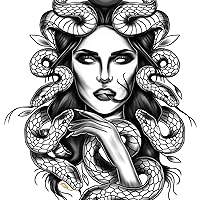
Written in 1879 (18 years before Dracula) by 19-year-old Marie Nizet, Captain Vampire, in its method and tone alike, is way ahead of its time. Although its plot has supernatural elements, and its antagonist is manifestly demonic, the novel's true purpose is to bring out the horror of war. A significant work in the history of horror fiction, it is undoubtedly one of the finest literary works ever to have made use of the vampire motif.
Yes, it was worth seeking out and reading. Attempts to get Horror - specifically, Dracula - fans to try this book out have almost nothing to do with a plot synopsis, but instead turn on some quick facts collected together and rattled off: it’s a vampire novella that showed up eighteen years before Bram Stoker’s masterpiece, the author was a 19 year old woman, and the pre-emptive strike against your or my “but is it any GOOD?” line is the tagline (on my translated edition, anyway) “one of the finest literary works ever to have made us of the motif” (meaning the vampire motif).
I dunno about that colossal assertion - but I do know that Liatoukine does have a whiff of Drac about him, and does succeed as a genuinely creepy precursor to a character who of course outshines him. After that, as Brian Stableford stresses in his Afterword to the edition I sampled, the book gets its own shine from how it differs from Stoker’s standard setter, and offers a very intriguing alternative look at an aristocratic vampire who terrorizes women after dark.
I’ve brought up Captain Vampire’s women victims, but with that said, this is not a vampire novel featuring sexual symbolism, vampire as sexual predator. So we lose that, and what we gain is a vampire symbolic of Russian dominance of the Rumanian people. To make it clearer, this - when it’s not being thrown at you as a neglected vampire fiction, gets side-hustled to readers as pretty intense and riveting war novel. In this time period, Russia controls the Rumanians and puts them in the front lines against the Turks. This, then, is a hint of Dracula meets, to my mind, The Red Badge of Courage. But the focus is tight on several key characters - most of them victimized one way or another by he who seemingly cannot die, Colonel Boris Liatoukine - and you won’t lose what is a lively fast-paced vampire tale to big military battles or planning-room dialogue that deadens the narrative. When it comes to the war content, less is more, but we always know who is dominant, who is dominated, and who the enemy is.
Author Nizet apparently became quite passionate about - and knowledgeable of - Rumanians, and also quite sympathetic over their treatment by the Russians. She drops a vampire into this, knows how to tell and propel a War Horror story (with specific focus on the lead-up to a particular military Offensive), and the result is definitely worth a look, bloodsucker enthusiasts. It is fair to say that she doesn’t quite figure out how to make the most of what she has got here, but hey, Dracula is a hard act to precede.
La única pega que le pondría sería que Liatoukine sale realmente poco. Pero en realidad como una de las primeras novelas de vampiros burgueses (antes de Dracula) está muy bien. Aunque se supone que esta novela era sobre todo belicista me esperaba más presencia de temas de guerra, pero al final no aparece tanto (lo cual mejor). Este libro no puede ser leído como una simple novela de fantasía de vampiros, está más bien tratada como un clásico de la literatura comentado (con un prólogo y un epílogo donde se habla de la importancia histórica y literaria de esta novela). A parte de esto, el libro la verdad es que está bastante interesante aunque, como dije antes, me falta más presencia vampírica de Liatoukine.
Je n'en avais jamais entendu parler avant de tomber dessus par hasard dans une petite librairie de quartier. Un "Capitaine vampire" officier russe dans un contexte de la guerre d'indépendance roumaine, d'une autrice belge : je l'ai tout de suite acheté. Ce n'est qu'après, en regardant la date de publication (1879) que je ça me heurte. Est ce que ce roman ne s'inscrirait pas dans les œuvres qui ont influencé Bram Stoker ? Si tout comme moi vous aimer vous plonger dans les textes vampiriques qui précèdent Dracula, je ne peux que vous le conseiller. Et la postface de Laurent Therer est à ne pas rater, c'est une lecture très intéressante !
È sicuramente interessante dal punto di vista storico, narra vicende della guerra tra Russia e Turchia in cui ha preso parte il popolo rumeno. Ho sbagliato ad aspettarmi una storia di vampiri, o comunque con una forte caratterizzazione fantastica o gotica. La scrittura è ironica e a tratti spassosa, con belle descrizioni.