

What do you think?

クーデルカ プラハ侵攻 68
プラハ市民はいかに戦車と向き合ったのか。20世紀の歴史的実験であった「プラハの春」の圧殺と、言葉を武器とした市民の抵抗の全てをとらえた、ロバート・キャパ賞受賞のドキュメント写真集。
295 pages, Paperback
First published April 17, 2008
About the author
Josef Koudelka
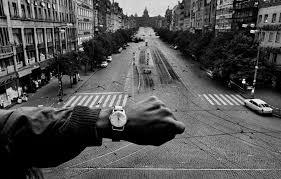
42 books39 followersJosef Koudelka was born in Czechoslovakia in 1938. He began his career as an aeronautical engineer, and started photographing gypsies in his spare time in 1962, before turning full-time to photography in the late 1960s. In 1968 Koudelka photographed the Soviet invasion of Prague, publishing his photographs under the initials P.P. (Prague photographer). In 1969, he was anonymously awarded the Overseas Press Club’s Robert Capa Gold Medal for the photographs. Koudelka left Czechoslovakia seeking political asylum in 1970, and shortly thereafter he joined Magnum Photos.
In 1975 his first book, Gypsies, was published by Aperture, and subsequent titles include Exiles (1988), Chaos (1999), Invasion 68: Prague (2008), and Wall (2013) and, most recently Ruines (2020). Koudelka has won major awards, such as the Prix Nadar (1978), Grand Prix National de la Photographie (1989), Grand Prix Cartier-Bresson (1991), and the Hasselblad Foundation International Award in Photography (1992).
Exhibitions of his work have been held at The Museum of Modern Art and the International Center of Photography, New York; Hayward Gallery, London; Stedelijk Museum of Modern Art, Amsterdam; Palais de Tokyo, Paris; Art Institute of Chicago; and Museum of Decorative Arts and the National Gallery, Prague. In 2012, he was named Commandeur de l’Ordre des Arts et des Lettres by the French Ministry of Culture and Communication. He is currently based in Paris and Prague.
In 1975 his first book, Gypsies, was published by Aperture, and subsequent titles include Exiles (1988), Chaos (1999), Invasion 68: Prague (2008), and Wall (2013) and, most recently Ruines (2020). Koudelka has won major awards, such as the Prix Nadar (1978), Grand Prix National de la Photographie (1989), Grand Prix Cartier-Bresson (1991), and the Hasselblad Foundation International Award in Photography (1992).
Exhibitions of his work have been held at The Museum of Modern Art and the International Center of Photography, New York; Hayward Gallery, London; Stedelijk Museum of Modern Art, Amsterdam; Palais de Tokyo, Paris; Art Institute of Chicago; and Museum of Decorative Arts and the National Gallery, Prague. In 2012, he was named Commandeur de l’Ordre des Arts et des Lettres by the French Ministry of Culture and Communication. He is currently based in Paris and Prague.
Ratings & Reviews
Friends & Following
Create a free account to discover what your friends think of this book!
Community Reviews
Displaying 1 - 12 of 12 reviews

Want to Read
December 26, 2015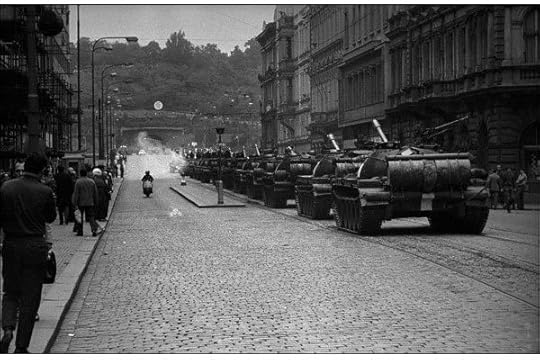



April 3, 2026
Pere se ve mně rozpor v hodnocení Koudelky a redakční práce Torstu... Koudelkově práci není co vytknout. Je neuvěřitelné, že i při tak reportážní práci, jako je zachycení pražských ulic v srpnu 1968, umí být v centru dění na blízku lidem, akci, protestům, oběma stranám barikád, přestřelkám. A přitom to není pouze reportážní fotka stylem "dvacet fotek na jednu povedenou". Ne, drží si ve většině případů "street art photo" kompozici a přesah. Vzniká tak něco, co málokdy jde ruku v ruce. Reportážní zachycení dějiné události stejně jako umění samo o sobě. V tomto ohledu jde o publikaci, která by se měla zařadit mezi povinnou četbu. Silné a vypovídající fotky doplněné údernými a neméně silnými útržky výpovědí svědků událostí či projevů.
Pak je zde práce Torstu. Daly si mravenčí práci dát dokupy dechberoucí množství fotek (ani tak nejsou všechny), mnohé vůbec poprvé (a nikterak nezaostávají za těmi proslulými) a výpovědi. To vše v nádherně vyprodukované publikaci. Fotkám se dostala náležitá technická péče. Potud všechna čest. Jenže..
Hnidopišský detail je, že se skladba fotek nedrží chronologie, což je u dokumentárního žánru s podivem. Drží jí to v blocích (ráno, odpoledne, další dny), ale ne v rámci oněch bloků. A tak se skáče po lokacích, fotky focené na stejném místě se stejnými lidmi od sebe dělí několik stran apod. Žádný systém. Jde o drobný detail, ale zamrzí, ne že ne.
Více zarazí, že se to drží příručky moderního designu "jak dělat foto knihu". Což je způsob, který sice sedne street fotkám, ne už tak reportážní tvorbě zachycující událost. Plýtvá se tak místem, kde se dá. Ano, dopad prázdného prostoru nepopírám, ale tady se ho nadužívá směšným způsobem. Čili vás typicky čeká dvojstrana s jednou citací, následuje dvojstrana s jednou fotkou (např. nepovedenou a rozostřenou), aby následovala dvojstrana, kam se nacpe 16 náhledů o mnohém zřejmě vypovídajících fotek. Zřejmě, jelikož ta pidi okénka čest bohatosti Koudelkovy kompozice nedělají. Ani v nejmenším. Koho toto napadlo? Možná je to pokus o "jakože portfolio s náhledem na negativy", možná něco jiného. A pak, samozřejmě, na just následuje v podstatě prázdná dvojstrana. Grrr.
I tak povinná "prohlížečka" pro jednoho každého našince a pro jednoho každého, kdo má rád sakra působivou a nadčasovou fotografii. Koudelkova práce tady jednoznačně přebijí i drobné neduhy redakční práce Torstu.
Pak je zde práce Torstu. Daly si mravenčí práci dát dokupy dechberoucí množství fotek (ani tak nejsou všechny), mnohé vůbec poprvé (a nikterak nezaostávají za těmi proslulými) a výpovědi. To vše v nádherně vyprodukované publikaci. Fotkám se dostala náležitá technická péče. Potud všechna čest. Jenže..
Hnidopišský detail je, že se skladba fotek nedrží chronologie, což je u dokumentárního žánru s podivem. Drží jí to v blocích (ráno, odpoledne, další dny), ale ne v rámci oněch bloků. A tak se skáče po lokacích, fotky focené na stejném místě se stejnými lidmi od sebe dělí několik stran apod. Žádný systém. Jde o drobný detail, ale zamrzí, ne že ne.
Více zarazí, že se to drží příručky moderního designu "jak dělat foto knihu". Což je způsob, který sice sedne street fotkám, ne už tak reportážní tvorbě zachycující událost. Plýtvá se tak místem, kde se dá. Ano, dopad prázdného prostoru nepopírám, ale tady se ho nadužívá směšným způsobem. Čili vás typicky čeká dvojstrana s jednou citací, následuje dvojstrana s jednou fotkou (např. nepovedenou a rozostřenou), aby následovala dvojstrana, kam se nacpe 16 náhledů o mnohém zřejmě vypovídajících fotek. Zřejmě, jelikož ta pidi okénka čest bohatosti Koudelkovy kompozice nedělají. Ani v nejmenším. Koho toto napadlo? Možná je to pokus o "jakože portfolio s náhledem na negativy", možná něco jiného. A pak, samozřejmě, na just následuje v podstatě prázdná dvojstrana. Grrr.
I tak povinná "prohlížečka" pro jednoho každého našince a pro jednoho každého, kdo má rád sakra působivou a nadčasovou fotografii. Koudelkova práce tady jednoznačně přebijí i drobné neduhy redakční práce Torstu.
January 21, 2023
Volumul „Invazie Praga 68” de Josef Koudelka este în egală măsură un senzațional album foto cu valoare de reportaj dar și o adevărată lecție de istorie scrisă aproape „în timp real”, care readuce în lumină evenimentele dramatice din zilele de 21 - 27 august 1968, mai exact invadarea Cehoslovaciei de către armatele reunite ale URSS, RDG, Polonia, Ungaria și Bulgaria (România fiind singura țară membră a Tratatului de la Varșovia care a refuzat să participe la invazie), pentru simplul motiv că Partidul Comunist Cehoslovac, sub noua conducere a lui Alexander Dubcek, adoptase o serie de măsuri democratice, printre care eliminarea cenzurii, acordarea dreptului la reuniune, precum și dreptul cetățenilor de a participa la viața politică prin vocea opiniei publice, măsuri care, în viziunea Moscovei, puneau în pericol revoluția socialistă. Instantaneele fotografice ale lui Koudelka (care a fost nevoit să își păstreze anonimatul timp de 20 de ani) sunt însoțite de o suită de declarații ale unor martori oculari, majoritatea răniți în timpul ostilităților, precum și de comunicatele oficiale ale mass-media și ale conducătorilor legitimi ai Cehoslovaciei. Sunt redate, pentru acuratețea documentării inclusiv fake news-urile propagate fie de radiourile ocupanților, fie de oamenii de stat colaboraționiști cu ocupanții. Pentru mine a fost o carte document, mai ales pentru că nu cunoșteam mare lucru despre această invazie.
April 8, 2020
Un album foto impresionant. O lectie de istorie directa, fara cosmetizari.

August 25, 2024
Stunning. Such a beautiful book about such a terrible event. The photography is amazing and the quality of the printing is flawless. Also the images are mixed very efficiently with statements, witness testimonies, radio appeals, and a short story of it all. So glad I found the last copy at the bookstore.
July 28, 2019
O veritabilă capodoperă.
"Elefantul nu poate înghiți un arici." Deși cunoșteam evenimentele din 1968, nu am putut cuprinde niciodată în integralitate măreția spiritului de rezistență al praghezilor - un fenomen aproape de neegalat.
"Elefantul nu poate înghiți un arici." Deși cunoșteam evenimentele din 1968, nu am putut cuprinde niciodată în integralitate măreția spiritului de rezistență al praghezilor - un fenomen aproape de neegalat.
August 21, 2014
A terrific, unique book about one of the most traumatic events in the history of Czechoslovakia. In 1948 Czechoslovakia became a communist state after a coup. The fifties became a stifling period of political oppression, show trials, stalinism and fear. The 1960's showed a slow change, a thaw in the freezing cold of the communist dictature. The climax of these developments became the brief period which we now know as the 'Prague Spring'. The arts became more free, there was some room for criticism and the people openly asked for 'socialism with a human face'. But in august the Soviet Union (led by Brezhnev, a more hard-line stalinist/communist than his predecessor Chruschev) intervened, with the help of some countries involved in the Warsaw Pact. They invaded Czechoslovakia in the night of august the 20th/21st. The Soviet soldiers, thinking they had to fight 'fascists', often didn't even know where they were or what exactly was happening. The people resisted heavily. They threw stones at the tanks or cursed at the soldiers, but often they tried to use a pacific approach, offering the soldiers flowers and talking to them.
Josef Koudelka, a Czech photographer, took his camera and mingled in the masses on the streets. The result is a series of endlessly impressive photographs. Invasie 68 (the Dutch version of the book - it's been printed in a lot of languages) shows these photographs, beautifully arranged on large pages. The photographs show fervor, fear, anger, despair, pride, hope, determination, shock, courage - all of these things often in strong clashes. Their beauty is tragic and intense. It shows people, normal, ordinary people, fighting to protect their country and their freedom - and they suddenly become heroic. In my opinion, the strenghth of the photographs is sometimes almost indescribable. It's touching. The photographs are alternated with short texts, for example the text that was broadcast on the radio when the invasion began.
I can really recommend this book to everyone interested in photography and/or history. Have a look at it (or at least Google 'Josef Koudelka Invaze 68'). You won't regret it.
Josef Koudelka, a Czech photographer, took his camera and mingled in the masses on the streets. The result is a series of endlessly impressive photographs. Invasie 68 (the Dutch version of the book - it's been printed in a lot of languages) shows these photographs, beautifully arranged on large pages. The photographs show fervor, fear, anger, despair, pride, hope, determination, shock, courage - all of these things often in strong clashes. Their beauty is tragic and intense. It shows people, normal, ordinary people, fighting to protect their country and their freedom - and they suddenly become heroic. In my opinion, the strenghth of the photographs is sometimes almost indescribable. It's touching. The photographs are alternated with short texts, for example the text that was broadcast on the radio when the invasion began.
I can really recommend this book to everyone interested in photography and/or history. Have a look at it (or at least Google 'Josef Koudelka Invaze 68'). You won't regret it.

March 3, 2014
Incercam sa imi aduc aminte daca am mai vazut vreodata un album de fotografie mai tulburator decat acesta. Nu ingrozitor, nu terifiant sau violent, ci tulburator in sensul cel mai patetic pe care-l poate cuprinde acest cuvant... Nu trebuie decat sa te uiti la cateva poze si ai sa intelegi ce vreau sa spun.
Volumul incepe cu o trecere in revista a situatiei politice si a partidului comunist de la preluarea puterii si pana la decredibilizarea acestuia care a dus la Primavara de la Praga si, ulterior, la invazia tarii (mai este si un cuvant al autorului la adresa Romaniei, frumos din partea sa). Dupa care ne este prezentat comunicatul de presa care anunta invazia Cehoslovaciei de trupe ale semnatarelor tratatului de la Varsovia.
Si mai apoi incepe povestea tragica in imagini a praghezilor, poveste redata de un fotograf amator, Josef Koudelka, care a suprins toate sentimentele pe care cetatenii invadati le-au trait in acea perioada.
Unele poze sunt poezie curata. Poezie patriotica, scrisa si rostita cu patos care-ti fac urechile sa tiuie si sufletul sa ti se umple de curaj. Oameni fara aparare care indreapta degete acuzatoarea inspre soldatii de pe tancuri. Tineri care ridica mainile si ii iau la rost pe comandantii care se uita la ei nedumeriti. Barbati care se indreapta spre gulerele tunicilor care le-au invadat tara. Oameni care denunta asa zisa prietenie a sovieticilor si desenand zvastici pe tancuri.
Imaginile sunt cutremuratoare si foarte graitoare. Mai ca simti tensiunea si curajul oamenilor care arata dispozitia de a-si apara tara cu mainile goale.
Albumul este pigmentat ici-colo cu rapoarte si comunicate de presa care explica si amplifica forta imaginilor.
Nu m-am putut abtine sa nu caut si poze de la Revolutia din '89 de la noi din tara ca sa vad daca regasesc aceleasi sentimente pe care mi le-a trezit Koudelka. Din pacate, nu... In pozele lui Koudelka am vazut un popor demn pe cand in pozele de la Timisoara si Bucuresti am vazut un popor disperat... Daca pozele lui Koudelka sunt poezii eroice, ale noastre sunt curate doine.
Volumul incepe cu o trecere in revista a situatiei politice si a partidului comunist de la preluarea puterii si pana la decredibilizarea acestuia care a dus la Primavara de la Praga si, ulterior, la invazia tarii (mai este si un cuvant al autorului la adresa Romaniei, frumos din partea sa). Dupa care ne este prezentat comunicatul de presa care anunta invazia Cehoslovaciei de trupe ale semnatarelor tratatului de la Varsovia.
Si mai apoi incepe povestea tragica in imagini a praghezilor, poveste redata de un fotograf amator, Josef Koudelka, care a suprins toate sentimentele pe care cetatenii invadati le-au trait in acea perioada.
Unele poze sunt poezie curata. Poezie patriotica, scrisa si rostita cu patos care-ti fac urechile sa tiuie si sufletul sa ti se umple de curaj. Oameni fara aparare care indreapta degete acuzatoarea inspre soldatii de pe tancuri. Tineri care ridica mainile si ii iau la rost pe comandantii care se uita la ei nedumeriti. Barbati care se indreapta spre gulerele tunicilor care le-au invadat tara. Oameni care denunta asa zisa prietenie a sovieticilor si desenand zvastici pe tancuri.
Imaginile sunt cutremuratoare si foarte graitoare. Mai ca simti tensiunea si curajul oamenilor care arata dispozitia de a-si apara tara cu mainile goale.
Albumul este pigmentat ici-colo cu rapoarte si comunicate de presa care explica si amplifica forta imaginilor.
Nu m-am putut abtine sa nu caut si poze de la Revolutia din '89 de la noi din tara ca sa vad daca regasesc aceleasi sentimente pe care mi le-a trezit Koudelka. Din pacate, nu... In pozele lui Koudelka am vazut un popor demn pe cand in pozele de la Timisoara si Bucuresti am vazut un popor disperat... Daca pozele lui Koudelka sunt poezii eroice, ale noastre sunt curate doine.

August 9, 2012
Incredible inside look at the Russian invasion of Czechoslovakia in 1968. Koudelka had to smuggle the negatives out of the country and couldn't take credit for them until his family in the country had passed on as he was afraid of reprisals. Excellent photography intermixed with documents and transcripts of radio broadcasts from the event. It's sobering as well because you can readily envision this happening to you, in your city, due to Koudelka's being in the middle of all that was going on. He wasn't a photojournalist covering this event for a major agency, this was happing to him, in his city which makes the work truly authentic.

September 5, 2008
For both content and composition, I think Koudelka's fotos from the Soviet Occupation of Prague are matchless. For anyone interested in this moment of history, the book incorporates amazing historical documents in addition to the images. This book could have another subtitle: Witness How to Witness. I suppose that could be said of all of Koudelka's best work. Sorry, I'm a bit infatuated with this right now.

April 27, 2015
Mentre Praga viene occupata dai carri armati sovietici per soffocare la sua "primavera" politica del 1968, un allucinato Koudelka si aggira per la città scattando parecchi rullini poi inviati all'estero per essere pubblicati anonimamente.
Un reportage simbolo del fotogiornalismo, emozionante al di là della bellezza delle immagini.
Un reportage simbolo del fotogiornalismo, emozionante al di là della bellezza delle immagini.

August 9, 2011
Impresionante documento gráfico sobre la invasión de Praga por las fuerzas soviéticas, en agosto del 68.
Displaying 1 - 12 of 12 reviews