What do you think?
Rate this book


The #1 New York Times bestseller: "It is the work of our greatest financial journalist, at the top of his game. And it's essential reading."—Graydon Carter, Vanity Fair
The real story of the crash began in bizarre feeder markets where the sun doesn't shine and the SEC doesn't dare, or bother, to tread: the bond and real estate derivative markets where geeks invent impenetrable securities to profit from the misery of lower- and middle-class Americans who can't pay their debts. The smart people who understood what was or might be happening were paralyzed by hope and fear; in any case, they weren't talking.Audiobook
First published March 15, 2010


The smart way to keep people passive and obedient is to strictly limit the spectrum of acceptable opinion, but allow very lively debate within that spectrum — even encourage the more critical and dissident views. That gives people the sense that there's free thinking going on, while all the time the presuppositions of the system are being reinforced by the limits put on the range of the debate.--For deeper analysis/alternatives of Finance Capitalism/2008 Financial Crisis:
-Noam Chomsky
Inside Morgan Stanley, the subprime lending boom created a who-put-chocolate-in-my-peanut-butter moment. (p.201)
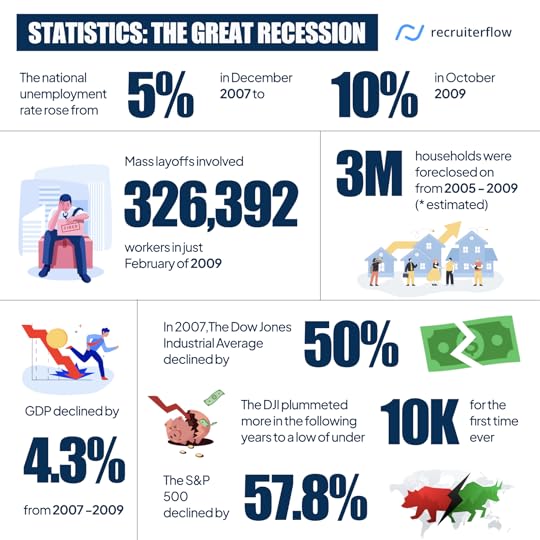
It was as if bombs of differing sizes had been placed in virtually every major financial institution. The fuses had been lit and could not be extinguished. All that remained was to observe the speed of the spark, and the size of the explosions. (p.225)


Goldman Sachs did not leave the house before it began to burn - it was merely the first to dash through the exit. And then, it closed the door behind it.