

What do you think?

The Dead of Winter
Michael Vyner recalls a terrible story, one that happened to him. One that would be unbelievable if it weren't true! Michael's parents are dead and he imagines that he will stay with the kindly lawyer, executor of his parents' will ...Until he is invited to spend Christmas with his guardian in a large and desolate country house. His arrival on the first night suggests something is not quite right when he sees a woman out in the frozen mists, standing alone in the marshes. But little can prepare him for the solitude of the house itself as he is kept from his guardian and finds himself spending the Christmas holiday wandering the silent corridors of the house seeking distraction. But lonely doesn't mean alone, as Michael soon realises that the house and its grounds harbour many secrets, dead and alive, and Michael is set the task of unravelling some of the darkest secrets of all. This is a nail-biting story of hauntings and terror by the master of the genre, Chris Priestley
219 pages, Hardcover
First published October 1, 2010
About the author
Chris Priestley
61 books403 followersHis father was in the army and so he moved around a lot as a child and lived in Wales. He was an avid reader of American comics as a child, and when he was eight or nine, and living in Gibraltar, he won a prize in a newspaper story-writing competition. He decided then “that my ambition was to write and illustrate my own book”.
He spent his teens in Newcastle-upon-Tyne, before moving to Manchester, London and then Norfolk. He now lives in Cambridge with his wife and son where he writes, draws, paints, dreams and doodles (not necessarily in that order). Chris worked as an illustrator and cartoonist for twenty years, working mainly for magazines & newspapers (these include The Times, The Guardian, The Independent, The Economist and the Wall Street Journal) before becoming a writer. He currently has a weekly strip cartoon called 'Payne's Grey' in the New Statesman.
Chris has been a published author since 2000. He has written several books for children & young-adults, both fiction and non-fiction, and
has been nominated for many awards including the Edgar Awards, the UKLA Children's Book Award and the Carnegie Medal. In recent years he has predominantly been writing horror.
Ever since he was a teenager Chris has loved unsettling and creepy stories, with fond memories of buying comics like 'Strange Tales' and 'House of Mystery', watching classic BBC TV adaptations of M R James ghost stories every Christmas and reading assorted weirdness by everyone from Edgar Allen Poe to Ray Bradbury. He hopes Uncle Montague's Tales of Terror will haunt his readers in the way those writers have haunted him.
He spent his teens in Newcastle-upon-Tyne, before moving to Manchester, London and then Norfolk. He now lives in Cambridge with his wife and son where he writes, draws, paints, dreams and doodles (not necessarily in that order). Chris worked as an illustrator and cartoonist for twenty years, working mainly for magazines & newspapers (these include The Times, The Guardian, The Independent, The Economist and the Wall Street Journal) before becoming a writer. He currently has a weekly strip cartoon called 'Payne's Grey' in the New Statesman.
Chris has been a published author since 2000. He has written several books for children & young-adults, both fiction and non-fiction, and
has been nominated for many awards including the Edgar Awards, the UKLA Children's Book Award and the Carnegie Medal. In recent years he has predominantly been writing horror.
Ever since he was a teenager Chris has loved unsettling and creepy stories, with fond memories of buying comics like 'Strange Tales' and 'House of Mystery', watching classic BBC TV adaptations of M R James ghost stories every Christmas and reading assorted weirdness by everyone from Edgar Allen Poe to Ray Bradbury. He hopes Uncle Montague's Tales of Terror will haunt his readers in the way those writers have haunted him.
Ratings & Reviews
Friends & Following
Create a free account to discover what your friends think of this book!
Community Reviews
Displaying 1 - 30 of 261 reviews

May 5, 2020
Un gran homenaje a los cuentos de Edgar Allan Poe. La historia puede resultar sencilla, pero cumple con todos los parametros del gótico: apariciones paranormales, escenario arquitectónico antiguo y espacioso, historia turbia y dramática como trasfondo, largas descripciones de situaciones sencillas (que a mi parecer no fueron densas, sino que las disfruté enormemente). Una linda historia de terror gótico.
Link de la videoreseña: https://www.youtube.com/watch?v=1wqDF...
Link de la videoreseña: https://www.youtube.com/watch?v=1wqDF...

December 9, 2014
'It has escaped, you know,' he said matter-of-factly. 'It used to be simply noises. The noises were dreadful enough. But now sometimes I think I see it in the shadows.'
A young orphan finds his life forever changed when he is sent to spend Christmas at the haunted estate owned by a man whose life was saved by the boy's father.
There's an old-fashioned feel to this story and as such, it may seem rather tame for the horror genre, but there ARE some genuinely creepy moments. It's also a bit predictable, though the intended audience, the younger set, may not guess the climax. The story probably only deserves three stars, but for solid writing, good dialogue and interesting characters, I'll tack on an extra.
He laughed at this and pulled me towards him.
'What say we jump, Michael?' he said. 'Eh?'
I wriggled away from him and he laughed, climbing up so that he now stood on the edge.
'Just me, then?' he said, glancing at me over his shoulder as he teetered on the brink, and I saw that he meant to do it.
'No!' I shouted. 'My father died to save your life. Don't you dare waste it!'
All in all, a tale well told about things that go bump and fleeting images glimpsed only from the corner of one's eye.
A young orphan finds his life forever changed when he is sent to spend Christmas at the haunted estate owned by a man whose life was saved by the boy's father.
There's an old-fashioned feel to this story and as such, it may seem rather tame for the horror genre, but there ARE some genuinely creepy moments. It's also a bit predictable, though the intended audience, the younger set, may not guess the climax. The story probably only deserves three stars, but for solid writing, good dialogue and interesting characters, I'll tack on an extra.
He laughed at this and pulled me towards him.
'What say we jump, Michael?' he said. 'Eh?'
I wriggled away from him and he laughed, climbing up so that he now stood on the edge.
'Just me, then?' he said, glancing at me over his shoulder as he teetered on the brink, and I saw that he meant to do it.
'No!' I shouted. 'My father died to save your life. Don't you dare waste it!'
All in all, a tale well told about things that go bump and fleeting images glimpsed only from the corner of one's eye.

Read
March 6, 2017No pude contra la cantidad de descripciones TT_TT
Solo leí 100 y pico de páginas, pero se me hizo eterno. El narrador es un niño y su voz es la de un niño de 50 años. No me interesaba nada de lo que ocurría, no me generaba tensión ni nada parecido.
No lo voy a terminar, tengo otras mil cosas que leer.
DNF 51%
Solo leí 100 y pico de páginas, pero se me hizo eterno. El narrador es un niño y su voz es la de un niño de 50 años. No me interesaba nada de lo que ocurría, no me generaba tensión ni nada parecido.
No lo voy a terminar, tengo otras mil cosas que leer.
DNF 51%

March 3, 2011
Review from Badelynge.
Imagine if Le Fanu had tried to write for a YA market and he might have produced something like The Dead of Winter. I'm sure Chris Priestley would cite him as one of his primary influences, along with others like Elizabeth Gaskell. Her 'The Old Nurse's Story' springs to mind quite strongly. The book, more a novella, is artfully written, perfectly invoking the Victorian setting that uses as much Gothic imagery and motifs as it can possibly pack into the page count. Michael Vyner is a young orphan, who becomes the ward of a rich man whose life was saved by the boy's late father. Reluctantly he agrees to spend Christmas at his sprawling mansion. What is it about ghost stories and Christmas? I blame Dickens - no, I blame the Victorians. Now I have to read every ghost story with the nagging compulsion that I should have saved it for Christmas. This one is told in the first person (what other form would suffice?) by the adult version of the boy, writing an account of that fateful Christmas. The mystery is too slight though for a book of this length. The atmosphere is well maintained but there is not really enough complexity to the plot to make the conclusion anything other than expected.
Imagine if Le Fanu had tried to write for a YA market and he might have produced something like The Dead of Winter. I'm sure Chris Priestley would cite him as one of his primary influences, along with others like Elizabeth Gaskell. Her 'The Old Nurse's Story' springs to mind quite strongly. The book, more a novella, is artfully written, perfectly invoking the Victorian setting that uses as much Gothic imagery and motifs as it can possibly pack into the page count. Michael Vyner is a young orphan, who becomes the ward of a rich man whose life was saved by the boy's late father. Reluctantly he agrees to spend Christmas at his sprawling mansion. What is it about ghost stories and Christmas? I blame Dickens - no, I blame the Victorians. Now I have to read every ghost story with the nagging compulsion that I should have saved it for Christmas. This one is told in the first person (what other form would suffice?) by the adult version of the boy, writing an account of that fateful Christmas. The mystery is too slight though for a book of this length. The atmosphere is well maintained but there is not really enough complexity to the plot to make the conclusion anything other than expected.

August 28, 2016
No está mal. Muy clásico dentro del género, el autor hizo un buen trabajo con la átmosfera gótica.
Tal vez es algo pretencioso y posea más descripciones de las necesarías (incluso en una novela de este estilo), pero es entretenido.
Tal vez es algo pretencioso y posea más descripciones de las necesarías (incluso en una novela de este estilo), pero es entretenido.

October 9, 2017
*No outright spoilers but my critique may hint at them through discussion of the novel's flaws.
Michael Vyner is orphaned, lost, and distraught as he’s nudged from his mother’s grave to the guardianship of his benefactor. An isolated and foreboding estate awaits him along with its secrets, horrors, and mysteries.
From the start, the first person narration echoes elements of gothic fiction while evoking nods to Victorian works such as Dicken’s and later horror techniques of Stephen King (think Great Expectations meets The Shining). While the writing was promising and the scenes well painted, after a while it was clear that this story was nothing new, and in fact, rehashing something quite tired and old.
It's been over forty years since feminist literary scholars Gilbert and Gubar exposed the polarizing and equally pigeonholing archetypes of woman as “angel” and “monster” in literature by men in their fundamental feminist literary analysis publication, The Madwoman in the Attic: The Woman Writer and the Nineteenth-Century Literary Imagination. Sadly, this story is a perfect example of the concept. All the women presented here are damsels in distress or the devil, victims or victimizers. Several of them are even nameless or known simply by their role in the male protagonist’s life. There’s nothing to be gained by emulating the relegation of women into stifling representations of either angel or monster, where they are either helpless victims or evil incarnate. To add insult to injury, the novel then exults in affirming the male characters’ sensibilities of insight, perception, understanding, and heroism. And thus, the young male protagonist finds kinship with the mature male characters, joining the good old boys club of fiction, of “heroes” and “survivors.” (Even the male dog is portrayed this way.) This is not the type of coming-of-age story, one where all the women in the male’s life have deserted him, traumatized him, or been made helpless victims, that young male readers should be reading, nor is it one that young females should accept.
Thus, the real horror here is the novel’s reliance on flat, stereotypical depictions of female characters. That kind of characterization isn’t simply cringe-worthy; it’s archaic. One dimensional characterization that feminist literary scholars have been decrying for decades should not be appearing in young adult fiction written in the 21st century. Modern fiction writers should know when to draw on classic literary periods and when to transcend them.
I initially purchased this title for use in a mystery/suspense literary unit for my children’s homeschool studies. But even that angle falls short since the extensive clichéd prototypes that took the place of character development revealed an inability to formulate complex antagonists alongside a failure to craft a compelling reveal and resolution in the mystery genre. I ultimately ended up using it to teach an introduction to feminist literary theory. Thus, I do not recommend this book to young adults, but if your child or student is reading it, a feminist literary analysis should accompany it. (https://book-bosomed.blogspot.com/201...) This novel simply perpetuates too many misrepresentations of women to ignore the misogynist messages it sends.
*All reviews written by Book-Bosomed Book Blog are honest opinions.
Michael Vyner is orphaned, lost, and distraught as he’s nudged from his mother’s grave to the guardianship of his benefactor. An isolated and foreboding estate awaits him along with its secrets, horrors, and mysteries.
From the start, the first person narration echoes elements of gothic fiction while evoking nods to Victorian works such as Dicken’s and later horror techniques of Stephen King (think Great Expectations meets The Shining). While the writing was promising and the scenes well painted, after a while it was clear that this story was nothing new, and in fact, rehashing something quite tired and old.
It's been over forty years since feminist literary scholars Gilbert and Gubar exposed the polarizing and equally pigeonholing archetypes of woman as “angel” and “monster” in literature by men in their fundamental feminist literary analysis publication, The Madwoman in the Attic: The Woman Writer and the Nineteenth-Century Literary Imagination. Sadly, this story is a perfect example of the concept. All the women presented here are damsels in distress or the devil, victims or victimizers. Several of them are even nameless or known simply by their role in the male protagonist’s life. There’s nothing to be gained by emulating the relegation of women into stifling representations of either angel or monster, where they are either helpless victims or evil incarnate. To add insult to injury, the novel then exults in affirming the male characters’ sensibilities of insight, perception, understanding, and heroism. And thus, the young male protagonist finds kinship with the mature male characters, joining the good old boys club of fiction, of “heroes” and “survivors.” (Even the male dog is portrayed this way.) This is not the type of coming-of-age story, one where all the women in the male’s life have deserted him, traumatized him, or been made helpless victims, that young male readers should be reading, nor is it one that young females should accept.
Thus, the real horror here is the novel’s reliance on flat, stereotypical depictions of female characters. That kind of characterization isn’t simply cringe-worthy; it’s archaic. One dimensional characterization that feminist literary scholars have been decrying for decades should not be appearing in young adult fiction written in the 21st century. Modern fiction writers should know when to draw on classic literary periods and when to transcend them.
I initially purchased this title for use in a mystery/suspense literary unit for my children’s homeschool studies. But even that angle falls short since the extensive clichéd prototypes that took the place of character development revealed an inability to formulate complex antagonists alongside a failure to craft a compelling reveal and resolution in the mystery genre. I ultimately ended up using it to teach an introduction to feminist literary theory. Thus, I do not recommend this book to young adults, but if your child or student is reading it, a feminist literary analysis should accompany it. (https://book-bosomed.blogspot.com/201...) This novel simply perpetuates too many misrepresentations of women to ignore the misogynist messages it sends.
*All reviews written by Book-Bosomed Book Blog are honest opinions.

December 28, 2011
Thanks to Amazon failing to present things clearly enough (grrr), I had no idea this was supposed to be a book for kids until I'd spotted it in my recommendations, added it to my wishlist and duly purchased it when it was reduced to 99p in the Kindle sale. Still, it sounded like a decent little ghost story and the opening chapter seemed fairly well-written (and not especially childish), so why not?
Suffice to say, I was very pleasantly surprised by this little book! The narrator, Michael Vyner, begins his story as an adult, looking back on events from his childhood. Orphaned as a boy by the death of his beloved mother, he is sent to live with his legal guardian Sir Stephen Clarendon - the man his father died in the act of saving - at an imposing, desolate country manor, Hawton Mere. Immediately upon his arrival at the house, Michael has a strong suspicion that there is something mysterious, even otherworldly, about the place. He is the victim of a number of increasingly sinister incidents which seem to be leading him towards a dreadful conclusion about Sir Stephen and the supposed suicide of his late wife... But naturally, all is not as it seems, even when it comes to the 'haunting' of the Mere.
There was something in the resolution of the main plot that was rather obvious and predictable, but I will forgive the book this, since it is intended to be read by a much younger audience than myself. And in any case, this was then followed by another twist I truly hadn't anticipated. For those who enjoy short but sweet, spooky and atmospheric ghost stories, I would urge you not to be put off by the fact that this is a children's book. It's beautifully written and constructed, and delivers some genuine thrills.
Suffice to say, I was very pleasantly surprised by this little book! The narrator, Michael Vyner, begins his story as an adult, looking back on events from his childhood. Orphaned as a boy by the death of his beloved mother, he is sent to live with his legal guardian Sir Stephen Clarendon - the man his father died in the act of saving - at an imposing, desolate country manor, Hawton Mere. Immediately upon his arrival at the house, Michael has a strong suspicion that there is something mysterious, even otherworldly, about the place. He is the victim of a number of increasingly sinister incidents which seem to be leading him towards a dreadful conclusion about Sir Stephen and the supposed suicide of his late wife... But naturally, all is not as it seems, even when it comes to the 'haunting' of the Mere.
There was something in the resolution of the main plot that was rather obvious and predictable, but I will forgive the book this, since it is intended to be read by a much younger audience than myself. And in any case, this was then followed by another twist I truly hadn't anticipated. For those who enjoy short but sweet, spooky and atmospheric ghost stories, I would urge you not to be put off by the fact that this is a children's book. It's beautifully written and constructed, and delivers some genuine thrills.

Read
December 28, 2022Dnf at page 20. I'm not far, but I'm so bored that I dread picking this book up. So, instead of pushing myself to read a book I don't like and possibly putting myself into a reading slump, I'm not going farther with this book. Maybe it's the writing style? Either way, I'm not pursuing this book any longer.

June 3, 2019
I had never read a Chris Priestley story (I a now a bit wary of horror stories intended for children) - but when I found out that he lived in Cambridge (and this novel is set in Ely!) I couldn't pass it up.
Michael recalls a sad time when both his parents died, and because of this he believes that he is to stay with his parent's lawyer, the executor of their will. However, soon it becomes clear that he will in fact be staying with his guardian over Christmas in his old, terrifying mansion. On his first night he sees something that he can't quite comprehend (a woman standing alone in the marshes) and as the loneliness sets in, he has no one to talk to (his guardian is confined to his bedroom due to an illness, and his sister takes on the task of caring for him all day and night) and because of this he starts to explore the more abandoned and desolute parts of the house that ordinarily wouldn't be glimpsed. The house has many secrets, but will Michael manage to survive his time there?
Scary, gripping, nicely plotted and just the right length!
Michael recalls a sad time when both his parents died, and because of this he believes that he is to stay with his parent's lawyer, the executor of their will. However, soon it becomes clear that he will in fact be staying with his guardian over Christmas in his old, terrifying mansion. On his first night he sees something that he can't quite comprehend (a woman standing alone in the marshes) and as the loneliness sets in, he has no one to talk to (his guardian is confined to his bedroom due to an illness, and his sister takes on the task of caring for him all day and night) and because of this he starts to explore the more abandoned and desolute parts of the house that ordinarily wouldn't be glimpsed. The house has many secrets, but will Michael manage to survive his time there?
Scary, gripping, nicely plotted and just the right length!

August 14, 2010
The Dead of Winter is the type of old school gothic horror that I just love. I should point out that as a big fan of Edgar Allen Poe I like my horror to be chilling, suspenseful and just a little twisted, rather than gratuitously violent or gory. This one, reminiscent of Poe's work in it's themes, ticked all the right boxes for me. It’s the perfect spooky read just in time for Halloween. Priestly presents us with a host of characters who are slightly unhinged and untrustworthy and a creepy house with a dark history and lots of sinister secrets.
The book is narrated by Michael Vyner, a young boy, who following his mothers death, is sent to live with his guardian Sir Stephen Clarendon at his isolated mansion Hawton Mere. For me, all the best scary books feature a big old creepy house, and this one, isolated and surround by marshes and mist and fog does not disappoint. Hawton Mere is one of those houses that takes on a life of it’s own in the story. It’s bleak and gloomy, and has a dark and scary history. It’s clear right from the start that something is not quite right with the house, or with Sir Stephen himself. He is presented to us as a truly creepy character. Mentally disturbed and totally unhinged, he is haunted by his wife’s death and his brutal childhood.
With the house and it’s inhabitants, Priestly applies many elements of the gothic tradition to his writing, and it works so well. This story has it’s ghosts and hauntings, along with themes of death, decay, madness and deep-rooted family secrets. Like Poe, Priestly focuses on the internal terrors of the mind, and the torment here is definitely psychological and very unnerving.
To start with I found this book a little slow, but I was soon gripped by the story and it certainly didn’t disappoint with lots of plot twists and a few surprises on the way. The writing style is simple and direct so as to appeal to younger readers, and it makes for a quick but unsettling read. The horror in this book creeps up on you, and after you’ve finished it will stay with you and play on your mind. I read it late at night, of course, and if you do the same, maybe you’ll want to think about sleeping with the lights on when you read the ending of this one! Recommended for a truly spooky read!
The book is narrated by Michael Vyner, a young boy, who following his mothers death, is sent to live with his guardian Sir Stephen Clarendon at his isolated mansion Hawton Mere. For me, all the best scary books feature a big old creepy house, and this one, isolated and surround by marshes and mist and fog does not disappoint. Hawton Mere is one of those houses that takes on a life of it’s own in the story. It’s bleak and gloomy, and has a dark and scary history. It’s clear right from the start that something is not quite right with the house, or with Sir Stephen himself. He is presented to us as a truly creepy character. Mentally disturbed and totally unhinged, he is haunted by his wife’s death and his brutal childhood.
With the house and it’s inhabitants, Priestly applies many elements of the gothic tradition to his writing, and it works so well. This story has it’s ghosts and hauntings, along with themes of death, decay, madness and deep-rooted family secrets. Like Poe, Priestly focuses on the internal terrors of the mind, and the torment here is definitely psychological and very unnerving.
To start with I found this book a little slow, but I was soon gripped by the story and it certainly didn’t disappoint with lots of plot twists and a few surprises on the way. The writing style is simple and direct so as to appeal to younger readers, and it makes for a quick but unsettling read. The horror in this book creeps up on you, and after you’ve finished it will stay with you and play on your mind. I read it late at night, of course, and if you do the same, maybe you’ll want to think about sleeping with the lights on when you read the ending of this one! Recommended for a truly spooky read!
January 25, 2019
La verdad que estoy muy sorprendido.
Este libro lo compre en la propuesta "Cita a ciegas con un libro" de Santillana
Cuando lo vi no me llamó mucho la atención y meses después se me dio por leerlo.
Tiene una narración sumamente ágil haciendo que no te demores ni estanques. La trama es dentro de todo un poco normal. Típica casa con aura oscura y un espíritu que la acecha. Pero hubo un "No se que" que me provocó seguir leyendo y leyendo, a tal punto que no podía dejarlo.
El personaje de Michael me pareció muy bueno y me fue muy fácil ponerme en su lugar. Por otro lado tenemos a Hodges... que hermosa personaaaaaa!! Lo amé y parte de mí quería que adoptara a Michael.
(PD. hace buena pareja con Guerrant... que se casen y adopten a Michael.. o en su defecto a Edith)
Las descripciones fueron adecuadas, ni pocas, ni demasiadas. A demás estas eran muy precisas provocando que uno logre meterse aún más en la historia.
Me pasó, después de muchas lecturas, que pude imaginar la historia como si estuviera viendo una película...
Lo super recomiendo.
Este libro lo compre en la propuesta "Cita a ciegas con un libro" de Santillana
Cuando lo vi no me llamó mucho la atención y meses después se me dio por leerlo.
Tiene una narración sumamente ágil haciendo que no te demores ni estanques. La trama es dentro de todo un poco normal. Típica casa con aura oscura y un espíritu que la acecha. Pero hubo un "No se que" que me provocó seguir leyendo y leyendo, a tal punto que no podía dejarlo.
El personaje de Michael me pareció muy bueno y me fue muy fácil ponerme en su lugar. Por otro lado tenemos a Hodges... que hermosa personaaaaaa!! Lo amé y parte de mí quería que adoptara a Michael.
(PD. hace buena pareja con Guerrant... que se casen y adopten a Michael.. o en su defecto a Edith)
Las descripciones fueron adecuadas, ni pocas, ni demasiadas. A demás estas eran muy precisas provocando que uno logre meterse aún más en la historia.
Me pasó, después de muchas lecturas, que pude imaginar la historia como si estuviera viendo una película...
Lo super recomiendo.

February 8, 2021
An enjoyable Victorian ghost story. It was fairly obvious who was behind it, but Priestley handled the gothic elements quite well. It was not as scary as I was expecting based on the cover though.

February 22, 2012
From the minute I started reading this book I was sucked into the wintry Victorian landscape of the bogland around Hawton Mere by Priestley's writing style, which reminded me of Jane Austen or one of the early gothic romances. Michael's mother has died, leaving him an orphan, so he must spend Christmas with the man, Sir Stephen, whom his father died trying to save in battle. Michael, who has a presentiment right from the beginning that something is amiss, sees a woman in white crying for help, but no one will believe him. Then he hears mysterious banging--again, no one believes him. What is going on at Hawton Mere? Is it a ghost, a poltergeist, or his mad guardian Sir Stephen wandering the corridors late at night? Priestley has Michael tell the tale in the first person, so that the reader experiences along with him every bit of the nervousness and fear that he feels. A creepy, atmospheric tale packed with suspense and mystery that keeps you wondering right until the end (a surprise to me), this is perfect to read on a windy night, preferably around Halloween. Once you start, you won't be able to put it down. With its rich descriptions and Victorian-sounding language, it would also make a great readaloud. Either way, it's sure to leave you wanting more by this author. Highly recommended.
June 7, 2025
From the book:
'Michael Vyner recalls a terrible story, one that happened to him. One that would be unbelievable if it weren't true. Michael's parents are dead and he imagines that he will stay with the lawyer who is executor of his parents' will....Until he is invited to spend Christmas with his guardian in a large and desolate country house. His arrival on the first night suggests something is not quite right when he sees a woman out in the frozen mists, standing alone in the marshes. But little can prepare him for the solitude of the house itself as he is kept from his guardian and finds himself spending the Christmas holiday wandering the silent corridors of the house seeking distraction. But lonely doesn't mean alone, as Michael soon realises that the house and its grounds harbour many secrets, dead and alive, and Michael is set the task of unravelling some of the darkest secrets of all.'
Chris Priestley is well known amongst horror lovers for his three volumes of short stories: Uncle Montague's Tales of Terror; Tales of Terror From The Black Ship; and Tales of Terror From The Tunnel's Mouth and I have read and loved the last two volumes with their spine chilling tales of the macabre. The Dead of Winter is the author's first full-length novel and it is certainly not lacking in the chill stakes.
But to be honest I couldn't help noticing parallels with M.R. James's story 'Lost Hearts' in the orphan staying at the large empty house of his guardian and spectre seen outside late at night. That doesn't mean the novel isn't good, just that it didn't completely win me over. But then this YA novel, though I am not the first GR reviewer not realise this until buying/reading the book.
'Michael Vyner recalls a terrible story, one that happened to him. One that would be unbelievable if it weren't true. Michael's parents are dead and he imagines that he will stay with the lawyer who is executor of his parents' will....Until he is invited to spend Christmas with his guardian in a large and desolate country house. His arrival on the first night suggests something is not quite right when he sees a woman out in the frozen mists, standing alone in the marshes. But little can prepare him for the solitude of the house itself as he is kept from his guardian and finds himself spending the Christmas holiday wandering the silent corridors of the house seeking distraction. But lonely doesn't mean alone, as Michael soon realises that the house and its grounds harbour many secrets, dead and alive, and Michael is set the task of unravelling some of the darkest secrets of all.'
Chris Priestley is well known amongst horror lovers for his three volumes of short stories: Uncle Montague's Tales of Terror; Tales of Terror From The Black Ship; and Tales of Terror From The Tunnel's Mouth and I have read and loved the last two volumes with their spine chilling tales of the macabre. The Dead of Winter is the author's first full-length novel and it is certainly not lacking in the chill stakes.
But to be honest I couldn't help noticing parallels with M.R. James's story 'Lost Hearts' in the orphan staying at the large empty house of his guardian and spectre seen outside late at night. That doesn't mean the novel isn't good, just that it didn't completely win me over. But then this YA novel, though I am not the first GR reviewer not realise this until buying/reading the book.

January 9, 2022
The perfect novella for fans of Susan Hill, it’s creepy, gothic, and full of haunted house vibes which also reminded me of Rebecca. So glad to have read this, and one I’ll likely re read next winter too.

May 28, 2022
Me gustó. Cumple con todos los elementos del género, sencilla pero atrapante.

November 2, 2020
Es una historia bastane interesante y que se complementa basta te el hecho de que sea narrando en primera persona.
La narración de los aspectos de la casa y la decoración es excelente. Me encanto sentirme en una casa en el medio de la nada en el siglo XIX.
A pesar que esas descripciones sean fantasticas la historia es bastante simple y no es nada relevante.
La historia gira alrededor a un niño, que nos enteramos muy por arriba, que tiene cierto poder. En mi opinion a la historia le falta profundidad y originalidad.
La narración de los aspectos de la casa y la decoración es excelente. Me encanto sentirme en una casa en el medio de la nada en el siglo XIX.
A pesar que esas descripciones sean fantasticas la historia es bastante simple y no es nada relevante.
La historia gira alrededor a un niño, que nos enteramos muy por arriba, que tiene cierto poder. En mi opinion a la historia le falta profundidad y originalidad.

April 27, 2020
El libro comienza con el funeral de la madre del protagonista (Michael) y como no hay ningún familiar para hacerse cargo de el, el hombre por quién su padre murió salvando, acepta ser tu tutor legal y Michael se pregunta el por que de esto y por que su madre accedió a esto.
A pesar su negación, Michael acepta ir de visita durante los últimos días de Diciembre.
Al llegar a Hawton Mere, donde vive el nuevo tutor de Michael se encuentra con que es lugar muy alejado de todo y siente que ese ambiente tiene algo tenebroso y oscuro a medida que avanza la historia se va a dar cuenta que tiene razón.
Hawton Mere es la típica casa señorial antigua con secretos y misterios y desde antes de llegar a la casa empiezan a suceder cosas extrañas y en la casa Michael va descubriendo los secretos que giran en torno a su tutor y su entorno.
La historia aunque me pareció algo interesante por la sinopsis tampoco esperaba mucho. Me pareció algo básico, nada novedoso y pude adivinar el secreto principal de la trama como 100 páginas antes de terminar el libro.
Se lee bastante rápido, no tiene demasiada descripción (la necesaria para que puedas visualizar el lugar) y de los personajes no se sabe demasiado así que tampoco podes llegar a conocerlos bien para que te caigan bien o no (de nuevo solo lo necesario para entender el secreto/misterio de la historia).
Con algo de misterio y con un elemento sobrenatural es lo único que me hizo avanzar con el libro solo para saber si tenía razón.
Solo lo recomendaría para quien apenas empieza con los libros young adult según la editorial norma entra en su colección young adult (a partir del los 13).
Al libro le doy 2⭐ porque como dije me pareció muy básico, nada novedoso y no me sorprendió en casi nada.
A pesar su negación, Michael acepta ir de visita durante los últimos días de Diciembre.
Al llegar a Hawton Mere, donde vive el nuevo tutor de Michael se encuentra con que es lugar muy alejado de todo y siente que ese ambiente tiene algo tenebroso y oscuro a medida que avanza la historia se va a dar cuenta que tiene razón.
Hawton Mere es la típica casa señorial antigua con secretos y misterios y desde antes de llegar a la casa empiezan a suceder cosas extrañas y en la casa Michael va descubriendo los secretos que giran en torno a su tutor y su entorno.
La historia aunque me pareció algo interesante por la sinopsis tampoco esperaba mucho. Me pareció algo básico, nada novedoso y pude adivinar el secreto principal de la trama como 100 páginas antes de terminar el libro.
Se lee bastante rápido, no tiene demasiada descripción (la necesaria para que puedas visualizar el lugar) y de los personajes no se sabe demasiado así que tampoco podes llegar a conocerlos bien para que te caigan bien o no (de nuevo solo lo necesario para entender el secreto/misterio de la historia).
Con algo de misterio y con un elemento sobrenatural es lo único que me hizo avanzar con el libro solo para saber si tenía razón.
Solo lo recomendaría para quien apenas empieza con los libros young adult según la editorial norma entra en su colección young adult (a partir del los 13).
Al libro le doy 2⭐ porque como dije me pareció muy básico, nada novedoso y no me sorprendió en casi nada.
May 27, 2017
Lo mas cruel del invierno nos cuenta la historia de Michael, un chico que vivía con su mama hasta que esta muere, quedando así huérfano. Su padre fue un combatiente de guerra y murió tras salvar a Sir Stephen.
Sir Stephen es la persona con quien Michael deberá pasar la Navidad, por pedido de su madre, quedando así como custodio legal de el. A pesar de no querer Michael accede a ir, acompañado del abogado de Sir Stephen, Jerwood.
El día que llegan a Hawton Mere, un castillo enorme y desolado, Michael vera en el camino a una mujer que deambula por el pantano pidiendo ayuda. Pide inmediatamente que detengan el carro en el que iban y cuando bajan a ver con Jerwood no hay nadie a la vista.
Así es como comienza Lo mas cruel del invierno un libro de "terror". El libro esta bastante bien, te mantiene atrapado durante toda la historia queriendo saber que pasa. Este tipo de libro no es mi genero predilecto ya que, entre nosotros, soy muy asustadizo. Hubo una que otra parte que te causa miedo, pero tampoco es que me morí del susto pero si crea un atmósfera bastante terrorífica.
Varias cosas del final me las vi venir pero no hizo que me disgustara pero si le "resto" un poco que sea predecible, por lo menos para mi.
En conclusión una buena historia que crea un gran ambiente de terror y te mantiene atrapado en su lectura. Si la recomiendo para cualquier lector, pero creo que puede gustar mas a los mas jovencitos que les guste el genero o para iniciar a leer.
Sir Stephen es la persona con quien Michael deberá pasar la Navidad, por pedido de su madre, quedando así como custodio legal de el. A pesar de no querer Michael accede a ir, acompañado del abogado de Sir Stephen, Jerwood.
El día que llegan a Hawton Mere, un castillo enorme y desolado, Michael vera en el camino a una mujer que deambula por el pantano pidiendo ayuda. Pide inmediatamente que detengan el carro en el que iban y cuando bajan a ver con Jerwood no hay nadie a la vista.
Así es como comienza Lo mas cruel del invierno un libro de "terror". El libro esta bastante bien, te mantiene atrapado durante toda la historia queriendo saber que pasa. Este tipo de libro no es mi genero predilecto ya que, entre nosotros, soy muy asustadizo. Hubo una que otra parte que te causa miedo, pero tampoco es que me morí del susto pero si crea un atmósfera bastante terrorífica.
Varias cosas del final me las vi venir pero no hizo que me disgustara pero si le "resto" un poco que sea predecible, por lo menos para mi.
En conclusión una buena historia que crea un gran ambiente de terror y te mantiene atrapado en su lectura. Si la recomiendo para cualquier lector, pero creo que puede gustar mas a los mas jovencitos que les guste el genero o para iniciar a leer.

January 5, 2012
I didn't realise before starting The Dead of Winter that this book is Young Adult title so it was a tiny bit simplistic in places and a bit of a guilty read but that aside, I did enjoy it as an easy read classic ghost story with a twist at the end.
The story concerns a young boy, called Michael who already has lost his father and now looses his Mother, his only family he is on his own and at the mercy of family friends The Bentleys. He is approached by Mr Jerwood a lawyer acting on Behalf of Sir Stephen Clarendon and is offered to be taken to Sir Stephen's rambling stately home called Hawton Mere near Ely in Cambridgeshire to spend Christmas there and Sir Stephen also offers to fund his schooling and upbriging until he is of adult age.
On arriving at Hawton Mere, it becomes immediately clear that the house is haunted by horrible apparitions and night after night Michael is repeatedly haunted and frightened out of his senses. Sir Stephen seems to be in mental anguish and his sister, Charlotte is running the house after the mysterious death of Sir Stephen's wife in terrible circumstances. As the story progresses we find out the true horrific reasons for the hauntings and Michael finds himself in perilous danger.....
The story concerns a young boy, called Michael who already has lost his father and now looses his Mother, his only family he is on his own and at the mercy of family friends The Bentleys. He is approached by Mr Jerwood a lawyer acting on Behalf of Sir Stephen Clarendon and is offered to be taken to Sir Stephen's rambling stately home called Hawton Mere near Ely in Cambridgeshire to spend Christmas there and Sir Stephen also offers to fund his schooling and upbriging until he is of adult age.
On arriving at Hawton Mere, it becomes immediately clear that the house is haunted by horrible apparitions and night after night Michael is repeatedly haunted and frightened out of his senses. Sir Stephen seems to be in mental anguish and his sister, Charlotte is running the house after the mysterious death of Sir Stephen's wife in terrible circumstances. As the story progresses we find out the true horrific reasons for the hauntings and Michael finds himself in perilous danger.....

February 15, 2012
The Dead of Winter is horrorlicious. It's a scary book that actually scared me. Priestley does a great job of giving his novel a classic Gothic feel. A few times I had to remind myself that this book wasn't written in the 19th century. The prose is classic and well-written. I loved it.
The horror:
The Dead of Winter is full of frightening scenes and these moments wouldn't have worked without Priestley's truly creepy descriptions. The book played out as a movie in my head and left me terrified. I can't say much without spoiling it, but one of the scenes involving the priest's hole scared the crap out of me. I was like, "OPEN THE DOOR OPEN THE DOOR OPEN THE DOOR!"
The negative:
The mystery solved is a bit...lackluster. Don't get me wrong, the climax is exciting but the sort of "whodunit" left me wanting more. It's also too short. Much too short. It doesn't read like a full length novel, but more as a novella. I finished the book in about an hour.
The horror:
The Dead of Winter is full of frightening scenes and these moments wouldn't have worked without Priestley's truly creepy descriptions. The book played out as a movie in my head and left me terrified. I can't say much without spoiling it, but one of the scenes involving the priest's hole scared the crap out of me. I was like, "OPEN THE DOOR OPEN THE DOOR OPEN THE DOOR!"
The negative:
The mystery solved is a bit...lackluster. Don't get me wrong, the climax is exciting but the sort of "whodunit" left me wanting more. It's also too short. Much too short. It doesn't read like a full length novel, but more as a novella. I finished the book in about an hour.

February 28, 2017
No soy de leer muchas historias que den miedo, por suerte Lo más cruel del invierno no me mató del susto, pero si hubo muchos capítulos en los que ya me imaginaba teniendo pesadillas con lo que había leído (por eso dejé de leerlo antes de irme a dormir 😅). La historia me gustó mucho y me tuvo atrapada en todo momento, pero fueron el capítulo final y el epílogo los que me fascinaron, hasta el ante ultimo capítulo estaba decidida a ponerle 3 estrellas, pero después de terminar el libro 3 estrellas no le hacían justicia.
Se los recomiendo, por más que no sean de leer historias de terror o de fantasmas, la historia les va a encantar.
Se los recomiendo, por más que no sean de leer historias de terror o de fantasmas, la historia les va a encantar.

March 6, 2013
The book's story is set within Victorian times. The main character Michael sadly is coping with the death of his Mother and is taken under the guardianship of his dead Fathers friend. The story develops around the mansion to which he is sent and the mysterious events and history of it, with a great twist at the end. I read this book after another in the series, aftering enjoying the authors style of writing. I was not dissapointed and enjoyed this great Ghost story. I look forward to the next book ive got in the series.

January 17, 2018
Lo más cruel del invierno es un libro para leer por la noche con un buen final.

February 9, 2019
Often very creepy and dark, but a bit hurried and makeshift when it could have delved deeper. The clichéd ending is disappointing.
This entire review has been hidden because of spoilers.
June 20, 2020
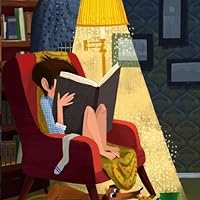
This is the kind of book you want to curl up with on a cold rainy day with a mug of hot chocolate.
It is a good ghost story. Although nothing innovative.
It is a good ghost story. Although nothing innovative.

December 18, 2011
Review courtesy of Dark Faerie Tales
Quick & Dirty: Michael’s unnecessary overdramatic speech patterns detailing the events after his mother’s death grew tiresome to read, but I was surprised by the twist ending.
Opening Sentence: My name is Michael: Michael Vyner. I’m going to tell you something of my life and of the strange events that have brought me to where I now sit, pen in hand, my heartbeat hastening at their recollection.
The Review:
Recently orphaned, Michael Vyner is alone in the world when he is taken under the care of the man his father died to save, Sir Stephen Clarendon. Once he arrives at Sir Stephen’s estate, Hawton Mere, Michael experiences a phenomenon no one will explain like loud knocking behind a permanently closed panel and a ghostly woman alone in the darkness. At first those around Michael act like his experiences were just in his imagination, causing Michael to detest living at Hawton Mere with his unusual guardian and sister, Charlotte. Later on, we find out Michael’s experiences are not as impossible as those around him first claimed to be.
I understand the character of Michael is obviously under a lot of stress and sorrow, but he acts petulant and immature when the strange phenomenon he witnesses is not believed immediately. His choice of vocabulary and syntax structure seems to me like a boy wanting to sound more mature than he really is, but it just comes off as wordy and somewhat annoying to read. In the end of the novel, Michael has aged and matured a lot, but is still just as long-winded.
The novel itself is fairly short, but the only thing that kept me reading was finding out about the mysterious happenings at Hawton Mere. In the end, I still am not quite sure what caused the house to be so evil, but maybe that was intentionally left open for the reader to interpret as they will. Like I said before, the ending was a twist I did not see right off, but the vague evil power given to the house was never properly explained.
Sir Stephen is a quiet and reserved man with a troubled past and frightful history in the house he lived in his whole life. Emotionally scarred as a child by his father, Stephen is prone to emotional fits and physical infirmity. His sister Charlotte takes care of him and the house. Stephen and Michael have more in common than Michael originally thought, and in the end, Michael understands Stephen better. Charlotte is nice to Michael, and fiercely protective of her brother and the house. Only when Michael is named to inherit Hawton Mere does Charlotte show a different side.
Overall the novel was interesting enough to figure out what was causing the paranormal activity in the house, but the style of writing was just too overdone for my tastes. I would recommend this novel to anyone who enjoys gothic novels and quick reads.
Notable Scene:
The corridor I was now in didn’t lead anywhere. I could make out an arched doorway at the far end, but it had been blocked up years – possibly centuries – before.
The darkness was encouraged and enriched by the wood paneling that lined the walls at either side. It was as high as my shoulder and a black as ebony. It was grim and gloomy, but no more so than anywhere else in the house, and yet once again I had the urge to run – to run and never stop until I was miles from this place.
I was turning to go back up the steps when I heard another short volley of knocks. This time the sound seemed to be coming from beyond the paneling. I leaned forward and tapped a panel and it sounded with a distinctly hollow rap. The wall was evidently not solid behind it.
‘Hello?’ I called again.
There was no response but I felt sure that there was someone there – in whatever space lay beyond that panel. I had a growing dread of that place. The air in the passageway seemed fetid and poisoned and I was about to turn and get back to the main body of the house when something touched my shoulder and I cried out, leaping away. I turned to see Jerwood standing there.
‘I didn’t mean to startle you, Michael,’ he said. ‘Forgive me.’
I slid down the wall to sit on the stone floor and catch my breath.
‘There’s some kind of secret chamber behind that panel,’ I said.
‘Yes, there is. It’s a priest hole,’ he said, and seeing my look of confusion continued, ‘It dates back to the sixteenth century and the reign of Queen Elizabeth. This was the house of a Catholic family and they hid Jesuits here – agents of the Pope in Rome. Those were harsh times. Capture would have meant bloody torture on the rack and a slow and gruesome execution.’
‘It’s a fearful place somehow,’ I said, looking back at the panel.
‘Yes’ said Jerwood. ‘I rather think it is. How did you find it?’
‘I heard banging, sir,’ I said. ‘It sounded like it was coming from inside.’
‘Banging?’ said Jerwood, frowning. ‘But I was only yards away and I heard nothing at all. Besides, I don’t think it could be coming from inside there – ‘
‘Perhaps you think I’m a liar,’ I said, standing up indignantly. ‘But I’m not! I did hear banging and I did see that woman on the road!’
Jerwood crouched down and examined the panel.
‘I apologize for offending you. I do not think you’re a liar, Michael,’ he said. ‘But these panels were painted over years ago. Come and see. The paintwork is intact.’
FTC Advisory: Bloomsbury USA provided me with a copy of The Dead of Winter. No goody bags, sponsorships, “material connections,” or bribes were exchanged for my review.
Quick & Dirty: Michael’s unnecessary overdramatic speech patterns detailing the events after his mother’s death grew tiresome to read, but I was surprised by the twist ending.
Opening Sentence: My name is Michael: Michael Vyner. I’m going to tell you something of my life and of the strange events that have brought me to where I now sit, pen in hand, my heartbeat hastening at their recollection.
The Review:
Recently orphaned, Michael Vyner is alone in the world when he is taken under the care of the man his father died to save, Sir Stephen Clarendon. Once he arrives at Sir Stephen’s estate, Hawton Mere, Michael experiences a phenomenon no one will explain like loud knocking behind a permanently closed panel and a ghostly woman alone in the darkness. At first those around Michael act like his experiences were just in his imagination, causing Michael to detest living at Hawton Mere with his unusual guardian and sister, Charlotte. Later on, we find out Michael’s experiences are not as impossible as those around him first claimed to be.
I understand the character of Michael is obviously under a lot of stress and sorrow, but he acts petulant and immature when the strange phenomenon he witnesses is not believed immediately. His choice of vocabulary and syntax structure seems to me like a boy wanting to sound more mature than he really is, but it just comes off as wordy and somewhat annoying to read. In the end of the novel, Michael has aged and matured a lot, but is still just as long-winded.
The novel itself is fairly short, but the only thing that kept me reading was finding out about the mysterious happenings at Hawton Mere. In the end, I still am not quite sure what caused the house to be so evil, but maybe that was intentionally left open for the reader to interpret as they will. Like I said before, the ending was a twist I did not see right off, but the vague evil power given to the house was never properly explained.
Sir Stephen is a quiet and reserved man with a troubled past and frightful history in the house he lived in his whole life. Emotionally scarred as a child by his father, Stephen is prone to emotional fits and physical infirmity. His sister Charlotte takes care of him and the house. Stephen and Michael have more in common than Michael originally thought, and in the end, Michael understands Stephen better. Charlotte is nice to Michael, and fiercely protective of her brother and the house. Only when Michael is named to inherit Hawton Mere does Charlotte show a different side.
Overall the novel was interesting enough to figure out what was causing the paranormal activity in the house, but the style of writing was just too overdone for my tastes. I would recommend this novel to anyone who enjoys gothic novels and quick reads.
Notable Scene:
The corridor I was now in didn’t lead anywhere. I could make out an arched doorway at the far end, but it had been blocked up years – possibly centuries – before.
The darkness was encouraged and enriched by the wood paneling that lined the walls at either side. It was as high as my shoulder and a black as ebony. It was grim and gloomy, but no more so than anywhere else in the house, and yet once again I had the urge to run – to run and never stop until I was miles from this place.
I was turning to go back up the steps when I heard another short volley of knocks. This time the sound seemed to be coming from beyond the paneling. I leaned forward and tapped a panel and it sounded with a distinctly hollow rap. The wall was evidently not solid behind it.
‘Hello?’ I called again.
There was no response but I felt sure that there was someone there – in whatever space lay beyond that panel. I had a growing dread of that place. The air in the passageway seemed fetid and poisoned and I was about to turn and get back to the main body of the house when something touched my shoulder and I cried out, leaping away. I turned to see Jerwood standing there.
‘I didn’t mean to startle you, Michael,’ he said. ‘Forgive me.’
I slid down the wall to sit on the stone floor and catch my breath.
‘There’s some kind of secret chamber behind that panel,’ I said.
‘Yes, there is. It’s a priest hole,’ he said, and seeing my look of confusion continued, ‘It dates back to the sixteenth century and the reign of Queen Elizabeth. This was the house of a Catholic family and they hid Jesuits here – agents of the Pope in Rome. Those were harsh times. Capture would have meant bloody torture on the rack and a slow and gruesome execution.’
‘It’s a fearful place somehow,’ I said, looking back at the panel.
‘Yes’ said Jerwood. ‘I rather think it is. How did you find it?’
‘I heard banging, sir,’ I said. ‘It sounded like it was coming from inside.’
‘Banging?’ said Jerwood, frowning. ‘But I was only yards away and I heard nothing at all. Besides, I don’t think it could be coming from inside there – ‘
‘Perhaps you think I’m a liar,’ I said, standing up indignantly. ‘But I’m not! I did hear banging and I did see that woman on the road!’
Jerwood crouched down and examined the panel.
‘I apologize for offending you. I do not think you’re a liar, Michael,’ he said. ‘But these panels were painted over years ago. Come and see. The paintwork is intact.’
FTC Advisory: Bloomsbury USA provided me with a copy of The Dead of Winter. No goody bags, sponsorships, “material connections,” or bribes were exchanged for my review.

December 6, 2020
Eerie with a distinctive gothic vibe about it. The story was very slow and mostly uneventful( dare I say boring with underdeveloped characters) by the small tropes hanging about which are most ordinarily found in any standard Edwardian ghostly tale. No big reveals or suspenseful twists can be found. I have been a fan of Chris Priestley and the big influence of MR James on his writing style. Sadly it was overdone in the book. I would rather read the tales of terror or Maudlin towers series any day.

September 10, 2017
A short and fast-paced ghost story. It was engaging and kept me wondering till the end. It was a nice short book to read between longer reads.
May 14, 2019
I appreciate the connection with Uncle Montague; however, this book was not as strong as that one.
Displaying 1 - 30 of 261 reviews