Set in London just after the Second World War, Robin Maugham's slim, haunting novella is a confessional tale told in a simple, urgent voice by one Richard Merton. He tells the story of Tony, a close friend from the war, who breaking links with old friends and habits steadily comes under the influence of his sinister new butler, Barrett. Concerned for his friend, Richard slowly uncovers a strange affair in which both class and sexual barriers have disintegrated into a dark flux. Filmed in 1963 by Joseph Losey, with a screenplay by Harold Pinter, and starring Dirk Bogarde and James Fox, "The Servant" is one of the key British films of the 1960s. Robin Maugham (1916 1981) was a prolific author, a military officer, a barrister, and 2nd Viscount Maugham of Hartfield. In his autobiography, Escape from the Shadows, Maugham describes the three dark shadows of his life: his uncle W. Somerset Maugham, his father, and the guilt he suffered due to the "strict upper-middle-class moral convictions" that declared his homosexual desires to be perverse.
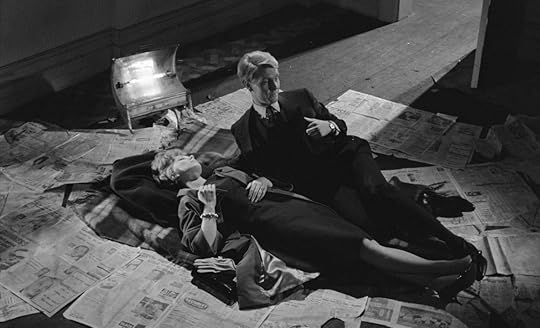
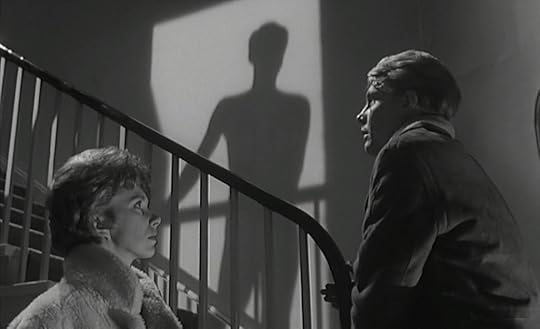
Celebre immagine dal film che credo riassuma l’essenza della storia.
Quanti film visti senza sapere che nascono da un libro. Un racconto, un romanzo. Credo che probabilmente ho letto questa novella solo perché a suo tempo ho visto quel magnifico film di quel magnifico mai abbastanza rimpianto regista di nome Joeseph Losey, magnificamente interpretato da Dirk Bogarde (il servo) e James Fox (il padrone). Nomi che da soli si portano dietro ricordi, immagini, flash, emozioni. Ben più di Robin Maugham che al di là di questo breve romanzo, suo maggior successo, al quale sono seguiti una trentina di titoli pubblicati, per me è più noto come nipote del ben più celebre zio William Somerset Maugham, del quale ha scritto una biografia che credo prima o poi leggerò, nonostante io e le biografie non si vada molto d’accordo.
Pubblicato nel 1948, The Servant deve la sua fama soprattutto al film omonimo del 1963, che rientra nella categoria “classico”, oltre che in quella “i cento film da vedere”, e nell’altra “i cento film da salvare”. L’adattamento è firmato da Harold Pinter, il che mi pare una garanzia, o, se non altro, un’eccellente punto di partenza. Losey fece uno splendido lavoro. I suoi interpreti altrettanto. Ciò nonostante, ho sempre pensato che sarebbe stato bello vedere anche il grande Luchino Visconti all’opera su un testo così. Solo che nello stesso anno, il regista italiano ci regalava Il gattopardo. E quindi, sto parlando di capolavoro in opposizione ad altro capolavoro.
Il rapporto padrone-servo qui viene abilmente ribaltato: è il padrone che progressivamente scende la scala sociale per approdare a un livello più basso, più prostrato, del servitore che da servo si fa man mano padrone: padrone del destino del suo padrone. Tony è ben contento di poter vivere di rendita senza fare nulla: Maugham ne fa il rappresentante della ormai smidollata classe aristocratica inglese, della sua inevitabile decadenza, attraverso perdita di valori e ideali. Hugo, il maggiordomo lo serve e riverisce come di prammatica, ma alle sue spalle lo disprezza senza se e senza ma. Con abilità riuscirà a fare il vuoto umano intorno a Tony, a renderlo schiavo dell’alcol e di se stesso: al punto che Tony dopo averlo licenziato, lo richiama al suo servizio. E finiranno per condividere la stessa donna.
Cos’è che viene messa in scena tra i due protagonisti, una partita di ping pong, di scacchi, che tipo di match? Una commedia nera, che gioca più sullo scavo psicologico che sulla suspense.
Una adición, una bajada a los infiernos, con la particularidad de que la causante en este caso es la comodidad.
La pereza, la voluptuosidad de dejarse ir, de abandonarse completamente en manos de otro que decidirá por nosotros, que solucionará todos nuestros problemas, que nos proporcionará todos los placeres y cubrirá todas nuestras necesidades puede llevarnos a la decadencia más humillante y vil. Nada sobrevivirá a la caída imparable, ni la dignidad, ni el amor, ni la amistad.
Uno de los libros más desasosegantes que he leído en mi vida. La película, dirigida por Joseph Losey y con guión de Harold Pinter, es también una maravilla. Recomiendo vivamente ambas.
"A short novel which is a highly skilled portrait in parasitism and one which, in its economy, its concentration, succeeds as a horror story of considerable brightness and sharpness...Not without decadence, but also with considerable fascination, this may find a special audience." (Kirkus Review) I agree with this opinion. Weird, disturbing and enigmatic book.
رمان داره داستان یه خدمتکار و ارباب جوانش رو روایت میکنه که رابطهی خطرناک و مریضی بینشون شکل گرفته. (هر دو مرد هستن اما اینجا منظور رابطه عاشقانه یا جنسی نیستش) اتفاقات درون داستان تو یه فضای ساده و روزمره رخ میده و خط به خطش اربابی رو توصیف میکنه که از یه شخصیت مستقل، تبدیل به یه آدم پست و منفعل میشه که تحت سلطهی خدمتکارش در اومده و اختیار زندگیش دست خودش نیست. شخصیت پردازی عمیقی نداره چون کتاب، کتاب کم حجمیه و روندش هم تا حدودی قابل پیش بینیه اما تاثیرگذاری بالایی داره.
This must have been scandalous when it released in 1948.
The Servant doesn't neatly fit into any genre category, other than perhaps, dark fiction. A servant insidiously becomes the master in this tight little tale of dark desires, which soon become necessities. Hmmm, perhaps this would fit into the quiet horror category?
Well told with a keen eye on human behavior, I appreciated the psychology behind every thing that happened. In only an hour and half we see the complete decline of a gentleman. Well done!
A strange little book that has become the most well-known of Robin Maugham's works because it was made into a movie (written by Harold Pinter). Nothing is overt in the plot or the details — everything (supposedly) is meant to stand for something else. At least that is what the introduction to this volume would lead one to believe.
In one scene, when Sally and RM go for a drink, they have martinis, then two more cocktails (both for Sally), then more drinks, then Sally sips her wine and then finishes her coffee. All during what seems to be a short chat. Not sure if this is sloppiness or shorthand. But one thing is definite: So much booze! — although of course no one was an alcoholic in those days.
I wish poor old Robin Maugham could have written about things exactly as they were, without the shrouds of conceit, artifice, and convention.
I brought this book with me to read on my long weekend away and left it in the hotel yesterday (an older, hardcover copy from 1973, WH Allen) but to my great delight, my Valancourt edition was waiting for me when I got home (thanks!). Since I was still on west coast time and not at all sleepy, I read the entire novel last night and then after finishing, laid there and thought about it for a long time. Sheesh -- in just under one hundred pages Maugham tells a deep, frightening, and thought-provoking tale. It may seem like a simple read, but as it turns out, it is anything but.
More as soon as I have my wits about me again but in the meantime, highly recommended. Much more to come on this one.
Rating: 3.5 stars کتاب رو سه روز پیش خریدم و دیروز شروعش کردم. و یک روزه خوندمش! (که از من بعیده ۱۰۰ بخونم تو یه روز!) نمیدونم تا حالا شده که اتفاقی یه کتابی رو پیدا کنید و فقط با خوندن چند صفحه بفهمین که این کتاب، کتاب شماست و به احتمال زیاد دوسش داشته باشین. این کتاب برای من اینجوری بود. فکر کنم کمتر از ۱۰ ص خوندم و سریع خریدمش. این کتاب دربارهی رابطهی دوستی دو شخص به اسم تونی و مرتن هست که توی هنگ جنگ با هم دوست میشن و بعد از ۵ سال تجدید دیدار میکنن و مرتن به تونی پیشنهاد میکنه که یه خدمتکار جدید استخدام کنه. دلایلی که این کتاب رو دوست داشتم: سرعت زیاد کتاب. جدیدا اصلا حوصله کتابای آروم و کند رو ندارم. یکی از دلایلی که ۵ نمیدم اینه که دوست داشتم کتاب خیلی طولانیتر باشه، هر چند پایان خوبی داشت. این کتاب به نظرم حتی یک جملهی اضافی هم نداشت و طرز نگارشش رو واقعا دوست داشتم. شروع: شب ۹ اسفند ۰۲ پایان: ظهر ۱۰ اسفند ۰۲
I recently re-watched the iconic film made from this slim novella, and also read Maugham's The Wrong People, both of which impelled me to seek out this peculiar little gem. While the film follows the basic outlines of the plot, Pinter's screenplay owes more to his own genius than to its progenitor, but the book has much to recommend it also. It can be read in little over an hour, and is well worth the time spent. Its curious mysteries and sense of impending dread are really quite wonderfully expressed.
گاهی آدم تنها با تحقیر شدن است که معنای عزت را درمییابد. و گاهی فقط وقتی که به جای دیگری زُل زده، ناگهان متوجه میشود که خودش را گم کرده… و این آغاز سقوط است.
«خدمتکار»، نوشتهٔ رابین موام، داستان سقوط تدریجی انسانیست که نه از سر شرارت، که از سر ضعف، از پا درمیآید. قصهای تلخ و گاه دلهرهآور دربارهٔ مردی از طبقهٔ متوسط که به خانهای اشرافی میرود تا بهعنوان خدمتکار مشغول شود، ام�� کمکم همهچیز در این خانه واژگون میشود؛ قدرت، میل، رابطه، سلطه، تمکین، توهم. آنچه در ابتدا مثل یک موقعیت ساده شغلی به نظر میرسد، به مرور به یک نبرد پنهان میان دو انسان بدل میشود؛ نبردی که نه با مشت، بلکه با سکوت و انفعال و نگاه پیش میرود.
این اثر، در دل خودش همزمان یک درام روانشناختی، یک نقد طبقاتی، و یک فروپاشی تدریجیست. قدرت اصلی رمان نه در حادثه، بلکه در اتمسفر خفقانآور و بازی موذیانهایست که میان ارباب و خدمتکار جریان دارد. نویسنده با وسواس و دقت، مرزهای بین اطاعت و سلطه، خواست و اجبار، میل و تحقیر را محو میکند؛ طوریکه تا پایان نمیدانی چه کسی واقعا مسلط است، و چه کسی مغلوب.
آنچه این داستان را بهشدت ماندگار میکند، این است که شر در آن، نه هیولایی بیرونی، که روندی آرام و تدریجیست. خدمتکار ماجرا، در ابتدا شخصیتی عادی، شاید حتی دلسوز و محترم است. اما در مواجهه با محیطی مسموم، در برابر زنی سرد و مرموز، کمکم قوس سقوطش را طی میکند. اینجا خبری از فریاد یا خشونت نیست؛ بلکه با لمس روزانهای از بیاعتنایی، تخریب و تحقیر نرم، شخصیت فرو میریزد. در واقع این کتاب، نمایش تراژدی بیاهمیتی انسان در برابر نظامهای سلطهگر است.
فیلمی که جوزف لوزی در سال ۱۹۶۳ از این رمان ساخت، بهدرستی یکی از وفادارترین و درخشانترین اقتباسهای سینماییست. با بازی تماشایی «دیرک بوگارد» در نقش خدمتکار و «جیمز فاکس» در نقش ارباب، فیلم موفق میشود همان حس زوال تدریجی و دلهره پنهان در متن را بازآفرینی کند. رنگها، نور، دکور خانه، و سکوتهای ممتد همه به ابزارهای ساختن این کابوس روانی بدل میشوند. جوزف لوزی بهخوبی میفهمد که وحشت در این داستان، در زمزمههاست، نه در فریاد.
در سطحی عمیقتر، میتوان «خدمتکار» را نقدی گزنده بر روابط طبقاتی در بریتانیای قرن بیستم دانست؛ جایی که طبقات پایین، بهظاهر در خدمت طبقات بالا هستند، اما خشم سرکوبشدهای که در زیرِ پوست این روابط جاریست، ناگزیر روزی فوران میکند—و چه انتقامی هولناکتر از اینکه اربابِ تو، دیگر نتواند بدون تو حتی نفس بکشد؟
در این داستان، روابط انسانی، صورتبندی تازهای میگیرند: خدمتکاری که ارباب را به خود وابسته میکند؛ سلطهای که از دلِ ضعف میجوشد؛ و عشقی که بیشتر شبیه یک بیماری مسری است تا پیوندی انسانی.
برای من، خواندن «خدمتکار» یادآور این حقیقت تلخ بود که هر انسان، در دل خود ظرفیت ویرانگری دارد—بهویژه اگر از یاد ببرد که چرا ایستاده است، و در چه جهتی. قدرت این کتاب، مثل همان خانهایست که داستان در آن میگذرد: باشکوه، اما سرد؛ مرفه، اما بیرحم؛ و در نهایت، زندانی برای روحهایی که آرام آرام، در سکوت، میپوسند.
اگر به روایتهای روانشناختی، بازی قدرت و نمایش تدریجی فساد شخصیت علاقهمندید، «خدمتکار» یکی از بهترین تجربههاییست که میتوانی هم بخوانی و هم تماشا کنید.
Robin Maugham's classic tale of a rich nothing who hires a servant who understands the role in such a decadent household. A very smart look how relationships work - and the nature of sexual power. Fantastic film as well, directed by Joseph Losey, script by Pinter, starring James Fox and Dirk Bogarde. But read the book, it's a great one.
Set in London just after World War II, Richard Merton tells the story of Tony, a close friend and fellow Army officer, who - breaking ties with old friends and habits - steadily falls under the influence of his sinister new butler, Barrett. Concerned for his friend, Richard slowly uncovers a strange affair which shatters both class and sexual barriers and turns the servant into the master, and the master into the servant. I really did enjoy this book and give it an A+!
This is the first time that I have actually read The Servant although I did see the movie when it came out in the 1960's. I enjoyed the movie and the book independently of each other and found that the movie was completely different from the book. In my opinion, the movie did not follow the book at all, but still was very good! :)
This was another foray into the world of books that inspired interesting movies, though it was one involving a movie that I remembered so little of. The book itself, however, was very interesting, especially once you read the preface, in which the author recounted two events in his life which led to him writing the book. This, and when you thought about what couldn’t be openly talked about at the time it was published revealed its hidden meanings. For me, it is a story of desire when that desire involves something that is not socially accepted, and how that desire can damage and destroy. It’s very short (some 70 odd pages), it’s not particularly gripping writing, but it certainly makes its point with power.
Ήθελα να διαβάσω κάτι μικρό, που να μην μου πάρει πολλή ώρα, έτσι διάλεξα την συγκεκριμένη νουβέλα, που αποτελεί και την βάση για την κλασική ομότιτλη ταινία του 1963, σε σκηνοθεσία του Joseph Losey, σενάριο του Harold Pinter και με πρωταγωνιστή τον Dirk Bogarde. Δεν μπορώ να πω ότι ξετρελάθηκα.
Η ιστορία γράφτηκε το 1948 και για την εποχή της ήταν, ίσως, λιγάκι εκτός των ορίων, αλλά τώρα δεν μου έκανε κάποια ιδιαίτερη εντύπωση. Βρισκόμαστε στο μεταπολεμικό Λονδίνο και ο αφηγητής της νουβέλας, μας περιγράφει πως ο φίλος του από τον πόλεμο άρχισε να γίνεται σιγά-σιγά υποχείριο του υπηρέτη του, χάρη στην ανάγκη του για καλοπέραση. Εντάξει, η ατμόσφαιρα μου φάνηκε λίγο creepy σε ορισμένα σημεία, ενώ σίγουρα από πλευράς μου υπήρχε ένα κάποιο ενδιαφέρον για το πως θα καταλήξει το όλο δράμα, όμως στο τέλος δεν ένιωσα ότι διάβασα κάτι το ιδιαίτερο.
Ίσως και να φταίει το μέγεθος της ιστορίας, ας πούμε αν ήταν κανονικό μυθιστόρημα με διπλάσιο ή και τριπλάσιο μέγεθος (άρα με καλύτερη εκβάθυνση στους χαρακτήρες και περισσότερο ζουμί στην πλοκή), τότε το πιθανότερο είναι ότι σαν ιστορία θα μου άρεσε περισσότερο. Γιατί, εδώ που τα λέμε, είχε αρκετό ψωμί για κάτι παραπάνω. Τέλος πάντων, δεν σπατάλησα και τον χρόνο μου, άλλωστε τώρα μπορώ να δω και την ταινία, που φαίνεται να είναι πολύ καλή και που πιστεύω ότι η πλοκή θα λειτουργήσει καλύτερα.
'El sirviente' de Robin Maugham no es una obra que esté mal, pero definitivamente sabe a poco. Tengo la sensación que el principal problema es su extensión, que es demasiado larga para ser un cuento y demasiado corta para ser una novela. Quiero decir que con la concisión de un cuento probablemente habría ganado en eficacia y con la extensión de una novela probablemente podría haber ganado en profundidad. Con sólo 100 páginas de una letra immensa sabe a poco. Y para qué nos vamos a engañar, probablemente a mí aún me ha sabido más a poco porque la película que hizo Joseph Losey está entre mi top 10 de películas favoritas.
Lo que ya me mosqueó desde el principio es que el narrador sea un personaje externo, que nos cuenta la historia desde fuera, sin involucrarse, con lo cual ya se limitan mucho las posibilidades de introspección y análisis. El narrador es Richard Merton que nos cuenta la historia de su amigo de la guerra, Tony, que ha contratado a un sirviente, Barrett, que poco a poco lo irá dominando, explotando el principal defecto de Tony, la pereza. Y sí, la progresión de la caída de Tony está perfectamente mesurada y narrada, con un tempo perfecto, pero no puedo evitar echar de menos una mirada directa a la relación que mantienen Tony y Barret, sin intermediarios de ninguna clase; saberla por terceras personas corta el rollo.
La obra es sutil pero no deja de ser clara. Creo que está claro (al menos me lo ha parecido a mí) que Tony está enamorado de su amigo Richard, el narrador, pero rechaza una posible relación homosexual por la vida más cómoda que le ofrece su sirviente, una vida heterosexual y llena de facilidades. Una vez más, me hubiera gustado saber más de la relación entre el narrador y Tony. Esta es la principal diferencia con la película, donde Richard no existe. En el libro, Barrett es eminentemente un ser repulsivo y malvado porque sí (nunca sabemos sus motivos, parece que sólo son materiales) y su relación con Tony asexuada. En la película Barrett es malo pero sus motivos son mucho más claros y estos motivos, a pesar de su maldad, lo hacen más humano. Desde la primera escena en la que Barret observa a Tony mientras duerme, adivinamos que Barrett quiere poseer a Tony en todos los sentidos, el sexual también, sin duda. Y ciertamente lo consigue. La película, más que una lucha de clases como normalmente se dice, narra una relación dominante-submisiva y como esta relación envilece a los dos que participan en ella.
La película es excelente (claustrófobica, angustiosa, compleja, retorcida, amoral, una obra maestra del subtexto en la que Dirk Bogarde está immenso) mientras que el libro simplemente es un libro correcto. Supongo que se nota la mano de Harold Pinter, que fue quien escribió el guión y que era un maestro a la hora de escribir obras en las que lo más importante son los silencios y lo que se insinúa y no lo que se dice. El libro, por contra, cuenta demasiado poco y demasiado directamente.
A short read you can do in an afternoon - I get very tired of fatness being used as a narrative device to signal moral degeneracy, so it wasn't my favourite. It's sort of like if you ordered The Picture of Dorian Gray on Wish.
Not completely horrible. Just mildly boring. Evidently there was some underlying social commentary here from the late 40’s that I missed. It was probably there...somewhere.
Good novella about decadence, gaslighting and how easy it is to manipulate people for the sinister needs of the narcissistic or even sociopathic individual.
|\| | |_ @ ® > M0127324: خوب بود، اما چیز خیلی خاصی نداشت، از هيچ نظری.. داستان ساده ش مناسب به فیلم سینمایی جمع و جور بود، نه بیش تر! انتظارم خیلی بیش از این ها بود
First published in 1948, The Servant - written by the nephew of famous novelist and short story writer Somerset Maugham - is difficult to categorise. At 75 pages, it is longer than a short story but not long enough to be considered a novel. But I suppose that does not really matter very much. What is important is that it is a chilling, gripping and very well written story about the post-Second World War class system in Britain and the gradual moves towards a more meritocratic society that were instigated by the election of a socialist government.
Richard Merton, who works in publishing, is approached by his friend (and ex-army colleague) Tony. They have not seen each other for several years. Both are living in the bohemian Chelsea of the late 1940s. They revive their friendship but when, at Richard's suggestion, Tony employs a manservant (Hugo Barrett) their relationship becomes strained. This is because the seemingly sinister Barrett appears to ingratiate himself to such an extent that he virtually takes control of Tony's life and the latter becomes dependent on him. Barrett persuades Tony to allow his (Barrett's) "niece" Vera to live in Tony's house and Tony becomes infatuated by her. Matters take a turn for the worse when Richard discovers that Vera has not been wholly honest with Tony about her circumstances and this puts Tony's relationship with Richard under further strain.
The Servant is an entertaining read. It gives succinct insight into the inbuilt sense of superiority that many - probably most - wealthy middle class people had at the time, their automatic assumption that things would always remain as they were and their failure to notice that change was beginning. It is beautifully written and, given its relative brevity, can be read in an hour or so. I recommend it. 9/10. (The story was filmed in the 1960s, with a screenplay by Harold Pinter. I have not seen the film but, given how good the book is, I am anxious to do so.)
When I saw this movie, it scared me! It wasn't a thriller or even suspenseful, but it haunted me for many days afterward. I think it was haunting because it left so many questions unanswered, and as an audience I was left to imagine the worst. Too, I was bothered by the fact that I didn't hate the villain, Barrett, like I had surmised I was supposed to. It sparked a short-lived infatuation with Dirk Bogarde and the need to see all of his films!
The book wasn't any different, but the introduction to this edition shed so much light on the period of London history when the book was written. It also elaborated on the background of its author, the nephew of W. Somerset Maugham. He was a troubled man, and I'm curious now to read his autobiography, Escape from the Shadows.
The comparison is neither fair nor avoidable -- but Robin Maugham is not as good a writer as his more-famous and more-talented uncle, although his personal life was every bit as fascinating.
This short novella is probably his best-known book (made more famous by the 1964 film version).
This book was recommended by a friend. I didn't expect to like it and only went into it because it was short. It was interesting I guess. I didn't find it quite as shocking as I expected it to, and it didn't happen as fast as I expected it to or as fluidly, but it was fun.
La magia de la literatura de corte clásico. Una novela breve o relato extenso sobre Barrett, el extraño sirviente de Tony, contado por su amigo Richard.