La historia de una familia japonesa, a través de una de las tradiciones ancestrales de Japón: el Sumo.
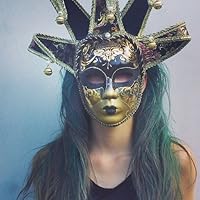
Dos hermanos que pierden a sus padres son acogidos en cas de sus abuelos. Los cuatro llevan una vida apacible y feliz hasta que Estados Unidos declara la guerra a Japón, que separa a los hermanos y trunca sus sueños: el de Hiroshi, que aspira a ser maestro de sumo (sumotori), y el de Kenji, que despunta como artesano de máscaras de teatro. Sus vidas se cruzan con Haru y Aki, dos hermanas huérfanas de madre, cuyo padre tiene la escuela de luchadores de sumo más prestigiosa de Japón.
Born to a Chinese mother and a Japanese father in San Francisco, Gail Tsukiyama now lives in El Cerrito, California. Her novels include Women of the Silk (1991), The Samurai's Garden (1995), Night of Many Dreams (1998), The Language of Threads (1999), Dreaming Water (2002), and The Street of a Thousand Blossoms (2007).
Non-fussy storytelling. Tsukiyama tells the story in a straight manner devoid of gimmicks. Reading this book is like having a friend sitting with you on a park bench in a cool Sunday afternoon. Your friend is a Japanese woman who knows the tale by heart and you have the snow-capped Mt. Fuji at your back. It is springtime and the cherry flowers are in their full bloom. Picture this in your mind as you leaf through the pages of this book and you will know what I am trying to say.
Particularly in the first half of the book, Tsukiyama's prose is breathtaking in its simplicity and honesty. As a Filipino, I grew up watching WWII movies with Japanese soldiers killing my fellow-Filipinos and raping our women. When I was a toddler, I also heard stories from my parents, grandparents, aunts and uncles about the atrocities of the Japanese forces in our little island. They were not as barbaric as those I read from the book but for a child like me, hearing stories of pregnant woman dying from bomb shrapnels and/or trying to put back her intestines inside her abdominal cavity while riding the motorboat, or with babies bayoneted after being thrown out on the air were harrowing enough for me to think that Japanese people were heartless monsters.
When I was working in a US multinational chemical company, I had the chance to visit Japan (Nagoya & Tokyo) thrice. At one point, I joked about them killing my forefathers. One of them responded: "Don't believe everything that you heard or read, most of them could be untrue or exaggerated." I did not respond back anymore not because I believed him but I felt that that war was too distant from us already and many Filipinos were already then flocking to Japan to become work and earn Yen to support their families back home. In other words, most Filipinos have already forgotten those atrocities and have moved on with their lives.
But do we, Filipinos, know what happened to the Japanese during the war? Do we know or did we care to know how they suffered when Hiroshima and Nagasaki were bombed by the Americans and the Allied forces? A couple of months back, I read John Hersey's Hiroshima and I really liked it.
This book, The Street of a Thousand Blossoms chronicles the lives of two brothers before, during and after World War II in a Japanese town. Tsukiyama masterfully interweaved the political landscape with the lives of the two brothers, Haroshi, the sumo wrestler, and Kenji, the Noh-mask maker. I hope many of us Filipinos read novels like this for us to appreciate the fact that Japanese people are also like us and that they were only blindly following the vision of their Emperor on "Asia for Asians" during that tumultuous period of world history.
The only reasons why I am not giving this a 5-star rating are: (1) the prolonged "after the war" or second half of the story. That part seems anticlimactic and uneventful for me after the amazing first half and (2) taken as a whole, the book is too simple for me to be amazed.
Aug 23, 1010am ~~ Review asap. Have to sort out thoughts.
Aug 24, 9pm ~~ I did not expect to zip through this book as quickly as I did, I was expecting a leisurely read here. But my old friend Insomnia came for a visit so I took advantage and stayed in Japan much longer every night than I thought I would.
This is the story of two brothers who were raised by their grandparents after their mother and father die in a boating accident. Each brother has a different dream for his future. I would have been happier if I had skipped the prologue, though, because while it sets up the story and acts as a way for the character to think back on his life and thus tell the story, we learn too soon which one of the brothers had his dream come true and what that dream was. I would have enjoyed finding this all out more slowly, quite a lot of suspense was taken away by that prologue.
But this book was still very hard to put down. The characters felt alive to me, I cared about them all even when I disagreed with their choices. I wanted everyone to be happy, but of course that is not always possible, is it.
Right now I am very interested in sumo. The whole reason I ordered this book in the first place was that I noticed more than one reviewer of The Big Book Of Sumo commenting about that book being GT's source of information about the sport when she was writing this book. I am certainly no expert but as a fairly rabid new fan I think she captured much of the flavor of that world. I am not sure I agree with the implied message at the very end of the book, but I could have been reading more into the scene than was actually there. A few nights of not enough sleep can do that to a person.
As usual, I know I am not saying a lot about the plot outline, but I am trying not to give away much of anything. This is a book it is best to just jump into, but be aware that much of the story takes place during war years, so there are some upsetting events to get through. And don't forget to skip that prologue!
I bought a couple of other books by Tsukiyama when I ordered this one, and I am looking forward to reading them soon.
Dear Gail, Exactly how many times do you get to go to the Tragedy Grab Bag? You can’t find enough tragedy in the fire bombing of Tokyo? You have to throw in a boating accident that kills a Mom and Dad. And then a girl gets intentionally shot through the cello (while she’s playing it) by the police, while her parents are watching because the American bombers may have heard her??!! Right there you should have stopped. But you couldn’t. I get it, your story moves like a Japanese young adult novel and you feel the need to jolt some life into the story. But you can only t-bone a story with tragedy so many times before the story is totaled. I wonder after you wrote that scene with the sudden baby death syndrome did you realize that what the story was really missing was an avalanche. And just in case you forgot because there’s so much horrible stuff in this story, it has an avalanche. But you’re addicted so you keep going, someone has to go blind and maybe a miscarriage for good measure. Yes, this all happens in this one 422 page book. But you still weren’t done. Train wreck. That’s right, a honest-to-god train wreck with something like 60 pages to go. C’mon Gail! A train wreck AND an avalanche?!! Have some literary boundaries. The first step is admitting you have a problem. And the suicide at the end was not nearly as shocking as the fact that the Grandmother lives through the whole book. I can only imagine that you forgot about her halfway through. She’s hardly in the 2nd half at all. Cheers, Neil
This entire review has been hidden because of spoilers.
The two orphaned Matsumoto brothers are living on the Street of a Thousand Blossoms with their loving grandparents. The story begins in 1939 when Japan is at war with China and becomes a major force in World War II. It is a time of deprivation as most of the food goes to the neighborhood military police who prey upon the people of Yanaka and sell the goods on the black market. Hiroshi, the older and stronger brother, has dreams of being a sumo wrestler. Kenji, shy and artistic, is mentored by an artist who makes Noh masks for the theater. Tokyo is fire bombed near the end of the war, although most of the people in Yanaka survive.
After the war, Hiroshi begins training in sumotori. The story also follows the lives of the two daughters of the sumo master. Some of the characters have a strong passion for the traditional arts of Japan, while others are looking to the future of a prosperous new Japan when they make their career and lifestyle choices.
I enjoyed the look at Japanese culture, especially the Noh theater, and the training and rituals practiced by the sumotori. I just loved the boys' grandparents who both possessed an inner strength and warm hearts. Tragedy after tragedy touched the lives of the people who were important to Hiroshi and Kenji, especially in the post-war years. But the writing was so calm and controlled that the tragic events hardly raised an emotional response as I was reading. So while I loved the immersion in Japanese culture, it seemed like some situations needed a little more emotional fire.
A tender and sometimes heartbreaking story of two brothers, Hiroshi and Kenji, coming of age in Tokyo near the beginning of World War 2 and striving to achieve their dreams up into the 60’s. One has the ambition to become a champion sumo wrestler and the other to become a master at making wooden masks for the Noh theater, goals which are supported by the nurturing grandparents who raised them after their parents died when they were young.
The affinity of these brothers for traditional culture and values contrasts with the modern quest of their country for world domination and the cataclysmic end of that illusion. The brothers’ stories are intertwined with that of two sisters, daughters of Hiroshi’s sumo master. They all were affected profoundly by the fire bombing of Tokyo, which killed more than 100,000 people.
The linked stories of these characters is touching and moving, but the package is a bit precious for my jaded sensibilities. I found myself wondering where are the selfish and manipulative people that impact most people’s lives. No significant character has any serious character flaw or misguided ambition to struggle against. Nor did the prose achieve revelations or capture wisdom that would lead me to write down a quote or two. There are some tragedies along the way, which are moving for sure, but I found my feelings had a bit of same hollowness I get from splurging on a viewing of a Hallmark Hall of Fame movie.
Słodko-gorzka opowieść o życiu pewnej rodziny w Japonii, w tle widzimy też zmiany zachodzące w kraju. Podobało mi się, bohaterowie i ich losy były interesujące, ale z drugiej strony nie sądzę, żebym często wracała do niej myślami. 3,5⭐
if we could give half-stars here, i would say 3.5-stars right now. but i also feel like this is one of those novels that sits with you for a while and improves with distance. so i rounded up.
this is a melancholy story - early on i wasn't sure if i was really getting into the novel and whether what i was feeling was a bit of ennui at the fault of my own disposition or because of the writing. but as i kept going tsuyikama's writing made it worthwhile and i realized that her style was very purposeful and deliberate. the novel is a story about endurance and recovery but it is told so quietly. covering the time in japan from world war II through until the mid- to late-60s, this book is quite a saga of two families. i enjoyed very much the way traditional customs and story-telling were woven into the plot. my heart broke a couple of times and my eyes even welled up a bit, though they didn't spill over. (and i am not one who cries when it comes to reading, so on the very few occasions when a story causes this reaction, i am surprised.) a couple of things i would have loved, as complements to the story: a) a map; and b) family trees or a character chart. mostly because i am a sucker for these things when they do appear in historical fiction.
i think if you are a careful reader, one who doesn't mind giving focused time to a special story, you will like this novel.
Jednoznačně KNIHA ROKU! Myšleno nejlepší kniha, kterou jsem letos četl. Kniha vyšla v roce 2009 a u nás 2011. Ale já se k ní dostal se zpožděním a jelikož se odehrává v minulosti, tak to nijak nevadí. Kniha je v podstatě rodinnou ságou, která začíná pár let před vypuknutím války v Pacifiku a končí pokud si dobře pamatuji v roce 1965. Kde sledujeme osudy jedné rodiny a především dvou bratrů, z nichž starší se chce stát sumotorim (zápasníkem sumo) a druhý propadne kouzlu výroby masek pro tradiční divadlo nó. Kromě nich sledujeme osudy dalších několika osob, jako je sensei, který učí druhého bratra vyřezávat masky a celé rodiny trenéra, který si vybere staršího z bratrů do své „stáje“. Zdánlivě nejdrsnější se může zdát děj z období války ale některé postavy válka poznamená tolik, že si s sebou do dob míru nesou obrovská traumata, která se později projeví po mnoha letech. Autorka se s čtenářem nijak nemazlí. Vždy, když se některé z postav začne dařit sešle na něj nějakou těžkou rámu osudu. Ani dojemnými okamžiky a pasážemi autorka nijak nešetří. Přesto nepůsobí nijak lacině, uměle nebo nabuřele. Celá kniha je obrovskou oslavou obyčejných lidí a je psána hodně civilně a citlivě. Jak prostředí zápasníků sumo, tak svět tradičního divadla nó je zajímavě vylíčeno a i čtenář, který se o Japonsko hodně zajímá, se zde dozví spoustu neznámých faktů. Ač žánrově si zas tak podobné nejsou, tak „emočně“ je Ulička dost podobná Ovemu. Také zde najdete spoustu pasáží, kdy bude mít slzy na krajíčku i ten chlap, který si hraje na drsňáka a cynika.
This book began promisingly but the longer it went on the more its weaknesses were revealed. After the war ended all conflict seemed to leave the plot and half the book just seemed like a catalog of happenings with no real storytelling. The book begins with the story of two boys who are being raised by their grandparents after their parents die in an accident and this part is well told with interesting characters. However, as the story progresses the author attempts to tell things from too many perspectives involving too many characters. Why was the life of the one boy's sensei, Akira, included? In the end it didn't really tie to the rest of the book. It was also kind of odd to include the young lives of Aki and Haru before they ever met the brothers. In the end, what was this book really about? With more direction it could have been a compelling book including too many things diluted its strength. The two brothers did not really interact much after they were grown so it didn't seem to be about that relationship. Although there was a lot of detail and some of the writing was good there was also plenty of over-explaining and lazy phrases. This is definitely not a good example of what historical fiction can be.
Although it's been several years since I last read her, I fell right into her epic storytelling. I loved the two young men at the heart of this story from the start, cheering them on, mourning alongside their losses and discovering the world of Japan during and after WWII. This sweeping novel reminds me of why I first fell in love with reading as a young girl - its scope, its heart, its lyrical language and, importantly, the way it opened a whole new world to me. I had a vague image of sumo wrestling, but no appreciation for the ways it unveils japanese culture. I was absolutely fascinated by those scenes as well as the art of mask making. What a gem.
There are books that are so rich, so full of the essence of a place and its people, that they do not lend themselves to being merely "summarized" or "described." Books that do not follow merely one or two characters and their experiences, but truly try to examine a cross-section of humanity and how their lives intertwine. For me, this was such a book. And while the Japanese brothers Hiroshi and Kenji are at the crux of this amazing novel, we also come to know and love the people that surround them.
Hioschi and Kenji are orphaned very young and are raised just outside of Tokyo by their beloved grandparents. Their ojichan and obachan are such...exquisite people. Their values and patience, their love and strength seemed to epitomize all that is good in Japanese culture. And as these boys and their countrymen go through the hell that was World War II, we see a completely different side of that war's story than we usually read: the plight of the common Japanese citizen. The scars of the firestorms at the end of the war have far-reaching consequences and no characters escape being affected in one way or another.
What I think I really liked most about this book is that it completely immersed me in Japanese culture. The ancient theater customs, city life vs rural life, the traditional sport of sumo wrestling (which honestly, I never would've thought I'd be interested in), I found myself putting the book down sometimes to do more research. And all the Japanese language sprinkled throughout was easily understood in context and made the story an even richer experience. I think the only thing about this book that didn't thrill me is that it wasn't exactly a "happy" book. While good things happen to some of the characters, it's also a raw and realistic picture of life at the time, as well as of human nature and its most basic weaknesses. And while it jumped around from character to character a lot, I followed it with no problem, like finishing a conversation with one friend and then taking a call from another. A great piece of literature.
This book was excellent, and started me on a track of reading about the impact of war on the civilians not directly involved with it. Poetic, sweet, and haunting, the story follows the history of two families living just outside of Tokyo at the beginning of World War II. The tragedies of the war are heart-breaking, although somewhat expected (as William Sherman said, "war is hell"), but what makes this particular story so special is that it continues to follow the struggles of these families (and the Japanese culture as a whole) during the years after the war. From the shame and outrage of the Japanese surrender, to the difficult years of the American occupation, to the many years afterward as the the wartime generation grasped for a sense of identity and meaning to the hardships that continued to plague them.
This is one of those books that paints a complex portrait of how war affects those who weren't actively fighting it. All of the characters experience loss, but each one is defined and reshaped by those events in starkly different ways. This novel provides a clear window into the lives of the members of a proud and beautiful culture that was brought to its knees by war, poverty, deceit and cruelty. I highly recommend it to anyone curious about the affect of World War II on modern Japanese culture, as well as anyone seeking a thoughtful and beautifully saddening read.
I know this was written by an American for the English speaking people, not for Japanese. The story was interesting somewhat but the author should have researched the Japanese culture a little bit more. It was distracting that some illustrations of the everyday scene were so wrong that it never happened especially in that time period, 1940's. For someone grew up in Japan in 1960's, to finish this book was very hard because the real Japanese do not step in Tatami room with slippers on one's feet, or call someone older than you with his first name, and so on. There are too many to mention. I think I'll stick with books by American authors about American culture.
It is clear what Gail Tsukiyama wants to communicate in her newest novel, The Street of a Thousand Blossoms. The book strives to convey love, loss, coming-of-age, the horrors of war, the rebuilding of a nation--and throw in a little instruction in Japanese culture to boot.
Spanning more than thirty years immediately before, during, and after World War II, Blossoms follows the lives of the residents of Yanaka, a suburb of Tokyo. It finds its main characters in Hiroshi and Kenji Matsumoto, two young boys taken in by their grandparents after the death of their mother and father, and quickly expands to chronicle the lives of those around them: their grandparents, the sumo coach who nurtures Hiroshi’s burgeoning talent, the mask maker who draws the quiet Kenji into the world of the theatre. The novel’s subject is nothing less than the breadth and scope of these people’s entire lives.
Clearly, then, the characters should be the story’s driving force. But this is where the book stumbles. The characters feel a little too controlled, as if Tsukiyama does not trust them to tell their own story. She is too ready to describe feelings and frame dialogue in terms of platitudes and expected turns--a shame, because she has a wonderful gift for simile and metaphor. She is capable of beautiful, evocative choices of words, which makes it all the more disappointing that she so often relies on old saws. Meanwhile, her characters, once in a great while, say or do something truly unexpected, and thus freed, they transform into the most convincing human beings. If these moments, scattered throughout the book, were more common, Tsukiyama might have truly achieved the depth she seems to seek.
Instead, the thinness of her presentation creates the sense that the characters and story are subservient to the themes she wants to portray. The narration is given to fits of exposition that tell in a paragraph exactly how a character is feeling or what happens to them after a certain event, a too-pat approach that causes parts of the novel to feel rushed even though it’s more than 400 pages long.
Alternatives suggest a reading list: those interested in the history of Japan after World War II should read John Dower’s masterful Embracing Defeat, to which Tsukiyama acknowledges a debt for this novel. Those seeking a novel about the changing Japan of this era should consider Junichiro Tanizaki’s The Makioka Sisters. And readers simply new to Tsukiyama’s work should read The Samurai’s Garden instead.
Blossoms by no means fails miserably; it is reasonably entertaining. But it’s hard to recommend a book when the best thing you can say about it is that worse has been written. Tsukiyama seems to be grasping at timelessness here, but she would have done well to let it arise from the more intimate, character-driven storytelling at which she excels.
I'm left with a series of impressions after reading this quiet, somber novel: the sounds of bombs destroying a city and the rustle of deer in a forest park, the brilliant silks of kimono and the muted neutrals of shoji and tatami, the feel of sticky summer heat and chill winter rains, the taste of savory sukiyaki and the pang of hunger. The novel weaves together the threads of several lives, showing through their experiences the rise and fall and rise again of Japan from the end of its feudal culture to the beginnings of its superpower status. The events are dramatic, tragic and heroic, but the telling is is measured- as clean and graceful as a line of calligraphy. It was lovely to read of a culture that still exists beyond the glare of neon and the homogeneous push for material success. Brava!
Gail Tsukiyama's generational saga follows two sets of families in Japan prior to World War II, through the war, and through the mid-60s. Two young men's parents are killed in a boating accident and they are raised by their grandparents. One becomes a famous sumo wrestler and the other a Noh mask maker. Two sisters, daughters of a sumo master, lose their mother and the book primarily entertwines between these two families. I had a hard time getting into this book, but once I did, I literally couldn't put it down. It moves from the viewpoint of each character, their life choices, and the changing Japan after the war and the American occupation. I can easily see this book being made into a film.
Kameralna, spokojna opowieść. Bardzo mi się podobała, miała dużo interesujących momentów i ciekawe przesłanie. Warto przeczytać, ale nie chwyciła mnie za serce aż tak, jak na to liczyłam. Mimo wszystko polecam ^^
4.5 stars ⭐️! I loved this story. I felt transported into another culture and time. I learned a bit about sumo wrestling and am now in awe of the traditions and the people involved not to mention the Noh plays and mask making. Just such an enjoyable story.
There are time I wish I was an editor. Or, failing that, that I could have been in on the discussions between author and editor while a novel takes shape. This is a great book, with a completely unnecessary prologue that overshadows the story. If you can forgive the prologue (or better, skip it), this book is rich with moments of beauty, and some very subtle explorations of themes, along with a good story.
Hitoshi and Kenji, orphaned as babies, are raised by their grandparents in pre- and post-WWII Japan, and story is at it's strongest in focusing on that family unit. I loved the parts of the story set in the loving household of Yoshio and Fumiko. Their commitment to their family, and the portrait of a long-term marriage are wonderful. As the boys grow, their spheres change. Hitoshi finds his calling as a sumo wrestler, while Kenji becomes involved in making Noh masks. With these changes we are introduced to their senseis, and learn more about their families. This expansion gets a bit convoluted as we get more characters' perspectives, but each new thread adds to the tapestry Ms. Tsukiyama is weaving.
This is first book I can remember reading set in Japan during WWII and focused on normal Japanese citizens. I appreciated this approach. These characters were conflicted about the war - should they support the Emporer, or remember their own experience from the last war? Was it safer to stay home or go to the country? They are themes I've read before, but they rang new from these characters. And then, post-War, the rise of the new modern culture and its differences from the traditions are shown. Again, I appreciate that there wasn't a lot of judgment in this. Characters may comment on someone being more or less modern, but that doesn't imply good or bad - it's just who that person is.
I should note that there are some traumatic scenes (it's set in Japan during WWII.....) but I felt they were handled well, and served to advance the characters' development.
Recommended for those who might like to see a different view of Japanese culture, or a well-written character study. Just please, skip the prologue.
I picked this book up from my public library because it had a blurb by Michael Chabon. Usually, I don't do that, but I thought, I love his work, maybe I'll love this too. The novel follows the lives of two brothers who are orphans and live with their grandparents. It starts before world war II in Japan and progresses through the mid-sixties. One of the brothers is interested in sumo and becoming a wrestler, while the other brother's interest lies in creating Noh masks for the theatre. The beginning of the book is quite promising and I was immediately drawn in. However, it quickly became overloaded in too many characters and flat scenes. When I think of other novles that have an abundance of characters and work well, I wonder how that is possible? Part of it is that they have their own story, or their story is so tied up in the overall main story. For instance the story might be about an event, instead of a person's life. It didn't work well in this novel. I found myself skimming for the few lines of dialogue that mattered to the brothers' lives. While the writing is beautiful at times, it is not beautiful enough to keep one enthralled. There are writers who can have page after page in which almost nothing happens and it is a gift. Again, that's not the case in this novel. When it comes down to it, this novel can be summed up as a "sports story", and what always happens? The homerun is hit, the touchdown is scored, all the bowling pins get knocked over. Predictable, wandering and flat at times. This one took effort to get through. I might still check out one of her earlier novels, but we'll see.
Typically, you won’t catch me reading a book that has a main character who is a sumo wrestler. Typically. However, this is no typical book.
Tsukiyama has written a novel that truly presents the reader with a cross-section of normal Japanese citizens before, during and after WWII. I enjoyed her honest approach and the inner-conflict that the characters expressed about the war; was the government telling them the truth? Should they be supportive of the Emperor? Did they know what they were fighting for?
This story is true to life in that the story wasn’t always pleasant, horrible things happen to good people. Through the struggles that each character has, the reader is shown different aspects of the human spirit; fragility and strength, complete misery and utter elation.
I loved how Tsukiyama completely immerses the reader in Japanese culture. From the very basics of the Japanese language to the complex traditions of sumo wrestling and noh theatre, ‘The Street of a Thousand Blossoms’ was a joy to read.
This one was OK, but disappointing compared to Tsukiyama's previous books. And very long, so about halfway through I realized I wasn't going to love it, but I couldn't quit because I had already invested so much time in it. So I was restless and acutely aware of the large stack of books remaining for me to read after this one. The book was set in Japan spanning about 30 years around WWII. The war part was great but not much happened all of the other years. The part that really irritated me was the prologue--everything was given away! You know who dies by who is not mentioned! Bah! And some of the many story lines didn't seem quite resolved by the end. One good thing about it- the timing was perfect. Finishing the book coincides with my trip to Seattle this week, and I am thrilled to hit the sushi restaurants.
I really enjoy Gail Tsukiyama's style of writing. In this novel I read the first half slowly, savoring the stories one by one as it grew. The second half went into a can't put down mode because I grew to love the characters and was anxious to see what would develop. I have never read a book written about the time of WWII from the perspective of a Japanese life during that time. Wow. A needed story to be told. With all that has recently happened to Japan, this story helps in understanding the stoicism of the Japanese People. I wish I could convey to them how much I respect and admire them. Thanks to Gail, also, for an introduction to the art of Suomo. Tsukiwama, Tan, and Pearl Buck are three of my favorite authors.
Memorable images, interesting facts about Japan’s traditions, culture, and modern history. Form? Unexceptional and threadbare. It even has chapter titles that serve no purpose (except one: Fatherhood), but to remind you of children’s books. Apart from the tired, ordinary form, my main problem with this book was that it was written for non-Japanese readers, showcasing Japan like a travel agency brochure. Other than these two issues, it’s a nice book. It feels like looking at delicate Japanese paintings, side by side, telling a story. If you like Pearl Buck’s works, chances are that you’ll enjoy this one, too.
At first I wasn't sure I'd like this because of the sumo wrestling stuff. Grunting, glaring fat men sporting diapers and topknots just don't send me anywhere I care to go. Fortunately, there's much more to the book than just sumo, and I ended up liking it quite a bit. I learned a lot about Japanese culture and history. I didn't know that the U.S. had occupied Japan for seven years after WWII ended. That would explain all the Japanese "war brides" our soldiers brought home. But then they should really be called "post-war brides," shouldn't they?
A lovely story about the sorrows and joys of two families in the transition from pre-war to post-war Japan. This was the first book that I’ve read about WWII from a Japanese perspective, and the chapters about the lives of ordinary people during the war were the most compelling for me. The slow starvation of Japan’s citizens (many of whom knew little about the war) and the horrors of the firebombing of Tokyo paint a very different picture than the typical caricatures of militant Japanese or suicide bombers in WWIII fiction.
Tsukiyama’s writing is measured and highly descriptive, lingering on the details of the architecture, clothing, cooking, gardens, and rituals of traditional Japan, in particular Sumo and the Noh Theater. There is relatively little about the modernization of Japan, despite the fact that the book ended in the 1960s. In a way, the novel is a celebration of tradition in the face of Westernization, which is associated with fast living and loose morals. I enjoyed the atmospheric descriptions, but some readers may find the pacing a little slow at times.
While the war provided the background, the heart of the book was the tapestry of loving relationships between characters. I appreciated the fact that the author didn’t just focus on romantic love or on parents and children, but celebrates the importance of diverse ties (between siblings, grandparents and grandchildren, close friends, aunts and nieces, and teachers and students etc). As the characters are touched by hardship and death, they must rely on their network of relationships to survive and heal. The book was a quiet testament to human capacity to find joy despite suffering, ending on a note of optimism.
Side note: if you like Japanese food, reading this book will make you hungry. Have mochi at hand.
I thought this book was fantastic! It started out with a very vague idea of what the story was going to unfold.
I highly recommend rereading the first couple of chapters before you get to the end… There is so much intrinsic writing about each and every character by this author. She did a phenomenal job of introducing each and everyone of them. I had a slight problem with catching up with who they were and what they did. But honestly, it didn’t matter… This book is a fantastic history of sumo wrestling, Theater mask making, World War II, American versus Japanese war, it’s just fantastic! I hope you enjoy it as much as I did.
I can always depend on an enriching experience when I read a novel by Gail Tsukiyama. This was a beautifully written book with well developed characters and a story that spanned the years just before WW II and following the bombing of Hiroshima. The human toll that war inflicts, the death and destruction of culture, values, emotions is vast and heartbreaking and Ms. Tsukiyama tells the story poignantly, yet clearly. Powerfully yet sensitively. The story reminds us, especially in today's divided atmosphere, that to condemn a nation of people is to deny their humanity. We can identify with the dreams and aspirations of the people in this story and admire their incredible courage and perseverance to survive the overwhelming devastation of war and to move toward the future.