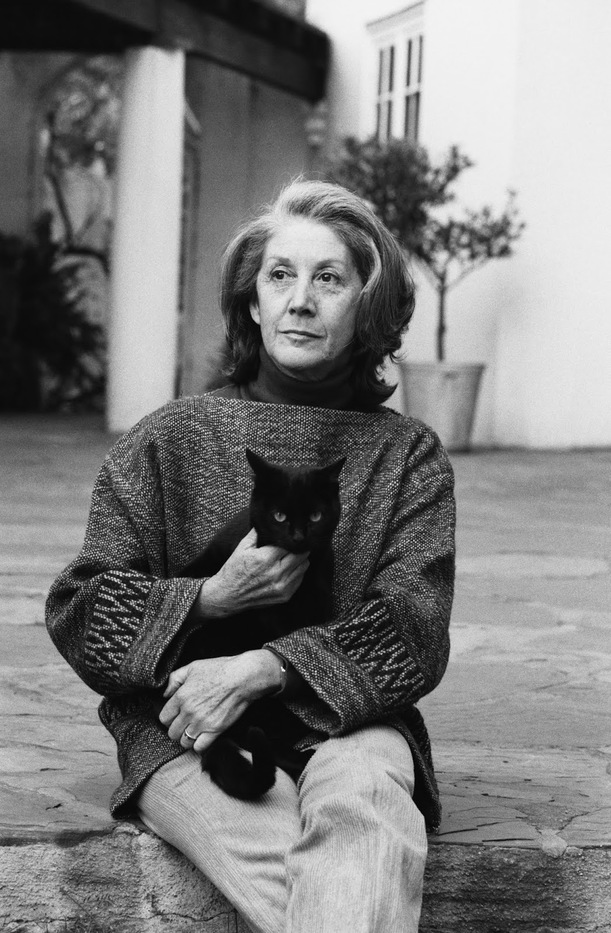
Nadine Gordimer was a South African writer, political activist, and recipient of the 1991 Nobel Prize in Literature. She was recognized as a woman "who through her magnificent epic writing has – in the words of Alfred Nobel – been of very great benefit to humanity".
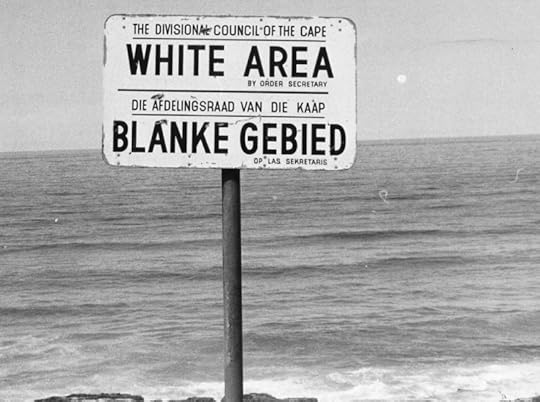
Gordimer's writing dealt with moral and racial issues, particularly apartheid in South Africa. Under that regime, works such as Burger's Daughter and July's People were banned. She was active in the anti-apartheid movement, joining the African National Congress during the days when the organization was banned. She was also active in HIV/AIDS causes.
Para já, tiro do peito aquilo que não quero que ensombre o valor deste livro: a edição tem grandes, graves, e ridículos problemas (da inteira responsabilidade da tradutora, e agravados pela inexistência de um revisor), cujos principais exemplos são, só para mencionar os que provocam pesadelos, a utilização de expressões como "ir de encontro" [à linha do horizonte]; a acentuação aguda ("ás") para a contração da preposição com o artigo definido; ou a embaraçosa ausência de pronomes pessoais átonos ("ouvi ela contar"; "deixou ele revirar").
Agora que isto ficou para trás, Um Mundo de Estranhos merece toda a nossa atenção - e vale muito a pena dispensar-lha.
"Odeio o rosto dos camponeses.(...)Rostos cansados, indulgentes e rudes, nos quais a emoção perpassa fugazmente, vinda do exterior, como uma mosca no focinho dum boi, e desaparece quando a mosca é afastada por um estremeção involuntário que não é mais consciente que a reacção de um músculo. Em Inglaterra odiava os seus rostos nos campos. vermelhos e sorrindo para nada. A única diferença destes, que estavam entre os caixotes no cais, era o brilho negro do suor em vez do tom vermelho, e os olhos castanhos injectados e não daquele azul inexpressivo, que, com propriedade, é a cor do vazio, do espaço."
Um Mundo De Estranhos não é, de todo, uma obra pacífica, mas é uma obra muito honesta na qual Nadine Gordimer não empola as situações, mas antes as apresenta com a normalidade com que, em regime de apartheid, as pessoas se acostumaram a encarar a realidade xenófoba.
"Disse cuidadosamente, porque o sentia com sinceridade, tal como o dissera a Sam por delicadeza, que esperava voltar de novo a vê-lo. Mas ele respondeu: - Está bem. Quando? - Podíamos talvez almoçar sexta-feira? Ele riu-se de mim calmamente. - Mas onde é que podemos almoçar juntos? Nem tinha pensado nisso, ele não podia entrar em nenhum restaurante ou café da cidade."
A Joanesburgo de Nadine Gordimer é uma cidade profundamente fraturada pelo regime de apartheid, resultando essa divisão num cenário em que dois mundos (o dos europeus e o dos nativos) ao invés de se confrontarem abertamente, mais se evitam, se ignoram com todas as forças, onde uns se submetem a, e outros exercem uma força milenar que não ousam pronunciar
"(...)tudo o que aqui se refere à vida citadina [está] ligado a outro mundo: as peças de teatro são as peças da Europa, as piadas de cabaré são de Londres ou de Nova Iorque... Percebe o que quero dizer? Joanesburgo parece não ter um estilo próprio... É o que as pessoas sentem. Em parte. Mas agora penso que há mais qualquer coisa. Solidão dum género especial. A nossa solidão. A falta de uma identidade humana comum. A solidão duma minoria poderosa."
Sendo a segregação racial um tema que percorre esta (e grande parte) da obra da autora é curioso notar como a questão é apenas aflorada pelos personagens que compõem a galeria deste livro. Toby, um jovem inglês que se opõe às restrições sociais e legais, e aos valores morais europeus, embarca rumo à África do Sul, enquanto representante da editora Aden Parrot. Uma vez lá chegado, e vivendo em pleno contexto de apartheid, Toby não nos devolve a dimensão política exterior, mas apenas a sua visão pessoal do regime a partir dos relacionamento que estabelece com outros personagens que atuam como representantes das duas facções que se digladiam no terreno - posto de forma muito simples: os colonizadores e os colonizados.
"...um preto e um branco, mesmo sendo conhecidos, não tinham probabilidades de se encontrarem por acaso em Joanesburgo. As suas rotinas podiam desenrolar-se paralelamente durante a maior parte do tempo, mas era surpreendente como eram eficientes os sistemas que evitavam um encontro."
Nadine Gordimer domina sabiamente a arte do "não dito", e faz uso desse mecanismo para, através de uma série de encontros fortuitos, festas, bailes etc, permitir a Toby traçar um retrato da sociedade africana durante este período histórico ao mesmo tempo que o desenha como um homem também ele fragmentado entre a força da chamada "tradição" ocidental e as vivências pessoais que o forçam a encarar uma realidade diferente daquela em que foi educado e para a qual foi sendo tendencialmente formatado.
"(...) pertencíamos ao velho tecido social dum país antigo e os nossos ossos partilhavam com as suas pedras uma memória ancestral. Se não sabíamos o que éramos, sabíamos o que tinhamos sido e esta continuidade era inquebrável pelo trauma do nascimento de várias gerações numa nova civilização."
Com isto, a autora conseguiu criar um narrador muito próximo do europeu jovem e culto da atualidade, aquele que se debate entre os ensinamentos do currículo e a experiência em primeira mão; o que pretende viver no terreno a condição do outro em vez de prolongar a pantomina que observa em seu redor, embora sempre com receio de que esse pisar da linha origine a falência do papel que lhe permite o regresso à vida calma de todos os dias.
"Sabia que, se contasse a Cecil que os meus amigos mais íntimos em Joanesburgo eram negros e que eu comia com eles e dormia nas suas casas, a perderia. Era esse o cerne da questão."
Pelo meio, as questões que Gordimer coloca são variadas e ocupam bastante espaço nesta obra: o embate entre a esfera privada e o pública; o bem estar pessoal e o coletivo; o confronto interno e o externo.
"Cresci num mundo em que os fantasmas são as bombas e os horrores da radiação atómica: em pessoas como eu há uma certa nostalgia da ameaça pessoal, palpável, dos ladrões e assassinos de carne e osso, esses fantasmas do passado, há muito ultrapassados no mal."
Ainda assim, a autora não é um Nobel consensual pois as suas obras têm uma cadência pouco usual e expressam atitudes fortes e politicamente incorretas - e, quando a tendência é a de ler (erradamente) o/a narrador/a como autor/a a coisa corre ainda menos bem -, mas a sua capacidade de captar a realidade fragmentada do meio em que vive - através do quotidiano banal -, é uma arte absoluta.
"(...)não me tinha eu, por razões minhas, sentido um estranho, sem compromissos, no meu próprio mundo em Inglaterra: e não era essa a razão por que acabara por me sentir curiosamente bem neste país africano, um estranho entre pessoas que eram estranhas entre si?"
Nadine Gordimer coloca muitas vezes o dedo na ferida ao longo do livro (isso mesmo justificou que a sua obra fosse banida no seu país), abana o leitor sentado em total conforto na distância segura de x anos de um regime que hoje não ficaria bem apoiar. Mas o leitor que se senta confortavelmente também sabe que os regimes mudam de nome, ganham novas roupagens, mas raramente se eclipsam totalmente deste mundo.
"Por um lado, havia o enorme grupo de brancos para quem a barreira da cor não era uma lei feita pelo homem, mas uma barreira real e eterna: pelo outro lado, as pessoas que, ou por consciência social ou (como eu) falta de paciência com as distinções restritivas que pessoalmente achavam sem sentido, se misturavam com pessoas de cor. Com todos os livros e artigos de jornal que se escreviam sobre a África do Sul era inevitável que a fraternização proibida se tornasse, de certo modo, uma moda e atraísse certos brancos que, doutro modo, nunca teriam vencido os seus preconceitos ou a indiferença pelas raças que viviam na periferia das suas vidas.(...)Começou a estar a moda (...) ter pelo menos um amigo africano, uma espécie de animal de estimação, cujo nome se podia citar como que por acaso: -Ainda no outro dia em minha casa o Tom Kwasa me dizia..."
Por isso as injustiças (não limitadas à discriminação pela cor) continuam; os homens continuam mais diferentes do que iguais; mais divididos do que próximos, mais estranhos num mundo de estranhos do que qualquer outra coisa.
"Ele não olhava para mim nem para nada: e seu isolamento penetrou-me silenciosamente; tive consciência dele, mas devia ter existido todo o tempo enquanto nos comíamos, bebíamos, cantávamos e praguejávamos no acampamento. Ofereci-lhe um cigarro mas ele não o tirou do pacote: estendeu as mãos juntas em concha e eu tive de lhe deixar cair o cigarro nelas. A solidão uniu-se ao frio, um miasma do antigo continente: estávamos ao alcance das mãos um do outro, como duas pessoas lado a lado, mas inconscientes dessa proximidade, num nevoeiro muito cerrado."
No fim, e após reunidas todas as peças, a obra não tem um tom otimista, antes nos deixa com uma vaga, triste impressão de que vivemos numa aparente democracia onde continuamos a ser governados pela superstição, manipulados para permanecer ignorantes, ingénuos e egoístas.
"Agradou-me pensar que para ela Deus estava pura e simplesmente fora de moda: era melhor do que suspeitar, como me acontece a mim, de que Deus estava de novo na moda."
Il romanzo prende l’avvio da un viaggio su una nave.
Toby Hood è, infatti, diretto a Johannesburg dove andrà a sostituire un agente della casa editrice Aden Parrot di cui è proprietaria la sua famiglia. Non sa a cosa sta andando incontro e conosce l’Africa solo attraverso i libri ma è entusiasta perché quello che cerca veramente è riuscire a staccare le catene, prendere le distanze da quello che chiama «orgasmo ideologico» di cui sono preda i genitori. Toby, infatti, è infastidito dalle mille battaglie sociali intraprese dai famigliari. Lui, al contrario, vuole solo godersi la vita senza impegni.
Ecco che proprio a Johannesburg gli si offre doppiamente questa possibilità.
Da un lato, frequentando una cricca di gente molto benestante che si raduna nella Casa degli Hollward – proprietari di miniere di uranio- non a caso detta « La Casa Alta ». Dall’altro, bazzicando i quartieri indigeni dove stringe amicizia con il giovane ’africano Steven...
Pubblicato nel 1958, “Un mondo di stranieri” descrive un momento in cui l’apartheid era uno stato d’essere che andava consolidandosi. Qualcosa che c’era ma di cui non si parlava apertamente e dove inglesi e Afrikaner si contendevano ogni briciola della torta mentre chi aveva la pelle nera silenziosamente combatteva per la propria sopravvivenza.
Toby Hood si destreggia fin che può tra due mondi entrambi storditi dall’alcool, entrambi dominati da un genere particolare di solitudine (…) la mancanza di un comune denominatore umano e questo è un mondo di stranieri, un mondo dove non si vuole veramente riconoscersi nell’altro.
” Eccola, la verità. La verità affogata, calpestata, soffocata dalle grida, screditata. Questo giovane con la faccia scura cui il bere e la stanchezza danno una patina polverosa e bluastra, coi denti rovinati e un po' di cispo agli angoli di quei suoi occhi da straniero, questo giovane ed io, due estranei, l'avevamo appena agguantata, a tarda ora nella notte, come un animale fino allora creduto affatto sterminato. Eravamo ubriachi, è vero, ma l'avevamo presa. Era nostra, una verità piccola come un topolino, viva. Fosse pur generato dal bere, ne avevo avuto pochi di momenti come quello, nella mia vita, perfino al mio paese, fra i miei amici. più ancora che comprenderci l'un l'altro, noi volevamo la stessa cosa.”
Three and a half stars. Gordimer's second novel is not essential, but worth a read nonetheless. The first-person narrator is Toby Hood, a young Englishman who takes a publishing job in South Africa and becomes awakened to the tragic consequences of apartheid. Hood is not entirely convincing; he sometimes sounds like a mouthpiece for Gordimer's own very insightful but somewhat heavy-handed reflections. Also, not much happens until the last fifty pages or so, except for a succession of high-minded parties where people talk about politics and analyze their friends. But the secondary characters are diverse and very interesting, especially Steven Sitole, a pragmatic black South African who longs to be an individual in a society that denies him the full range of his humanity. Gordimer is one of the few white authors from any country who crossed the color line so convincingly back in the fifties and sixties. This novel was published a year before Saul Bellow's execrable Henderson the Rain King, which also purports to be an outsider's encounter with Africa. But if Gordimer's book is a flawed but ultimately moving and illuminating depiction of the tensions within a dying colonial society, Bellow's book is just a racist schoolboy fantasy.
Um jovem inglês vai para Joanesburgo como agente editorial para visitar livrarias e promover vendas de livros. Missão não cumprida pois passa o tempo em jantares, festas e caçadas com a alta sociedade sul-africana.
_____________ Prémio Nobel da Literatura 1991 Nadine Gordimer nasceu na África do Sul em 20 de Novembro de 1923 e morreu na África do Sul em 13 de Julho de 2014.
I know Nadine Gordimer is a writer I should like. I certainly respect her, especially since I saw her lecture when she was a writer-in-residence at Tulane University in the late 1980s. I very much enjoyed her collection of short stories Beethoven Was One-Sixteenth Black and Other Stories. But I’ve given up on the few novels of hers that I’ve attempted until this one. A World of Strangers reminded a lot of Walker Percy’s The Moviegoer. It is a story of a privileged young Englishman who is sent to South Africa to work in a family publishing firm. In the days before long distance flights, he gets there by ship, through the Suez Canal, down the eastern shore of Africa. On the ship, he encounters people of his social status, never quite at ease, but easily assimilated.
When in Africa, he lives in two different worlds when he arrives in Johannesburg. One is with his white peers. He develops a relationship with a middle-class divorcé who has a son she regards as an inconvenient burden. But his real friendship is with a young, irreverent and politically and socially assertive black man, Steven Sitole. Steven introduces him to the world of the townships and how to navigate the illegal netherworld between their two realities. They often land at parties and celebrations of Indians—that in-between place where neither whites or blacks are present—where they are often the only ones of their race present. But their friendship endures even as his white world of employers, social equals and his lover is ignorant of it.
After he returns from an extended hunting trip with other privileged whites, he learns that Steven has been killed by the police in circumstances that are never revealed in the novel. This is where Gordimer loses me. She does not have the absolutism or clear distinctions of South African writers like Alan Paton, André Brink or J.M. Coetzee. Instead, her conclusion—if one can call it a conclusion at all—is a nebulous one that sparks no instinctive outrage. Her protagonist understands that his view of the South African tragedy is one of an outsider who can extract himself from its reality anytime he prefers. His grief for the reality and injustice of Steven’s death is real and authentic, but it is personal, not politically motivating.
That for me, is the unsatisfying conclusion of the novel. I wanted, as Americans seem always to do, to have finality—a moral to which I could cling. So to be fair to Gordimer, she was not an absolutist American. Having lived the reality of South Africa from a relatively privileged vantage point, I assume she wanted to describe a reality that was not cut-and-dried. For that, I respect her. But as a reader, I guess I wanted more fire and brimstone.
As always, when I begin a story or novel by Nadine Gordimer, I have to reset something in my mind in order to navigate her sentences. They are beautiful sentences but are somehow constructed differently than what I am used to reading in fiction. Someday I will take the time to analyze why and how.
Because no sooner do I make the mental reset, than I am absorbed into her story. In A World of Strangers she has created a compelling main character, Tobias Hood, a man! The exclamation point is meant to show my astonishment at how she could write an entire novel in first person as a man. It works; she nailed the viewpoint completely.
Toby Hood, a young Englishman with already formed strong views about life, is sent to run the Johannesburg office of his uncle's publishing company. Raised by liberal parents post WW II, educated at Oxford, Toby is in complete rebellion against causes and wants nothing to do with the abstractions of racial issues or politics. He enjoys living the privileged life.
Johannesburg in the 1950s is a hotbed of racial issues and related politics, so A World of Strangers is a story about the awakening of political consciousness. However, compared to Doris Lessing's Martha, this awakening happens to Toby because of his interactions with people, not because of his exposure to ideas. That is what makes the novel come alive, what made me keep working through thoses sentences and wanting to find out how it would turn out for Toby.
Toby Hood, um jovem inglês, muda-se para Joanesburgo como responsável pela delegação sul-africana da editora da sua família. As suas origens familiares abrem-lhe as portas dos ricos e influentes, de origem britânica, na capital. Frequenta as suas casas e as suas festas, é convidado para caçadas e espetáculos.
Casualmente, Toby começa a ter contacto com vários habitantes de outras etnias, fazendo vários amigos na comunidade negra. Com estes, descobre um outro mundo em Joanesburgo.
A ação passa-se na década de 50, num período de implementação da legislação que instituiu o apartheid. A sociedade está social e legalmente dividida por etnias. Estes dois mundos não se tocam, exceto em relações de opressor e subordinado.
Movendo-se naturalmente entre os dois mundos, percebe que estes se excluem. Os brancos não fazem ideia, e não podem saber, das suas relações com os seus amigos racializados. Para Toby, essa separação é inevitável, dado o papel que os segundos desempenham no mundo dos brancos. Apesar do relacionamento natural e entre iguais que tem com os seus amigos negros, sabe que a revelação deste seu lado iria pôr em causa o seu lugar na sociedade.
A escrita é simples mas achei o enredo um pouco maçador, principalmente nas cenas da sociedade branca. A tensão racial e o despertar do protagonista para a segregação vão ganhando força ao longo da narrativa, no entanto, pareceu-me que quase tudo apenas acontece nos últimos capítulos. Não me parece uma obra essencial no que diz respeito a este tema e foi uma experiência de leitura interessante mas pouco memorável. Provavelmente não será o melhor livro para conhecer esta autora, cuja obra a tornou numa importante voz contra a segregação racial na África do Sul.
Um nota crítica ao colonialismo e ao capitalismo depredatorio em África. Um texto simples e de leitura fácil. Claramente obra datada, de 1958, que resiste mal ao tempo.
Being over 50 years old and set in apartheid South Africa, there's a temptation to think this book might seem a bit dated for today's readers. However, its themes of race, identity, class and tolerance are as vital today as they've ever been. Add to the weighty subject matter, Gordimer's sublimely crafted words and the host of convincing and engaging characters, and you have the ingredients for a great read. The plot is probably the weakest aspect, and though 'stuff happens', by the end you feel like you've only had a small window into the protagonists' lives, and there are as many questions being asked as there have been answered.
The book starts off slowly. The plot itself is presented in a rather subtle manner. Perhaps as a post-apartheid reader its easier to identify the disparity between the two worlds presented. The last quarter of the book picks up the pace. The conclusion is far more dramatic than the rest of the book and I'm not sure it fits as well as it could.
I found the book compelling and would recommend it as light reading. I would have liked some real criticism on Gordimers part, but I suspect that the time the book was written in didn't really encourage a radical critique in any sense. Regardless its well written and is a good account of the time.
I chose this book out of the library after my last exam my first year of college because it had an old dusty binding. I stayed up all night drinking coffee and vodka and reading it to the end. I love the story of the charming guy who grew up in a family of social activists and is trying to find his own way in the world without tipping into crass ideology on the one hand or apathetic conservatism on the other.
There's an amazing movie of this book that was made clandestinely in South Africa under apartheid and the film smuggled out of the country.
Una scrittrice sudafricana bianca che racconta il razzismo del periodo coloniale inglese.
L’ho trovato caratterizzato da una scrittura algida che non determina empatia nel lettore ma trovo sensata l’ipotesi che possa essere una scelta ponderata e un effetto ricercato dall’autrice per trasmettere l’immagine di un giovane ragazzo inglese che non è capace di sviluppare e imporre il proprio punto di vista nella propria famiglia, una famiglia liberale a cui reagisce solo come ribellione richiamando invece atteggiamenti imperialisti come quello del nonno morto nella guerra boera, prima, e nella società di cui fa parte a Johannesburg, poi, dove però finisce per trovarsi realmente molto più a suo agio tra gli afrikaans invece che tra i suoi “simili”. I capitoli finali con la morte mi hanno un po’ spiazzata, perché non me l’aspettavo, nonostante in realtà il capitolo sulla caccia preparasse a mio parere a un evento tragico imminente. Fino al capitolo finale non riesce a prendere una posizione netta e decisa e continua a frequentare entrambi ma con riflessioni di tipo molto diverso, perfino quando sta con Cecil o con Anna, ma poi incontra la morte, quella reale non solo letta o ascoltata, e lì finalmente trova il coraggio di dire davvero dove vuole stare, anche se in realtà a mio parere lo aveva già dimostrato, soprattutto quando ha preso posizione contro la segretaria e contro la padrona di casa, cambiando appartamento.
Un giovane bianco si trova a lavorare a Johannesburg e lì cerca l’integrazione fra due mondi che non si incontrano. Toby fatica a stare nell’ambiente compassato e ingessato dei bianchi, fatto di festini e cocktail in ville con piscina; e si trova meglio con i giovani di colore fra rumore, ritrovi clandestini e povertà. Ma in entrambi in fondo è un pesce fuor d’acqua. Ho faticato nella lettura di questo libro. Ho trovato una prosa frammentaria, anche se scorrevole che me ne ha appesantito la lettura. Pochi passi brillanti, in cui l’autrice sembra in qualche modo mollare il freno, tenuto tirato per tutto il romanzo, e liberare l’anima in quello che deve essere un incontro a cuore aperto sulla questione razziale con il lettore. E’ il secondo libro che leggo della Gordimer e non riesco ad entrare in simbiosi con la sua prosa.
La Gordimer in questo libro, pubblicato nel 1958, ci presenta l’apartheid sudafricana con una focalizzazione zero, un punto di vista estraneo, di chi vede, vive ma è poco coinvolto. Inglesi, afrikaner da una parte vivono in un mondo a sé stante, che ha i suoi privilegi, le sue abitudini ma che è completamente avulso dalla realtà dell’altra parte del mondo e cioè da quello che ha la pelle nera che con un silenzio assordante lotta per la propria sopravvivenza. Il protagonista si trova a vivere tra queste due realtà che non si guardano, perché sono “straniere” tra di loro. Non c’è alcun dialogo! Tutti sono immersi in una solitudine, lontana da contatti e valori umani, dalla quale spesso cercano di fuggire stordendosi con alcool e altro. È un libro duro questo della Gordimer così come il suo narrare è analitico, curato e attento al particolare in modo quasi ossessivo. Ne viene fuori un’analisi molto interessante sul comportamento umano di fronte al quale il protagonista non può che riflettere e prendere una decisione!
Some brilliant lines and some v interesting and moving ideas, but all of the characters felt kind of underdeveloped, except for protag who was kind of unbelievable in a diff sense (seemed like a mouthpiece for the author). Also not a particularly easy to read book had to go over quite a few passages. All in all though a very interesting portrait of apartheid South Africa. 3.5 stars
"Um Mundo de Estranhos" foi a leitura de Fevereiro para o projecto World Book Tour, que neste mês contemplou autores da África do Sul. Tendo sido escrito durante os primeiros anos do apartheid, o mesmo esteve proibido no país em causa durante 12 anos. Apanhando uma época tão preponderante na época de um país, seria impossível suplantar a temática da segregação racial, pelo que a autora esforçou-se por apresentar uma crítica social acutilante mas não centrada na temática de uma forma óbvia. Toby é um dandy, e comporta-se como tal, sendo despretensioso, despreocupado e capaz de se insinuar com facilidade em qualquer ambiente que lhe traga algum retorno que se prenda com a satisfação imediata. Age como alguém sem ligações com compromissos que não os meramente profissionais, muito em parte porque não quer ver-se restricto pelas convenções sociais que lhe são impostas moralmente e legalmente, mas também não pretende envolver-se na sua resolução, fugindo das expectactivas e esforços familiares e de estranhos para que se encaixe num grupo ou caracterização social. É nesse estado de espírito que acaba por se encontrar entre duas realidades, a do mundo elitista e caucasiano e os bairros sociais dos negros. Parte de si encaixa em ambos, um na procura do conforto, outro no encontro intelectual e de sociabilidade, sendo que a sua consciência, ainda que pretensamente indiferente constantemente evidencia a diferença e a incapacidade de mesclar ambos universos. A sua perspectiva acaba por trazer uma análise pessoal centrada nas crónicas de bons costumes, negligenciando uma análise mais externa do contexto social em que o enredo se insere, ficando este relatado pelo assinalar esporádico de certos momentos através de personagens externas. Pela sua despreocupação em considerar as suas acções, o leitor por vezes quase que se esquece do nível de perigo e insegurança em que se colocava esta personagem, uma vez que vencendo as convenções pela sua desconsideração, a personagem principal age como se elas não existissem, tendo de se confrontar com a realidade dos factos perante certas ocasiões que o relembram que lá porque este se posiciona numa abstenção forçada de consciencialização moral, o mundo continua a girar e as suas contristações estarão sempre presentes para o desafiar. Atendendo a que o livro acompanha o quotidiano de um homem cujas preocupações diárias passam pelos eventos sociais a frequentar, não foi uma leitura tão profunda ou impactante quanto esperava. No entanto, o seu estilo é bastante refinado e dá um prazer enorme em ler, sendo que o segredo desta leitura reside em ler as entrelinhas e tudo o que não é dito.
Sobre o autor: "Prémio Nobel da Literatura 1991. Escritora sul-africana, Nadine Gordimer nasceu a 20 de Novembro de 1923 em Springs, uma cidade mineira dos arredores de Joanesburgo. Filha de um joalheiro judeu, vindo da Letónia e de uma cidadã britânica, obcecada pela saúde da filha, estudou numa escola de orientação cristã. Geralmente confinada em casa pelos cuidados da mãe, escreveu o seu primeiro conto com apenas nove anos de idade e, continuando o seu esforço literário, viu Come Again Tomorrow, merecer publicação na secção infantil da revista Forum cinco anos depois. Matriculando-se na Universidade de Witwaterstrand, acabou por desistir dos seus estudos ao fim de um ano, preferindo a escrita. Assim, em 1949 publicou o seu primeiro livro, uma colectânea de contos intitulada Face To Face, e que revelavam as suas preocupações quanto à segregação racial na sociedade sul-africana. [...] Continuando a explorar o tema dos direitos da maioria negra, Gordimer publicou The Conservationist (1974), romance em que propõe um contraste entre o mundo tradicional Zulu e o devastador fluxo de industrialização conduzido pela etnia europeia. The House Gun (1998) gira em torno do julgamento de um arquitecto, Duncan, que é acusado de ter assassinado o seu amigo Carl Jesperson. [...] Nadime Gordimer foi galardoada com o Prémio Nobel da Literatura em 1991. Faleceu a 13 de julho de 2014, com 90 anos, na sua casa de Joanesburgo". Fonte: WOOK - Cláudia
Rispetto al contenuto, Toby Hood, il protagonista del romanzo di Gordimer 'Un mondo di stranieri', ha una funzione particolare o perlomeno in contrasto con il ruolo di primo piano: di fatto serve da specchio di mondo straniero. Arrivato dalla Gran Bretagna degli anni '50, che ormai si sta rassegnando a volgere le spalle a Impero e Commonwealth, Hood si trova immerso in una realtà che gli è del tutto estranea, l'ancora colonia sudafricana nella quale da qualche anno è in vigore una politica segregazionista nei confronti delle varie etnie indigene, attuata dalla minoranza boera occidentale con il sinistro nome di 'apartheid'. Il trasferimento dalla swinging London al remoto e torrido Sudafrica, dove gli occidentali si sentono quasi esiliati, è dovuto alla richiesta di uno zio di Toby, il titolare della casa editrice proprietà di famiglia, di andare a seguire gli affari dell'impresa in zona. Proveniente dall'alta borghesia londinese impegnata nel sociale e sui temi dello sviluppo dei Paesi del terzo mondo, ha sempre avuto a che fare con un ambiente che oggi si definirebbe 'radical chic' e ha assunto per sovraesposizione un atteggiamento di disinteresse e quasi di snobismo nei confronti dell'impegno vissuto in questo modo distaccato e lontano. Alla partenza la madre, con un certo snobismo, gli aveva affidato dei contatti per essere presentato presso l'elite intellettuale di Johannesburg e tra questi inserisce anche una sua ex compagna di collegio che ha sposato un tycoon locale, con una punta di disapprovazione per la ricchezza da parvenu di queste figure dei margini dell'Impero britannico.
Before reading this book, I'd never heard of it or its author Nadine Gordimer. I came across it through the Bookishly Tea and Book club - a subscription service that, each month, provides you with a vintage paperback, some teabags, and some stationery.
To be honest, at first glance, I wasn't impressed; it looked dull and worthy. But, I quickly became hooked within the few first pages. This compelling story raises important questions about what we do when we see injustice but are not directly affected by it (i.e. such as being, as is the protagonist of this book, a white Englishman in Apartheid South Africa) - Do you accept it? Do you try to fight it (and risk isolation?)? Or do you sit on the fence?
Gordimer doesn't provide any answers - though, shortly after this book was published, she did become actively involved in the anti-Apartheid movement - but she does highlight the need to recognise your privilege (in this case, white privilege). A message that's still important today.
one of the finest books i have ever read. nearly every other sentence holds some simple revelation, some sort of definitive observation about the nature of people, or things, or sometimes both. gordimer is just so fucking smart. one gets the impression that whatever you’ve thought of any of your original experiences, she’s also thought about it, and probably better. masterful social commentary, wonderful character development, and some of my favorite prose i’ve ever read. gordimer can go head to head with julio cortazar, dostoevsky, virginia woolf. seriously impressed.
“referred to her as ‘my wife’, giving a curiously legal ring to the designation, as a judge might speak of the defendant or plaintiff”
“ i had noticed in her these very real moments of excitement and relief, when as now, by the pronouncement afresh of some commonplace generality, she reaffirmed or rediscovered for herself some concept of life that was important to her and which she sometimes lost or feared to lose.”
“the sun was as blinding as a mirror or a miracle. you could not look upon his face; it was too much pagan glory for a human.”
“the plaster mannequins leant towards the street behind concave glass, showing clothes from london and vienna.”
“but then the country of the tourist pamphlet always is another country, an embarrassing abstraction of the desirable that, thank god, does not exist on this planet, where there are always ants and bad smells and empty coca cola bottles to keep the grubby fingerprint of reality upon the beautiful.”
“carpet seemed to grow up the stairs, padding the rim of each step like pink moss.”
“i felt ink stained and rather stale inside my hairy old suit, and, with my third drink disappearing, contented in this.”
“she laughed, and the skin crinkled prettily round her painted eyes.”
“there are very few cities in the world that can stand up to being taken neat.”
“she had the flatness of a person who has had several drinks rather too long ago, and is in need of several more, or a meal.”
“on a few benches and old dining-chairs, there were some women in haphazard cheap-jack finery and one or two men in business suits and glasses.”
“she looked at me as if i were joking; then her expression changed to one of curiously feminine curiosity, that expression women get when they think you may be about to give away some aspect of yourself you really had not intended to let slip.”
“in my hand, in the sun, it had the peculiar weight that weapons have; even a stone, if you are going to throw it, feels heavy.”
“it had the soothing monotony of snow.”
“and with hands aching with the hard cold of the gun, we would follow him through a morning wet and fresh and strange as something torn from a womb.”
“i began to spend a lot of time with san and his quiet wife. at first i felt awkward about going to their house so much more often than i used to when steven was alive; but they accepted me in their shy, unremarking way as if this was inevitable for all of us.”
“she was looking at me fondly, with the reluctance with which i have noticed women are seized the moment they have given something up.”
Ler Nadine Gordimer é um convite ao desconforto. Em 𝑼𝒎 𝑴𝒖𝒏𝒅𝒐 𝒅𝒆 𝑬𝒔𝒕𝒓𝒂𝒏𝒉𝒐𝒔, a Nobel da Literatura sul‑africana (1991) transporta-nos para a Joanesburgo dos anos 50, em pleno auge do apartheid. Acompanhamos Toby Hood, um jovem inglês que chega à África do Sul determinado a manter-se neutro, querendo apenas viver a sua vida privada e profissional, longe das amarras da política. No entanto, a genialidade da obra reside precisamente em mostrar como, num regime opressivo, a neutralidade é uma escolha impossível.
O que torna este livro uma leitura magnética é a forma como a autora contrasta a opulência oca da elite branca com a vitalidade pulsante dos bairros negros. Esse contraste ganha corpo na própria vida de Toby, que divide a sua existência em dois cenários opostos. Por um lado, frequenta as festas da alta burguesia, palcos de vaidade, preconceito e jogos de interesse e validação social. É um ambiente artificial e asfixiante. Por outro lado, é nos subúrbios segregados que descobre a verdadeira liberdade, num espaço onde a música funciona como antídoto à rigidez do mundo branco. Ali, o jazz devolve dignidade a quem vive sob vigilância. Ali, a música é liberdade pura, sem cálculo, atraindo irresistivelmente um Toby cansado da hipocrisia do seu próprio mundo.
Entre estes dois mundos, Gordimer introduz ainda uma zona intermédia, o espaço híbrido onde vive Anna Louw. Ali, convivem pessoas que escapam parcialmente às fronteiras rígidas do apartheid, brancos progressistas, indianos, mestiços, activistas que circulam num território de mistura vigiada. É um lugar de transição, onde a segregação não desaparece, mas se torna mais porosa. A presença de Anna nesse limiar representa uma possibilidade de cruzamento, mas também os limites dessa possibilidade.
A imersão de Toby no mundo subjacente de Joanesburgo deve-se a Steven Sitole. Mais do que amigo, Steven é o guia que abre as portas dessa realidade proibida. Com o seu magnetismo e a recusa em ser reduzido a vítima, mostra que a dignidade e a alegria podem ser formas poderosas de resistência.
Mas é nas relações amorosas que a contradição de Toby se expõe. Ele apaixona-se por Cecil, uma branca alienada, e envolve-se com Anna Louw, que habita essa zona intermédia, mas nunca atravessa a fronteira da intimidade com uma mulher negra. Toby consome a cultura negra, mas não se mistura com ela. A sua incursão é escolha, privilégio revogável
Criar uma personagem que desafia convenções sociais mas permanece presa às suas próprias barreiras invisíveis foi uma audácia tremenda em 1958. A reacção do regime do apartheid não se fez esperar e o livro foi banido durante doze anos.
Ao fechar o livro, a lição que ecoa é brutal. Numa sociedade estruturada pela opressão, a neutralidade é uma ilusão e as bolhas de liberdade individual serão sempre esmagadas se não houver uma libertação colectiva. Uma obra desconfortável que desafiou a censura para dar a conhecer a verdade que o apartheid tentava silenciar.
In Nadine Gordimer’s second novel, A World of Strangers, twenty-six-year-old Tobias Hood (Toby), has been asked by his uncle to travel to Johannesburg and for a few months take charge of the operations of the South African branch of the family’s publishing firm, Aden Parrot, while the permanent director is on temporary leave. With the War concluded, the South African government, to the horror of much of the civilized world, has imposed a system of apartheid on the country’s overwhelmingly black population. But Toby, Oxford educated, a self-involved child of wealth and privilege, has no interest in politics or racial justice. And though his radical, liberal-minded parents urge him to look into the plight of the Indian minority and maybe even issue “a weekly newsletter on the effects of racial segregation,” he announces that his purpose in going to Africa is to sell books and advance the firm’s interests. As his adventure gets underway, Toby wants nothing more than to make it through his assignment untouched and unscathed, return home to England and resume his life where it left off. Toby’s initial engagement with South African society occurs at the home of a wealthy white family, the Alexanders, acquaintances of his mother. It is at a party at the Alexanders’ opulent estate (modelled after the English country house) that he meets Cecil Rowe, a young, attractive aspiring model, and soon finds himself falling in love. But then, shortly after assuming his duties at Aden Parrot, he meets Anna Louw, a legal aid lawyer working on behalf of those facing legal problems who can’t afford to hire a lawyer. Through Anna, Toby is ushered into a very different sort of world. Government housing policy has forced native Africans into settlements outside the city, where they live in crowded conditions and often in dilapidated or jerry-rigged dwellings with antiquated or unreliable infrastructure support. It is here, in the townships, that Toby encounters many black Africans and is drawn into their lives and their vibrant culture. Toby, while aware that he is a product of the ruling class and the world of white privilege, finds himself irresistibly drawn to the other, and as he makes new friends and witnesses their struggles and the senseless injustices they face each and every day, his sympathies begin to shift. Gordimer’s leisurely paced, gracefully written novel never preaches. Toby’s dramatic turn of mind—inspired by several key events—is subtle and gradual. In the end—caught between two irreconcilable worlds and conflicting ways of life—he finds himself facing impossible decisions. A World of Strangers is a cleverly executed indictment of apartheid—it was banned in South Africa for 12 years following its publication in 1958. But it is also infused with the wisdom of lived experience and clear-eyed observation. And, as always with this author, it is insightful, penetrating and truthful.
From the very title you understand where the writer wants us to go, what she wants us to see: if only were it possible to live in the world not feeling - and making other feel - stranger. For your place of birth, for the colour of your skin, for the place where you live, the house you inhabit, the neighbourhood you stroll in. Were it only possible...
"She and her daughter had just spent nearly two months in Florence, and apparently Stella spent several months of each year somewhere in Italy – in Rome, Perugia, Venice, Garda, and, always, Florence." Perugia? Did she really knew Perugia???
I had no intention of becoming what they saw me as, what they, in their own particular brand of salaciousness, envied me the opportunity to become – a voyeur of the world’s ills and social perversions. I felt, as I had so often before, a hostility, irritation, and resentment that made me want to shout, ridiculously: I want to live! I want to see people who interest me and amuse me, black, white, or any colour. I want to take care of my own relationships with men and women who come into my life, and let the abstractions of race and politics go hang. I want to live! And to hell with you all!
I dragged the chair I had taken from the office out on to the little cement box that was my balcony, and sat there with my feet up, reading and dozing; all up the street there were men doing the same, like canaries hung out to get the sun - me, all spring long!!!
In amorphous, anonymous suburbia I lay low; not a stranger, but a man who, for the moment, belongs to himself.
He [the priest] took as his text ‘Without me ye can do nothing’ and he advocated Christ as if he were suggesting a course of vitamin pills;
and even when I was well known as an unexplained visitor at Sam’s house, and I took his little daughter by the hand down the road to buy her an orange from the row of vendors’ tin huts and home-made stalls and wares spread out on sacking on the ground, known as the ‘shops’, I was never anything but a stranger. But, as a stranger, I found in these places and among these people something I had never found at home
The life of the townships, at such moments, seemed to feed a side of my nature that had been starved; it did for me what Italy or Greece had done for other Englishmen, in other times. It did not change me; it released me and made me more myself.
Where were the walls of stone, houses that would stand, a place of worship where you would find God? What had I known of Steven, a stranger, living and dying a life I could at best only observe; my brother
Letto grazie a La Sfida dei Classici 2023. Anni fa avevo letto e molto apprezzato Un'arma in casa quindi le aspettative erano molte alte ma per fortuna non sono state deluse. Mi è piaciuto molto: protagonista ben caratterizzato e per niente scontato, storia non didascalica eppure perfetta. La lettura in inglese non è proprio banale a causa del periodare non sempre semplice dell'autrice. Conclusa la lettura si ha voglia di proseguire la lettura dei libri di Gordimer.
Read thanks to La Sfida dei Classici 2023. Some years ago I read (and really loved) The House Gun so my expectations were great but luckily I wasn't disappointed. I really liked this novel: the main character is well-built and not predictable and the plot is fascinating and engaging. The reading in English is not so easy because Gordimer's prose is complex. When the book is over you want to read other novels by Gordimer.
Riletto dopo tanti anni non ricordavo praticamente nulla della storia. Fin dalle prime pagine sono stata attratta dalla scrittura di Nadine Gordimer, la definirei raffinata. Il protagonista Toby prende via via forma. Diviso tra due mondi presenti a Johannesburg, quello agitato e protettivo dei bianchi e quello anticonformista e più vero dei neri, non riesce né vuole scegliere tra i due. La Gordimer ci descrive un paese molto complesso pieno di diversità e di ingiustizie dove ne bianchi ne neri si sentono veramente a casa. Alcune pagine sono veramente forti, angoscianti "Per la prima volta mi imbattevo in quell'atteggiamento che presto avrei scoperto assai diffuso nei sudafricani : un desiderio inconfessato di dissociarsi dal loro ambiente"
Few novelists capture the intricacies of social relations as well as South African writer and Nobel Prize winner Nadine Gordimer. World of Strangers is set during the late 50s in and around Johannesburg, told through the experience of Toby Hood, an young Englishman taking a one-year role in a South African office of a British book publisher. Toby is white but moves between the homes of wealthy English society and Black South Africans, populations that rarely mixed at the time and were mainly forbidden by law to do so. In the end, he realizes that he is at best a tourist in these racial hierarchies and that the lines are drawn such that he could never find a home in either.
I once saw Gordimer give a talk, and she was repeatedly asked "as a political writer...." She would always point out that she isn't a political writer but rather a writer interested in lives lived under strict and difficult political situations, and World of Strangers is definitely of this variety. Her characters are fully fleshed, complicated people trying to make their way in the many different but restrictive strata of the society they find themselves in and defined by. Even Toby's career as a English publisher is crucial as the English colonialists view Africa and its inhabitants through their own pastoral picture they've brought with them to buttress their feeling of superiority and to legitimize their rule despite being in the minority.
And the writing. Gordimer provides so many delicious descriptions of the land and its characters. As someone said to me recently, no one writes a better party scene than her, and I totally agree.
Gordimer does a great job creating the character Toby and keeping you inside his head the whole book. The book does feel like the title a bit, a world of strangers where you slip from one group to the other without really belonging in either. Of course, that isn't the point of the book, it's a portrayal of apartheid in South Africa in the 1950's. At the end of the book I felt both hopeless and hopeful.