

What do you think?
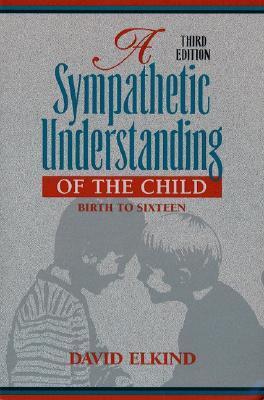
A Sympathetic Understanding of the Child: Birth to Sixteen
This unique book is an accessible, "child-centered" introduction to child growth and development. It presents the most up-to-date information in descriptive terms to inform readers about how children look, sound, and behave. Practical and research-based, without being research oriented, it looks at children over small time periods to reveal patterns of growth and development. Courses in Child Development, Educational Psychology, Introduction to Early Childhood Education, Child Psychology, and Parenting courses.
- GenresParenting
250 pages, Paperback
First published January 3, 1978
About the author
David Elkind
73 books45 followersDavid Elkind is an American child psychologist and author. His groundbreaking books The Hurried Child and Miseducation informed early childhood education professionals of the possible dangers of "pushing down" the elementary curriculum into the very early years of a child's life. By doing so, he argued, teachers and parents alike could lapse into developmentally inappropriate instructional and learning practices that may distort the smooth development of learning. He is associated with the belief of decline of social markers.
He also wrote Ties that Stress: The New Family Imbalance (1994), All Grown Up and No Place To Go (1988), and Reinventing Childhood (1988). His most recent article titled, "Can We Play?", is featured in Greater Good magazine (published by the Greater Good Science Center), and discusses how play is essential to positive human development but children are playing less than in previous eras.
from wikipedia.org
He also wrote Ties that Stress: The New Family Imbalance (1994), All Grown Up and No Place To Go (1988), and Reinventing Childhood (1988). His most recent article titled, "Can We Play?", is featured in Greater Good magazine (published by the Greater Good Science Center), and discusses how play is essential to positive human development but children are playing less than in previous eras.
from wikipedia.org
Ratings & Reviews
Friends & Following
Create a free account to discover what your friends think of this book!
Community Reviews
Displaying 1 - 2 of 2 reviews

April 19, 2022
This book, while partially helpful to my research, aged like milk. Some descriptions, such as "childhood autisims, a schizophrenic-like disorder" are jarring.

January 18, 2008
I'm still not sympathetic
Displaying 1 - 2 of 2 reviews