

What do you think?

The Other Side of the Hedge; The Celestial Omnibus
This scarce antiquarian book is a facsimile reprint of the original. Due to its age, it may contain imperfections such as marks, notations, marginalia and flawed pages. Because we believe this work is culturally important, we have made it available as part of our commitment for protecting, preserving, and promoting the world's literature in affordable, high quality, modern editions that are true to the original work.
48 pages, Paperback
First published January 1, 1904
About the author
E.M. Forster
749 books4,511 followersEdward Morgan Forster, generally published as E.M. Forster, was an English novelist, essayist, and short story writer. He is known best for his ironic and well-plotted novels examining class difference and hypocrisy in early 20th-century British society. His humanistic impulse toward understanding and sympathy may be aptly summed up in the epigraph to his 1910 novel Howards End: "Only connect".
He had five novels published in his lifetime, achieving his greatest success with A Passage to India (1924) which takes as its subject the relationship between East and West, seen through the lens of India in the later days of the British Raj.
Forster's views as a secular humanist are at the heart of his work, which often depicts the pursuit of personal connections in spite of the restrictions of contemporary society. He is noted for his use of symbolism as a technique in his novels, and he has been criticised for his attachment to mysticism. His other works include Where Angels Fear to Tread (1905), The Longest Journey (1907), A Room with a View (1908) and Maurice (1971), his posthumously published novel which tells of the coming of age of an explicitly gay male character.
He had five novels published in his lifetime, achieving his greatest success with A Passage to India (1924) which takes as its subject the relationship between East and West, seen through the lens of India in the later days of the British Raj.
Forster's views as a secular humanist are at the heart of his work, which often depicts the pursuit of personal connections in spite of the restrictions of contemporary society. He is noted for his use of symbolism as a technique in his novels, and he has been criticised for his attachment to mysticism. His other works include Where Angels Fear to Tread (1905), The Longest Journey (1907), A Room with a View (1908) and Maurice (1971), his posthumously published novel which tells of the coming of age of an explicitly gay male character.
Ratings & Reviews
Friends & Following
Create a free account to discover what your friends think of this book!
Community Reviews
Displaying 1 - 22 of 22 reviews

June 27, 2018
I'm pretty sure this short-story by E.M. Forster is complex enough that it could bear a number of interpretations. One of them would have a religious connotation, that the road is life, the hedge the barrier between life and death, and the moat people a kind of transition space between this life and the next.
I think, however, that Forster is more concerned with this life than the next and that the story is more probably about the failure of man to stop and appreciate the beauty of life in his constant pursuit of the material. What seems to matter to our narrator are the things he carries, the things he has accumulated. He leaves his brother behind him, and his reason for being left behind is telling of who our narrator is:
“At first I thought I was going to be like my brother, whom I had had to leave by the roadside a year or two round the corner. He had wasted his breath on singing, and his strength on helping others. And I had already dropped several things - indeed, the road behind was strewn with the things we all had dropped, and the white dust was settling down on them, so that already they looked no better than stones.”
It is no mistake that the road is circuitous. These people are traveling in circles and getting nowhere. They have lost their true purpose in trying to navigate the road itself and fail to see that losing one another might be more important than losing the things they are carrying with them. What they have really lost is the valuable intangibles to the merely material.
“For we of the road do not admit in conversation that there is another side at all.” Why? Because to admit it exists is to recognize that the progress on the road is worthless, is going nowhere.
I think this is the kind of story that requires re-reading to fully appreciate. At first reading it might seem simple, on a second look, it is anything but.
I think, however, that Forster is more concerned with this life than the next and that the story is more probably about the failure of man to stop and appreciate the beauty of life in his constant pursuit of the material. What seems to matter to our narrator are the things he carries, the things he has accumulated. He leaves his brother behind him, and his reason for being left behind is telling of who our narrator is:
“At first I thought I was going to be like my brother, whom I had had to leave by the roadside a year or two round the corner. He had wasted his breath on singing, and his strength on helping others. And I had already dropped several things - indeed, the road behind was strewn with the things we all had dropped, and the white dust was settling down on them, so that already they looked no better than stones.”
It is no mistake that the road is circuitous. These people are traveling in circles and getting nowhere. They have lost their true purpose in trying to navigate the road itself and fail to see that losing one another might be more important than losing the things they are carrying with them. What they have really lost is the valuable intangibles to the merely material.
“For we of the road do not admit in conversation that there is another side at all.” Why? Because to admit it exists is to recognize that the progress on the road is worthless, is going nowhere.
I think this is the kind of story that requires re-reading to fully appreciate. At first reading it might seem simple, on a second look, it is anything but.

December 22, 2024
قصة رمزية قصيرة عن الحياة، عنا، نحن البشر السائرين في طريق الحياة، تلهينا الكماليات عن الأساسيات، يلهينا المال و المقتنيات الثمينة عن المحبة و العلاقات الإنسانية، عن الاستمتاع بالجمال الحقيقي لما حولنا من الأهل و الأصحاب و الطبيعة، حتى إذا ما وصلنا إلى نهاية الطريق، شعرنا بثقل هذه الكماليات على نفوسنا و أدركنا تفاهة قيمتها الحقيقية، و بدأنا بإرادتنا الحرة نلقيها خلف ظهورنا، متذكرين أحبابنا اللذين خلفناهم وراءنا في زحمة الحياة، مشتاقين إليهم بعد فوات الأوان.

May 5, 2025
الكثير من الرمزيات، انا بحاجة لقراءة النص الاصلي لافهمها

November 13, 2017
A traveler on a road visits the Otherworld, but loses his chance to escape the rat race.

June 26, 2018
E.M. Forster does allegory and symbolism masterfully in this short story. My overall interpretation is that men work hard to follow their dreams that will lead them to great success and achievement, and the success and achievement of men is where men have triumphed in advancing the civilization with sciences and technology. And then there’s the theme that humanity is lost with the pursue of men’s advancement, as common courtesy human decency is amiss. Religion teaches men to be good to each other and help one another, and you will be welcomed into paradise where you can do what you love for eternity, even if it leads nowhere. As the Mc decides we wants out of the “other world” he forgets his manners and rushes to take a drink from an old man’s hands to cure his thirst. He awakes to see that the old man was his brother, the always caring and helpful brother, who is now helping in his poor condition. Right before his brother says to him, “This is where your road ends, and through this gate humanity—all that is left of it—will come in to us.” Despite his misgivings, despite his willingness to continue down the hard road of life, when he passes he will be accepted, all the good that is left of him will be welcomed.
Themes and symbolism:
Life is hard, men carry a lot of baggage. Even though some woes can be left behind, the one he carries is heavy and brings one down.
The promise of a heaven sounds like a cult to him. “...realized that the place was but a prison, for all its beauty and extent.” He doesn’t want to live in a place with no purpose, where no one acknowledges your achievements.
He felt his worries wash away like a baptism, coming through the other side from a pool of water.
Themes and symbolism:
Life is hard, men carry a lot of baggage. Even though some woes can be left behind, the one he carries is heavy and brings one down.
The promise of a heaven sounds like a cult to him. “...realized that the place was but a prison, for all its beauty and extent.” He doesn’t want to live in a place with no purpose, where no one acknowledges your achievements.
He felt his worries wash away like a baptism, coming through the other side from a pool of water.
This entire review has been hidden because of spoilers.

February 10, 2014
I absolutely adore every single one of Forster's novels and will read them over and over. They are fairly romantic, so I've never understood just what the appeal was. I generally avoid romance unless reading at someone else's suggestion.
His short stories...not so much. I didn't even feel like finishing. I finished only because I was reading on my Nook and could see how few pages were actually left, but even with that, I kept checking. NOT a good sign. I have been known to read 1000 pages in 2 days and then take a week to finish the last 30 because I don't want to let go of a story. When I am counting down the pages so I can get the heck OUT of a story, I feel I'm wasting my time.
Forster paints such lovely pictures when he has the room to do so. When he is constricted his writing is lackluster and boring. I feel the was trying too hard to be cryptic. Like he wanted me to read between the lines, but had forgotten to write there.
*sigh*
His short stories...not so much. I didn't even feel like finishing. I finished only because I was reading on my Nook and could see how few pages were actually left, but even with that, I kept checking. NOT a good sign. I have been known to read 1000 pages in 2 days and then take a week to finish the last 30 because I don't want to let go of a story. When I am counting down the pages so I can get the heck OUT of a story, I feel I'm wasting my time.
Forster paints such lovely pictures when he has the room to do so. When he is constricted his writing is lackluster and boring. I feel the was trying too hard to be cryptic. Like he wanted me to read between the lines, but had forgotten to write there.
*sigh*

January 21, 2011
I definitely prefer Forster's novels to his shorter pieces, which lack depth and with the exception of the Machine Stops, do not have fresh and original plots. Its all very earnest writing-class. Both the Other Side of the Hedge and the Celestial Omnibus seemed to have been written by someone greatly influenced by all things metaphysical, such as was beloved by the Victorians. They are enjoyable novellas and short stories but not the sort that would be considered classics without the author having written some much more major works.

March 8, 2025
"أعطني الحياة بصراعاتها وانتصاراتها، بإخفاقاتها وأحقادها، بمعناها الأخلاقيّ العميق وغايتها المجهولة!"
December 31, 2024
الجانب الاخر من السياج ... اي ام فورستر ... 12 صفحه ... سنه 1911
انا مش فاهم حاجة مين عايز ايه ... اظن انو بيتكلم عن الحياه والموت المفروض ان الجانب الاخر ده الجنه والراحه او علي الاقل الاستسلام وعيش الحياه بلا هدف معرفش بس هو مش عايز الراحه عايز يرجع للحياه تاني بقسوتها واحقادها هو اي نعم غباء محض المقارنه بين الاتنين بس طالما عايز يتعذب في الدنيا خليه يروح في ستين داهيه
انما انا اختار الجانب الاخر في اي وقت وفي اسرع وقت بس مش عارف اوصلو مفيش سياج بني اعدي منو انا حاسس اكني ماشي في نص السياج البني الي فيه شوك لا انا ماشي في الطريق المستقيم وعندي هدف ولا انا في الجانب الاخر ومستمتع والحياه سهله وحلوه ماشي بتشوك واتخزوق وبس لول ... كتاب غريب بس حلو تم ✅
انا مش فاهم حاجة مين عايز ايه ... اظن انو بيتكلم عن الحياه والموت المفروض ان الجانب الاخر ده الجنه والراحه او علي الاقل الاستسلام وعيش الحياه بلا هدف معرفش بس هو مش عايز الراحه عايز يرجع للحياه تاني بقسوتها واحقادها هو اي نعم غباء محض المقارنه بين الاتنين بس طالما عايز يتعذب في الدنيا خليه يروح في ستين داهيه
انما انا اختار الجانب الاخر في اي وقت وفي اسرع وقت بس مش عارف اوصلو مفيش سياج بني اعدي منو انا حاسس اكني ماشي في نص السياج البني الي فيه شوك لا انا ماشي في الطريق المستقيم وعندي هدف ولا انا في الجانب الاخر ومستمتع والحياه سهله وحلوه ماشي بتشوك واتخزوق وبس لول ... كتاب غريب بس حلو تم ✅

May 21, 2021
I have a lot to say about this one or perhaps once I get to actually write something I wouldn't write as much as I think I would. Anyway, it has been recommended to me by a friend who's majoring in literature and was so kind to accept discussing it with me. I'll be back after she blows my mind with all the underlined stuff I'm too ignorant or dumb to understand.

December 6, 2016
Had I never read Forster before this story, I never would again. Let history swallow this one and leave us with "A Room with a View."

October 13, 2024
!مفهمتش المغزى منها بصراحة

January 11, 2025
القصة جميلة لكنها ناقصة أِنتَهت بجملة قصيرة أخر الكتاب، تمنيتُ لو يوجد بها قليلاً من التفاصيل.

September 2, 2025
Not certain the point of this story and the metaphor of the hedge and moat.
The Celestial Omnibus is interesting as we may not all see the same world. QED
The Celestial Omnibus is interesting as we may not all see the same world. QED

December 31, 2025
لا اعلم ما المناسبة من كتابة هذا الكم الهائل من الغرابة عن سير الانسان في الحياة!
March 1, 2026
القصه جميلة ولكنها قصيرة جداً ، تمنيت لو فيها القليل من التفاصيل

September 15, 2015
The Other Side of the Hedge lies a dreadful stasis or an eternal paradise? Stepping off the highway of the world, letting go the “science and the spirit of emulation”, the narrator found a disquieting world of road “lead to nowhere” and “there are no others”, although there are nature and friendly inhabitants and visitors. The idea of Forwardness and Progess as the destine of human race is reconsidered in this essential final place. What is the meaning of hurrying and striving if we all are going to be lowered gently into sleep in this final place?
The Celestial Omnibus is driven by Sir Thomas Browne, introducing a young boy to the world of Shelley and Dante. The sardonic adults laugh at his journey, while the false and mocking President of the Literary Society suffered due celestial punishment.
The Celestial Omnibus is driven by Sir Thomas Browne, introducing a young boy to the world of Shelley and Dante. The sardonic adults laugh at his journey, while the false and mocking President of the Literary Society suffered due celestial punishment.

September 30, 2016
Originally published in 1911
in The Celestial Omnibus
and other short stories.
Re-printed in 50 Great
Short Stories in 1952.
I would like to give this
10 stars.
Out of the box. The box
doesn't even exist.
Well written. One of the
most original, creative
and different plots I have
ever encountered.
I dislike using this word
but this is probably the
most profound short story
I have ever read.
I would put this among
the top 5 short stories I
have ever read and I have
read a ton of short stories.
in The Celestial Omnibus
and other short stories.
Re-printed in 50 Great
Short Stories in 1952.
I would like to give this
10 stars.
Out of the box. The box
doesn't even exist.
Well written. One of the
most original, creative
and different plots I have
ever encountered.
I dislike using this word
but this is probably the
most profound short story
I have ever read.
I would put this among
the top 5 short stories I
have ever read and I have
read a ton of short stories.
May 16, 2020
it gave me a peculiar lovely sense amidst the story.
I hope the hereafter be beautiful like this.
I hope the hereafter be beautiful like this.
Read
October 17, 2024تمت..
١٧ أكتوبر ٢٠٢٤ ٤:٢٩ مساءً.
١٧ أكتوبر ٢٠٢٤ ٤:٢٩ مساءً.
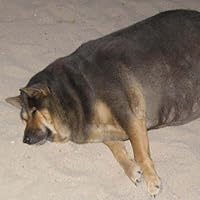
April 3, 2018
Camus would be so proud
Displaying 1 - 22 of 22 reviews