

What do you think?

Wordt niet vervolgd
Deze novelle uit 1777, die sinds 1866 wordt toegeschreven aan ene Vivant Denon, beschrijft een gecompliceerde liefdesrelatie uit de tijd van de Franse Verlichting. Het verhaal is in deze tijd herontdekt en wordt door Milan Kundera in zijn roman "De traagheid" (a.i. 96-02-232-9) aangehaald om zijn fascinerende aanvang en voortreffelijke uitbeelding van de menselijke verhoudingen uit de periode voor de Franse Revolutie. Ivo Gay voorzag de novelle van een uitvoerige biografische schets.
70 pages, Paperback
First published January 1, 1777
About the author
Vivant Denon
92 books14 followersDominique Vivant, Baron Denon was a French artist, writer, diplomat, author, and archaeologist. He was appointed as the first Director of the Louvre Museum by Napoleon after the Egyptian campaign of 1798-1801, and is commemorated in the Denon Wing of the modern museum. His two-volume Voyage dans la basse et la haute Egypte ("Journey in Lower and Upper Egypt", 1802), was the foundation of modern Egyptology.
Ratings & Reviews
Friends & Following
Create a free account to discover what your friends think of this book!
Community Reviews
Displaying 1 - 30 of 83 reviews

January 8, 2021
LA LENTEZZA
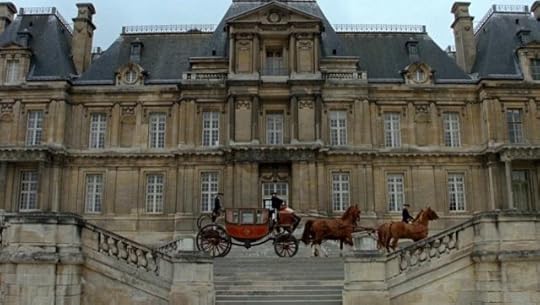
Un racconto di ottanta pagine che è entrato nella storia della letteratura, anche perché due secoli abbondanti dopo (1777 il primo, 1995 il secondo) uno scrittore importante, Milan Kundera, ha usato questa novella come base per uno dei suoi libri più rinomati, La lentezza.
E se il romanzo di Kundera per me ha troppi retaggi illuministici, qui, nella breve narrazione di Denon il secolo dei lumi è giustamente e piacevolmente rappresentato e riassunto come in una summa.
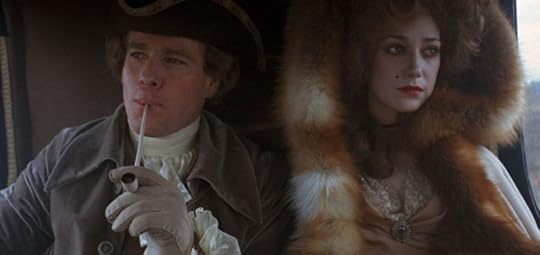
Si dice che in una sera parigina anni prima della Rivoluzione francese, che terminò l’Ancient Régime, un gruppo di amici fece una scommessa: è possibile raccontare una storia erotica senza ricorrere a parole indecenti? Si può parlare di seduzione e incontro dei corpi, di amore e carnalità senza scendere in basso con il linguaggio?
Tutti i presenti pare si espressero per il no: no, non è possibile, no, non si può.
Solo uno, Vivant Denon, giovane storico dell’arte che un po’ di anni dopo seguì Bonaparte in Egitto e in Italia, e portò via (depredò) sia l’uno che l’altro paese sulle opposte rive del Mediterraneo di capolavori d’arte che tuttora contribuiscono sensibilmente alla fortuna e fama del Museo del Louvre, del quale lui fu il primo curatore e direttore, solo Denon scommise che invece si poteva.
E vinse la scommessa. Il risultato sono queste ottanta pagine che raccontano una seduzione e riescono a tenersi sempre lontane dalla pornografia.
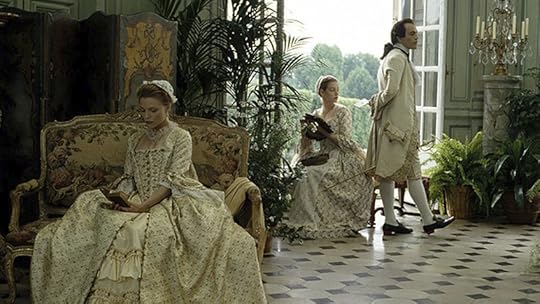
Ottanta pagine che sintetizzano e riassumono un’epoca, il secolo dei Lumi.
Le situazioni amorose si consumano a teatro dietro il sipario o nel retro di un palco - c’è un castello introvabile - giardini con zampilli e frasche ombrose, laghetto e panchine - un boudoir, con alcova e specchi, riflessi evanescenti, suggestioni…
Relazioni pericolose.
E ancora oggi si può ammirare l’abilità di Denon che cesella una storia di seduzione senza volgarità e senza ricercatezze di linguaggio, anzi, facendo ricorso a semplicità, velocità, secchezza, chiarezza – come ben dimostra l’incipit riportato in basso – dove una donna sposata rivolge la sua attenzione erotica verso un giovane, che è già stato amante di una sua amica, lo seduce, lo inganna, ma alla fine della finzione saprà ricompensarlo.
Il tutto nel corso di una sola notte. Una notte senza domani. La felicità di cui si parla sarà nel conservare la memoria: ma la dama protagonista, Madame de T., s’impegna, ottiene, consuma, ma non mantiene.
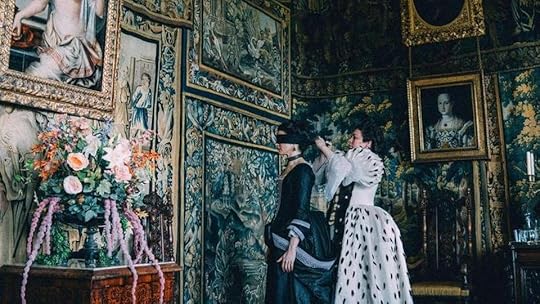
Amavo perdutamente la Contessa di...; avevo vent’anni, ed ero ingenuo; lei mi ingannò, io mi arrabbiai, lei mi lasciò. Ero ingenuo, la rimpiansi; avevo vent’anni, mi perdonò: e poiché avevo vent’anni, poiché ero ingenuo, ancora ingannato, ma non più lasciato, mi credevo l’amante più amato, e quindi il più felice degli uomini.

Jean-Honorè Fragonard: Le verrou, 1776. Museo del Louvre.
Un racconto di ottanta pagine che è entrato nella storia della letteratura, anche perché due secoli abbondanti dopo (1777 il primo, 1995 il secondo) uno scrittore importante, Milan Kundera, ha usato questa novella come base per uno dei suoi libri più rinomati, La lentezza.
E se il romanzo di Kundera per me ha troppi retaggi illuministici, qui, nella breve narrazione di Denon il secolo dei lumi è giustamente e piacevolmente rappresentato e riassunto come in una summa.
Si dice che in una sera parigina anni prima della Rivoluzione francese, che terminò l’Ancient Régime, un gruppo di amici fece una scommessa: è possibile raccontare una storia erotica senza ricorrere a parole indecenti? Si può parlare di seduzione e incontro dei corpi, di amore e carnalità senza scendere in basso con il linguaggio?
Tutti i presenti pare si espressero per il no: no, non è possibile, no, non si può.
Solo uno, Vivant Denon, giovane storico dell’arte che un po’ di anni dopo seguì Bonaparte in Egitto e in Italia, e portò via (depredò) sia l’uno che l’altro paese sulle opposte rive del Mediterraneo di capolavori d’arte che tuttora contribuiscono sensibilmente alla fortuna e fama del Museo del Louvre, del quale lui fu il primo curatore e direttore, solo Denon scommise che invece si poteva.
E vinse la scommessa. Il risultato sono queste ottanta pagine che raccontano una seduzione e riescono a tenersi sempre lontane dalla pornografia.
Ottanta pagine che sintetizzano e riassumono un’epoca, il secolo dei Lumi.
Le situazioni amorose si consumano a teatro dietro il sipario o nel retro di un palco - c’è un castello introvabile - giardini con zampilli e frasche ombrose, laghetto e panchine - un boudoir, con alcova e specchi, riflessi evanescenti, suggestioni…
Relazioni pericolose.
E ancora oggi si può ammirare l’abilità di Denon che cesella una storia di seduzione senza volgarità e senza ricercatezze di linguaggio, anzi, facendo ricorso a semplicità, velocità, secchezza, chiarezza – come ben dimostra l’incipit riportato in basso – dove una donna sposata rivolge la sua attenzione erotica verso un giovane, che è già stato amante di una sua amica, lo seduce, lo inganna, ma alla fine della finzione saprà ricompensarlo.
Il tutto nel corso di una sola notte. Una notte senza domani. La felicità di cui si parla sarà nel conservare la memoria: ma la dama protagonista, Madame de T., s’impegna, ottiene, consuma, ma non mantiene.
Amavo perdutamente la Contessa di...; avevo vent’anni, ed ero ingenuo; lei mi ingannò, io mi arrabbiai, lei mi lasciò. Ero ingenuo, la rimpiansi; avevo vent’anni, mi perdonò: e poiché avevo vent’anni, poiché ero ingenuo, ancora ingannato, ma non più lasciato, mi credevo l’amante più amato, e quindi il più felice degli uomini.
Jean-Honorè Fragonard: Le verrou, 1776. Museo del Louvre.

Read
February 24, 2021What did I think? My impression was that reading this was not like peeling a citrus fruit, but walking into a room after someone else had peeled a citrus fruit. It reminded me of lots of things, predictably perhaps Les Amants, which was based on or inspired by this little story (though by shifting the point of view it becomes quite different even before adding the Polo matches and the 2CV, and naturally Barry Lyndon, possibly just because it is a beautiful film, on the literary side I struggled with an edge of my brain recollection but over a few hours I remembered Aus dem Leben eines Taugennichts which isn't actually so wildly similar, that in turn brought to mind kenst du das Land which via Dictherliebe brought my wandering mind inevitably to Heimat 3, which nudged me into recalling a href="https://www.imdb.com/title/tt7163910/... 2 and that of course led me directly back to Trieste and all the books I have been recently consuming about the Third Reich. But perhaps you guessed that was where I would end up even before I began this review?
But that is the nature of this little story, one wanders through a Romantic landscape at night, splash about in a boat under the moonlight, regret that one does not have the key to the pavilion in the Rococo gardens, fears the embarrassment of not being able to find one's own bedroom in the great house where one is a guest and where it was expected that you would have spent the night tucked up and drifting in the land of Nod, rather than indulging in a Romantic adventure through the hours of darkness. Lenti currite noctis equi
But that is the nature of this little story, one wanders through a Romantic landscape at night, splash about in a boat under the moonlight, regret that one does not have the key to the pavilion in the Rococo gardens, fears the embarrassment of not being able to find one's own bedroom in the great house where one is a guest and where it was expected that you would have spent the night tucked up and drifting in the land of Nod, rather than indulging in a Romantic adventure through the hours of darkness. Lenti currite noctis equi

February 13, 2018
Beautifully written, unassuming, dangerous,seductive, naughty and fun. The hero of our piece is summoned by a beautiful, mysterious lady to her home one night, and once there is taken around the grounds of the house with her - who knows what the night will bring. I found this fantastical and rather like 'A Midsummer Night's Dream.' It was just the right length, and began and ended at exactly the right time and place.

March 7, 2014
As someone who is periodically seduced by urbane, crafty older women via secret rooms in their homes equipped with spring-loaded devices that discreetly toss entrants onto piles of cushions... I was curious to see if this little story would be true to the experience. I can speak to the authenticity, Vivant Denon was clearly a man who entered these elaborate portals himself, and the greatest evidence is that he doesn't over-share, choice details are all that is needed to bring this world into tastefully lighted focus.
We open with a man alone at the opera (these nights of passion always begin at a show, for me this is usually an afternoon screening at the dollar cinema) who has been stood up by the young lady he is mad about. Our wealthy Madame seizes this opportunity to spirit the young man away, and even helpfully sends a servant of her own to his house to tell them not to expect him home that evening (how often have I heard a woman phone her husband to demand that he pick their kids up from school? I couldn't guess). The seduction is already underway, the woman is jostled into the man's arms in the carriage ride (one must endure crotch grabs played off as absent-minded-diet-coke-in-cupholder-retrievals-that-are-mysteriously-missing, and a pro will lightly feign offense) and then the other woman is discussed (endless rantings about conspiracy theories, which is the modern parallel for society life among the sophisticated in America). When they arrive at her estate, a flirtatious stroll on the veranda commences, the night sweetly shrouded with shadows (scrambling after her through thick brush in an isolated section of the city park as she searches for her buried chest of sex toys [they always forget where the chest is buried, even though most of them have maps! it's part of the game!]). We meet the lackadaisical husband and dine with him (frequent calls from him are ignored, the ring-tone is usually a country pop hit detailing an episode of infidelity) and he dismisses himself early. The lovers toy with each other, circling around the whirlpool of desire (a crying episode, she screams at you to leave her alone, you turn and walk away and are soon tackled from behind, if your lucky you won't hit your head on a root). And then the lovers enter the forbidden room, and the tone changes from playfulness to eagerness (this could be a hollowed out tree, but my favorites are abandoned junk cars, and in one instance, an old tractor tire).
The story continues, but I don't want to give everything away, especially the wonderful exchange of entendre that follows with the rival lover (attacked at Sonic drive-in with a mechanic's screwdriver). And then everything repeats in French.
We open with a man alone at the opera (these nights of passion always begin at a show, for me this is usually an afternoon screening at the dollar cinema) who has been stood up by the young lady he is mad about. Our wealthy Madame seizes this opportunity to spirit the young man away, and even helpfully sends a servant of her own to his house to tell them not to expect him home that evening (how often have I heard a woman phone her husband to demand that he pick their kids up from school? I couldn't guess). The seduction is already underway, the woman is jostled into the man's arms in the carriage ride (one must endure crotch grabs played off as absent-minded-diet-coke-in-cupholder-retrievals-that-are-mysteriously-missing, and a pro will lightly feign offense) and then the other woman is discussed (endless rantings about conspiracy theories, which is the modern parallel for society life among the sophisticated in America). When they arrive at her estate, a flirtatious stroll on the veranda commences, the night sweetly shrouded with shadows (scrambling after her through thick brush in an isolated section of the city park as she searches for her buried chest of sex toys [they always forget where the chest is buried, even though most of them have maps! it's part of the game!]). We meet the lackadaisical husband and dine with him (frequent calls from him are ignored, the ring-tone is usually a country pop hit detailing an episode of infidelity) and he dismisses himself early. The lovers toy with each other, circling around the whirlpool of desire (a crying episode, she screams at you to leave her alone, you turn and walk away and are soon tackled from behind, if your lucky you won't hit your head on a root). And then the lovers enter the forbidden room, and the tone changes from playfulness to eagerness (this could be a hollowed out tree, but my favorites are abandoned junk cars, and in one instance, an old tractor tire).
The story continues, but I don't want to give everything away, especially the wonderful exchange of entendre that follows with the rival lover (attacked at Sonic drive-in with a mechanic's screwdriver). And then everything repeats in French.

December 31, 2021
Petit roman séduisant, voluptueux et très galant. Magnifique !!!

August 14, 2023
https://kansasbooks.blogspot.com/2023...
“Amaba perdidadamente a la condesa de…; yo tenía veinte años, y era ingenuo; ella me engañó, yo me enfadé, ella me abandonó. Yo era ingenuo, la añoré. Yo tenía veinte años, ella me perdonó, y como tenia veinte años, y era ingenuo, todavía engañado, pero aún no abandonado, me creía el amante más amado, por tanto el más feliz de los hombres.”
Esas repeticiones del yo era ingenuo, y tenía veinte años, me han fascinado, pero ya en la tercera lectura, lo confieso. porque así comienza este corto relato por el que bebían los vientos Chauteaubriand, Stendhal, Anatale France e incluso Milan Kundera, y cuando lo leí la primera vez, apenas detecté dónde podía estar la gracia. Me parecía bastante corriente y moliente, y sin embargo, cuando ya me decidí a releerlo, por segunda y tercer vez, empecé a ver los recovecos, los giros de lenguaje, el juego de manipulación de los personajes… . Ese narrador que recuerda sus veinte años y su ingenuidad haciendo tanto enfásis una y otra vez, me retrotraen a ese poema de William Wordsworth, “Oda a la inmortalidad ” donde se detiene en lo fugaz que es un posible instante de felicidad y que se difuminará en el tiempo, perdurando solo el recuerdo. El narrador ya más adulto y aunque disfrace su narración de una especie de divertimento, realmente lo recuerda como un instante de felicidad añorado.
“Sucede que con los besos lo mismo que con las confidencias: se atraen, se aceleran, se enardecen mutuamente.”
Realmente la historia es un tópico mil veces visto: un joven que ha tenido una aventura con una condesa que lo ha abandonado, conoce en la ópera a Madame T. Comienzan un flirteo instigado por Madame T. y ella lo invita a volver a su casa, una mansión en el campo que comparte con su marido con el que acaba de reconciliarse (por convenencia). Después de cenar y de que el marido se acueste pronto, el joven y Madame T. salen a pasear por el jardin de noche hasta que ella lo conduce a una habitación secreta donde pasan la noche. A las primeras luces del día y antes de que el marido despierte, el joven sale de la habitación. Una historia de adulterio de las de toda la vida, sin aparente gracia a menos que nos detengamos en los detalles y ya digo q a mi este relato se me empezó a iluminar ya en la tercera lectura.
“No estabamos, ni ella ni yo, en situación de exigir nada, de pedir nada: no teníamos siquiera el recurso de un reproche. ¡Cuánto nos habría aliviado una riña! Pero ¿de dónde sacarla? Mientras tanto, nos aproximábamos…”
Ya digo que la gracia está en el estilo de Vivant Denon que presenta la historia como un juego entre el placer de la anticipación, el deseo y el misterio de lo que pueda esconder Madame T., y que de alguna forma está estableciendo toda una puesta en escena repetida no solo por Madame T., sino por su aburrido y reconciliado marido que parecen ser el ejemplo de algunas sociedades instauradas en la época, aventuras amorosas y matrimonios con plena libertad para hacer y deshacer siempre y cuando se conservaran las apariencias. Este pequeño relato es un divertimento sobre el poder, la manipulación y la sumisión, pero no todo es lo que parece y aunque el joven narrador no está muy seguro de adónde lo conducirá Madame T, él se dejará llevar como una ficha claramente manejada por ella y ¿alguien más?? Ese narrador, continuamente recordando que tenía veinte años y que era ingenuo…, le da claramente a este relato un viso de melancolía y de añoranza, que persiste en la atmósfera. Un relato de apenas treinta páginas con varias capas y que aborda el deseo, el control a través del sexo, el misterio, y esa añoranza de un momento vivido que persiste en el recuerdo. Vivant Denon solo escrbibió este único relato, que publicó anónimamente en 1777, sin molestarse siquiera en reclamar su autoría, pues le bastaba la aprobación de las pocas personaas para quienes lo escribió. Para quiénes quieran bucear por ahí, su biografía es fascinante :-)
“Todo aquello tenía aires de iniciación. Me hizo recorrer un pequeño pasillo oscuro, conducíendome de la mano. Mi corazón palpitaba como el de un joven prosélito a quien se hace pasar por diversas pruebas antes de la celebración de los grandes misterios...
[...]
“¡Qué aventura! ¡Qué noche! Me preguntaba si no seguiría soñando todavía; dudaba, y luego me persuadía; quedaba convencido, y luego ya no creía nada.”

September 30, 2017
Este livro é pequeno mas tem muito para aproveitar:
1. Um texto de Anatole France onde relata, não o conteúdo do conto, mas as “peripécias” da sua publicação; faz, também, um resumo da vida de Vivant Denon;
2. Um prefácio do tradutor (Aníbal Fernandes) a acrescentar informação, ainda desconhecida de Anatole France, e uma pequena análise do conto;
3. Um posfácio do tradutor onde refere outros autores que criaram obras inspiradas no conto de Vivant Denon:
3.1. Honoré de Balzac num texto – Psicologia do Casamento - inserido na “Comédia Humana";
3.2. Milan Kundera no seu romance A Lentidão;
3.3. Louis Malle no filme Os Amantes;
4. O conto Sem Amanhã.
A. Vivant Denon foi pintor/desenhador, escritor e diplomata. Era um homem bem falante que conquistava a atenção de homens e de mulheres. Teve uma vida boa e repleta de aventuras. ”obtivera as boas graças de Luis XV, de Luis XVI, e assistira incólume à perseguição de fidalgos, como ele, nos dias do Terror; seduzira Bonaparte; frequentara os aposentos de Josefina e acompanhara Napoleão na sua época de fervor imperialista, não a combater mas a desenhar – a desenhar tão furiosamente como Napoleão conquistava.” Ao regressar foi nomeado director do Museu do Louvre que, na época, se encheu de obras desviadas de outros museus. “Se o Louvre comprava, o Louvre também roubava; e transformava-se no Grande Museu.” Denon cansou-se e pediu para se retirar. Viveu o resto dos seus dias numa casa de onde podia ver da janela o Sena e a fachada do Museu onde está instalada a galeria Vivant Denon.
B. Sobre a publicação do conto Sem Amanhã há várias histórias curiosas, entre as quais a de uma edição de exemplar único, fechada numa caixa metálica e emparedada numa muralha do subsolo do Louvre. Durante muitos anos foi um texto pouco conhecido e de difícil aquisição.
C. Sem Amanhã é um conto libertino, não pelo texto onde tudo é muito subtil, mas pelo enredo.
A acção começa de noite, a meio de uma ópera, e termina na manhã seguinte.
As personagens são: o narrador - um ingénuo de vinte anos; a Senhora de T… que ”tinha regras de decência e estava-lhes escrupulosamente ligada.”; o marido da Senhora de T…; e o marquês - amante (oficial) da Senhora de T…
O enredo é simples: o jovem é convidado pela Senhora a levá-la a casa. Jantam e o marido vai dormir. Eles passeiam um pouco pelo jardim, onde visitam um pavilhão; regressam a casa e passam por uma sala de paredes com espelhos, que dá entrada a outra onde está um dossel com muitas almofadas no qual a Senhora de T… se deita. Na manhã seguinte chega o marquês e os quatro conversam um pouco. O jovem percebeu que era chegada a sua altura de partir, e retomar a sua vida, porque aquela história, para ele, não teria amanhã.
Fica a dúvida de quem é a verdadeira Senhora de T…: um mármore frio, como diz o amante habitual; ou um incêndio como pareceu ao amante de uma noite? Só lendo… sem nunca esquecer que a Senhora de T… é muito decente…
”O amor-prazer opõe-se com tanto rigor ao amor-paixão como a liberdade à escravatura. Esta a razão de chamarmos ao primeiro libertinagem e ao segundo paixão, ou seja, um facto suportado, recebido, imposto, “padecido”. No amor-paixão o agente, aquele que actua, é Eros. Atingidos pelas suas flechas, os dois amantes são os pacientes. Aceitam com passividade o curso inexorável de um destino que não escolheram. Pelo contrário, o libertino escolhe o objecto do seu prazer. O sangue frio preside à ordenação dos seus transportes.”
- Roger Vailland
1. Um texto de Anatole France onde relata, não o conteúdo do conto, mas as “peripécias” da sua publicação; faz, também, um resumo da vida de Vivant Denon;
2. Um prefácio do tradutor (Aníbal Fernandes) a acrescentar informação, ainda desconhecida de Anatole France, e uma pequena análise do conto;
3. Um posfácio do tradutor onde refere outros autores que criaram obras inspiradas no conto de Vivant Denon:
3.1. Honoré de Balzac num texto – Psicologia do Casamento - inserido na “Comédia Humana";
3.2. Milan Kundera no seu romance A Lentidão;
3.3. Louis Malle no filme Os Amantes;
4. O conto Sem Amanhã.
A. Vivant Denon foi pintor/desenhador, escritor e diplomata. Era um homem bem falante que conquistava a atenção de homens e de mulheres. Teve uma vida boa e repleta de aventuras. ”obtivera as boas graças de Luis XV, de Luis XVI, e assistira incólume à perseguição de fidalgos, como ele, nos dias do Terror; seduzira Bonaparte; frequentara os aposentos de Josefina e acompanhara Napoleão na sua época de fervor imperialista, não a combater mas a desenhar – a desenhar tão furiosamente como Napoleão conquistava.” Ao regressar foi nomeado director do Museu do Louvre que, na época, se encheu de obras desviadas de outros museus. “Se o Louvre comprava, o Louvre também roubava; e transformava-se no Grande Museu.” Denon cansou-se e pediu para se retirar. Viveu o resto dos seus dias numa casa de onde podia ver da janela o Sena e a fachada do Museu onde está instalada a galeria Vivant Denon.
B. Sobre a publicação do conto Sem Amanhã há várias histórias curiosas, entre as quais a de uma edição de exemplar único, fechada numa caixa metálica e emparedada numa muralha do subsolo do Louvre. Durante muitos anos foi um texto pouco conhecido e de difícil aquisição.
C. Sem Amanhã é um conto libertino, não pelo texto onde tudo é muito subtil, mas pelo enredo.
A acção começa de noite, a meio de uma ópera, e termina na manhã seguinte.
As personagens são: o narrador - um ingénuo de vinte anos; a Senhora de T… que ”tinha regras de decência e estava-lhes escrupulosamente ligada.”; o marido da Senhora de T…; e o marquês - amante (oficial) da Senhora de T…
O enredo é simples: o jovem é convidado pela Senhora a levá-la a casa. Jantam e o marido vai dormir. Eles passeiam um pouco pelo jardim, onde visitam um pavilhão; regressam a casa e passam por uma sala de paredes com espelhos, que dá entrada a outra onde está um dossel com muitas almofadas no qual a Senhora de T… se deita. Na manhã seguinte chega o marquês e os quatro conversam um pouco. O jovem percebeu que era chegada a sua altura de partir, e retomar a sua vida, porque aquela história, para ele, não teria amanhã.
Fica a dúvida de quem é a verdadeira Senhora de T…: um mármore frio, como diz o amante habitual; ou um incêndio como pareceu ao amante de uma noite? Só lendo… sem nunca esquecer que a Senhora de T… é muito decente…
”O amor-prazer opõe-se com tanto rigor ao amor-paixão como a liberdade à escravatura. Esta a razão de chamarmos ao primeiro libertinagem e ao segundo paixão, ou seja, um facto suportado, recebido, imposto, “padecido”. No amor-paixão o agente, aquele que actua, é Eros. Atingidos pelas suas flechas, os dois amantes são os pacientes. Aceitam com passividade o curso inexorável de um destino que não escolheram. Pelo contrário, o libertino escolhe o objecto do seu prazer. O sangue frio preside à ordenação dos seus transportes.”
- Roger Vailland

March 22, 2012
Think of No Tomorrow as light, fluffy love play -- love play that never actually ends in sex, but which leaves the reader half delighted, half desirous, not knowing whether to fap or clap. These are not the heavy artillery of Choderlos de Laclos's Les Liaisons Dangereuses: They are altogether different, and I misdoubt me that there is another work like it anywhere.
As Talleyrand once said (the quote is in Peter Brooks's excellent introduction), "Whoever didn't live before the French Revolution never knew the sweetness of life (la douceur de vivre).
This short work casts us into the world of the paintings of Boucher and Fragonard. I remember, some years ago, visiting the Musée Cognac-Jay in Paris and seeing one after another of these paintings, all in an 18th century setting. It was an incredible experience.
Lydia Davis's excellent translation -- you can judge it for yourself, as this thin New York Review of Books volume also includes the original French -- brings this delightful meringue to light. It is a book worth reading and re-reading, while remembering the most delicious scenes of our past lives.
As Talleyrand once said (the quote is in Peter Brooks's excellent introduction), "Whoever didn't live before the French Revolution never knew the sweetness of life (la douceur de vivre).
This short work casts us into the world of the paintings of Boucher and Fragonard. I remember, some years ago, visiting the Musée Cognac-Jay in Paris and seeing one after another of these paintings, all in an 18th century setting. It was an incredible experience.
Lydia Davis's excellent translation -- you can judge it for yourself, as this thin New York Review of Books volume also includes the original French -- brings this delightful meringue to light. It is a book worth reading and re-reading, while remembering the most delicious scenes of our past lives.

August 21, 2022
If you are going to be a liar and a cheat, then you had better be good at it, and it's true that "no" actually does sometimes mean "yes," but only the subtlest of people are able to accurately discern when that's the case. The characters in this book are geniuses at the art of deception and at meaning the opposite of what they say. It's a high art whenever it is practiced well and the highest kind of art when practiced in affairs of the heart. If it is done poorly, disaster ensues. Kids don't try this at home.
But it is done so well here that it took my breath away. The text gives us nothing more explicit than a kiss. But the kisses and brief touches count for much and the setting implies far more than is described. It's deception layered on deception layered on deception, with a beautiful, wealthy, charming woman holding the reins and being the only one who knows fully what is going on, but we also get the feeling that she truly gives her heart to her young lover, though it is only for one never to be repeated night.
But it is done so well here that it took my breath away. The text gives us nothing more explicit than a kiss. But the kisses and brief touches count for much and the setting implies far more than is described. It's deception layered on deception layered on deception, with a beautiful, wealthy, charming woman holding the reins and being the only one who knows fully what is going on, but we also get the feeling that she truly gives her heart to her young lover, though it is only for one never to be repeated night.

February 19, 2010
On my first read, I was a little underwhelmed. But on a re-read, I felt I was able to appreciate it more. Partially for turns of phrases like this:
"The moon was setting, and its last rays soon lifted the veil of a modesty that was, I think, becoming rather tiresome."And sentences that just seem so true like this:
"Love demands multiple tokens: it thinks it hasn't won anything as long as something is still left to be won."Partially for all the indirect stuff in here. All the unspoken things alluded to and in the background. For example, here's the opening paragraph:
I was desperately in love with the Comtesse de ______ ; I was twenty years old and I was naive. She deceived me, I got angry, she left me. I was naive, I missed her. I was twenty years old, she forgave me, and, because I was twenty years old, because I was naive – still deceived, but no longer abandoned, I thought myself to be the best-loved lover, and therefore the happiest of men. She was a friend of Mme de T______, who seemed to have some designs on me yet did not wish to compromise her dignity. As we shall see, Mme de T______ possessed certain principles of decency to which she was scrupulously attached.That paragraph is so wonderfully confusing and circuitous, that I didn't really think much about its meaning on first read. The rest of the story does not concern Comtesse de _____. Instead, the main character (who is older now) is being slowly seduced by Mme de T_____. Then, lost in all the paragraphs somewhere, Mme de T____ talks about Comtesse de _____:
she's a Proteus of forms, she charms with her manners--she attracts, she eludes. How many roles I've seen her play! Between you and me, how many dupes surround her! How she has mocked the Baron!...How many tricks she has played on the Marquis! When she took up with you, it was to regain her hold over two overly imprudent rivals who were about to expose her. She had accommodated them too much, they had had time to observe her; eventually, they would have caused a scandal. But she brought you onto the scene, gave them a hint of your attentions, led them to pursue her anew, drove you to despair, pitied you, consoled you--and all four of you were content. Oh what power an artful woman has over you!"Only on second read did I connect what Mme de T___ said here with the first paragraph and come out with a fuller view of what the main character was talking about in that first paragraph. His relationship with the Comtesse is otherwise veiled. Also, it is another layer of fun to note that "artful woman" line since that is exactly what Mme de T_____ is also. "all four of you were content" could refer to the current story's actors (Mme de T___, her husband, her lover, and the main character). A little later down the page, the now older/wiser narrator realizes this:
"I felt that a blindfold had just been lifted from my eyes, and I didn't see the new one with which it was replaced."

April 16, 2010
I love reading books on history. Occasionally I grow tired of heavy, dry tomes and want something lighter and fanciful. I don’t care much for modern literature, preferring books written a century or more ago. But not because they are historical. I like them because they were written by people living at that time in history. They allow us to experience the feelings and dreams of people who lived long ago.
Often historical novels or Hollywood films get all the details are correct but the thoughts and emotions of the characters are modern. I understand that this makes the characters more accessible to modern audiences but I hunger for authenticity.
Vivant Denon was no ordinary author. In fact, “No Tomorrow” is the only fiction he is known to have written. The rest of his works were travelogues. He was an engraver, a courtier and a diplomat. He accompanied Napoleon on his military campaign in Egypt. Denon was the first Director of French Museums. He was largely responsible for the collections in the Louvre. It is safe to say that Vivant Denon was no hack writer.
This brief tale of a young man’s seduction by an older married woman is a window into the past. The opera house where they first meet is seen through the eyes of an author who had spent many hours in opera houses. Their long flight by coach to her husband’s secluded estate necessitates changing horses multiple times much as we would refill the tanks in our cars. Just as we use water to symbolize intimacy, the lovers consummate their affair to the sounds of a stream that runs past the summer house where they sought privacy.
On an emotional level, modern readers may be shocked to learn that sex in France during that era was regarded very differently from our own more puritanical outlook. This is the authenticity that I seek. To be able to vicariously experience the emotions and outlook of a world so different from our own. Not to be titillated, but to actually live, however briefly, in that time.
“No Tomorrow” is not graphic. It is not pornography. It is more dreamlike than erotic. It is a story in the Romantic tradition. An age that ended with the French Revolution and the guillotine. Knowing this as you read it lends poignancy to the story.
Often historical novels or Hollywood films get all the details are correct but the thoughts and emotions of the characters are modern. I understand that this makes the characters more accessible to modern audiences but I hunger for authenticity.
Vivant Denon was no ordinary author. In fact, “No Tomorrow” is the only fiction he is known to have written. The rest of his works were travelogues. He was an engraver, a courtier and a diplomat. He accompanied Napoleon on his military campaign in Egypt. Denon was the first Director of French Museums. He was largely responsible for the collections in the Louvre. It is safe to say that Vivant Denon was no hack writer.
This brief tale of a young man’s seduction by an older married woman is a window into the past. The opera house where they first meet is seen through the eyes of an author who had spent many hours in opera houses. Their long flight by coach to her husband’s secluded estate necessitates changing horses multiple times much as we would refill the tanks in our cars. Just as we use water to symbolize intimacy, the lovers consummate their affair to the sounds of a stream that runs past the summer house where they sought privacy.
On an emotional level, modern readers may be shocked to learn that sex in France during that era was regarded very differently from our own more puritanical outlook. This is the authenticity that I seek. To be able to vicariously experience the emotions and outlook of a world so different from our own. Not to be titillated, but to actually live, however briefly, in that time.
“No Tomorrow” is not graphic. It is not pornography. It is more dreamlike than erotic. It is a story in the Romantic tradition. An age that ended with the French Revolution and the guillotine. Knowing this as you read it lends poignancy to the story.

March 2, 2014
FIRST - this is a short, short translated story created and written by Vivant Denon...about 60 pages (the rest is intro, intro, intro and then the story in French...) so, easily read in a sitting.
BUT, carpe diem!! For there may be no tomorrow!! How easy it is to think of Denon's story in terms of a Fragonar painting or a Mozart opera: it's lightness, brevity, wit, quickness, an air of gallantry...even a courtly sophistication.
Add to these the faintest touch of melancholy like you find in a painting or an opera, the sense that nothing lasts for long and that the wisdom of life is to enjoy each passing moment, even the boorish and selfish excess, the "casual" lechery, and/or a pervasive brutalization of the spirit-- oh my . But I suggest this hedonistic philosophy be sipped...savored, not chugged. Well, preliminary pleasures do count.
BUT, you can also consider the art of sex and seduction. Does sex take place in the head like modern therapists suggest? Denon's couple finally engage with each other willingly, happily, with a combination of knowledge and marvel. Okay, nothing is described in detail but how refreshing to use our own imaginations to guess what happens. As Denon writes, "Discretion is the most important of the virtues."
The walls and ceiling of the countess' bedroom are covered with gilded mirrors. Sexual frenzy ensues. At daybreak, the giddy, exhausted young man emerges from the den and runs into a marquis who has just arrived. The marquis thanks him profusely. The young man realizes that...well, you have to read it to discover what he learns.
I loved the pictorial effects of candlelight and shadow, his teasing tone, the gradual unveiling and dishabille...I was charmed and kept on on edge. I love that there is no moral lesson to this story that was first published in 1777.
WHEN YOU READ THIS SHORT STORY, embrace the gradualness and the anticipation...there's no need to rush.
BUT, carpe diem!! For there may be no tomorrow!! How easy it is to think of Denon's story in terms of a Fragonar painting or a Mozart opera: it's lightness, brevity, wit, quickness, an air of gallantry...even a courtly sophistication.
Add to these the faintest touch of melancholy like you find in a painting or an opera, the sense that nothing lasts for long and that the wisdom of life is to enjoy each passing moment, even the boorish and selfish excess, the "casual" lechery, and/or a pervasive brutalization of the spirit-- oh my . But I suggest this hedonistic philosophy be sipped...savored, not chugged. Well, preliminary pleasures do count.
BUT, you can also consider the art of sex and seduction. Does sex take place in the head like modern therapists suggest? Denon's couple finally engage with each other willingly, happily, with a combination of knowledge and marvel. Okay, nothing is described in detail but how refreshing to use our own imaginations to guess what happens. As Denon writes, "Discretion is the most important of the virtues."
The walls and ceiling of the countess' bedroom are covered with gilded mirrors. Sexual frenzy ensues. At daybreak, the giddy, exhausted young man emerges from the den and runs into a marquis who has just arrived. The marquis thanks him profusely. The young man realizes that...well, you have to read it to discover what he learns.
I loved the pictorial effects of candlelight and shadow, his teasing tone, the gradual unveiling and dishabille...I was charmed and kept on on edge. I love that there is no moral lesson to this story that was first published in 1777.
WHEN YOU READ THIS SHORT STORY, embrace the gradualness and the anticipation...there's no need to rush.

January 19, 2010
The cover copy for No Tomorrow (Point de Lendemain) by Vivant Denon calls it "a masterpiece of libertine literature." While that is certainly the genre into which it would fit of the 18th Century French variety, I found that advertising the story this way actually minimizes the incredible subtlety of the work and the literary and historic connections. The story is simple; it is the seduction of the nameless young male narrator by a more sophisticated and equally nameless older woman, Mme de T.--. It doesn't quite fit the libertine genre in that the seduction is a willing one and is carried out by a charming older woman.
Much like The Tale of Genji, which follows the sexual exploits of a young noble man, the narrator is oblique in referring to both the identity of the woman and the acts of seduction itself. That is part of what makes the story so charming. It leaves much to the imagination and conceals as much as it reveals. Unlike The Tale of Genji it is a remarkably slim story but then one evening’s seduction doesn’t merit a long story.
The Forward by Peter Brooks was valuable in providing historical context to the story and the question of authorship. The early reviewer copy I had featured the French text after the English translation but the published version has facing page translations which would ease comparing the language for readers of French.
It is such a slim volume it is certainly worth reading if you are at all interested in the time period and it is highly accessible to the modern reader if you are not sure about an 18th Century libertine novel.
Much like The Tale of Genji, which follows the sexual exploits of a young noble man, the narrator is oblique in referring to both the identity of the woman and the acts of seduction itself. That is part of what makes the story so charming. It leaves much to the imagination and conceals as much as it reveals. Unlike The Tale of Genji it is a remarkably slim story but then one evening’s seduction doesn’t merit a long story.
The Forward by Peter Brooks was valuable in providing historical context to the story and the question of authorship. The early reviewer copy I had featured the French text after the English translation but the published version has facing page translations which would ease comparing the language for readers of French.
It is such a slim volume it is certainly worth reading if you are at all interested in the time period and it is highly accessible to the modern reader if you are not sure about an 18th Century libertine novel.

August 7, 2013
C'est d'un ennui !!!
Après avoir lu la nouvelle écrite en 1777, j'ai eu l'impression de n'avoir rien compris à ce que j'avais lu. La version de 1812 est plus agréable à lire et compréhensible même si la lecture n'est pas des plus passionnante.
Après avoir lu la nouvelle écrite en 1777, j'ai eu l'impression de n'avoir rien compris à ce que j'avais lu. La version de 1812 est plus agréable à lire et compréhensible même si la lecture n'est pas des plus passionnante.

August 28, 2021
õrritav

April 21, 2022
Una deliziosa birichinata settecentesca, con una breve postfazione e una brevissima introduzione, in puro stile 'non attardiamoci troppo' adelphiano. Vivant Denon è un personaggio che mi ha sempre affascinato e anche questo scherzo non delude

May 9, 2012
What goes on in this book would be called a one-night-stand today, but No Tomorrow (Pointe de Lendemain) does quite nicely for an 18th century dalliance a la Les Liasons Dangereuse.
Denon was an aristocratic dandy when this was published in 1777, somehow managed to save his neck from the revolution thanks to some patronage from the painter David, and ended up as a sycophantic dandy in Napoleon’s court. No disgrace in that. I’d have sycophanted my ass off to keep away from the guillotine if that’s all it took. This little volume (27 pages) is termed a masterpiece of something called “Libertine Literature,” which was a phenomenon of Louis XVI’s court where people with a lot of money, a lot of time, and a “philosophy” which valued reason and rationalization over morality and emotion created great intellectual constructs to excuse their indulgences. If the hippies said, “If it feels good, do it,” these folks said, “If you can rationalize it, it’s okay.”
Thus, we have this amusing tale of a twenty-year-old, seduced away from his Comptesse de --- by Madame T--- for an evening of delights. The whole affair is elaborate in its intrigues, disguises, and deceptions, as is necessary in this genre. Les Liason Dangereuse involved many more people (couples) over a longer period of time, but the basic pattern is the same. Acts are committed, but not named. People are betrayed, but often are complicit in their own betrayal because they are involved in betrayals of their own, which are in turn known to their betrayed. None of the betrayed can acknowledge their knowledge of the betrayal to the betrayers, and everyone gets laid, has a great time, saves face and honor, and no one has to admit a thing. The more complicated, the more moving parts (so to speak) the better the tale.
One can imagine this brief narrative read aloud by candlelight beside a drawing room fire in mixed company, perhaps after some lady or another has entertained on a harpsichord. Everyone taking great amusement from a story in which they or their friends might have actually played a part. All would be greatly amused by the antics of others, never having to declare their own impulses or actions.
Delicious stuff till they bring in the tumbrels and the baskets. Let them eat . . . cake?
Denon was an aristocratic dandy when this was published in 1777, somehow managed to save his neck from the revolution thanks to some patronage from the painter David, and ended up as a sycophantic dandy in Napoleon’s court. No disgrace in that. I’d have sycophanted my ass off to keep away from the guillotine if that’s all it took. This little volume (27 pages) is termed a masterpiece of something called “Libertine Literature,” which was a phenomenon of Louis XVI’s court where people with a lot of money, a lot of time, and a “philosophy” which valued reason and rationalization over morality and emotion created great intellectual constructs to excuse their indulgences. If the hippies said, “If it feels good, do it,” these folks said, “If you can rationalize it, it’s okay.”
Thus, we have this amusing tale of a twenty-year-old, seduced away from his Comptesse de --- by Madame T--- for an evening of delights. The whole affair is elaborate in its intrigues, disguises, and deceptions, as is necessary in this genre. Les Liason Dangereuse involved many more people (couples) over a longer period of time, but the basic pattern is the same. Acts are committed, but not named. People are betrayed, but often are complicit in their own betrayal because they are involved in betrayals of their own, which are in turn known to their betrayed. None of the betrayed can acknowledge their knowledge of the betrayal to the betrayers, and everyone gets laid, has a great time, saves face and honor, and no one has to admit a thing. The more complicated, the more moving parts (so to speak) the better the tale.
One can imagine this brief narrative read aloud by candlelight beside a drawing room fire in mixed company, perhaps after some lady or another has entertained on a harpsichord. Everyone taking great amusement from a story in which they or their friends might have actually played a part. All would be greatly amused by the antics of others, never having to declare their own impulses or actions.
Delicious stuff till they bring in the tumbrels and the baskets. Let them eat . . . cake?

January 28, 2012
I found this nice little dual language version of this story when I was at the Wallace Collection. It's dual language, not facing pages but with the English translation first and then the French version. I read the English translation first, then the French and was quite surprised how after reading the English the French was quite easy to follow along with and I didn't have to go back to the English and remember what was happening cause I'd gotten lost.
The story was a lovely tale of seduction in 18th century France. It was a lot like Dangerous Liasons but without the malice and the tragedy and the moral ending. Here was a story without a moral. It was just a very pleasant tale of a young man being seduced by his mistresses' friend, them having a very enjoyable time, and then going his own way once the woman's husband and lover return. It's sweet and light and the people act very much like people. You could actually see this happening in real life. And the fact that there are no dire consequencdes makes it even better.
The only thing I didn't much care for was the introduction at the begining. Thankfully I read it after I'd finished the story as in addition to giving backgroun on the author's life (though his reputation as the author is still somewhat doubtful) they go almost scene by scene through the story itself. Definitely best to avoid if you don't want spoilers!!
The story was a lovely tale of seduction in 18th century France. It was a lot like Dangerous Liasons but without the malice and the tragedy and the moral ending. Here was a story without a moral. It was just a very pleasant tale of a young man being seduced by his mistresses' friend, them having a very enjoyable time, and then going his own way once the woman's husband and lover return. It's sweet and light and the people act very much like people. You could actually see this happening in real life. And the fact that there are no dire consequencdes makes it even better.
The only thing I didn't much care for was the introduction at the begining. Thankfully I read it after I'd finished the story as in addition to giving backgroun on the author's life (though his reputation as the author is still somewhat doubtful) they go almost scene by scene through the story itself. Definitely best to avoid if you don't want spoilers!!

July 31, 2015
"Point de lendemain" est la nouvelle qui a fournit le modele pour "La Lenteur". Si "La lenteur" est un ouvrage qui a signallé le declin de Kundera comme écrivain d'importance, "Point de lendemain" est un petit bijou.
Le protagoniste et narrateur est un jeune noble francais de vingt ans. Son ancienne maitrise arrange un rendez-Vous avec lui et Madame de T. Madame de T. fait monter le jeune dans son fiacre et lui annonce qu'elle fait chez elle dans le bout d'effecteur une reconciliation avec son mari. Apres un souper à trois difficile, le mari se retire. Alors le héros et Madame de T. procèdent a une nuit d'amour bien réussi.
L'amant en titre de Madame de T. arrive à l'aube. Il remercie le jeune homme pour le role qu'il a joué et le congédie. Le jeune homme se rend compte que son affaire avec Mme. De T. est bel et bien terminé. Pour conclure, il exprime l'opinion que l'incident est sans sens.
"Point de lendemain" prend moins que demi-heure à lire et est disponsible gratuite chez Bibebook. Je le recommende fortement.
Le protagoniste et narrateur est un jeune noble francais de vingt ans. Son ancienne maitrise arrange un rendez-Vous avec lui et Madame de T. Madame de T. fait monter le jeune dans son fiacre et lui annonce qu'elle fait chez elle dans le bout d'effecteur une reconciliation avec son mari. Apres un souper à trois difficile, le mari se retire. Alors le héros et Madame de T. procèdent a une nuit d'amour bien réussi.
L'amant en titre de Madame de T. arrive à l'aube. Il remercie le jeune homme pour le role qu'il a joué et le congédie. Le jeune homme se rend compte que son affaire avec Mme. De T. est bel et bien terminé. Pour conclure, il exprime l'opinion que l'incident est sans sens.
"Point de lendemain" prend moins que demi-heure à lire et est disponsible gratuite chez Bibebook. Je le recommende fortement.

May 16, 2011
A short piece that pitches the perfection of a well crafted short story with the sensual eroticism of French libertine literature.


August 18, 2023
Kirjade järgi "erootiline jutuke" huvitavalt autorilt. Eks ta ju oli ka, kui arvestada, millisel ajal kirjutatud. Erilist muljekest siiski ei jätnud, järelsõna autorist oli vaat et huvitavamgi.

June 21, 2010
Vivant Denon's pic should be next to the defintion of "titillating" in the dictionary! This is a short, fast read, unlike the dreamy evening related in the novella, especially because it is a vignette about a sexual encounter in the tradition of Les Liaisons Dangereuses. It recounts the events of one evening and night between a young, naive (?) nobleman and an experienced noblewoman. She does indeed teach him a few things about the fairer sex.
I bought the book because I have been searching for a copy of Denon's "Travels in Upper and Lower Egypt" for a year. I have had no success, but I did find "The Discovery of Egypt: Vivant Denon's Travels With Napolean's Army" by Terence M. Russell. And of course--No Tomorrow.
I bought the book because I have been searching for a copy of Denon's "Travels in Upper and Lower Egypt" for a year. I have had no success, but I did find "The Discovery of Egypt: Vivant Denon's Travels With Napolean's Army" by Terence M. Russell. And of course--No Tomorrow.

February 6, 2021
18. sajandi multitalendi ja eluseikleja lühike lugu kommetest-suhetest toonases kõrgseltskonnas. Kirjapandust endast on õigupoolest põnevam Denoni isik ja teda puudutavad kaks esseed raamatu lõpus - revolutsiooni ja mitu monarhi üle elanud diplomaat oli ühtlasi Louvre'i kunstimuuseumi esimene juhataja ning modernse egiptoloogia (ehk siis muuhulgas ka kultuuriaarete Euroopasse kokkuvarastamise :)) teerajajaid. 3/5

June 15, 2010
Bagi yang sedang mempelajari sastra Perancis khususnya gaya penulisan prosa, buku ini memberikan nuansa lain bila kita bandingkan dengan literalist2 Perancis lainnya (Balzac etc). Diperlukan mindset "outbox" dalam membacanya.

Read
December 2, 2019the seinfeld of libertine literature. a book about nothing. didn't hate it tho

July 27, 2022
suudlustega on nii nagu südamepuistamisega: ühest sünnib teine, järjest kiiremini, järest kuumemalt

October 29, 2024
Une nouvelle courte et expéditive, assez simple et légère. Je n'apprécie pas l'aspect libertin mais le style est joli.
December 30, 2024
Riletto dopo più di 30 anni. Come passa il tempo. Libro sempre bello.

June 12, 2025
suudlustega on nii nagu südamepuistamisega: ühest sünnib teine, järjest kiiremini, järjest kuumemalt (13)
Displaying 1 - 30 of 83 reviews