What do you think?
Rate this book


468 pages, Paperback
First published April 30, 2010
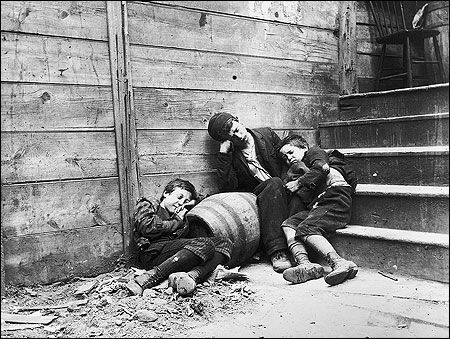
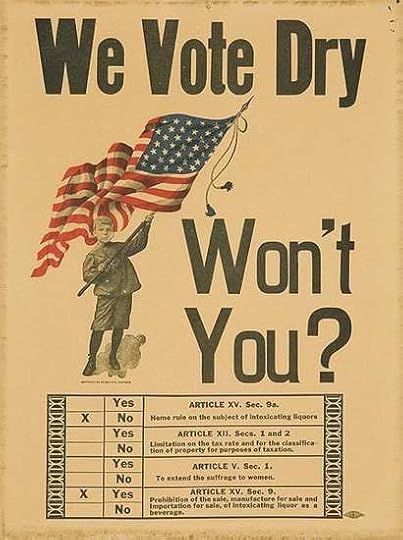
In almost every respect imaginable, Prohibition was a failure. It encouraged criminality and institutionalized hypocrisy. It deprived the government of revenue, stripped the gears of the political system, and imposed profound limitations on individual rights. It fostered a culture of bribery, blackmail and official corruption. It also maimed and murdered, its excesses apparent in deaths by poison, by the brutality of ill-trained, improperly supervised enforcement officers, and by unfortunate proximity to mob gun battles. One could rightfully replace our prevailing images of Prohibition—flappers kicking up their heels in nightclubs, say, or lawmen swinging axes at barrels of impounded beer—with different visions: maybe the bloated bodies of the hijacked rumrunners washing up on the beach at Martha’s Vineyard, their eyes gouged out and their hands and faces scoured by acid. Or perhaps the crippled men of Wichita, their lives devastated by the nerve-destroying chemicals suspended in a thirty-five-cent bottle of Jake. (page 371)
Last Call: The Rise and Fall of Prohibition by Daniel Okrent.





High school attendance did not become commonplace until the 20th century. In 1910, just 14% of Americans aged 25 and older had completed high school. As recently as 1970, the high school completion rate was only 55%. In 2017, 90% of Americans aged 25 and older had a high school degree.How could Americans know what to think of Prohibition. At some point, it all became too complicated and Americans washed their hands of it all.