

What do you think?

N by E
A classic tale of seafaring, shipwreck, and survival, reprinted from Wesleyan University Press's 1978 facsimile of the original.
When artist, illustrator, writer, and adventurer Rockwell Kent first published N by E in a limited edition in 1930, his account of a voyage on a 33-foot cutter from New York Harbor to the rugged shores of Greenland quickly became a collectors' item. Little wonder, for readers are immediately drawn to Kent's vivid descriptions of the experience; we share "the feeling of wind and wet and cold, of lifting seas and steep descents, of rolling over as the wind gusts hit," and the sound "of wind in the shrouds, of hard spray flung on a drum-tight canvas, of rushing water at the scuppers, of the gale shearing a tormented sea."
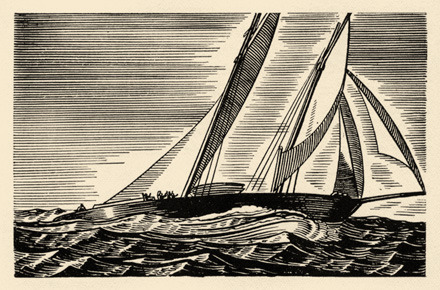
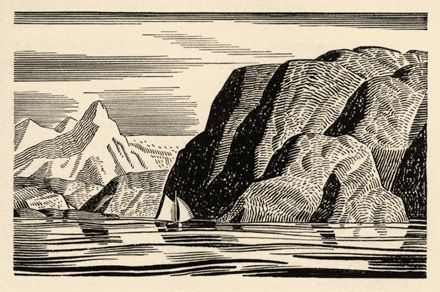
When the ship sinks in a storm-swept fjord within 50 miles of its destination, the story turns to the stranding and subsequent rescue of the three-man crew, salvage of the vessel, and life among native Greenlanders. Magnificently illustrated by Kent's wood-block prints and narrated in his poetic and highly entertaining style, this tale of the perils of killer nor'easters, treacherous icebergs, and impenetrable fog ― and the joys of sperm whales breaching or dawn unmasking a longed-for landfall ― is a rare treat for old salts and landlubbers alike.
When artist, illustrator, writer, and adventurer Rockwell Kent first published N by E in a limited edition in 1930, his account of a voyage on a 33-foot cutter from New York Harbor to the rugged shores of Greenland quickly became a collectors' item. Little wonder, for readers are immediately drawn to Kent's vivid descriptions of the experience; we share "the feeling of wind and wet and cold, of lifting seas and steep descents, of rolling over as the wind gusts hit," and the sound "of wind in the shrouds, of hard spray flung on a drum-tight canvas, of rushing water at the scuppers, of the gale shearing a tormented sea."
When the ship sinks in a storm-swept fjord within 50 miles of its destination, the story turns to the stranding and subsequent rescue of the three-man crew, salvage of the vessel, and life among native Greenlanders. Magnificently illustrated by Kent's wood-block prints and narrated in his poetic and highly entertaining style, this tale of the perils of killer nor'easters, treacherous icebergs, and impenetrable fog ― and the joys of sperm whales breaching or dawn unmasking a longed-for landfall ― is a rare treat for old salts and landlubbers alike.
303 pages, Paperback
First published January 1, 1930
About the author
Rockwell Kent
206 books30 followersRockwell Kent (June 21, 1882 – March 13, 1971) was an American painter, printmaker, illustrator, and writer.
Source: Wikipedia.
Source: Wikipedia.
Ratings & Reviews
Friends & Following
Create a free account to discover what your friends think of this book!
Community Reviews
Displaying 1 - 29 of 29 reviews

November 11, 2015
This short book is written as a meditative journal of the author’s sailboat trip to Greenland in 1930, which ended in a shipwreck. I appreciated his poetic impressions of the wild Greenland shores, the wonder of its flower fields and fjords, his experience of the Northern Lights, and his limited intersections with the Native Greenlanders. Sometime the latter was comic, as he usually had to resort to gestures to communicate. Unfortunately, he was a bit of a lech in lusting after their women, and it’s hard to judge the import of his raptures over success in that regard.
The book garnered an extra star due to the wonderful illustrations of his woodcuts from the trip. He is justly famous for their simple elegant design and mystical overtones. Among his many book illustration projects I have seen ones from the collected work of Shakespeare, Moby Dick, and Beowulf. He traveled far and wide in the world and has a body of paintings from many places.

The story of the trip itself is fairly sketchy but does have some narrative power. The yacht sets out from New York City with captain of dubious competence and a mate who is reviled as a comic chorus for his whininess, laziness, and sour disposition. Kent serves as navigator, a role for which he acknowledges he had little experience at. Somehow they make it to Nova Scotia, then to Newfoundland, where Kent had friends from a prior visit. The prospects of hitting icebergs in the gales they encounter on the way to Greenland is scary in Kent’s impressionistic rendering. At their first anchorage near land at an unknown point in Greenland, they get thrown by a storm on some rocks and are forces to abandon it in a hurry and make a rude camp on shore. Kent has to hike a few days to reach a village, which calls for struggling over peaks and across deep valleys with streams. After they are saved, his shipmates depart by steamship and Kent wangles a way to linger for some weeks with a Danish minister as host. There are some fascinating poems by Natives at the end, which reveal some of their humor, spirituality, and cultural practices; however, they appear tacked on with no in-depth narrative about the character of these people.
Unfortunately, the writing is often awkward and hermetic (i.e. hard to grasp in its self-centered mental flights). It also jumps oddly between first and third person. Still, the narrative is graced with nice touches of whimsy and self-deprecation, which helps deflate the self-important and egoistic perspective elsewhere. The right balance between these is important to my appreciation of travel writing, as in Theroux and Bryson. I am happiest when the author either stays long enough or delves into other resources to elucidate a place and people with some authenticity and depth. For example, Gretel Erlich did wonders for me in her book on Greenland (This Cold Heaven--review) , which was based on seven extended stays (including life in perpetual dark of winter) and extensive renderings from the work of the explorer and ethnologist Rasmussen).
The book garnered an extra star due to the wonderful illustrations of his woodcuts from the trip. He is justly famous for their simple elegant design and mystical overtones. Among his many book illustration projects I have seen ones from the collected work of Shakespeare, Moby Dick, and Beowulf. He traveled far and wide in the world and has a body of paintings from many places.
The story of the trip itself is fairly sketchy but does have some narrative power. The yacht sets out from New York City with captain of dubious competence and a mate who is reviled as a comic chorus for his whininess, laziness, and sour disposition. Kent serves as navigator, a role for which he acknowledges he had little experience at. Somehow they make it to Nova Scotia, then to Newfoundland, where Kent had friends from a prior visit. The prospects of hitting icebergs in the gales they encounter on the way to Greenland is scary in Kent’s impressionistic rendering. At their first anchorage near land at an unknown point in Greenland, they get thrown by a storm on some rocks and are forces to abandon it in a hurry and make a rude camp on shore. Kent has to hike a few days to reach a village, which calls for struggling over peaks and across deep valleys with streams. After they are saved, his shipmates depart by steamship and Kent wangles a way to linger for some weeks with a Danish minister as host. There are some fascinating poems by Natives at the end, which reveal some of their humor, spirituality, and cultural practices; however, they appear tacked on with no in-depth narrative about the character of these people.
Unfortunately, the writing is often awkward and hermetic (i.e. hard to grasp in its self-centered mental flights). It also jumps oddly between first and third person. Still, the narrative is graced with nice touches of whimsy and self-deprecation, which helps deflate the self-important and egoistic perspective elsewhere. The right balance between these is important to my appreciation of travel writing, as in Theroux and Bryson. I am happiest when the author either stays long enough or delves into other resources to elucidate a place and people with some authenticity and depth. For example, Gretel Erlich did wonders for me in her book on Greenland (This Cold Heaven--review) , which was based on seven extended stays (including life in perpetual dark of winter) and extensive renderings from the work of the explorer and ethnologist Rasmussen).

June 26, 2015
Ar šo grāmatu man ir bijušas īpašas attiecības. Pirmkārt, neskaties uz kompasu, kas attēlots uz vāka, es viņu ne reizi bērnībā neatšķīru. Neuzrunāja. Tieši tāpēc man nebija ne jausmas, ka arī šī grāmata ietilpst „Piedzīvojumi. Fantastika. Ceļojumi.” sērijā. Tikai sākot vākt sērijas grāmatas, es atklāju, ka šie dīvainie vāki te piederas. Nezinu kādēļ, bet Rokvela Kenta grāmatām šajā sērijā ir nestandarta vāki un grāmatas muguriņas.
Centrālais sižets ir autora ceļojums pa jūru no Amerikas uz Grenlandi. Ceļo viņi mazā jahtā trīs vīri. Rokvels ir tīri apmierināts ar kapteini Arturu Allenu, kura kuģis „Direction” ir ekspedīcijas peldlīdzeklis. Taču viņš ne acu galā nevar ieredzēt kapteiņa palīgu Kupidonu. Tas ir resns, baudkārīgs franču jauneklis, kas piedevām ir slinks un neko lāgā bez bakstīšanās nedara. Rokvels ir ticis pie stūrmaņa amata, par navigāciju viņam nav pārāk liela saprašana, taču pamatus viņš zina.
Neskatoties uz dīvaino komandu, Rokvels ir nelabojams optimists. Vismaz viņš tā pasniedz sevi stāstā. Viņš mīl Arktiku un ir gatavs doties uz turieni vienalga kādā veidā. Arī pārējie biedri nav nekādi čīkstētāji un īpaši neiespringst briesmu priekšā. Mūsdienās, kad GPS uztvērēji ir katrā štruntā, ekspedīcijas dalībnieku nespēja noteikt savu atrašanās vietu šķiet smieklīga Bet savulaik, ja tevi pāris dienas pašūpoja vētrā bez saules, un krasta līniju uz aci nepazini, bija problēmas. Šiem puišiem šādu problēmu bija ļoti, ļoti daudz. Ja turies tuvu krastam, var uzdurties rifiem, ja vilksies nostāk, var sabraukt milzīgie tvaikoņi, ja iespersies miglā jūrā, nebūs ne jausmas, kur straume tevi aiznesīs.
Noteikti savulaik, kad cilvēki nebija pieraduši pie komforta, tā bija normāla lieta. Mūsdienās šādu pasākumu iespējams sauktu par ekstrēmu, bet tad tā bija ikdiena. Jūrnieki deva viens otram padomus - līdz vakaram šķērsojiet šaurumu un tieciet ostā.
Kad autors neraksta par pašu ceļojumu un trauku mazgāšanas kārtību, viņš pievēršas dabas aprakstiem. Nav ko noliegt tie viņam sanāk labu labie, un arī pašam sāk šķist, ka aizbraukt uz Labradoru, Ņūfaundlendu un Grenlandi nemaz nav tik slikta ideja. Kali, jūra un saullēkti patīk arī man.
Grāmatas pēdējā daļa ir veltīta Grenlandei un tās iedzīvotajiem. Eskimosi divdesmito beigās vēl bija tautiņa, kuru vēl nebija civilizējuši. Cilvēki vēl devās jūrā, pārāk ar alkoholu neaizrāvās un Kristu kā savu pestītāju lāgā neatzina. Pats Rokvels viņus uzskatīja par bērniem, vismaz sākumā. Taču ar laiku guvis ieskatu viņu dzīvēs, saprata, ka šiem cilvēkiem ne velti ir izdevies pārdzīvot tūkstošiem ziemu, un tieši savu paražu dēļ viņi ir noturējušies pie dzīvības.
Grāmatas bonuss ir autora ilustrācijas, es gan neteiktu, ka man viņas dikti patiktu, taču PSRS laikos Rokvelu Kentu atzina kā labu sociālā reālisma mākslinieku. Viņš uzskatīja, ka mākslai nav jābūt atrautai no darbaļaužu sadzīves (kur nu vēl kaut kāds abstrakcionisms), nedaudz simbolisma var iepīt, lai nebūtu realitātes tiešs atveidojums, bet neko vairāk.
Grāmatai lieku 8 no 10 ballēm. Man patika, autors prot aizraut lasītāju līdz savos ceļojumos un pavēstīt tam savus novērojumus. Ja gribas palasīties par to, kā ceļoja pērnā gadsimta pirmajās desmitgadēs iesaku.
Centrālais sižets ir autora ceļojums pa jūru no Amerikas uz Grenlandi. Ceļo viņi mazā jahtā trīs vīri. Rokvels ir tīri apmierināts ar kapteini Arturu Allenu, kura kuģis „Direction” ir ekspedīcijas peldlīdzeklis. Taču viņš ne acu galā nevar ieredzēt kapteiņa palīgu Kupidonu. Tas ir resns, baudkārīgs franču jauneklis, kas piedevām ir slinks un neko lāgā bez bakstīšanās nedara. Rokvels ir ticis pie stūrmaņa amata, par navigāciju viņam nav pārāk liela saprašana, taču pamatus viņš zina.
Neskatoties uz dīvaino komandu, Rokvels ir nelabojams optimists. Vismaz viņš tā pasniedz sevi stāstā. Viņš mīl Arktiku un ir gatavs doties uz turieni vienalga kādā veidā. Arī pārējie biedri nav nekādi čīkstētāji un īpaši neiespringst briesmu priekšā. Mūsdienās, kad GPS uztvērēji ir katrā štruntā, ekspedīcijas dalībnieku nespēja noteikt savu atrašanās vietu šķiet smieklīga Bet savulaik, ja tevi pāris dienas pašūpoja vētrā bez saules, un krasta līniju uz aci nepazini, bija problēmas. Šiem puišiem šādu problēmu bija ļoti, ļoti daudz. Ja turies tuvu krastam, var uzdurties rifiem, ja vilksies nostāk, var sabraukt milzīgie tvaikoņi, ja iespersies miglā jūrā, nebūs ne jausmas, kur straume tevi aiznesīs.
Noteikti savulaik, kad cilvēki nebija pieraduši pie komforta, tā bija normāla lieta. Mūsdienās šādu pasākumu iespējams sauktu par ekstrēmu, bet tad tā bija ikdiena. Jūrnieki deva viens otram padomus - līdz vakaram šķērsojiet šaurumu un tieciet ostā.
Kad autors neraksta par pašu ceļojumu un trauku mazgāšanas kārtību, viņš pievēršas dabas aprakstiem. Nav ko noliegt tie viņam sanāk labu labie, un arī pašam sāk šķist, ka aizbraukt uz Labradoru, Ņūfaundlendu un Grenlandi nemaz nav tik slikta ideja. Kali, jūra un saullēkti patīk arī man.
Grāmatas pēdējā daļa ir veltīta Grenlandei un tās iedzīvotajiem. Eskimosi divdesmito beigās vēl bija tautiņa, kuru vēl nebija civilizējuši. Cilvēki vēl devās jūrā, pārāk ar alkoholu neaizrāvās un Kristu kā savu pestītāju lāgā neatzina. Pats Rokvels viņus uzskatīja par bērniem, vismaz sākumā. Taču ar laiku guvis ieskatu viņu dzīvēs, saprata, ka šiem cilvēkiem ne velti ir izdevies pārdzīvot tūkstošiem ziemu, un tieši savu paražu dēļ viņi ir noturējušies pie dzīvības.
Grāmatas bonuss ir autora ilustrācijas, es gan neteiktu, ka man viņas dikti patiktu, taču PSRS laikos Rokvelu Kentu atzina kā labu sociālā reālisma mākslinieku. Viņš uzskatīja, ka mākslai nav jābūt atrautai no darbaļaužu sadzīves (kur nu vēl kaut kāds abstrakcionisms), nedaudz simbolisma var iepīt, lai nebūtu realitātes tiešs atveidojums, bet neko vairāk.
Grāmatai lieku 8 no 10 ballēm. Man patika, autors prot aizraut lasītāju līdz savos ceļojumos un pavēstīt tam savus novērojumus. Ja gribas palasīties par to, kā ceļoja pērnā gadsimta pirmajās desmitgadēs iesaku.

December 20, 2020
If you compare Rockwell Kent's art to reality, you recognize immediately that he is a stylist, not a realist. His visual style is selective, simplified, heroic. That's his writing, too. Most of the reviews here describe the book as "his account of a voyage..." Yes, it sort-of is, but the writing is highly stylized and selective. Each sentence crafted for stylistic effect rather than information. To the extent that he paints with words, he paints the scene he wants it to be, he wants you to get. He is more an impressionist than a documentarian. That makes the book very unusual. If you like the style (I did), you'll like the book. It's from another era, and that alone earns a star.

August 14, 2020
This book deserves a lot more exposure!
It is a fantastic voyage/adventure/travel novel.
The only other seafaring/boat books I have to compare this to is the writing of Joseph Conrad. I found this book WAY more entertaining than Heart of Darkness. I think where Conrad practiced writing as a discipline, Rockwell Kent practiced writing as an art - it has hints of feeling like it was written by the expats of the ‘lost generation’ but without all the pretentious glamour. He didn’t alter his behavior in order to tell a good story - he was completely in it for the experience and happened to be really good at retelling it.
Probably the main reason why I found this story so enjoyable is that he had no experience with boats before his voyage. As someone with no sailing experience I was able to sit right along with the author as he learned and discovered things as they were happening. Other books where the author is familiar with the seas seem to get too much into technical detail or take sailing knowledge for granted and leave the reader as a mere observer.
It is a fantastic voyage/adventure/travel novel.
The only other seafaring/boat books I have to compare this to is the writing of Joseph Conrad. I found this book WAY more entertaining than Heart of Darkness. I think where Conrad practiced writing as a discipline, Rockwell Kent practiced writing as an art - it has hints of feeling like it was written by the expats of the ‘lost generation’ but without all the pretentious glamour. He didn’t alter his behavior in order to tell a good story - he was completely in it for the experience and happened to be really good at retelling it.
Probably the main reason why I found this story so enjoyable is that he had no experience with boats before his voyage. As someone with no sailing experience I was able to sit right along with the author as he learned and discovered things as they were happening. Other books where the author is familiar with the seas seem to get too much into technical detail or take sailing knowledge for granted and leave the reader as a mere observer.

February 22, 2018
The N by E first edition cover, from 1930, unabashedly states “Rockwell Kent was created…to demonstrate that Nature did not, after Leonardo da Vinci, forget how to produce a man who could do everything superbly.” The quote reflects not only the more sensationalist era in which the book was written, but also Kent’s old school male ego. And contrary to the quote he is not the best author, both starting off too slowly and giving away the ending at the beginning. Yet, his extreme physical robustness and strength of character make him an admirable character, anxious to join a risky venture, motivated to study and take on navigational duties, and ultimately showing the courage and stamina to save the explorers when the expedition fails. His dramatic woodcut prints enhance every chapter with their strength and beauty.
It is hard to imagine these days that three men sailed up from New York to Labrador, and then across the Davis Strait to Greenland in a 33 foot sailboat with a draft of only 6 feet, without backup engine or radio equipment. Despite rough weather and little of what we now think of as essential seafaring clothing or equipment, the men expect and overcome their challenges during their passage—until an fatal error in judgment when they are just one day from their destination. After the shipwreck, Kent, the expedition’s not-so-humble navigator and cook, embarks on an overland journey to find help. He alternately revels in nature and struggles to survive, a most poignant part of the book.
The third section is about Rockwell’s life in Greenland, where he remained for several months after his companions’ hasty post-rescue retreat to New York. He records his interactions with the Eskimos and their Danish overlords, and his boating journeys to paint local landscapes. In the last two sections, he presents Eskimo poems, translated to English via Danish, and Eskimo woodcut prints. It’s not explained how the Eskimo artists adopted this European style of self-expression and storytelling, but Kent cautions readers not to think of these artworks as childlike, as was the popular opinion of the day. Rather, he presents these as “fully comparable to the more ordinary works of the wood cut period in European graphic art.”
Those interested in early 20th century Arctic exploration and fans of Rockwell Kent’s art will enjoy this book. Small craft sailors will appreciate the voyage, and the crew’s reliance on rudimentary navigational equipment. The short, art-filled chapters make it a relaxing and satisfying read for anyone who enjoys stories about adventures to unknown lands.
It is hard to imagine these days that three men sailed up from New York to Labrador, and then across the Davis Strait to Greenland in a 33 foot sailboat with a draft of only 6 feet, without backup engine or radio equipment. Despite rough weather and little of what we now think of as essential seafaring clothing or equipment, the men expect and overcome their challenges during their passage—until an fatal error in judgment when they are just one day from their destination. After the shipwreck, Kent, the expedition’s not-so-humble navigator and cook, embarks on an overland journey to find help. He alternately revels in nature and struggles to survive, a most poignant part of the book.
The third section is about Rockwell’s life in Greenland, where he remained for several months after his companions’ hasty post-rescue retreat to New York. He records his interactions with the Eskimos and their Danish overlords, and his boating journeys to paint local landscapes. In the last two sections, he presents Eskimo poems, translated to English via Danish, and Eskimo woodcut prints. It’s not explained how the Eskimo artists adopted this European style of self-expression and storytelling, but Kent cautions readers not to think of these artworks as childlike, as was the popular opinion of the day. Rather, he presents these as “fully comparable to the more ordinary works of the wood cut period in European graphic art.”
Those interested in early 20th century Arctic exploration and fans of Rockwell Kent’s art will enjoy this book. Small craft sailors will appreciate the voyage, and the crew’s reliance on rudimentary navigational equipment. The short, art-filled chapters make it a relaxing and satisfying read for anyone who enjoys stories about adventures to unknown lands.

November 25, 2018
The illustrations are not up to other books by Kent, and the storytelling is choppy and nonlinear. Still, Kent is a charming old snake and the book is plenty handsome even in reprint.
The lion's share of the tale is of an ocean voyage from New York Harbor to Nuun, Greenland in the summer of 1929. The visits to Newfoundland and Labrador give Kent plenty of room to swagger and reminisce about his wastrel youth, and his adventures as the neophyte yet most able navigator aboard offer him a chance to humble brag his way through a couple dozen pages. Then shipwreck (not his fault! He wanted to go outside the inland channel!) gives him another chance to play the hero. Several seductions and rovings later he is on his way to Denmark with a store of happy, manly, memories. The book ends with a collection of poems about bird buttholes and other Inuit fantasies.
The lion's share of the tale is of an ocean voyage from New York Harbor to Nuun, Greenland in the summer of 1929. The visits to Newfoundland and Labrador give Kent plenty of room to swagger and reminisce about his wastrel youth, and his adventures as the neophyte yet most able navigator aboard offer him a chance to humble brag his way through a couple dozen pages. Then shipwreck (not his fault! He wanted to go outside the inland channel!) gives him another chance to play the hero. Several seductions and rovings later he is on his way to Denmark with a store of happy, manly, memories. The book ends with a collection of poems about bird buttholes and other Inuit fantasies.
Read
September 1, 2021A classic book by a brilliant artist made more beautiful with his noble illustrations. This is the fifth or sixth time I've read it. And it probably won't be the last. It's like being drawn into a great piece of art.
June 8, 2025
If there were a 3.5-star option, that's where I'd go. This is an excellent example of the form, but rooted in its time, with the accompanying soft bigotries and firm biases, and a bit self-aggrandizing. Still, I'd recommend it to anyone who feels inclined to read anything vaguely similar.

March 13, 2026
Beautiful writing, easy reading and an enjoyable narrative about a sailing trip to Greenland in the late 1920s. It doesn't all go well but it ends well. A worthwhile read for anyone who loves the sea, the world, the wilderness and a good story teller.

May 8, 2021
Gorgeous illustrations - woodcuts - of northern adventures and misadventures by the famous artist Rockwell Kent.
May 26, 2021
A great adventure, with beautiful woodcuts.
Some points of view are frightfully dated, but that's how male writers were back then in the 1930's.
Some points of view are frightfully dated, but that's how male writers were back then in the 1930's.

July 12, 2023
A wonderful read in journal format from an adventurer, writer and artist.

January 15, 2024
Beautiful illustrations. Wonderful story. I love Rockwell Kent.
Read
January 22, 2024Diary became more interesting upon shipwrecking in Greenland. The woodblock cuts were a nice touch.

April 5, 2024
Slow at times, but beautiful and exultant at others. And, as the author says, "It's right that we should pay for beautiful things."
January 8, 2013
I thought this was a wonderful read. Rockwell Kent is one of the greatest illustrators of his time...and he can tell a tale. In 1929, he and two fellow mariners set sail from NYC to Greenland. They were shipwrecked and that takes up much of the book. Along the way, they stop in Newfoundland and Labrador. Here he relates great tales of an age gone by.
Some reviewers have criticized his writing style. I found it bare-bones and succinct. It can be said of much writing: Less is More. The illustration he did for the book are awesome and can stand alone in making this book a very worthwhile read.
Some reviewers have criticized his writing style. I found it bare-bones and succinct. It can be said of much writing: Less is More. The illustration he did for the book are awesome and can stand alone in making this book a very worthwhile read.

September 25, 2009
I came across a pile of Rockwell Kent's illustrations in a nice shop one day and got very excited by the beautiful work. The guy at the shop told me that the images were pulled from a copy of Kent's N by E. Later on, I picked up the paperback and was disappointed. Rockwell was not a good writer. I found the tale to be painfully dull and the writing stilted, awkward and.. strange I guess. It was a long tough slog to get through this one and I now understand why the shop had extracted the illustrations with an exacto knife.

December 20, 2011
At times brilliant and introspective, but I expected to see Kent's character strengthened as a result of his travails. Instead, during the seemingly most relaxing times of his journey, his morale too easily slips and he exhibits shameful weakness that barely pits him above today's "bohemian" dullards who take time out to selfishly find themselves on such banal trips to places like Vegas, or Cabo. I expected more.
I give it four stars instead of three for the simply beautiful artwork that accompanies the text.
I give it four stars instead of three for the simply beautiful artwork that accompanies the text.

June 8, 2012
This book was an excellent account of a short period in the life illustrator Rockwell Kent. His voyage on a doomed schooner headed to Greenland is compelling and entertaining. The illustrations of the voyage are iconic. Later Kent's illustrations of his voyage became world renowned. Several publishers uses his art as a symbol for their publishing house. On top of all this, you will certainly recognize some of the illustrations in this book. Very entertaining and informative.

August 28, 2012
He draws like like a God and his illustrations really make the book . . . but I wouldn't want to get in a boat with him. My brother the sailor gave me this and if I had even pinch of salt in my legs it would have been more enjoyable. And somehow I was led to believe there would be a lot more sex with eskimos . . . there wasn't. Still, quite an over the top adventure by any standard, and he writes about it not in a writers voice, but his own. Definitely makes for an oddly different read.

Read
December 6, 2007This was great escapism adventure reading. Rockwell Kent was navigator on a small boat (the doomed 'Direction') traveling to Greenland from New York. I especially enjoyed the stops in Labrador, where Kent recounts past adventures there, like when there was a huge snowstorm and...well, you'll just have to read it won't you?
January 24, 2008
I was fortunate enough to find and purchase an early edition of this book. He is an amazing graphic illustrator and this book is filled with his gorgeous work.. It's the most beautiful book I own. I truly believe the only way to read or even open this book is if you can get your hands on a letter pressed edition. I've not seen it in paperback, but I never want to.

October 11, 2010
Amazing woodcut images coupled with what read like journal entries for a story about the author's journey to Greenland after desiring and buying a boat and then getting stranded after the boat was smashed to pieces. Quick, spirited, exciting, accessible, and very beautiful are words I would use to describe this book. I loved it! I makes me hunger for the sea.

July 29, 2008
adventure! go!

August 2, 2010
Based on an actual voyage, this is a classic tale of a small sailboat trip up the Canadian east coast to Greenland.

April 4, 2011
A classic. 'Nuff said.

January 3, 2012
An interesting account of yet another of Kent's bold, idealistic and ill-fated adventures, this time on a sailing expedition to Greenland. Not surprisingly, a shipwreck is involved.
March 16, 2016
really enjoyed this book about three men who set out for Greenland in a small sailboat in 1929 with very little knowledge of what lay ahead

March 29, 2017
This book is a timepiece. Originally published in the 1930, the language is old fashioned and thick with formal vernacular, making the reading tough going at times – I regularly backed up and re-read long sentences to really comprehend the meaning. But the book is also thick with glorious classic Kent wood engraving illustrations, so strong and beautiful, they stand just fine on their own, no words required.
This is a memoir about a sailing trip (3 men in a boat) to Greenland, and what a remarkable adventure it was. I loved the sheer audacity of their endeavor, and the humorous honesty with which Kent regards civilization and his fellow man. And, although the mishaps and close calls were exciting, I equally appreciated how Kent dwelled in the last chapters on his sojourn of contentment among the native Greenlanders.
This is a memoir about a sailing trip (3 men in a boat) to Greenland, and what a remarkable adventure it was. I loved the sheer audacity of their endeavor, and the humorous honesty with which Kent regards civilization and his fellow man. And, although the mishaps and close calls were exciting, I equally appreciated how Kent dwelled in the last chapters on his sojourn of contentment among the native Greenlanders.
Displaying 1 - 29 of 29 reviews