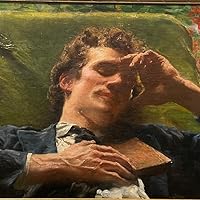
“Dispassionate eloquence and psychological honesty…. Brian Friel’s writing has such vitality and warmth, such kindly accuracy of observation.” – London Sunday Times
From one of Ireland’s best living playwrights, this striking piece of dramatic writing is a daring piece of theater. Keeping the play’s three characters on stage at all times to speak directly to the audience, Brian Friel presents three points of view to the same intriguing tale. Molly herself, blind since she was an infant, tells of her world before and after an operation to try to restore her sight. Her husband, itinerant champion of good causes, talks of his passion to help her. Her once famous eye surgeon, now a whiskey-sodden recluse in Donegal, sees the operation as his chance to reclaim his reputation. Each of their voices interweaves, threading in and out with details, spinning a lush and sensate narrative, and carrying us effortlessly to an unexpected and poignant conclusion.
Deceptively simple, yet richly multilayered—combining both an insightful story about the way we perceive our existence with an allegory for our times— Molly Sweeney is an Irish storyteller’s art to create an unforgettable theater piece, painting scenery and rousing emotions with nothing more than the simple purity of beautifully rendered words.
Brian Friel is a playwright and, more recently, director of his own works from Ireland who now resides in County Donegal.
Friel was born in Omagh County Tyrone, the son of Patrick "Paddy" Friel, a primary school teacher and later a borough councillor in Derry, and Mary McLoone, postmistress of Glenties, County Donegal (Ulf Dantanus provides the most detail regarding Friel's parents and grandparents, see Books below). He received his education at St. Columb's College in Derry and the seminary at St. Patrick's College, Maynooth (1945-48) from which he received his B.A., then he received his teacher's training at St. Mary's Training College in Belfast, 1949-50. He married Anne Morrison in 1954, with whom he has four daughters and one son; they remain married. From 1950 until 1960, he worked as a Maths teacher in the Derry primary and intermediate school system, until taking leave in 1960 to live off his savings and pursue a career as writer. In 1966, the Friels moved from 13 Malborough Street, Derry to Muff, County Donegal, eventually settling outside Greencastle, County Donegal.
He was appointed to the Irish Senate in 1987 and served through 1989. In 1989, BBC Radio launched a "Brian Friel Season", a series devoted a six-play season to his work, the first living playwright to be so distinguished. In 1999 (April-August), Friel's 70th birthday was celebrated in Dublin with the Friel Festival during which ten of his plays were staged or presented as dramatic readings throughout Dublin; in conjunction with the festival were a conference, National Library exhibition, film screenings, outreach programs, pre-show talks, and the launching of a special issue of The Irish University Review devoted to the playwright; in 1999, he also received a lifetime achievement award from the Irish Times.
On 22 January 2006 Friel was presented with a gold Torc by President Mary McAleese in recognition of the fact that the members of Aosdána have elected him a Saoi. Only five members of Aosdána can hold this honour at any one time and Friel joined fellow Saoithe Louis leBrocquy, Benedict Kiely (d. 2007), Seamus Heaney and Anthony Cronin. On acceptance of the gold Torc, Friel quipped, "I knew that being made a Saoi, really getting this award, is extreme unction; it is a final anointment--Aosdana's last rites."
In November 2008, Queen's University of Belfast announced its intention to build a new theatre complex and research center to be named The Brian Friel Theatre and Centre for Theatre Research.
نمایشنامه مالی سوئینی، درباره زنی به نام مالی عه که تاریکی رو نه بهعنوان غیاب نور، بلکه بعنوان بخشی از وجود خودش پذیرفته. اون بعنوان یک نابینا، در دنیایی زندگی میکرد که به ظاهر با دیگران فرق داشت؛ جهانی که توش چشم داشتن برتر شمرده میشد. توی این جهان، مالی یاد گرفته بود که چطور بینیاز از چشم، همهچیز رو ببینه اونهم با لمس کردن، شنیدن و بوییدن. برای مالی، تاریکی نه محدودیت، بلکه پردهای از آرامش بود؛ و فضایی میساخت که در اون، جهان پرتنش کمتر بهش حمله میکرد. اما دیگران، فرانک، همسرش، و آقای رایس، پزشکش، نمیتونستن این آرامش رو درک کنن. از نظ اونها، نابینایی معلولیتی بود که باید «درمان» میشد. فرانک، با شور و شوق بیش از حد، رؤیای دنیایی پر از نور و رنگ رو برای مالی میساخت، جوری که انگار این نور کلید خوشبختی اونهاس. دکتر رایس، که حرفهاش در حال افول بود، مالی رو به چشم فرصتی میدید تا خودش و شغل و اعتبارش رو نجات بده. انگار مالی وسیلهای برای جبران شکستهای گذشتهاش باشه. اما این میون هیچکس از مالی نپرسید آیا اون برای خوشبختی اصلا به این نور نیاز داره؟
بعد از جراحی چشم هاش، اتفاقی برای مالی میفته که هیچکس انتظارش رو نداره. برگشت بینایی برای اون نه تنها دریچهای به جهان باز نمیکنه، بلکه اونو در معرض هجوم بیامانی از تصاویر ناشناخته قرار میده. و در واقع چیزی که دیگران اونو «زیبایی» مینامیدن، برای مالی آشوبی بیمعنا بوده. برای مالی هر رنگ، هر چهره، هر شی، تصویری بیمعنا بود که هیچ حسی رو در اون برنمیانگیخت؛ چونکه مغز اون که سالها به تاریکی خو گرفته بود، نمیتونست این سیل نور رو تفسیر و تحمل کنه. و بعد چند ماه که از جراحی و بازگشت بینایی گذشت، مالی دیگه نه نابینا بود و نه بینا. اون در سرزمینی مابین این دو وضعیت سرگردان بود، جایی که نه میتونست به گذشته تاریک ولی آشنای خودش برگرده و نه آیندهای روشن برای خودش تصور میکرد. نور، که برای فرانک نماد زندگی بود، برای مالی مثل وزنهای بود که به روحش فشار میآورد. هر نوری سایهای به همراه داره، و حالا مالی در سایههای این نور گم شده بود. ..... این داستان، درباره چیزی فراتر از بازگشت بینایی عه. مالی سوئینی، یک پرسشی عمیق درباره ماهیت ادراک مطرح میکنه. اینکه آیا دیدن، بهتنهایی میتونه معنایی به زندگی بده؟ مالی که پیش از جراحی، جهانی کامل، آروم و خاص خودش رو داشت، حالا در مواجهه با جهانی که دیگران اون رو «واقعی» میدونن، هویت خودش رو از دست داده . و فرانک، با نیت خیرخواهانهاش، نماینده کسانیه که میخوان دیگران رو به تصویر ایدهآل خودشون تبدیل کنن. اون نمیتونه درک کنه که گاهی تغییر، نه راه نجات نیست، بلکه میتونه آغاز نابودی باشه. و اما رایس، با نگاه علمی و بدون احساسش، نماد دنیاییه که در اون انسانها به پروژههای آزمایشی تقلیل داده میشن. اما مالی، در سکوت و شکست خودش، حقیقتی عمیقتر را نمایان میکنه: اینکه گاهی انسانها در تاریکی، کاملتر از هر نوری میدرخشند. ....... این نمایشنامه، خواننده رو به تفکر عمیق دعوت میکنه و سوالات چالش برانگیز مهمی رو مطرح میکنه. اینکه آیا تغییر همیشه خوبه؟ آیا نور همیشه مترادف با روشنایی و آگاهیه؟ و آیا تلاش برای «بهتر کردن» زندگی دیگران، همیشه منجر به خوشبختی میشه؟ مالی سوئینی داستان انسانیه که در مسیر تلاش دیگران برای بهبودش، خودش رو از دست میده. این داستان همه ماست؛ ما که گاهی در تلاش برای رسیدن به نور، تاریکیهای آرامبخش زندگیمون رو قربانی میکنیم. مالی، زنیه که نشون میده شاید حقیقت در پذیرش اون چیزیه که هستیم، نه در تبدیل شدن به چیزی که دیگران میخوان باشیم. ..... ریوبوو صوتی، فایل کتاب، و توضیحات بیشتر در چنلم موجوده :)
یکی سمت راست یکی سمت چپ اصله کاری هم وسط هر کدوم روایت خودتون بگید
توی سادهانگارانهترین حالت ممکن احتمالا وقتی فریل ایده این نمایش تو ذهنش جرقه میخورده چنین چیزی رو میگفته. البته که نمایش خیلی پیچیدهتر از این حرفاست ولی خواستم بگم که ایدهی اجرای نمایش سادهس ولی چیزی که خاصش میکنه محتوای جذاب و عمیقشه.
ایده نمایش از این جمله میاد: فردی که نابیناست میتونه جهان اطراف خودش رو با حس کردن تشخیص بده اما اگه بینایی اون فرد نابینا برگرده چی؟ میتونه بازم درک کنه و محیط و روابط پیچیده بین چیزها رو تشخیص بده؟
فریل با تاثیر گرفتن از این جمله و کتاب دیدن و نادیدن اولیور سَکس نمایش مالی سویینی رو مینویسه. یه نمایش که از لحاظ اجرا بسیار سادهست و تقریبا اکتی نداره اما با روایت جذاب تکهتکهش مخاطب رو میخکوب میکنه. نمایش سه تا نقش داره که هر کدومشون یه طرف صحنه هستن و به ترتیب مونولوگهای خودشون رو میگن و روایت خودشون رو از ماجرا و اتفاقی که واسه مالی سویینی افتاده رو بیان میکنن. فرانک، شوهر مالی، دکتر رایس و خود مالی سویینی.
یکی از چیزایی که اوایل نمایش برام جذاب بود این بود که بعد چند صفحه هر کارکتر لحن خاص خودش رو پیدا کرد و بعد یه مدت میتونستی فقط از روی مونولوگها بفهمی کدوم شخصیت داره حرف میزنه.
این نمایش رو میشه از جنبههای مختلف روانشناسی، فلسفی و اجتماعی بررسی کرد و کلی هم حرف داره واسه گفتن ولی خب من زیاد واردش نمیشم چون اونقدری که لازمه سوادش رو ندارم. فقط توصیه میکنم خود نمایشنامه رو بخونید و بعد از اون ریویوهای صوتی رویا و مطلبی که راجع نمایشنامه نوشته و جمعآوری کرده رو از کانالش بخونید.
مرسی از رویا که این کتابو پیشنهاد داد. نشد همخوانی کنیم ولی بحث خوبی راجعش کردیم و تجربه کتاب هم موندگارتر و عمیقتر شد.
مالی سویینی یه نمایشنامه سبک و کوتاه و دلچسب بود. کل نمایشنامه از مونولوگهای سه نفر تشکیل شده بود و هیچ تحرکی نداشت؛ با این حال، متن و محتوا انقدر جذابیت داشتن که نیاز خاصیم شاید به حرکت و... نباشه تو این نمایشنامه.
کلیت نمایشنامه، همونطور که مترجم تو مقدمه کتاب اشاره کرده، برگرفته از چیزهای مختلفی در تاریخ ادبیات نمایشی و علمه که بیش از همه، و صد البته جالبتر از همه، الهام گرفتن فرییل از الیور ساکس مشهور برای نوشتن این نمایشنامهاس.
این نمایشنامه روایت زنی به نام مالی است که نابینا به دنیا نیومده اما رفته رفته در کودکی نابینا میشه و چند دهه با نابینایی زندگی میکنه تا وقتی یه مرد بیشفعال و آشفته اما مهربون، که بعدا شوهرش میشه، به پستش میخوره و سودای بینایی مجدد رو برای مالی در سر میپرونه. حالا مالی قراره بره زیر دست یکی از ماهرترین جراحهای دنیا که تو محله کوچیکشون تو یه بیمارستان پرت کار میکنه و اینکه چطور دکتره سر از اونجا در میاره و اینکه سرنوشت مالی چی میشه خودش یه داستان مفصله که میخونید تو اثر.
اما شاید باید گفت جالبترین بخش کتاب مبحثیه که توسط اشخاص نمایشنامه راجع به نابینایی و بینایی ایراد میشه که برگرفته از کلام فیلسوفانی، فکر کنم مثل بارکلی و...، و یا کلام دانشمندانی همچون الیور ساکسه؛ نظریهای پیرامون اینکه نابینایی که بینا میشه، باید "یاد بگیره" که ببینه و بدون لمس کردن و بو کردن و... بتونه اجسام و اشخاص رو از هم تشخیص بده و اسم و ویژگیشون رو بگه.
کتاب کوتاه ی بود که آدمو خیلی وادار به فکر کردن میکرد،اینکه چقدر همه به نظرشون دنیای خودشون،فکر خودشون ،جیزی که خودشون میشناسن درسته و بقیه انگار تو جهالتن و میخوان چه از روی خیرخواهی چه از روی جهالت اونا رو به زور وارد دنیای خودشون بکنن و بگن که اونا اشتباه میکنن و درست حرف و فکر اوناس! یه جای کتاب هست که دوتا گورکن یه جایی لونه دارن که اونجا قراره سیل بیاد و خونشونو خراب کنه دوتا شمارچی اونا رو با هزار زحمت برمیدارن میبرن یه جای دیگه و آخرش اون گورکنا فرار میکنن و شکارچیارو زخمی میکنن برمیگردن به لونشون! اینکه خیلی وقتا آدما به خاطر منیتشون به جای بقیه تصمیمایی میگیرن که اونا رو وارد شرایطی میکنن که هیچ شناختی ازش ندارن و مجبورن با عواقبش به سختی کنار بیان!
در ابتدا نمایشنامهی سادهای بهنظر میومد اما هر چی جلوتر رفت چیزهای بیشتری حس میکردم.غم عجیبی از نیمهی دوم کتاب درونش وجود داره،و وقتی به حالت بینابینی که «مالی» توصیف میکرد فکر میکنم،این حالت بینابینیای که خیلی وقتا در همهچیز وجود داره و در آخر آدم رو نابود میکنه.
دیدن ، زندگی دیدنی ، زندگی تاریک دیدنی ، زندگی تاریک افسرده دیدنی ... یه جایی از نمایشنامه فرانک شوهر مالی به همراه دوستش دارن تلاش میکنن که زندگی دو تا گورکنو نجات بدن و اون هارو از لونشون کنار دریاچه شکار میکنن و میبرن در ارتفاعات کوه رهاشون میکنن برای اینکه قرار سطح دریاچه بالا بیاد و فرانک و دوستش فکر میکنن اون گورکن ها از بین میرن ... وقتی اون ها رو بالای کوه ول میکنن ، گورکنارو به اصطلاح ، حیوونا به شکارچیا حمله میکنن و زخمیشون میکنن و میرن که برگردن به سمت لونشون کنار دریاچه ... کل نمایش در مورد همین رفتار زندگی بیناها و به خصوص مردهاست برای اینکه مالی نابینا رو بهزعم خودشون از دنیای خودش نجات بدن و وارد دنیای بیناها کنن دریغ از این که این دنیای جدید چیزی جز تاریکی و پوچی توش وجود نداره ... فرم نگارش نمایشنامه مثل سه تا مونولوگ میمونه ... که و خیلی توصیفی و رمان گونست ...
کتاب کم حجم و جالبی بود و در عین روان بودن و سادگی حرف های زیادی برای گفتن داشت. نویسنده دست روی نکته بسیار جالبی گذاشته است. اینکه انسان ها همیشه فکر می کنند بر حق هستند و اجازه دارند آدم ها رو آن گونه که دوست دارند تغییر دهند. بعضی اوقات همه ما شبیه فرانک میشم و به جای اینکه عادت های غلط خود را ترک کنیم و خود را تغییر دهیم به دیگران فشار می آوریم ولی هرگز نمی دانیم که این تغییرات تا چه اندازه مخرب و زیان بار خواهند بود و البته برگشت ناپذیر، باید بدانیم هر کس برای خود دنیایی دارد و دیدگاهی و نباید به زور تغییرات را مثل سرنگی به هر کس تزریق کرد. و چقدر نویسنده به زیبایی اشاره میکند که هیچ تغییری به زور انجام نمی گیرد مثل : بزهای ایرانی، گورکن ها و زنبورهای اتیوپی. مالی نماینده انسان هایی است که زندگی اشان را به خاطر همین ندانم کاری ها از دست داده اند. آیا دست فشردن دکتر رایس در تیمارستان و ابراز پشیمانی برای مالی کفایت میکند. مسلما نه!! مشکل اساسی بینایی و نابینایی او نیست، مشکل اینست که دیگر مالی خودش را در این بین گم کرده است و چیستی اش زیر سوال رفته است و دیگر خودی برایش باقی نمانده است. از همه مهمتر قصد براین فری یل از نوشتن این نمایشنامه درد کشور مادری اش ایرلند است، مالی در حقیقت ایرلند است، او نمی داند چه میخواهد، حیران و سرگردان است و رانده شده از سرزمین خود و در نهایت گم شده در متن. وضعیت ایرلند کنونی به معنی واقعی یک کوربینایی مطلق است. ایرلند شمالی هنوز که هنوز است خود را برده و مرید انگلستان میداند و خراج گزار ملکه و جوانانش به کلاس زبان انگلیسی میروند که مبادا لهجه ایرلندی اشان مسخره شود و به نوعی بی هویتی در شمال ایرلند موج میزند و از طرف دیگر ما با جنوبی طرفیم که در طول تاریخ تن به اسارت نداده است و مبارزه را به خواری ترجیح میدهد و همواره مستقل عمل کرده است، این است حال و روز ایرلندی که نه می بیند و نه نمی بیند. و این دوگانگی باعث شده است که مردمش همواره از دست افراط گری ها در حال مهاجرت باشند و آدم هایی رانده شده و بی سرزمین، هر کس به خوبی میداند زندگی در کشور دیگر چقدر سخت است و نویسنده در اخر کتاب به این نکته مهم اشاره دارد که مالی از بینایی اش راضی نیست چون نمی تواند هر چیز را آزادانه تفسیر کند و نداشتن آزدای یعنی مرگ تدریجی ....
فقط ۳ تا شخصیت داره و اون ۳ تا شخصیت به اندازه ۳ تا کتاب حرف برای گفتن دارن، شخصیتها به اندازه درخشانی کامل و واقعی بودن استعمار یک زن، استعمار آزادی، استعمار گذشته، استعمار هویت
بيشتر حالت رمان گونه داشت. سه شخصيت (چپ، وسط و سمت راست صحنه) كه هركدام ماجرا را از ديد خود تعريف ميكنند. صحنه نمایش نه توصیفی دارد نه چیزی. البته می توان همه این تعریف ها را در زمان اجرا، به عنوان جزئی از نمایش بازی کرد. اما خود متن نمایشنامه تنها روایت این سه شخصیت است. جدا از تفسیرهای تمثیلی، سوالی پیش می آید: اگر از اغاز نابینا باشیم، مختار نیستیم حتی با وجود امکان درمان، در همان دنیای آرام خود بمانیم و ریسک دیدن این جهان را نپذیریم؟
I had just listened to an LA Theater Works production (SO good, these folks, and I suggest you listen to them!) of Brian Friel's Dancing at Lughnasa, which I loved, and loved the film adaptation. This one I liked less but still found engrossing. It's the story of Molly, blind since close to birth, who marries passionate but annoying and self-centered Frank, who urges her to get surgery to see if she can see again.
As he and the surgeon, Dr. Rice, agree: "What does she have to lose?" But as it turns out, a lot. Frank wants to accomplish this feat because he has these manic obsessions, as does the alcoholic doctor, to rescue his lost reputation, and to make a smash in the medical community. These guys are well-written and intriguing, but the person we love is Molly, who is happy, has a good job, loves life, as a blind person. What do we (and Frank and the doc) assume about what it means to see? Who wouldn't want that, right?
Though what is "vision," anyway? Clearly Molly has more of it in that spiritual sense than these other two guys do, though they are not exactly monsters, either. But for her to see, does it fundamentally add to her life? What do we without certain disabilities assume about folks with disabilities? That we want them to be like us, right?
So it's a sad and powerful play that reminds me of Oliver Sacks' Awakening, where some folks with autism were given an experimental drug and were temporarily made better.
A stunning exploration of sight and the experience it presupposes. However, this play misses that universal likability which makes the conflicting narratives in Faith Healer so jarring. Desiring to make her whole, Molly’s husband and doctor introduce her to a world she will never quite be a part of - that of sight. Their hopes make the disintegration of her vision both inevitable and devastating. The world she first only wanted to visit and ravenously consume shrinks her tactile experience before collapsing in on itself. Where a flower used to appear only after carefully smelling and touching the sticky stem, Molly now sees it in one quick glance. Her favourite flower is hideous. It is not just the rapidity of visual experience that diminishes the pleasure of slow discovery, but her husband’s insistence on progress. He wishes her to experience the world as quickly and naturally as a fully sighted person might. Yet, in this new, blurred vision where the real might be fantasy and the fantasy might be real, her sensual experience lingers. Her old disposition may have been transposed if it weren’t for the expectations that come with visual culture.
This one didn't work as well as FAITH HEALER, though there are definite similarities. Three characters, two men, one woman, one marriage, relating events that happened in the past. I'm perplexed why Molly married Frank, because he seems like a self-centered jerk. Mr. Rice is self-centered too, but he at least helps people. He's a more likeable character than Frank. Molly is the most appealing character of the three, and I was saddened by how things turned out for her. I don't believe I'd enjoy seeing this play on stage.
A really touching story and I love the writing style and the different viewpoints through which the story is told. I love getting to hear a story from more than one perspective and it was really interesting to hear Molly's story told from her side, her husband's side, and from her doctor's side. Can't wait to see the stage production in Ireland this month and be able to compare :)
About to begin a second read on this one. Friel is able to captivate me in a signature way. Never are his plays easily digestible; I come by his revelations by doing hard work wrestling with his characters and their loquaciousness. This play about sight and its meaning is devastating and soul-shaking.
Sad and poignant, disturbing. . . I think we always imagine how wonderful it would be for someone with a disability, in the case of Molly it is blindness, to be made whole. This play explores the challenges that arise as Molly receives her sight.
"Molly Sweeney" By Brian Friel Narrated by: Jenny Bacon, Robert Breuler, Rick Snyder Length: 3 hrs and 46 mins Performance Release date: 02-16-10 Publisher: L.A. Theatre Works
This is the second story of a blind person regaining sight I've listened to in the past month. Not sure why, but my reading list has led me down the path of disabilities. The last one I read, "Love and First Sight," was a YA novel following a young boy who regains his sight in modern times. This time around it is a play that takes place in a remote Irish village, I'm not too sure of the time period, but it seems that it is during a time where restoring sight is just short of miraculous.
The play is performed through a series of monologues from the three main characters, Molly, her husband, Frank, and Dr. Rice. From what I gathered the two men have no real interest in how Molly feels about all this and judging from the tragic end, I would say Molly is not too happy about the promise of a sighted life.
Dr. Rice seems to be only interested in gaining back his standing in the medical world. Alcoholism has taken most of that away from him, but now he may be able to redeem himself. So his interest is very selfish.
Molly's husband, Frank is pushing her to the surgery with no concern for her feelings or risks. While Molly has led a happy life for 40 years, all while sightless.
The two men never really care about how Molly would be able to handle the sudden influx of visual information.
The complete lack of interaction between the characters helps to solidify the lack of concern from all but Molly. There's a moment when Molly get's angry and delivers a scathing monologue, but with no one listening it is a perfect example of how her feelings are never considered.
The performances in the L.A. Theatre Works production are once again perfect and the production puts you once again in the middle of the show.
Publisher's Summary Molly Sweeney, by the great Irish playwright Brian Friel, tells the story of married couple Molly and Frank, who live in a remote Irish village. Molly has been blind since birth, but now a surgeon - Mr. Rice - believes he may be able to restore her sight. In a series of interwoven monologues, Molly Sweeney takes us into the minds of three people with very different expectations of what will happen when Molly regains her vision.
نمایشنامه ی مالی سویینی از برایِن فری یِل ایرلندی دارای سه شخصیت است که در سمت راست، وسط و چپ صحنه قرار دارند و مونولوگ های طولانی شان را اجرا می کنند. مالی سویینی،فرانک سویینی و دکتر رایس. نمایشنامه حالتِ داستان کوتاهی را دارد که در صحنه ای ثابت و بدون هیچ میزانسنی اجرا می شود. مالی زنی چهل ساله است که در چند ماهگی دچار آب مروارید میشود و بینایی اش را از دست می دهد. اما نه بهطور کامل! او تاریکی و روشنایی را می شناسد و جهت نور را تشخیص میدهد. در کودکی پدر او با آموزش هایش حس لامسه ی او را به قدری قوی کرده بود که با لمس هر چیزی میتوانست ویژگی های آن چیز و حتی رنگشان را هم تشخیص دهد. همسر مالی شخصیت کاشف و کنجکاوی داشت و با دیده ی حل معما به هر چیزی نگاه می کرد. ازدواج او با مالی هم به همین دیده بود. او میخواست بر روی چشم مالی جراحی انجام شود تا حس کنجکاوی خود را ارضا کند؛ همان کنجکاوی که دربارهی بزها، زنبورهای عسل و باقی چیزها داشت . دکتر رایس که در گذشته چشم پزشک مشهوری بود این وظیفه را بر عهده می گیرد چرا که میخواهد دوباره به اوج برگردد و زندگی اش را که اکنون به فلاکت افتاده سر و سامانی دهد. در این بین اما مالی علاقه ی زیادی به بینا شدن ندارد. منتقدین عقیده دارند که این اثر برایِن فری یِل، تمثیلی از کشور ایرلند است. مالی خودِ ایرلند است که با نابینایی یا کم بینایی خود مشکلی ندارد. مستقل است و احساس ترحم کسی را بر نمی انگیزد. شوهرش فرانک با خودخواهی و کنجکاوی میخواهد او را وارد دنیایی کند که هیچ آن را بلد نیست و میخواهد با بازیابی بینایی همسرش مشهور شود همان طور که دکتر رایس میخواست با بینایی مالی خودش را ثابت کند. نمایش حول این جمله ی شوهرش میگردد که مالی چیزی برای از دست دادن ندارد. آیا او واقعا چیزی برای از دست دادن نداشت؟
On the cover of the book, in the version of what I read, there were some pictures of small usual things that we see and use everyday. It doesn't mean anything to you when you want to start the book, but when you are done reading, all of it makes sense and makes you think. The woman in the book is living her own life before others try to ruin it, since where they are standing, the change in her life seems reasonable. How many times have we done the same thing? Trying to change people's worlds because of our opinion? And how many times we have behaved like the woman in the play, letting people change our perspective, because what they were offering seemed the RIGHT thing to do?
It is a short play, but definitely challenging your mind for couple of hours at least.
I really, really did not like this play. The author did not research the blindness that he selected to bring home his point about the minds ability to perceive. This ended up making the premise seem very messed up to me.
The two male characters are interesting in their own personal imbalances, and in their desire to impact Molly.
This play comes off like a Triad ensemble, with the play's namesake, Molly, seeming like a vulnerable, deranged flower spun off and blown away in the wind.
I liked the dialogue, I just wish better research would go into selected attributes of the characters.
This entire review has been hidden because of spoilers.
چیزی که من رو توی این نمایشنامه جذب کرد این بود که با شروع مونولوگ هر یک از کاراکترها تو می تونستی قسمت های مختلف شخصیتش رو بشناسی،بفهمی دقیقا اون آدم کیه،از دنیا و آدم هاش چی می خواد،اینکه آدم ها به تو دروغ نمی گفتن،فقط از لا به لای حرفاشون سعی می کردن که خودشون رو به تو بشناسونن و دنیای توی ذهنشون رو برای تو به تصویر بکشن.
نوشتههای فرییل ممکن است به نظر ساده بیایند اما عمقی دارند که اکر با دقت خوانده شوند ناگاه میبینید در میانهی متن تلنگری میخورید. مثل همین اثر یعنی «مالی سویینی» که همگان در کار قهتر کردن اوضاع هستند ولی از این میان کسی از مالی سویینی نمیپرسد که واقعا چه میخواهد. برهم زدن نظمی برای ساختن چیزی بهتر و در نهایت همهچیز آشفتهتر میشود.
I listened to the LA Theatre Works Production of this for a class and I'm... sad. The questions this play raises about vision and understanding are monumental. I've always considered been seen as being understood but I guess I am changing my language now. Maybe what you see as what makes you broken is actually what makes you whole.
I've never figured out whether I could really sympathize Molly because of my similar situation or I could understand my condition better thanks to reading this book? Whatever it was, it really helped me finding myself not alone.
So touching. So tragic. Good intentions, mixed motives. Has Molly come to terms with her life? Have Frank or Mr. Rice? I think so. Each in their own way. I'm very glad I discovered Brian Friel. Read from Brian Friel: Plays 2