Jump to ratings and reviews
Rate this book

Arbat Tetralogy #1

Children of the Arbat

Rate this book
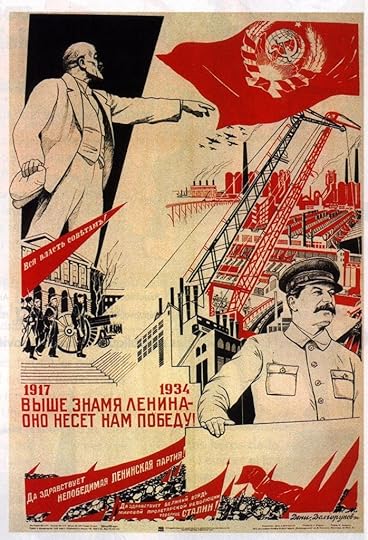
On a street called the Arbat in Moscow's intellectual and artistic center in the 1930s, Sasha, one of a group of idealistic young communists, is sentenced to three years in Siberia for publishing a newspaper. Reissue.

737 pages, Paperback

First published January 1, 1987

156 people are currently reading
6282 people want to read

About the author

Anatoly Rybakov

26 books90 followers
Anatoly Naumovich Rybakov (Russian: Анатолий Наумович Рыбаков; January 14, 1911 – December 23, 1998) was a Soviet and Russian writer, the author of the anti-Stalinist Children of the Arbat tetralogy, novel Heavy Sand, and many popular children books including Adventures of Krosh, Dirk, Bronze Bird, etc. One of the last of his works was his memoir The Novel of Memoirs (Роман-Воспоминание) telling about all the different people (from Stalin and Yeltsin, to Okudzhava and Tendryakov) he met during his long life. Writer Maria Rybakova is his granddaughter.

Ratings & Reviews

What do you think?
Rate this book

Friends & Following

Create a free account to discover what your friends think of this book!

Community Reviews

5 stars
2,272 (48%)
4 stars
1,521 (32%)
3 stars
604 (12%)
2 stars
190 (4%)
1 star
84 (1%)
Displaying 1 - 30 of 174 reviews
Profile Image for Tatiana.
1,506 reviews11.2k followers
June 25, 2019
To the two people among my goodreads friends, who are interested in Russian history and culture - this novel (first in a trilogy) covers the era of Stalin's reign of terror and is both riveting and historically accurate. It is mostly about a group of young people caught up in the workings of Stalin's totalitarian machine; but it also presents Stalin's POV, walking readers through his delusions of grandeur and fears of losing power, that ultimately lead him down the path of totalitarianism.

I listened to Children of the Arbat along with A History of Russia: From Peter the Great to Gorbachev, and I am confident you can get a comprehensive picture of the period from just Rybakov's work.
Profile Image for Metodi Markov.
1,726 reviews435 followers
December 16, 2025
В края на миналия век, когато за първи път изгълтах първите две книги от тетралогията на Рибаков бях силно удивен, как нещо толкова лъжливо, безумно и жестоко като болшевизма е оцеляло десетки години. Автора ни дава ключа за разбиването на този оплетен ребус, чието разгадаване и до днес не е по силите на много хора. Аз лично бях изгубил отдавна илюзиите си, знаех че поколения са съществували в измамна реалност, но не съм очаквал, до каква степен митологемите и заблудите ще продължават да властват над много люде години след краха на СССР, в XXI век.

Сам Рибаков има сложна съдба - заточен е в Сибир за три години, по ноторно известния член 58-10. За контрареволюционна агитация и пропаганда е изключен от университета и комсомола. Но е имал късмет, избегнал е Гулаг и разстрела. Този му роман е силно автобиографичен, писан е тайно над двайсет години и е издаден чак в годините на късната Перестройка.

Въпреки горните факти, той воюва през голяма част от ВСВ и достига чин майор.

През 1960 година е напълно реабилитиран.

Убеден, че към момента се справил с външните си врагове, Сталин се готви да консолидира абсолютно властта си и да се разправи с вътрешните си такива - мними или реални. Подготовката за "Големия тереор" е в ход и милиони ще загубят живота си, за да засити поне за кратко той натурата си на безпощаден кръволок! Започва 1934 година...

Чета за него сега, и ясно виждам паралелите с Путин, негов духовен приемник, почитател и съмишленик - мании, преиначаване на историята и лъжи. И кръвожадност, ни капка жал не съзирам.

Но най-гнусни са ми хилядите Саша Панкратов - смачкани и унищожени, унижени и тероризирани, те са вярвали сляпо в непогрешимата Партия и Вожда ѝ, писали са му прочувствени писма и извинения, клели са му се във вечна вярност, признавали са му несъществуващи грешки и вина, пълзели са по корем пред него. Познато до болка, нали…

Цитати:

"Резултатът — само той има значение. Ей-така се върши работа! За едни е трудно, за други всичко е лесно. По-рано е било лесно само на онези, които са имали пари, сега — на онези, които имат власт."

"Стабилна е онази власт, която е изградена и върху страха от диктатора, и върху любовта към него."

"Ще бъде предан от страх, а така е по-добре, отколкото да е предан по убеждение: убежденията се менят, страхът не преминава никога."

"Но народът, разбира се, трябва да бъде убеден, че страданията му са временни, че служат за постигането на великата цел, че върховната власт познава нуждите му, грижи се за него, защитава го от бюрократите, каквито и постове да заемат те."

"Държавата — ето религията на руския човек, той тачи царя като бог. И се подчинява. И не иска никаква свобода! Свободата би се превърнала във всеобщо клане, а народът иска да има ред."

P.S. По-лесно се вниква в историята, сега когато цялата информация е на няколко клика в нета. Биографиите на героите и събитията се навързват много ясно. Като и разбирането, че хората не помнят почти нищо от миналото и не се интересуват от историята…

Тетралогията е достъпна в "Читанка".
Profile Image for Lyn.
2,009 reviews17.6k followers
May 28, 2016
“The night outside was freezing, the room was warm and cozy, the girls were wearing lisle stockings and high-heeled shoes. The planet was spinning on its relentless orbit, the stars in the universe were in permanent motion, they had vodka and port and white wine and roast goose, there was mustard sauce for the herring and store-bought ham, and they were seeing in 1934, just as they had seen in 1933, and would see in 1935 and ’36 and ’37 and many more years to come. They were young, with no thought of death or old age; they had been born for life and youth and joy.”

In 1989 I was an undergraduate political science student in Murfreesboro Tennessee. I enrolled in a class called Soviet Political Systems and our instructor told us in the first class that we would not be using the textbook normally assigned but would instead simply keep up with events as they happened.

This was during the period of Perestroika and of Glasnost, and the word watched as Mikhail Gorbachev guided the Soviet ship of state into its final mooring and ushered in the end of that great decades long political experiment.

Our professor was considered an expert on communism and had traveled extensively in Eastern Europe and was a wealth of knowledge. He talked about a book that had just been published called Children of the Arbat and how it painstakingly described life in the 1930s Stalinist era. I always kept an idea that I would someday read the book and almost 30 years later I have.

Author Anatoly Rybakov described a semi-autobiographical narration of life under Stalin’s early rule (Rybakov was himself exiled for political reasons in the 30s). Tales of Stalin’s totalitarian paranoia and of his political purges have become commonplace since his rule, but Children of the Arbat puts a face and names the period as one we can now understand.

Following the arrest and exile of a loyal communist, we see how intrigue and party politics transformed the ideological revolution into an arena of personal power plays. This book also breathes life into this era, as we understand that a neighborhood that had once been known for its artistic and humanistic personality is altered in the socialist state.

Ultimately this is a book about life in the Soviet Union but more so about life in general and about human nature. An excellent portrayal of an important and often misunderstood time and place.

description
Profile Image for Michael.
77 reviews22 followers
February 18, 2011
I read this book in the early 1990s, and it had a huge impact on me. Once I finished it, I had to get my hands on the other two books in the trilogy. After I finished those, I had to get my hands on everything else by Rybakov (too bad I only took two semesters of Russian in college). After that, I had to find every other piece of Russian historical fiction in the greater Chicago area (though none quite matched up to this). Obviously I am obsessed, but this book is so well written, with characters you really care about and vivid descriptions of the Soviet Union in the 1930s, that I think anyone can enjoy it. This book is the reason why I love historical fiction.
Profile Image for Emiliya Bozhilova.
1,911 reviews380 followers
January 27, 2024


Погледнато отвън, 1934 г. сякаш е била година на стабилизация за СССР. Минали са достатъчно години от края на гражданската война. Индустриализацията върви с бързи темпове, строят се огромни заводи и цели градчета около тях. Колективизацията на земята е приключила, кулаците са избити или изселени в Сибир, колхозите са установени. За Голодомора не се знае. И мнозина вярват в светлото, мирно бъдеще на социалистическия рай.

За неколцина двайсетинагодишни кореняк-московчани, първото истински съветско поколение след 1917 г., животът тепърва предстои. Всеки от тях активно се готви за полезен, целеустремен живот в полза на марксисткото общество. Саша Панкратов се готви за инженер, съвместявайки и обществените си задачи на комсомолец. Юра Шарок се е устремил към бленуваната юридическа професия, която да го катапултира сред силните на деня. Лена се опитва да попие всичко изконно руско, чувствайки че като дъщеря на дипломат е пропуснала тази част. Макс току що е надянал червеноармейските пагони. Нина се е отдала на учителската професия и на формирането на бъдещите поколения. Вадим се опитва да плува в артистичните води на Москва. Вика си търси богат мъж с власт. А Варя още не знае какво да прави с живота си, знае единствено, че фалшът, догмите и правилата я дразнят.

Щастливо посрещнатата 1934 г. е съдбовна за всеки от тях по пътя им към зрелостта. Защото през 1934 г. Сталин решава да финализира концепцията си за СССР. В тази концепция няма място за вредни елементи, т.е. за всеки с различно мнение. През 1934 г. Сталин най-сетне е поел юздите на властта достатъчно сигурно и здраво, за да се захване с оформлението на епохата и народите в рамките на СССР.

Всеки един от групичката младежи се озовава по един или друг начин в мелницата на назряващия култ към личността и на явлението, познато по-късно като “сталинизъм”. От бреговете на Ангара и селищата на заточениците, през кабинетите на набиращото мощ НКВД, до бляскавите ресторанти на елита.

Рибаков се е захванал здраво с епохата - от големите световни тътени, до дребните битови детайли на ежедневието. Не само, че не е забравил емоциите, но и вещо ги е поднесъл в различните житейски ситуации. Панорамата е обширна, палитрата е богата. В тази първа част на сагат�� герой е и самият Сталин, като портретът му е пестелив, но детайлен. Тук самодържавието, нагиздено като диктатура на пролетариата, говори от първо лице.

Личи си епичният, руски размах, познат от класическата руска литература. Партийните игри, икономическата обстановка, социалните течения, все още формиращата се идентичност на homo sovieticus са уловени в най-различни аспекти. Но той е предаден на доста по-обрания, приземен език, с който говорят Солженицин и Гросман.

Изключително учудващо е, че у нас поредицата няма никакво ново издание, последните са отпреди 30 години. Самият роман е видял официално бял свят на хартия също в средата на 80-те години, 20 години след написването си, чак в епохата на горбачовата гласност.

Рибаков е по-скоро лирик, за разлика от другите протестни и заглушени събратя по перо. Но в никакъв случай не е измамник, нито подлец, като други свои събратя по перо, славословили Вожда. Той просто поглежда със съчувствие към една пълна с идеали, но в крайна сметка - похабена, изтъргувана или направо разрушена младост, чиито основно мотиви в момента вървят към ренесанс в Русия на 2023 г. Там също вече е налице първото поколение, познаващо единствено управлението на един и същи “вожд”.

4,5⭐️

——
▶️ Цитати:

🔨“По-рано е било лесно само на онези, които са имали пари, сега — на онези, които имат власт.”

🔨“Можеха да спорят, да се карат, но бяха непоколебими в онова, което представляваше смисъл на живота им: марксизмът е идеологията на тяхната класа, световната революция — крайната цел на борбата им. Съветската държава, е непобедима крепост на международния пролетариат.”

🔨“След потисниците най-много мразя потиснатите.”

🔨“Отначало й се струваше, че ако застане пред онези, които арестуваха нейния Саша, сърцата им ще трепнат, нали и те имат майки. После видя много такива майки — видът им не трогваше ничие сърце.”

🔨“Предаността на идеята Сталин измерваше с предаността към него самия.”

🔨“Дяков вярваше не в действителната виновност на хората, а в общата версия за виновност. Достатъчно е да приложиш умело тази обща версия към даденото лице и да създадеш конкретна версия. Щом създадеше тази конкретна версия, той подчиняваше на нея себе си, следствието и подследствения. Ако пък подследственият отхвърляше версията, това само служеше като поредно доказателство за вражеското му отношение към държавата, която Дяков смяташе, че представлява тук.”

🔨“Сталин смяташе за свой голям талант способността да превръща сложното в просто.”

🔨“Сталин, този човек лесно се отричаше от симпатиите си, но от антипатиите — никога”

🔨Сталин: “Те са убедени, че той дължи всичко на тях.
Дълбоко се заблуждават. Истинският вожд идва САМ, дължи своята власт САМО НА СЕБЕ СИ. Инак той не е вожд, а креатура. Не те избраха него, той избра тях. Не те го изтикаха напред, а той ги изтегли след себе си. Не те му помогнаха да се утвърди, а той ги издигна до висотите на държавната власт. Те станаха това, което са, само защото бяха до него.”

🔨“един вожд няма съмишленици, вождът има съратници.”

🔨“Съратникът трябва да се равнява по вожда. Начинът на живот на вожда — това е стилът на епохата, която той олицетворява, стилът на държавата, която ръководи.”

🔨“Историята не дава еднозначен отговор кой е бил прав или неправ в миналото — прав е победителят.”

🔨“Първият интелигент — каза Саша — е бил човекът, който е открил огъня. Естествено неговите съвременници са го убили.”

🔨Сталин: “Великата цел изисква велика енергия, великата енергия на един изостанал народ се постига само с велика жестокост.”

🔨Сталин: “Хората признават умственото превъзходство, когато то е съчетано с превъзходството на властта. Умственото превъзходство е приемливо за тях само в управник, по този начин те се подчиняват на умен управник, това не ги унижава, напротив, въздига ги, оправдава в собствените им очи безпрекословното им подчинение, утешава ги мисълта, че се подчиняват не на сила, а на ум. ”

🔨“Ще бъде предан от страх, а така е по-добре, отколкото да е предан по убеждение: убежденията се менят, страхът не преминава никога.”

🔨“Березин вярваше. Юра в нищо не вярваше. Дяков се преструваше, че вярва.”

🔨“оръдие на властта е не инакомислието, а единомислието.”

🔨“Държавата — ето религията на руския човек, той тачи царя като бог. И се подчинява. И не иска никаква свобода! Свободата би се превърнала във всеобщо клане, а народът иска да има ред.”

🔨“Революцията е локомотивът на историята“, сгази ли ви, примирете се!
— Излиза, че и синът не е син, и бащата не е баща.”

🔨“Сталин поучително му отговори:
— Смъртта решава всички проблеми. Няма ли го човека, няма ги и проблемите.”

🔨“Трябва да поемем в свои ръце историческата наука — мрачно произнесе Сталин, — инак тя ще попадне в чужди ръце, в ръцете на буржоазните историци. Впрочем нашите историци не са по-добри.”

🔨“Честност, искреност, обич — това не са политически категории. В политиката има само едно: политическа предвидливост.”

🔨“При цялото си благородство, Саша, вие имате една мъничка слабост: от късчетата на вярата си се опитвате да слепите друг съд. Но няма да излезе нищо: късчетата се съединяват само в предишната си форма. Или ще се върнете към своята вяра, или ще я отхвърлите завинаги.”

🔨“Като марксист той разсъждаваше мащабно и все пак сред хилядите и милионите за него винаги съществуваше отделният човек. Аудиторията не беше безлика за него.”

🔨“Той не искаше да вярва и не можеше да не вярва, инак не би могъл да служи на делото, на което бе отдал живота си. Най-правилно беше да не мисли за това.”
Profile Image for Bettie.
9,978 reviews5 followers
August 31, 2015


Description: On a street called the Arbat in Moscow's intellectual and artistic center in the 1930s, Sasha, one of a group of idealistic young communists, is sentenced to three years in Siberia for publishing a newspaper.

Opening: Between Nikolsky and Denezhny streets (today they are called Plotnikov and Vesnin) stood the biggest apartment block in the Arbat - three eight-storey buildings, one close behind the other, the front one glazed with a facade of white tiles.

It is the early '30s and we are introduced to a handful of late-teen residents, a circle of friends, and observe their interactions and ambitions. Foremost here are Sasha and Yuri.

This novel was suppressed by the Soviet Union for over twenty years.[..] The author was arrested and exiled to Siberia but was later 'rehabilitated' when he became a highly decorated tank commander in WWII.
Taken from the dust cover

The writing is a little choppy and I found keeping a notebook of the names helped a lot. Not a book to read in bed, this takes concentration and strong wrists - this is a brick in the hardback.

Decided against going with the rest of the trilogy, for now at least, and have my eyes fixed on Heavy Sand, a novel about Soviet Jews living in a Nazi occupied Ukranian village.


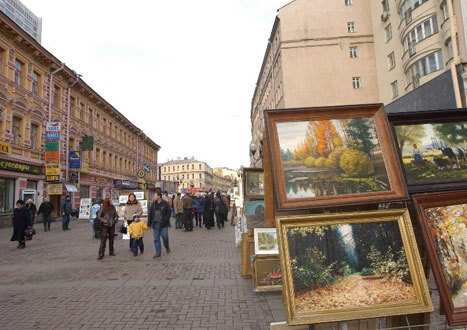
Originally a suburb where traders from the East would arrive with their caravans, in the 18th Century the Arbat became popular with Moscow's intelligentsia and artistic community, who enjoyed frequenting the many cafes and taking strolls along the area's mansion-lined boulevards. Pushkin himself lived here with his wife in house number 53 (the building has since been turned into a museum dedicated to the poet) and Tolstoy resided on the adjoining Kaloshin Lane. In fact Count Fyodor was said to have modelled his famous character Anna Karenina on Maria Gartung - Pushkin's oldest daughter, who also lived nearby. Source

Children of the Arbat (Russian: Дети Арбата) is a novel by Anatoly Rybakov that recounts the era in the Soviet Union of the build-up to the Congress of the Victors, the early years of the second Five Year Plan and the (supposed) circumstances of the murder of Sergey Kirov prior to the beginning of the Great Purge.
- wiki - sourced


This section is for interesting items found during my read-time to enable 'light and well-meaning' contrasts and comparisons *cough* within the intellectual and artistic communities today:

Russia political artist who faces jail for vandalism

Russia jails Ukraine director Sentsov on terror charges

Radical Moscow film festival cancelled in favour of Putin-backed replacement

Walls/barriers: Estonia in particular, yet the practice in general

Apropos of today's russian tyrant: do you think the current n. korean tyrant wept when all that european cheese was destroyed?

Forbidden food and contraband clothes: the Russian sanctions quiz
Profile Image for Velvetink.
3,512 reviews244 followers
September 22, 2011
Suppressed by the Soviet Union for over twenty years, Anatoli Rybakov's Children of the Arbat is destined to rank with Boris Pasternak's Doctor Zhivago as a classic of historical fiction. Set in 1934, Children of the Arbat presents a masterful and chilling psychological portrait of Stalin and details the beginning of its reign of terror and its impact on a generation - represented by a circle of young friends living in Moscow's intellectual and artistic centre, the Arbat.

Sasha Pankratov, a young engineering student and loyal member of the Young Communist League, is unjustly accused of subversion, arrested, and subsequently exiled to Siberia. Interwined with the story of Sasha, his family, and his friends, as they struggle against a glowing plague of deceit and fear, is a riveting account of Stalin's burgeoning paranoia. Rybakov exposes the roots of Stalin's megalomania and the cold, calculating scheme to assassinate his colleague Kirov, providing the excuse to unleash the Terror.

Profile Image for Ksenia Anske.
Author 10 books636 followers
July 19, 2014
I’m stunned. After reading this book. Stunned, and blown away, and sad. Growing up in Russia, as a little girl, I didn’t understand much about politics, and am only now discovering how Stalin’s regime came into being. This story is like the other side of the coin, the other The Master and Margarita by Bulgakov. Same time, two completely different stories. And yet they are the same. Told through the eyes of those who lived through The Russian Revolution, who believed into the bright proletariat future, the unity of the Party, the power of Russia, and those who were crushed by their own belief, their innocence, their naiveté, ground and disposed of as part of 20 million people, killed by the very leader whom they appointed to rule the country. Comrade Stalin.

The story is told from multiple characters’ points of view, including Stalin himself, but mostly it’s told by Sasha Pankratov, a young Komsomol member who gets tangled up in a political intrigue at his school and, as a result, gets exiled. This is the first book in the trilogy (the other two are Fear and Dust and Ashes), and it portrays Stalin’s growing paranoia and the mounting hysteria and terror in the country, where a single word could mean 10 years in prison, or, worse, death. A joke is considered an act of sabotage. And it’s only getting worse. And yet. And yet humanity prevails. This book is filled with love, with small acts of kindness that keep people believing in something better, help people get on with their lives, no matter how miserable they are. I cried at the very end, it was heartbreaking. Perhaps because it was too close to home, perhaps because it captured the struggle of an individual against a system so well.

If you’re interested on the history of Soviet Union, read it. But if you’re simply interested in human nature, read it too. There are beautiful moments here, that come from suffering, from people learning to love and to continue to love. No matter what.
Profile Image for Monika.
271 reviews30 followers
January 20, 2020
Ostatnio tak wciagajaca byla chyba tylko Biblia Jadowitego Drzewa! W domu balagan, pies patrzyl zalosnie, a ja nie moglam sie oderwac od losow grupy studentow w czasach rezimu Stalina.
Obraz Moskwy w latach 30-tych. Idealizm i wiara w partie, zeslania, koniunkturalizm. W tym wszystkim takze portret samego Stalina i mechanizmy wladzy. Wspaniala lektura! Musze koniecznie przeczytac nastepne tomy tej serii.
Profile Image for Beata .
903 reviews1,385 followers
January 18, 2018
One of the most prominent novels of the years of terror in the Soviet Russia. A must-read for those who are becoming interested in this particular period.
Profile Image for Paul Ataua.
2,194 reviews289 followers
January 22, 2020
I found it so powerful when I first read this in the late eighties, so much so that when I went to Moscow in the following winter, we made a deal with the obligatory guide, and he left us to spend a whole afternoon walking along the Arbat, just soaking up the atmosphere. If I am to be honest, though, the district was not really anything special at that time. Of course, since then, there have been many more novels and most have been even more critical of Stalin and the thirties in the Soviet Union. Still and all, it was a book well worth revisiting.
Profile Image for Varvara.
113 reviews6 followers
February 16, 2023
unbiased opinion: Varya is actually the most likeable character
Profile Image for Doronike.
233 reviews42 followers
August 14, 2018
Viena no negaidītajām vasaras grāmatām, ko izroc vasarnīcas grāmatu plauktā un izdomā pārlasīt pēc n-tajiem gadiem. Savulaik tas bija perestroikas laika bestsellers, kas cilvēkiem palīdzēja atvērt acis uz staļinisma noziegumiem. Šobrīd man šķiet, ka romānam būtu nepieciešamas daudzas atsauces un komentāri, un tādi būtu nepieciešami ne tikai gados jauniem lasītājiem.
Romāna galvenais varonis ir students Saša, kuram 30.gadu sākumā piesien pretpadomju darbību institūtā un izsūta uz Sibīriju, viņa draugiem - citiem "Arbata bērniem" - dzīve aiziet citus ceļus, un kopā tas sniedz ieskatu 30.gadu Maskavas dzīvē. Autors ir uzdrīkstējies portretēt arī Staļinu un citus vadošos nomenklatūras darbiniekus, tādējādi viens no pirmajiem cenšoties saprast Staļina varas fenomenu. Jāsaka, ka Staļina&co moments grāmatā man šķiet diezgan nepārliecinošs, jo kurš gan var zināt vai restaurēt, ko viņi tur viens otram teica. Savukārt Sašas un viņa draugu likteņi gan ir izveidoti veiksmīgi un šķiet labs laikmeta atspulgs.
Profile Image for Alex.
89 reviews
July 24, 2011
If someone wants in Stalin's darkest thoughts to look
I recommend to read this brilliant, amazing book
It's hardly possible for reader to remain to be aloof, cool, calm, unmoved spectator
While learning how horrible and treacherous and sick was crazy mind of fearsome and yet so fearful dictator

1. Memorable 5
2. Social Relevance 5
3. Informative 5
4. Originality 5
5. Thought Provoking 5
6. Expressiveness 5
7. Entertaining 5
8. Visualization 1
9. Sparks Emotion 5
10. Life Changing (Pivotal, crucial, determining, defining, momentous, fateful, consequential, climacteric, transformational) 2

5, 5, 5, 5, 5, 5, 5, 1, 5, 2 ====> 43/10 = 4.3

http://www.goodreads.com/poll/show/51...

This brilliant book (all 3 parts of it) offers unique in its depth psychological analysis of Stalin's character.
Were all Asian/Oriental tyrants like that ?

On anther hand - if this book is read by professional psychiatrist - would he be able to come up with some diagnosis ?

All in all, Anatoly Rybakov was very talented writer.
His literary style reminds me of Kaverin, but the issues covered by Anatoly Rybakov are much more social and broad then those of Kaverin.
Aksenov's "Moscow saga" goes on similar lines with
Anatoly Rybakov's "Children_of_the_Arbat" but it is much weaker in both literary and social effects.
Profile Image for Tim.
Author 14 books31 followers
October 2, 2010
"Children of the Arbat" is in the long Russian tradition of critical (as distinct from socialist) realism. It deals with the teenage and young adult lives of a group of children who grow up in Moscow's Arbat district, beginning in 1934, when Stalin's paranoia was beginning to ripen into political terror.[return][return]The novel explores the lives of those exiled by the secret police, and those who reach varying levels of accommodation by a regime which is tightening its grip on Russian society. Among the characters are Stalin himself, and such senior pre-WW2 Soviet figures as Kirov. The portrait of Stalin is remarkably consistent with that in Simon Sebag Montefiore's nonfiction work "The Court of the Red Tsar".[return][return]The inclusion of so many viewpoints slows down the narrative at times; but the central narrative of "Children of the Arbat" is strongly autobiographical, and it is the scenes involving the exiled Sasha Pankratov, his mother, his relatives, and his friend Varya that are, for me, the strongest. This fine novel is the first in Rybakov's "Arbat trilogy" (the others being "Fear" and "Dust and Ashes"), and I'm now keen to read these and find out how the story of Sasha, Varya and the rest continues. Given how Stalin's story continues, I suspect many tears remain to be shed.
Profile Image for Archibald Tatum.
54 reviews29 followers
July 23, 2021
Ez egy jó könyv, és – elolvastam pár értékelést – mindent elmondtak róla, amit gondolok. Ezért csak röviden: jók a karakterek, a párbeszédek, jó ritmusban hömpölyög a szöveg, azt gondolom, képet kap az olvasó arról, milyen volt ezeknek az elitkörnyéken élő fiataloknak az élete 1933-34-ben. Külön erény az „őrület elharapódzásának” bemutatása, ez nyilván hasonló minden autoriter rendszerben – nem tudom megállni, hogy ne írjam bele: egyes szereplők vislekedése és gondolkodása visszaköszön ma is a hírekből és a tévés megnyilatkozásokból.

Két elem zavart. Az egyik, hogy szereplők „eltűntek”, ez kissé torzanak mutatta a szerkezet egészét – de közben utánanéztem, ez egy tatralógia, csak a folytatásait, ha jól értem, nem fordították le magyarra. A másik Sztálin. A beszélgetések nála is rendben vannak, látszik, hogy a szerző alaposan tanulmányozott mindent – csakhogy a gondolatait nagyon iskolás módon adta vissza, ezek a részek érdekesek, de senki nem gondolokdik ilyen szavakkal, ilyen stílusban – ha Kötternél megjegyeztem, hogy „kifele beszél” a szereplő gondolkodás közben, itt is meg kell: néha tankönyvi magyarázatot ad Sztálin, hogy az olvasó értse, mit miért gondol, tk. helyzetet ismertet.

Úgy alakult, hogy most párhuzamosan két másik az orosz/szovjet büntetőtelep-világban játszódó vagy azt megörökítő könyvet is olvasok, Csehov Szahalin-ját és Szergej Dovlatov A zóná-ját. Érdekes kép alakul ki az emberben erről az országról, Szahalin 1890-ben egészen hasonlónak tűnik az 1934-es Szibériához: a börtön maga a táj, ahol a kiváltságosok, a börtönőrök, a formailag szabad emberek, a telepesek és az elítéltek, katorgások együtt élnek – a következményeit pedig mindenki világosan látja: ebben a felállásban senki sem szabad. Amivel persze semmi újat nem mondok, de meghökkentőek az átfedések, a módszerek és a mentalitások – meghökkentő, mennyire nem képes egyik-másik társadalom kimozdítani önmagát évszázados holtpontokról.

(A fülszöveg szerint hosszú évekre az írószatalfiókba süllyesztették. A wiki meg azt mondja, 1966 és '83 között íródott, pár évvel később jelent meg. Persze egy-egy év tűnhet hosszúnak, meg az is lehet, nem látott esélyt R. a megjelentetésre, ezért húzta eddig – amúgy nem világos, miért ne jelenhetett volna meg, antisztálinista regény, de nem antikommunista vagy -szocialista.)
Profile Image for Mimi.
1,860 reviews
July 29, 2015
I am still under the spell of this engaging novel about young adults living on the Arbat in the 1930s and being caught up in the purges. However, it is not only about that topic, but about humans living, loving, fighting, and working. Interestingly, it also gets inside the head of Stalin, which is kind of an icky place to visit.
Looking forward to reading the second one.
Profile Image for Sonia.
634 reviews10 followers
April 24, 2013
This was a hard book to read because the translation and editing was bad. I loved the parts about the "children" of Arbat and wish the book focused more on them instead of spending so much time internalizing Stalin's thinking. The parts about Stalin tended to drag out and I found myself skimming through them. I always heard that this was a very powerful book but I don't know if it was the translation or the writing itself but through out most of the book I could not really connect and feel for the characters. I have read Rybakov in Russian many years ago so I know he's a powerful writer so I'm not sure why I had a problem with this book. Hopefully the next book in the trilogy will be better.
Profile Image for Gary.
1,022 reviews257 followers
June 9, 2016
This book documents the horrors of the Stalinist reign of terror in the old Soviet Union from a uniquely Russian perspective .It is in fact written in a very similar style to Tolstoys 'War and Peace' The epic develops at just the right pace with well developed characters who are very real.The hero of the story Sasha Pankratov,a loyal Communinst Party member who falls victim to the rotten machinations of the party,the rebellious and strong yet vulnerable Varya Ivaova,the scheming and ruthless Yuri Sharok,the opportunistic Vika Marasevitch,the colourless Nina Ivanova,the vilainous Kostya and a host of other characters who all get caught up one way or another in the evil of the Communist regime
26 reviews3 followers
March 16, 2009
A breathtaking and fascinating book, set in the Soviet Union in the 1930s, the height of Stalinist suppression. Very informative, very moving, it follows a group of young students - who were also Komsomol members - their belief in their country and the fact that they were "building socialism", and the inevitable disillusionment. The Arbat area in Moscow is known as being the bohemian, intellectual quarter (kind of like the Quartier Latin in Paris). A must for anyone interested in historical fiction in general, and Soviet fiction in particular.
Profile Image for April.
155 reviews56 followers
March 16, 2008
There are few great novels to read about people and life in Soviet Russia. This is one of them. It's the story of the lives of a group of young Moscow intellectuals/ artists...during the beginning of Stalin's reign of terror....
Profile Image for Kamil Bryl.
156 reviews18 followers
April 22, 2025
[opinia o całej serii]

Tetralogia “Dzieci Arbatu” opowiada o losach “młodych, wykształconych, z dużych ośrodków” w stalinowskiej Rosji. Ich wejście w dorosłość przypadło na czas zaostrzenia się politycznej paranoi i wielkich czystek. Jako czytelnicy będziemy świadkami tego, jak ten specyficzny klimat z jednej strony niszczył życia niewinnych ludzi, z drugiej pozwalał wybić się jednostkom o dość podłym charakterze.

Sasza Pankratow, dwudziestokilkuletni student moskiewskiego uniwersytetu, w wyniku swoich niezbyt trafnych decyzji oraz politycznych intryg wśród władz uczelni zostaje skazany na trzy lata zesłania. Wydarzenie to odmienia losy nie tylko jego samego, ale też najbliższej rodziny i przyjaciół.

“Dzieci Arbatu” wraz z jej kontynuacjami to przede wszystkim opowieść o wojnie jaką Stalin wytoczył radzieckiemu społeczeństwu. W celu pozbycia się “starej gwardii” bolszewików rozpętano paranoję, której konsekwencje poniosły wszystkie warstwy społeczne. Na przykładzie tytułowych dzieci Arbatu prześledzimy, jak stalinowski terror niszczył rodziny, wiarę młodych w komunizm, jak zmuszał ludzi do podłości by ratować swoje życia i kariery. Z drugiej strony zobaczymy, że był to idealny czas dla osób nie mających oporów, by po sukces iść dosłownie po trupach.

Na kartach powieści Rybakow umieścił szczegółowe opisy przesłuchań i przebiegu pokazowych procesów politycznych. Co najciekawsze, dostaniemy również wgląd w umysł samego wąsatego diabła, będącego właściwie jednym z głównych bohaterów. Autor dość ostro polemizuje z mitem genialnego Stalina, kreśląc go jako despotycznego, zakompleksionego i przewrażliwionego paranoika. Choć obraz ten wypada karykaturalnie, jest wystarczająco przekonujący, by nie kwestionować jego prawdopodobieństwa.

Jak to w rosyjskiej powieści bywa, na brak patriotycznego patosu raczej narzekać nie będziemy. Wątek romansowy wpada szczególnie pod koniec w romantyczne klisze, a sam Rybakow zdaje się idealizować czasy Lenina. Nie ujmuje to jednak w żadnym wypadku
nic z kalejdoskopu emocji jaki odczuwałem w czasie lektury. Wiele wątków dogłębnie mną wzruszyło i na długo ze mną pozostanie. Oczywiście polecam.
Profile Image for Kyrill .
119 reviews6 followers
July 18, 2024
Very underrated Soviet literature on the terror of stalinism. One of the main historical contributions to the picture we have nowadays of the ruthless and paranoid character of Stalin. The work is of very high quality for a plethora of different reasons. The realistic insight into the social life of the citizens of the USSR, the terror of Stalinism, a look inside the politburo and the politics of the era, the strength of human perspicacity and the psychology of intelligent people of differing characters subjected to the oppression of a ruthless degree and the way in which they choose to live their life in such circumstances.
All in all very inspiring would recommend it to anyone. Sometimes the dialogue is rather boring and really about nothing at all and a deep understanding of the historical facts (e.g. important occurrences and names) is needed to really grasp what the writer strives to convey.
Profile Image for Gular I H.
17 reviews
August 5, 2020
Mükəmməl bir əsər deyə bilərdim amma çox uzun görünür. Sadəcə detalları ilə Stalin rejimini, dövrün çətinliklərini, kommunizm adı altında insanların həyatlarının necə məhv olunması əks olunmuşdur əsərdə. Müxtəlif həyatlarda, Arbat övladlarının həyatında Stalin rejiminin buraxdığı izlər əsərin ən həyəcanlı nöqtələridir.
Profile Image for Jovana De.
281 reviews18 followers
July 27, 2022
Goeie insteek van dit boek door leven ten tijde van Stalin te beleven via de jeugd van die tijd. Meerdere kanten van het leven in Moskou worden benadrukt en krijgen een gezicht. Ook wordt er een beeld gegeven van hoe het hoofd van Stalin werkt. Deze gedachtegang is interessant om te volgen en knap weer gegeven.
Rybakov is wel echt een interessante schrijver.
Profile Image for Lisa.
3,781 reviews491 followers
February 19, 2017
Children of the Arbat was a sensation when it first became available to Soviet readers in 1987. A landmark text of glasnost, it was written between 1966 and 1983 but had been suppressed as anti-Stalinist and was therefore distributed only via very risky underground means known in the USSR as samizdat. But during the Perestroika era the novel was released in serial form in newspapers and its sequels 1935 and Other Years (1989), Fear (1990) and Dust & Ashes (1994) became available too. Children of the Arbat, set in the 1930s, is partly autobiographical: like the central character Sasha Pankratov, Anatoli Rybakov (1911-1998) was himself exiled to Siberia for three years.

There are three strands to the story: Sasha’s arrest for spurious reasons and his exile to Siberia; life in Moscow as his girlfriend Varya Ivanova waits for his return; and the depiction of Stalin as he plots to cement his power by eliminating all opposition. The title is instructive: the Arbat today is a tourist precinct, a lively hub of commercial activity in the historic heart of Moscow. (It’s the only place I’ve ever been where you are offered a free vodka (neat!) as soon as you walk into a shop!) Before the Soviet era it was a place for artists, intellectuals and academics, and and today as it becomes gentrified it’s still a desirable place to live. But in the Soviet era it was where high-ranking officials lived, and the title of the book refers to the generation born at the time of the Russian Revolution, and by the 1930s were young adults who had grown up believing in its ideals. They were privileged by comparison with most people in the Soviet Union because they had better access to education and opportunity, they were in a position to see the economic progress being made under rapid industrialisation, and they were forgiving of the human cost because they saw it as an unavoidable aspect of the creation of the Soviet State which they wholeheartedly supported. The novel charts the slow disillusionment of this generation as they begin to see the consequences of rule by terror.

To read the rest of my review please visit https://anzlitlovers.com/2017/02/19/c...
Profile Image for Omiana.
30 reviews
March 8, 2011
Пронзительная и сильная книга, позволяющая в полной мере ощутить атмосферу 30-х гг. прошлого века, когда для выстраивания тоталитарной властной системы ломались жизни людей. В центре романа – судьбы компании молодых людей, только-только начавших вступать во взрослую жизнь. Вчерашние школьники, они выбирают свой дальнейший жизненный путь: кто-то приспосабливается, кто-то предпочитает закрывать глаза на разворачивающиеся репрессии, а кто-то попадает в жернова карательных органов. Так, за карикатуру на отличников, главного героя, Сашу Панкратова, коммуниста по призванию, человека принципиального и ответственного, исключают из университета. Он доверяет советской власти, поэтому подает апелляцию, но не все так просто, начинает закручиваться бюрократическая судебная машина и Саше припоминают выступление в защиту человека, ныне обвиняемого по «политической статье», как врага народа и советской власти. И друзья Саши, с детства его знающие, постепенно начинают в нем сомневаться, подозревать в антисоветской деятельности и, в конце концов, отворачиваются от него. Только одна девушка продолжает ему верить и всячески помогает матери Саши.
Вообще, главный герой своим характером, принципиальностью и отношением к жизни мне напомнил Владимира Устименко из трилогии Юрия Германа. Тот же типаж, только окружение другое и совсем разные получились судьбы.
Интересно, что повествование здесь ведется от имени разных героев, как положительных, так и отрицательных. Это дало возможность «залезть» в голову самым разным людям того времени, в том числе, и к видным политическим деятелям, от этого события приобретают прямо-таки эпический размах.
Вообще, тяжелая получилась книга. Гнетущая атмосфера страха, чувство беспомощности человека перед системой и, в то же время, – почти невероятная стойкость, когда даже в нечеловеческих условиях люди остаются людьми.
9/10
Profile Image for Loskotka.
42 reviews9 followers
December 23, 2018
Десять років минуло після того, як я вперше прочитала цю книгу, і тоді це, напевно, було моє знайомство із темою сталінських репресій в художній літературі. Потім вже були Багряний, Юрченко, Солженіцин, Антоненко-Давидович, Вайсберг та інші автори та дослідники. Але цю першу книгу я згадувала всі десять років, тому що вона глибоко мене вразила тоді, і майже так само захопила і тепер. Автор прагнув охопити доволі великий 'пласт історії' та долі багатьох персонажів, і йому це чудово вдалося, жоден герой не залишився без уваги, я читала і насправді захоплювалася ними. Все життєво: хтось просто пристосовується і живе за новими правилами, хтось намагається не помічати, що діється навколо, і успішно це робить, док�� це не торкається їх особисто. А ті, хто все розуміють і намагаються лишитися людьми, стають переслідуваними вигнанцями, оскільки людяність стала поза законом. Атмосфера недовіри, страху, нічних арештів, переслідувань, доносів, пошуків 'ворогів народу' на всіх рівнях. Перше покоління, що виросло на ідеалах революції та комунізму, потрапляє під репресії саме через вірність цим своїм ідеалам, які йшли врозріз із тою радянською дійсністю, яку побудував на стражданнях та крові один вусатий параноїк. Я певна, що читання таких книг дуже корисно для виховання стійкої відрази до тоталітаризму у всіх його формах. Але ті, хто вимагають "залізної руки" в одній конкретній азійській недо-імперії та всерйоз кажуть "Сталина на вас нет", на жаль, ніколи не читатимуть таких книг...
Profile Image for Tatyana Naumova.
1,557 reviews179 followers
November 19, 2013
В далеком 2004 году, оказывается, смотрела сериал вместе с мамой, которая большой фанат Рыбакова, из сериала помнила только про домашние способы аборта. В целом поразительно, что впервые, кажется, интересней читать про линию партии, а не про "мир".
Также благодаря чтению приятно скоротала поездку от Тверской до Домодедовской: суровый бородатый мужчина скосился в мою книжку и фыркнул, я недоуменно возрилась, а он - "Время каникул, а Панкратов недоволен". Внезапный собеседник читал Шаламова, тут уж, конечно, не каникулы; вспомнили всех про неканикулярность-да и про что говорить утром в субботу в ноябре?
Displaying 1 - 30 of 174 reviews

Can't find what you're looking for?

Get help and learn more about the design.