

What do you think?
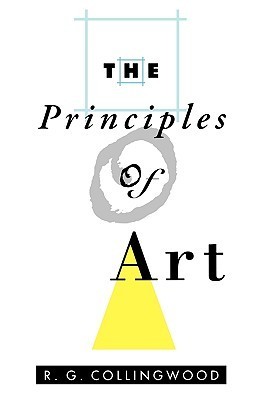
The Principles of Art
This treatise on aesthetics begins by showing that the word "art" is used as a name not only for "art proper" but also for certain things which are "art falsely so called." These are craft or skill, magic, and amusement, each of which, by confusion with art proper, generates a false aesthetic theory. In the course of attacking these theories the author criticizes various psychological theories of art, offers a new theory of magic, and reinterprets Plato's so-called "attack on art," showing that it has been entirely misunderstood. Finally, he draws important inferences concerning the position of art in human society.
347 pages, Paperback
First published November 30, 1938
About the author
R.G. Collingwood
74 books96 followersRobin George Collingwood was an English philosopher and historian. Collingwood was a fellow of Pembroke College, Oxford, for some 15 years until becoming the Waynflete Professor of Metaphysical Philosophy at Magdalen College, Oxford.
Ratings & Reviews
Friends & Following
Create a free account to discover what your friends think of this book!
Community Reviews
Displaying 1 - 23 of 23 reviews

March 2, 2012
هذا كان قطعا كتابا مفاجئا
فلم أتوقع إلا أنه يكون تنظيرا مملا عن الفن
وأنني فقط سأستفيد بمعلوماته لا أكثر
ولكن ما وجدته حقا مختلف
فأسلوب الكاتب
وطريقة نقده للنظريات الفنية
كان شديد التميز
شيق
الفكرة معروضه جيدا
مفندة بطريقة تجذب عفل القاريء
أفضل فصول الكتاب هي التي كانت تتحدث عن وجهة نظر كولنجوود عن الفن الحقيقي في مقابل الفن الزائف
اشتريته طبعة مكتبة الأسرة من زمن طويل
ربما كان بجنيه واحد على الأكثر
فلم أتوقع إلا أنه يكون تنظيرا مملا عن الفن
وأنني فقط سأستفيد بمعلوماته لا أكثر
ولكن ما وجدته حقا مختلف
فأسلوب الكاتب
وطريقة نقده للنظريات الفنية
كان شديد التميز
شيق
الفكرة معروضه جيدا
مفندة بطريقة تجذب عفل القاريء
أفضل فصول الكتاب هي التي كانت تتحدث عن وجهة نظر كولنجوود عن الفن الحقيقي في مقابل الفن الزائف
اشتريته طبعة مكتبة الأسرة من زمن طويل
ربما كان بجنيه واحد على الأكثر

May 10, 2020
'If the Arts should perish
The world that lacked them would be like a woman
That, looking on the cloven lips of a hare,
Brings forth a hare-lipped child.'
- W.B. Yeats
Or as Collingwood has it, ‘art is not a luxury and bad art is not a thing we can afford to tolerate.’
Art is language; language emerged from imagination, the second stage of consciousness, not intellect, the third stage; but unlike everyday language, art don’t tolerate cliches.
To know good art requires an uncorrupt consciousness.
’But no one can know this except a person who possesses one. An insincere mind, so far as it is insincere, has no conception of sincerity.’
No artist is an island, and Collingwood thinks copyright laws are bad. Memes, the most vital form of contemporary art (not saying much), bear this out.
Collingwood thinks the relationship between artist and audience vital, and forms that separates them too much, e.g. cinema as opposed to live theatre, he thinks incapable of creating a truly great art (this is contestable).
Future art should be prophetic, telling the audience the secrets of their own hearts.
‘Art is the community’s medicine for the worst disease of mind, the corruption of consciousness.’
The true artist is in constant warfare against this corruption.
The world that lacked them would be like a woman
That, looking on the cloven lips of a hare,
Brings forth a hare-lipped child.'
- W.B. Yeats
Or as Collingwood has it, ‘art is not a luxury and bad art is not a thing we can afford to tolerate.’
Art is language; language emerged from imagination, the second stage of consciousness, not intellect, the third stage; but unlike everyday language, art don’t tolerate cliches.
To know good art requires an uncorrupt consciousness.
’But no one can know this except a person who possesses one. An insincere mind, so far as it is insincere, has no conception of sincerity.’
No artist is an island, and Collingwood thinks copyright laws are bad. Memes, the most vital form of contemporary art (not saying much), bear this out.
Collingwood thinks the relationship between artist and audience vital, and forms that separates them too much, e.g. cinema as opposed to live theatre, he thinks incapable of creating a truly great art (this is contestable).
Future art should be prophetic, telling the audience the secrets of their own hearts.
‘Art is the community’s medicine for the worst disease of mind, the corruption of consciousness.’
The true artist is in constant warfare against this corruption.

September 27, 2025
Երկար ժամանակ արվեստի տեսության մասին գիրք էի փնտրում, որը կօգներ տեսականորեն մտածել արվեստի մասին: Վերջապես գտել եմ Քոլլինգվուդի «Արվեստի հիմունքները» աշխատությունը: Ի դեպ, գիրքը թարգմանված է հայերեն:
Քոլլինգվուդն օգնեց հասկանալ, որ մարդկությունն ընդլայնել է «արվեստ» բառի իմաստն այնքան, որ գրեթե ամեն ինչ ներառվում է դրա մեջ: Խնդիրը լուծելու համար նա երկար փորձում է բացատրել, թե ինչն արվեստ չէ, և միայն վերջում է հասնում «բուն» արվեստի բացատրությանը:
Կարճ ասած, ըստ Քոլլինգվուդի, եթե միջոցը, նպատակը և վերջնարդյունքը հայտնի են, ապա դա արվեստ չէ, այլ` արհեստ: Արվեստի դեպքում միջոցը կարող է հայտնի լինել, և եթե նույնիսկ նպատակն է հայտնի, ապա վերջնարդյունքը հստակ չի կարող լինել, որովհետև որևէ գործի արվեստ դառնալու համար անհրաժեշտ է, որ վերջնարդյունքում էմոցիայի ինքնաբացահայտում լինի: Այսինքն արվեստագետները որևէ էմոցիա են արտահայտում այդ էմոցիան իրենց համար հասկանալու նպատակով և հրավիրում իրենց լսարանին բացահայտելու այդ էմոցիան իրենց գործի հետ առնչվելով։
Այսպիսով, Քոլլինգվուդի համար արվեստի գործը ավարտուն չէ, քանի դեռ լսարանը չի մասնակցել էմոցիայի ինքնաբացահայտմանը։ Կարևոր է նաև, որ արվեստագետը կարողանա հանրության հետ կոմունիկացնի իր գործը և օգնի ստեղծել այդ էմոցիան: Հստակ է մի բան. առանց հանրության մասնակցության արվեստ գոյություն ունենալ չի կարող:
Քոլլինգվուդի համար արվեստն արտահայտչամիջոց է՝ ինչպես լեզուն: Հեղինակը բազմաթիվ թեմաների է անդրադառնում, որպեսզի բացատրի արվեստը, ինչն էլ գիրքը դարձնում է ավելի հետաքրքիր:
Քոլլինգվուդն օգնեց հասկանալ, որ մարդկությունն ընդլայնել է «արվեստ» բառի իմաստն այնքան, որ գրեթե ամեն ինչ ներառվում է դրա մեջ: Խնդիրը լուծելու համար նա երկար փորձում է բացատրել, թե ինչն արվեստ չէ, և միայն վերջում է հասնում «բուն» արվեստի բացատրությանը:
Կարճ ասած, ըստ Քոլլինգվուդի, եթե միջոցը, նպատակը և վերջնարդյունքը հայտնի են, ապա դա արվեստ չէ, այլ` արհեստ: Արվեստի դեպքում միջոցը կարող է հայտնի լինել, և եթե նույնիսկ նպատակն է հայտնի, ապա վերջնարդյունքը հստակ չի կարող լինել, որովհետև որևէ գործի արվեստ դառնալու համար անհրաժեշտ է, որ վերջնարդյունքում էմոցիայի ինքնաբացահայտում լինի: Այսինքն արվեստագետները որևէ էմոցիա են արտահայտում այդ էմոցիան իրենց համար հասկանալու նպատակով և հրավիրում իրենց լսարանին բացահայտելու այդ էմոցիան իրենց գործի հետ առնչվելով։
Այսպիսով, Քոլլինգվուդի համար արվեստի գործը ավարտուն չէ, քանի դեռ լսարանը չի մասնակցել էմոցիայի ինքնաբացահայտմանը։ Կարևոր է նաև, որ արվեստագետը կարողանա հանրության հետ կոմունիկացնի իր գործը և օգնի ստեղծել այդ էմոցիան: Հստակ է մի բան. առանց հանրության մասնակցության արվեստ գոյություն ունենալ չի կարող:
Քոլլինգվուդի համար արվեստն արտահայտչամիջոց է՝ ինչպես լեզուն: Հեղինակը բազմաթիվ թեմաների է անդրադառնում, որպեսզի բացատրի արվեստը, ինչն էլ գիրքը դարձնում է ավելի հետաքրքիր:

February 23, 2016
I decided to read R.G. Collingwood's The Principles of Art (1938) to move toward rounding out my reading of Collingwood, having recently completed his Autobiography and his The New Leviathan (reviews forthcoming on both). I started The Principles of Art thinking I might learn about beauty in music, painting, or literature and some such. Having read a good deal of Collingwood by now, I should have known better.
Collingwood is not a systems thinker in the way of many great philosophers, such as Plato, Aquinas, Spinoza, Kant, and Hegel, to name but a few in the history of philosophy who have constructed philosophic edifices with a room for every major issue. No, Collingwood isn't a system builder, but his is a systematic thinker. When he approaches a topic, be it history (The Idea of History) or civic life (The New Leviathan) or art, he lays his foundations very deep, sufficient to support the heavy weight of argument that he places upon those foundations. For instance, in The Principles of Art, he considers the history of analyzing sensation (Hobbes to Kant) and the innate expressiveness possessed by every human being and how that innate expressiveness prompts the unique human capacity for language.
In the first part of the book, Collingwood distinguishes art from craft, and he discusses the creations that we often refer to as art but that he excludes from the domain of art, such as amusement and magic. "Magic"? Yes, magic. But here we learn from Collingwood the archeologist and folklorist that magic isn't for the manipulation of creation by some mystical force (although some few may have believed this), but he describes it as an enactment of rituals to arouse certain emotional responses from those performing or observing the rituals. Magic uses a representation of reality to arouse emotions important for various undertakings. Collingwood's argument is an intriguing and persuasive understanding of what we would otherwise consider irrational and useless behavior.
Collingwood's explication of magic is but one of the distinctions and definitions that Collingwood makes in the first section of the book. Early on we're introduced to the carefully drawn distinctions that he makes with his lucid prose. Indeed, I'd like to quiz Collingwood about his writing: Is it art? Or is it a craft? Is all rhetoric a craft driven by the end of exhortation? In any event, he writes engagingly (except when he drops in obscure Latin phrases), and his use of everyday examples and metaphors makes his prose not only readable but entertaining.
But while the first part of the book is intriguing, it's only a prelude to deep dive found in Part II. In the second part of the book, he delves into issues of sensation, emotions, imagination, experience, attention, consciousness, thought, intellect--and then the foundations of language! He also discusses what he describes as "the corruption of consciousness" (shades of Aristotle, Sartre (who published later), and C. Terry Warner here). But we can follow Collingwood through this palace of complex terms because he constructs his arguments brick-by-brick on top of his deep foundations. He thereby creates a substantial work of . . . well, art, even if he would disagree with my use of the term. As readers of his work on history might not be surprised to learn, he concludes that art is found in the mind of the artist who seeks to express (not just arouse) emotions. All art--and not just literature--is an expression of emotions that uses a form of expression, a language, if you will. he argues that language grows out of expression and that art is a language of expression (whether words, music, painting, etc.). His contention strikes me as brilliant and insightful.
In the third part of the book, Collingwood ties up some loose ends. He refers only rarely to actual works of art, although he does spend some time discussing and praising T.S. Eliot's "The Wasteland" as an exemplary work from the time Collingwood was beginning his career as an academic philosopher.
I could go on at some length about this book, as I've only given the briefest tour of Collingwood's creation that I think merits careful study. A student of philosophy tells me that Collingwood is considered outdated in his analysis of these issues. Perhaps so. I'm not in a position to judge because I'm not widely read in this field. But even if so, I contend that Collingwood has laid down too many fundamental and fortified arguments to ignore. If there are more persuasive thinkers writing about these issues, I want to read them. In the meantime, I'll appreciate and benefit from this Collingwood masterpiece.
Collingwood is not a systems thinker in the way of many great philosophers, such as Plato, Aquinas, Spinoza, Kant, and Hegel, to name but a few in the history of philosophy who have constructed philosophic edifices with a room for every major issue. No, Collingwood isn't a system builder, but his is a systematic thinker. When he approaches a topic, be it history (The Idea of History) or civic life (The New Leviathan) or art, he lays his foundations very deep, sufficient to support the heavy weight of argument that he places upon those foundations. For instance, in The Principles of Art, he considers the history of analyzing sensation (Hobbes to Kant) and the innate expressiveness possessed by every human being and how that innate expressiveness prompts the unique human capacity for language.
In the first part of the book, Collingwood distinguishes art from craft, and he discusses the creations that we often refer to as art but that he excludes from the domain of art, such as amusement and magic. "Magic"? Yes, magic. But here we learn from Collingwood the archeologist and folklorist that magic isn't for the manipulation of creation by some mystical force (although some few may have believed this), but he describes it as an enactment of rituals to arouse certain emotional responses from those performing or observing the rituals. Magic uses a representation of reality to arouse emotions important for various undertakings. Collingwood's argument is an intriguing and persuasive understanding of what we would otherwise consider irrational and useless behavior.
Collingwood's explication of magic is but one of the distinctions and definitions that Collingwood makes in the first section of the book. Early on we're introduced to the carefully drawn distinctions that he makes with his lucid prose. Indeed, I'd like to quiz Collingwood about his writing: Is it art? Or is it a craft? Is all rhetoric a craft driven by the end of exhortation? In any event, he writes engagingly (except when he drops in obscure Latin phrases), and his use of everyday examples and metaphors makes his prose not only readable but entertaining.
But while the first part of the book is intriguing, it's only a prelude to deep dive found in Part II. In the second part of the book, he delves into issues of sensation, emotions, imagination, experience, attention, consciousness, thought, intellect--and then the foundations of language! He also discusses what he describes as "the corruption of consciousness" (shades of Aristotle, Sartre (who published later), and C. Terry Warner here). But we can follow Collingwood through this palace of complex terms because he constructs his arguments brick-by-brick on top of his deep foundations. He thereby creates a substantial work of . . . well, art, even if he would disagree with my use of the term. As readers of his work on history might not be surprised to learn, he concludes that art is found in the mind of the artist who seeks to express (not just arouse) emotions. All art--and not just literature--is an expression of emotions that uses a form of expression, a language, if you will. he argues that language grows out of expression and that art is a language of expression (whether words, music, painting, etc.). His contention strikes me as brilliant and insightful.
In the third part of the book, Collingwood ties up some loose ends. He refers only rarely to actual works of art, although he does spend some time discussing and praising T.S. Eliot's "The Wasteland" as an exemplary work from the time Collingwood was beginning his career as an academic philosopher.
I could go on at some length about this book, as I've only given the briefest tour of Collingwood's creation that I think merits careful study. A student of philosophy tells me that Collingwood is considered outdated in his analysis of these issues. Perhaps so. I'm not in a position to judge because I'm not widely read in this field. But even if so, I contend that Collingwood has laid down too many fundamental and fortified arguments to ignore. If there are more persuasive thinkers writing about these issues, I want to read them. In the meantime, I'll appreciate and benefit from this Collingwood masterpiece.

November 21, 2007
"The bright eyes of a mouse or the fragile vitality of a flower are things that touch us to the heart, but they touch us with the love that life feels for life, not with the judgment of their aesthetic excellence." Enough said.

December 31, 2025
Đau não nhưng được cái mở mang nhiều
February 21, 2019
لولا فصل "الترفيه والعصر الحديث" لأعطيت الكتاب نجمة واحدة.
سخر الكاتب من احتكار الفلاسفة لمفهوم الجمال وتطويعه على حسب هواهم، وهو نفس ما فعله تماما في مفهوم السحر.
سخر من فلاسفة البرج العاجي وهو وضع الأستاطيقا أعلى برج خليفة.
سخر من تومس هاردي وبيتهوفن لأن أعمالهم تحتوي على "عجيج" والكتاب بأكمله ليس إلا عجيج.
تأثره بكانط وكروتشة واضح جدا طول الكتاب ومعاداته للفلسفة الشكلية والتفسير السيكولوجي بحجة انهم غير منضبطين، بينما بنى فلسفته بأكملها على تجارب غير منضبطة.
انا مقتنع بشكل عام أن الفلسفة ليست سوى أراء شخصية، فكل فيلسوف يمسك قلما و"يشطح" بخياله ويتحفنا برأيه الذي يقدمه لنا كحقيقة مطلقة وما دونه "فن زائف". وكذلك أقول دائما أن الفلاسفة المثاليين مكانهم مستشفي المجانين.
الكتاب -وياريتني عرفت قبل أن أقرأ- لا يقرأ سوى لغرض تاريخي، فهذا "التنظير" لا يساوي نكلة في حاضرنا، مثالي أكثر من اللازم حتى انه كاد يدمر كل تاريخ الفن لأنه فن زائف. وحكر الفن على ما يراه هو فناً فقط، ولذلك كسمه.
سخر الكاتب من احتكار الفلاسفة لمفهوم الجمال وتطويعه على حسب هواهم، وهو نفس ما فعله تماما في مفهوم السحر.
سخر من فلاسفة البرج العاجي وهو وضع الأستاطيقا أعلى برج خليفة.
سخر من تومس هاردي وبيتهوفن لأن أعمالهم تحتوي على "عجيج" والكتاب بأكمله ليس إلا عجيج.
تأثره بكانط وكروتشة واضح جدا طول الكتاب ومعاداته للفلسفة الشكلية والتفسير السيكولوجي بحجة انهم غير منضبطين، بينما بنى فلسفته بأكملها على تجارب غير منضبطة.
انا مقتنع بشكل عام أن الفلسفة ليست سوى أراء شخصية، فكل فيلسوف يمسك قلما و"يشطح" بخياله ويتحفنا برأيه الذي يقدمه لنا كحقيقة مطلقة وما دونه "فن زائف". وكذلك أقول دائما أن الفلاسفة المثاليين مكانهم مستشفي المجانين.
الكتاب -وياريتني عرفت قبل أن أقرأ- لا يقرأ سوى لغرض تاريخي، فهذا "التنظير" لا يساوي نكلة في حاضرنا، مثالي أكثر من اللازم حتى انه كاد يدمر كل تاريخ الفن لأنه فن زائف. وحكر الفن على ما يراه هو فناً فقط، ولذلك كسمه.

February 21, 2019
A lot of it has dated badly. The conclusion is good but comes slightly out of nowhere

May 26, 2007
The fastest and clearest route into the ideas of people like Hegel, Merleau-Ponty and Heidegger without any of the difficult language. A great book. The introduction is a fantastic piece of (Aristotelian) philosophical writing.

February 3, 2014
كتاب رائع بكل معنى الكلمة
يمكن اعتباره كتاب مفتاحي لتعريف الفن من حيث المفهوم المجرد أو تنظير الفن
أسلوب كولينغوود ممتاز في معالجة الفكرة والعمل على الفرز بين الفن الحقيقي وما سماه الفن الزائف كمرحلة هامة للوصول إلى تعريف فكري للفن..
كتاب يستحق القراءة.. حزنت لأنه انتهى :)
يمكن اعتباره كتاب مفتاحي لتعريف الفن من حيث المفهوم المجرد أو تنظير الفن
أسلوب كولينغوود ممتاز في معالجة الفكرة والعمل على الفرز بين الفن الحقيقي وما سماه الفن الزائف كمرحلة هامة للوصول إلى تعريف فكري للفن..
كتاب يستحق القراءة.. حزنت لأنه انتهى :)
November 29, 2014
"... a good painter - any good painter will tell you the same - he paints things because until he has painted them he doesn't know what it is like."

February 20, 2025
This is the first dense philosophy book that I’ve finished and it was such a wonderful experience. This book has completely changed/solidified the way that I view art and I think is going to be a big turning point in my life. I highly recommend this to anyone interested in an understanding art.

February 12, 2013
When Collingwood writes "principles of art," he's not referring to movement, unity, harmony, variety, balance, rhythm, emphasis, contrast, proportion, or pattern. He's philosophical, not technical. He's also a paradox: I can't decide if he's an arrogant ass or an open-minded man for all people. His discussion in this book ranges from over-the-top pretentious to down-to-earth fairness (and often skips happily into playful sarcasm).
Many of his chapters are excessively wordy--his point is lost in circular speech and verbosity. Perhaps, because his specialty was not art, he felt the need to prove himself? I haven't read any of his other works to compare, but this book certainly contained many chapters that were far too difficult to decipher and far too clunky to even want to try to decipher. His non-offensive mockery often got his points across better. Plato (page 6) describes the aesthetic experience "badly" when his words are approached from the point of view of our own contemporary schema. Beethoven (page 123), with his "temperamental inclination to rant," ruins his art by "telling" after he has already elegantly "shown." Metaphysicians (page 131) engage in an endless, "truceless war," debating what is real (the song written down and/or played?) and what is unreal, existing only in our mind (the song in the artist's mind?). If you ever use the word "create," be sure there are no "theophobic" people within earshot. Threatened, they may create an uproar (page 128). And Oscar Wilde? Well, what can be said of him, "with his curious talent for just missing a truth and then giving himself a prize for hitting it"?
Page 27 (among many other pages) speaks of the enlargement of our own experience by an artist's own. We experience the final product of art, the artifact in whatever medium it takes, be it a play, a painting, a song, a novel, etc. We form a new art from our private experience, gaining self-awareness prompted by the journey of the artist's own self-discovery.
Collingwood's standards are far too narrow for defining art, but his break down of the purposes of "non art" are useful to apply to the study of art: art as craft, art as representation, art as magic (e.g. the rain dance instills hope), art as amusement, art as expression, and art as imagination (the last two being the only purposes he believes are behind "real art").
Many of his chapters are excessively wordy--his point is lost in circular speech and verbosity. Perhaps, because his specialty was not art, he felt the need to prove himself? I haven't read any of his other works to compare, but this book certainly contained many chapters that were far too difficult to decipher and far too clunky to even want to try to decipher. His non-offensive mockery often got his points across better. Plato (page 6) describes the aesthetic experience "badly" when his words are approached from the point of view of our own contemporary schema. Beethoven (page 123), with his "temperamental inclination to rant," ruins his art by "telling" after he has already elegantly "shown." Metaphysicians (page 131) engage in an endless, "truceless war," debating what is real (the song written down and/or played?) and what is unreal, existing only in our mind (the song in the artist's mind?). If you ever use the word "create," be sure there are no "theophobic" people within earshot. Threatened, they may create an uproar (page 128). And Oscar Wilde? Well, what can be said of him, "with his curious talent for just missing a truth and then giving himself a prize for hitting it"?
Page 27 (among many other pages) speaks of the enlargement of our own experience by an artist's own. We experience the final product of art, the artifact in whatever medium it takes, be it a play, a painting, a song, a novel, etc. We form a new art from our private experience, gaining self-awareness prompted by the journey of the artist's own self-discovery.
Collingwood's standards are far too narrow for defining art, but his break down of the purposes of "non art" are useful to apply to the study of art: art as craft, art as representation, art as magic (e.g. the rain dance instills hope), art as amusement, art as expression, and art as imagination (the last two being the only purposes he believes are behind "real art").

January 31, 2023
This is breezy to read and is loosely written. So there are a lot of unfounded and confused claims; but there are also insightful ideas that a reader can get immediately, without having to slog through detailed philosophical argumentation to understand, as is the case in most philosophical texts. I'll present here the ideas that most attracted my attention in this book.
Collingwood distinguishes between "art" and "craft." In making a craft, like building a certain chair, there’s a predetermined end, or predetermined criteria that we aim to satisfy. But in art, there is no such plan in place; making any work of art is a radically individual and unique process, and so is the product. This is a familiar distinction, but Collingwood talks about it quite eloquently.
Collingwood gives a funky and fun genealogical story of the emergence of art in human history. He claims art arose from magical ritual. Anthropologists and scientists at his time liked to explain magic as misguided science; certain "primitive" people were just wrong about the causal laws of nature, and so thought that using voodoo dolls or rain dances, for example, could be causally effective in harming another person or getting weather changes. Against this, Collingwood argues that these "primitive" people were not aiming to causally intervene in the world in the way scientific research strives to make way for; instead, they took their magical rituals as means for riling up emotions or spirit. A war dance gets people riled up and motivated to fight. A rain dance gets people hopeful and willing to work harder at farmer. Collingwood claims that art emerged from people isolating particularly aesthetic features of magical ritual, like the visual appearance of spirit-masks, and placing these under scrutiny for evaluation not just for how efficacious these aesthetic features are in riling up emotion, but also for how beautiful or good they are, independently of any particular effects (but still embedded under the overall context of the aim to bring about certain emotions).
Paintings, theater, dance, music, etc. today preserve the overall role of magic for us today. They are media through which we can come to more intensely feel, reflect upon, or be with our emotions and attitudes towards important parts of real life. As imaginary worlds, we know what is represented has no direct causal connections with real life things; but we can take them to symbolically stand in for things in real life, and their artistic portrayal, our witnessing of that, can get us to subliminally or consciously think of the real life things anew, in light of their portrayal. Once we engage in art, it can show us new aims that we haven't quite realized we desire to undertake, or that are important to undertake, from before; or, it can increase our focus and motivation to carry out projects we've been familiar with. This is akin to the effects of magical ritual back in the day.
Collingwood provides a very interesting account of emotion. As a philosopher of art, not a philosopher of mind, and this account is only implicit. So while it is sketchy and imprecise, it is also innovative, and I think moreover, insightful. At the beginning of the onset of any emotion, we find our bodies overtaken by certain changes; we might feel our face flushed, and heart pounding, for example. But we don’t know what emotion this is. This state of being overtaken by something whose identity we do not know makes us feel “oppressed” and “helpless”, to use Collingwood’s words, and we are motivated to escape this oppression. We do that by figuring out what the emotion is. Collingwood calls this the expression of emotion. The paradigm of the activity of expression is the creation of artwork. A poet might start off with a foreign feeling, and finds words and images through which to express the feeling.
Unfortunately, Collingwood’s definition of expression as a whole is quite vague; he defines it only by analogy to what artists do. He just claims that our becoming aware of what emotion it is that has overtaken us is identical to the process of our creating or expressing this emotion. He also ultimately claims, quite grandly I think, that every person is an artist, insofar as we all make our emotions conscious to ourselves.
But we may analyze for ourselves what might be truthful in this analogy. This implies that at the onset of emotion, that when we feel something stirring in our hearts or bodies, there is no particular emotion (e.g., anger, fear, happiness, etc.) which is the emotion that we’re feeling at the beginning. No, it is we who are active participants, creators, in the process of articulating or expressing an emotion. This seems right. There are psychological studies that show that depending upon what contextual cues are fed to a participant, the same bodily arousal can result into different emotions.
Would recommend this book to anyone who's interested in hearing an insightful philosopher's big takes on the role of art in our lives, which is also easy to read, but whose claims are often imprecise and unargued for. This is overall refreshing to read, as a contrast to the manner of much contemporary philosophy of art, which can be bogged down by debates on little issues, like the necessary and sufficient conditions for a certain artistic medium, or in what sense fictional characters are "real."
Collingwood distinguishes between "art" and "craft." In making a craft, like building a certain chair, there’s a predetermined end, or predetermined criteria that we aim to satisfy. But in art, there is no such plan in place; making any work of art is a radically individual and unique process, and so is the product. This is a familiar distinction, but Collingwood talks about it quite eloquently.
Collingwood gives a funky and fun genealogical story of the emergence of art in human history. He claims art arose from magical ritual. Anthropologists and scientists at his time liked to explain magic as misguided science; certain "primitive" people were just wrong about the causal laws of nature, and so thought that using voodoo dolls or rain dances, for example, could be causally effective in harming another person or getting weather changes. Against this, Collingwood argues that these "primitive" people were not aiming to causally intervene in the world in the way scientific research strives to make way for; instead, they took their magical rituals as means for riling up emotions or spirit. A war dance gets people riled up and motivated to fight. A rain dance gets people hopeful and willing to work harder at farmer. Collingwood claims that art emerged from people isolating particularly aesthetic features of magical ritual, like the visual appearance of spirit-masks, and placing these under scrutiny for evaluation not just for how efficacious these aesthetic features are in riling up emotion, but also for how beautiful or good they are, independently of any particular effects (but still embedded under the overall context of the aim to bring about certain emotions).
Paintings, theater, dance, music, etc. today preserve the overall role of magic for us today. They are media through which we can come to more intensely feel, reflect upon, or be with our emotions and attitudes towards important parts of real life. As imaginary worlds, we know what is represented has no direct causal connections with real life things; but we can take them to symbolically stand in for things in real life, and their artistic portrayal, our witnessing of that, can get us to subliminally or consciously think of the real life things anew, in light of their portrayal. Once we engage in art, it can show us new aims that we haven't quite realized we desire to undertake, or that are important to undertake, from before; or, it can increase our focus and motivation to carry out projects we've been familiar with. This is akin to the effects of magical ritual back in the day.
Collingwood provides a very interesting account of emotion. As a philosopher of art, not a philosopher of mind, and this account is only implicit. So while it is sketchy and imprecise, it is also innovative, and I think moreover, insightful. At the beginning of the onset of any emotion, we find our bodies overtaken by certain changes; we might feel our face flushed, and heart pounding, for example. But we don’t know what emotion this is. This state of being overtaken by something whose identity we do not know makes us feel “oppressed” and “helpless”, to use Collingwood’s words, and we are motivated to escape this oppression. We do that by figuring out what the emotion is. Collingwood calls this the expression of emotion. The paradigm of the activity of expression is the creation of artwork. A poet might start off with a foreign feeling, and finds words and images through which to express the feeling.
Unfortunately, Collingwood’s definition of expression as a whole is quite vague; he defines it only by analogy to what artists do. He just claims that our becoming aware of what emotion it is that has overtaken us is identical to the process of our creating or expressing this emotion. He also ultimately claims, quite grandly I think, that every person is an artist, insofar as we all make our emotions conscious to ourselves.
But we may analyze for ourselves what might be truthful in this analogy. This implies that at the onset of emotion, that when we feel something stirring in our hearts or bodies, there is no particular emotion (e.g., anger, fear, happiness, etc.) which is the emotion that we’re feeling at the beginning. No, it is we who are active participants, creators, in the process of articulating or expressing an emotion. This seems right. There are psychological studies that show that depending upon what contextual cues are fed to a participant, the same bodily arousal can result into different emotions.
Would recommend this book to anyone who's interested in hearing an insightful philosopher's big takes on the role of art in our lives, which is also easy to read, but whose claims are often imprecise and unargued for. This is overall refreshing to read, as a contrast to the manner of much contemporary philosophy of art, which can be bogged down by debates on little issues, like the necessary and sufficient conditions for a certain artistic medium, or in what sense fictional characters are "real."
February 22, 2008
This isn't a quick or easy read, but it has blown my mind wide open.

May 31, 2015
كتاب نقد فني مميز خاصة في الثلث الاخير الذي يتحدث عن الفن بمعناه الحق .. روبين مسخرة في نقده لبعض النظريات الفنية :D

July 6, 2023
يتناول الكتاب في البداية ما يسميه بالفن الزائف، قبل أن يتناول في الفصلين الأخيريْن تعريفه للفن الحقيقي. ٠
والفن الزائف هو نوع من الفن منتشر ومتداخل مع الفن الحقيقي، وأحيانا يُضلّ الفلاسفة والنقاد فيتناولونه وكأنه هو المفهوم الحقيقي للفن.٠
والفن الزائف هو فن الصنعة، أو التقنية، أو الفن التمثيلي. وهو يعتمد علي وجود تصور مسبق ومحدد لنتيجة ما يتم العمل علي إنتاجها وتتوقف جودة العملية علي مقدار مطابقة النتيجة للتصور المسبق والمحدد عنها.٠
فإذا قلنا أن فنانا ما برع في تصوير وتمثيل حالة شعورية نمطية وعامة، أي أنه أنتج بمهارته شيئا مطابقا لشعور نمطي عام ومسبق، فنحن هنا نتكلم عن الصنعة أو التقنية، ولا يمت هذا للفن الحقيقي بصلة.٠
كذلك الفن الذي تحركه غاية إثارة انفعالات محددة ومعروفة مسبقا في المتلقين هو فن زائف، تعتمد عملية الصناعة فيه علي المهارة والخبرة في معرفة طبيعة جمهور محدد يتم التأثير عليه بوسائل تقنية لدفعه إلي انفعال بعينه.٠
وكل ما يهدف إلي إثارة الانفعالات في المتلقين بشكل عام هو فن زائف، وفي هذه النقطة ينقسم الفن الزائف إلي نوعين: فن سحري، وفن ترفيهي.٠
الفن السحري يهدف لإثارة انفعالات محددة بهدف أن يتم تفريغها في مسار مواقف فعلية لنمط من الجمهور وُجّه إليه الفن تحديدا. مثل الفن الذي يثير مشاعر وطنية أو قومية، أو الفن الذي يُحفّز علي العمل، أو فن الدعاية السياسية. ومجموعات الفنون الشعبية التي يطلق عليها الفولكلور. وتتحدد قيمة هذا النوع من الفن بالغاية التي دفعته من البداية، أو بارتباطه بالسياق التاريخي الفعلي الذي نجح وأثر خلاله. ولا تُحدّد قيمته بمعايير جمالية مجردة.٠
أما الفن الترفيهي فيهدف لإثارة انفعالات يتم تفريغها في مسار مواقف وهمية يتم اختلاقها. أي أنه يختلق مسارا من مواقف وهمية، ثم يثير انفعالات يتم تفريغها في التو في هذا المسار، وتنتهي العملية بكاملها بانتهاء زمن التلقي.٠
وفي الكتاب صفحات ممتعة عن كارثة تضخم صناعة الترفيه في العصر الحديث وأثر هذا الفن الترفيهي في انهيار الحضارت، فبإثقال الناس بالعملية الزائفة للإثارة والتفريغ يتم تشتيتهم وإفقادهم القدرة علي توليد الانفعالات المتطلبة في المواقف الفعلية. ولأنهم فقدوا القدرة علي الانفعال الحقيقي يدمنون الترفيه بكل ما يرتبط به من سياق حياة استهلاكية غير مُنتجة.٠
أي أن الفن الزائف الترفيهي، هو في مرتبة أحط من الفن الزائف السحري، ناهيك عن الفن بمفهومه الحقيقي، الذي يبتعد عنه جمهور الترفيه بعدا شاسعا مرعبا.٠
في الفصلين الأخيرين، يتم تعريف المفهوم الحقيقي للفن، بعد أن تم تناوله في الفصول السابقة سلبيا باستبعاد عناصر الزيف والصنعة والتقنية والتمثيل.٠
الفن بمفهومه الحقيقي هو التعبير عن تجربة خيالية في ذهن الفنان. تعبير وليس تمثيل. فالتعبير يكون عن تجارب خيالية، او مشاعر غير محددة الماهية، ولا تكتمل ماهيتها إلا بعملية التعبير. فالفنان لا يعرف بشكل مسبق النتيجة النهائية المكتملة لعملية التعبير التي سيبدأ فيها، ولا يوجد نموذج مكتمل مسبق أمامه ليشحذ مهارته وصنعته في إعادة إنتاج نسخة مطابقة منه.٠
وهدف الفن الحقيقي ليس إثارة الانفعالات في المتلقين ولا التأثير فيهم، ولا يتطلب المعرفة بالمتلقين نوع المعرفة الذي يجعل الفنان قادرا علي التحكم في انفعالاتهم والتأثير فيهم. وكل ما يتطلبه الفن الحقيقي من معرفة بالناس هو معرفة اللغة والوعي المشتركين بينه وبينهم واللذان يسمحان لهم بفهم ما ينتجه.٠
يهدف الفن الحقيقي للتعبير عن مشاعر، تجارب خيالية، موجودة في ذهن الفنان وحده، ويتم عرض هذا التعبير امام الناس ليفهموه أولا، دون أن تتولد لديهم انفعالات مماثلة بالطريقة التي تثار فيها الانفعالات في الفن السحري، ثم ليفهموا تلك التجارب او المشاعر باعتبارها تجاربهم أو مشاعرهم. لا يعني هذا صب تلك الانفعالات والمشاعر بداخلهم. فهناك فرق بين أن أعرض أمامك شعور حزن، ليس نمطيا وعاما بالطبع، ولكن حزن جديد ومتفرد، لأجعلك تفهمه باعتباره حزنك، وبين أن أثير لديك بشكل قصدي شعور الحزن.٠
لقد وافقتْ أفكار هذا الكتاب هواي بشكل كبير، فطالما أرّقتني أفكار مشابهة عن الفن الحقيقي، ونوع التأثير الذي يُحدثه، فكان يقلقني طوال الوقت نوع الفن الذي يثير انفعالاتي بشكل قصدي وموجّه وكنت افكر في زيفه. ولكن كانت تصيبني الضبابية عندما أحاول تعريف التأثير الذي تحدثه لديّ تجارب الفن التي عرفتُ بتذوقها أنها تجارب فنية حقيقية.٠
وبقراءته كوّنتُ فكرة واضحة. فالفنان الحقيقي يعبر عن مشاعر متفردة لا تنتمي لنمط مسبق، وهي مشاعر خيالية وليست وهمية، خيالية بمعني أنها توجد في رأسه فقط. وهو لكي يوّصلها إلي الآخرين يحتاج إلي التعبير عنها من خلال عملية مركبة تُعرض علي الناس فتجعلهم يستحضرون في خيالهم ما كان قابعا فقط في خيال الفنان. ويتم تذوقهم وفهمهم لعمل الفنان، ليس لأنه أشار لهم إلي مشاعر مسبقة ومعروفة موجودة لديهم بالفعل، ولكن لأنه عرض عليهم مشاعر متفردة ومتميزة وخاصة بلغة مشتركة تجمعه بهم، فاستحضروها باعتبارها مشاعرهم، ليس مشاعرهم بشكل فعليّ، ولكن مشاعرهم بشكل ممكن، فالمشاعر المتفردة التي عبر عنها الفنان بلغة مشتركة، هي مشاعر يسمح بإمكان حدوثها واستحضارها لدي المتلقين نسيجٌ مشترك يجمع بين البشر وهو النسيج الذي من الممكن أن نعتبر الفن كله احتفاءً به.٠
وإذن فالشعور الوحيد الذي يثيره بشكل مباشر عمل فني حقيقي يعرض تجربة شعورية حزينة، ليس الحزن، ولكن الفرحة المبكية للاحتفاء بما هو مشترك بين الفنان والمتلقي، والذي يحيي في المتلقي آمالا كثيرة.٠
والفن الزائف هو نوع من الفن منتشر ومتداخل مع الفن الحقيقي، وأحيانا يُضلّ الفلاسفة والنقاد فيتناولونه وكأنه هو المفهوم الحقيقي للفن.٠
والفن الزائف هو فن الصنعة، أو التقنية، أو الفن التمثيلي. وهو يعتمد علي وجود تصور مسبق ومحدد لنتيجة ما يتم العمل علي إنتاجها وتتوقف جودة العملية علي مقدار مطابقة النتيجة للتصور المسبق والمحدد عنها.٠
فإذا قلنا أن فنانا ما برع في تصوير وتمثيل حالة شعورية نمطية وعامة، أي أنه أنتج بمهارته شيئا مطابقا لشعور نمطي عام ومسبق، فنحن هنا نتكلم عن الصنعة أو التقنية، ولا يمت هذا للفن الحقيقي بصلة.٠
كذلك الفن الذي تحركه غاية إثارة انفعالات محددة ومعروفة مسبقا في المتلقين هو فن زائف، تعتمد عملية الصناعة فيه علي المهارة والخبرة في معرفة طبيعة جمهور محدد يتم التأثير عليه بوسائل تقنية لدفعه إلي انفعال بعينه.٠
وكل ما يهدف إلي إثارة الانفعالات في المتلقين بشكل عام هو فن زائف، وفي هذه النقطة ينقسم الفن الزائف إلي نوعين: فن سحري، وفن ترفيهي.٠
الفن السحري يهدف لإثارة انفعالات محددة بهدف أن يتم تفريغها في مسار مواقف فعلية لنمط من الجمهور وُجّه إليه الفن تحديدا. مثل الفن الذي يثير مشاعر وطنية أو قومية، أو الفن الذي يُحفّز علي العمل، أو فن الدعاية السياسية. ومجموعات الفنون الشعبية التي يطلق عليها الفولكلور. وتتحدد قيمة هذا النوع من الفن بالغاية التي دفعته من البداية، أو بارتباطه بالسياق التاريخي الفعلي الذي نجح وأثر خلاله. ولا تُحدّد قيمته بمعايير جمالية مجردة.٠
أما الفن الترفيهي فيهدف لإثارة انفعالات يتم تفريغها في مسار مواقف وهمية يتم اختلاقها. أي أنه يختلق مسارا من مواقف وهمية، ثم يثير انفعالات يتم تفريغها في التو في هذا المسار، وتنتهي العملية بكاملها بانتهاء زمن التلقي.٠
وفي الكتاب صفحات ممتعة عن كارثة تضخم صناعة الترفيه في العصر الحديث وأثر هذا الفن الترفيهي في انهيار الحضارت، فبإثقال الناس بالعملية الزائفة للإثارة والتفريغ يتم تشتيتهم وإفقادهم القدرة علي توليد الانفعالات المتطلبة في المواقف الفعلية. ولأنهم فقدوا القدرة علي الانفعال الحقيقي يدمنون الترفيه بكل ما يرتبط به من سياق حياة استهلاكية غير مُنتجة.٠
أي أن الفن الزائف الترفيهي، هو في مرتبة أحط من الفن الزائف السحري، ناهيك عن الفن بمفهومه الحقيقي، الذي يبتعد عنه جمهور الترفيه بعدا شاسعا مرعبا.٠
في الفصلين الأخيرين، يتم تعريف المفهوم الحقيقي للفن، بعد أن تم تناوله في الفصول السابقة سلبيا باستبعاد عناصر الزيف والصنعة والتقنية والتمثيل.٠
الفن بمفهومه الحقيقي هو التعبير عن تجربة خيالية في ذهن الفنان. تعبير وليس تمثيل. فالتعبير يكون عن تجارب خيالية، او مشاعر غير محددة الماهية، ولا تكتمل ماهيتها إلا بعملية التعبير. فالفنان لا يعرف بشكل مسبق النتيجة النهائية المكتملة لعملية التعبير التي سيبدأ فيها، ولا يوجد نموذج مكتمل مسبق أمامه ليشحذ مهارته وصنعته في إعادة إنتاج نسخة مطابقة منه.٠
وهدف الفن الحقيقي ليس إثارة الانفعالات في المتلقين ولا التأثير فيهم، ولا يتطلب المعرفة بالمتلقين نوع المعرفة الذي يجعل الفنان قادرا علي التحكم في انفعالاتهم والتأثير فيهم. وكل ما يتطلبه الفن الحقيقي من معرفة بالناس هو معرفة اللغة والوعي المشتركين بينه وبينهم واللذان يسمحان لهم بفهم ما ينتجه.٠
يهدف الفن الحقيقي للتعبير عن مشاعر، تجارب خيالية، موجودة في ذهن الفنان وحده، ويتم عرض هذا التعبير امام الناس ليفهموه أولا، دون أن تتولد لديهم انفعالات مماثلة بالطريقة التي تثار فيها الانفعالات في الفن السحري، ثم ليفهموا تلك التجارب او المشاعر باعتبارها تجاربهم أو مشاعرهم. لا يعني هذا صب تلك الانفعالات والمشاعر بداخلهم. فهناك فرق بين أن أعرض أمامك شعور حزن، ليس نمطيا وعاما بالطبع، ولكن حزن جديد ومتفرد، لأجعلك تفهمه باعتباره حزنك، وبين أن أثير لديك بشكل قصدي شعور الحزن.٠
لقد وافقتْ أفكار هذا الكتاب هواي بشكل كبير، فطالما أرّقتني أفكار مشابهة عن الفن الحقيقي، ونوع التأثير الذي يُحدثه، فكان يقلقني طوال الوقت نوع الفن الذي يثير انفعالاتي بشكل قصدي وموجّه وكنت افكر في زيفه. ولكن كانت تصيبني الضبابية عندما أحاول تعريف التأثير الذي تحدثه لديّ تجارب الفن التي عرفتُ بتذوقها أنها تجارب فنية حقيقية.٠
وبقراءته كوّنتُ فكرة واضحة. فالفنان الحقيقي يعبر عن مشاعر متفردة لا تنتمي لنمط مسبق، وهي مشاعر خيالية وليست وهمية، خيالية بمعني أنها توجد في رأسه فقط. وهو لكي يوّصلها إلي الآخرين يحتاج إلي التعبير عنها من خلال عملية مركبة تُعرض علي الناس فتجعلهم يستحضرون في خيالهم ما كان قابعا فقط في خيال الفنان. ويتم تذوقهم وفهمهم لعمل الفنان، ليس لأنه أشار لهم إلي مشاعر مسبقة ومعروفة موجودة لديهم بالفعل، ولكن لأنه عرض عليهم مشاعر متفردة ومتميزة وخاصة بلغة مشتركة تجمعه بهم، فاستحضروها باعتبارها مشاعرهم، ليس مشاعرهم بشكل فعليّ، ولكن مشاعرهم بشكل ممكن، فالمشاعر المتفردة التي عبر عنها الفنان بلغة مشتركة، هي مشاعر يسمح بإمكان حدوثها واستحضارها لدي المتلقين نسيجٌ مشترك يجمع بين البشر وهو النسيج الذي من الممكن أن نعتبر الفن كله احتفاءً به.٠
وإذن فالشعور الوحيد الذي يثيره بشكل مباشر عمل فني حقيقي يعرض تجربة شعورية حزينة، ليس الحزن، ولكن الفرحة المبكية للاحتفاء بما هو مشترك بين الفنان والمتلقي، والذي يحيي في المتلقي آمالا كثيرة.٠
Read
January 22, 2021Is the medieval handwhriting by monks not even art? And what about the japanese language with the language principles; very much languages with general language priniples are beautiful: russian, the languages of the folks that are deminishing. How can a folk live when the language is deminshinng?

December 26, 2022
The attitude that craft is not art is unpopular today and gives this book a rough start, but as he narrows in on his subject Collingwood articulates his view of art as language wonderfully. The later chapters are really great.

December 18, 2024
This book blew my mind. With the exception of a few sections I found overly verbose or a bit difficult to follow, it cast a fascinating light on roadblocks in my own thinking and musings on the nature of art, with a payoff at the end which put a physical smile on my face.

December 2, 2023
Exactly the subject i wanted to read about.
It hit all the right spots.
It hit all the right spots.
February 12, 2025
Successively reconstructed itself in my pure autonomous consciousness of total imaginative experience. Aka i’m geeked and this is incredible
September 26, 2026
Ahead of his time. He forever changed my perspective on who gets to do art, how we build upon eachothers ideas as a community of artists, and the stupidity of copyright.
Displaying 1 - 23 of 23 reviews