Cogan's Trade is the top-notch crime novel rated by the New Yorker as the "best" from "the Balzac of the Boston underworld." Crackling dialogue, mordant humor, and unremitting tension drive the suspenseful stakes of the game higher in Boston's precarious underworld of small-time mobsters, crooked lawyers, and political gofers as George V. Higgins, the writer who boiled crime fiction harder, tracks Jackie Cogan's career in a gangland version of law and order. For Cogan is an enforcer; and when the Mob's rules get broken, he gets hired to ply his trade—murder. In the gritty, tough-talking pages of Higgins's 1974 national best-seller, Cogan is called in when a high-stake card game under the protection of the Mob is heisted. Expertly, with a ruthless businessman's efficiency, a shrewd sense of other people's weaknesses, and a style as cold as his stare, Cogan moves with reliable precision to restore the status quo as ill-conceived capers and double-dealing shenanigans erupt into high-voltage violence. "Higgins writes about the world of crime with an authenticity that is unmatched."—Jonathan Yardley, Washington Post
George Vincent Higgins was a United States author, lawyer, newspaper columnist, and college professor. He is best known for his bestselling crime novels.
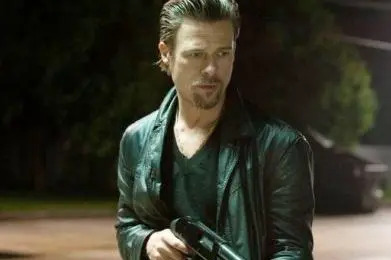
Brad Pitt “indossa” il ruolo di Cogan come se non avesse fatto altro tutta la vita.
Descrizioni all’osso e solo se indispensabili. Trattasi perlopiù di percorsi stradali. Per il resto, dialogo. Di quello che mentre lo leggi lo senti nelle orecchie. Di quello che lo leggi e vorresti ascoltarlo recitato. Sembra quasi di avere per le mani un testo teatrale. La trama, peraltro scarna ed essenziale quanto le descrizioni, avanza grazie al dialogo. Una cifra stilistica molto personale, e davvero raffinata. Un rinnovamento del genere noir. E si capisce dove si sono ispirati Elmore Leonard e Quentin Tarantino.
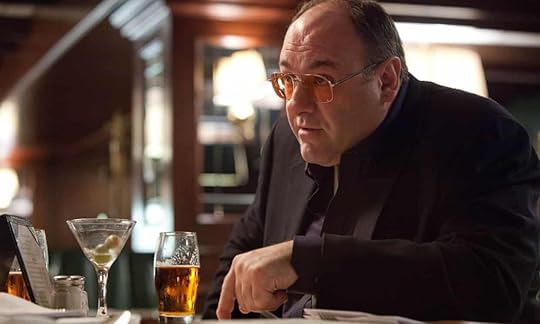
Le due scene tra Cogan e Mitch, che nel film diventa Mickey, sono di gran classe, sia nel romanzo che nel film. La prima al bar, la seconda nella camera d’hotel di Mitch/Mickey – sullo schermo un grandioso, magistrale James Gandolfini, mai rimpianto abbastanza.
Questi individui – mi riferisco a Cogan, Dillon, Albert, il capo – fanno pensare a una specie di sindacato, una corporazione, con le sue regole, e tanta burocrazia: occorre avere l’autorizzazione per tutto, avvertire, avvisare, parlare, essere autorizzati. E poi pagati. Si sente parlare del capo, ma non lo si vede mai, e viene da pensare che anche il capo deve rendere conto a qualcuno che sta più in alto di lui. Ma non si tratta né di sindacato né di qualche corporazione: è un’organizzazione criminale, vattelapesca se mafia italiana o irlandese o altro – e visto che la storia è ambientata a Boston, forse quella irlandese è la più probabile; e non si tratta di rivendicazioni o passaggi di consegne o carte: si tratta di ammazzare la gente. E quando va bene, pestarla così forte da mandarla all’ospedale. Perché qualcuno ha sgarrato. Qualcuno ha commesso un errore.
Il tutto è un mix raggelante ed anche esilarante: c’è una corda tesa tutte le duecento e rotte pagine, che mette i brividi e invita a ghignare.
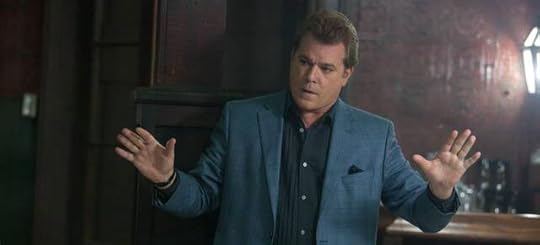
Perfetto anche Ray Liotta nei panni di Markie Trattman, il gestore della bisca che viene derubata.
Il film di Andrew Dominik, intitolato Killing Them Softly - perché a Brad Pitt/Cogan piace farli fuori con gentilezza, come in un soffio – è un ottimo adattamento che conserva l’anima del romanzo, e aggiunge elementi nuovi. Per esempio i televisori accesi in sottofondo presenti in ogni scena, dove si alternano Bush e Obama: si tratta della campagna elettorale, il senatore Obama diventerà presidente. E quegli schermi producono un “rumore bianco”, un chiacchiericcio che si può interpretare così: la crisi e la recessione – il film è ambientato nel 2008, il romanzo invece è ambientato nella prima metà degli anni Settanta – la crisi economica non ha responsabili, e sono tutti responsabili, perché se i politici continuano a infarcire i loro discorsi con aria fritta, e paroloni, retorica banalità e bugie, la crisi è da lì che viene.
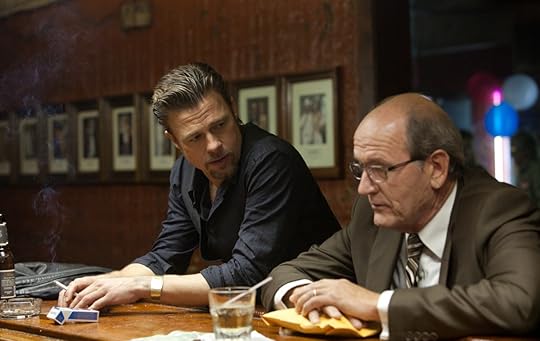
Semplicemente esilaranti le scene tra Brad Pitt e Richard Jenkins, che interpreta Albert, l’avvocato dell’organizzazione.
Il film si chiude improvvisamente – come il romanzo – in modo perfino più magistrale. Ecco l’ultimo discorso di Brad Pitt/Cogan subito prima dei titoli di coda: “Siamo un solo popolo” è un mito creato da Thomas Jefferson. Amico mio Jefferson è un santo americano perché ha scritto le parole "tutti gli uomini sono creati uguali", cosa in cui evidentemente non credeva visto che fece vivere i suoi figli in schiavitù. Era un ricco enologo stufo di pagare agli inglesi troppe tasse. Così scrisse delle belle parole e aizzò la plebaglia che andò a morire per quelle parole, mentre lui rimaneva a casa a bere il suo vino e a scoparsi la sua schiava. E quello [rivolto alla tv dove Barack Obama sta tenendo un discorso alla nazione dopo la vittoria elettorale] viene a dirmi che viviamo in una comunità? Ma non farmi ridere! Io vivo in America... e in America tu sei solo. L'America non è una nazione, è soltanto business: e adesso pagami!
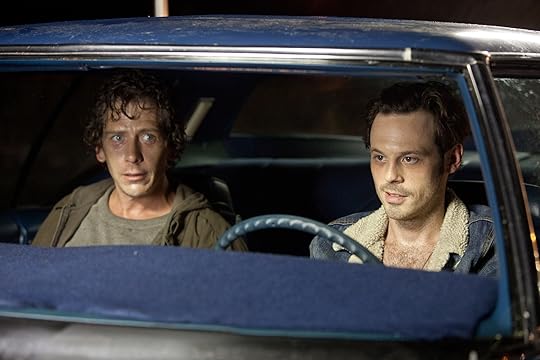
I due balordi sono interpretati da Ben Mendelsohn e Scoot McNairy, anche loro perfetti.
higgins is kind of amazing, the dialog is incredible, this book could go on for 10,000 more pages and i'd probably never put it down. it's not quite as good as his The Friends of Eddie Coyle, i think maybe because it's more soliloquies than exchanges (or maybe because the story is pretty much (exactly?) the same). i don't know, but the guy's got his own way of doing things and he's always electrifying to read.
"He made two mistakes," Cogan said. "The second mistake was making the first mistake, like it always is. That's all you get, two mistakes."
"They're all nice guys. They just get to thinking, you know?"
It is a bit like a police procedural except the guy hired to solve the problem of a card game heist is also a conman. Cogan's Trade is an apt name for the book because most of it is about this really tough guy named Jack Cogan going about finding who robbed a card game and then eliminating them. First, he has to find out whether it is Mark Trattman, the guy who runs the game but robbed it once before and got away with it. Once it is discovered that it is not Trattman who did it this time, Cogan orders that Trattman be murdered anyway so that it can give the actual robbers a false sense of safety.
The book is a great account of the antics of a bunch of lowlife gangsters who have spent too much time in prison. But even when they're outside, they get involved in low return con jobs like stealing dogs. One account of a long dog stealing heist and procedural aspects of how a large number of angry dogs are transported, dealing with dog farts, dog shit, dog food and hard-boiled dogs who remember their stealers face no matter what was really hilarious.
Like Elmore Leonard, Higgins isn't much of a descriptions guy. In fact, Higgins makes Leonard look like Norman Mailer. The plot moves forward almost entirely through dialog. Sometimes the syntax of some working class dialogs were indecipherable. There is a long conversation between the two robbers - Frankie and Russell, on their drive to the card game heist. I am sure a young Quentin Tarantino read this. Cogan refusing the request of a prostitute to zip her dress for her establishes his tough as nails nature.
The book is also strangely touching with gangsters narrating their personal follies to each other. Frankie never got laid before he went to prison because the girl he was dating had a father who always kept interfering. Frankie and Russell share details of their mothers coming to visit. Frankies rarely did. Russell's came all the time. Mickey, a gangster whom Cogan hires for a job goes on and on about his troubles with his wife who is ready to leave him if he is convicted in a hunting case.
It takes a few chapters to really understand who is who and what is really going on. It took a while for me to finish. I am glad I did.
This is definitely a vintage crime novel. It’s got an old-fashioned feel to it from the very first chapter. No cell phones, no computers, no fancy hardware, just guys with guns figuring out what other guys are gonna do. In general, I like those kinds of stories and there is a lot to like about Killing Them Softly by George V. Higgins (originally titled Cogan’s Trade). I picked this up in the airport bookstore and figured it would be a good way to pass the time on the plane. (I admit it. I had 3 other books in my carry-on, but this one appealed to me right off the shelf. Don’t ever let anyone tell you cover art doesn’t matter.)
The book is full of action and violence, just as a good noir crime novel should be. Johnny Amato is planning a job and he’s got a fool-proof plan. All he needs are the right guys, guys who can keep their heads and not mess it up. He enlists Frankie and Russell to rip off a mob poker game — a pretty ballsy plan, since the mob has a very long memory, but Amato has a fall-guy in mind and he thinks they can pull it off. What he doesn’t count on is Jackie Cogan — a mob enforcer who sees the subtleties that others miss. He’s not afraid to put pressure on people and he’s ruthless. Not someone you want to have after you.
I enjoyed this; there’s a good mystery, a lot of action, a couple of interesting plot twists. I found the language a bit of a slog, I have to say. It’s like it’s all in gangster-speak and you have to translate every sentence.
“‘Remember them habes we had?’ Frankie said.
“Habes? What habes? We had about nine hundred habes. Every time I turn around that monkey’s pulling out something I gotta sign. What habes?’”
Took me a few readings to figure out they were referring to writs of habeas corpus. Guess I’m not up on my old-school gangster slang.
There is also an oddity about the way they speak, repeating their words – “I’m gonna, I’m gonna go do this thing” — that everyone does in the book. Perhaps a local mannerism, but it was odd and hard on my ears as I was reading it. It’s tough when you’re enjoying the story, but the language and the style make for difficult reading. I must say that I loved some of the back-chatter — the guys talking about their wives and their money problems and their girlfriends. That made me laugh and seemed very realistic. Just the sort of thing you’d talk about, stuck in a car, waiting for a guy.
Overall, it’s a quick read and a good pick for folks who like tough guys and guns (and really, who doesn’t like tough guys and guns?). And here’s something you won’t often hear me say: the movie looks better than the book. Some books are just screaming to be movies and this is one of them. I like Brad Pitt and there’s a great cast around him in this; I could place the characters just by looking at the actors, no introductions necessary. Definitely going to be fun to watch.
When two boobs hold up a card game, at the behest of a third boob who thinks the job is low risk because a fourth boob ripped off the same card game earlier and got away with it, they need to be dealt with by Jackie Cogan. Jackie Cogan is a man who doesn't mess around. When he has a job to do, he wants it done right. He wants it done with no problems. He wants his people to be there when they are needed. He wants to take care of problems. He's got a good skillset for a mob enforcer. Cogan knows that all involved are stupid, but he wants to eliminate all possible risks and take care of problem efficiently.
That's the premise of this solid crime novel that is dialogue and character driven. The fellas talk in a hard hat language that adds grit to the setting which fits the story very well. (Mitch is my favorite character.)
If you're here, you've probably read The Friends of Eddie Coyle or watched Killing Them Softly. And if you enjoyed either one, or both, this book will be a quick and satisfying read for ya.
Despite the title, Cogan is not really the main character. In the last quarter of the book Cogan settles the score with the guys who knocked over the card game. Cogan is too cool and you can't get to know him so well from his guarded conversations. A couple of the more out-of-control characters steal the show.
Russell: A long-haired ex-con and ex-tunnel-rat who badly needs a bath. In addition to armed robbery, Russell steals dogs. My favorite part of the book is where Russell packs 16 doped-up dogs into a Caddy limo and drives down to Cocoa Beach to sell them.
Mitch: A worthless hitman who drinks up a storm and fucks everything that jumps.
My strategy for reading Higgins: When you get lost -- and you will -- keep reading to the end of the chapter, then go back and reread the beginning of the chapter.
Johnny Amato has a plan: he's going to hire a couple guys to knock over a mob poker game run by Markie Trattman. Trattman went to prison for 5 years after knocking over a different mob poker game and Amato figures that if his guys go in and do it, Trattman will get the blame again and Amato will be home free with the cash. But when the robbery goes as planned, the mob calls in its most ruthless enforcer - Jackie Cogan - who is determined to find the culprits and send a message to anyone thinking of trying anything similar ever again.
By page 3 I was hooked. The dialogue between Amato, Frankie and Russell is simply incredible. It sounds startlingly realistic and by its sheer authenticity, it makes the story immediately involving. This is my first George Higgins novel so I wasn't sure what to expect - his writing style is basically all dialogue. About 95% of this book is dialogue and it kind of reads like a play! From the opening scene where 3 guys are sat in an office talking, the story plays out with various guys sitting around talking, telling anecdotes about women they've slept with, the quality of their home lives, stories from being in jail, previous crimes they were involved in - the list goes on, they talk about anything and everything. But the plot moves at a glacial pace and the initial thrill of the conversations wore off about halfway through, leaving me wondering why hardly anything seemed to be happening.
I'm conflicted about this book; on the one hand I'm in total admiration of George Higgins' ability to render dialogue, particularly gangster dialogue, so convincingly - and on the other, the sheer amount of it just envelops the novel and stultifies the actual story. Here's the problem with the story: the reader knows who knocks over the game, and also knows Cogan knows who knocked over the game - so we spend at least 100 pages (half the book) waiting for Cogan to spring the trap, which he does only in the final 10 pages or so. For most of the book there's no narrative tension. Meanwhile the dialogue and endless anecdotes about basically anything randomly picked from the characters' lives, while realistic, don't make up for a lack of forward momentum in the story.
Higgins' use of spoken language to render character is astonishing - you understand the characters indelibly by simply reading their speech (and they are speeches; the dialogue for each character is so extensive it's like they're taking turns lecturing one another!) you get an understanding of their background, intelligence, life story, and personality. This in itself is so rare amongst novelists that this book is worth reading for anyone interested in seeing how dialogue, when written well, can be a substitute for description or any other literary device. To give an idea of the high quality of the dialogue, most readers/writers today when asked for an example of a writer whose character speech is the best would say Elmore Leonard; the writer Elmore Leonard said wrote the best dialogue? George V. Higgins.
Cogan's Trade is a book where instead of descriptions of actions or settings, you get speech tics and tonal shifts and I really like that you have to pay attention to the conversation to understand what's going on in the scene; Higgins won't help you with omniscient narration so if you miss nuances then you miss the way the scene plays out. It makes a change from most prose fiction and feels like an incredibly sophisticated writing style, far more advanced than you would expect from genre fiction. But I felt the story itself lacked energy and the narrative didn't interest me enough to say that I loved the book. I thought the writing was fine, the characterisation through voices and the dialogue itself were exemplary but wasn't enough to sustain the novel, whose story was only so-so. Nevertheless this is an interesting kind of crime novel, one I think readers of Elmore Leonard will get a kick out of, though maybe Cogan's Trade isn't the best example of Higgins’ work.
This was an interesting take on the criminal underworld, especially for the time period. I had never heard of it, but came across it on the bookshelf and just decided it would be entertaining.
And it was. Nothing terribly thought provoking, but I really liked Higgins's style. He assumes the reader will keep up and does not overly explain ANYTHING. He is also very sexist and misogynistic; hard to know if that is the time period or the writer's personal thoughts or some extra layer to "bad guy", but it was slightly offensive at times.
Overall nothing special, but a good ambiance piece.
I couldn't tolerate the constant dialogue. It never ended. I didn't finish. Dialogue, no matter how amazing and creative, should be a tool, not the entire show. The story absolutely stood still or crawled during the verbal deluge. I don't understand all you guys who mentioned the Parker series. Parker is quiet. He doesn't speak much at all. This just rubbed me the wrong way.
I couldn't even catch the jist of the the story or the caper that was going down because I got lost in the jabber.
Killing Them Softly only came out as a movie last year, so I was surprised to see that the book was written back in 1974. There are only about 10 pages in the whole book (consisting of just three events) that involve action; the rest is almost exclusively dialogue. But what dialogue! Higgins has an amazing ear, and while it takes a few pages to catch on to the cadence and rhythms of his characters, after that it is a real joy to read. My only criticism is that all the characters tend to sound alike, and as a result the characters in the movie version were more differentiated thanks to the actors playing the different roles.
Otherwise, the dialogue in the book is so strong that almost the entire script is lifted straight from the book -- all except for the political and economic comments sprinkled throughout in a largely successful effort to make the film more timely, (that includes Brad Pitt's whole final speech which is not in the book).
Za ljubitelje krimi noar roamana, ovo bi trebalo da bude klasik u tom zanru . Uporedio bih ovu knjjigu i pisca sa bokserom Majkom Tajsonom. Nema tu puno filozofiranja i taktike, samo razarajuci i snazni udarci od pocetka do kraja, dok protivnk od te siline ne zavrsi u konopcima ili na podu. Od prve stranice odmah krecu napeti i brzi dijalozi, gomila sumnjivih tipova koji se tu kao nesto motaju, i nista vam nije jasno. Polako kroz te njihove dijaloge upoznajemo ostale, i prica dobija neki svoj oblik. Ne bih zeleo neki duzi komentar u vezi knjige, ko ne zeli da cita moze i film da pogleda , sto cu i sam ucitniti.
"There's all kinds of reasons for things," Cogan said. "Guys get whacked for doing things, guys get whacked for not doing things, it don't matter. The only thing that matters is if you're the guy that's gonna get whacked. That's the only fuckin' thing." -- Jackie Cogan
And that right there sums up this book. This criminal world surfaces through the characters that inhabit it and how they perceive the violent events that surround them. The entire plot hovers at the edge of the story, revealed piece by piece through the various character interactions. It can be a little disorienting at first. Pages and pages of one character talking can go by that, at first glance, seem totally irrelevant to what's happening. But there in lies the beauty of the novel. The actual plot is extremely straight forward. A couple lowlife hoods knock over a mob run card game and mob enforcer Jackie Cogan is called in to make things right. It's through the richly drawn, and vile, characters this world is seen through that makes it so much more interesting. The structure gives you a ground level view of what transpires letting you see only what the characters see, adding an unknowable danger. Just like the characters in the story, you have no idea who's around the next corner. Gritty, propulsive, and wickedly funny, Cogan's Trade is a fantastic read. Highly Recommended to fans of Elmore Leonard, James Elroy, Don Winslow, and Quentin Tarantino.
Cogan’s Trade is a relatively simple story consisting of just nineteen extended scenes. Each scene is largely conversational, with little in the way of action. Interestingly, Higgins simply drops the reader into conversations and then lets them try to work out what is happening – a bit like taking a seat on a bus and overhearing a conversation taking place between nearby passengers and trying to work out what is being discussed, the context, how threads intertwine, who they might be talking about, etc. It’s an interesting approach and for the most part works well. The only downside is that the dialogue often has little to do with the plot – it’s just everyday chat that works to give a portrait of the small number of characters. As a result, the style tends to work at the expense of the plot. I love dialogue driven stories, but it has to serve the plot. Personally I would have preferred some of the conversations to be trimmed back to the mostly relevant bits and a doubling of the number of scenes. Overall, an interesting and enjoyable read with first rate dialogue, but the plot falls a little short for my tastes.
Sull'onda dell'entusiasmo per Gli amici di Eddie Coyle, letto qualche settimana fa, non ho resistito alla tentazione di leggere altro dell'autore. Higgins mi stava chiamando, non volevo deluderlo.
Dopo aver letto Cogan, posso dire che avrei dovuto aspettare. Non mi piace far paragoni, ma la questione è altrove, forse personale. Sì, perché tutto ciò che mi aveva conquistato e affascinato e rapito in Gli amici - l'iperrealismo, i dialoghi onnipresenti come un mantra, i registri dei personaggi, la semplicità delle situazioni criminali - è presente anche qui in ugual misura.
Ovviamente la trama e i personaggi cambiano, ma, ecco, non sono bastati per farmi apprezzare pienamente il romanzo. Avrei dovuto aspettare qualche mese, qualche anno. Far sbiadire i ricordi e le sensazioni, per apprezzare nuovamente tutto daccapo, come la prima volta... perché Higgins merita.
Mi sono chiesto E se avessi letto prima questo? Non lo saprò mai.
Voi però, se vi piacciono le storie del microcosmo criminale, almeno uno dei due libri leggetelo... perché Higgins merita.
When you run a business and problems pop up, you have to retain specialists to deal with them. Say you operate a restaurant and your dishwasher breaks down; you have to bring in a plumber to fix it. Your business uses computers to keep track of inventory and your server goes down? Chances are you are going to have to hire an IT expert.
So it is with organized crime: when an enterprise goes off the tracks, somebody has to fix it – particularly when the way it goes awry scares away the customers the business depends on. Thus, when a trio of numbskulls robs a Mafia-protected illegal gambling operation in Boston in 1974. The mob turns to Jackie Cogan to manage the repair job.
Fixing the damage is crucial: since the robbery, all the ther mob-connected card games have shut down and the Mafia is losing a fortune in tribute the games’ operators pay to remain in business. The success of one robbery has raised the prospect of copycats, so the perpetrators must be found and dealt with quickly:
“Shit, we’re gonna have kids waiting in line, knock them fuckin’ games over, they open up again,” Cogan tells the mob lawyer who acts as his intermediary. “You got any idea how many wild-ass junkies there are around? If he (the organizer) gets away with this, well, we might as well just forget it, once and for all, just quit.”
Cogan is a specialist in fixing this type of problem by a judicious application of violence. It is, in fact, his profession: Cogan’s Trade, as it is styled in the original title of the 1974 novel by George V. Higgins (that has been turned into the motion picture, Killing Them Softly, just released this month).
Any thoughtful person who has read one of Higgins’ books knows that action is not his métier. Higgins, who died in 1999, cut his teeth on organized crime, first as an assistant district attorney, then an Assistant U.S. Attorney assigned to the federal Organized Crime Strike Force, and finally as a newspaper reporter and columnist.
Rather than focusing on mob big shots like Mafia Don Raymond Patriarca, or middle-level gangsters like Vincent Teresa, Higgins’ early novels, starting with “The Friends of Eddie Coyle” in 1972, concentrated on the world of small-time wise guys who were strictly ham-and-eggers: lunch-pail criminals that have more in common with the blue collar workers who build the skyscraper than the architect who designed it or the board of directors that commissioned it.
For these working class criminals, life is an unending procession of tedious days spent working at secondary jobs or running small businesses that cover for their illegal activities. They deal with unsuccessful marriages, wayward children, pushy mistresses (who resent their secondary status) and dim-witted colleagues. Hours are spent during which nothing of substance is achieved: just a lot of meetings in parked cars, business offices and local taverns, engaging in aimless talk about proposed crimes that never come to fruition.
Higgins knows these losers. He spent hours listening to Title III wiretap intercepts of their conversations, deciphering their peculiar underworld slang, hashing out their schemes, hearing the dull repetitive monotony of their lives, all in their own words. The real treat in a Higgins novel is his dialog, which captures the cadence, scansion and vocabulary of the cheap crook with dead-bang accuracy. In a Higgins novel, you hear criminals talking to each other the way they actually do – stripped of any glamour or imposed literary devices.
And because these criminals are mental lightweights, their plots often go astray. They engage in risky break-ins seeking valuables that, it turns out, have been removed to a bank’s safety deposit box a few days earlier; they shoot the wrong person; they rob the wrong store.
Or, in the case of Cogan’s Trade, they steal $53,000 from a Mafia card game at gunpoint, assuming they will get away with the theft because the game’s operator robbed it himself several years earlier and was never punished for his treachery. This, then, is the basic outline of Cogan’s Trade. The plot mechanics consist of Jackie Cogan figuring out who did the job, then setting things back in order. On the way, we hear various criminals – including Cogan himself – bitch about their bosses, reminisce about previous capers, and discuss the minutia of their lives.
Some of their dialog is hilarious, but it is hilarious in an unintentional way, not because they spout glib wisecracks like Philip Marlowe, but because of the fact that they approach their professions with deadly earnestness, and express themselves in the lurid language of petty criminals. For example, while two thugs are waiting to “interrogate” Markie Trattman, the operator of the card game that was robbed, they end up discussing Trattman’s remarkably active sex life and seeming ability to bed a woman who is a total stranger every night: “I think the guy’s afraid, there’s some broad some place inna world that’s gonna fuck, and he’ll die without asking her. That’s what Jackie said. ‘Guy gets more ass’n a toilet seat.’”
The action in the novel is relatively minor. Three people are killed, quickly and efficiently. One man is savagely beaten. And that’s it. The amount of mayhem, given that the novel is 224 pages long, is really rather minor.
But action is not what Cogan’s Trade is really about. The novel is a short, trenchant case study of a unique form of American capitalism. In it, Cogan is portrayed dealing with his own untrustworthy subordinates, resolving a dispute with a subcontractor he has hired to perform a murder, and dickering over work-related expenses with the reluctant, bean-counting attorney who serves as the intermediary for the Mafia boss who has hired him. In the end, he finds that he has been cheated on his fee for resolving the problems caused by the original card game heist.
Although this capitalistic subtext is not ladled on, it clearly underlies the entire novel. A perceptive critic has pointed out that Higgins doesn’t actually write crime novels – he writes social histories, among which are studies of criminals. Cogan’s Trade is clearly one of these: a microeconomic study of the criminal subclass at work and play. Only the most willfully ignorant reader will miss this underlying message of this novel.
Cogan's Trade is an excellent book, Higgins plying his own trade at the top of his form.
The story is simple, the narrative is radical, and the dialogue is on another planet. Higgins is up there with Tarantino as one of the all-time masters of character dialogue. I would love to see this as a play. It would absolutely murder on the stage. The book is populated with criminals and hanger-on's and it would be easy for them to slip into cliche, but each guy has such a unique and singular voice. These guys like to talk and they talk a lot. It's almost like eavesdropping in a bar and overhearing the craziest shit that you know you really shouldn't be listening too. I can't wait for the film adaptation retitled Killing Them Softly. The cast they've gotten for director Andrew Dominik (The Assassination of Jesse James) is going to set the material on fire (Brad Pitt, Ray Liotta, James Gandolfini, Scoot McNairy, Ben Mendelsohn, Richard Jenkings, Sam Shepherd, and Garret Dillahunt). You wanna read this.
This novel is almost entirely dialogue, which is typical of a Higgins book; that's what we read him for. Nobody had a better ear for the way tough guys talk, except possibly for Elmore Leonard, but where Leonard's dialogue was spare and laconic, polished with infinite care, Higgins's is positively logorrheic: he just sets these low-lifes talking (and boy, can they talk) and lets the story emerge. In this one, two losers just out of prison prove they are losers by heisting a protected card game; the title hitman is dispatched to dispatch them. There are sundry complications but it all winds up pretty much as we knew it would. How much you like Higgins depends a lot on how much you like hanging out with unsavory characters. It's kind of interesting but after a while you put the book down, heartily glad you do not live in that world.
Terrific vintage crime novel by genre-master George V. Higgins. Perhaps not as quite as good as his classic 'The Friends Of Eddie Coyle' but every bit as vivid and believable. Each of the characters here are written so sharply and distinctly that it makes it easy for a reader to get a mind's eye picture of the action/scenes taking place. CT is a short, quick read consisting of very lively conversational dialogue between no more than two to three characters at the most in each chapter. Rich, authentic and striking, I read it just under six hours in two different sittings. The basis for the film, "Killing Them Softly".
3 stars is being very generous and if it were not for a strong finale, this would have barely made two stars for this reader. The jacket blurb reads: "Jackie Cogan is an enforcer, and when the mob's rules get broken, Cogan is called in to take care of business." That might be true, but it takes forever to get to anything resembling Cogan taking care of business. He's merciless when he finally swings into action, but it comes far, far too late in the book.
The majority of the story is dominated by incessant dialogue which, despite feeling genuine, was so ubiquitous and, more often than not, irrelevant, that reading it became a chore. Skimming was the only way at times to get through it, and never once did doing so detract from the meaning or plot -- a sure sign that the author simply was spinning his wheels but not moving the plot forward at all.
Perhaps I'm just not the right type of reader for his type of novel. Or, perhaps it's just too much of the same thing, over and over, to keep my attention, like when a spice overpowers a dish that you would have otherwise enjoyed. In any event, I am not inclined to follow this up with more from this author, presuming that the book's style is repeated throughout the series featuring Mr. Cogan.
This is only the second George V. Higgins book I've read. I'm sold, he's awesome.
Seems relevant to say that this was adapted into the movie Killing Them Softly, and I happen to think that movie is incredible (but bleak, brutal, cynical, etc.). Despite a complete change of setting, it sticks close enough to the book that Cogan's dialogue was mentally backlit by Brad Pitt's delivery, which had to have enhanced the reading. Same for the other characters, especially Mitch (Mickey in the movie) via James Gandolfini. Because of that, I'd be hard pressed to say whether or not I liked this, strictly as a novel, as much as The Friends of Eddie Coyle. I'm sold on Higgins regardless.
El otoño, con su tristeza inherente, es quizás una de esas épocas más propicias para leer cierto tipo de libros; en este caso se me antoja que las novelas negras pueden ser más que propicias para aprovecharlas en una de esas tardes lluviosas en las que tampoco apetece hacer mucho más que sentarse en un sillón, disfrutar de un buen café o infusión y, cómo no, de una buena novela policíaca.
Para ello hoy traigo tres recomendaciones de tres maestros de este género que tanto amamos, tres novelas cercanas en su aproximación al “hardboiled” pero que, por realizar esta aproximación de una manera tan distinta se complementan estupendamente.
“Mátalos suavemente” de George V. Higgins (1939-1999), el año pasado, gracias a Libros del Asteroide, tuvimos la suerte de disfrutar de la increíble “Los amigos de Eddie Coyle”, primera novela del escritor George V. Higgins, que fue una de las sorpresas policíacas del año; una novela rápida, brutal y que te dejaba muy mal cuerpo pero que tenía calidad y que se hacía adictiva de veras. Este año, aprovechando el estreno de la película homónima, hemos vuelto a gozar con la vuelta del escritor norteamericano; a pesar del hándicap que supuso una novela inicial tan aplastante, esta tercera mantiene unos niveles similares y se disfruta enormemente a pesar de la gravedad de lo que trata. Para los que no lo conozcan, este autor fue, sin lugar a dudas, fuente de inspiración para Tarantino, solo hay que ver alguno de sus diálogos: chispeantes, duros, cargados de humor y de mala leche, para darse cuenta que, el director no fue el primero en hacerlos: “Me importa un carajo. Como si lo haces con Tarzán y su puto taparrabos de leopardo, si lo convences. Me la suda. Lo único que quiero es que se haga bien. Sólo hay dos cosas que hay que tener: huevos, que según tú ese tío los tiene, y que no lo conozcan mis padroni”. Lo verdaderamente genial del escritor es que consigue mediante el diálogo caracterizar a los personajes y avanzar la trama, ahí está su maestría, no estorban, son el medio, y no abusa de ellos, de ahí lo ágil que resulta leer sus libros. Luego, eso sí, los libros son tremendamente dolorosos, es mejor leerlos en momentos de optimismo porque te pueden dejar bien hundidos. Otra maravilla más a tener en cuenta.
“Un tipo implacable” de Elmore Leonard (1925- ), el mayor problema de este coloso de las letras americanas ( y ya puestos, el de Lawrence Block) es que ha escrito tal cantidad de libros, es tan prolífico, que su gran calidad puede haberse visto diluida entre tanta producción; y esto en EE.UU. no es un problema, pero aquí, con lo difícil que es publicar a un autor de manera continua, se convierte en su mayor hándicap para vender lo que debería vender. Pero no hay que engañarse estamos ante un estilista nato que, eso sí, ofrece mucho; experimenta con todo tipo de géneros y le da juego al lector, no a la crítica. En la novela “Un tipo implacable” tenemos un clasicazo del género negro, heredera de los más grandes, con todas esas alternativas que tanto nos gustan, el hampa en su esplendor; un policía, Carl Webster, que es de un carisma apabullante, frío, implacable con los delincuentes; por el otro lado del ring, tenemos a Jack Belmont, rebelde hijo de un magnate petrolífero, aspirante a convertirse en el enemigo número uno; tenemos mujeres a lo femme fatale que son capaces de todo por sobrevivir; un periodista que documenta el enfrentamiento; subtramas que complementan la trama principal pero que no emborronan; ingredientes mezclados con sabiduría para crear otra de esas novelas que no hay que perderse, con un encuentro final, a lo O.K. Corral que demuestra el amor de Leonard por el western. ¿Hace falta decir más?
“La canción del perro” de James McClure (1951-2011), no ha tenido mucha suerte en España este escritor sudafricano. Las primeras novelas suyas que se publicaron estuvieron incluidas en la espléndida colección de novela negra que Júcar saco ya hace varios años; sin embargo, a pesar de la calidad de las obras, solo hay que recordar la excepcional “El huevo ingenioso”, no gozó de continuidad y las historias del teniente Tromp Kramer y el sargento zulú Mickey Zondi, aún en estos días, no están publicadas en su totalidad; la publicación no pasa de ser errática y cada cierto tiempo alguna editorial, preferiblemente pequeña, se atreve a intentarlo. Este es el caso de la novela que nos ocupa, editada con esmero por El reino de Cordelia, y en la que podemos vivir la que supuso la última entrega de la serie de estos peculiares detectives; ambientada como en las anteriores entregas en Sudáfrica, volvemos a disponer de una de esas tramas absorbentes, muy bien hiladas (y terminadas) donde, a pesar de la dureza de los temas que aborda, siempre está dispuesto a brindarnos momentos de humor, todo ello aderezado con pequeños apuntes que reflejan el ambiente de apartheid, el racismo que en esa época estaba más que presente en todos los estamentos sociales y que hicieron que el escritor tuviera que emigrar irremediablemente al reflejar esta situación. Este “canto del cisne” es, por otra parte, la primera novela, el encuentro entre los dos detectives, el comienzo de una amistad, una mirada audaz al final de sus historias desde el principio de sus investigaciones; es una amistad que supera cualquier racismo presente (“Zondi se rió y ambos compartieron la oscilante llama de la vela, encendieron los pitillos y aspiraron con ganas”), es imposible decidir qué historia de James McClure me gusta más.
Otra más de Higgins, y eso no es malo. Cierto que siempre espero más de él, pero, conforme lo vas conociendo, lo aceptas y lo valoras y hasta exiges que los autores de la negra actual lo lean y aprendan de él. Como siempre, el autor se regodea en los diálogos, en sus personajes, en su modus operandi que es casi de una época, donde lo dicen todo pero nunca dicen nada, pero así era y así tenía Higgins que contarlo y novelarlo. Autor necesario para los amantes de la novela negra más tradicional y peliculera.
Astounding/immersive/relentless/hilarious sh!tstorm of wiseguy dialogue, cloaking an admittedly meagre plot (under there somewhere!) - rarely have I smiled so much while reading :oD 4.5 Stars rounding down.
One of the most compelling books I've read in a long time. 90% of it is just two characters talking to each other, but Higgins's knack for natural dialogue is unparalleled. It's a gritty crime story, populated with unsavory characters, but Higgins doesn't paint in broad strokes. The characters are nuanced, even displaying unexpected virtues at times. If this is crime fiction at its peak, I need to read more of Higgins's work ASAP.
Mira que me encantó Higgings con “Los amigos de Eddie Coyle” pero este nada de nada. Es un libro que se hace pesado y con su excesivo diálogo (hay capítulos que llegan a tener cero caracteres de descripción) se hace muy muy confuso. Era un genio en los personajes diálogos, pero en esta obra no contextualiza y da rodeos a conversaciones sinsentido que no hacen más que enredar una historia simple.
The robbery of a mob-protected card game and the fallout thereof. Higgins’s was a crime reporter and defense attorney and it shows in his uncannily excellent ear for dialogue, which makes up the vast majority of the book. Higgins has a gift for conversation which is at once thematically perfect and feels completely authentic to the characters. Excellent.
I’m always interested in familiarizing myself with another of the great, old-school crime novelists. George V Higgins definitely qualifies. Probably his biggest cultural splash arrived with his novel The Friends of Eddie Coyle. But Cogan’s Trade is up there, too. That’s what happens when the film adaptation stars Brad Pitt.
Higgins isn’t like many of his ilk, most of whom I imagine typing away whatever rubbish comes to mind for 1¢ per word with so much talent that it more or less reads as brilliant. Higgins has a whole writing style all his own, so unique you could almost call it artistry. (I am imagining him as a real hardass when irl he was a lawyer, professor, and - so they say - ladies man.)
Higgins doesn’t write much action. I don’t mean gun fights, I mean physical action, period. Not much scene-setting either. Instead, 90% of the reading here is dialog. Guys (and only guys) discuss actions to happen and actions that have already happened way more than they actually happen.
Mostly, guys just talk about nothing. You have to read between the lines to even see the action. Furthermore, they speak with such thick lingo, delivered via such chaotic, elliptical lines of thought, that you’ll find yourself lost long after you unknowingly took the mental off-ramp.
In other words, you really have to pay attention, and Higgins makes it deceptively difficult. The story is pretty simple, though it helps if you saw the movie. Some lowlifes stickup a mobster poker game. Then a badass comes to kill them. It’s really about ethics in game journalism, whoops I meant it’s really about how hard it is to get paid when you’re a freelancer.
I liked the book but probably won’t do another Higgins. For being just over 200 pages long, it really seemed to take forever getting through this, and I wouldn’t feel hyped to repeat the process.