Gerhard Ludwig Weinberg is a German-born American diplomatic and military historian noted for his studies in the history of World War II. Weinberg currently is the William Rand Kenan, Jr. Professor Emeritus of History at the University of North Carolina at Chapel Hill. He has been a member of the history faculty at UNC-Chapel Hill since 1974
How did the Second World War begin? What changes did it bring about? Which countries have suffered the most? What was its impact on people's daily lives? In addition to the 6 millions of Jews who perished in it, how many more victims did it generate? ..........
Basically, this book deals with the causes and consequences of the greatest conflict that history has ever known!
"They’re overfed, overpaid, overdressed... and over here." - Anonymous, quoted in World War II: VSI
This is a solid, if bland, 30,000 ft summary of a large, massive, well-examined subject.
I didn't expect much beyond this. It would be difficult to do a 150 page VSI for the Battle of Stalingrad, the African Campaign, or the Battle of Okinawa. So, covering both the European and Pacific theatres, etc., creates a VSI that can't even begin to get beyond the superficial on anything. It is a book, however, that would be useful as a one-day survey of the war at the high school, or Freshman college level, BEFORE diving deeper into a granular exploration of specific aspect of the war.
By its very superficiality (which is necessary by the size of the subject) it also reminded me to be wary of all VSIs (and historical summaries). While WWII is an historical subject where an amateur historian can feel comfortable feeling she knows the general territory enough to perhaps not need a VSI (thus both appreciate it and desparage it at the same time), other subjects covered by VSI aren't necessarily as well-traveled, or understood, so must also come with a higher degree of, what? Skepticism?
Anyway, Weinberg covered a difficult subject well. He didn't blow himself up anywhere. That I, an amateur, could see.
Como começou a Segunda Grande Guerra? Que mudanças acarretou? Quais os países que mais sofreram? Além dos 6 milhões de judeus que nela pereceram, quantas mais vítimas gerou? Qual o seu impacto no dia a dia das populações? .......
Basicamente, este livro ocupa-se das causas e consequências do maior conflito que a História alguma vez conheceu!
Creo que es una excelente breve introducción a la SGM. Empezó muy bien aportando contexto sobre la PGM y el período entreguerras, de ahí a cómo escaló el conflicto; pero, a partir de la mitad, siento que empieza a divagar y pierde un poco el hilo. Deja bastantes temas a un lado: el Holocausto, el Blitz, la Batalla de las Ardenas, etc. En general sí lo recomiendo para introducirse al tema. :)
This was a decent short read that I enjoyed. World War II: A Very Short Introduction was a good brief account of the war that shaped the modern world. The book and the writing are understandably dense, given the wide breadth of the material covered.
Author Gerhard Ludwig Weinberg is a German-born American diplomatic and military historian noted for his studies in the history of Nazi Germany and World War II. Weinberg is the William Rand Kenan, Jr. Professor Emeritus of History at the University of North Carolina at Chapel Hill.
Gerhard Weinberg:
The formatting and presentation of World War II are very good. The book begins with a short effective introduction, giving the reader some historical context, and moves forward in a chronological fashion afterward. The writing is broken up into chapters describing each particular historical epoch, and Weinberg breaks each chapter down in segmented writing, with a relevant header at the top of each. Good stuff. This kind of effective, straight-forward communication makes the information easily-digestible to the reader.
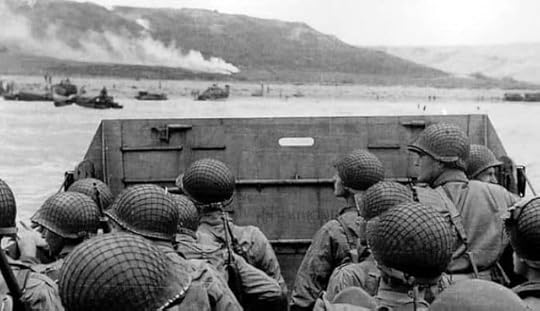
D-Day soldiers in a Higgins boat:
I enjoyed this one. It was a good, concise summary of the major events of the war. Its excellent formatting would also make it a good reference guide. 4 stars.
A small read that you can do it under 2 hours. You get the gist of the entire war and general idea on what led to what. This series by oxford has been highly appreciated by me as you are able to get the key info on large topics in short duration and then decide to read further or not.
This book was written concise but lacked the charm of few other topics I read in the series. Nonetheless considering the complex topic being addressed, guess you can’t get a better book to read than this
Muy bueno para personas que no tengan ni un mínimo conocimiento de la segunda guerra mundial. Permite aprender el panorama general en una obra didáctica de buenos compendios. Quedarse en este libro es, sin embargo, delictivo; la mayoría se aprende en clase de historia o viéndote un par de documentales. Aún así, pese a que sabía bastantes cosas, me gustó mucho como introducción, y creo que el objetivo del libro es tan loable como conseguido.
Buen libro, da las operaciones más importantes del transcurso de la guerra, las consecuencias que hubo en cada país después de esta. En mi caso, traté de hacerla lo más completa posible, indagando más sobre cada operación personalmente, sin olvidar al capo del comandante MacArthur.
Un libro que me pareció bueno, sintético en sus hechos, con una buena descripción de acontecimientos más importantes teniendo una buena dosis de explicación y análisis me ciertas partes que se agradece. También se aprecian los mapas.
En la introducción es autor plantea porque está guerra fue mundial, al está involucrar varios países como lo pueden ser Canadá o nueva Zelanda, en lo océanos también fue una guerra mundial, cerrando así esta introducción con la importancia que supuso está guerra por ejemplo en el campo tecnológico.
En el primer capítulo tenemos el fin de la gran guerra y el reto que suponía formar los nuevos territorios nacientes, en estos nuevos cambios es importante a destacar el respeto a las minorías nacionales y sus fronteras, el celebrar plebiscitos para escoger la nacionalidad con que se identifican las personas y por último centrarse en los gobernados, tenemos resultados como el juzgar criminales de guerra y la creación de la sociedad de las naciones. En el ámbito alemán tenemos la devolución que este debe hacer de territorios como a Polonia, en Francia está el miedo de otra invacion alemana por lo que busca garantías de defensa y una zona desmilitarizada.
Alemania albergó un resentimiento por las restricciones a sus fuerzas armadas y lo costoso de las reparaciones que debían hacer, frente a esto es que la figura de Hitler tiene un gran ascenso, el cual buscaba expandir lo germano por medio de un espacio vital hacia el este, comenzado con la anexión de Austria, la cual nadie estaba dispuesto a defender y posteriormente tenemos la entrega de territorios de Checoslovaquia para evitar una guerra con Alemania, pero esto querían la guerra para ello llega a un acuerdo con la Urss para dividirse Polonia.
Con la invasión a Polonia inicia el segundo capítulo, tenemos un rápido avance alemán ante una Polonia algo débil pero que pudo desgastar a Alemania, algo interesante es que este último seguía dependiendo de sus caballos para el transporte, pese a todo, soldados y buques polaco alcanzaron a huir, posterior a esto es presentado los ataques nazis a buques mercantes los cuales tiene la ventaja de contar con la infraestructura de la Urss, la cual suministro materiales a. Alemania.
La invacion a Noruega era importante para Hitler con el fin de luchar contra los británicos, pese a que esperaba una invasión fácil de este país junto con Dinamarca, la parte difícil era la invacion en Noruega debido a sus largas costas que los dejaban expuestos y lejos de los centros de suministros alemanes. La Urss por su parte invade Finlandia donde logra hacerse de pocos territorios.
Hitler logra su contenido ante una desorganización aliada y una superioridad aérea pero dejando su marina muy débil, con su conquista Alemania logra tener bases con acceso al Atlántico y logrando así coaccionar a Suecia para que den suministros, se intenta un acuerdo con opositores nazis pero no derrocan a Hitler, por el contrario estaban destras de invasiones contra países neurales.
El tercer capítulo inicia con el aplazamiento de Hitler de su ofensiva al oeste donde aprenden de su errores y de preparan para un ofensiva que no es muy tomadas en cuenta en Francia, donde contagio a al guerra los nazis invaden también países Bajos, tenemos una victoria de Hitler en la que toma París, logrando que Italia de una al bando alemán y firmando así un armisticio con Francia, el fracaso nazi de plasmó en otro lado en gran Bretaña donde pese a los bombardeos no logra socavar la moral de los ingleses, al contrario, la refuerza.
Por otra parte tenemos los fracasos italianos en Grecia, lo que empujan a los nacido a ayudar a invadir esta y tomar también Yugoslavia, un aspecto a destacar es que la toma de la isla de Creta hacia perder a muchos paracaidistas y por su parte la victoria en Irak y Siria ayuda a tener una ruta de abastecimiento con la Urss.
El cuarto capítulo inicia con la invacion Alemana a la Rusia, los germanos estaban subestimando al ejército rojo debido a su pobre participación en la guerra contra Finlandia, la invacion tampoco presto atención a la gran logística que suponía esa empresa. Los nazis contaban con gran superioridad aérea, y malos oficiales ya que los buenos fueron purgados por Stalin, el estirar tanto el territorio soviético volvió más débil más sus defensas, pero los soviéticos tenían mejores tanques, una mayor tenacidad y un mayor control de recursos en áreas no conquistadas.
Los alemanes mostraron ser más crueles que los propios soviéticos, los nazis no estaban acostumbrados al frío, además los soviéticos se reforzaron con tras del lejano oriente luego de una tregua con Japón, la industria a todo marcha de la Urss también les ayudo a funcionar a toda máquina teniendo el apoyo de mujeres y partisanos.
Llegamos así al quinto capítulo de una guerra japonesa contra china la cual se cometen varios crímenes haciendo que se diera más apoyo a los nacionalistas, ante la distracción de la Urss con Alemania Japón iniciaría su expansión, en donde atacaron a EEUU pero no lograron destruir muchos buques ni tampoco causan grandes bajas, la expansión de Japón llegaría a su fin con la batalla de Midway.
El sexto capítulo estamos ante una nueva ofensiva de los nazis contra la Urss, pero estos fueron inteligentes y retiraron tropas para evitar más bajas, esto logro que los nazis tuvieran más bajas y con Stalingrado las tornas giraron más a favor de los rojos, los oficiales de estos últimos aprendieron de sus errores, otros revés para los nazis fue contra los submarinos alemanes, que fueron también asediados con bombardeos afectando la infraestructura civil e industrial de la Alemania nazi.
Tenemos ahora la invacion de los aliados a la Italia facista, en la que se propicia la caída del dictado Mussolini, ahora teniendo los nazis que defender Italia, desviado así recursos, también tenemos victorias de los aliados que hacen alentar a los partisanos en los territorios ocupados además de que países como Suecia o Turquía dejan de apoyar a Alemania.
El séptimo capitulo son las evoluciones del frente en cada país se muestra la infraestructura y muerte de civiles que se propio en cada bando,en Polonia sería asediada por dos países, acabando con su población judía, en Francia hay muchas ejecuciones, en reino unido por su posición insular no tiene muchas perdidas; no obstante, reino unido pierde su imagen de imperio, Italia, pierde su monarquía, la unión soviética, tendría una industria mas poderosa y un régimen con más legitimidad, en EEUU, hay cambios en el estatua de las mujeres y afroamericano, muchos en América Latina, a excepción de argentina, se unen a los aliados, hay cambios tecnológicos como lo misiles balísticos y el radar además de avances en la medicina.
En el último capítulo estamos ante el avance de los aliados en lo que queda de la Italia facista, con un desembarco en Normandía ante una Alemania débil en los mares y Aires, Finlandia se une a los aliados debido a su rendición, en el lado de Japón tenemos el uso desde la Filipinas, de kamikazes que no logran ser efectivos, ya por último tenemos la rendición de Japón que resulta nada fácil debido a la tenacidad de Japón de seguir luchando hasta lo último pese a las constantes derrotas y bombardeos.
En las conclusiones tenemos el gran número de muertes civiles, y los grandes movimientos de población que supuso este conflicto, también estamos ante juzgamiento de criminales de guerra que muchos huyen a América del Sur, y por último tenemos el inició de procesos de descolonización.
En conclusión un buen libro para saber de la segunda guerra mundial.
Look at me, actually finishing a Very Short Introduction. Admittedly, I have already given up on my 2021 Very Short Introduction Challenge a few months ago, but I’m not unsatisfied with myself. I have read 5/12 of the books which is a lot more than in the years before and I have learned that these introductions are not always what you hope them to be. This one for example, I had hopes to understand more about the effect the war had on civilians all over the world and the things that were known about the Holocaust to people at the time. I already do have quite a good factual knowledge about the war and the historical moments from a fairly objective viewpoint as I am German and history classes these days spend tremendous amounts of time on the topic. I wanted a deeper insight on the people at the time. And while I did get some information regarding other countries and how they knew quite well what Germany was up to before the war started, the parts on the war were largely disappointing. A lot of it was just a report of “who moved their troops when why” which became overwhelming and forgettable very quickly. That made this book quite a tiresome read and I wish I would have skipped it. I am aware that Short Intoductions like Nazi Germany and Antisemitism might have given me more of the information I would have liked to read about, but this also shows me that picking Very Short Introductions just plainly with a random number generator is probably not the wisest idea.
Gerhard Weinberg’s excellent, well-written, short introduction to the Second World War, covers in a strategic overview the major theaters’ issues, leaders, and strategies that were the heart and core of the Second World War. The book is an excellent starting point for someone interested in pursuing in more specifics, various campaigns and different specific geographic regions of this global conflict. I found of great interest the concise chapter on the innovations and technological developments that came from and were caused by World War II. It is a fair statement to say that World War II launched today’s technological world, with all of its complexities and rapid changing environments.
I think that Weinberg’s summation of the impacts of the Second World War on today’s culture and societies globally, is highly provocative and makes you step back and reflect on the importance of studying history as a window into change and all of its associated elements.
This is an interesting book and well worth reading, because of the rhythms that came out of the Second World War, which are still prevalent as major forces around the globe.
What Weinberg does here is brilliant. He covers all of the major campaigns and battles of the Second World War in less that 150 pages. He includes an excellent bibliography at the end and provides a summary post-war (and pre-war) developments. Being honest, I found the broad sweep of the content difficult to master at first. I think a sense of the outline of the conflict would be enormously beneficial for any reader but as the text progressed and the expansive nature of the geographical coverage and chronological order of the conflict was outlined, the 'whole picture' became clear. My only criticism isn't a real one and that is that some of the maps in this 'pocket guide' are very tiny and come at points in the text that don't sometimes match up. That aside, I'll be using this text with my students to give context to their studies. Bravo Dr. Weinberg!
I'm hooked on these brief histories of big events. Some will argue that it is impossible to describe a world-changing event in 125 pages. But, Weinberg does a credible job of summarizing the aggression of the Axis and the response of the Allies. Those who bask in the glory of war should remember that WWII claimed some 60-million lives, the majority of them civilians. And nuclear weapons were not used until the very end of the conflict. The consequences of WWIII are unimaginable.
This was adequate for 144 pages, I think the narrator of the audio book is very good. It does feel like it is listing information however which is my biggest criticism.
I'd recommend this for younger readers daunted by larger books. If you are very interested in WW2 and are not put off by larger books then I'd recommend Anthony Beevor's Second World War and his other books on the subject for a more narrative history.
I know more now than I did. The book did it’s job. As my first real introduction to the events of WW2 I now have an understanding, however broad, of the major signposts of the war.
Looking forward to opening up some more WW2 books!
This was indeed a very short book on WW2, but it was very detailed and informative nonetheless. I learned some new factoids and was reminded of many things about WW2 I had forgotten over the years.
ამ სერიის წიგნები ნამდვილად გამორჩეულია ხოლმე სიმარტივით, საინტერესო გადმოცემითა და ფაქტების გაანალიზებით, თუმცა ამ შემთხვევაში ძირითადად ქრონოლოგიური ფაქტების აღწერაა და სხვა არაფერი.
Writing a very short introduction of WWII is certainly a daunting project. In his case, Gerhard Weinberg opted to pack it with as much of the “headline information” as possible, without much attention to their underlying meaning or relevant/interesting details. It feels like a book that is rushing towards the end, rather than a well-crafted account. D-day, for example gets less than 20 lines, and the evacuation of Dunkirk is not even mentioned. Ir regards to the political or military leaders, only Hitler’s thoughts and aims are considered, and Churchill, amongst others, is conspicuously absent. That said, the book is quite readable, provides a good timeline of events and some interesting associations. The maps are packed with much information (and with incredibly small fonts) as to make them very difficult to understand. Finally, editing is also lacking. As an example, the whole text in kindle is left-aligned rather than justified (as in virtually all books), which makes us feel like reading a draft rather than the final product.
It is a good book to revise World War II in a summarised manner. However, as I went through an audible format, very long sentences at few places were difficult to comprehend in one go.
One glaring thing that is always missed in any World War History is the Indian losses. The Bengal famine was caused in India primarily due to two reasons:-
1. Socrch earth policy against likely Japanese invasion. 2. Overstocking the Britain (not 'Great Britain') 3. Churchill's hate for Indians as an inferior race (so he is equal to Hitler in many aspects).
As this famine led to the death of over 3 million Indians and it is directly to World War II, it must be part of the war account (like Jewish Mass Killing)
World War II: A Very Short Introduction by Gerhard L. Weinberg is a concise yet informative overview of one of history’s most complex conflicts. While it doesn’t offer the depth of a comprehensive study, it succeeds in presenting the major themes, events, and global impact of the war in a clear and engaging way.
If you’re looking for an in-depth analysis, you’ll want to explore more detailed work and commit to a longer study. However, for readers seeking a solid introduction or a quick refresher on the key issues and developments of World War II, this book is an excellent starting point.
Extremely dense, just like the WW1 book, but I enjoyed reading the details of the campaigns especially in the South Pacific. I listened to half on audiobook, but I had to slow it to .8 speed to not feel overwhelmed. It’s interesting to learn China’s involvement as well. I don’t remember being taught this piece in school.
This was a great short book to learn about WWII if you are interested in that topic. The text was very easy to understand and you could follow along extremely well. I definitely recommend if you want to get into WWII but do not know where to start this book will give you a great starting point.
Fantastic book for those looking to understand the overall arc of the war without getting overwhelmed with too much detail; as many books on this topic do. Use this as a launch pad to go deeper on individual campaigns like Stalingrad, Normandy, the battles of the Pacific, etc.