

What do you think?

Mugby Junction
Charles Dickens, collected his celebrated ghost story, The Signalman, and short tales by Charles Collins, Hesbah Stretton, Andrew Halliday, and Amelia Edwards. Arriving at Mugby Junction to escape his unhappy past, "Barbox Brothers", so named for his luggage enscription, befriends a workman and his invalid daughter, and explores the seven lines of the junction. He meets the woman he lost, only to return and collect the other tales.
144 pages, Paperback
First published January 1, 1866
About the author
Charles Dickens
13.5k books32.3k followersCharles John Huffam Dickens (1812-1870) was a writer and social critic who created some of the world's best-known fictional characters and is regarded as the greatest novelist of the Victorian era. His works enjoyed unprecedented popularity during his lifetime, and by the twentieth century critics and scholars had recognised him as a literary genius. His novels and short stories enjoy lasting popularity.
Dickens left school to work in a factory when his father was incarcerated in a debtors' prison. Despite his lack of formal education, he edited a weekly journal for 20 years, wrote 15 novels, five novellas, hundreds of short stories and non-fiction articles, lectured and performed extensively, was an indefatigable letter writer, and campaigned vigorously for children's rights, education, and other social reforms.
Dickens was regarded as the literary colossus of his age. His 1843 novella, A Christmas Carol, remains popular and continues to inspire adaptations in every artistic genre. Oliver Twist and Great Expectations are also frequently adapted, and, like many of his novels, evoke images of early Victorian London. His 1859 novel, A Tale of Two Cities, set in London and Paris, is his best-known work of historical fiction. Dickens's creative genius has been praised by fellow writers—from Leo Tolstoy to George Orwell and G. K. Chesterton—for its realism, comedy, prose style, unique characterisations, and social criticism. On the other hand, Oscar Wilde, Henry James, and Virginia Woolf complained of a lack of psychological depth, loose writing, and a vein of saccharine sentimentalism. The term Dickensian is used to describe something that is reminiscent of Dickens and his writings, such as poor social conditions or comically repulsive characters.
On 8 June 1870, Dickens suffered another stroke at his home after a full day's work on Edwin Drood. He never regained consciousness, and the next day he died at Gad's Hill Place. Contrary to his wish to be buried at Rochester Cathedral "in an inexpensive, unostentatious, and strictly private manner," he was laid to rest in the Poets' Corner of Westminster Abbey. A printed epitaph circulated at the time of the funeral reads: "To the Memory of Charles Dickens (England's most popular author) who died at his residence, Higham, near Rochester, Kent, 9 June 1870, aged 58 years. He was a sympathiser with the poor, the suffering, and the oppressed; and by his death, one of England's greatest writers is lost to the world." His last words were: "On the ground", in response to his sister-in-law Georgina's request that he lie down.
(from Wikipedia)
Dickens left school to work in a factory when his father was incarcerated in a debtors' prison. Despite his lack of formal education, he edited a weekly journal for 20 years, wrote 15 novels, five novellas, hundreds of short stories and non-fiction articles, lectured and performed extensively, was an indefatigable letter writer, and campaigned vigorously for children's rights, education, and other social reforms.
Dickens was regarded as the literary colossus of his age. His 1843 novella, A Christmas Carol, remains popular and continues to inspire adaptations in every artistic genre. Oliver Twist and Great Expectations are also frequently adapted, and, like many of his novels, evoke images of early Victorian London. His 1859 novel, A Tale of Two Cities, set in London and Paris, is his best-known work of historical fiction. Dickens's creative genius has been praised by fellow writers—from Leo Tolstoy to George Orwell and G. K. Chesterton—for its realism, comedy, prose style, unique characterisations, and social criticism. On the other hand, Oscar Wilde, Henry James, and Virginia Woolf complained of a lack of psychological depth, loose writing, and a vein of saccharine sentimentalism. The term Dickensian is used to describe something that is reminiscent of Dickens and his writings, such as poor social conditions or comically repulsive characters.
On 8 June 1870, Dickens suffered another stroke at his home after a full day's work on Edwin Drood. He never regained consciousness, and the next day he died at Gad's Hill Place. Contrary to his wish to be buried at Rochester Cathedral "in an inexpensive, unostentatious, and strictly private manner," he was laid to rest in the Poets' Corner of Westminster Abbey. A printed epitaph circulated at the time of the funeral reads: "To the Memory of Charles Dickens (England's most popular author) who died at his residence, Higham, near Rochester, Kent, 9 June 1870, aged 58 years. He was a sympathiser with the poor, the suffering, and the oppressed; and by his death, one of England's greatest writers is lost to the world." His last words were: "On the ground", in response to his sister-in-law Georgina's request that he lie down.
(from Wikipedia)
Ratings & Reviews
Friends & Following
Create a free account to discover what your friends think of this book!
Community Reviews
Displaying 1 - 30 of 45 reviews

October 1, 2020
A really enjoyable Victorian read, with some great stories in.

December 10, 2012
Mugby Junction is another collection of short stories, the first four from Charles Dickens and the latter four written by Andrew Halliday, Charles Collins (brother of Wilkie), Hesba Stretton and Amelia Edwards. These were first published in 'All the Year Round' in 1886. A similar collection to 'The Haunted House'.
In June 1865, some eighteen months before writing these stories, Dickens was involved in one of the earliest rail disasters, when due to maintenance work on the line his train was derailed at the express speed of twenty five miles per hour and most of the carriages ended up in the River Beult. Whatever the resulting trauma of Dickens' rail crash experience, I wasn't greatly taken with his first four storylines of Mugby Junction. Sacrilegious it may be to give the thumbs down to C.D. but I preferred The Engine Driver by Andrew Halliday, The Travelling Post Office by Hesba Stretton and The Engineer by Amelia Edwards.
I'm sure that the new technology of the railways brought awe and fascination to our Victorian forebears, and the branch lines of Mugby Junction bring oral history, nineteenth century travel writing and some supernatural ghost stories. Unfortunately I found this collection about as appetising as a curly stale British Rail sandwich.
In June 1865, some eighteen months before writing these stories, Dickens was involved in one of the earliest rail disasters, when due to maintenance work on the line his train was derailed at the express speed of twenty five miles per hour and most of the carriages ended up in the River Beult. Whatever the resulting trauma of Dickens' rail crash experience, I wasn't greatly taken with his first four storylines of Mugby Junction. Sacrilegious it may be to give the thumbs down to C.D. but I preferred The Engine Driver by Andrew Halliday, The Travelling Post Office by Hesba Stretton and The Engineer by Amelia Edwards.
I'm sure that the new technology of the railways brought awe and fascination to our Victorian forebears, and the branch lines of Mugby Junction bring oral history, nineteenth century travel writing and some supernatural ghost stories. Unfortunately I found this collection about as appetising as a curly stale British Rail sandwich.

December 14, 2014
Well this was a disappointment for sure. Except for the first two sections, called Barbox Brothers and Barbox Brothers & Co., I only skimmed the book and have to call it a DNF. I was reading this for two reasons: I had seen somewhere that it was about trains, which I love; and it was also supposed to be a Christmas tale for a Read Dickens At Christmas mini challenge.
The trains were well represented throughout the book, with the best descriptions coming in the early pages of Barbox Brothers. I never did see a mention of Christmas anywhere so unless it counts as a Christmas story solely because it was originally published at that season, I have no clue how this could be considered to have such a theme.
The first 72 pages, dealing directly with Barbax Brothers (the only name given for our hero) were interesting and touching, with a transformation from a grumpy, mistrustful soul to a giving, happy person. Sound familiar? The rest of the book supposedly related events he had seen or learned of while roaming around Mugby Junction. I tried, but I ended up skimming from page 80 or so onward. It simply did not appeal to me.
The trains were well represented throughout the book, with the best descriptions coming in the early pages of Barbox Brothers. I never did see a mention of Christmas anywhere so unless it counts as a Christmas story solely because it was originally published at that season, I have no clue how this could be considered to have such a theme.
The first 72 pages, dealing directly with Barbax Brothers (the only name given for our hero) were interesting and touching, with a transformation from a grumpy, mistrustful soul to a giving, happy person. Sound familiar? The rest of the book supposedly related events he had seen or learned of while roaming around Mugby Junction. I tried, but I ended up skimming from page 80 or so onward. It simply did not appeal to me.

September 7, 2014
Some of what is best about Charles Dickens and much of what is worst. The worst of Dickens still beats the pants off most everything else.
April 4, 2017
I should read more short stories.

April 28, 2022
MUGBY JUNCTION-CHARLES DICKENS
✒"Let me see. Mugby Junction,Mugby Junction. Where shall I go next? As it came into my head last night when I woke from an uneasy sleep in the carriage and found myself here,I can go anywhere from here. Where shall I go?"
🚂Ovo je kratka priča koja najbolje odražava snagu duha Čarlsa Dikensa,obzirom da je pisana ne mnogo nakon železničke nesreće koju je doživeo.
🚂Vedrina i optimizam zrače iz pripovetke
🚂Glavni junak je čovek na pragu tridesete godine,koji reši da napisti svoju dosadašnju advokatsku praksu i uputi se bilo kuda.
🚂Junak stiže na raskšće železničkih puteva,u gradić iz koga mnogi putevi vode u različitim pravcima.
🚂Dešava se ljubav,ali put se nastavlja,jer kakva je to ljubav ako je ne ponesemo u srcu i ako joj ne posvetimo svaki korak i svako svoje delo.
🚂Dikensovski duhovito,uz očekivan osvrt na život i običaje u Engleskoj njegovog vremena.
#7sensesofabook #bookstagram #knjige #literature #classicliterature #readingaddict
✒"Let me see. Mugby Junction,Mugby Junction. Where shall I go next? As it came into my head last night when I woke from an uneasy sleep in the carriage and found myself here,I can go anywhere from here. Where shall I go?"
🚂Ovo je kratka priča koja najbolje odražava snagu duha Čarlsa Dikensa,obzirom da je pisana ne mnogo nakon železničke nesreće koju je doživeo.
🚂Vedrina i optimizam zrače iz pripovetke
🚂Glavni junak je čovek na pragu tridesete godine,koji reši da napisti svoju dosadašnju advokatsku praksu i uputi se bilo kuda.
🚂Junak stiže na raskšće železničkih puteva,u gradić iz koga mnogi putevi vode u različitim pravcima.
🚂Dešava se ljubav,ali put se nastavlja,jer kakva je to ljubav ako je ne ponesemo u srcu i ako joj ne posvetimo svaki korak i svako svoje delo.
🚂Dikensovski duhovito,uz očekivan osvrt na život i običaje u Engleskoj njegovog vremena.
#7sensesofabook #bookstagram #knjige #literature #classicliterature #readingaddict

December 17, 2020
Can you escape your past? Can you find the woman you lost?
Here is a quote from chapter one:
"Stay!" interposed the visitor with a slight flush. "What signifies your name? Lamps is name enough for me. I like it. It is bright and expressive. What do I want more."
Four stars for "Barbox Brothers".
Here is a quote from chapter one:
"Stay!" interposed the visitor with a slight flush. "What signifies your name? Lamps is name enough for me. I like it. It is bright and expressive. What do I want more."
Four stars for "Barbox Brothers".

October 11, 2020
Lovely short stories all connected by a train station

February 16, 2020
Davvero questo è Dickens? È Dickens (cit.)
L’ultimo capitolo della mia personale trilogia di Dickens non è dedicato ad un grande romanzo, ma ad alcuni degli scritti minori che formarono il cuore dell’attività letteraria dell’autore inglese nell’ultimo decennio della sua vita.
In stretta continuità con l’esperienza di Household Words, il popolare settimanale da lui fondato nel 1850, che dovette chiudere per una disputa con la casa editrice, nel 1859 Dickens fonda All the Year Round, periodico su cui potrà esercitare un maggiore controllo e che sopravviverà per un quarto di secolo alla sua morte. Qui Dickens pubblicherà i suoi ultimi romanzi e racconti darà spazio ad alcuni dei principali autori del secondo ottocento inglese, tra i quali Elizabeth Gaskell, Sheridan Le Fanu, Wilkie e Charles Collins.
Dickens in questa nuova rivista continuerà inoltre la tradizione del numero speciale di natale, nel quale ogni anno verranno presentati alcuni racconti suoi e dei suoi amici letterati, accomunati in qualche modo da un fil rouge narrativo. Il numero speciale per il natale 1866 aveva come titolo Mugby junction e conteneva otto storie di treni e fantasmi: di queste, quattro erano scritte da Dickens, mentre le altre erano a firma di Andrew Halliday, Charles Collins, Hesba Stretton e Amelia B. Edwards.
Il volumetto delle benemerite Edizioni Studio Tesi da me letto, oggi fuori catalogo e reperibile solo sul mercato dell’usato e, forse, tra i remainder, propone i quattro racconti di Dickens (che in realtà come vedremo sono tre), e permette al lettore di accostarsi ad un Dickens diverso, nel quale oggettivamente le esigenze di carattere commerciale sono ancora più impellenti che nei grandi romanzi, ma che forse proprio per questo – oltre che per il fatto di essere un autore maturo - mostra sfaccettature della propria arte e del proprio talento narrativo forse non del tutto scontate.
Dei quattro testi raccolti nel volume, solo l’ultimo – che come si vedrà è una storia di fantasmi - ha avuto qualche altra edizione nel nostro Paese ed oggi è reperibile all’interno di Da leggersi all’imbrunire, volume dei Tascabili Einaudi: pur essendo come vedremo a suo modo notevole, è forse anche il racconto più convenzionale e in ogni caso è strettamente legato a quelli che lo precedono. Consiglio quindi agli appassionati di Dickens di non perdere l’occasione di acquistare o reperire in biblioteca il volume di Studio Tesi, che rappresenta l’unica possibilità di leggere l’insieme dei racconti che Dickens scrisse per la sua rivista nel natale del 1866. Tra l’altro merita senz’altro di essere letta – anche se non ne condivido alcuni spunti di analisi – la bella introduzione di Rosanna Bonadei, che ha curato anche la traduzione dei testi.
Quattro racconti, quindi, che possono essere ridotti a tre. I primi due, infatti, Eredi Barbox ed Eredi Barbox e Company costituiscono di fatto un unico racconto, aventi lo stesso protagonista, il secondo racconto essendo di fatto il quarto e conclusivo capitolo delle sue vicende.
Il protagonista si chiama Jackson Barbox, ed è come si vedrà un personaggio di estremo interesse. Il lettore ne fa la conoscenza una notte di dicembre, quando scende da un treno alla stazione di Mugby Junction, importante nodo ferroviario sperso nella campagna inglese. È un uomo di mezza età, e si viene presto a sapere che non ha una meta precisa, ma sta scappando, il giorno del suo compleanno, dalla sua vita precedente, fatta di un’infanzia solitaria e infelice, di una ditta di consulenze giuridiche fallita e soprattutto del tradimento da parte della sola donna che ha amato, scappata con il suo (di lui) migliore amico. Egli è il Viaggiatore per Nessun-Luogo, come viene chiamato più avanti nel racconto. Solo sul marciapiede della stazione, senza sapere bene cosa fare, incontra Lamps, un facchino, che – non essendoci altri treni sino al giorno dopo – lo accompagna all’unica locanda del borgo.
Il mattino dopo Barbox, dopo avere riflettuto sulla sua vita ed essendo indeciso su quale direzione dare al suo viaggio, fa una passeggiata nei dintorni, e capita nei pressi di una linda casetta da cui escono dei bambini allegri e alla cui finestra scorge una graziosa fanciulla che lo colpisce e lo attrae anche perché sembra avere qualcosa di strano: decide così che deve conoscerla. La ragazza è Luna, è la figlia di Lamps ed è paralizzata da quando era bambina. Per avere compagnia mentre il padre è al lavoro, dà lezioni di canto ai bambini del paese. Barbox rimane affascinato dalla gioia di vivere che Luna, pur costretta sempre a stare sul letto, gli trasmette, che contrasta con il suo disagio esistenziale, ed in breve se ne innamora, di un casto amore corrisposto. Dopo più di un anno parte per la grande città, dove reincontra la donna che lo ha abbandonato e sua figlia Polly, che gli dà una ulteriore grande lezione di umanità. Torna quindi a Mugby Junction per stabilirvisi definitivamente.
Chi avrà occasione di leggere questo racconto vi troverà sia elementi tipicamente dickensiani sia elementi che almeno a me sono apparsi inediti rispetto ai topoi frequentati dall’autore inglese.
Tipicamente dickensiana è la caratterizzazione di alcuni personaggi, su tutti il buon Lamps, che si sfrega continuamente sul viso un fazzoletto bisunto riemergendone con una faccia lucida che assomiglia proprio allo stoppino di una lampada ad olio. Tipico e come sempre indice di una straordinaria capacità narrativa - anche se nella versione italiana giocoforza si perde quasi del tutto – il giocare di Dickens con la parola lampade nelle prime pagine del racconto: ci sono lampade nella stazione, portate dai facchini e nella loro stanza, lampade che si sono ormai spente in città e c’è Lamps, che sembra appunto una lampada, che appare nella notte per guidare il Viaggiatore e, per il tramite di sua figlia, lo guiderà verso una nuova vita. Come sempre in Dickens i nomi sono altamente evocativi: Lamps illumina la vita del viaggiatore, che si chiama Barbox (chissà se in inglese suscita lo stesso senso di noia evocato in italiano) e il luogo dove la vicenda si svolge richiama facilmente l’aggettivo muggy che significa afoso, umido.
Molto riconoscibile è anche lo stile di scrittura complessivo, con l’uso di dialoghi serrati, raramente interrotti da commenti del narratore (che come spesso in Dickens è una terza persona), il che conferisce ad alcune parti del racconto un ritmo quasi teatrale. Chi avesse voglia di confrontarsi con l'originale (ad esempio qui) troverà anche un altro elemento fortemente dickensiano, quasi del tutto scomparso nella traduzione: l’uso di un inglese basso, popolare e fortemente sincopato, soprattutto da parte di Lamps. Infine è quasi un marchio di fabbrica l’alternarsi di toni cupi e gioiosi, che qui giungono al limite del fiabesco e, al solito, del melodrammatico, con conseguenze che personalmente ritengo cadute di stile dovute alla necessità di far cassa rispondendo alle aspettative del suo pubblico popolare e piccolo-borghese. Rosanna Bonadei, come pure Carlo Pagetti introducendo La piccola Dorrit, inseriscono questi lati della prosa di Dickens in un eccesso di fantasia sfrenata, che non si ferma neppure davanti al paradosso e al non-senso, introdotti nella narrazione per creare un grande miscuglio che va al di là di certo realismo didascalico. Personalmente non concordo con questa interpretazione di un Dickens quasi postmoderno, e preferisco tenermi stretta la buona vecchia ipotesi che egli, scrittore professionista, perfettamente cosciente di dover rispondere alle aspettative dell’industria culturale di cui era parte integrante, dovesse dare al suo pubblico ciò che si aspettava.
Del tutto inaspettato, almeno per quanto attiene alla mia conoscenza di Dickens, è invece il personaggio principale, il Viaggiatore per Nessun-Luogo Jackson Barbox, nel quale davvero, come fa notare Rosanna Bonadei, si rintracciano i prodromi dell’uomo del Novecento, con le sue angosce, le sue incertezze, il suo disagio rispetto all’organizzazione sociale e alle relazioni umane. Egli giunge anche fisicamente ad un bivio, e non sa che strada prendere per ritrovare sé stesso. Ha liquidato la sua ditta perché, senza accorgersene, era diventato un uccello rapace, unica figura in grado di (r)esistere nel mondo degli affari, e par di capire che proprio per ciò che era ha perso l’unico amore della sua vita. Come accennato, però, si ritorna presto in pieno ottocento, ed in un ottocento dickensiano nel senso più caramelloso del termine, nel momento in cui angoscia e disagio si sciolgono alla fine del racconto.
Corre l’obbligo a questo punto di sottolineare che la traduzione di Rosanna Bonadei, pur se complessivamente buona, non è a mio avviso in grado di rendere appieno la prosa di Dickens, che tanta importanza ha nel determinare il fascino dei suoi racconti. Non mi riferisco tanto alla palese impossibilità di rendere i rimandi tra lamp, lamps e Lamps delle prime pagine, condizionati dalla necessità di non tradurre il nome del personaggio, quanto alla accennata incapacità di rendere il linguaggio colloquiale dei personaggi. Inoltre, Bonadei fa scelte discutibili quando decide di chimare Luna la figlia di Lamps, che nell’originale è Phœbe, e in altre occasioni, nelle quali adatta il testo originale con forse troppa libertà. Cito su tutti un passo nel quale crea un evidente anacronismo traducendo l’originale ”… as if the railway Lines were getting themselves photographed on that sensitive plate” in ”… come a voler fotografare su una pellicola molto sensibile l’intrico dei binari” (le sottolineature sono ovviamente mie).
A questo racconto letteralmente in chiaroscuro e per certi versi sorprendente segue un piccolo, grande pezzo di bravura, che ci riconduce al Dickens capace di mettere sulla pagina una peculiare vis satirica, subito riconoscibile dal suo lettore.
Il breve racconto, dal titolo Binario centrale. Il Boy di Mugby vede il protagonista, Ezechiele, cameriere al Ristoro-Viaggiatori della stazione di Mugby Junction, narrare in prima persona del suo ambiente di lavoro e dei suoi colleghi. Lungo una dozzina di pagine divertentissime Dickens scaglia i suoi strali contro la qualità del servizio di ristorazione delle ferrovie inglesi dell’epoca, tra dolcetti ammuffiti, panini di segatura e un sistematico e rivendicato disprezzo per il cliente. Nei locali del Ristoro-Viaggiatori lavorano, oltre ad Ezechiele, La Madama, direttrice dell’esercizio, le cameriere Miss Piff e Miss Paff, nonché Mr e Ms. Sniff. Ritengo che Dickens, grande viaggiatore, fosse realmente stato colpito dalla pessima qualità della ristorazione ferroviaria inglese, perché fa compiere a Madama la direttrice un viaggio a fini comparativi in Francia, dal quale torna convinta, nonostante le evidenze contrarie, della superiorità inglese rispetto alle abitudini dei barbari mangiarane post-napoleonici. Il lettore si ritrova insomma in pieno Dickens, e può aggiungere un nuovo capitolo, anche se sicuramente minore quanto a bersaglio rispetto ad altri, alle innumerevoli situazioni nelle quali il nostro ha affondato le sue lame satiriche nella viva carne delle pretese superiorità dell’Isola dei prodi e Terra dei liberi.
Ciò che caratterizza questo breve testo è però senza dubbio il racconto in prima persona da parte di Ezechiele, che lo trasforma in un serrato e divertentissimo monologo, condotto sul filo del paradosso. Rosanna Bonadei giunge a dire che siamo di fronte ad un rudimentale flusso di coscienza: pur ritenendo che sia necessario andarci piano con tali arditi accostamenti, è indubbio che la vivacità del monologo, la circostanza che Ezechiele esprima spesso nel corso delle pagine i suoi giudizi tranchant, ed il fatto stesso che Dickens scelga di mostrarci il mondo della ristorazione ferroviaria inglese visto dal punto di vista dell’ultimo inserviente di una piccola stazione, permettono di dire che ci si trova di fronte ad un testo sicuramente non convenzionale per l’epoca, tutto da gustare ancora oggi.
Nell’ultimo racconto del volume, intitolato Primo binario. Il segnalatore, Dickens si confronta con il genere horror, o meglio con le storie di fantasmi. Non è una tematica nuova per l’autore inglese: sin dai tempi di A Christmas Carol (1843), poi in alcuni capitoli di suoi romanzi e in alcuni racconti Dickens ha narrato di fantasmi e spettri, come del resto la letteratura vittoriana esigeva.
Questo racconto però, anche se apparentemente convenzionale quanto a svolgimento (una apparizione è premonitrice di sciagure e disastri) si protende a mio avviso in avanti più che rifarsi semplicemente al bagaglio di quanto già scritto nel genere, testimoniando anche in questo caso le capacità del Dickens maturo di arricchire la sua poetica di elementi nuovi.
Innanzitutto è da notare l’ambientazione nel mondo delle ferrovie. Poco dopo la metà del XIX secolo la ferrovia era l’emblema stesso del progresso tecnologico, dei traguardi di civiltà che il dominio della borghesia aveva raggiunto, della razionalità ingegneristica e meccanica. Dickens ci presenta invece una ferrovia oscura, mai raggiunta dal sole, che sbuca da un tunnel ignoto ed è causa di lutto e dolore. Il protagonista è un semplice segnalatore, che vive e lavora solitario in questa buia forra, non riuscendo ad interpretare i segnali premonitori che gli arrivano dalla ferrovia, sino a caderne egli stesso vittima.
Soprattutto, il lettore viene lasciato solo a decidere se ciò che accade sia davvero preannunciato da un fantasma o il tutto non sia il semplice concatenarsi di coincidenze. Questa incertezza, questa ambiguità del racconto, mi ha ricordato subito la grande ambiguità che permea Il giro di vite di Henry James, sia pure dovendo necessariamente sottolineare che oltre trent’anni separano i due racconti, e che il secondo ha uno spessore intrinseco ben maggiore del testo dickensiano. Detto questo, come non percepire una sottile comunanza di spirito tra i due racconti? Come non pensare che anche questo piccolo racconto abbia contribuito non poco a dare una delle prime spallate all’edificio del racconto gotico vittoriano, prima che James facesse venir giù tutto?
Con Mugby Junction siamo quindi sicuramente di fronte ad un Dickens minore, ma anche ad un Dickens che ci riserva non poche sorprese: rinnovo quindi l’invito a cercare questo libro sulle bancarelle o in rete, perché chi ama questo autore potrà sicuramente commentare, come Rosanna Bonadei: ”Davvero questo è Dickens? È Dickens”.
L’ultimo capitolo della mia personale trilogia di Dickens non è dedicato ad un grande romanzo, ma ad alcuni degli scritti minori che formarono il cuore dell’attività letteraria dell’autore inglese nell’ultimo decennio della sua vita.
In stretta continuità con l’esperienza di Household Words, il popolare settimanale da lui fondato nel 1850, che dovette chiudere per una disputa con la casa editrice, nel 1859 Dickens fonda All the Year Round, periodico su cui potrà esercitare un maggiore controllo e che sopravviverà per un quarto di secolo alla sua morte. Qui Dickens pubblicherà i suoi ultimi romanzi e racconti darà spazio ad alcuni dei principali autori del secondo ottocento inglese, tra i quali Elizabeth Gaskell, Sheridan Le Fanu, Wilkie e Charles Collins.
Dickens in questa nuova rivista continuerà inoltre la tradizione del numero speciale di natale, nel quale ogni anno verranno presentati alcuni racconti suoi e dei suoi amici letterati, accomunati in qualche modo da un fil rouge narrativo. Il numero speciale per il natale 1866 aveva come titolo Mugby junction e conteneva otto storie di treni e fantasmi: di queste, quattro erano scritte da Dickens, mentre le altre erano a firma di Andrew Halliday, Charles Collins, Hesba Stretton e Amelia B. Edwards.
Il volumetto delle benemerite Edizioni Studio Tesi da me letto, oggi fuori catalogo e reperibile solo sul mercato dell’usato e, forse, tra i remainder, propone i quattro racconti di Dickens (che in realtà come vedremo sono tre), e permette al lettore di accostarsi ad un Dickens diverso, nel quale oggettivamente le esigenze di carattere commerciale sono ancora più impellenti che nei grandi romanzi, ma che forse proprio per questo – oltre che per il fatto di essere un autore maturo - mostra sfaccettature della propria arte e del proprio talento narrativo forse non del tutto scontate.
Dei quattro testi raccolti nel volume, solo l’ultimo – che come si vedrà è una storia di fantasmi - ha avuto qualche altra edizione nel nostro Paese ed oggi è reperibile all’interno di Da leggersi all’imbrunire, volume dei Tascabili Einaudi: pur essendo come vedremo a suo modo notevole, è forse anche il racconto più convenzionale e in ogni caso è strettamente legato a quelli che lo precedono. Consiglio quindi agli appassionati di Dickens di non perdere l’occasione di acquistare o reperire in biblioteca il volume di Studio Tesi, che rappresenta l’unica possibilità di leggere l’insieme dei racconti che Dickens scrisse per la sua rivista nel natale del 1866. Tra l’altro merita senz’altro di essere letta – anche se non ne condivido alcuni spunti di analisi – la bella introduzione di Rosanna Bonadei, che ha curato anche la traduzione dei testi.
Quattro racconti, quindi, che possono essere ridotti a tre. I primi due, infatti, Eredi Barbox ed Eredi Barbox e Company costituiscono di fatto un unico racconto, aventi lo stesso protagonista, il secondo racconto essendo di fatto il quarto e conclusivo capitolo delle sue vicende.
Il protagonista si chiama Jackson Barbox, ed è come si vedrà un personaggio di estremo interesse. Il lettore ne fa la conoscenza una notte di dicembre, quando scende da un treno alla stazione di Mugby Junction, importante nodo ferroviario sperso nella campagna inglese. È un uomo di mezza età, e si viene presto a sapere che non ha una meta precisa, ma sta scappando, il giorno del suo compleanno, dalla sua vita precedente, fatta di un’infanzia solitaria e infelice, di una ditta di consulenze giuridiche fallita e soprattutto del tradimento da parte della sola donna che ha amato, scappata con il suo (di lui) migliore amico. Egli è il Viaggiatore per Nessun-Luogo, come viene chiamato più avanti nel racconto. Solo sul marciapiede della stazione, senza sapere bene cosa fare, incontra Lamps, un facchino, che – non essendoci altri treni sino al giorno dopo – lo accompagna all’unica locanda del borgo.
Il mattino dopo Barbox, dopo avere riflettuto sulla sua vita ed essendo indeciso su quale direzione dare al suo viaggio, fa una passeggiata nei dintorni, e capita nei pressi di una linda casetta da cui escono dei bambini allegri e alla cui finestra scorge una graziosa fanciulla che lo colpisce e lo attrae anche perché sembra avere qualcosa di strano: decide così che deve conoscerla. La ragazza è Luna, è la figlia di Lamps ed è paralizzata da quando era bambina. Per avere compagnia mentre il padre è al lavoro, dà lezioni di canto ai bambini del paese. Barbox rimane affascinato dalla gioia di vivere che Luna, pur costretta sempre a stare sul letto, gli trasmette, che contrasta con il suo disagio esistenziale, ed in breve se ne innamora, di un casto amore corrisposto. Dopo più di un anno parte per la grande città, dove reincontra la donna che lo ha abbandonato e sua figlia Polly, che gli dà una ulteriore grande lezione di umanità. Torna quindi a Mugby Junction per stabilirvisi definitivamente.
Chi avrà occasione di leggere questo racconto vi troverà sia elementi tipicamente dickensiani sia elementi che almeno a me sono apparsi inediti rispetto ai topoi frequentati dall’autore inglese.
Tipicamente dickensiana è la caratterizzazione di alcuni personaggi, su tutti il buon Lamps, che si sfrega continuamente sul viso un fazzoletto bisunto riemergendone con una faccia lucida che assomiglia proprio allo stoppino di una lampada ad olio. Tipico e come sempre indice di una straordinaria capacità narrativa - anche se nella versione italiana giocoforza si perde quasi del tutto – il giocare di Dickens con la parola lampade nelle prime pagine del racconto: ci sono lampade nella stazione, portate dai facchini e nella loro stanza, lampade che si sono ormai spente in città e c’è Lamps, che sembra appunto una lampada, che appare nella notte per guidare il Viaggiatore e, per il tramite di sua figlia, lo guiderà verso una nuova vita. Come sempre in Dickens i nomi sono altamente evocativi: Lamps illumina la vita del viaggiatore, che si chiama Barbox (chissà se in inglese suscita lo stesso senso di noia evocato in italiano) e il luogo dove la vicenda si svolge richiama facilmente l’aggettivo muggy che significa afoso, umido.
Molto riconoscibile è anche lo stile di scrittura complessivo, con l’uso di dialoghi serrati, raramente interrotti da commenti del narratore (che come spesso in Dickens è una terza persona), il che conferisce ad alcune parti del racconto un ritmo quasi teatrale. Chi avesse voglia di confrontarsi con l'originale (ad esempio qui) troverà anche un altro elemento fortemente dickensiano, quasi del tutto scomparso nella traduzione: l’uso di un inglese basso, popolare e fortemente sincopato, soprattutto da parte di Lamps. Infine è quasi un marchio di fabbrica l’alternarsi di toni cupi e gioiosi, che qui giungono al limite del fiabesco e, al solito, del melodrammatico, con conseguenze che personalmente ritengo cadute di stile dovute alla necessità di far cassa rispondendo alle aspettative del suo pubblico popolare e piccolo-borghese. Rosanna Bonadei, come pure Carlo Pagetti introducendo La piccola Dorrit, inseriscono questi lati della prosa di Dickens in un eccesso di fantasia sfrenata, che non si ferma neppure davanti al paradosso e al non-senso, introdotti nella narrazione per creare un grande miscuglio che va al di là di certo realismo didascalico. Personalmente non concordo con questa interpretazione di un Dickens quasi postmoderno, e preferisco tenermi stretta la buona vecchia ipotesi che egli, scrittore professionista, perfettamente cosciente di dover rispondere alle aspettative dell’industria culturale di cui era parte integrante, dovesse dare al suo pubblico ciò che si aspettava.
Del tutto inaspettato, almeno per quanto attiene alla mia conoscenza di Dickens, è invece il personaggio principale, il Viaggiatore per Nessun-Luogo Jackson Barbox, nel quale davvero, come fa notare Rosanna Bonadei, si rintracciano i prodromi dell’uomo del Novecento, con le sue angosce, le sue incertezze, il suo disagio rispetto all’organizzazione sociale e alle relazioni umane. Egli giunge anche fisicamente ad un bivio, e non sa che strada prendere per ritrovare sé stesso. Ha liquidato la sua ditta perché, senza accorgersene, era diventato un uccello rapace, unica figura in grado di (r)esistere nel mondo degli affari, e par di capire che proprio per ciò che era ha perso l’unico amore della sua vita. Come accennato, però, si ritorna presto in pieno ottocento, ed in un ottocento dickensiano nel senso più caramelloso del termine, nel momento in cui angoscia e disagio si sciolgono alla fine del racconto.
Corre l’obbligo a questo punto di sottolineare che la traduzione di Rosanna Bonadei, pur se complessivamente buona, non è a mio avviso in grado di rendere appieno la prosa di Dickens, che tanta importanza ha nel determinare il fascino dei suoi racconti. Non mi riferisco tanto alla palese impossibilità di rendere i rimandi tra lamp, lamps e Lamps delle prime pagine, condizionati dalla necessità di non tradurre il nome del personaggio, quanto alla accennata incapacità di rendere il linguaggio colloquiale dei personaggi. Inoltre, Bonadei fa scelte discutibili quando decide di chimare Luna la figlia di Lamps, che nell’originale è Phœbe, e in altre occasioni, nelle quali adatta il testo originale con forse troppa libertà. Cito su tutti un passo nel quale crea un evidente anacronismo traducendo l’originale ”… as if the railway Lines were getting themselves photographed on that sensitive plate” in ”… come a voler fotografare su una pellicola molto sensibile l’intrico dei binari” (le sottolineature sono ovviamente mie).
A questo racconto letteralmente in chiaroscuro e per certi versi sorprendente segue un piccolo, grande pezzo di bravura, che ci riconduce al Dickens capace di mettere sulla pagina una peculiare vis satirica, subito riconoscibile dal suo lettore.
Il breve racconto, dal titolo Binario centrale. Il Boy di Mugby vede il protagonista, Ezechiele, cameriere al Ristoro-Viaggiatori della stazione di Mugby Junction, narrare in prima persona del suo ambiente di lavoro e dei suoi colleghi. Lungo una dozzina di pagine divertentissime Dickens scaglia i suoi strali contro la qualità del servizio di ristorazione delle ferrovie inglesi dell’epoca, tra dolcetti ammuffiti, panini di segatura e un sistematico e rivendicato disprezzo per il cliente. Nei locali del Ristoro-Viaggiatori lavorano, oltre ad Ezechiele, La Madama, direttrice dell’esercizio, le cameriere Miss Piff e Miss Paff, nonché Mr e Ms. Sniff. Ritengo che Dickens, grande viaggiatore, fosse realmente stato colpito dalla pessima qualità della ristorazione ferroviaria inglese, perché fa compiere a Madama la direttrice un viaggio a fini comparativi in Francia, dal quale torna convinta, nonostante le evidenze contrarie, della superiorità inglese rispetto alle abitudini dei barbari mangiarane post-napoleonici. Il lettore si ritrova insomma in pieno Dickens, e può aggiungere un nuovo capitolo, anche se sicuramente minore quanto a bersaglio rispetto ad altri, alle innumerevoli situazioni nelle quali il nostro ha affondato le sue lame satiriche nella viva carne delle pretese superiorità dell’Isola dei prodi e Terra dei liberi.
Ciò che caratterizza questo breve testo è però senza dubbio il racconto in prima persona da parte di Ezechiele, che lo trasforma in un serrato e divertentissimo monologo, condotto sul filo del paradosso. Rosanna Bonadei giunge a dire che siamo di fronte ad un rudimentale flusso di coscienza: pur ritenendo che sia necessario andarci piano con tali arditi accostamenti, è indubbio che la vivacità del monologo, la circostanza che Ezechiele esprima spesso nel corso delle pagine i suoi giudizi tranchant, ed il fatto stesso che Dickens scelga di mostrarci il mondo della ristorazione ferroviaria inglese visto dal punto di vista dell’ultimo inserviente di una piccola stazione, permettono di dire che ci si trova di fronte ad un testo sicuramente non convenzionale per l’epoca, tutto da gustare ancora oggi.
Nell’ultimo racconto del volume, intitolato Primo binario. Il segnalatore, Dickens si confronta con il genere horror, o meglio con le storie di fantasmi. Non è una tematica nuova per l’autore inglese: sin dai tempi di A Christmas Carol (1843), poi in alcuni capitoli di suoi romanzi e in alcuni racconti Dickens ha narrato di fantasmi e spettri, come del resto la letteratura vittoriana esigeva.
Questo racconto però, anche se apparentemente convenzionale quanto a svolgimento (una apparizione è premonitrice di sciagure e disastri) si protende a mio avviso in avanti più che rifarsi semplicemente al bagaglio di quanto già scritto nel genere, testimoniando anche in questo caso le capacità del Dickens maturo di arricchire la sua poetica di elementi nuovi.
Innanzitutto è da notare l’ambientazione nel mondo delle ferrovie. Poco dopo la metà del XIX secolo la ferrovia era l’emblema stesso del progresso tecnologico, dei traguardi di civiltà che il dominio della borghesia aveva raggiunto, della razionalità ingegneristica e meccanica. Dickens ci presenta invece una ferrovia oscura, mai raggiunta dal sole, che sbuca da un tunnel ignoto ed è causa di lutto e dolore. Il protagonista è un semplice segnalatore, che vive e lavora solitario in questa buia forra, non riuscendo ad interpretare i segnali premonitori che gli arrivano dalla ferrovia, sino a caderne egli stesso vittima.
Soprattutto, il lettore viene lasciato solo a decidere se ciò che accade sia davvero preannunciato da un fantasma o il tutto non sia il semplice concatenarsi di coincidenze. Questa incertezza, questa ambiguità del racconto, mi ha ricordato subito la grande ambiguità che permea Il giro di vite di Henry James, sia pure dovendo necessariamente sottolineare che oltre trent’anni separano i due racconti, e che il secondo ha uno spessore intrinseco ben maggiore del testo dickensiano. Detto questo, come non percepire una sottile comunanza di spirito tra i due racconti? Come non pensare che anche questo piccolo racconto abbia contribuito non poco a dare una delle prime spallate all’edificio del racconto gotico vittoriano, prima che James facesse venir giù tutto?
Con Mugby Junction siamo quindi sicuramente di fronte ad un Dickens minore, ma anche ad un Dickens che ci riserva non poche sorprese: rinnovo quindi l’invito a cercare questo libro sulle bancarelle o in rete, perché chi ama questo autore potrà sicuramente commentare, come Rosanna Bonadei: ”Davvero questo è Dickens? È Dickens”.
April 12, 2024
A brilliant collection with a strong start by Dickens, followed by an enjoyable array of diverse stories introducing me to new authors.
I've seen a lot of negative reviews for this collection, mostly commenting on the stories not from Dickens being disappointing, however I really loved it. Dickens does a good job with putting together a frame narrative (with his usual grumpy-man-becomes-good narrative) whilst also contributing 'The Signalman' which is a classic in it's own right. The other authors approach the story from such a wide array of angles all of which I think hit home. We hear from different people who work the railway - engineers, drivers, postmen - and hear how the rail connects people and stories from all across the world.
A standout for me was 'The Travelling Post-Office' by Hesba Stretton - oddly an author known for evangelical children's books, which was a really good little crime story. The stories cover a range of genres from crime to romance to comedy to the supernatural. The only one which I don't think quite hits home is one of Dickens' offerings - The Boy at Mugby, a comedy musical number whose language maybe hasn't aged so well.
A great collection that casts an ordinary junction in a brand new light, 5 stars.
I've seen a lot of negative reviews for this collection, mostly commenting on the stories not from Dickens being disappointing, however I really loved it. Dickens does a good job with putting together a frame narrative (with his usual grumpy-man-becomes-good narrative) whilst also contributing 'The Signalman' which is a classic in it's own right. The other authors approach the story from such a wide array of angles all of which I think hit home. We hear from different people who work the railway - engineers, drivers, postmen - and hear how the rail connects people and stories from all across the world.
A standout for me was 'The Travelling Post-Office' by Hesba Stretton - oddly an author known for evangelical children's books, which was a really good little crime story. The stories cover a range of genres from crime to romance to comedy to the supernatural. The only one which I don't think quite hits home is one of Dickens' offerings - The Boy at Mugby, a comedy musical number whose language maybe hasn't aged so well.
A great collection that casts an ordinary junction in a brand new light, 5 stars.
August 17, 2022
Foreword by Robert Macfarlane 4⭐
Barbox Brothers by Charles Dickens 4⭐
Barbox Brothers and Co. by Charles Dickens 4.5⭐
Main Line. The Boy at Mugby by Charles Dickens 3.75⭐
No. 1 Branch Line. The Signalman by Charles Dickens 4⭐
No. 2 Branch Line. The Engine-driver by Andrew Halliday 3.5⭐
No. 3 Branch Line. The Compensation House by Charles Collins 3.25⭐
No. 4 Branch Line. The Traveling Post Office by Hesba Stretton 3.75⭐
No. 5 Branch Line. The Engineer by Amelia Edwards 4⭐
Barbox Brothers by Charles Dickens 4⭐
Barbox Brothers and Co. by Charles Dickens 4.5⭐
Main Line. The Boy at Mugby by Charles Dickens 3.75⭐
No. 1 Branch Line. The Signalman by Charles Dickens 4⭐
No. 2 Branch Line. The Engine-driver by Andrew Halliday 3.5⭐
No. 3 Branch Line. The Compensation House by Charles Collins 3.25⭐
No. 4 Branch Line. The Traveling Post Office by Hesba Stretton 3.75⭐
No. 5 Branch Line. The Engineer by Amelia Edwards 4⭐

May 5, 2012
Dr Who Encyclopedia 2011 says Dr Who's favorite short story is "The Signalman" by Charles Dickens, the fourth found in 1898 "Mugby Junction" at gutenberg.org, 8 chapters, first four by Dickens. I call it fantasy for the three ghosts, mostly sentimental.
1 Barbox Brothers - is the company name, enscribed on two suitcases, that despondent "young Jackson" takes on. Grown so bitter after his girl and best friend elope together, fearing his next birthday, he folds the business and hits the rails to Mugby Junction. There he meets pretty teacher Phoebe confined to bed, and decides to stay.
2 Barbox Brothers & Co. - He presents Phoebe with a musical instrument from down the line. She bids him explore that direction. Cute toddler Polly tugs his arm "I'm lost", bid by her mother, his former love Beatrice, whose husband Tresham is dying.
(Spoiler: Now happy, he returns to marry Phoebe and care for Polly.)
3 Main Line: The Boy at Mugby - Narrator serves atrocious snacks in typical British "Refreshment Room". Manager Mrs Sniff returns from tour of lavish French railway service to lecture on vast awfulness of luxury; her husband Ezekiel, oft berated for attempts to help public, disappears. (Of course to France)
4 No.1 Branch Line: The Signalman - knows not how to warn of danger, after ghost already twice foretold death. Narrator offers to take him to doctor. (Spoiler: Victim who dies is signalman himself.)
5 No.2 Branch Line: The Engine Driver by Andrew Halliday - The complete how-to daily grind of professional and home life.
6 No.3 Branch Line: The Compensation House by Charles Collins - Resident refuses any mirrors inside because reflection is of face he wronged.
7 No.4 Branch Line: The Travelling Post-Office by Hesba Stretton - Narrator loses important political red box of papers to pretty girl pretending to be daughter of postmaster on line. (Spoiler: After marrying real daughter, years later, meets impersonator, really daughter of politician involved who forbade marriage, for funds.)
8 No.5 Branch Line: The Engineeer by Amelia B. Edwards - Narrator Ben best friends with Matt until moved to Italy and broken up by faithless beauty who deserted them to be rich mistress. Matt's health failed after knifed by Ben; guilty pal retired to care for dying victim. (Spoiler: Years later, Matt's ghost stops Ben from revenge, killing Gianetta and her Duke, now husband, by driving runaway train.)
1 Barbox Brothers - is the company name, enscribed on two suitcases, that despondent "young Jackson" takes on. Grown so bitter after his girl and best friend elope together, fearing his next birthday, he folds the business and hits the rails to Mugby Junction. There he meets pretty teacher Phoebe confined to bed, and decides to stay.
2 Barbox Brothers & Co. - He presents Phoebe with a musical instrument from down the line. She bids him explore that direction. Cute toddler Polly tugs his arm "I'm lost", bid by her mother, his former love Beatrice, whose husband Tresham is dying.
(Spoiler: Now happy, he returns to marry Phoebe and care for Polly.)
3 Main Line: The Boy at Mugby - Narrator serves atrocious snacks in typical British "Refreshment Room". Manager Mrs Sniff returns from tour of lavish French railway service to lecture on vast awfulness of luxury; her husband Ezekiel, oft berated for attempts to help public, disappears. (Of course to France)
4 No.1 Branch Line: The Signalman - knows not how to warn of danger, after ghost already twice foretold death. Narrator offers to take him to doctor. (Spoiler: Victim who dies is signalman himself.)
5 No.2 Branch Line: The Engine Driver by Andrew Halliday - The complete how-to daily grind of professional and home life.
6 No.3 Branch Line: The Compensation House by Charles Collins - Resident refuses any mirrors inside because reflection is of face he wronged.
7 No.4 Branch Line: The Travelling Post-Office by Hesba Stretton - Narrator loses important political red box of papers to pretty girl pretending to be daughter of postmaster on line. (Spoiler: After marrying real daughter, years later, meets impersonator, really daughter of politician involved who forbade marriage, for funds.)
8 No.5 Branch Line: The Engineeer by Amelia B. Edwards - Narrator Ben best friends with Matt until moved to Italy and broken up by faithless beauty who deserted them to be rich mistress. Matt's health failed after knifed by Ben; guilty pal retired to care for dying victim. (Spoiler: Years later, Matt's ghost stops Ben from revenge, killing Gianetta and her Duke, now husband, by driving runaway train.)
July 18, 2021
This is a short story and quite unusual. The first two chapters provide the main, heartwarming story. A recently retired chap has decided to spend his retirement travelling. He arrives at Mugby Junction, a railway station with many lines leaving in different directions. He spends some time deciding which line he should take out to continue his travels. Having decided, and taken the line to the next town, he decides to return to Mugby Junction, having realised the value of the friendships he had made there.
The third and final chapter is the station café's manager expounding on her recent trip to France. She is exceedingly dismissive of the French eateries in which they provide good service and tasty food. Her view is that the British are far more sensible in serving stale food with sullen service. (Not much has changed.) Apart from being situated in the same railway station, this part of the book has no connection to the first.
Dickens wrote this book shortly after being involved in a serious train crash in which several people lost their lives. I knew this so throughout I was expecting the story to feature a crash but none happened.
The general tone of the book was lighthearted, making it an enjoyable read.
The third and final chapter is the station café's manager expounding on her recent trip to France. She is exceedingly dismissive of the French eateries in which they provide good service and tasty food. Her view is that the British are far more sensible in serving stale food with sullen service. (Not much has changed.) Apart from being situated in the same railway station, this part of the book has no connection to the first.
Dickens wrote this book shortly after being involved in a serious train crash in which several people lost their lives. I knew this so throughout I was expecting the story to feature a crash but none happened.
The general tone of the book was lighthearted, making it an enjoyable read.
This entire review has been hidden because of spoilers.

Read
December 7, 2023Blame extensive exposure to Great Expectations at too young an age, obliged to grind through it from all the least rewarding yet most examinable perspectives, but I've always struggled with Dickens. Even Pickwick, the idea of which always seems so jolly, one of Machen's prime examples of ecstasy in literature, where I made a determined attempt with a lovely edition, and stalled about 200 pages in, because Pickwick had just acquired a manservant and Dickens couldn't do the accent. He never can, can he? To the extent that I wonder if we shouldn't think of him as some sort of prototypical Andy Kaufman, so determinedly bad at a thing he insistently keeps doing that surely it must be a bit. In fairness, one minor character here does, for the first time I've ever encountered in Dickens, have something almost recognisable as an accent that has been heard on Earth. Unfortunately, it's that of Mitteleuropan nobility, and the guy's supposed to be an American tourist.
But I digress - not that that ever stopped Charlie. The one thing I do enjoy of his is the ghost stories. Not so much the one currently clogging up half the theatres in London (which I vaguely recall enjoying before it got riffed and redone to death, but where now I much prefer its shorter prototype The Goblins Who Stole A Sexton), but the likes of The Haunted Man and especially The Signalman. So obviously I was interested to learn that the latter made its debut as part of a series of linked stories by different authors - exactly the sort of format I enjoy, and which gets occluded by the whole Great Novelist reputation. Now, much as some of the more glaring flaws with Paradise Lost can be attributed to Milton not having had the example of decades of superhero comics to learn from, so there are elementary errors here which I'm sure Dickens wouldn't have made if only he'd read a few volumes of Wild Cards. Specifically, the framing story... isn't a frame. Barbox Brothers, introducing the wounded man who, fleeing his past, rocks up at Mugby Junction, is followed immediately by the whole of Barbox Brothers And Co., in which matters are resolved. It's mentioned within the stories that he's made trips down seven lines which run through Mugby - but because we only get those afterwards, when we already know the ending, there's no overarching tension. Split And Co. to run with the stories from the lines in between, and the whole would be much more satisfactory. Also, as the title suggests, the first of those intervening stories, The Boy At Mugby, isn't really from one of the lines at all, it's from the station. Specifically, the refreshment room - and perhaps the more glaring issue is that it's a Not The Nine O'Clock News sketch about railway cuisine, except done at far greater length, and - inevitably - by someone who can't do the accent.
That aside, what of the stories? Well, both Barbox Brothers episodes suffer from the usual cloying Dickensiana, the loveable salt-of-the-earth magic commoner and his even more insufferable, cheerily disabled daughter: "Oh yes, I am always lying down, because I cannot sit up. But I am not an invalid." But there's also that wonderful sense of mood and moment that makes me wish Dickens had just ditched the characters and stuck to sketches, the noise and steam and vast new potential for both good and bad of the railways. All of it held in the figure of 'the gentleman for Nowhere', riding these new arteries of the nation until he finds a place to start again. Normally I would take a train-themed book to read on trains, but not being entirely insane, that was never going to be the case when this one includes The Signalman, in which Dickens most clearly channels his own experience of a dreadful train crash; still, I never felt far from the iron and motion.
And then there are the branch line stories from the other contributors. Andrew Halliday's The Engine Driver opens strongly with "'Altogether? Well. Altogether, since 1841, I've killed seven men and boys. It ain't many in all those years.'" After four stories of Dickens, it feels spare and - though I hate to use this word in praise - authentic, as if Halliday really were just setting down the story he'd heard from figures much more intriguing and other in 1866 than now. Set against which, The Compensation House by Wilkie Collins' problem brother Charles makes one appreciate Dickens by giving us a similar schtick to his, except appreciably worse, a ghost story where much of the dialogue is only forgivable if read in the voice of Matt Berry:
"Dr Garden looked very grave. 'I don't know all about it. I only know what happens when he comes into the presence of a looking glass. But as to the circumstances which have led to his being haunted in the strangest fashion that I ever heard of, I know no more of these than you do.'
'Haunted?' I repeated. 'And in the strangest fashion that you ever heard of?'
Hesba Stretton's The Travelling Post Office is one of those mystery stories where the case itself has been engineered well enough, but relies on very specific detail such as the layout of a carriage, and can't find a way of getting that across without the story screeching to a halt. Finally, there's The Engineer by the great Amelia Edwards, which Robert Macfarlane's introduction dares to describe as "slightly overheated". Now, I love Rob, but compared to Dickens? Yeah, Edwards isn't the most restrained writer even in the field of Victorian ghost stories, but she's worth ten of Charlie (and even if you defend him on the non-literary grounds of inventing the modern Christmas, well, it's certainly a stronger argument than his novels, but for her part Edwards vastly improved standard archaeological practice). Granted, this one isn't up there with The Phantom Coach (though it does at least avoid using the reveal as the title) but it still rattles along, as two innocent English lads are torn apart by an Italian femme fatale. Even if you didn't know about Edwards' own proclivities, it wouldn't be hard to read a gay subtext in the account of their former inseparability, and that's before applying a scurrilous, anachronistic reading to the narrator's reminiscences about happier youthful days when the pair nutted together.
But I digress - not that that ever stopped Charlie. The one thing I do enjoy of his is the ghost stories. Not so much the one currently clogging up half the theatres in London (which I vaguely recall enjoying before it got riffed and redone to death, but where now I much prefer its shorter prototype The Goblins Who Stole A Sexton), but the likes of The Haunted Man and especially The Signalman. So obviously I was interested to learn that the latter made its debut as part of a series of linked stories by different authors - exactly the sort of format I enjoy, and which gets occluded by the whole Great Novelist reputation. Now, much as some of the more glaring flaws with Paradise Lost can be attributed to Milton not having had the example of decades of superhero comics to learn from, so there are elementary errors here which I'm sure Dickens wouldn't have made if only he'd read a few volumes of Wild Cards. Specifically, the framing story... isn't a frame. Barbox Brothers, introducing the wounded man who, fleeing his past, rocks up at Mugby Junction, is followed immediately by the whole of Barbox Brothers And Co., in which matters are resolved. It's mentioned within the stories that he's made trips down seven lines which run through Mugby - but because we only get those afterwards, when we already know the ending, there's no overarching tension. Split And Co. to run with the stories from the lines in between, and the whole would be much more satisfactory. Also, as the title suggests, the first of those intervening stories, The Boy At Mugby, isn't really from one of the lines at all, it's from the station. Specifically, the refreshment room - and perhaps the more glaring issue is that it's a Not The Nine O'Clock News sketch about railway cuisine, except done at far greater length, and - inevitably - by someone who can't do the accent.
That aside, what of the stories? Well, both Barbox Brothers episodes suffer from the usual cloying Dickensiana, the loveable salt-of-the-earth magic commoner and his even more insufferable, cheerily disabled daughter: "Oh yes, I am always lying down, because I cannot sit up. But I am not an invalid." But there's also that wonderful sense of mood and moment that makes me wish Dickens had just ditched the characters and stuck to sketches, the noise and steam and vast new potential for both good and bad of the railways. All of it held in the figure of 'the gentleman for Nowhere', riding these new arteries of the nation until he finds a place to start again. Normally I would take a train-themed book to read on trains, but not being entirely insane, that was never going to be the case when this one includes The Signalman, in which Dickens most clearly channels his own experience of a dreadful train crash; still, I never felt far from the iron and motion.
And then there are the branch line stories from the other contributors. Andrew Halliday's The Engine Driver opens strongly with "'Altogether? Well. Altogether, since 1841, I've killed seven men and boys. It ain't many in all those years.'" After four stories of Dickens, it feels spare and - though I hate to use this word in praise - authentic, as if Halliday really were just setting down the story he'd heard from figures much more intriguing and other in 1866 than now. Set against which, The Compensation House by Wilkie Collins' problem brother Charles makes one appreciate Dickens by giving us a similar schtick to his, except appreciably worse, a ghost story where much of the dialogue is only forgivable if read in the voice of Matt Berry:
"Dr Garden looked very grave. 'I don't know all about it. I only know what happens when he comes into the presence of a looking glass. But as to the circumstances which have led to his being haunted in the strangest fashion that I ever heard of, I know no more of these than you do.'
'Haunted?' I repeated. 'And in the strangest fashion that you ever heard of?'
Hesba Stretton's The Travelling Post Office is one of those mystery stories where the case itself has been engineered well enough, but relies on very specific detail such as the layout of a carriage, and can't find a way of getting that across without the story screeching to a halt. Finally, there's The Engineer by the great Amelia Edwards, which Robert Macfarlane's introduction dares to describe as "slightly overheated". Now, I love Rob, but compared to Dickens? Yeah, Edwards isn't the most restrained writer even in the field of Victorian ghost stories, but she's worth ten of Charlie (and even if you defend him on the non-literary grounds of inventing the modern Christmas, well, it's certainly a stronger argument than his novels, but for her part Edwards vastly improved standard archaeological practice). Granted, this one isn't up there with The Phantom Coach (though it does at least avoid using the reveal as the title) but it still rattles along, as two innocent English lads are torn apart by an Italian femme fatale. Even if you didn't know about Edwards' own proclivities, it wouldn't be hard to read a gay subtext in the account of their former inseparability, and that's before applying a scurrilous, anachronistic reading to the narrator's reminiscences about happier youthful days when the pair nutted together.

February 25, 2012
In trying to rediscover Dickens I found a book I could absolutely relate to. Superb. If only it was longer.

March 7, 2014
Four and a third stars, but I'll round up because the collection is under-appreciated by overly expectant readers here.

February 14, 2017
4,5 stars

November 11, 2020
One of the Dickens stories (about the bed-ridden girl) is weak; all four of the non-Dickens stories are quite good. Overall, this is very recommendable.

November 18, 2015
1-1-17:
Read in this compilation: A Christmas Carol and Other Christmas Classics, and I just found out I've been gypped! I was all proud that I had managed to get this in before the end of the year, and I discover this is supposed to be eight chapters, but I have only the first four. Those were written by Dickens himself, and the last four by other people. Here I am, telling this person who wanted to know what I thought of these Dickens collaboration things that I'm going to help her out with her research, and I'm left with egg on my face because I have a book that sucks! Well, they don't know who they're dealing with here. The Gutenberg Project has all eight chapters, and I'm going to print the last four, and read the bitch, and fulfill my promise, just try and stop me! And it looks like some of the other stories I read for this project are also missing the contributions from the other collaborators... And I'm willing to bet that will be the case for all of them once I dig a little deeper into it... AAAAARRRRRGGGGGHHHHHH!!!!!! It took 19 hours, but I think we've just made it to my first temper tantrum for the new year; holding out this long might be a new record. Progress, progress...
Well, enough of that. Here's my thoughts on the first four chapters though I suspect she's more interested in what I thought of the second half. Oh well. I'll get to it as soon as I can. Responsible for the effort, not the outcome. It's OK. Yes, a lot of wasted time, but it'll still be OK. Breathe in, breathe out. And look eye; always look eye, Daniel-san.
Moving on. Ahem.
Charles Dickens is weird. But it's not a psycho, supernatural weird like Clive Barker or Stephen King, just weird. "Mugby Junction" is broken up intofour eight chapters. (grumble, mumble, arfin-fartin, racka-fracka poopy-pants publishers) The first concerns a sideways face in a window. Turns out it's a woman who can't sit up for some reason which isn't spelled out, and who likes to look out the window most of the day. The fact that he describes it as a sideways face in the window instead of just calling her an invalid is strange, but I loved it anyway. That's one of the things about Dickens that makes him great: his ability to take something otherwise mundane and make it interesting.
Our main character for the first two chapters is a gloomy Gus who meets sideways girl in the first part along with a man referred to as "Lamps." They help him to ungloomify himself. Then in the second chapter he goes out of town and runs headfirst into the US Ambassador to Ghana and Czechoslovakia, and remaining dolorous after that is just impossible.
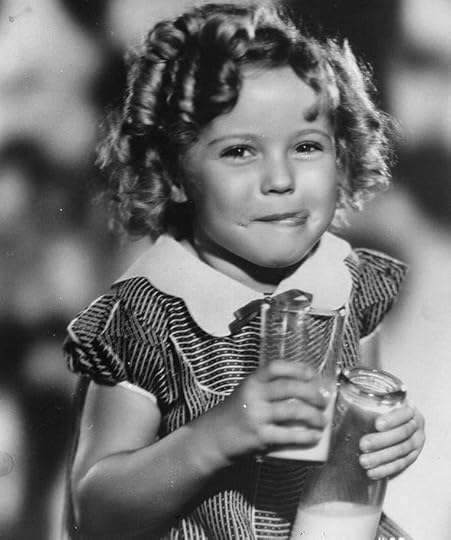
"You've got to S-M-I-L-E to be H-A-double-P-Y!"
Well, that takes care of that. He decides to live in Mugby Junction so he can woo sideways face and be close enough to visit dimples. Also, it's here that we get one of the super coincidences for which Dickens is so famous, but I'm not going to spoil it. I swear he coined the saw "it's a small world."
Chapter three leaves the first story behind, and this is my favorite (of the ones I've read so far...). The style is akin to Mark Twain's in its snarkiness, and it is hilarious. The first couple of pages left me wondering just what in the hell I was reading because I couldn't follow anything, but the second part brought it all together. It's about a refreshment room at the junction which is so terrible that everybody hates it, but the staff is convinced that the way they do things is the correct way. The boss visits refreshment rooms in France and comes back to report how poorly they do things by giving the customers what they want, accommodating the guests as best they can, serving edible food and potable beverages, and the staff is aghast. I understand this chapter came about from an experience Dickens had in a refreshment room where he was snubbed, and the result is a pure delight to read.
One thing I noticed is that Dickens can't write an American patois for shit even though he visited us once. Or was that just in an episode of The Rifleman? No, wait. Dickens showed up in Bonanza. It was Mark Twain in The Rifleman. I need to brush up on my TV westerns. Anyway, we get this line:
You can see he gets close with a couple of things, but totally blows it with the others. But let's not be too harsh; writing phonetic vernacular is tough and I imagine it's even tougher if you're a Brit shooting for a southern US flavor.
Chapter four was pretty cool as well, though it was unexpected. It's a ghost story, and telling those at Christmastime was a popular activity during Dickens' day and age. This came close to being my favorite part, but I still leave that honor with chapter three for now. (Who knows what the other chapters hold). Most importantly though is the following quote from this chapter: "It was not to be denied, I rejoined, that this was a remarkable coincidence, calculated deeply to impress his mind. But, it was unquestionable that remarkable coincidences did continually occur..."
Suddenly so much of Dickens' bibliography becomes clear.
(I'll revisit this if I ever read the last four chapters.)
Read in this compilation: A Christmas Carol and Other Christmas Classics, and I just found out I've been gypped! I was all proud that I had managed to get this in before the end of the year, and I discover this is supposed to be eight chapters, but I have only the first four. Those were written by Dickens himself, and the last four by other people. Here I am, telling this person who wanted to know what I thought of these Dickens collaboration things that I'm going to help her out with her research, and I'm left with egg on my face because I have a book that sucks! Well, they don't know who they're dealing with here. The Gutenberg Project has all eight chapters, and I'm going to print the last four, and read the bitch, and fulfill my promise, just try and stop me! And it looks like some of the other stories I read for this project are also missing the contributions from the other collaborators... And I'm willing to bet that will be the case for all of them once I dig a little deeper into it... AAAAARRRRRGGGGGHHHHHH!!!!!! It took 19 hours, but I think we've just made it to my first temper tantrum for the new year; holding out this long might be a new record. Progress, progress...
Well, enough of that. Here's my thoughts on the first four chapters though I suspect she's more interested in what I thought of the second half. Oh well. I'll get to it as soon as I can. Responsible for the effort, not the outcome. It's OK. Yes, a lot of wasted time, but it'll still be OK. Breathe in, breathe out. And look eye; always look eye, Daniel-san.
Moving on. Ahem.
Charles Dickens is weird. But it's not a psycho, supernatural weird like Clive Barker or Stephen King, just weird. "Mugby Junction" is broken up into
Our main character for the first two chapters is a gloomy Gus who meets sideways girl in the first part along with a man referred to as "Lamps." They help him to ungloomify himself. Then in the second chapter he goes out of town and runs headfirst into the US Ambassador to Ghana and Czechoslovakia, and remaining dolorous after that is just impossible.

"You've got to S-M-I-L-E to be H-A-double-P-Y!"
Well, that takes care of that. He decides to live in Mugby Junction so he can woo sideways face and be close enough to visit dimples. Also, it's here that we get one of the super coincidences for which Dickens is so famous, but I'm not going to spoil it. I swear he coined the saw "it's a small world."
Chapter three leaves the first story behind, and this is my favorite (of the ones I've read so far...). The style is akin to Mark Twain's in its snarkiness, and it is hilarious. The first couple of pages left me wondering just what in the hell I was reading because I couldn't follow anything, but the second part brought it all together. It's about a refreshment room at the junction which is so terrible that everybody hates it, but the staff is convinced that the way they do things is the correct way. The boss visits refreshment rooms in France and comes back to report how poorly they do things by giving the customers what they want, accommodating the guests as best they can, serving edible food and potable beverages, and the staff is aghast. I understand this chapter came about from an experience Dickens had in a refreshment room where he was snubbed, and the result is a pure delight to read.
One thing I noticed is that Dickens can't write an American patois for shit even though he visited us once. Or was that just in an episode of The Rifleman? No, wait. Dickens showed up in Bonanza. It was Mark Twain in The Rifleman. I need to brush up on my TV westerns. Anyway, we get this line:
"Another time, a merry wideawake American gent had tried the sawdust and spit it out, and had tried the Sherry and spit that out, and had tried in vain to sustain exhausted natur upon Butter-Scotch, and had been rather extra Bandolined and Line-surveyed through, when, as the bell was ringing and he paid Our Missis, he says, very loud and good-tempered: “I tell Yew what ’tis, ma’arm. I la’af. Theer! I la’af. I Dew. I oughter ha’ seen most things, for I hail from the Onlimited side of the Atlantic Ocean, and I haive travelled right slick over the Limited, head on through Jee-rusalemm and the East, and likeways France and Italy, Europe Old World, and am now upon the track to the Chief Europian Village; but such an Institution as Yew, and Yewer young ladies, and Yewer fixin’s solid and liquid, afore the glorious Tarnal I never did see yet! And if I hain’t found the eighth wonder of monarchical Creation, in finding Yew, and Yewer young ladies, and Yewer fixin’s solid and liquid, all as aforesaid, established in a country where the people air not absolute Loo-naticks, I am Extra Double Darned with a Nip and Frizzle to the innermostest grit! Wheerfur—Theer!—I la’af! I Dew, ma’arm. I la’af!” And so he went, stamping and shaking his sides, along the platform all the way to his own compartment."
You can see he gets close with a couple of things, but totally blows it with the others. But let's not be too harsh; writing phonetic vernacular is tough and I imagine it's even tougher if you're a Brit shooting for a southern US flavor.
Chapter four was pretty cool as well, though it was unexpected. It's a ghost story, and telling those at Christmastime was a popular activity during Dickens' day and age. This came close to being my favorite part, but I still leave that honor with chapter three for now. (Who knows what the other chapters hold). Most importantly though is the following quote from this chapter: "It was not to be denied, I rejoined, that this was a remarkable coincidence, calculated deeply to impress his mind. But, it was unquestionable that remarkable coincidences did continually occur..."
Suddenly so much of Dickens' bibliography becomes clear.
(I'll revisit this if I ever read the last four chapters.)

December 22, 2024
Human connections and train connections!
I decided to read Mugby Junction because I’d read the Dickens I’d allocated for myself, fancied a bit more and was aware that it was originally a Christmas bonus edition of All The Year Round Magazine. I was also keen to read one of the stories in it, ‘The Signalman’ which the ninth Doctor highly praises. It’s a selection of stories linked by the theme of railways and the thinly veiled take on Rugby Junction, with Dickens writing the first four stories and other writers taking on the next four.
His first two stories are linked. A character known as Barbox Brothers, after the label on his trunks, finds himself at the junction. He has wasted his life on the titular company and purposely tanked it to free himself. He hates himself, feels he’s wasted his life and doesn’t know what to do next. In the course of the first story, he learns to connect with other people and in the second makes some peace with his past. These two stories are Dickens at his most sentimental but are highly effective, with them bringing a little tear to my eye. I also found the little girl, Polly to actually be likeable.
The next Dickens short story exists for one joke only, that British Rail refreshment venues are ideologically against refreshing people. It’s a funny joke and delivered well, but that’s about it. The next is ‘The Signalman’, which I actually found a little disappointing. I suppose I’d built it up, it was the ninth Doctor’s favourite story after all. It’s a creepy idea and well put across, it just didn’t chill me.
Andrew Halliday’s ‘The Engine Driver’ is a piece of reportage about a driver, the things that make a good driver, the near misses and slips, the fact that he’s only killed seven people. Charles Collins (Wilkie’s brother) puts in a very creepy story that isn’t really linked to the railway theme. Hesba Stratton, a very popular children’s author in her time, writes a pretty entertaining spy caper surrounding the fascinating world of the railway sorting office. The last story, written by the ‘mother of Egyptology’ which was decent enough but not related to the junction itself.
It’s not a terrible collection of stories, oddly the sentimental Barbox stories were the best ones.
I decided to read Mugby Junction because I’d read the Dickens I’d allocated for myself, fancied a bit more and was aware that it was originally a Christmas bonus edition of All The Year Round Magazine. I was also keen to read one of the stories in it, ‘The Signalman’ which the ninth Doctor highly praises. It’s a selection of stories linked by the theme of railways and the thinly veiled take on Rugby Junction, with Dickens writing the first four stories and other writers taking on the next four.
His first two stories are linked. A character known as Barbox Brothers, after the label on his trunks, finds himself at the junction. He has wasted his life on the titular company and purposely tanked it to free himself. He hates himself, feels he’s wasted his life and doesn’t know what to do next. In the course of the first story, he learns to connect with other people and in the second makes some peace with his past. These two stories are Dickens at his most sentimental but are highly effective, with them bringing a little tear to my eye. I also found the little girl, Polly to actually be likeable.
The next Dickens short story exists for one joke only, that British Rail refreshment venues are ideologically against refreshing people. It’s a funny joke and delivered well, but that’s about it. The next is ‘The Signalman’, which I actually found a little disappointing. I suppose I’d built it up, it was the ninth Doctor’s favourite story after all. It’s a creepy idea and well put across, it just didn’t chill me.
Andrew Halliday’s ‘The Engine Driver’ is a piece of reportage about a driver, the things that make a good driver, the near misses and slips, the fact that he’s only killed seven people. Charles Collins (Wilkie’s brother) puts in a very creepy story that isn’t really linked to the railway theme. Hesba Stratton, a very popular children’s author in her time, writes a pretty entertaining spy caper surrounding the fascinating world of the railway sorting office. The last story, written by the ‘mother of Egyptology’ which was decent enough but not related to the junction itself.
It’s not a terrible collection of stories, oddly the sentimental Barbox stories were the best ones.
January 10, 2024
This novella includes pain and pleasure, happiness and a heavy heart. The narrator of the story wanted to learn more about the seven lines than ran through Mugby Junction. He met many people and learned about their lives. In the last story he met a Signal Man for the train and the traveler learned his unforgettable story. "His pain of mind was most pitiable to see. It was the mental torture of a conscientious man, oppressed beyond endurance by an unintelligible responsibility involving life". The end of the book came all too soon.

October 29, 2018
Got this off Gutenberg for the famous ghost story The Signalman, which is good but perhaps undeserving of its exalted status. The rest is very meh. Dickens opens well until the story hinges on a ridiculous coincidence. The remainder of the stories are forgettable, although the mystery of the man and the shaving mirror is engaging. I believe this was written as commercial magazine filler and it shows.
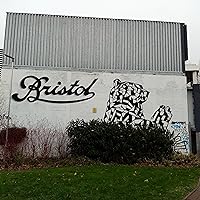
August 20, 2024
I bought the book (the Spanish one by La Fuga Ediciones) in the stall of La Fuga in the Literal Bookfair in Sants, Barcelona this year. I haven't read any Dickens book (my bad), but If you want to read one, don't get this. Not only because just the first tale (it's a compilation of several of them) is his, but also the book it's just OK. The train is supposed to be the common thing in all the stories.
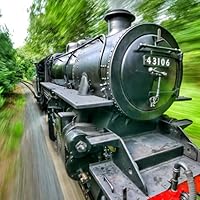
July 3, 2018
I had never really read many short stories until Mugby (read Rugby) junction. The character development is sublime in so few pages. It has to be said that while you don’t have to be one to enjoy these three stories, being a rail enthusiast really helped my understanding of the functions of the characters and reading about them from the time itself was very interesting.

November 27, 2017
Began very similar in style to 'The Signalman', hugely entertaining and fun, but, oh boy did this deteriorate very quickly. By the last chapter, I really thought and figured, 'what was the point of it'. Overall, very disappointing.

June 9, 2020
interesting stories. Got to read two of them. There are supposed to be 6, three by Dickens and three by others. Got to read two of the Dickens. The version available on Hoopla quit before the last ten pages. Other free versions seemed to have the same problem.
July 11, 2021
Mugbyn Risteys
3,5/5?
3,5/5?

November 23, 2021
The Barbox Brothers story is enjoyable, a good lesser known Chistmas (adjacent) story.

February 13, 2023
A great book. Love the stories

January 3, 2024
I'm not a huge short story fan, so I don't read them often. Dickens is, of course, a master of the language which makes him (for the most part) a joy to read.
Displaying 1 - 30 of 45 reviews