

What do you think?

The Adventures of Robin Hood
Recounts the life and adventures of Robin Hood, who, with his band of followers, lived as an outlaw in Sherwood Forest dedicated to fighting tyranny.
320 pages, Paperback
First published November 30, 1956
About the author
Roger Lancelyn Green
157 books262 followersRoger (Gilbert) Lancelyn Green was a British biographer and children's writer. He was an Oxford academic who formed part of the Inklings literary discussion group along with C.S. Lewis and J.R.R. Tolkien. Born in 1918 in Norwich, England, Green studied under C. S. Lewis at Merton College, Oxford, where he obtained a B.Litt. degree. He delivered the 1968 Andrew Lang lecture. Green lived in Cheshire, in a manor which his ancestors owned for over 900 years. He died in October 1987. His son was the writer Richard Lancelyn Green
Ratings & Reviews
Friends & Following
Create a free account to discover what your friends think of this book!
Community Reviews
Displaying 1 - 30 of 518 reviews

October 12, 2021
When it comes down to it, there are approximately 100,000 old-timey children's classic adventure stories. And when it comes down even further past that, I personally prefer their new-timey middle grade counterparts.
I like classics. I do. I read a good number of them, and not just to be pretentious. Although that's a bonus.
And I like children's books too. Especially when I'm in the mood for an action-packed adventure or fantasy story without romance (so not YA) and with actual pacing (so rarely adult).
But there's something about putting those two things together that puts ME to sleep!
This was fine. This is not the best Robin Hood rendition (that's Disney's area) and Robin Hood is not the best children's classic (it's not even cracking my top 10).
But it's okay. And it encourages socialism in the youth.
And that's always bonus points to me.
Bottom line: I will keep this on my shelves to gaze at the cover and for no other reason!
--------------
pre-review
everybody needs some old timey communist hijinks, from time to time
review to come / 3 stars
--------------
currently-reading updates
i tried reading this once many years ago and failed. but i will NEVER - and i mean NEVER - give up on a book with a cover like this one.
clear ur shit book 37
quest 17: read a book you've been putting off
I like classics. I do. I read a good number of them, and not just to be pretentious. Although that's a bonus.
And I like children's books too. Especially when I'm in the mood for an action-packed adventure or fantasy story without romance (so not YA) and with actual pacing (so rarely adult).
But there's something about putting those two things together that puts ME to sleep!
This was fine. This is not the best Robin Hood rendition (that's Disney's area) and Robin Hood is not the best children's classic (it's not even cracking my top 10).
But it's okay. And it encourages socialism in the youth.
And that's always bonus points to me.
Bottom line: I will keep this on my shelves to gaze at the cover and for no other reason!
--------------
pre-review
everybody needs some old timey communist hijinks, from time to time
review to come / 3 stars
--------------
currently-reading updates
i tried reading this once many years ago and failed. but i will NEVER - and i mean NEVER - give up on a book with a cover like this one.
clear ur shit book 37
quest 17: read a book you've been putting off

November 11, 2015
Αυτή ακριβώς την έκδοση την είχα διαβάσει στο δημοτικό γύρω στις 50 φορές... Ακόμα θυμάμαι την δομή του βιβλίου και την αυθαίρετη μετάφραση ονομάτων, τύπου Little John = Τζωνάκης και Will Scarlet = Γουίλ ο Κόκκινος!!!!
July 15, 2023
Wow.
I was going to give this 3 stars, but that ending. the ending in itself deserved 5 stars, so I evened it out and gave 4 1\2.
I got super bored during some parts. ok, A LOT of parts. but over all, I am very, very glad I read this. here are some reasons:
~The cover is beautiful
~The ending almost made me sob
~The tiny bit of "did that ever actually happen" at the end was perfection
~Maid Marian
~Robin Hood being cool as ice
~Little John having an amazing heart
~The last 5ish chapters.
seriously, that ending got me. it was wonderful. the rest of the book was a three star, but the ending was a 5 star for me.
"And yet I think these oaks at dawn even
Will whisper ever more of Robin Hood...
...You, good Friar, you Much, you Scarlet, you dear Little John,
Your names will cling like ivy to the wood.
And here perhaps a hundred years away
Some hunter in day-dreams or half asleep
Will hear our arrows whizzing overhead,
And catch the winding of a phantom horn."---TENNYSON: The Foresters (1881)
I was going to give this 3 stars, but that ending. the ending in itself deserved 5 stars, so I evened it out and gave 4 1\2.
I got super bored during some parts. ok, A LOT of parts. but over all, I am very, very glad I read this. here are some reasons:
~The cover is beautiful
~The ending almost made me sob
~The tiny bit of "did that ever actually happen" at the end was perfection
~Maid Marian
~Robin Hood being cool as ice
~Little John having an amazing heart
~The last 5ish chapters.
seriously, that ending got me. it was wonderful. the rest of the book was a three star, but the ending was a 5 star for me.
"And yet I think these oaks at dawn even
Will whisper ever more of Robin Hood...
...You, good Friar, you Much, you Scarlet, you dear Little John,
Your names will cling like ivy to the wood.
And here perhaps a hundred years away
Some hunter in day-dreams or half asleep
Will hear our arrows whizzing overhead,
And catch the winding of a phantom horn."---TENNYSON: The Foresters (1881)

February 25, 2017
This is part of the Everyman Children's Classics series which I have been slowly collecting for a number of years. Its a case of picking one up when I see the price is right.
Well I will admit that the Adventures of Robin Hood is one of those tales everyone (including me) seems to know. Or at least so I thought. Well this book had a few surprises for me.
To start with this book was originally written in 1956 and this is a faithful reproduction on that edition. What surprised me was how faith so many versions of the tales have been to this book. Now considering that so many of the tales of Robin hood are folk tales and the like, handed down, copied and reproduced you would have thought that there would be countless different renditions - but there are not.
Reading this book I can see so many similarities even though the language and attitudes obviously reflect the time in which Roger Lancelyn Green wrote this book.
Now I will not go in to details if nothing else as I do not do spoilers but also the fact that I do not want to spoil the whole experience. This book does have a number of surprises to it and even though the general books is very upbeat is can be very sombre and even a little shocking in places.
So I was very pleased I chose this book and even more so that even though I thought I knew it all - It still had the power to take me by surprise.
Well I will admit that the Adventures of Robin Hood is one of those tales everyone (including me) seems to know. Or at least so I thought. Well this book had a few surprises for me.
To start with this book was originally written in 1956 and this is a faithful reproduction on that edition. What surprised me was how faith so many versions of the tales have been to this book. Now considering that so many of the tales of Robin hood are folk tales and the like, handed down, copied and reproduced you would have thought that there would be countless different renditions - but there are not.
Reading this book I can see so many similarities even though the language and attitudes obviously reflect the time in which Roger Lancelyn Green wrote this book.
Now I will not go in to details if nothing else as I do not do spoilers but also the fact that I do not want to spoil the whole experience. This book does have a number of surprises to it and even though the general books is very upbeat is can be very sombre and even a little shocking in places.
So I was very pleased I chose this book and even more so that even though I thought I knew it all - It still had the power to take me by surprise.

April 27, 2018
This is an amazing story, but it is so sad at the end. STOP AT CHAPTER 21!!!

September 8, 2018
I have mixed views on this one.
Content:
Lots of drinking. One chapter of witchcraft. Gore and many deaths. 12+
For the first few chapters, I loved it. Then some where towards the middle, after Robin had killed over a few dozen men, met men in the forest he battled and bruised with and then became friends with and had won 2-3 archery competitions, it got a little monotonous for me. Still, the flavor is classic-y, British-lit with a 'for the king, for God, for England!' feel and you can't ever dislike that!
I enjoyed it; the ending almost made me cry (spoiler). The one thing I was not expecting was for the book to go on after Richard returned.
Uh-oh, what's going to happen.
Sure enough, the king died, so John became king. Then Robin dies and Marrian becomes a Nun. I have yet to see a movie with that ending!
Just for fun, I have to include that through the whole book randomly I kept picturing Robin as a fox or Prince John as a lion like in the 1973 Disney animated film.
3 stars.
Content:
Lots of drinking. One chapter of witchcraft. Gore and many deaths. 12+
For the first few chapters, I loved it. Then some where towards the middle, after Robin had killed over a few dozen men, met men in the forest he battled and bruised with and then became friends with and had won 2-3 archery competitions, it got a little monotonous for me. Still, the flavor is classic-y, British-lit with a 'for the king, for God, for England!' feel and you can't ever dislike that!
I enjoyed it; the ending almost made me cry (spoiler). The one thing I was not expecting was for the book to go on after Richard returned.
Uh-oh, what's going to happen.
Sure enough, the king died, so John became king. Then Robin dies and Marrian becomes a Nun. I have yet to see a movie with that ending!
Just for fun, I have to include that through the whole book randomly I kept picturing Robin as a fox or Prince John as a lion like in the 1973 Disney animated film.
3 stars.
October 9, 2024
این اقتباس از رابین هود هم از اونجا شروع میشه که چه شد رابین هود اصلا خلق شد و در ادامه ماجراهای رابین هود با پرنس جان، داروغه، گای گیزبورن و پیدا شدن هرکدوم از دوستان و یارانش ، پدر تاک، جان کوچولو و …
ماجراهاشونو دنبال میکینم، نثر به واقع کلاسیکی بود.
روون بود برام چون کلا داستانهای قهرمانانه منو جذب خودشون میکنن.
پایانش هم… بذارید نگم دیگه.
خوب بود. ایراد خاصی هم نمیخوام بگیرم چون کلاسیک بود و قدیمی. حسش بمونه برا اون دوران.
ماجراهاشونو دنبال میکینم، نثر به واقع کلاسیکی بود.
روون بود برام چون کلا داستانهای قهرمانانه منو جذب خودشون میکنن.
پایانش هم… بذارید نگم دیگه.
خوب بود. ایراد خاصی هم نمیخوام بگیرم چون کلاسیک بود و قدیمی. حسش بمونه برا اون دوران.

April 24, 2022
A retelling very popular in its day. I read it for historical knowledge, and like it better than some, which diverge too far from the source material with unhappy results, but not, I think, as well as Pyle's. It sticks to the source materials, but roves farther than the ballads, including plays and elements from Ivanhoe, and latter ballads which were not congruous with the earlier ones. Robin is an earl, as in the latter material, and the result is not entirely harmonious.
The style is not Pyle's archaic stylization, but it is bald and flat-footed, and tells too much rather than shows.
The style is not Pyle's archaic stylization, but it is bald and flat-footed, and tells too much rather than shows.

January 24, 2011
Pure adventure and a wonderful read with the boys. Green knows how to weave together action scenes and each tale causes the reader to lean in and be a part of the story.. There is a reason this is a classic tale. I highly recommend this book as well as Green's "King Arthur and the Knights of the Round Table". Here's one of my favorite quotes from this book as Robin first calls forth his merry men in Sherwood Forest:
"Now, my friends, we do not take from these and their kind to enrich ourselves. We take for the general good, and it shall be as much our duty to seek out the poor, the needy, the widow, the orphan and all those who have suffered or are suffering wrong, and minister to their wants in so far as we can. 'We shall swear, moreover, to harm no woman, be she Norman or Saxon, high or low, but to succour and assist any who crave our aid or need our protection, dealing with them with all honesty and purity, seeing in every woman the likeness of Our Lady the Holy Mary, Mother of Christ, in whose name we take our oath, and by whose name we dedicate ourselves to the service of the true Church, and to whom we pray to intercede for us before the throne of God that we may have strength to keep this our oath in the face of all temptations.' Then, in that wild and lonely glade, while the owls screamed over the dark forest, and an occasional wolf howled in the distance, they all knelt down together and swore their oath - a pledge as high and as sacred, though they were but outlaws and escaped felons, as that sworn by the noblest knight who, in the days when the Saxons themselves were the conquerors and ppressors, had sat at King Arthur's Table." ~ pg40-41
"Now, my friends, we do not take from these and their kind to enrich ourselves. We take for the general good, and it shall be as much our duty to seek out the poor, the needy, the widow, the orphan and all those who have suffered or are suffering wrong, and minister to their wants in so far as we can. 'We shall swear, moreover, to harm no woman, be she Norman or Saxon, high or low, but to succour and assist any who crave our aid or need our protection, dealing with them with all honesty and purity, seeing in every woman the likeness of Our Lady the Holy Mary, Mother of Christ, in whose name we take our oath, and by whose name we dedicate ourselves to the service of the true Church, and to whom we pray to intercede for us before the throne of God that we may have strength to keep this our oath in the face of all temptations.' Then, in that wild and lonely glade, while the owls screamed over the dark forest, and an occasional wolf howled in the distance, they all knelt down together and swore their oath - a pledge as high and as sacred, though they were but outlaws and escaped felons, as that sworn by the noblest knight who, in the days when the Saxons themselves were the conquerors and ppressors, had sat at King Arthur's Table." ~ pg40-41

July 8, 2016
I've always wanted to read Robin Hood. Yes, it is absolutely from my obsession with the Disney fox movie and yes, that is still the greatest cartoon of all time (according to me) I grew up obsessed with it and wore the VHS tape out and I could probably quote the entire movie from memory.
So, does the real thing measure up? Yes!!! I think they complimented each other well! This book is absolutely suitable for a younger reader (there is death in it, but not gruesome) if anything negative its too short, each chapter can nearly stand on it's own and I kind of wish there were just... more. More Robin Hood saving the poor, more Little John beating people up. It's definitely a quick and easy read... but I am hoping Howard Pyle goes a bit deeper. I enjoyed that Roger Lancelyn Green left a poem or short paragraph before each chapter to prove the historicity in his story, but I just want MORE! More of the man in Lincoln green saving the world from crooked law enforcement, religious leaders and Princes who are anything but just.
So, does the real thing measure up? Yes!!! I think they complimented each other well! This book is absolutely suitable for a younger reader (there is death in it, but not gruesome) if anything negative its too short, each chapter can nearly stand on it's own and I kind of wish there were just... more. More Robin Hood saving the poor, more Little John beating people up. It's definitely a quick and easy read... but I am hoping Howard Pyle goes a bit deeper. I enjoyed that Roger Lancelyn Green left a poem or short paragraph before each chapter to prove the historicity in his story, but I just want MORE! More of the man in Lincoln green saving the world from crooked law enforcement, religious leaders and Princes who are anything but just.

April 29, 2019
The Lancelyn Greens still own most of the land around the area where I grew up. About a year ago while working out in a local gym, I saw a strange looking man fiddling with a shop-shutter across the way. When I told the gym owner about this he said it might be the last heir of the Lancelyn Greens who apparently wanders around and, if he sees something wrong with a doorway or something, will just spontaneously do DIY on it, since his family probably owns it anyway.
That’s my factoid, now to the book.
.......................................
This is Lancelyn-Green's attempt to 'pull a Malory' and jam a range of sources written at different times into one clear coherent story with a beginning, middle and end and some kind of meaningful 'character development'.
In this he broadly succeeds. There are some mildly tiresome elements, some less-interesting repetitions, some rather odd and interesting things I had never seen before and the book as a whole gets better as it goes on.
Robin Hood is genre trash, much more than the Arthurian tales.
The old Chivalric tales might, in part, be genre trash for the late middle ages audience, but they do have their great poets and some exceptional writers. There are some very 'high' stories in that matter. And there is a clear grouping and pulling together of the matter in Malory, so at least there is a 'canon' albeit rather fuzzy.
The only old Robin Hood tales are a bunch of ballads for commoners. The poetry isn't that great. The re-tellings keep popping up at irregular intervals. None of them really have a claim to be the 'canonical' Robin Hood.
There is no core story they are all responding to and no absolute age in which they belong. They just keep.. happening.
(Actually, the Errol Flynn film might be the closest thing we have to a core version of the story. It absorbs a lot from the 19th Century tellings and really seals that particular feel and aesthetic.)
.................................
THE WALTER SCOTT FICTIONAL UNIVERSE
I've started to think that there is a kind of historical/fictional universe linked by subject, aesthetic and attitude and that it centres around the work of Sir Walter Scott and runs nearly up until the 1960's.
I talked, in my review of The Worm Ouroboros, about how I felt like it was influenced by 19th Century Theatre.
This feels like part of the same continuum.
It’s a matter of costumes, colour, 'scenes', subject, language and storytelling.
This Robin Hood uses illustrations by Walter Crane (who I think did some for the Faerie Queene). They are lovely. I'm pretty sure they are about 30 years older than the book itself.
The Crane costumes, the descriptions in Walter Scotts work, the costumes and aesthetic in the Errol Flynn version and the equivalents in 'The Court Jester', which is nearly a generation older than the Flynn Hood but which takes part in the same aesthetic and is a little bit of a send up of it, are all the same. Or if not the same, they are directly explicable to each other.
Scott tends to clothe his main characters in Technicolour, he writes these stagey, but very dramatically compressed scenes where you can really feel the stage setting, people speak in this pseudo-historical declarative way, and the storytelling is vivid, pared down, very good and with a strong, simple moral through-line.
This all feels like fragments of the same kaleidoscope. I think it’s about the birth of Anglophone mass popular culture, the same place Sherlock Holmes comes from. This bubbling stew of 19th Century storytelling and illustration, 1930's-to-50's 'technicolour cinema with its fixed cameras, pink people and elaborate sets, and, the missing piece for me, 19th Century theatre which I suspect links it all together.
Although in this re-telling, it literally is a crossover with the Walter Scott fictional universe. A scene in the book directly meshes over with scenes in Scotts 'Ivanhoe', they have the same Prince John, the same hidden Richard, Ivenhoe turns up in this book exactly as Robin Hood turns up in that book. And the Prince John in the Flynn Hood in the 1930's has the same feel and weight as that in the books. He talks the same way (he’s a bit better and more amusing when played by Claude Rains).
.......................
Characters
Robin himself is an impulsive, violent risk-addict who compulsively puts himself in dangerous situations simply to bawd his enemies. He is almost featureless for most of the story, he gets a description at the beginning, but after that, he seems to have no identifying features except that he is 'Robin Hood' - when people see him they either see no-one special, or they see the celebrity bandit.
Robins method of insurgent recruitment is to just fight someone and be charming about it and if they are any good he attempts to bring them in.
After Will Scarlett dies (not a huge loss, see below) Robin has a really good, and very dark scene where he makes the Forest Wardens, his enemies, run for Nottinghams town gates and calmly shoots them down one by one.
Disguises work by chivalric logic, just as they do in Mallory, put on different clothes - BOOM you are invisible.
There's a whole Norman/Saxon inter-culture conflict/resolution thing here with Robin being Half-Saxon (just like Ivanhoe) and John favouring the Normans.
Maid Marian is a really surprising SFC, she bargains with her dad that she can go to the forest whenever she likes on condition she doesn't bone Robin, he agrees as he knows he can't stop her anyway and her word is like iron once given, then she organises her own fictional escape to let her dad get away with meeting Prince John, fights Robin in disguise as a guy and impresses him so much he tries to recruit her and essentially has a lot more to do than in any even recent film version I've seen. I have no idea how much of this is Lancelyn-Green or his sources.
Will Scarlett looks great but does nothing. The Christian Slater version where he's Robins somewhat bitter illegitimate brother is actually the best version I've seen.
Little John and Friar Tuck are exactly as you imagine them.
There are a few other named Merry Men but they don't really matter.
Prince John forms his own bad-guy squad, John himself is untouchable, as he is royalty so Robin can't kill him, which gives him a good contextual reason to be an eternally-threatening reoccurring villain.
He has the Sherif of Nottingham, something of a nonentity in this, Guy of Gisbourne, an equally-manly anti-Robin who is into Marian and comes as close as anyone to taking Robin out.
He has an evil Bishop who, like John, Robin can't kill. And Worman, an ex Merry-Man and forest expert who hates Robin and is largely dislikeable.
....................................
A brief word on Prince John.
Prince John is a, perhaps the classic Anglo Anti-Man. We can see what Anglo masculinity is meant to be because we can see Prince John doing it wrong. The Rocky does it "right".
(This comes through much more in the Walter Scott descriptions,(PATRICK SEE IF YOU CAN FIND IT)
The most recent and vivid 'Prince John' I can remember is Commodus from the Gladiator movie, but perhaps you can remember one more recent
Lithe.
The Anglo hero male tends to be heavy and square. You feel his weight when he walks. Prince John is tall, slender and often graceful. He dances or seems to dance. (Hiddlestons Loki is a physical Prince John, Helmsworths Thor is a Rocky.)
Fancy and Femme.
The Anglo male has a uniform or costume but doesn't change it much. He can dress well but must never be seen to care too much about dressing well. His style is spare. Prince John dresses magnificently, he wears rich fabrics, he cares about fashion, he is visibly seen caring about how he looks, his care for his appearance is a touch feminine.
There might be a scene where he puts on perfume.
Courageous but not directly brave.
Lancelyn Greene, Walter Scott and Ridley Scott all have Prince John/Commodus, being conditionally brave in specific ways. He might be shifty and manipulative, but he will fight in a crafty way and will even risk his life if he thinks he can win. He is craven, but not a coward. His bravery is almost never direct or oppositional.
Prince John is manipulative, he is not direct.
High Power Distance and Insidious.
Sociologist (PATRICK FIND THE NAME) thinks Anglo cultures have a particularly strong marker relative to other global cultures. They have a very low power distance and a very strong sense of individual separation.
By this reading, Anglo-cultures are full of people carefully treating each other as near-equals while maintaining a strong personal and emotional separation. (At least relative to other world cultures).
Prince John is distressing to be around. He has a high power distance, he is visibly and behaviourally 'better' than those around him and reinforces this constantly, and he is insidious he is too close, physically and emotionally. He puts his hands on you.
This particular combination is designed to be almost physically discomforting for many men raised in an anglo-derived culture. He acts like he is better than you, and he is intimate at the same time.
Also - He'll do something fucked up regarding women.
To cap everything, he will break the rules male/female relationships in some way. Either by nearly punching Maid Marian (in Lancelyn Greene) or trying to fuck his sister (in Gladiator).
So there we have the essential Anglo-culture anti-man. To be opposed by Rocky/Robocop/Superman who is square and heavy, tends to stamp around, has a controlled minimal aesthetic which he is never seen to specifically arrange, addresses problems directly and physically even or especially when that might be dangerous, treats people in the same direct and respectful way, is 'friends with his men' like Maximus and when he has a necessary power distance usually minimises it, and does this while being highly emotionally contained and controlled, separate to the world around him.
And has normalised/ relationships with women, never hits a girl, is friends with his female sidekick and definitely does not want to fuck his sister. Man/AntiMan.
.................................
King Richard
Opposing, or as the kind of shadow to Prince John in the Robin Hood mythos, is King Richard.
Richard, when he turns up is absolutely the Man of the Man/Antiman pairing. He is in (necessary) disguise, but hangs out with peasants and criminals without being a snot about it, and assumes low status personas without complaint, he is super physically tough, large, solid and strong (he even has an in-disguise punching competition with Robin Hoods crew and beats them all, even knocking out Robin Hood, so you know he is special). He is gingery blonde while John is a brunette, honourable and direct as soon as he reveals himself and immediately marries Robin Hood to Marian while John was trying the exact opposite.
But Richard is much much more interesting while he is not on the page. His presence, that of the absent but honourable king, hangs over the whole of the tale like a bright ghost, permeating the story and lending it some of its mysterious energy.
Richard is the 'good king', who would never do any of the bad things Prince John does, and so everyone who opposes Prince John, while seeming to do criminal things, is actually super-loyal and extremely honourable, knightly almost, they are just loyal to a guy who isn't there right now.
Robin Hood is essentially a crime story, and a lot like one of Hobsbaums 'social bandits' (which I think are largely bollocks IRL but whatever).
But of course Robin Hood is simultaneously a criminal and not, his is an outlaw and rebel, and a supporter of authority and stability. It's just that Good King Richard isn't physically here right now. When he comes back, all this apparently criminal stuff will be legal and true and good, and all the stuff the other guys did will be bad and unlawful.
So the story exists in this strange, heightened, legal, moral and physical limbo, a shadow state which could resolve at any time one way or the other. It is like living in a dream.
This is captured in Robins elaborate games he plays with those he meets in the forest. He can only rob from the 'unjust' and only in the cause of good king Richard. So he invites people to dine with him (with implied threat of force) and asks them questions about their wealth and beliefs.
Depending on who they are and who they support, and how their story checks out, Robin can take everything they have, or even give them gold and resources from his own store. He does both in different stories, rewarding the 'good' and robbing from the 'bad' and corrupt (and those against King Richard).
If you were doing a ‘posh’ version of Robin Hood, this fundamental indeterminacy is probably something you could highlight and really step on, its very ‘literary’ because of the ambiguity and rather sad as, living outside a fictional construct, we know Richard is inevitably going to be kinda useless.
Almost every encounter in the Greenwood is like and elaborate game of identities, status and loyalties made under the shadow of the fear of force.
Lets talk about the Greenwood a little
..........................
The Greenwood
Robin in the Greenwood is maybe the first in a long series of Hidden Rebel Bases in which life is actually really cool and a lot better than just living in a house or something.
Most rebel bases in Star Wars, most Pirate Coves in films, maybe elements of Peter Pan, a little touch of exploiting a fallen world in 'fun' zombie films.
Out here, beyond the reach of the law, we lead lives of danger and privation, with no asprin or central heating, HOWEVER, we have a free supply of infinite deer to roast, seemingly no problems with running water or hygiene, we look clean most of the time, it never seems to rain or snow, we are comfortable, well fed and have all this cool gear we purloined/took, so actually its better than any place you have lived.
People go through the Greenwood, Robin Hood robs them.
Except when he doesn't because he's in disguise and looking for information, or to trick the Sheriff.
Unless the person going through the Greenwood is themselves in disguise, or is the Sherriff.
Or they are King Richard in disguise, or Maid Marian in disguise, or some random guy with a quarterstaff who you don't know, but once Robin fights them for a bit, hey, they can be a Merry Man.
Unless it’s a trap set by Guy of Gisbourne.
Unless Robin blows that trap, by blowing his horn, which always summons his merry men, within the space of one scene. (Never let Robin use the horn).
Unless Prince John, who is in disguise, sent the evil Bishop his ally through the forest deliberately, telling him it would be Ok and that he could lie and tell Robin Hood he was carrying funds for King Richard, meaning Robin would let him go, but John knew Robin Hood would see through that lie and capture the Bishop, but that would distract him and give him (John) the ability to sneak up on Robins camp, and find Maid Marian (dressed as a man, but he sees through that disguise) and capture her, but he couldn't have predicted that the tall Palmer who met up with the Bishop and who was captured with him purely by chance and taken to Robins lair to witness the scene with Maid Marian, was actually his brother King Richard, back from the crusades, who removes his disguise and sends John away, allowing Marian and Robin to marry.
Round and round and round we go. The best story fragments subvert or alter this pattern in some way. One of the fun ones is when Robin and Little John go looking for a disguise so they can sneak into Nottingham. They find a beggar covered with layers of rags. They try to bully this beggar, who knocks out Little John and swaps clothes with him, then in a second scene, does the same to Robin. So they get their disguise, just not in the way they expected.
The shadows and tricks and schemes seem like images of real trickery. I used to read a bit about counterinsurgency, and the situations there, in any particular instance, were the same. Identity, loyalty, trickery. The authorities can't use their military power as the insurgents will just fade away, they can't mobilise the population against them as the population will warn the insurgents, the insurgents use disguise and tricks to navigate towns and social structures, the authorities use the same tricks and disguises to lure and trap the insurgents. Everyone is playing this elaborate game of identity and deception all of the time.
Robin is immune to force in a way, he can evade or defeat any physical threat, only deception and illusion can challenge him. He comes near death first when Guy of Gisbourne finally gets smart, disguises himself and pretends to be exactly the kind of wandering tough Robin would usually fight then recruit, then secondly when he fails a perception check after mass because he was thinking about Jesus and is tricked into meeting with 'the King' assuming its Richard, but Richard is really dead this time and now its King John so Robin is fucked.
.................................
The End
The story, or meta-story, really improves a lot towards the end as reality and the dark inevitability of Feudal politics starts catching up with Robin.
We have the return-of-the-king scene where Richard unveils himself - here in Walter Cranes wonderful image
This scene is in every good version I can remember, its usually where the story ends.
But in Lancelyn-Green, it’s just the end of the first act. And we get to deal with the consequences of Richard actually being a bit of a tit and going back off to kill people in the Levant.
Robin is relatively safe while Richard is alive, but once he dies, John becomes the King for real, and time and reality catch up with Robin in a series of scenes which come piling on in rapid succession.
He is captured, escapes, but is injured, seriously and permanently for the first time. He starts to feel old, less like technicolour Errol Flynn and more like a living man.
He escapes with Marian, but an excellent night-flight scene has him gradually losing followers and only getting away by stashing Marian in a nunnery and drawing them away.
Then he has one last and pretty interesting and fun adventure at Sea, where he is out of his element.
Then returns, old, injured and tired, and has a final sad end which I will not ruin for you.
Lancelyn-Green throws in an Epilogue in which Henry, the eventual son of Prince John, gets lost in the forest and encounters an aged Friar Tuck and Little John and is charmed by their tales of the Outlaw Robin Hood, he tries but cannot find that place again, they have faded into myth.
That’s my factoid, now to the book.
.......................................
This is Lancelyn-Green's attempt to 'pull a Malory' and jam a range of sources written at different times into one clear coherent story with a beginning, middle and end and some kind of meaningful 'character development'.
In this he broadly succeeds. There are some mildly tiresome elements, some less-interesting repetitions, some rather odd and interesting things I had never seen before and the book as a whole gets better as it goes on.
Robin Hood is genre trash, much more than the Arthurian tales.
The old Chivalric tales might, in part, be genre trash for the late middle ages audience, but they do have their great poets and some exceptional writers. There are some very 'high' stories in that matter. And there is a clear grouping and pulling together of the matter in Malory, so at least there is a 'canon' albeit rather fuzzy.
The only old Robin Hood tales are a bunch of ballads for commoners. The poetry isn't that great. The re-tellings keep popping up at irregular intervals. None of them really have a claim to be the 'canonical' Robin Hood.
There is no core story they are all responding to and no absolute age in which they belong. They just keep.. happening.
(Actually, the Errol Flynn film might be the closest thing we have to a core version of the story. It absorbs a lot from the 19th Century tellings and really seals that particular feel and aesthetic.)
.................................
THE WALTER SCOTT FICTIONAL UNIVERSE
I've started to think that there is a kind of historical/fictional universe linked by subject, aesthetic and attitude and that it centres around the work of Sir Walter Scott and runs nearly up until the 1960's.
I talked, in my review of The Worm Ouroboros, about how I felt like it was influenced by 19th Century Theatre.
This feels like part of the same continuum.
It’s a matter of costumes, colour, 'scenes', subject, language and storytelling.
This Robin Hood uses illustrations by Walter Crane (who I think did some for the Faerie Queene). They are lovely. I'm pretty sure they are about 30 years older than the book itself.
The Crane costumes, the descriptions in Walter Scotts work, the costumes and aesthetic in the Errol Flynn version and the equivalents in 'The Court Jester', which is nearly a generation older than the Flynn Hood but which takes part in the same aesthetic and is a little bit of a send up of it, are all the same. Or if not the same, they are directly explicable to each other.
Scott tends to clothe his main characters in Technicolour, he writes these stagey, but very dramatically compressed scenes where you can really feel the stage setting, people speak in this pseudo-historical declarative way, and the storytelling is vivid, pared down, very good and with a strong, simple moral through-line.
This all feels like fragments of the same kaleidoscope. I think it’s about the birth of Anglophone mass popular culture, the same place Sherlock Holmes comes from. This bubbling stew of 19th Century storytelling and illustration, 1930's-to-50's 'technicolour cinema with its fixed cameras, pink people and elaborate sets, and, the missing piece for me, 19th Century theatre which I suspect links it all together.
Although in this re-telling, it literally is a crossover with the Walter Scott fictional universe. A scene in the book directly meshes over with scenes in Scotts 'Ivanhoe', they have the same Prince John, the same hidden Richard, Ivenhoe turns up in this book exactly as Robin Hood turns up in that book. And the Prince John in the Flynn Hood in the 1930's has the same feel and weight as that in the books. He talks the same way (he’s a bit better and more amusing when played by Claude Rains).
.......................
Characters
Robin himself is an impulsive, violent risk-addict who compulsively puts himself in dangerous situations simply to bawd his enemies. He is almost featureless for most of the story, he gets a description at the beginning, but after that, he seems to have no identifying features except that he is 'Robin Hood' - when people see him they either see no-one special, or they see the celebrity bandit.
Robins method of insurgent recruitment is to just fight someone and be charming about it and if they are any good he attempts to bring them in.
After Will Scarlett dies (not a huge loss, see below) Robin has a really good, and very dark scene where he makes the Forest Wardens, his enemies, run for Nottinghams town gates and calmly shoots them down one by one.
Disguises work by chivalric logic, just as they do in Mallory, put on different clothes - BOOM you are invisible.
There's a whole Norman/Saxon inter-culture conflict/resolution thing here with Robin being Half-Saxon (just like Ivanhoe) and John favouring the Normans.
Maid Marian is a really surprising SFC, she bargains with her dad that she can go to the forest whenever she likes on condition she doesn't bone Robin, he agrees as he knows he can't stop her anyway and her word is like iron once given, then she organises her own fictional escape to let her dad get away with meeting Prince John, fights Robin in disguise as a guy and impresses him so much he tries to recruit her and essentially has a lot more to do than in any even recent film version I've seen. I have no idea how much of this is Lancelyn-Green or his sources.
Will Scarlett looks great but does nothing. The Christian Slater version where he's Robins somewhat bitter illegitimate brother is actually the best version I've seen.
Little John and Friar Tuck are exactly as you imagine them.
There are a few other named Merry Men but they don't really matter.
Prince John forms his own bad-guy squad, John himself is untouchable, as he is royalty so Robin can't kill him, which gives him a good contextual reason to be an eternally-threatening reoccurring villain.
He has the Sherif of Nottingham, something of a nonentity in this, Guy of Gisbourne, an equally-manly anti-Robin who is into Marian and comes as close as anyone to taking Robin out.
He has an evil Bishop who, like John, Robin can't kill. And Worman, an ex Merry-Man and forest expert who hates Robin and is largely dislikeable.
....................................
A brief word on Prince John.
Prince John is a, perhaps the classic Anglo Anti-Man. We can see what Anglo masculinity is meant to be because we can see Prince John doing it wrong. The Rocky does it "right".
(This comes through much more in the Walter Scott descriptions,(PATRICK SEE IF YOU CAN FIND IT)
The most recent and vivid 'Prince John' I can remember is Commodus from the Gladiator movie, but perhaps you can remember one more recent
Lithe.
The Anglo hero male tends to be heavy and square. You feel his weight when he walks. Prince John is tall, slender and often graceful. He dances or seems to dance. (Hiddlestons Loki is a physical Prince John, Helmsworths Thor is a Rocky.)
Fancy and Femme.
The Anglo male has a uniform or costume but doesn't change it much. He can dress well but must never be seen to care too much about dressing well. His style is spare. Prince John dresses magnificently, he wears rich fabrics, he cares about fashion, he is visibly seen caring about how he looks, his care for his appearance is a touch feminine.
There might be a scene where he puts on perfume.
Courageous but not directly brave.
Lancelyn Greene, Walter Scott and Ridley Scott all have Prince John/Commodus, being conditionally brave in specific ways. He might be shifty and manipulative, but he will fight in a crafty way and will even risk his life if he thinks he can win. He is craven, but not a coward. His bravery is almost never direct or oppositional.
Prince John is manipulative, he is not direct.
High Power Distance and Insidious.
Sociologist (PATRICK FIND THE NAME) thinks Anglo cultures have a particularly strong marker relative to other global cultures. They have a very low power distance and a very strong sense of individual separation.
By this reading, Anglo-cultures are full of people carefully treating each other as near-equals while maintaining a strong personal and emotional separation. (At least relative to other world cultures).
Prince John is distressing to be around. He has a high power distance, he is visibly and behaviourally 'better' than those around him and reinforces this constantly, and he is insidious he is too close, physically and emotionally. He puts his hands on you.
This particular combination is designed to be almost physically discomforting for many men raised in an anglo-derived culture. He acts like he is better than you, and he is intimate at the same time.
Also - He'll do something fucked up regarding women.
To cap everything, he will break the rules male/female relationships in some way. Either by nearly punching Maid Marian (in Lancelyn Greene) or trying to fuck his sister (in Gladiator).
So there we have the essential Anglo-culture anti-man. To be opposed by Rocky/Robocop/Superman who is square and heavy, tends to stamp around, has a controlled minimal aesthetic which he is never seen to specifically arrange, addresses problems directly and physically even or especially when that might be dangerous, treats people in the same direct and respectful way, is 'friends with his men' like Maximus and when he has a necessary power distance usually minimises it, and does this while being highly emotionally contained and controlled, separate to the world around him.
And has normalised/ relationships with women, never hits a girl, is friends with his female sidekick and definitely does not want to fuck his sister. Man/AntiMan.
.................................
King Richard
Opposing, or as the kind of shadow to Prince John in the Robin Hood mythos, is King Richard.
Richard, when he turns up is absolutely the Man of the Man/Antiman pairing. He is in (necessary) disguise, but hangs out with peasants and criminals without being a snot about it, and assumes low status personas without complaint, he is super physically tough, large, solid and strong (he even has an in-disguise punching competition with Robin Hoods crew and beats them all, even knocking out Robin Hood, so you know he is special). He is gingery blonde while John is a brunette, honourable and direct as soon as he reveals himself and immediately marries Robin Hood to Marian while John was trying the exact opposite.
But Richard is much much more interesting while he is not on the page. His presence, that of the absent but honourable king, hangs over the whole of the tale like a bright ghost, permeating the story and lending it some of its mysterious energy.
Richard is the 'good king', who would never do any of the bad things Prince John does, and so everyone who opposes Prince John, while seeming to do criminal things, is actually super-loyal and extremely honourable, knightly almost, they are just loyal to a guy who isn't there right now.
Robin Hood is essentially a crime story, and a lot like one of Hobsbaums 'social bandits' (which I think are largely bollocks IRL but whatever).
But of course Robin Hood is simultaneously a criminal and not, his is an outlaw and rebel, and a supporter of authority and stability. It's just that Good King Richard isn't physically here right now. When he comes back, all this apparently criminal stuff will be legal and true and good, and all the stuff the other guys did will be bad and unlawful.
So the story exists in this strange, heightened, legal, moral and physical limbo, a shadow state which could resolve at any time one way or the other. It is like living in a dream.
This is captured in Robins elaborate games he plays with those he meets in the forest. He can only rob from the 'unjust' and only in the cause of good king Richard. So he invites people to dine with him (with implied threat of force) and asks them questions about their wealth and beliefs.
Depending on who they are and who they support, and how their story checks out, Robin can take everything they have, or even give them gold and resources from his own store. He does both in different stories, rewarding the 'good' and robbing from the 'bad' and corrupt (and those against King Richard).
If you were doing a ‘posh’ version of Robin Hood, this fundamental indeterminacy is probably something you could highlight and really step on, its very ‘literary’ because of the ambiguity and rather sad as, living outside a fictional construct, we know Richard is inevitably going to be kinda useless.
Almost every encounter in the Greenwood is like and elaborate game of identities, status and loyalties made under the shadow of the fear of force.
Lets talk about the Greenwood a little
..........................
The Greenwood
Robin in the Greenwood is maybe the first in a long series of Hidden Rebel Bases in which life is actually really cool and a lot better than just living in a house or something.
Most rebel bases in Star Wars, most Pirate Coves in films, maybe elements of Peter Pan, a little touch of exploiting a fallen world in 'fun' zombie films.
Out here, beyond the reach of the law, we lead lives of danger and privation, with no asprin or central heating, HOWEVER, we have a free supply of infinite deer to roast, seemingly no problems with running water or hygiene, we look clean most of the time, it never seems to rain or snow, we are comfortable, well fed and have all this cool gear we purloined/took, so actually its better than any place you have lived.
People go through the Greenwood, Robin Hood robs them.
Except when he doesn't because he's in disguise and looking for information, or to trick the Sheriff.
Unless the person going through the Greenwood is themselves in disguise, or is the Sherriff.
Or they are King Richard in disguise, or Maid Marian in disguise, or some random guy with a quarterstaff who you don't know, but once Robin fights them for a bit, hey, they can be a Merry Man.
Unless it’s a trap set by Guy of Gisbourne.
Unless Robin blows that trap, by blowing his horn, which always summons his merry men, within the space of one scene. (Never let Robin use the horn).
Unless Prince John, who is in disguise, sent the evil Bishop his ally through the forest deliberately, telling him it would be Ok and that he could lie and tell Robin Hood he was carrying funds for King Richard, meaning Robin would let him go, but John knew Robin Hood would see through that lie and capture the Bishop, but that would distract him and give him (John) the ability to sneak up on Robins camp, and find Maid Marian (dressed as a man, but he sees through that disguise) and capture her, but he couldn't have predicted that the tall Palmer who met up with the Bishop and who was captured with him purely by chance and taken to Robins lair to witness the scene with Maid Marian, was actually his brother King Richard, back from the crusades, who removes his disguise and sends John away, allowing Marian and Robin to marry.
Round and round and round we go. The best story fragments subvert or alter this pattern in some way. One of the fun ones is when Robin and Little John go looking for a disguise so they can sneak into Nottingham. They find a beggar covered with layers of rags. They try to bully this beggar, who knocks out Little John and swaps clothes with him, then in a second scene, does the same to Robin. So they get their disguise, just not in the way they expected.
The shadows and tricks and schemes seem like images of real trickery. I used to read a bit about counterinsurgency, and the situations there, in any particular instance, were the same. Identity, loyalty, trickery. The authorities can't use their military power as the insurgents will just fade away, they can't mobilise the population against them as the population will warn the insurgents, the insurgents use disguise and tricks to navigate towns and social structures, the authorities use the same tricks and disguises to lure and trap the insurgents. Everyone is playing this elaborate game of identity and deception all of the time.
Robin is immune to force in a way, he can evade or defeat any physical threat, only deception and illusion can challenge him. He comes near death first when Guy of Gisbourne finally gets smart, disguises himself and pretends to be exactly the kind of wandering tough Robin would usually fight then recruit, then secondly when he fails a perception check after mass because he was thinking about Jesus and is tricked into meeting with 'the King' assuming its Richard, but Richard is really dead this time and now its King John so Robin is fucked.
.................................
The End
The story, or meta-story, really improves a lot towards the end as reality and the dark inevitability of Feudal politics starts catching up with Robin.
We have the return-of-the-king scene where Richard unveils himself - here in Walter Cranes wonderful image
This scene is in every good version I can remember, its usually where the story ends.
But in Lancelyn-Green, it’s just the end of the first act. And we get to deal with the consequences of Richard actually being a bit of a tit and going back off to kill people in the Levant.
Robin is relatively safe while Richard is alive, but once he dies, John becomes the King for real, and time and reality catch up with Robin in a series of scenes which come piling on in rapid succession.
He is captured, escapes, but is injured, seriously and permanently for the first time. He starts to feel old, less like technicolour Errol Flynn and more like a living man.
He escapes with Marian, but an excellent night-flight scene has him gradually losing followers and only getting away by stashing Marian in a nunnery and drawing them away.
Then he has one last and pretty interesting and fun adventure at Sea, where he is out of his element.
Then returns, old, injured and tired, and has a final sad end which I will not ruin for you.
Lancelyn-Green throws in an Epilogue in which Henry, the eventual son of Prince John, gets lost in the forest and encounters an aged Friar Tuck and Little John and is charmed by their tales of the Outlaw Robin Hood, he tries but cannot find that place again, they have faded into myth.

July 30, 2025
Not that I'm a Robin Hood proficient by any means, but the Paul Creswick (1902) version I grew up reading was so much more enchanting than this sterile crud. Each chapter was effectively "Robin Hood & co almost died but were saved by luck, again! They're so cool!" without the necessary beauty of entering 1200s English forests or witnessing a peasant's rescue from true peril. For 300 pages, there was a shocking lack of description that usually accompanies other versions of Robin Hood and his world that Romantic (Scott) and Victorian (Tennyson) writers immediately utilize for great benefit.
TL;DR: I'm so disappointed this is going to be my 7th graders' first intro to Robin Hood.
TL;DR: I'm so disappointed this is going to be my 7th graders' first intro to Robin Hood.

November 11, 2013
its was alright as far as repeative rescues go. every attack was the same basic thing. Robin wears a custom, tricks the bad guys, then jumps out and says "HAHA!i am robin hood!" Its cute for a kids but i suppose, but not for someone looking for a stimulating read.
i really only finished so i could finally put it on its place of honor on my Robin Hood shelf in my room. (Yes, i have a whole shelf solely for Robin Hood novels. Sue me.) Anyway, i decided to give "The Adventures of Robin Hood" Three stars. mostly for Gisbounre. This was the first of the classical retellings i've found that Shows Guy as a noblemen out to get Robin instead of just a bounty hunter. I adore Guy as a hired killer of course, but its the re casting as a Noble that i truly love, thanks to BBC. )(:D Rally my fellow Team Castle people!)of course, he does go after Robin in the end and gets decapitated, but i did so appreciate the higher status. it shows the growth of Guy over time as a literary character.
Just like my dear Robin Hood who some how goes from Yeoman to The Great and Powerful Lord of Loxesly, the Earl of Huntington. I also enjoyed Marain. She was a figther! the best sort of Marians. one who stands up for herself instead of sitting pretty in the corner and waiting to be rescued. Robin needs a match that fits him and this one really lived up to code. great read for middle schooolers. this would e a much better book to force students to read instead of the crap they've forced down my throat for the past 12 years.
i really only finished so i could finally put it on its place of honor on my Robin Hood shelf in my room. (Yes, i have a whole shelf solely for Robin Hood novels. Sue me.) Anyway, i decided to give "The Adventures of Robin Hood" Three stars. mostly for Gisbounre. This was the first of the classical retellings i've found that Shows Guy as a noblemen out to get Robin instead of just a bounty hunter. I adore Guy as a hired killer of course, but its the re casting as a Noble that i truly love, thanks to BBC. )(:D Rally my fellow Team Castle people!)of course, he does go after Robin in the end and gets decapitated, but i did so appreciate the higher status. it shows the growth of Guy over time as a literary character.
Just like my dear Robin Hood who some how goes from Yeoman to The Great and Powerful Lord of Loxesly, the Earl of Huntington. I also enjoyed Marain. She was a figther! the best sort of Marians. one who stands up for herself instead of sitting pretty in the corner and waiting to be rescued. Robin needs a match that fits him and this one really lived up to code. great read for middle schooolers. this would e a much better book to force students to read instead of the crap they've forced down my throat for the past 12 years.
July 29, 2015
First of all, the Folio Society edition of this book is absolutely gorgeous to see and touch. Secondly, I'm surprised I never read this when I was younger? Somehow, this book escaped my attention. Who knows why.
Essentially, this book is quite similar to Howard Pyle's, with two main differences. The language is more accessible, and Marian is present and has a role (rather than being mentioned in passing only once). There were a few chapters with stories I'd never heard before. Namely, Robin being hired as a fisherman (post-outlawry and pardon) and overtaking a French pirate ship. I had definitely never read anything about that before. It was interesting.
Essentially, this book is quite similar to Howard Pyle's, with two main differences. The language is more accessible, and Marian is present and has a role (rather than being mentioned in passing only once). There were a few chapters with stories I'd never heard before. Namely, Robin being hired as a fisherman (post-outlawry and pardon) and overtaking a French pirate ship. I had definitely never read anything about that before. It was interesting.
February 4, 2020
Really enjoyed these tales of Robin Hood! Can't wait to watch the Disney movie again now

December 1, 2021
اتمام
۱۰/آذر/۰۰
چهارشنبه
22:48
۱۰/آذر/۰۰
چهارشنبه
22:48

November 28, 2018
A wonderful first foray into the legend and lore of Robin Hood.
Like most people, my knowledge of Robin Hood myth goes not much further than that of what’s portrayed in Disney cartoon film (1958). Character names and persuasions were familiar in this particularly retelling, but much more in depth and old-fashioned than you might expect.
Green’s portrayal made me wish for a different world, a different time, and has left me with a craving for more. It turns out chivalry is not dead, at least when you’re reading a Robin Hood novel.
It’s romantic, traditional, at times unexpectedly humorous, and in the end it doesn’t fail to tug at your heartstrings. The perfect hero story, the kind that rarely gets written anymore.
WHAT WOULD I CHANGE
It may be this edition in particular, but there are a surprising number of typos. It’s a bit frustrating that this edition has so many thoughtful extras at the back yet they couldn’t take the time to root out simple type errors.
Regarding the author’s writing style though, there is one major change I would make. Never before have I seen so many run on sentences in a body of work. It’s impressive, actually. Again, I wonder if this is original to the author’s work or just a result of the reprint from Puffin Classics. Either way, it’s something to keep in mind if you decide to read this particular version of the Robin Hood story.
THE VERDICT: Buy It
This book has definitely peaked my interest in the myth behind the man. I would encourage you to explore it yourself for a taste of old world charm and character. It might surprise you how much you like it.
It’s difficult for me to fully recommend this particular edition due to the spelling errors and the repetitive nature of its middle chapters. However, it does achieve a certain introductory goal for those readers curious about the lore itself and looking for a simple doorway in which to get started.
Note! my husband and I read this aloud to one another as part of our holiday traditions. Sharing the story with him certainly made many aspects more enjoyable than they might have been otherwise.
Like most people, my knowledge of Robin Hood myth goes not much further than that of what’s portrayed in Disney cartoon film (1958). Character names and persuasions were familiar in this particularly retelling, but much more in depth and old-fashioned than you might expect.
Green’s portrayal made me wish for a different world, a different time, and has left me with a craving for more. It turns out chivalry is not dead, at least when you’re reading a Robin Hood novel.
It’s romantic, traditional, at times unexpectedly humorous, and in the end it doesn’t fail to tug at your heartstrings. The perfect hero story, the kind that rarely gets written anymore.
WHAT WOULD I CHANGE
It may be this edition in particular, but there are a surprising number of typos. It’s a bit frustrating that this edition has so many thoughtful extras at the back yet they couldn’t take the time to root out simple type errors.
Regarding the author’s writing style though, there is one major change I would make. Never before have I seen so many run on sentences in a body of work. It’s impressive, actually. Again, I wonder if this is original to the author’s work or just a result of the reprint from Puffin Classics. Either way, it’s something to keep in mind if you decide to read this particular version of the Robin Hood story.
THE VERDICT: Buy It
This book has definitely peaked my interest in the myth behind the man. I would encourage you to explore it yourself for a taste of old world charm and character. It might surprise you how much you like it.
It’s difficult for me to fully recommend this particular edition due to the spelling errors and the repetitive nature of its middle chapters. However, it does achieve a certain introductory goal for those readers curious about the lore itself and looking for a simple doorway in which to get started.
Note! my husband and I read this aloud to one another as part of our holiday traditions. Sharing the story with him certainly made many aspects more enjoyable than they might have been otherwise.

February 16, 2021
Robin Hood featured prominently in my childhood. My sisters and I would recite scenes from the old Disney cartoon while we washed dishes, and we all had Sherwood Forest-appropriate dress up. At the time, I read Howard Pyle’s 19th century version of the story several times. It was quite interesting to compare Pyle’s take with this 1950's version by Roger Lancelyn Green.
I read it aloud to my seven and five-year-old, and they found it *very* exciting. It's fun to see my childhood memories playing out in another generation.
A few notes:
-This version makes Robin Hood himself into a far more heroic and lordly character. He is a dispossessed nobleman who runs afoul of the law whilst trying to aid and protect the poor. He is aware of the larger political machinations of his time and to some extent at least participates in them. In contrast, Howard Pyle’s Robin was just an ordinary dude who killed a guy during a disagreement and got made an outlaw. He never *targets* the poor, and helps them out sometimes, but he makes no claim to heroic grandeur.
-Interestingly, it’s Green’s “more heroic” Robin who kills a lot of people without compunction. Large numbers of nameless men-at-arms fall to his bow or his sword. In contrast, Pyle’s Robin, despite (or really, because of) his more sordid beginnings, is determined NOT to kill unless absolutely necessary.
-This version makes Maid Marian into a character (she isn’t really in the Pyle version). Despite being a mild-mannered and beautiful young lady, she is supposedly capable of taking down a fully-armed knight in a melee. Yet Green doesn’t really explain or utilize her character. Was it his decision to make her into a warrior maiden, or had that already been done in some other version? I’m curious.
-The language in the Green version is very accessible. It’s thoroughly modern despite a few “medieval sounding” flourishes to the dialogue. The Pyle version uses much richer English, making it harder to read but, in my view, far more literary.
-[EDITING TO ADD one more point:] In the Green version, the ending is a tragedy; but it's a pleasantly sad and noble tragedy. One might call it an "elevating" tragedy. In the Pyle version, however, the ending feels bitter. It feels more like an acknowledgment that "he who lives by the sword shall die by the sword," and at least as a child reader, I rather felt that it sullied the tale. I should revisit it for an adult evaluation.
Ultimately, the Pyle version comes out as the winner in my book. That may well be pure loyalty to my childhood memory, but I don’t think so. However, I really should reread it before I make a final pronouncement.
I read it aloud to my seven and five-year-old, and they found it *very* exciting. It's fun to see my childhood memories playing out in another generation.
A few notes:
-This version makes Robin Hood himself into a far more heroic and lordly character. He is a dispossessed nobleman who runs afoul of the law whilst trying to aid and protect the poor. He is aware of the larger political machinations of his time and to some extent at least participates in them. In contrast, Howard Pyle’s Robin was just an ordinary dude who killed a guy during a disagreement and got made an outlaw. He never *targets* the poor, and helps them out sometimes, but he makes no claim to heroic grandeur.
-Interestingly, it’s Green’s “more heroic” Robin who kills a lot of people without compunction. Large numbers of nameless men-at-arms fall to his bow or his sword. In contrast, Pyle’s Robin, despite (or really, because of) his more sordid beginnings, is determined NOT to kill unless absolutely necessary.
-This version makes Maid Marian into a character (she isn’t really in the Pyle version). Despite being a mild-mannered and beautiful young lady, she is supposedly capable of taking down a fully-armed knight in a melee. Yet Green doesn’t really explain or utilize her character. Was it his decision to make her into a warrior maiden, or had that already been done in some other version? I’m curious.
-The language in the Green version is very accessible. It’s thoroughly modern despite a few “medieval sounding” flourishes to the dialogue. The Pyle version uses much richer English, making it harder to read but, in my view, far more literary.
-[EDITING TO ADD one more point:] In the Green version, the ending is a tragedy; but it's a pleasantly sad and noble tragedy. One might call it an "elevating" tragedy. In the Pyle version, however, the ending feels bitter. It feels more like an acknowledgment that "he who lives by the sword shall die by the sword," and at least as a child reader, I rather felt that it sullied the tale. I should revisit it for an adult evaluation.
Ultimately, the Pyle version comes out as the winner in my book. That may well be pure loyalty to my childhood memory, but I don’t think so. However, I really should reread it before I make a final pronouncement.

June 2, 2025
شاید فکر کنید داستان رابین هود (رابرت فیتزورث، ارل هانتینگتون) رو میدونید چون کارتن یا فیلمش زو دیدید اما با خوندن کتاب متوجه میشید که خیلی اطلاعات دیگه از رابین هود هست که اصلا نمیدونستید.
ماجراها و داستانهایی که برای رابین هود در جنگل شروود رخ میده. اینکه چی شد که از املاک لاکزلی که املاک خانوادگیش بود به جنگل شروود نقلمکان میکنه، ازدواج نیمهتمامش با لیدی ماریان که ماریان هم یه جنگل شروود میاد و ملکه جنگل میشه و اصل ماجرا که همه میدونیم. رابین هود از اشراف و فاسدان پول میگرفت و به نیازمندان و مستمندان کمک میکرد.
داستان در دوران شاه ریچارد رخ میده که مدتی ناپدید میشه که گویا به اسارت گرفته شده و برادرش جان اوضاع کشور رو به دست میگیره که فرد نامناسبی یوده و اوضاع انگلیش در دوران به هم میریزه و رابین هود و همراهانش رو یاغی اعلام میگه و بارها درصدد دستگیری رابین هود برمیاد اما موفق نمیشه.
علاوه بر داستانهای پرماجرا، اطلاعات تاریخی جالبی هم داشت و بهشدت از خوندنش لذت بردم.
ماجراها و داستانهایی که برای رابین هود در جنگل شروود رخ میده. اینکه چی شد که از املاک لاکزلی که املاک خانوادگیش بود به جنگل شروود نقلمکان میکنه، ازدواج نیمهتمامش با لیدی ماریان که ماریان هم یه جنگل شروود میاد و ملکه جنگل میشه و اصل ماجرا که همه میدونیم. رابین هود از اشراف و فاسدان پول میگرفت و به نیازمندان و مستمندان کمک میکرد.
داستان در دوران شاه ریچارد رخ میده که مدتی ناپدید میشه که گویا به اسارت گرفته شده و برادرش جان اوضاع کشور رو به دست میگیره که فرد نامناسبی یوده و اوضاع انگلیش در دوران به هم میریزه و رابین هود و همراهانش رو یاغی اعلام میگه و بارها درصدد دستگیری رابین هود برمیاد اما موفق نمیشه.
علاوه بر داستانهای پرماجرا، اطلاعات تاریخی جالبی هم داشت و بهشدت از خوندنش لذت بردم.

February 19, 2020
Loved by the whole class.

May 1, 2019
Robin Hood is a perennially popular figure. His adventures are legend and it is hard to tease out the historical truth from the fanciful embellishments that have accumulated over eight hundred or so years. This book is not really interested in the history (see this book for a historical investigation) but is a great compilation of the legends both famous and little known.
The story begins with the birth of Robert Fitzooth in Sherwood Forest. Son of a noble Norman father and Saxon mother, young Robert is born to nobility with a clear sympathy for both Normans and Saxons. He grows up learning all sorts of skills. When King Richard the Lion-hearted goes off to the Crusades, his brother Prince John begins to oppress the poor and take advantage of his high office for personal gain. Many nobles toady up to John but Robert goes rogue. He becomes Robin Hood and has his band of Merry Men in Sherwood rob the rich and give to the poor.
This Robin is an idyllic gentleman. He never molests women, not even the evil ones; he takes care of the poor and downtrodden. He's also a manly man, able to shoot an arrow straighter than anyone and nearly always able to beat others with a sword or a quarterstaff. His wedding to Marian is interrupted by Sir Guy of Gisborne, so that Robin and Marian can never be truly married until the return of the king. They live a chaste life in Sherwood, having adventures of a wide variety.
The stories are a bit episodic. Robin meets the famous Merry Men one by one, usually in some sort of friendly combat. More obscure characters like Allin-a-Dale (not just made up for the Disney cartoon!) and Much, the Miller's Son, are highlighted and become re-occurring characters. Famous scenes like escapes from castles or tournaments are interspersed with less famous, like Robin's encounter with a witch. The story does go on past the return of King Richard and the final union of Robin and Marian. Robin has a noble and tragic death that's a bit shocking because of the general lightness and fun of the rest of the book.
The book doesn't have a lot of depth but it is very entertaining and moves along quickly and captures that spirit of adventure that is so characteristic of most Robin Hood retellings.
Recommended.
The story begins with the birth of Robert Fitzooth in Sherwood Forest. Son of a noble Norman father and Saxon mother, young Robert is born to nobility with a clear sympathy for both Normans and Saxons. He grows up learning all sorts of skills. When King Richard the Lion-hearted goes off to the Crusades, his brother Prince John begins to oppress the poor and take advantage of his high office for personal gain. Many nobles toady up to John but Robert goes rogue. He becomes Robin Hood and has his band of Merry Men in Sherwood rob the rich and give to the poor.
This Robin is an idyllic gentleman. He never molests women, not even the evil ones; he takes care of the poor and downtrodden. He's also a manly man, able to shoot an arrow straighter than anyone and nearly always able to beat others with a sword or a quarterstaff. His wedding to Marian is interrupted by Sir Guy of Gisborne, so that Robin and Marian can never be truly married until the return of the king. They live a chaste life in Sherwood, having adventures of a wide variety.
The stories are a bit episodic. Robin meets the famous Merry Men one by one, usually in some sort of friendly combat. More obscure characters like Allin-a-Dale (not just made up for the Disney cartoon!) and Much, the Miller's Son, are highlighted and become re-occurring characters. Famous scenes like escapes from castles or tournaments are interspersed with less famous, like Robin's encounter with a witch. The story does go on past the return of King Richard and the final union of Robin and Marian. Robin has a noble and tragic death that's a bit shocking because of the general lightness and fun of the rest of the book.
The book doesn't have a lot of depth but it is very entertaining and moves along quickly and captures that spirit of adventure that is so characteristic of most Robin Hood retellings.
Recommended.

March 14, 2024
This is my first time reading this version of Robin Hood, but I've been a devoted follower of his since childhood when Howard Pyle's book came into our house. I didn't realize there were other non-Disneyfied editions of these stories, but lately I've found several. This author was an Inkling, and that's fine company indeed. He fell in love with Robin as a child, too, and that affection and interest shows through in these stories.
I love that the Author's Note gives his sources - here are more places I can search out information and very early tales, most of which I wasn't aware of! I also enjoyed the epigraphs, which are all taken from this much earlier material. I think Green's extensive knowledge of the literature shows in these stories, as in addition to the usual how he met Little John and Friar Tuck pieces we get more about Marian's background and other tales I'd never read, like George-a-Greene, the Pinner of Wakefield. These tales delighted my fan girl soul.
The style here falls between Pyle and Vivian, still idealizing the Merry Men's lives and keeping the violence off the page, but the writing is quite down-to-earth and should be readable for anyone. I wondered, since these Puffin books are clearly meant for kids, if the writing would be too simple to enjoy. I shouldn't have worried, it's not. "Then he bade farewell to Scarlet and the rest, and set off blithely through the greenwood, his bow ready in his hand, his eyes and ears alert for anything of danger or of interest." Not difficult, but not dumbed down, either.
I had a delightful time reading these stories and look forward to following up on the sources the author gives. I'm sure I'll be picking this up more often, along with the other books about Robin and his merry band, and I'd encourage others interested in these old tales to try this book, too.
Epigram for Chapter 4
"And these will strike for England
And man and maid be free
To foil and spoil the tyrant
Beneath the greenwood tree."
Tennyson: The Foresters
I love that the Author's Note gives his sources - here are more places I can search out information and very early tales, most of which I wasn't aware of! I also enjoyed the epigraphs, which are all taken from this much earlier material. I think Green's extensive knowledge of the literature shows in these stories, as in addition to the usual how he met Little John and Friar Tuck pieces we get more about Marian's background and other tales I'd never read, like George-a-Greene, the Pinner of Wakefield. These tales delighted my fan girl soul.
The style here falls between Pyle and Vivian, still idealizing the Merry Men's lives and keeping the violence off the page, but the writing is quite down-to-earth and should be readable for anyone. I wondered, since these Puffin books are clearly meant for kids, if the writing would be too simple to enjoy. I shouldn't have worried, it's not. "Then he bade farewell to Scarlet and the rest, and set off blithely through the greenwood, his bow ready in his hand, his eyes and ears alert for anything of danger or of interest." Not difficult, but not dumbed down, either.
I had a delightful time reading these stories and look forward to following up on the sources the author gives. I'm sure I'll be picking this up more often, along with the other books about Robin and his merry band, and I'd encourage others interested in these old tales to try this book, too.
Epigram for Chapter 4
"And these will strike for England
And man and maid be free
To foil and spoil the tyrant
Beneath the greenwood tree."
Tennyson: The Foresters

July 19, 2021
Like most people, I'm at least familiar with Robin Hood. I've seen the Errol Flynn movie multiple times, watched the BBC series, and seen some other adaptations. I bought this book years ago because I kind of collect these editions and this particular cover is beautiful. I felt bad because I'd never read it and didn't feel a huge draw to, so decided to use it for the prompt for this month in the Unread Shelf Challenge: a book you bought because of the cover.
It was okay. Honestly I think it would probably be exciting for young boys, but I found it to be a little repetitive and bland. I didn't feel a huge draw to keep picking it up, but it was so short that I kept going because I really just wanted to have it finished. Also, wow, the end is so depressing. I guess it's a good overview of the Robin Hood stories, and I did like how he included references to where he drew inspiration from.
It was okay. Honestly I think it would probably be exciting for young boys, but I found it to be a little repetitive and bland. I didn't feel a huge draw to keep picking it up, but it was so short that I kept going because I really just wanted to have it finished. Also, wow, the end is so depressing. I guess it's a good overview of the Robin Hood stories, and I did like how he included references to where he drew inspiration from.
February 1, 2024
I LOVE this fairytale, so I was so excited to actually read it and see what I thought! Honestly, I was not expecting it to be as graphic as it was 🫣 I didn’t really care for Robin Hood, which I hate to say, but he was so perfect. He never did anything wrong! I LOVED Will Scarlett and really wish we were able to see more of him! I’m so glad I read this one because now I have a deeper understanding of the fairytale, but I don’t know if I would necessarily recommend. I think there are so many better classics out there.

December 2, 2023
It's been forever since I read this and I had the best time revisiting Sherwood and all its inhabitants. I'd forgotten how somber the ending is. It's one of those that makes me want to restart it all over again. Highly recommend to all readers!

January 9, 2025
I just love Robin Hood! Some of our favorite family read alouds are books set in the Middle Ages - Robin Hood, The King Arthur Trilogy (Rosemary Sutcliff), Beowulf (Seamus Heaney's translation) and Sir Gawain and the Green Knight.

January 2, 2023
Prima carte imprumutata de la biblioteca modesta a scolii generale❤
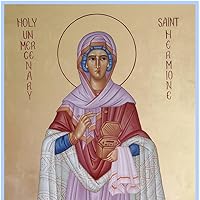
February 21, 2023
This was so good! I had read the Howard Pyle version before and I decided I liked this version better.

Read
January 21, 2026god yes
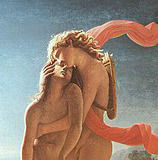
September 2, 2026
Can’t believe I’m crying while reading the last pages wow
Displaying 1 - 30 of 518 reviews