

What do you think?

Only a Girl - Menantang Phoenix
Only a Girl - Menantang Phoenix menuturkan dengan sangat menyentuh kisah tiga generasi perempuan China yang bergumul demi identitas mereka di tengah ketidakpastian Revolusi Indonesia, Perang Dunia II, dan dunia yang sedang dilanda depresi
Novel yang terinspirasi oleh peristiwa historis ini akan memberikan banyak pemahaman sejarah, budaya, dan nilai-nilai yang ingin dipertahankan oleh masyarakat China dan bagaimana konflik antar generasi harus dihadapi dan diselesaikan.
Novel yang terinspirasi oleh peristiwa historis ini akan memberikan banyak pemahaman sejarah, budaya, dan nilai-nilai yang ingin dipertahankan oleh masyarakat China dan bagaimana konflik antar generasi harus dihadapi dan diselesaikan.
385 pages
First published April 20, 2009
About the author
Lian Gouw
2 books2 followersLian Gouw was born in Jakarta, Indonesia, then a Dutch colony known as the Netherlands' East Indies.
Lian's short stories and poems have appeared in Quietus Magazine, Writing for our Lives, Voices and Visions, The Highland’s Low Down and Reflections.
"Her Predicament," an earlier version of the first chapter of her novel, Only A Girl, was included in the 2006 anthology of the SF Writers Conference, Building Bridges from Writers to Readers.
In her writing, Lian explores themes of human relationships, connection with animals, and fable-like fantasy. She is particularly interested in the lives and struggles of women.
Photo courtesy of the author's website.
Lian's short stories and poems have appeared in Quietus Magazine, Writing for our Lives, Voices and Visions, The Highland’s Low Down and Reflections.
"Her Predicament," an earlier version of the first chapter of her novel, Only A Girl, was included in the 2006 anthology of the SF Writers Conference, Building Bridges from Writers to Readers.
In her writing, Lian explores themes of human relationships, connection with animals, and fable-like fantasy. She is particularly interested in the lives and struggles of women.
Photo courtesy of the author's website.
Ratings & Reviews
Friends & Following
Create a free account to discover what your friends think of this book!
Community Reviews
Displaying 1 - 20 of 20 reviews

April 11, 2015
** Books 105 - 2015 **
Buku ini untuk memenuhi New Author Reading Challenge 2015
3,2 dari 5 bintang!
Buku ini mengisahkan perjalanan kehidupan tiga wanita tionghoa yang tinggal di Indonesia tahun 1930-1952. Sebutlah mereka Nanna, Caroline dan Jenny. Kehidupan mereka dimulai sejak Indonesia dijajah dengan belanda, berpindah ke Jepang hingga Indonesia mendeklarasikan proklamasi kemerdekaan .
mereka memiliki persepsi dan cara kehidupannya masing2.. yang paling saya suka jelas Nanna karena beliau sebagai Ibunda dari Caroline dan Nenek dari Jenny memiliki garam kehidupan yang lebih panjang dan ketenangan dan kearifan dalam mengambil keputusan saya sangat menyukainya!
saya sempat mengira novel ini non fiksi ternyata historical fiction ya modelnya.. terlalu banyak juga yg diulang-ulang dan gaya penulisannya membuat saya tak sabar untuk membacanya yg mungkin bisa lebih dipersingkat juga sih dari 385 halaman..
Buku ini untuk memenuhi New Author Reading Challenge 2015
3,2 dari 5 bintang!
Buku ini mengisahkan perjalanan kehidupan tiga wanita tionghoa yang tinggal di Indonesia tahun 1930-1952. Sebutlah mereka Nanna, Caroline dan Jenny. Kehidupan mereka dimulai sejak Indonesia dijajah dengan belanda, berpindah ke Jepang hingga Indonesia mendeklarasikan proklamasi kemerdekaan .
mereka memiliki persepsi dan cara kehidupannya masing2.. yang paling saya suka jelas Nanna karena beliau sebagai Ibunda dari Caroline dan Nenek dari Jenny memiliki garam kehidupan yang lebih panjang dan ketenangan dan kearifan dalam mengambil keputusan saya sangat menyukainya!
saya sempat mengira novel ini non fiksi ternyata historical fiction ya modelnya.. terlalu banyak juga yg diulang-ulang dan gaya penulisannya membuat saya tak sabar untuk membacanya yg mungkin bisa lebih dipersingkat juga sih dari 385 halaman..

December 10, 2016
Aku beli buku ni secara tak sengaja.Masa pergi Yogjakarta,singgah kejap kat Malioboro.Kat kedai buku kecik je.Tapi lepas baca buku ni,anda akan mendapat sesuatu kesedaran untuk menjadi wanita,ibu,mahupun seorang manusia yang lebih baik.
Buku ni menceritakan tentang ketahanan wanita untuk hidup pada tahun 1930-1952.Masa ni,Indonesia masih bergelut untuk mendapatkan kemerdekaan dari Belanda.
Watak-watak seperti Ocho,Nanna,Carolien dan juga Jenny mempunyai pendirian dan pemikiran yang tersendiri untuk memastikan kelangsungan hidup mereka pada zaman tersebut.
Tapi akhirnya Carolien berjaya membentuk Jenny menjadi manusia yang mempunyai kemandirian yang tinggi.Walaupun macam-macam dah berlaku,akhirnya tetap happy ending
Buku ni menceritakan tentang ketahanan wanita untuk hidup pada tahun 1930-1952.Masa ni,Indonesia masih bergelut untuk mendapatkan kemerdekaan dari Belanda.
Watak-watak seperti Ocho,Nanna,Carolien dan juga Jenny mempunyai pendirian dan pemikiran yang tersendiri untuk memastikan kelangsungan hidup mereka pada zaman tersebut.
Tapi akhirnya Carolien berjaya membentuk Jenny menjadi manusia yang mempunyai kemandirian yang tinggi.Walaupun macam-macam dah berlaku,akhirnya tetap happy ending

November 8, 2016
Indonesia proclaimed its independence on August 17th, 1945, soon after Japan surrendered to the Allies in WW2. However, the war did not immediately cease as the former colonial ruler, the Dutch, tried to regain their position in the young country. The Dutch then only formally recognized Indonesia's independence on December 27th, 1949.
Nanna is the matriarch of Lee family, the mother of two sons and two daughters: Chip, Ting, Carolien and Sue. She didn't name them that way though - her children associate themselves with the Dutch to gain both social and financial benefits. Carolien is Nanna's headstrong and fiercely independent daughter. She got married to the man of her choice, against the wishes of her family members. When the marriage failed, she returned home and determined to raise her daughter, Jenny, all by herself. Jenny grows up in the country's transitioning years where her Dutch upbringing proves to put her at a disadvantage position.
One of the many parts that capture my attention is the conversation between Nanna and Carolien when the latter tried to defy her family's wish. Carolien tried to reason her choice of marrying out of love but Nanna retorted her by saying that love is '... When a woman's loins have grown tired and a man still finds rest beside her. Love is when a man chisels a cavity in a woman's heart and the woman fill the gaping hole with concern for his well-being.' The patriarchal Chinese society has seen men ruling over women's life and being born as "only a girl" mean one's expected to live a life filled with more difficulties than her male counterpart. Arranged marriages was a norm and there was no room for Western's version of romantic love. As for the meaning of the later sentence, worrying about someone's well-being is also a form of caring according to Chinese customs.
However, the communal aspect of life observed in Asia - when collective aspiration is more important than one's own desire and needs is challenged in the later parts of the book. Jenny's father, Po Han, who comes back to her life after years of absence, voices his opinion regarding Jenny's ambiguous feeling about a young man she dates, for he is well-liked by her mother and grandmother though she doesn't like him as much as they do. Po Han tells her that '... Okay is not enough to wrap one's life around.' She also doesn't need a man to take care of her because she is the best person to take care of herself.
Chinese women often see marriages as a way to elevate their social and economic status. Men's wealth is an important aspect in choosing one's life partner because wealthy women were expected to become good housewives and financially depended on their husbands. Nevertheless, with Jenny's upbringing, she has the education and skills needed to break the glass ceilings built over the life of Chinese women. Jenny doesn't have to marry a man just because he comes from a good background and able to take care of her financial needs.
The novel is an interesting observation of the dynamic interactions between the Chinese, Dutch and the native Indonesian in the dawn of a nation's emergence. Rather than viewing the era from a heroic stand, it brings the readers to observe the life of commoners - the life of people who try to survive under the unstable political situations. Chinese people are known for their strong traditions that are still observed though they're no longer living in their homeland. Respect for elders and tough and quiet love are general traits of Chinese immigrants around the world, but it often brings conflicts between the elders and their more Westernized children.
Nanna is the matriarch of Lee family, the mother of two sons and two daughters: Chip, Ting, Carolien and Sue. She didn't name them that way though - her children associate themselves with the Dutch to gain both social and financial benefits. Carolien is Nanna's headstrong and fiercely independent daughter. She got married to the man of her choice, against the wishes of her family members. When the marriage failed, she returned home and determined to raise her daughter, Jenny, all by herself. Jenny grows up in the country's transitioning years where her Dutch upbringing proves to put her at a disadvantage position.
One of the many parts that capture my attention is the conversation between Nanna and Carolien when the latter tried to defy her family's wish. Carolien tried to reason her choice of marrying out of love but Nanna retorted her by saying that love is '... When a woman's loins have grown tired and a man still finds rest beside her. Love is when a man chisels a cavity in a woman's heart and the woman fill the gaping hole with concern for his well-being.' The patriarchal Chinese society has seen men ruling over women's life and being born as "only a girl" mean one's expected to live a life filled with more difficulties than her male counterpart. Arranged marriages was a norm and there was no room for Western's version of romantic love. As for the meaning of the later sentence, worrying about someone's well-being is also a form of caring according to Chinese customs.
However, the communal aspect of life observed in Asia - when collective aspiration is more important than one's own desire and needs is challenged in the later parts of the book. Jenny's father, Po Han, who comes back to her life after years of absence, voices his opinion regarding Jenny's ambiguous feeling about a young man she dates, for he is well-liked by her mother and grandmother though she doesn't like him as much as they do. Po Han tells her that '... Okay is not enough to wrap one's life around.' She also doesn't need a man to take care of her because she is the best person to take care of herself.
Chinese women often see marriages as a way to elevate their social and economic status. Men's wealth is an important aspect in choosing one's life partner because wealthy women were expected to become good housewives and financially depended on their husbands. Nevertheless, with Jenny's upbringing, she has the education and skills needed to break the glass ceilings built over the life of Chinese women. Jenny doesn't have to marry a man just because he comes from a good background and able to take care of her financial needs.
The novel is an interesting observation of the dynamic interactions between the Chinese, Dutch and the native Indonesian in the dawn of a nation's emergence. Rather than viewing the era from a heroic stand, it brings the readers to observe the life of commoners - the life of people who try to survive under the unstable political situations. Chinese people are known for their strong traditions that are still observed though they're no longer living in their homeland. Respect for elders and tough and quiet love are general traits of Chinese immigrants around the world, but it often brings conflicts between the elders and their more Westernized children.
This entire review has been hidden because of spoilers.

August 28, 2011
Wow! I love this book.
So humanis. Itu yang langsung tertangkap. Sisi-sisi kemanusiannya yang kental, keperempuannya juga. Bahwa tiap – tiap kita sebenarnya memiliki impian. Seringkali ada orang yang tidak tahu apa yang diinginkannya, tapi tokoh – tokoh dalam cerita ini menemukan dirinya sendiri meski harus melalui berbagai pengorbanan dan perjuangan.
Yang menarik, cerita tiga perempuan dari tiga generasi (Nanna, Caroline,dan Jenny) ini juga berlatar pergerakan dan kejadian selama masa-masa menjelang, selama serta sesudah kemerdekaan. Kita jadi mengetahui banyak hal terjadi kala itu, yang mungkin tidak terceritakan dalam buku sejarah. Sisi-sisi humanisnya.
Sebenarnya pas banget kalau pas Agustus bulan kemerdekaan ini baca dan bedah novel ini :)
Saya punya seorang sahabat keturunan Cina. Kami sangat akrab. Setelah membaca buku ini, aku jadi tahu kenapa ada bunker di dalam rumahnya...:)
Membaca MP, menjelaskan saya banyak hal.
Bagaimana dan mengapa umumnya terjadi ketegangan antara menantu dan mertua (atau nenek mertua), karena kecemburuan. Antara ibu dan anak perempuannya, karena dorongan dan keinginan agar sang anak mandiri.
Dan senyatanya pergaulan bebas membawa pada suatu ‘bencana’, aib dan penyesalan. Oh, kandungan moral cerita dari bagian ini sangat penting jika saja pembaca menyadarinya.
Juga bahwa cinta, bagaimanapun, memiliki logikanya sendiri. Sehingga tak ada seorangpun bisa menghalanginya mempertemukan dua orang yang mungkin berbeda adat dll.
Perjuangan orangtua demi anak-anaknya sedemikian hebat, dan tulus. Pada akhirnya ia hanya bisa menjadi busur bagi anak panahnya yang melesat sendiri meninggalkannya.
Dan masih banyak pelajaran lain yang diperoleh. Apalagi jika dibaca berulang-ulang. Buku ini sarat gizi dan vitamin.
Cara penceritaannya yang detail membawa kita serasa berada di tempatnya langsung dan merasakan kejadiannya. Seperti sebuah film. Jadi membayangkan Bandung era dulu, bahkan membangkitkan keinginan untuk mengunjunginya kini. Menapaktilasi tempat-tempat di mana cerita ini berlatar.
Meski alurnya linier, namun tidak mengurangi keasyikan menikmati ceritanya. Bravo dan salut untuk bu Lian yang telah menuliskannya dengan indah dan bermakna.
Oh ya, kemampuan vision Nanna (sang nenek) adalah sesuatu yg menarik. Dia bisa melihat sesuatu dalam pandangan matanya yg terpejam ttg masa depan dll. Hmm.. bagaimana dia bisa seperti itu ya? mungkin karena pengalaman hidupnya dan Tuhan memberkatinya ?
Most of all, kalau novel ini difilmkan pasti seru sekali.
So humanis. Itu yang langsung tertangkap. Sisi-sisi kemanusiannya yang kental, keperempuannya juga. Bahwa tiap – tiap kita sebenarnya memiliki impian. Seringkali ada orang yang tidak tahu apa yang diinginkannya, tapi tokoh – tokoh dalam cerita ini menemukan dirinya sendiri meski harus melalui berbagai pengorbanan dan perjuangan.
Yang menarik, cerita tiga perempuan dari tiga generasi (Nanna, Caroline,dan Jenny) ini juga berlatar pergerakan dan kejadian selama masa-masa menjelang, selama serta sesudah kemerdekaan. Kita jadi mengetahui banyak hal terjadi kala itu, yang mungkin tidak terceritakan dalam buku sejarah. Sisi-sisi humanisnya.
Sebenarnya pas banget kalau pas Agustus bulan kemerdekaan ini baca dan bedah novel ini :)
Saya punya seorang sahabat keturunan Cina. Kami sangat akrab. Setelah membaca buku ini, aku jadi tahu kenapa ada bunker di dalam rumahnya...:)
Membaca MP, menjelaskan saya banyak hal.
Bagaimana dan mengapa umumnya terjadi ketegangan antara menantu dan mertua (atau nenek mertua), karena kecemburuan. Antara ibu dan anak perempuannya, karena dorongan dan keinginan agar sang anak mandiri.
Dan senyatanya pergaulan bebas membawa pada suatu ‘bencana’, aib dan penyesalan. Oh, kandungan moral cerita dari bagian ini sangat penting jika saja pembaca menyadarinya.
Juga bahwa cinta, bagaimanapun, memiliki logikanya sendiri. Sehingga tak ada seorangpun bisa menghalanginya mempertemukan dua orang yang mungkin berbeda adat dll.
Perjuangan orangtua demi anak-anaknya sedemikian hebat, dan tulus. Pada akhirnya ia hanya bisa menjadi busur bagi anak panahnya yang melesat sendiri meninggalkannya.
Dan masih banyak pelajaran lain yang diperoleh. Apalagi jika dibaca berulang-ulang. Buku ini sarat gizi dan vitamin.
Cara penceritaannya yang detail membawa kita serasa berada di tempatnya langsung dan merasakan kejadiannya. Seperti sebuah film. Jadi membayangkan Bandung era dulu, bahkan membangkitkan keinginan untuk mengunjunginya kini. Menapaktilasi tempat-tempat di mana cerita ini berlatar.
Meski alurnya linier, namun tidak mengurangi keasyikan menikmati ceritanya. Bravo dan salut untuk bu Lian yang telah menuliskannya dengan indah dan bermakna.
Oh ya, kemampuan vision Nanna (sang nenek) adalah sesuatu yg menarik. Dia bisa melihat sesuatu dalam pandangan matanya yg terpejam ttg masa depan dll. Hmm.. bagaimana dia bisa seperti itu ya? mungkin karena pengalaman hidupnya dan Tuhan memberkatinya ?
Most of all, kalau novel ini difilmkan pasti seru sekali.

November 28, 2010
Dengan latar belakang Bandung di tahun 1930-1952—kota di mana penulis dibesarkan, Only a Girl menceritakan kehidupan dan pergulatan tiga generasi perempuan Tionghoa. Nanna yang berusaha mempertahankan dan menanamkan nilai-nilai tradisional Tionghoa sementara anak-anaknya lebih memilih mengikuti cara hidup berbaur dengan masyarakat kolonial Belanda. Carolien, putri bungsunya yang menjunjung nilai Belanda, dengan berani menentang keluarganya untuk menikah dengan lelaki yang “sepadan dengannya” sekedar demi mencari kemapanan hidup. Pilihan Carolien ini pun diakhiri dengan perceraian karena sang suami, Po Han, meskipun simpatik dan lembut hati, tidak dapat menghidupi keluarganya karena obsesinya kepada fotografi. Namun, di sini perceraian tidak menjadi sesuatu yang salah, tapi menjadi pilihan. Mereka semua, bersama Jenny, putri Carolien yang dibesarkan dalam gaya hidup Belanda, berhadapan dengan berbagai tantangan setelah Belanda jatuh dan tidak lagi dipandang pasca-kemerdekaan.
Inilah salah satu daya tarik buku ini. Sebagai sisa-sisa larangan menyinggung SARA dari era Orde Baru, di Indonesia jarang sekali kita jumpai novel tentang Tionghoa, apalagi yang pro-Belanda. Kalaupun ada, hampir semuanya merujuk ke tradisi Tiongkok. Di sini kita bisa melihat keanekaragaman masyarakat Tionghoa di Indonesia—ada yang pro-Belanda, pro-Cina, pro-pribumi, dengan segala permasalahan dan pergulatannya. Dari gaya hidup, bahasa, nama, dan kebiasaan yang muncul dalam novel ini, kita bisa melihat berbagai campur aduk perasaan, ideologi, dan pertanyaan-pertanyaan lainnya yang kerap terabaikan, seiring dengan pergeseran-pergeserannya. Sebagai contoh, jika pemaksaan pergantian nama Tionghoa menjadi nama Indonesia kerap dibahas setelah jatuhnya Orba, kita jarang mendengar mengenai masyarakat Tionghoa yang mengubah namanya menjadi nama Barat demi akses ke “modernitas”.
Ulasan lengkapnya, bersama reportase peluncuran bersama penulis, bisa dibaca di:
http://c2o-library.net/2010/10/only-a...
Inilah salah satu daya tarik buku ini. Sebagai sisa-sisa larangan menyinggung SARA dari era Orde Baru, di Indonesia jarang sekali kita jumpai novel tentang Tionghoa, apalagi yang pro-Belanda. Kalaupun ada, hampir semuanya merujuk ke tradisi Tiongkok. Di sini kita bisa melihat keanekaragaman masyarakat Tionghoa di Indonesia—ada yang pro-Belanda, pro-Cina, pro-pribumi, dengan segala permasalahan dan pergulatannya. Dari gaya hidup, bahasa, nama, dan kebiasaan yang muncul dalam novel ini, kita bisa melihat berbagai campur aduk perasaan, ideologi, dan pertanyaan-pertanyaan lainnya yang kerap terabaikan, seiring dengan pergeseran-pergeserannya. Sebagai contoh, jika pemaksaan pergantian nama Tionghoa menjadi nama Indonesia kerap dibahas setelah jatuhnya Orba, kita jarang mendengar mengenai masyarakat Tionghoa yang mengubah namanya menjadi nama Barat demi akses ke “modernitas”.
Ulasan lengkapnya, bersama reportase peluncuran bersama penulis, bisa dibaca di:
http://c2o-library.net/2010/10/only-a...
May 27, 2016
As you've probably gathered if you're reading these reviews, this book follows the lives of three Chinese-Indonesian women through the turbulent times of war, revolution and colonialism. It's a very fun read, but has tremendous depth from dealing with so many perspectives on life and human development.
Each of the main characters sees their worldview seriously challenged by world events. Nanna is attached to her Chinese roots, but forward-thinking enough to give her daughter, Carolien, a Dutch education, to give her the best chances for a good life in colonial Indonesia. But this doesn't help an adult Carolien as the Japanese take over during the second world war, and she has to struggle and choose sides. Her own daughter Jenny grows up with Carolien's Dutch values, but these too clash in an Indonesia that is now seeking independence from the Dutch and revives its own native cultures.
Gouw shows poignantly how each woman's background, education and life experiences shape their value judgments when faced with so much political and social turmoil. The backdrop of a colonialism that is so unfamiliar, terrible war and violent revolution is itself very interesting. And the fact that this family is from the Chinese-Indonesian minority, outsiders from the perspective of the Dutch, the Japanese and the Javanese, adds its own layer of fascinating complexity.
There are few enough books covering this interesting period in history, let alone historical fiction on the topic. But even if you're not picking this up for its historical context, this is a great read, with much depth, and a lot of insight on personal growth.
Each of the main characters sees their worldview seriously challenged by world events. Nanna is attached to her Chinese roots, but forward-thinking enough to give her daughter, Carolien, a Dutch education, to give her the best chances for a good life in colonial Indonesia. But this doesn't help an adult Carolien as the Japanese take over during the second world war, and she has to struggle and choose sides. Her own daughter Jenny grows up with Carolien's Dutch values, but these too clash in an Indonesia that is now seeking independence from the Dutch and revives its own native cultures.
Gouw shows poignantly how each woman's background, education and life experiences shape their value judgments when faced with so much political and social turmoil. The backdrop of a colonialism that is so unfamiliar, terrible war and violent revolution is itself very interesting. And the fact that this family is from the Chinese-Indonesian minority, outsiders from the perspective of the Dutch, the Japanese and the Javanese, adds its own layer of fascinating complexity.
There are few enough books covering this interesting period in history, let alone historical fiction on the topic. But even if you're not picking this up for its historical context, this is a great read, with much depth, and a lot of insight on personal growth.

September 29, 2010
An ordinary Novel with NOT an ordinary story..
Thx buat Eve's Book Club yang udah mengenalkan pada buku ini! and Thx to Lian Gouw yang berhasil meramu cerita 3 orang perempuan ke dalam satu kisah yang 'kaya' akan budaya, permainan rasa, dan pembelajaran tentang kehidupan, berbangsa dan bernegara -- serius...
Membaca buku ini layaknya dibawa 'berlari' menelusuri jaman penjajahan Belanda dulu, menjadi kaum minoritas Cina yang 'berjaya' bersandingan dengan bangsa Belanda... berbahasa belanda, memiliki nama alias, menimba ilmu di sekolah belanda, bergaul dengan bangsa Belanda, tapi memiliki hati Cina... pergulatan budaya, emosi, ego akan kebahagiaan, cinta dan masa depan... ternyata hidup itu (memang) menakutkan! karena hidup tidak (selalu) mau berjalan seperti yg kita inginkan.
Carolien, Nanna dan Jenny.. dalam cerita ini, membawa pembacanya menyelami arti sosok perempuan dalam keluarga, perempuan yg hendak meraih mimpi dan menjadi 'buta' akan apa yg 'dipercaya'nya selama ini... perempuan yg lugu tapi 'berani' menjejakkan impiannya yg 'aneh' dan menemukan bahwa ketiganya bergumul dalam peran mereka sebagai seorang perempuan -- yang bukan (cuma) makhluk lemah, tapi kuat dengan segala kelembutannya, tahu kendati bukan maha tahu, mencari hingga menemukan apa yang dikehendaki, dan menyadari kehilangan...
"Lam lumayan, Pa.. Dia selalu menjagaku." Jenny mengangkat bahu dan Po Han menambahkan, "Kamu adalah orang terbaik untuk menjaga dirimu sendiri."
Thx buat Eve's Book Club yang udah mengenalkan pada buku ini! and Thx to Lian Gouw yang berhasil meramu cerita 3 orang perempuan ke dalam satu kisah yang 'kaya' akan budaya, permainan rasa, dan pembelajaran tentang kehidupan, berbangsa dan bernegara -- serius...
Membaca buku ini layaknya dibawa 'berlari' menelusuri jaman penjajahan Belanda dulu, menjadi kaum minoritas Cina yang 'berjaya' bersandingan dengan bangsa Belanda... berbahasa belanda, memiliki nama alias, menimba ilmu di sekolah belanda, bergaul dengan bangsa Belanda, tapi memiliki hati Cina... pergulatan budaya, emosi, ego akan kebahagiaan, cinta dan masa depan... ternyata hidup itu (memang) menakutkan! karena hidup tidak (selalu) mau berjalan seperti yg kita inginkan.
Carolien, Nanna dan Jenny.. dalam cerita ini, membawa pembacanya menyelami arti sosok perempuan dalam keluarga, perempuan yg hendak meraih mimpi dan menjadi 'buta' akan apa yg 'dipercaya'nya selama ini... perempuan yg lugu tapi 'berani' menjejakkan impiannya yg 'aneh' dan menemukan bahwa ketiganya bergumul dalam peran mereka sebagai seorang perempuan -- yang bukan (cuma) makhluk lemah, tapi kuat dengan segala kelembutannya, tahu kendati bukan maha tahu, mencari hingga menemukan apa yang dikehendaki, dan menyadari kehilangan...
"Lam lumayan, Pa.. Dia selalu menjagaku." Jenny mengangkat bahu dan Po Han menambahkan, "Kamu adalah orang terbaik untuk menjaga dirimu sendiri."
June 1, 2013
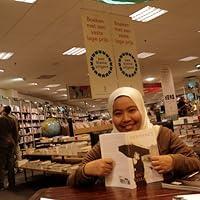
though i might not be able to fulfill my target of reading 50 books this year, yet now so very happy for having this book i got from the less attractive book shelf at a book expo months ago :D and i love reading this book, enjoying every story of these Indonesian Born Chinese (IBC) women. owkay, forget all the history facts of the colonialism, dutch & japan... this book delivers the story of the IBC ladies so very well, 3 generations of them, getting through the change of life brought by war, the assimilation of cultures, and conflict in the family. From the era where women, girls, were less appreciated compared to men, boys, in the chinese family to the era where some of them choose to break the tradition, having high education, leaving their family overseas, marrying non chinese, leaving all that conservative images of a chinese woman in the family, while the elder women tried their best to keep the tradition alive... well, you gotta read this book to experience how the colonialism of dutch, japan to the independence of Indonesia influence a woman life, an indonesian born chinese woman to be exact :) this is the second book of the indonesian born chinese culture background i read, and i love them both: Only a Girl and Memoir of a Nonya (true story of Tjong A Fie's daughter, a very famous enterpreneur in (was it) sumatera (?)

August 13, 2015
Satu hal yang membuat saya terus membaca lembar demi lembar novel Only A Girl ini adalah latar tempat dan waktunya yaitu berempat di kota Bandung antara tahun 1930-1952. Tahun-tahun perjalanan bangsa Indonesia dari masa kolonialisme Belanda hingga berhasil diambil alih oleh bangsa Indonesia.
Tema yang mengetengahkan kehidupan masyarakat Tiongkok masa itu dikemas dengan apik melalui tiga tokoh yang berbeda generasi yaitu Nanna -ibu Carolien, Carolien -ibu Jenny dan Jenny.
Ada satu bagian kisah yang menurut saya sayang sekali karena penulis tidak memperjelas kisah lanjutannya, yaitu ketika Carolien dan Jenny tanpa sengaja menemukan bayi perempuan yang dinamai Juliana. Setelah sang bayi dikembalikan kepada ibu kandungnya, seolah kenangan Juliana dan Carolien lenyap begitu saja. Padahal Carolien sangat menyayangi bayi Juliana. Juliana tidak disinggung-singgung lagi kehadirannya seolah hanya sebagai penguat renggangnya hubungan antara Carolien dengan sang putri kandung, Jenny.
Secara keseluruhan novel ini bagus, cocok sekali dengan bulan Agustus ini, untuk mengingatkan kita bahwa kemerdekaan kita tidak jatuh dari pohon tetapi didapat dengan penuh perjuangan.
3,4 dari 5 bintang :)
Tema yang mengetengahkan kehidupan masyarakat Tiongkok masa itu dikemas dengan apik melalui tiga tokoh yang berbeda generasi yaitu Nanna -ibu Carolien, Carolien -ibu Jenny dan Jenny.
Ada satu bagian kisah yang menurut saya sayang sekali karena penulis tidak memperjelas kisah lanjutannya, yaitu ketika Carolien dan Jenny tanpa sengaja menemukan bayi perempuan yang dinamai Juliana. Setelah sang bayi dikembalikan kepada ibu kandungnya, seolah kenangan Juliana dan Carolien lenyap begitu saja. Padahal Carolien sangat menyayangi bayi Juliana. Juliana tidak disinggung-singgung lagi kehadirannya seolah hanya sebagai penguat renggangnya hubungan antara Carolien dengan sang putri kandung, Jenny.
Secara keseluruhan novel ini bagus, cocok sekali dengan bulan Agustus ini, untuk mengingatkan kita bahwa kemerdekaan kita tidak jatuh dari pohon tetapi didapat dengan penuh perjuangan.
3,4 dari 5 bintang :)

October 18, 2015
senang membaca kisah historis seperti ini
Jadi kebayang bagaimana kehidupan tiga perempuan dari tiga generasi ini di zaman penjajahan kolonial
Meet Nanna, yang karakternya di awal terasa kuno, tapi lalu kebijaksanaannya membuat hati saya hangat
Lalu Carolien, gadis yang di awal kemunculannya tampil dengan naif, dengan kepercayaannya yang polos atas nama cinta, lalu melihat kalau hidup tidak selalu berjalan seperti apa yang ia impikan
Dan perlahan ia bertransformasi jadi seorang wanita yang mandiri dan keras. Bertekad kuat bahwa putrinya, tidak akan menjadi wanita lemah yang mengandalkan seorang lelaki dalam hidupnya
Dan terakhir, ada Jenny, putri Carolien
Jenny tampil dengan ceria, dengan kemudaan dan sifatnya yang terkadang kelihatan tomboy. Tapi pada akhirnya saya ikut gembira, ketika Jenny berhasil menapaki impiannya dan mendapat beasiswa di Amerika Serikat
Lalu ada karakter yang lain seperti Chip dan Ting dan Sue. Kemudian Po Han. Dan Ocho
Ocho, nenek Po Han, adalah karakter yang berhasil bikin saya benci, tapi terenyuh di saat yang bersamaan
Menyadari betapa mengerikan hal yang bisa seorang perbuat, kembali atas nama cinta
Novel yang berhasil memotret kehidupan realistis di antara tahun 1930-1952
Saya suka
Nice reading
Jadi kebayang bagaimana kehidupan tiga perempuan dari tiga generasi ini di zaman penjajahan kolonial
Meet Nanna, yang karakternya di awal terasa kuno, tapi lalu kebijaksanaannya membuat hati saya hangat
Lalu Carolien, gadis yang di awal kemunculannya tampil dengan naif, dengan kepercayaannya yang polos atas nama cinta, lalu melihat kalau hidup tidak selalu berjalan seperti apa yang ia impikan
Dan perlahan ia bertransformasi jadi seorang wanita yang mandiri dan keras. Bertekad kuat bahwa putrinya, tidak akan menjadi wanita lemah yang mengandalkan seorang lelaki dalam hidupnya
Dan terakhir, ada Jenny, putri Carolien
Jenny tampil dengan ceria, dengan kemudaan dan sifatnya yang terkadang kelihatan tomboy. Tapi pada akhirnya saya ikut gembira, ketika Jenny berhasil menapaki impiannya dan mendapat beasiswa di Amerika Serikat
Lalu ada karakter yang lain seperti Chip dan Ting dan Sue. Kemudian Po Han. Dan Ocho
Ocho, nenek Po Han, adalah karakter yang berhasil bikin saya benci, tapi terenyuh di saat yang bersamaan
Menyadari betapa mengerikan hal yang bisa seorang perbuat, kembali atas nama cinta
Novel yang berhasil memotret kehidupan realistis di antara tahun 1930-1952
Saya suka
Nice reading

March 23, 2011
buku ini,... bagus. seperti menceritakan pengalaman sendiri dari penulisnya.
jadi bisa memahami sendiri keluarga Cina pada jaman penjajahan dulu bagaimana. memang aman, tapi tidak selalu. memang bahagia, tapi tidak selamanya.
hmm.. saat membaca ini, jadi berpikir, gimana sih seorang Jenny bisa begitu berani, kuat, menghadapi hidupnya? kalau aku pasti akan melarikan diri. apalagi, tekadnya untuk mengejar cita-cita yang diinginkannya, yang ditentang semua orang kecuali ayahnya, menjadi seorang dokter hewan, berusaha mendapatkan beasiswa ke amerika. dan pada akhirnya, ia menjadi kebanggaan orangtuanya.
dan ketegasannya dalam dialog membuat saya kagum, saya ingin setegas Jenny!
jadi bisa memahami sendiri keluarga Cina pada jaman penjajahan dulu bagaimana. memang aman, tapi tidak selalu. memang bahagia, tapi tidak selamanya.
hmm.. saat membaca ini, jadi berpikir, gimana sih seorang Jenny bisa begitu berani, kuat, menghadapi hidupnya? kalau aku pasti akan melarikan diri. apalagi, tekadnya untuk mengejar cita-cita yang diinginkannya, yang ditentang semua orang kecuali ayahnya, menjadi seorang dokter hewan, berusaha mendapatkan beasiswa ke amerika. dan pada akhirnya, ia menjadi kebanggaan orangtuanya.
dan ketegasannya dalam dialog membuat saya kagum, saya ingin setegas Jenny!

July 13, 2013
well..I started to read this book bcz i had to make a journal about the life of the girls in this book.
I found it was very super great book.
cz there were a lot of issues onside thia book like feminisim,marxism, post colonialism, and u can dound how the author told us the history of Indonesian's Independence Day in different way..
How the government rules were very strong before and after Independence Day for Chinese people..
and so on...
U have to read it! :)
I found it was very super great book.
cz there were a lot of issues onside thia book like feminisim,marxism, post colonialism, and u can dound how the author told us the history of Indonesian's Independence Day in different way..
How the government rules were very strong before and after Independence Day for Chinese people..
and so on...
U have to read it! :)

April 6, 2011
Tema yang se
Tema yang berbeda, jadi asyik dibaca, sayang penuturannya terlalu datar.
webmarketing, youtube to mp3
Tema yang berbeda, jadi asyik dibaca, sayang penuturannya terlalu datar.
webmarketing, youtube to mp3

March 4, 2018
Interesting story over the generations of a dutch-speaking Chinese family in Indonesia over some of the most turbulent times before, during, and after independence. A sweet look at feminist characters over time following the matriarch, daughter, and grand daughter in their lives.

September 29, 2010
baca dulu buat Eve's Book Club tgl6, hehehe..*kopas dari Sam* hehehe...

November 3, 2010
Pamer dulu.....dapet 1 copy buku ini dari author-nya langsung plus tanda-tangan bertuliskan namaku....heuheuheu....
*nanti diterusin bikin reviewnya*
*nanti diterusin bikin reviewnya*

March 20, 2011
Senang bisa melihat potret kel. Cina di Indonesia pd zmn kolonialisme sampai kemerdekaan. Good book.

Want to Read
January 29, 2012pinjem kak Lita :D


April 5, 2017
I saw this book on the market and read the author. Lian Gouw pernah ke kampus saya dalam acara suatu kontes writing yang saya ikuti - saya lupa nama acara nya. I didn't know that she wrote a book, saya pikir dia hanya seorang publisher aja. So, I bought it because I'm really curious.
Well, I love the characters in the story - women with a bold and strong character, it's really feminist. I love how she portrayed masa penjajahan Belanda dan Jepang dulu. But, I guess this is not my kind of story. I'm okay with it, but not love it. I feel this is just an okay book. Inspiring, good meaning, but just that.
Well, I love the characters in the story - women with a bold and strong character, it's really feminist. I love how she portrayed masa penjajahan Belanda dan Jepang dulu. But, I guess this is not my kind of story. I'm okay with it, but not love it. I feel this is just an okay book. Inspiring, good meaning, but just that.
Displaying 1 - 20 of 20 reviews