Jump to ratings and reviews
Rate this book

Kornél Esti: Un héroe de su tiempo

Rate this book
Un autor consagrado, completamente integrado al medio burgués que tanto criticó en sus años estudiantiles, busca el perdido trato con Kornél Esti, su gran amigo de juventud. Al contrario de lo que le ha sucedido a nuestro escritor, Kornél Esti no ha triunfado, sigue siendo un bohemio, un iconoclasta y un rebelde. Y, también al contrario de lo que le ocurre a nuestro narrador, prefiere vivir a escribir; prefiere la experiencia a la escritura. Tales diferencias son la base del trato que se establece entre ambos amigos: uno vivirá y el otro escribirá lo que el primero le cuente.

Las vivencias de Kornél Esti, que procuran al protagonista el conocimiento de la belleza y de la crueldad, de lo terrible y de lo banal, de la grandeza del hombre y de sus la miserias, están narradas en un tono grotesco, no exento en ocasiones de comicidad, que acentúa la profundidad de la visión que Dezsö Kosztolányi tenía del alma humana, y, a la vez, nos muestra la modernidad de la obra de este gran clásico de las letras húngaras del siglo XX.

319 pages, Paperback

First published January 1, 1934

130 people are currently reading
3420 people want to read

About the author

Dezső Kosztolányi

160 books202 followers
Dezső Kosztolányi was a famous Hungarian poet and prose-writer.

Kosztolányi was born in Szabadka (Subotica) in 1885, then part of the Austro-Hungarian Empire, but which now lies in northern Serbia. The city serves as a model for the fictional town of Sárszeg, in which he set his novel Skylark as well as The Golden Kite. Kosztolányi studied at the University of Budapest, where he met the poets Mihály Babits and Gyula Juhász, and then for a short time in Vienna before quitting and becoming a journalist--a profession he stayed with for the rest of his life. In 1908, he replaces the poet Endre Ady, who had left for Paris, as a reporter for a Budapest daily. In 1910, his first volume of poems The Complaints of a Poor Little Child brought nationwide success and marked the beginning of a prolific period in which he published a book nearly every year. In 1936, he died from cancer of the palate.
The literary journal Nyugat (Hungarian for "West"), which played an invaluable role in the revitalization of Hungarian literature, was founded in 1908 and Kosztolányi was an early contributor, part of what is often called the "first Nyugat generation", publishing mainly in poetry.

Starting in the 1920s he wrote novels, short stories, and short prose works, including Nero, the Bloody Poet (to the German edition of which Thomas Mann wrote the introduction), Skylark, The Golden Kite and Anna Édes. In 1924 he published a volume of verse harkening back to his early work, entitled The Complaints of the Sad Man.

Kosztolányi also produced literary translations in Hungarian, such as (from English, at least) Shakespeare's "Romeo and Juliet", "The Winter's Tale", Lewis Carroll's "Alice in Wonderland", Thornton Wilder's "The Bridge of San Luis Rey", Lord Alfred Douglas' memoirs on Oscar Wilde and Rudyard Kipling's "If—". He was the first authentic translator of Rilke's poetry, and he worked a Hungarian masterpiece after Paul Valéry's "Cimetiere Marin".

Ratings & Reviews

What do you think?
Rate this book

Friends & Following

Create a free account to discover what your friends think of this book!

Community Reviews

5 stars
830 (44%)
4 stars
671 (35%)
3 stars
283 (15%)
2 stars
63 (3%)
1 star
19 (1%)
Displaying 1 - 30 of 156 reviews
Profile Image for Vit Babenco.
1,784 reviews5,787 followers
August 18, 2022
Kornél Esti the narrator talks about is his bosom friend…
Once I’d passed the age of thirty, however, he began to irritate me. His frivolity was offensive. I became tired of his old-fashioned wing collars, his narrow yellow ties, and especially his atrocious puns. His determined eccentricity wore me out. He was forever getting mixed up in escapades of one sort or another.

Kornél Esti is more than just a friend… He is narrator’s alter ego… His inseparable inner self… Kornél Esti is the narrator’s indivisible opposite… So they combine their efforts and in this joint venture write Kornél Esti’s remarkable biography starting with his first steps in the world as a schoolboy…
He could see children, more children than he’d ever before seen in one place. It was a crowd, a crowd of completely unknown little people like himself.
So he wasn’t alone. But if it had previously plunged him into despair that he was so alone in the world, now an even more alarming despair seized him, that he was so very much not alone in the world, that all those other people were alive as well. That was perhaps even more terrifying.

Kornél Esti grows up and becomes a part of society… He is young… He is moved by powerful creative impulse… He belongs to bohemia…
He sat there among them, listened to the buzz of their conversation. He was captivated by them. In that racket every voice touched a key in his soul. He didn’t understand life. He had no conception of why he had been born into the world. As he saw it, anyone to whose lot fell this adventure, the purpose of which was unknown but the end of which was annihilation, that person was absolved from all responsibility and had the right to do as he pleased…
In his opinion, living like that, in great folly among lesser degrees of folly, was not so foolish, but was indeed perhaps the most correct, most natural way of life. Furthermore, he needed that wild disorder, that piquant sauce! He wanted to write.

Consequently the narrator and Kornél Esti go to all kinds of places: coffeehouses, restaurants, strange hotels, hospitals, weird towns, foreign countries… And they meet all sorts of people: a mysterious girl and her mother, young self-styled creators, a mad crime journalist, a hapless widow, a hopeless kleptomaniac, a psychiatrist and his patients…
They couldn’t abide themselves, and their spirits were bursting to get out into the world, and they wanted to split in two. Schizophrenics are strange, original, surprising, self-accusing, incalculable, and unknowable, like born writers. Their speech is full of allusions that we can’t understand.

He who manages to coexist with his inner self in harmony always remains creative.
Profile Image for JY.
69 reviews8 followers
March 13, 2012
For the rest of 2012, I'm just going to quote this book instead of having conversations.
Profile Image for  amapola.
282 reviews32 followers
March 18, 2018
Dove si narra di baffuti controllori bulgari, strani giornalisti, eredità indesiderate, alberghi “distinti”… e molto altro ancora

Kosztolányi è l’ennesimo tesoro che ho scoperto grazie ad Anobii (sospiro di nostalgia): leggendo le recensioni al suo Kornél Esti (se passate di là, andate a leggervi quelle di Anina e di Maxxam66) un paio d’anni fa ho deciso di acquistarlo. Lui mi ha aspettata pazientemente sullo scaffale per tutto il tempo, ogni tanto lo prendevo in mano e gli davo una spolverata, poi lo riponevo al suo posto. Oggi è finalmente arrivato il suo momento.
E’ un romanzo? Una raccolta di racconti? Non so: sono tredici storie che hanno in comune il protagonista, appunto, Kornél Esti. La prosa schietta, le atmosfere retrò, il gusto agrodolce, il protagonista surreale (ma più vero del vero), ne fanno una lettura piacevolissima, a tratti incantevole. Mi sono proprio divertita in compagnia di questo ungherese un po’ pazzo e ho messo altri suoi due libri tra i miei desideri. A presto, Deszò… o dovrei dire Kornél? Mah!

Profile Image for Chuck LoPresti.
199 reviews94 followers
March 5, 2025
Second read through Kosztolanyi's final novel and of what is translated into English - his best. Based on the premise that you can't be an interesting writer if you're not an interesting person - Kosztolanyi splits his identity to maximize his potential. There are many facets to this episodic adventure and it really lends itself to re-reading. The most obvious comparison is the Swift-like consideration of how varied environments provoke varied responses. A good writer should be able to draw from a life lead with courage and attention to detail and this is exactly what id is (drum fill please, thank you). Esti is the id - the instinctual to K.s ego. Kosztolanyi warns that the governing of life is exactly the problem and Esti will not be governed nor would he be much of a writer without a less chaotic mindset. Esti is tossed and shoved through his stories with little ability to control situations but a very strong attention to detail which renders all experience as a rich set of signifiers that illuminate life. The story breaks down into several vignettes that reinforce these central themes. Some are more direct than others but all are held together by two obvious elements: Kosztolanyi's amazing writing skill and the cyclopean vision of an aging man who sees his own death on the horizon makes this just as poingnant as it is entertaining. Death seems to lurk behind many of the stories and the contrast of the finality of death with the vibrance of life makes for a very long, low, and sonorous wavelength.

This is one of my favorite writers and largely because he really respects and loves his readers. His words are funny, richly detailed and often very beautiful. His passion for life is obvious and his need to reconcile death as the work of the philosopher will be familiar to any reader of Montaigne. Those who have read the recently discovered work of Khrzizhanovsky will appreciate Kosztolanyi's ability to write around the concept of a great idea. Non-verbal communication, material excess and the nature of friendship and self-identification are a few of the central concepts that are encapsulated as brilliant episodes that will not soon leave your memory. There are just so many elements to love about this work, Kosztolanyi has an epicurean passion about food and drink that seems common amongst the best Hungarian writers (Krudy, Banffy, Moricz, Orkeny, Zilahy, and Dery to name a few) and his Rabelaisean joy of life is present on every page. His intelligence is never selfish and always apparent.

Every once in a while a book comes along that makes me want to buy a case of copies so I can distribute them to everyone I'm remotely interested in sharing pleasure with. This bound with Gargantua and Pantagruel and a volume of Kharms short stories would be the perfect grouping. Another point of comparison would be Zoschenko who used humor and rapier-like wit to entertain and critique society at the same time. If you found Swift to be a bit too condescending and Rabelais a bit too rambling and indulgent - you should consider Kornel Esti as the perfect balance between bawdy joy and social criticism.

And now that my work desk appears before me, this review can only fade away as the walls of sleep have become indistinguishable from the cubicle that serves chiefly as a bulletin board for my 4 year old daughter's increasingly awesome drawings. I hope one day she will read this review, this book and the dedication to her that I've penned on the inside cover. If Salinger has read this - he might have added a few more quotes to Buddy's wall. This is one of my most cherished reads and I can't fawn enough over Kosztolanyi - only Harpo Marx brings me as much joy as an entertainer.
Profile Image for Betsy Robinson.
Author 11 books1,229 followers
May 8, 2020
One of the great things about Goodreads is there is always somebody who is better read in a subject than you are. So when I was a few chapters into this crazy book, liking it a lot, but not sure it was what I thought it was, I sought out other reviews: Chuck LoPresti is far better suited to review this than I am. Read his review to understand what this book is.

Suffice it to say, I was agog that people are people no matter what era they're in. This book, originally published in Hungarian in 1933, exposes people's ids and egos in the most ingenious way. Although it takes place in vignettes throughout the 1890s and beyond, one might easily plug in today's selfie-obsessed people's Facebook furies and there were so many stories that personally resonated for me, making me laugh, groan, and finally sigh with pleasure.

The satire is sharp (ranging from material that requires historical knowledge of Hungarian and German literati that I lack, to targets that are freakishly appropriate for our current politics) and the writing is gorgeous. Also, the self-contained vignette chapters (some much better than others) lend themselves to the kind of interrupted reading sessions I did; once you know who (or what) Kornél Esti is, you will be informed enough to pick up reading anywhere in the book. Since I was negotiating a sick dog and learning to use an iPad, which made my hair follicles hurt, I abandoned the book for days at a time, so I particularly enjoyed its style.

One complaint: I always prefer paper books to e-books, but you may do better with an e-book. The font in the 2011 New Directions paperback is so tiny and packed together that it impinges on reading pleasure. You can read it, but if you look away and then look back, the density of the text is off-putting.
Profile Image for Tony.
1,030 reviews1,911 followers
March 16, 2020
I read the author's Skylark and found it sneaky brilliant. I was unaware of this, his final work, when I was stocking up for an extended self-isolation. It's unlike anything I've ever read.

A kind of a novel, it begins with the author re-uniting with his alter ego, the eponymous Kornél Esti. His use here is in the vein of "I didn't do it; it was HIM!"

What follows is a series of vignettes, or observations. It would be a short story collection except for its structural evolution. The author or his alter-ego meet:

A mother and daughter in a train compartment; the daughter, a little odd, gives the narrator his first kiss // Talking to Esti, how he inherited oodles of money and tried to give it all away // The author's first day at school // Again in a train compartment with a Turkish Grandmother, mother, and daughter (another kiss) // Spending a day in the best hotel in the world // Elinger, who saves him from drowning, but then is so annoying that he has to be drowned.

My favorite vignette was about the President who, inter alia, had to be present at various artistic lectures. After introducing the speaker, he invariably fell asleep. There is, it seems, an art to that.

As always with the best satire, there are lessons just behind the laughs.
Profile Image for Cosimo.
443 reviews
March 5, 2019
Mai stato libero

Deszo Kosztolanyi è stato uno scrittore dell'Ungheria imperiale, un poliglotta e un poeta, dandy e bohémienne, in lotta contro le tradizioni positiviste per un rivolta borghese che fondasse l'esistenza unicamente nell'arte, nel nichilismo irrefrenabile e nel valore fantastico della vita; e su questi antivalori ha costruito la sua opera letteraria, che muove verso un formalismo onirico esasperato e capovolge le esperienze realiste in una disorganizzata cultura del disincanto e dell'umorismo. Già noto per i suoi lavori, non volle dimenticare la giovinezza di fronte a guerra e dissoluzione politica e diede così vita all'alter ego folle e sregolato di Kornél Esti, uomo che si trova a suo agio solo tra donne licenziose, caffé notturni e oltraggiosi versi. La sua Budapest così marginale ospita avventure estetiche e immorali: sperperare un'eredità senza farsi scoprire, conversare con un controllore in treno facendogli credere di conoscere il bulgaro, annegare una vedova disgraziata, guarire un presidente di circolo che dorme divinamente sui discorsi dei conferenzieri, con altro perfetto sonno. Il mondo è transitorio, ci ricorda Bruno Ventavoli, curatore del testo in versione incompleta, e gli opposti convivono, bontà e cattiveria, amore e odio, solitudine e amicizia. Anche se il nulla appare così potente, Kornél Esti non può fare a meno di affezionarsi al mondo, alla sua improbabile natura così nostalgica e inafferrabile. Kornél Esti corre così con le illusioni, vive tra piccole follie, in un selvaggio guazzabuglio, dove lo stile di vita più naturale è il meno saggio e ragionato, ma il più bonario e felice. Questo libro nasce nella disperazione e nella rivolta, nel nome di una radicale fragilità. Kornél mescola con magia la memoria dell'infanzia e il desiderio di amare, si immerge in una incoerente comicità e rappresenta l'alterità dell'autore in modo obliquo e problematico, essendone sulla carta fratello e contrario: in definitiva, un frammento infedele.
Profile Image for Bettie.
9,977 reviews5 followers
January 9, 2016


Description: Crazy, funny and gorgeously dark, Kornél Esti sets into rollicking action a series of adventures about a man and his wicked dopplegänger, who breathes every forbidden idea of his childhood into his ear, and then reappears decades later.

Part Gogol, part Chekhov, and all brilliance, Kosztolányi in his final book serves up his most magical, radical, and intoxicating work. Here is a novel which inquires: What if your id (loyally keeping your name) decides to strike out on its own, cuts a disreputable swath through the world, and then sends home to you all its unpaid bills and ruined maidens? And then: What if you and your alter ego decide to write a book together?


Opening: I: In which the writer introduces and unveils Kornél Esti, the sole hero of this book. I HAD PASSED THE MIDPOINT OF MY LIFE, WHEN ONE WINDY day in spring, I remembered Kornél Esti. I decided to call on him and revive our former friendship.

Many times my eyes have slid over 'Fiume' where it raised a ? in my necktop computer: Kornél Esti will henceforth be remembered as the book where I veered off into finding out the goods:
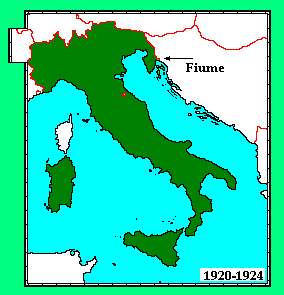
was an independent free state which existed between 1920 and 1924. Its territory of 28 km2 (11 sq mi) comprised the city of Fiume (now in Croatia and, since the end of World War II, known as Rijeka) and rural areas to its north, with a corridor to its west connecting it to Italy. (wiki sourced)
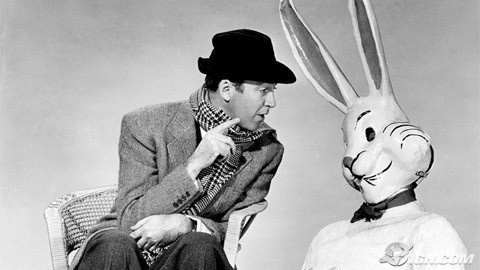
Picture finding a 'friend' during those traumatic first days at school, and then years later, you decide to sit down and write a book with that friend, well that is, in a nutshell, what this book is about. It is vital to mention that this edition is in tiny print using silver grey ink - absolutely dreadful on the eyes.

Author 2 books17 followers
October 31, 2019
„Eddig a földön minden rendetlenség abból származott, hogy egyesek rendet akartak teremteni, minden piszok abból származott, hogy egyesek söprögettek is. Értsétek meg, az igazi átok ezen a világon a szervezkedés, az igazi boldogság pedig a szervezetlenség, a véletlen, a szeszély.” (221.)
Az Esti Kornél a magyar irodalom Harcosok klubja. Esti Németországban a kulturális szimbólumokat jelentő paranoiások és a skizofrének táborából nem véletlenül az utóbbiakkal haverkodik össze. Az olvasót ez megtréfálja, hiszen akkor is Esti Kornélnak nevezik az adott történet főhősét, amikor Kosztolányiról van szó – de hát Esti és Kosztolányi így egyeztek meg a kötet elején.
Kosztolányiban megvan a polgári fegyelem az íráshoz, az ethosz az elesetteken való segítéshez, az udvariaskodás, már-már modorosság. Nem akarja megsérteni azokat sem, akiktől már legszívesebben megszabadulna. Mindez azonban kevés az alkotáshoz.
Esti ugyan nem elég fegyelmezett az íráshoz, polgári erkölcsökben sem jeleskedik, de ki meri mondani gondolatait, ösztönösen cselekszik, bátran keresi a kalandokat és nem foglalkozik a társadalom elvárásaival. Szóval az ő élete sokkal nagyobb ihletforrás, mint a konvenciókba bezárkózó irodalmáré.
Az írói dilemma úgy szól, miként egyeztesse össze az ember a két alakot saját magában. Esti a káosz, azaz az élet, Kosztolányi a rend, aki írással jelentést ad a káosznak.
Nagyon megkedveltem az írót (vagy az alteregóját?) a könyv elolvasása után, amely a számos elgondolkodtató történetet olykor nagyon szórakoztatóan, látványos hasonlatokkal tarkítva jeleníti meg.
Profile Image for Lisa Lieberman.
Author 13 books186 followers
April 24, 2020
He put a lighted candle in my hand.

“Set fire to the curtains,” he urged me. “Set fire to the house. Set the world on fire.”
So many times, reading this book, I was struck by a scrap of dialogue, a description. Sometimes, an entire vignette. Kosztolányi suffered from cancer of the palate and was aware, as he was writing, that he had little time left. Granted, he was in poor health for much of his life, "always poised for flight," in the words of one posthumous tribute. The late poem Szamadas (Account), contains this line: "someone leaving would like to talk."

I see the novel as Kosztolányi's parting gift to the world. Live, he is telling us. And don't take yourself so goddamned seriously.
“Accidents,” I said. “All day long bricks have been falling, shop signs crashing down on the heads of passersby. People have been slipping and falling on the icy sidewalks, hurting their hands, spraining their ankles, bleeding. Houses and factories have been catching fire. All sorts of things have been happening today. Frost, heat, mist, sunshine, rain, rainbow, snow, blood, and fire. It’s spring.

We sat down and lit cigarettes.

“Kornél,” I broke the silence, “aren’t you angry?”

“Me?” and he shrugged. “Idiot! I can never be angry with you.”

“But you’d have good reason. Look, I was angry with you. I was embarrassed by you in front of people that mattered, I’ve had to get on, I’ve denied you. Haven’t even looked in your direction for ten years. But this afternoon when the wind whistled, I thought of you and felt remorse. I’m not young anymore. I turned forty last week. When you’re not young, you mellow and you can forgive everything. Even youth. Let’s make up.”

I stretched out a hand.

“Oh, you haven’t changed,” he scoffed. “Always so sentimental.”
The title character, Kornél Esti, is the embodiment of the author's youthful spirit: mischievous, naive, adventurous, idealistic, fearless. The nighttime self ("Esti" means evening) that escapes only in dreams, unless one slides into insanity and gives it full reign. Kosztolányi, by the way, was a close friend of Freud's Hungarian disciple, Sándor Ferenczi, and underwent psychoanalysis at some point.

Insanity haunts the pages of Kornél Esti, from an adolescent story where the character receives his first kiss in a train compartment from a girl who is on the verge of being locked away in an asylum to a tale about tricking his schizophrenic friend, Pál, a fellow journalist, into entering a psychiatric ward. This later story includes a poignant passage written from Pál's point of view, when he finds himself alone, trapped, in his room:
He looked through the barred window into the garden; on the weed-ridden lawn, surrounded by sumac trees, flowers of hemlock swayed, white, like scraps of writing paper . . .
Hemlock, the poison that Socrates drank willingly, evoking Plato's description of divine madness, the ecstasy known to philosophers, poets, and lovers. Kornél needed "that wild disorder," he sought it out, feeling it was essential for his creativity. And yet he never wrote a word.

Kosztolányi, in contrast, kept a very tight reign on himself and was quite prolific. From the age of 25 until his death, aged 51, he published a book a year, poetry, fiction, highly-regarded translations of literary works in a variety of languages including Shakespeare, Goethe, Baudelaire, Oscar Wilde, Lewis Carroll, Thornton Wilder, Rilke, along with an anthology of Chinese and Japanese poetry. Did he regret it, not living fully? “One man,” the narrator confesses to Kornél when he proposes to write his alter ego's memoir, “isn’t enough to write and live at the same time.”
Profile Image for Monica Carter.
75 reviews11 followers
September 23, 2011
Flabbergasted, I stared at these nightmare figures, who had certainly--either in my imagination or in real life--at one time lived and breathed, and were now black and dead and cold, like glowing embers after they've cooled, died down, and crumbled to ash. I didn't know them. They, however, knew me and recognized me. Some I told them to go and see Kornel. At that they smiled. Asked for a personal description of him. And at that they derisively pointed at me. They asked for his address. There I couldn't really help them. My friend was most of the time traveling abroad, sleeping on aircraft, stopping here and there for a day or two, and to the best of my knowledge had never yet registered with the police. Kornel Esti certainly existed, but he was no legal entity. So however innocent I know myself to be of all these terrible crimes, the case against me didn't look good. For Kornel's sake I didn't expose myself to the unpleasantness of confrontation. I had taken upon myself all his debts, his tricks, his dishonesty, as if I were responsible for them all.


Although Dezso Kosztolanyi's triumph, Kornel Esti, was written in 1933, it feels contemporary and fresh with a perfect balance of style and imagination as anything you might read in McSweeney's or the New Yorker. Kornel Esti is a collection of vignettes, touching, comical and surreal, based on the idea that we all have two lives - the one we live and the one we want to live. And if you're artist, do you experience life as art or do you sacrifice that in order to be an artist?

Throughout the fragments of the narrator's life, which is stolid and quiet, he invents his alter ego, Kornel Esti, who he allows to do all the things he can't. When he is young, Kornel encourages and seduces him to do things that he is not supposed to do. With the aplomb of a true imp, "he encouraged me to say dirty words, one after another, to watch girls getting changed through cracks in cubicles in the summer, and to pester them during class with my improper desires; he made me smoke my first cigarette and drink my first glass of palinka; he gave me a taste for the pleasures of the flesh, gluttony and fornication..." And as he goes through life, the warring factions of his consciousness, good vs. not-so-good, flesh out into a truly unique character. When he is an adult and confronted with a weeping widow who knows of his written works, he tells her:

"I am not a good man," Esti protested inwardly. "I am a bad man. Well, not a bad man. Just like anybody else. The fact that I retain my old, pure feelings--only and exclusively for purposed of expression--is a trick of the trade, a piece of technical wizardry, like that of the anatomist who can keep a heart or a section of brain tissue that hasn't had a feeling or thought for ages in formaldehyde for years and years. Life had left me numb, like it does everybody who reaches a certain age."


Despite this confession, he helps her. Even after he helps her repeatedly, she remains unhappy and he is driven to shake her with frustration, realizing that he continued to help her out of some need of his own just as much as she wanted to to remain unhappy.

In another vignette, he happens upon the greatest hotel in the world. A hotel where everything is free, he is serenaded to sleep by a chorus of male staff and awoken by a chorus of female staff, and the hotel help resemble famous personalities like Schopenhauer and Edison. In the end, he forgets to pay his hotel bill and comes to the conclusion that to pay such a wonderful hotel for its services would be "gross tactlessness."

These are the imaginings and rationalizations captured in these stories of a life never lived. Or fully lived, depending on how you look at it. Within the stories of Kornel's life, there is an ephemeral albeit honest tinge of loss and the improbable. At times I couldn't help but think that Robert Coover must have a picture of Kosztolanyi hanging above his desk for inspiration. Kosztolanyi's style is so erudite and so real the reader immediately knows that they are in the hands of a rare and gifted storyteller.

Because he was also a poet, the prose is precise and beautiful. Like an expensive piece of clothing that we want but know we can't afford, Kosztolanyi offers us the dreams and realities that we can walk through but never experience. And he makes us wonder what our lives would be like if we all had a Kornel Esti. The line between art and life has never been clear, but sometimes it's better when it's not.
Profile Image for Gianni.
390 reviews50 followers
June 14, 2022
C’è un gioco di specchi vertiginoso, con un narratore che potrebbe essere Dezso Kostolanyi e il protagonista primario, Kornel Esti che talvolta narra in prima persona, amico ritrovato del narratore di cui potrebbe esserne l’alter ego, ”Tu accanto a me sii il tradimento, la divagazione, l’irresponsabilità. Mettiamoci in società. Che cosa vale il poeta senza la persona? E che cosa vale la persona senza il poeta? Diventiamo coautori. Uno da solo è troppo debole per scrivere e vivere al tempo stesso. Chi ci ha provato, prima o poi è crollato. “; e poi c’è un insieme di storie libere da ogni vincolo narrativo, ”Posso parlare solo di me stesso. Di quello che mi è successo. Che cosa è successo, però? Aspetta un attimo. Sostanzialmente nulla. Alla maggior parte delle persone succede a stento qualcosa. Ma ho lavorato molto di fantasia. Anche questo fa parte della nostra vita. ”, raccolte dal narratore e raccontate da Kornel Esti, con l’intento di costruirne un libro che Kostolanyi realizza, utilizzando questi testi scritti in periodi diversi e ordinati non in senso cronologico. Cosa ne esce? ”Un diario di viaggio nel quale racconterò i luoghi che avrei voluto vedere, una biografia romanzata in cui renderà conto anche di quante volte l’eroe sia morto in sogno. Ma su una cosa non transigo: non lo infarcire di favole sceme di ogni sorta. Che resti tutto così, come s’addice a un poeta: frammenti.”. Ogni frammento è l’occasione per divagare, ingigantire, per sfumare nel surreale, nel comico, nell’assurdo, per raccontare la vita e Budapest. A tratti ricorda la flânerie di Sait Faik Abasiyanik condensata nella selezione di racconti, pubblicati a partire dal 1936, l’anno in cui Dezso Kostolanyi muore, che Adelphi ha inserito ne L’uomo inutile.
Profile Image for Vittorio Ducoli.
580 reviews83 followers
April 23, 2013
La conferma di un grande autore

Il libro contiene tredici racconti basati sulla figura di Kornél Esti, sorta di alter ego ribelle e politicamente scorretto dell'autore che, viene specificato all'inizio, è infatti nato nello stesso giorno ed alla stessa ora di Kornel.
Alcuni racconti sono veramente strepitosi, venati di una ironia e di un cinismo che portano il lettore ad un amaro sogghigno. Su tutti, a mio avviso, svetta il capitolo nono, satira feroce dell'animo tedesco ed elogio della tolleranza nell'arte, attraverso la figura del Barone von Wüstenfeld che, presiedendo una associazione letteraria, ha la capacità di dormire durante ogni conferenza.
Bellissimo e spassosissimo anche il racconto del capitolo settimo, nel quale Kornél intavola una discussione con un controllore di treno bulgaro non conoscendone la lingua. Tutti i racconti sono comunque molto belli: gli ultimi virano verso un amaro ed anche cupo cinismo che riflette probabilmente la situazione sociale e personale che l'autore viveva nell'Ungheria degli anni '30.
Accanto al romanzo Allodola questo è un libro che mi ha permesso di scoprire un grande autore del novecento mitteleuropeo, non a caso ammirato da Thomas Mann.
Profile Image for Maricruz.
528 reviews68 followers
January 22, 2024
3,5 ★

«En efecto, los desplazamientos largos reducen nuestras expectativas de vida. No entrañan un peligro mortal, pero sí un riesgo más o menos equivalente al de una admigdalitis folicular, que en contadas ocasiones degenera en septicemia o paro cardiaco.»

Este es el tipo de comentarios hipocondríacos, metidos sin solución de continuidad, que me encanta encontrar en una novela (tiene algún otro más, o Dezső Kosztolányi era un poco aprensivo o tenía un sentido de humor bastante negro, o ambas cosas).

Inesperadamente divertida. De esas historias que parecen una cosa y acaban siendo otra por completo distinta, pero para bien.
Profile Image for Frabe.
1,196 reviews56 followers
August 10, 2017
Kornél Esti è l'altro, quello che sta fuori e ha uno sguardo diverso. Ma è anche l'altra parte di noi stessi, quella capace di donarci una seconda prospettiva, e di più.
“La nostra amicizia risale a prima della mia memoria”, ma “si fece più profonda quando spuntarono sulla fronte i primi brufoli, germogli porpora nella primavera dell'adolescenza. Eravamo pappa e ciccia. Leggevamo e discutevamo: io gli davo contro, confutavo con veemenza le sue vedute sacrileghe. Una cosa è certa, fu lui che mi iniziò a tutte le cose cattive. All'epoca fu lui a illuminarmi su come nascono i bambini, mi spiegò lui per la prima volta che gli adulti sono dei tiranni tumefatti, giallastri, che puzzano di tabacco e non meritano alcun rispetto perché sono più brutti di noi e moriranno prima; lui mi incoraggiò a non studiare, a poltrire a letto la mattina il più a lungo possibile anche a costo di far tardi a scuola, lui mi indusse a forzare di nascosto i cassetti di mio padre e ad aprire le sue lettere, fu lui a portarmi libri e cartoline triviali, quelli del tipo che bisognava tenere davanti alla fiamma della candela, lui mi insegnò a cantare, a mentire e a scrivere poesie, lui mi incitò a dire a voce alta parole scurrili, diverse l'una dall'altra, a spiare d'estate attraverso le fessure delle cabine dei bagni le ragazze che si spogliavano, a molestarle alla scuola di ballo con le mie richieste sconvenienti, lui mi fece fumare la prima sigaretta, lui mi fece bere il primo bicchiere di pálinka, fu lui ad avvezzarmi ai piaceri della carne, della gola e alla lussuria, scoprì lui per me che anche nel dolore vi è un incanto segreto, fu lui a farmi strappare la crosta dalle ferite pruriginose, lui mi dimostrò che tutto è relativo, e che un rospo può avere un'anima proprio come un direttore generale, fu lui che mi fece amare gli animali muti e la muta solitudine, lui mi consolò quella volta che soffocavo tra le lacrime di fronte al feretro e sempre lui mi fece il solletico ai fianchi, facendomi scoppiare in una risata sulla sciocca incomprensibilità del trapassare, fu lui che sostituì di frodo ai miei sentimenti lo scherno, alla mia disperazione la ribellione, lui mi consigliò di schierarmi dalla parte di quanti vengono disprezzati, incarcerati e impiccati dalla moltitudine, lui mi confermò che la morte è per sempre, e lui volle farmi credere anche a quella dannata menzogna, alla quale mi opposi con le unghie e coi denti, ovvero che Dio non esiste. La mia natura integra e sana non accettò effettivamente mai queste teorie: eppure sentivo che sarebbe stato bene liberarsi dalla sua influenza e chiudere definitivamente con lui, solo che ormai ero troppo debole per farlo. Evidentemente lui mi interessava ancora; e poi gli dovevo molto. Era il mio maestro e io gli ero debitore della mia vita, come era in debito col diavolo chi gli aveva venduto l'anima.”
Profile Image for Lindz.
403 reviews32 followers
December 13, 2015
When I first opened this book I was expecting a type of 1930s 'Fight Club', with a Hungarian Tyler Durden causing mischief on the streets of Pest. But what I got instead was a sort of surreal Hungarian 'Seinfeld' with Dezso Kosztolagnyi and his alter ego Kornel Esti sitting eating soup and talking about well, nothing (though with slightly more emotional depth). And it is five different kinds of brilliant. The writing on its own is worth the price of admission, many of Esti's short stories often are set on trains, trams or Budapest coffee houses with other writers and mischief makers, just hanging out. One of the better stories has Esti on a train travelling through Romania having a conversation in a language he doesn't understand (a plot line which would have happily filled a half hour episode in 'Seinfeld). In fact you could almost play a game Kornel Esti or Seinfeld?

1) "The sea was angry that day, my friends, like an old man trying to send back soup in a deli..."

2) " Experience has taught me that much. Whenever I'm not paying attention to the conversation or don't understand something, I always say 'Yes'...

This book may have been first published in the 1930s, but this has to be the best book of 2014.

Profile Image for Skip.
3,845 reviews583 followers
November 5, 2016
Originally published in 1936, this is the seminal work of a famous Hungarian writer. I was drawn to the book by its alluring description: Crazy, funny and gorgeously dark, Kornél Esti sets into rollicking action a series of adventures about a man and his wicked dopplegänger, who breathes every forbidden idea of his childhood into his ear, and then reappears decades later.

Sadly, I was disappointed. Great introduction, but the book quickly degenerated into a series of what I found to be uneven short stories. The longer they were, the less interesting they became. Were author Dezso Kosztolanyi still alive, I would suggest the sage acronym of KISS, which is ironic given more than one of the stories are about kisses.
Profile Image for Szeee.
443 reviews66 followers
November 10, 2019
Mennyi humor, elegancia, mennyi rendbontás! :D
Imádtam.
Profile Image for Steven R. Kraaijeveld.
561 reviews1,924 followers
October 2, 2024
"'So it's not dull?' he asked. 'Interesting enough? Absurd, improbable, incredible enough? Will it be annoying enough to people who look for psychological motivation, understanding, even moral lessons in literature? Good. Then I'll write it up.'" (96)
Having read Anna Édes and Skylark and having loved them (especially the latter), I was excited to read Dezső Kosztolányi's final novel, Kornél Esti. After a somewhat slow start, perhaps due to my unreasonably high expectations and personal biases (I can never stand references to animal cruelty, for instance), the novel picked up and really grew on me in the end. The chapters read like loosely connected short stories—vignettes—alternating between the two protagonists, who are different versions or sides of the same person (Kornél Esti and his double—Kosztolányi must have had Dostoevsky's and Gogol's doubles in mind here). Some of the chapters truly are brilliant—particularly XII, In which the president, Baron Wilhelm Eduard von Wüstenfeld, immortal figure of his student in Germany and his mentor and preceptor, sleeps through the entire chapter. Why deal with bickering academics and all of the ephemeral and wishy-washy social/intellectual/literary fads when you can just sleep through it all? Some first-rate satire here.
Profile Image for Ferda Nihat Koksoy.
518 reviews29 followers
September 5, 2020
Derinlikli ve lezzetli edebî anlatım, heyecan uyandıran mükemmel bir giriş,  sonrasında romandan ziyade güzel öyküler şeklinde süren bir kitap.

***

"Sen yaşıyorsun, ben yazıyorum, seninle bir ortak dükkan açalım. Şair, insan olmayınca neye yarar ki?  Ve de insan, şair olmayınca neye yarar? Ortak yazarlar olalım. Aynı anda yazmak ve yaşamak bir insanın harcı değil, insan cılız kalıyor. Bunu denemeye kalkışanlar en sonunda patlıyor. Bunu başaran tek kişi var Goethe; dingin, neşeli, õlümsüz Goethe."

"Gerçek, bir kadını öpmüş olmamız değildir yalnızca, onu gizli gizli arzuladığımız ve öpmek istediğimizdir de. Çoğu kez kadının kendisi yalandır da, arzunun kendisi gerçekliktir."

"Tevazu, ne güzel ve ne kadınsıdır öyle."

"Madem ki iyi olmayı beceremiyoruz, ince olalım bari; bu incelik, nezaket ve iltifat değildir; konuşmanın içine, gerektiği zamanda, karşıdakinin beklediği ve yaşamın onaylanması anlamına da gelen bir sözcüğü, her türden el değmemiş olanağı içinde taşıyan bir sözcüğü yerleştirmektir; büyük bir erdemdir bu."

"Mış gibi yapmak korkunç yorucuydu."

"...yeri göğü yaratan ve üstüne de zevk olsun diye insanları salan..."

"İtalyan sokaklarında sürekli bir uğultu, mutluluk dolu bir tantana, özgür bir sevinç var; her şey birinci sınıf bir abartı, bir kendinden geçiş halinde; kadim zamanların özgür halkı, yaşam masasının başını tutmuştu, her zaman."

"Herkesin geldiği ana rahminin eflatun mağarasındanım, herkesim ben ve hiç kimse; yeryüzünün bir kurtçuğuyum, göçebe kuş, dönüşen sanatçı, büyücü, parmakların arasından kayıp giden bir yılan balığı, ele avuca gelmez ve kavranamaz."

(Normaldekinin tam tersine, her şeyin olumsuz reklamının yapıldığı ama gerçekte öyle olmayan hayali kasaba:)
Örneğin: Bir bankanın ışıklı panosu "Çalıyoruz, Aldatıyoruz, Soyuyoruz", derginin ismi "Sıkıcı", gazetenin adı"Yalan Dolan".

"Yaşamın derinliklerini inceleyecek ve bu arada da  bilgileriyle gösteriş yapacak hiçbir fırsatı kaçırmıyorlar, üstünlük duygusuyla, arkadaşlık havasıyla şenli benli konuşuyorlardı anne-babaları yaşlarındaki insanlarla; bu saygısız özgürlüktü onların özsaygılarını artıran."

"Dostum, ben insanlığı kurtarmak için doğmamıştım; o insanlık ki, yangına, sele, kırıma maruz kalmamışsa hemen savaşlar çıkarır ve o yangının, o selin, o kırımın benzerini yapay olarak yaratır. Ben, şu cemaat denen nesneden elimi çoktan çekmiştim. Ne onun bir parçasıyım ne de onun soyundan geliyorum. Akıldan yoksun, gem vurulamayan, canlı doğadır benim atam. İstediğim tek şey hissetmek, görmektir; beni yaşatan ve bir ölçüde topluluğa bağlı tutan tek şey budur."
Profile Image for Jean Ra.
415 reviews1 follower
May 1, 2023
El presupuesto de la novela, ese encuentro entre un escritor acomodado y otro más rebelde e inconformista promete un relato atractivo. Entre ambos se establece, luego de retomar contacto tras 10 años de separación, el pacto de escribir un libro alimón. Uno corregirá los defectos del otro mientras reelaboran diversos capítulos de la vida de Kornél Esti, el escritor iconoclasta.

La trama propiamente dicha no existe, al modo de Dostoyevski los 18 capítulos son episodios aislados, que ocurren en Budapest y otros puntos del Imperio Austrohúngaro, y es el personaje central el nexo común. El personaje es la trama. Pero resulta que a la hora de la verdad esos 18 episodios están escritos con un humor bufo y desangelado, principalmente buscan algún tipo de contradicción que a la postre parecen bromas de colegial. Por ejemplo, en uno de los capítulos Esti viaja a un hotel dónde es tratado a cuerpo de rey, disponiendo de todo tipo de comodidades y al irse se olvida de pagar y deduce que la relación con el hotel ha sido tan cordial y agradable que poner dinero de por medio sería ensuciar el recuerdo. Hay quien encontrará esto divertido, a mi me pareció más digno de broma de sobremesa que cosa de literatura.

Le pondría un 5/10.
Profile Image for Christopher Robinson.
175 reviews125 followers
April 22, 2020
Kornél Esti made me laugh out loud and also saddened me deeply, gave me a wonderful world to escape into while simultaneously lampooning the very nature of storytelling and the audience for it, and it titillated me with the rather cheerful pessimism of its philosophical implications during a time where I was desperately in need of that kind of thing. I absolutely loved it. Reading it was pure pleasure.

Yet another one added to the (increasingly lengthy) list of books that motivate me to keep learning the Hungarian language, however long it takes, however difficult it proves to be.

Very highly recommended. Even if you’re not especially into Hungarian literature, make this your first and see what you’ve been missing.
Profile Image for César Carranza.
340 reviews63 followers
June 19, 2020
Tanto el autor, como la idea del libro suenan geniales, un hombre que desde la infancia se topa con su doppelganger, en algún punto decide que será buena idea colaborar con el en un texto, y comienza una historia rara, rara buena, algo como una biografía ensayo. Me gusta la manera en que está escrito, no es pesado, tiene Enmedio muchas reflexiones sobre cuestiones morales sin una tendencia clara, lo que es bastante bueno. En momentos me llegó a parecer que podía ser menos extenso, la idea era clara y me parece que sigue sin añadir más que palabras. Si son 3 estrellas es porque yo esperaba algo más ágil, no por el libro en si mismo, que me parece bastante bueno.
Profile Image for flaminia.
452 reviews129 followers
July 7, 2022
"dove troviamo ancora nella letteratura mondiale tanto cinismo filantropico, menefreghismo responsabile, superficialità carica di significato, meschinità liberale, dabbenaggine sérieuse?".
l'ha scritto esterhazy nella postfazione e siccome sono totalmente d'accordo e fa troppo caldo per elaborare qualcosa di più personale, copio e sottoscrivo.
Profile Image for Orsolya.
650 reviews284 followers
March 28, 2018
Sometimes in life comes an individual, a figure, which can single-handedly portrait the societal role of the culture to which he/she belongs. This person can encompass and explain all of the traits to which the group as a whole molds and new understanding is reached. Deszo Kosztolanyi explores these types of people in, “Kornel Esti”.

The Hungarian master-author Deszo Kosztolanyi vividly brings the story of a man and his life’s adventures to the pages of Kornel Esti. The novel combines elements of a memoir (in the vein of the character Kornel but also a memoir of Kosztolanyi, himself), psychology piece, philosophical meandering, and a societal reflection to create an intricate, complex, and unique work typical to Kosztolanyi. “Kornel Esti” doesn’t follow a standard plot/story arc and instead is somewhat of a vignette-per-chapter portrayal that actually works well to maintain a steady and readable pace with optimal interest points.

“Kornel Esti” seems like a simple novel (and arguably is less-layered than some of Kosztolanyi’s other works); readers are still left with ‘food for thought’ and introspective-inducers while being entertained with a floral, detailed, and lovely literary language. Kosztolanyi is a master at the ratio of depth to fiction which is the main reason why “Kornel Esti” displays such strength.

Although on the lighter side; “Kornel Esti” features a character-study of Kornel creating the prime vessel for philosophical tangents in various outlooks (through Kornel’s dialogues with other characters) thus eliminating what could have been a complete bias from the author.

A expected from such a novel; some chapters of “Kornel Esti” are stronger with more impact than others. Despite this, the overall writing style and plot is even-keel and beguiles the reader, nevertheless.

A highlight of the translation for non-Hungarian speaking readers of “Kornel Esti” are the footnotes explaining some of the Hungarian terms which certainly comes in handy. Also noticeable is the absence of the Hungarian-inclusion present in Kosztolanyi’s other novels which cater more to Hungarian readers. “Kornel Esti” is welcomes anyone from any culture.

With the progression of the pages of “Kornel Esti”; Kosztolanyi emphasizes a more stream-of-consciousness philosophical approach which desensitizes the narrative-feel of the novel but adds a considerable depth of thought to the reader.

Noticeably, the concluding chapters of “Kornel Esti” are not only weaker than the former portions but also overall lack the magic that is expected per Kosztolanyi’s other novels. Consequentially, the ending is weak and there is an absence of any memorable flair. Granted, “Kornel Esti” is not the type of fictional-piece that requires a ‘happily-ever-after’ or even a solid conclusion; but no emotive response is aroused, at all.

Fans of Kosztolanyi’s novel come to expect a high-level of gripping written words from Deszo Kosztolanyi but “Kornel Esti” is one which is hit-or-miss based on the reader. Although this novel is considered Kosztolanyi’s masterpiece; his other novels are much more moving and solid. Sadly, the pages lack the same essence and “oomph” that Kosztolanyi is used to producing. “Kornel Esti” is suggested for those interested in Hungarian works or for those who must read all the writings of Kosztolanyi but it isn’t necessarily the best and most reflective piece.
Profile Image for Tracey.
458 reviews90 followers
June 1, 2014
This book is not a story it is an experience of life and death and everything in between.
Surreal is one word to describe it. Full of wonderful words and quotes that I will endeavor to remember but probably will not.
Kosztolanyi/Esti are they one person with two personalities or two people with one ?
laugh out loud funny in parts deep and dark in others.
I discovered Hungarian writers through Sandor Marai's exquisite Embers and I am going to devour many more by these fantastic authors.
Profile Image for Caroline.
62 reviews1 follower
September 24, 2024
Really felt seen when he thought of killing himself just because he struggled to master a language
Profile Image for Mahak.
52 reviews5 followers
May 1, 2016

In Islam, we are told that every human has a djinn with them as a companion, known as a 'humzad'. I don't know the reason as we didn't go into depth. I'm sure you all know that djinns are tricksters and many enjoy mischief and so, reading this book reminded me of just that, Kornel playing that part in my head.

As the story unravels, we come to know that the narrator and Kornel parted ways a while ago. The man is of a sensible mind whom you'll take as the 'good one' and Kornel being the complete opposite.

It's an account of Esti's life so far lived with experiences written down. It just goes to show you that while two people can diverge paths away from each other, they are nevertheless, still in another's thoughts.

2,524 reviews9 followers
May 20, 2011
A delightful little book, about an eccentric bunch of poets/writers. It is really a group of short stories the main character being Kornel Esti.
Profile Image for Ellis ♥.
998 reviews10 followers
September 1, 2022
Kornél Esti nella sinossi del libro viene definito: il moderno Don Chisciotte ungherese.
Io non ho ancora affrontato l’opera di De Cervantes, ma dal poco che so su questo peculiare personaggio Dezső Kosztolányi è riuscito davvero a cogliere gli aspetti cardine che lo caratterizzano ma… C’è un ma.
Parte da presupposti interessanti, ma forse a causa di aspettative troppo alte, forse complice questa intelaiatura episodica, il romanzo non mi ha pienamente soddisfatta. Tirando le somme penso di aver preferito di gran lunga la fragilità apparente di Anna Édes all’aria saccente di Kornél ossia l’alter-ego dello scrittore.
Tuttavia, non mancano i pregi: spicca una prosa d’immediata comprensione – non così scontato visto che si tratta di un libro del 1934 – alcuni dei “racconti” hanno la funzione di interludi dal piglio umoristico (vedi cap.7), sparse per tutto il libro diverse intuizioni argute e ciniche che hanno contribuito a rendere ancor più agevole la lettura.
Displaying 1 - 30 of 156 reviews

Can't find what you're looking for?

Get help and learn more about the design.