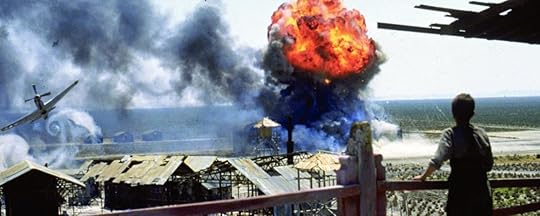
Jump to ratings and reviews
Rate this book

Empire of the Sun #1

Empire du Soleil

Rate this book
Based on J. G. Ballard's own childhood, this is the extraordinary account of a boy's life in Japanese-occupied wartime Shanghai - a mesmerising, hypnotically compelling novel of war, of starvation and survival, of internment camps and death marches. It blends searing honesty with an almost hallucinatory vision of a world thrown utterly out of joint. Rooted as it is in the author's own disturbing experience of war in own time, it is one of a handful of novels by which the twentieth century will be not only remembered but judged.

288 pages, Paperback

First published September 13, 1984

761 people are currently reading
27094 people want to read

About the author

J.G. Ballard

469 books4,073 followers
James Graham "J. G." Ballard (15 November 1930 – 19 April 2009) was an English novelist, short story writer, and essayist. Ballard came to be associated with the New Wave of science fiction early in his career with apocalyptic (or post-apocalyptic) novels such as The Drowned World (1962), The Burning World (1964), and The Crystal World (1966). In the late 1960s and early 1970s Ballard focused on an eclectic variety of short stories (or "condensed novels") such as The Atrocity Exhibition (1970), which drew closer comparison with the work of postmodernist writers such as William S. Burroughs. In 1973 the highly controversial novel Crash was published, a story about symphorophilia and car crash fetishism; the protagonist becomes sexually aroused by staging and participating in real car crashes. The story was later adapted into a film of the same name by Canadian director David Cronenberg.

While many of Ballard's stories are thematically and narratively unusual, he is perhaps best known for his relatively conventional war novel, Empire of the Sun (1984), a semi-autobiographical account of a young boy's experiences in Shanghai during the Second Sino-Japanese War as it came to be occupied by the Japanese Imperial Army. Described as "The best British novel about the Second World War" by The Guardian, the story was adapted into a 1987 film by Steven Spielberg.

The literary distinctiveness of Ballard's work has given rise to the adjective "Ballardian", defined by the Collins English Dictionary as "resembling or suggestive of the conditions described in J. G. Ballard's novels and stories, especially dystopian modernity, bleak man-made landscapes and the psychological effects of technological, social or environmental developments." The Oxford Dictionary of National Biography entry describes Ballard's work as being occupied with "eros, thanatos, mass media and emergent technologies".

Ratings & Reviews

What do you think?
Rate this book

Friends & Following

Create a free account to discover what your friends think of this book!

Community Reviews

5 stars
6,870 (30%)
4 stars
9,612 (42%)
3 stars
4,837 (21%)
2 stars
913 (4%)
1 star
233 (1%)
Displaying 1 - 30 of 1,357 reviews
Profile Image for Adina.
1,292 reviews5,512 followers
December 18, 2024
"Wars always invigorated Shanghai, quickened the pulse of its congested streets. Even the corpses in the gutters seemed livelier."

I “hated” this book. I thought to abandon it so many and to forget about its existence. Every page was a chore to read, thank god for the short chapters because sometimes I could not stomach more than one. Why, you might wonder I gave four stars to a novel that caused me so much pain? The thing with good books is that I do not have to enjoy reading them to appreciate art. The Empire of the Sun is an excellent novel, it took me right in the middle of the gore, stanch and hardship of internment bases in Shanghai together with Jim, the child hero of this story and his sick/dying/hungry colleagues in despair.

"The Chinese enjoyed the spectacle of death, Jim had decided, as a way of reminding themselves of how precariously they were alive. They liked to be cruel for the same reason, to remind themselves of the vanity of thinking that the world was anything else."

J. G. Ballard is better known as a post-apocalyptic SF writer but this book is non of that. The Empire of The sun is a fictionalized account of the author’s own experience in Shanghai’s Lunghua internment camp as a child during the WW II after Japan attacked Pearl Harbor. The account is not completely true but the events he added (the Death March, the separation from his parents) helped to make the story more dramatic and more understandable for the reader. Ballard's war experience influenced his whole life and work and his fans will probably better understand his source of inspiration reading this book.

Although the prose is simple, sterile at some points, with lots of repetitions (swarms of flies were mentioned over and over again) the result is powerful and multilayered. I could see/feel/smell the reality of trying to live in those camps. The tone of the narrator was matter of fact, like the ordeal of the war was no big deal and in a way I believe this is the massage the author tried to convey. Humans can adapt to anything to survive, they can overlook crimes and change their moral compass in order to get ahead, even only to get a bit more food. It is especially true for Jim, a pre-adolescent boy that is still building his personality. The way he adapted to the war, the effects of war on the boy’s psychology and that he eventually found safety in the camps was overwhelming. Moreover, the boy developed an admiration for the Japanese, a sort of Stockholm syndrome which separated even more from his co-nationals which he considered weak.

‘Are you still interested in aeroplanes, Jim?’ Mrs Philips asked, as she and Mrs Gilmour emerged from the hospital courtyard. ‘You’ll have to join the RAF.’ ‘I’m going to join the Japanese Air Force.’
“He had formed his only close bond in Lunghua with Dr Ransome, though he knew that in many ways the physician disapproved of him. He resented Jim for revealing an obvious truth about the war, that people were only too able to adapt to it”
“Poor fellow, you’ll never believe the war is over.’
Profile Image for Baba.
4,069 reviews1,516 followers
June 16, 2022
Taking into consideration of some of his own wartime experiences, Ballard tells the story of privileged Jamie (“Jim”) Graham, a Brit living in Shanghai when the Japanese bomb Pearl Harbour in the Second World War. The book takes a look at the tragedy and ultimate sickness of armed conflict through the eyes of a child, Jim, who's forced to go feral as he strives to live, as opposed to just survive, as the Japanese wreak Havoc in Shanghai and the surrounding areas. An almost unique look at the Second World War that looks nailed on to become a modern classic with the passage of time?

Telling this story through the eyes of a child almost makes all the horror palatable, either through the strength of his young mind to cope and/or his well-informed background, keen intelligence and seeing so much from a local perspective. A book that also touches on how being born in a foreign country colours one's allegiances and world view, no matter how one's brought up and/or educated? I feel this would be an amazing book to study in English Literature for all high schoolers. I still can't get over how Ballard's skill as a creator enables this book to be read without all the horrors of the war dominating it all! 8 out of 12.

2022 read
Profile Image for Lena.
401 reviews167 followers
June 17, 2021
Hundreds of book were written about WWII, every one describing horrors of war and human tragedies in its own way. And yet, no matter how many of them I've read, it shocks me every time. And this heartbreaking story of a prisoner camp survivor was emotionally devastating. Author managed to show how starvation, death and violence bring a child on the verge of madness. And even when the war is over, it will never be over for its victims.
Profile Image for Debbie W..
944 reviews837 followers
May 24, 2023
Why I chose to listen to this audiobook:
1. I recall seeing the film based on this book several years ago, but I couldn't remember most of it; and,
2. May 2023 is my "People of the Far East Month" (countries featured: China and Japan).

Praises:
1. British author J.G. Ballard writes a semi-autobiographical account of his time as an 11-year-old boy living in Shanghai with his expat parents when the Japanese invade in 1941. From the time Jim finds himself alone for several months, struggling to survive, to the years he spends in a Japanese internment camp, I was amazed as to how he "adapted" to the war. Although he appears to be naïve about his surroundings and the questionable "friends" who exploited him, Jim's courage and curiosity helped him to survive horrendous events by seeing the war as an adventure while he acts as an errand boy for anyone who requires something, prisoners and captors alike; and,
2. I now understand why China turned its back on the Japanese, the British, and the Americans since WWII. It's unfortunate but not surprising.

Niggles:
1. a lot of repetition is found throughout the story; and,
2. I recommend reading a print version or at least listening to a different narrator. Unfortunately, Gerard Doyle's delivery was so unexpressive and monotone that I never got the sense of urgency required for the tension found throughout the plot.

Overall Thoughts:
How much of this story is real and how much is fiction? I would really like to know.
I do know; however, that this story is an interesting study in the mental health of a lone youngster caught up in the horrific events following the Japanese invasion of Shanghai during WWII. Myself, I don't think that I would have had Jim's fortitude and most likely would have ended up like most of the adults that he encountered.
An interesting perspective of WWII in the Far East through the eyes of a child.
Profile Image for Manny.
Author 48 books16.1k followers
January 13, 2010
A few days ago, I learned a new Japanese word. Nijuuhibakusha means literally "twice radiation-sick individual", and refers to the few people who, through staggering bad luck, managed to be present both at Hiroshima on August 6, 1945, and then at Nagasaki three days later. The article I read was an obituary for Tsutomu Yamaguchi, the last surviving nijuuhibakusha. I was not surprised to discover that Mr. Yamaguchi was strongly opposed to nuclear weapons, and had spent a substantial part of his life campaigning against them.

But it's funny how everything has a flipside; after reading the article, I also thought of this book. Young Jim Ballard was one of many Westerners who were interned after the Japanese took Shanghai. He grew up in a POW camp; his descriptions of life there are horrifying, more than anything else, because of the matter-of-fact way in which he presents them. This is simply how it was: inadequate food, arbitrary punishments and killings. Nothing to get excited about, after the first few months.

The war is going badly for the Japanese, and it's becoming clear that they will lose. There is even less to eat than before. One day, the inmates are told that they are going on a long march to a different location. They don't have the strength for this. Jim realizes, without much emotion, that he's going to die. But a miracle happens. Over the dark waters of the bay, he sees a flash. It's a long way off, but he suddenly knows that he's been saved. The atom-bomb will make Japan surrender now, not months in the future, and he'll get out.

After this, Ballard always has warm, fuzzy feelings for nuclear weapons. In the sequel, he describes the Vulcan bombers he sees at the Cambridgeshire base near where he then lives. He imagines the megatons they're carrying, and gives them a little pat on the head.

There are few authors who can make me quite as disoriented as Ballard.
Profile Image for J.L.   Sutton.
666 reviews1,250 followers
February 25, 2022
“Jim knew that he was awake and asleep at the same time, dreaming of the war and yet dreamed of by the war.”

Empire Of The Sun author J.G. Ballard dies

JG Ballard's Empire of the Sun is a compelling and engaging novel written from the perspective of a boy held prisoner by the Japanese during WWII. Really fantastic storytelling! Not sure I was prepared for the power of this book. It's both understated and profound in its insights. Empire of the Sun couldn't have been more different from the other JG Ballard novels I've read: Atrocity Exhibition, High-Rise and Concrete Island. I'm not even sure I can reconcile Empire of the Sun and The Atrocity Exhibition as works written by the same author. I will probably continue to think of Ballard as the innovative author of speculative or dystopian literature, but wow, Empire of the Sun makes its own mark. Some parts seemed a bit more drawn out than necessary, but still a fantastic story about Ballard's experiences (and about war and survival)! 4.5 stars.
Profile Image for Brett C.
947 reviews233 followers
April 28, 2023
This was an enjoyable read in my opinion. The plot followed the life of Jim, a young British boy living in the opening outbreak of the Japanese invasion of Shanghai and eastern China during World War II. Jim was the son of a British diplomat living in a foreign settlement sector co-oping with the Chinese government. Once the Japanese invasion kicked off, Jim became separated from his parents in the ensuing chaos and confusion. Eventually he found himself in an internment camp for other European foreigners.

The book was well-written with elements of despair, tragedy, and the devalue of human life at the cost of war. Amid the chaos, Jim was able to remain resilient and pressed forward. There were moments when he went though all the phases of bereavement, hopelessness, and would have given up—but he didn't. The tone throughout the book gave elements of depression, acceptance of life and death, suffering, and feelings of hope and courage.

Overall I enjoyed this book because it showed character of the human spirit and the will to life. I have seen the Steven Spielberg movie numerous time. As I read I was able to mentally see Christian Bale, John Malkovich, and the visuals the film hit on target. I would recommend both as a good story in book and movie form. Thanks!
Profile Image for Vicky "phenkos".
149 reviews136 followers
November 28, 2021
This book, first published in 1984, is about a young boy's life in the Lunghua camp, an internment base set up by the Japanese to accommodate American, British, and other European civilians during World War II. The book has been described as the best British novel about the Second World War, and I think with some justification. Jim, the main character of the book, is only eleven when he is caught up in the Japanese assault against the British navy in Shanghai, and, separated from his parents, tries to eke out a miserable existence in the face of extreme adversity. Everything he knew collapses around him: no parental figure of authority is there to guide him in a world that's turned upside down. He can't find enough to eat, cannot find protection from dangers, and when he decides his only hope is to surrender himself to the Japanese, he finds it impossible to do so. Eventually, after months of roaming the streets, he is interned, initially at a detention centre near Shanghai and then at Lunghua, where he will stay till the end of the war.

Though based on J.G. Ballard's true experiences as an internee in the camp, the book is not an autobiography but a fictionalised account of the events. The book's strength is its focus on the effect of war on the psychology of a young boy who sees things he never should have and becomes exposed to situations that would be altogether traumatic and unbearable for anyone, let alone a child. Young Jim starts to adore the Japanese, admires their strength of character, wants to be a pilot himself, and when asked by a fellow internee whether he'll join the RAF, he answers: 'No. The Japanese air force'. Abuse and humiliation by the Japanese is turned into a special kind of admission ritual, such as when Jim puts on a Japanese officer's kendo armour only to have his hearing badly damaged by the blows he receives.

Jim is not a fool. When, for example, he finds himself in the company of two American crooks, he understands full well that these ruthless types would have no qualms using him for their own benefit (or dumping him if no benefit was forthcoming), however he becomes attached to them for the sake of survival. This attachment is also emotional; Jim develops a connection to one of the crooks, Bassie, just as he develops an emotional investment to the Japanese that run the camp, bowing to them, trying to become useful, ingratiating himself (as he puts it). For me, this was perhaps the most horrible aspect of the book (or of war, generally); not the atrocities Jim bore witness to, but this complete sense of powerlessness that meant forming attachments to people Jim understood perfectly well only wanted to take advantage of him.

This powerful attachment to the Japanese annoys other (adult) internees who are able to see things from a distance. Dr Ransome, for example, 'resented Jim for revealing an obvious truth about the war, that people were only too able to adapt to it' (p. 180). Towards the end of the book, when the war is about to end, Jim comes back again and again to the next war, World War III, a war that in some sense, had already started (as was becoming obvious in the scramble for the control of China). Despite the hunger and humiliation, Jim finds in Lunghua a kind of safety that he's unwilling to let go of. Ballard portrays Jim as both less and more far-sighted than his fellow prisoners. He understands better than them the safety that Lunghua represents, and yet, this sense of safety is also the result of an emotional immaturity, a manifestation of 'Stockholm syndrome' where the traumatised person develops an attachment to those who are responsible for his current state. The subtlety of the book is in presenting this attachment as altogether rational: a highly evolved survival mechanism that damages Jim emotionally at the same time as it allows him to survive.

I have a couple of criticisms of the book. The last 30 or so pages before Jim manages to get to Shanghai are full of needlessly gory detail that does not, in my view, help the plot along. I also wanted to know more about the effect of war on Jim's relation to his parents. This is not explored in the book, but I'd have loved to know more about how these terrible experiences would have affected the relationship.

Overall: an important book that I'd recommend to everyone with interests in the effect of war of the human psyche.
Profile Image for Bradley.
Author 9 books4,865 followers
August 3, 2023
Re-Read 8/2/23

I don't know what it is about this novel that lets me positively want to re-read it. On the surface, it's utterly tragic and devastating. Ballard himself experienced the Japanese war camp in Shanghai for the entire span of WWII. Starvation and desperate moves to survive and the breathtaking beauty of trying to make sense of fascination and obsession, indeed, YA self-discovery, while developing PTSD, is NOT something I'd think ANYONE would want to revisit.

And yet, Jim always kept hope, developed friendships, developed a love for airplanes, a respect for the Japanese, and a love of learning in general... despite his circumstances.

This tragedy is still full of hope.

This balance is rather amazing and unique.

I totally recommend it.


Original Review:

I don't know whether it's a mistake to read all the other things this great SF author has read first and THEN read this brilliant WWII novel of a young kid lost in Shanghai during the Japanese occupation or whether it might be best to see all the wildness of his short stories, longer fictions, and utter fascination with flying and emotional deadening in the middle of tragedy FIRST.

Or whether everyone and anyone with even a slight interest in reading one of the very best novels of the war should drop everything else on their list and jump right into this.

I admit I watched the Spielberg film back in the day, utterly fascinated and totally identifying with Jim, the main character, who just happened to be played by a young Christian Bale, admitting that while this kind of movie was NOTHING like the kinds of movies or books I preferred, and yet falling for it completely...

...right down to the dead-eyed stares after so much starvation, death, and Jim's last vestiges of innocent wonder and miracles retained throughout the very worst that humanity has to offer.

I've seen the movie like four times.

And yet, I only just now read the book AFTER having read several others by the same author AND the complete short story collection.

I FEEL LIKE A DAMN FOOL.

Maybe I should have started with this. It's brilliant. No two ways about it. I broke down into tears and was amazed by how much further the book takes it even after KNOWING what to expect from the movie.

I'm not exactly NEW to this genre. I shouldn't have been affected this hard. I shouldn't have had to stop the book for several minutes at a time because I couldn't breathe right. It was just... almost... too much for me. Emotionally. I'm wrecked.

Sure, the movie is a good intro or perhaps a companion to this brilliant novel, but by NO MEANS should the novel be skipped. It's just one of those brilliant classics that may be regarded as timeless.

No pressure, right?
Profile Image for William2.
860 reviews4,046 followers
March 29, 2020
A gem of a memoir. Richer than Spielberg's film (though he did an excellent job with the material). Mesmerizing from start to finish.
Profile Image for Fabian.
1,004 reviews2,115 followers
October 5, 2018
This outstanding novel seems to be so out of line with Ballard’s other notoriously magical/maniacal work—& this detail is fantastic. He is soon to become one of my all-time favorites—his prose is as crisp and perfect as Graham Greene’s. For a prophetic writer to go back to his roots, all the way back to Shanghai being wholly obliterated in the second World War—this guile is the type required to write your magnum opus. &, although I haven’t read all his work (though MOST I have), I can safely say that this one is it.

“Empire of the Sun” looks at the terrors of war through the eyes of a very authentic, very endearing boy. His observations are spot on—he quickly becomes useful to many out on the war fields; he notices that, sometimes, being under the dragon’s wing is precisely the tactic needed to survive; he thinks in tragic terms, digesting the horror for us amply, becoming a truly unforgettable character through it all. Like “Suite Francoise”’s Irene Nemirovsky, Ballard’s own personal involvement in WWII embellishes & fulfills the authentic aspect of the book. If they had not survived the war (although, tragically, Nemirovsky did not), we would not have their fine FINE work.

And this would not be a J. G Ballard with no looming prophecy. The last page (SPOILER!!) contains the following Nostradamus-like statement: “One day China would punish the rest of the world and take a frightening revenge.”
Profile Image for Dmitri.
250 reviews244 followers
May 4, 2025
"Are you still interested in aeroplanes, Jim? You'll have to join the R.A.F. 'I'm going to join the Japanese Air Force.' The widows tittered, still unsure of Jim's sense of humour."

"He had been trying to keep the war alive, and the security he had known in the camp. It was time to face the present, the rule that had sustained him through the years of war."

"A flash of light filled the stadium, as if an immense bomb exploded northeast of Shanghai. It faded in a few seconds, but a pale sheen covered everything. Prisoners on the grass sat on the floor of a furnace, heated by a second sun."

"Jim glanced at the people around him, coolies and peasant women, aware of what they were thinking. One day China would punish the world and take a frightening revenge."

*********

J G Ballard lived in the Shanghai British Concession from his birth in 1930 to the end of the war in 1945. During the 1937 invasion of China he witnessed the Japanese bombings and battles from inside the international settlement. In 1943 his family were relocated to an internment camp for foreigners after the occupation of Hong Kong. This 1984 novel reflects some of the experiences he had as a youth. It was shortlisted for the Booker Prize and made into a popular movie in 1987.

Ballard's story opens in Shanghai December 1941 on the eve of the Pearl Harbor attack. The narrator Jim is an eleven year old boy who describes city life circumscribed by troops from Japan. Poverty and desperation in the Chinese is contrasted with the wealth and ease of Europeans, who are nonetheless anxious about the war's outcome. Jim admires the Japanese for their courage, and Communists for their subversion. He finds skeletons in fields and corpses floating on the river.

Seen through the eyes of a child, Shanghai's nightclubs and casinos overflow with gangsters and bargirls. People flee the city, selling jewelry in the street, as they crowd onto the last steamers to Hong Kong. The spectacle of Shanghai comes to life in the memories of J G Ballard. Exploring the destroyed airfield, Jim finds crashed bombers and trenches of troops. He fantasizes becoming a pilot and fighting alongside Japan but soon watches as the naval shelling of Shanghai begins.

Separated from his parents and escaping a hospital ward Jim returns home, now alone in his abandoned mansion. Tanks roll by in the streets and planes fly through the air. Houses of friends are empty, their belongings in shambles. Japanese patrols relocate British and Americans to makeshift camps outside of town. Starving, he survives on leftover tins found in homes and by handouts from soldiers. He rides his bicycle through the city, a target for crime and spite by the locals.

Jim crosses the Huangpu River on a rotted sampan to rusting carcasses of merchant ships, moored in Pudong opposite of the Bund. He is taken in by two American seamen living on a wreck, refugees who think he might be worth something. They make a living by plucking gold teeth from mouths of the dead. Jim leads them on with tales of his former life of luxury. An attempt to burglarize fancy homes ends in his capture and confinement in a Japanese detention center.

Malaria and dysentery plague the detainees but Jim is glad to be off the streets. As the war continues the Japanese run out of food and guards, and he is left for dead on a forced march to another facility. American planes drop food, delaying his starvation. He hasn't found his parents and wonders if he will see them again. An irony of this book is Jim suffers the hardships of war but still sympathizes with the Japanese. Critical of his own empire he has admiration for another.

Ballard's description of Shanghai deserves its accolades as a compelling account of WWII told by an eyewitness. His 2008 autobiography 'Miracles of Life' tells how he quit Cambridge medical school, joined the Royal Air Force, and became a notable writer. For anyone who is interested in the history and cityscape of Shanghai this novel is a powerful memoir. The film is excellent too, nominated for six academy awards, featuring early performances by actors who are now stars.
Profile Image for Jan-Maat.
1,686 reviews2,493 followers
Read
January 1, 2016
I read Ballard's semi-autobiographical account of his interment as a child and teenager in a Japanese camp outside of Shanghai while I was still at school and before I had read any of his fiction.

As I later read a few of his novels I had a slow and growing sense of how his adult fiction drew upon that early experience described in this memoir in both the world-turned-upside-down story which resurfaces in several of Ballard's later novels and the oddly half affectionate tone of the child narrator for the Japanese even in the internment camp - there is an incident when he is being taught trigonometry and he asks the Doctor who is teaching him if he should show the Japanese guards his sums so that they could improve their targeting of incoming American bomber planes, more striking is the strange atmosphere as the young Ballard watches Kamikaze pilots walking about the airfield that borders the internment camp before they depart on their missions.

Novels like The Drowned World and The Drought reinterpret the childhood experience in a way to make it explicable to adult readers who didn't grow up in Shanghai before the Second World War and didn't live through the collapse of seemingly concrete family and power structures, the complete transformation of one way of life for another, the metaphor that Ballard has used is that this is like a set change, and therefore the way that familiar, everyday life is just a piece of theatre. If it appears permanent and unchanging this is only because the curtain hasn't fallen yet.

Perhaps something of this idea underlies the popularity of a certain kind of disaster literature and drama whether of vampires, zombies or alien invaders - that there is a more true fundamental set of values beneath the surface of everyday modern life in which problems can be resolved directly and in a natural manful way by shooting at them. It can follow that there is even an eagerness for a disaster, any disaster provided it is destructive enough, to clear away contemporary civilisation.

I think Ballard's view is slightly different. His point, I suspect, is that the world of the camp is as (in)substantial as the international community of 1930s Shanghai or of post war south-west London. When the Yangtze river flooded, the young Ballard could see that the land around Shanghai had became an inland sea, once the flood waters had ebbed Shanghai was surrounded once more by arable land. Both conditions were equally real, both subject to the functioning of the environment. Nudge that environment, and you see that glistening cityscape as a house of cards.
Profile Image for Megan Baxter.
985 reviews757 followers
May 19, 2014
Hmm, three or four stars? This was good, but I don't think I'll read it again. On the other hand, that particular feeling does not say that this was a mediocre book. But that personal gut reaction is what I tend to use for star ratings - four stars means I would like to or wouldn't mind reading it again. Five stars are books I feel the need to own.

So this is a three star review, but it is probably a better book than that.

Note: The rest of this review has been withdrawn due to the recent changes in Goodreads policy and enforcement. You can read why I came to this decision here.

In the meantime, you can read the entire review at Smorgasbook
Profile Image for K.D. Absolutely.
1,820 reviews
March 11, 2011
I should have listened to my brother. He said last year that because Crash (1973 published) elicited strong, even if negative, reaction from me, then it meant J. G. Ballard (1930-2009) was a genius. That book was disgusting. I hated almost everything about the story. Up to now I cannot get over the characters that hurt themselves by crashing their cars and there is that part where the hole in the body is bleeding and to stop the blood from flowing, an erect penis has to be inserted. Holy cow. I had no second thought when I clicked a lone star rating. Here’s to you, Ballard! Hmmpf.

This is my second novel by J. G. Ballard (1930-2009) and I still clicked a lone star but four turned into yellow. Here’s to you, Ballard!, but this time, Wow! , it is with full of admiration to his talent (God bless my brother. He is right: J. G. Ballard is a genius) and to what he had to undergo during his 3-year stay as a child in Lunghua Concentration Camp in Shanghai during WWII. Yes, this novel about Ballard as an 11 year old boy, a son of a wealthy British businessman in Shanghai, who got separated from his parents and had to endure 3 years surviving all by himself in various camps.

What makes this quite different from the war stories seen in a child’s perspective is Ballard’s prose. It is so detailed yet it is devoid of commentaries. Ballard only describes what the child Jim sees almost without emotions. There is just a single scene when Jim sheds a tear and it is mentioned only in a single short sentence. It feels like Ballard would like his reader to experience Jim’s sad and dangerous flight in a child’s perspective rather than an adult's with built-in biases and prejudices. Ballard was British but he neither depicted Japanese nor Chinese as evil and British nor American as good men. In fact, Jim feels safer with Japanese soldiers (ironic really from an Allied adult’s perspective) than being with British or American. Japanese soldiers ignore his surrender and feed him food while he roams starving around Shanghai, he thinks that Japanese soldiers are braver than British because Shanghai was captured, he dreams of becoming a pilot and thinks that his young Japanese friend will teach him how to fly…

War in the eyes of a child. Think Anne Frank not in the hiding but in an open concentration camp. Jim did not die even if he stayed 3 years in Lunghua. His desire to see his parents again was just so strong that he held on to this dream and it made his body strong despite of the extreme hunger (surviving in boiled rice and sweet potatoes), disease (malaria, dysentery, infections, etc), loneliness and physical abuse.

As always, the book is better than the movie. I remember that in the movie, there is that boring part inside the concentration camp. The reason is that it is impossible for Spielberg to capture those small details in that part without probably extending the movie to maybe five hours. However, the ending in the movie, in my opinion, is better than the book. I don’t want to put a spoiler so I will not tell you why.
Profile Image for Trish.
2,390 reviews3,746 followers
August 1, 2023
I've seen the movie not too long ago and decided I wanted to read this book. It's the story (fictionalized) of the author's experiences when he was a young boy. So most if not all the events actually took place.

Jamie/Jim grows up in China in the late 1930s and early 1940s. One day, Shanghai is aflame after Japan has joined WW2 by bombing Pearl Harbour and then occupies the city. Jim is separated from his British parents and has to navigate the dangerous streets of occupied Shanghai before he ends up in an internment camp. There, he must find a way to survive starvation, violent guards, death marches, neglect and despair while he witnesses human depravity and triumphs for four years .

The author even witnessed the flash from the a-bomb that laid waste to Nagasaki - not that that actually ended the turmoil for the people who had been trying to survive the war until then.

How he actually survived, I can't quite explain even after reading the book and seeing the movie. I guess some people either have "it" or they don't. And maybe a little luck also helped. Who knows.

What is rather wonderful (if that adjective can actually be used in this context) about this book is that it also shows what happens to the survivors internally and that it hints at the long-term damage one suffers after having survived a war. Thus, a plethora of themes are being explored here.

The writing style was downright wonderful in invoking the different places and events and presenting them all in very different but always highly engaging ways.

A deeply moving account that makes you shudder and cry, but is also a highly important because real aspect of WW2 - one that is rarely talked about.

I recommend both the book and the movie.
Profile Image for Daren.
1,568 reviews4,571 followers
February 5, 2021
Having tried a couple of JG Ballards previous books (Cocaine Nights and Crash) and finding them unsuited to me, and dated, I hadn't really sought this one out. A couple of reviews last year peaked my interest, and a cheap copy came my way at a suitable time.

So it turns out the reviews were right, and this was a great read.

The plot outline is easy to find, so I won't repeat it here. Even the blurb outlines it well in a few sentences.

Things I enjoyed in Ballard's book were - the short chapters, with the punchy titles; the development of our main character over the 4 year period of the story; the raw nature of the descriptions of war - played on by the honest view of a child. From a writing perspective, I thought it clever and well devised the way Ballard explained that Jim knew adults were taking advantage of him, but he played along nevertheless; and the way Ballard explained Jim's simultaneous views of pleasure and disappointment that the war is over.

Ballard makes Jim a powerful character with his deep thought, planning and willingness to ingratiate himself where appropriate.

At the end of my edition(Harper Perennial Modern Classics) there was a short interview with Ballard, and a copy of an article he had written in 1995 for the Sunday Times where he described the personal circumstances of the war for he and his family. This was interesting to see which parts of his story he changed for the novel. A surprising amount followed his personal experiences. The major differences were that he was with his parents during his time in Lunghua, and they never made the long trek to the stadium.

A few quotes:

All around them were the bodies of dead Chinese soldiers. They lined the verges of the roads and floated in the canals, jammed together around the pillars of the bridges. In the trenches between the burial mounds hundreds of dead soldiers sat side by side with their heads against the torn earth, as if they had fallen asleep together in a deep dream of war.
-
Jim watched them eat, his eyes fixed on every morsel that entered their mouth. When the oldest of the four soldiers had finished he scraped some burnt rice and fish scales from the side of the cooking pot. A first-class private of some forty years, with slow, careful hands, he beckoned Jim forward and handed him his mess tin. As they smoked their cigarettes the Japanese smiled to themselves, watching Jim devour the shreds of fatty rice. It was his first hot food since he had left he hospital, and the heat and greasy flavour stung his gums. Tears swam in his eyes. The Japanese soldier who had taken pity on Jim, recognising that this small boy was starving, began to laugh good-naturedly, and pulled the rubber plug from his metal water-bottle. Jim drank the clear, chlorine-flavoured liquid, so unlike the stagnant water in the taps of the Columbia Road. He choked, carefully swallowed his vomit, and tittered into his hands, grinning at the Japanese.
-
The Chinese enjoyed the spectacle of death, Jim had decided, as a way of reminding themselves of how precariously they were alive. They liked to be cruel for the same reason, to remind themselves of the vanity of thinking that the world was anything else.
-
Jim glanced at the people around him, the clerks and coolies and peasant women, well aware of what they were thinking. One day China would punish the rest of the world and take a frightening revenge.

5 stars and a great start to 2021
Profile Image for Whitaker.
299 reviews578 followers
December 17, 2012
The interesting thing about The Empire of the Sun is the time period Ballard writes about. I don't mean the period of the protagonist's incarceration. In fact, the book pretty much skips most of the four years that Jim spends in the POW camp. We are with Jim at the start of the war when he is 10 years old and he fights his way to get into the POW camp, and we are with him again at the end of the war when he is 14 years old and he fights his way from the chaos of a countryside filled with ragged bands of starving survivors to get back into the empty POW camp which offers at least some measure of safety.

Unlike When the Emperor Was Divine, this book is not about the protagonist's experience as an internee in a camp. Instead, it is about what you would be willing to do to stay alive. And this is why, I think, Ballard leaves out the bulk of the period when Jim is in the POW camp: that is the period when there is relative order and prosperity. The prisoners are fed regularly and are kept in reasonably good health. It is only in the period before the imposition of order and authority and after it's disappearance that staying alive is less a statement than a question.

So, here's a series of questions to ask yourself about what you might or might not be willing to do if you found yourself in a war-torn zone with no food:
● Would you try to surrender to the enemy because at least you'd have the possibility of getting fed?
● Would you deliberately lead your dubious allies-of-circumstance into a trap so that their capture would also allow you to get captured too?
● Would you steal food from the common pot even though it would mean less for the others so that you can ensure that you will get enough to eat?
● Would you collaborate with the enemy so as to get more food for yourself or your children?

This is the perennial state of affairs for Jim:
Now that he felt stronger, Jim realized how important it was to be obsessed by food. Shared equally among the prisoners, their daily rations were not enough to keep them alive. Many of the prisoners had died, and anyone who sacrificed himself for the others soon died too. The only way to leave the detention centre was to stay alive.
The thing is, I've seen this type of behaviour before. Similar survival instincts kick in during retrenchments when the pool of resources (money or jobs) runs low. Then it's whatever dirty trick will work so that it's not your head next on the chopping block. Morality counts for very little. And that visceral drive to live is what Ballard is interested in, what he—ultimately—respects. It informs, as well, I think, his support of the bombing of Hiroshima and Nagasaki: over and above his own personal survival (he recounts how the Japanese planned to march the POWs north to shoot them but the surrender intervened) it meant that more Allies lived. By that measure, morality be damned.
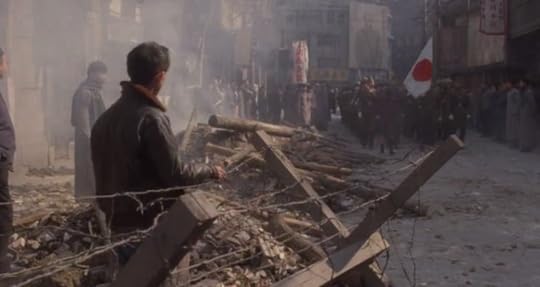
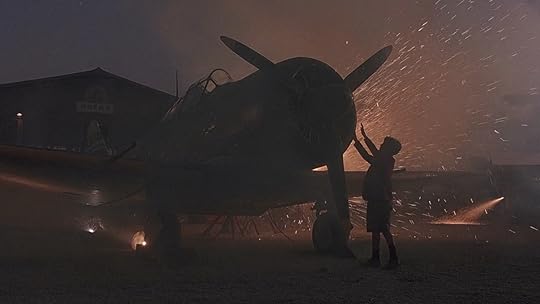
We don't often think of this, but for many in Africa, China, India, Latin America, and latterly in Europe, that's their daily life. "Morality" (and I do mean those inverted commas) is a luxury I am glad to be able to currently afford, but that doesn't mean that I am never unaware that it is very much a luxury.
Profile Image for Meike.
Author 1 book4,950 followers
March 5, 2025
Winner of the James Tait Black Memorial Prize 1984
Shortlisted for the Booker Prize 1984

This is Ballard's fictionalized account of his experiences as a boy in Shanghai during the Second Sino-Japanese War, when he and his British parents were interned by the Japanese army in the Lunghua Civilian Assembly Centre. In the novel, child protagonist Jamie Graham (the author's full name is James Graham Ballard) is separated from his parents after the Empire of Japan occupies the Shanghai International Settlement. First, he tries to fend for himself in the midst of the chaos, then he surrenders to the Imperial army and is interned at Lunghua, where he almost starves to death.

Ballard shows his alter ego without any sentimentality, he gives the language-obsessed child not only psychological depth, but most of all: Agency, something that many child victims (and Jamie is a victim of circumstance throughout) are often denied. With this agency come dignity and complexity: Jamie ("Jim") has ambiguous feelings about the Japanese soldiers and many other people around him, he survives in an atmosphere of impending doom and highest danger (once, he, the unprotected boy, is almost sold at the market).

This is great historical literature about living through a war, and also great autofictional literature about how such a childhood might shape a person.
Profile Image for Kim.
286 reviews921 followers
June 5, 2009
I remember one Saturday afternoon during the winter of 1987/1988 when my friend Chuck and I decided that instead of hitting the mall we would take in a movie. Our choices weren’t great… Rent-a-Cop, Return of the Living Dead Part II , Braddock, Missing in Action Part III. Yeah, so, we opted for Empire of the Sun. I had no real inkling to see it. I really didn’t care.

I remember that the movie had these big gaps of silence. Shots of Christian Bale running around an internment camp, flying a toy bomber, hunting for food. I think that’s mostly what I remember of it. That and Chuck’s reaction. You see, Chuck was the stereotypical ‘skateboarding stoner’, and I’m not joking or being flippant. He relished that label. He’d put Jeff Spicoli to shame, really… Yet, he was completely engrossed in this film. I mean, elbows on knees, leaning forward, shushing ME, kinda engrossed. It was… off-putting to say the least. I found out later, that he went back to see the film another half dozen times. This is a boy that worked at Wendy’s and spent all his money on pot. Go figure.

So, now, 20 some odd years later, I’m reading this book and trying to use my adultified brain to figure out what exactly mesmerized Chuck so.

The story is poignant, made more so when you read that it’s based on JG Ballard’s childhood experiences during WWII. From the get go, I was amazed at the detachment exhibited by Jim regarding death. It was constantly surrounding him and he could shrug it off and continue his make believe games of flying bombers and wounding the enemy. Of course, it’s hard to say who is the enemy while living in Shanghai in 1942.

The book has much more power in that we get to hear Jim’s thoughts and observations, it fills those silences with awe striking clarity and numbing accounts of soldiers stacked along the roadside and how the skin of a sweet potato can taste like the best chocolate imaginable. It lends resonance when he’s confused about his sexual feelings towards a fellow prisoner and roommate, Mrs. Vincent, and the absolute dissolution when he watches fellow prisoners perish from disease and hunger. It’s achingly effective.

There is a scene, towards the end, the war is over, he’s trying to get back to Shanghai to find his parents but he happens across a Japanese pilot that had offered him a mango days before. Jim has always felt a kinship to this pilot, a boy not much older than himself and has fantasies of a camaraderie that, of course, never comes to fruition.

The pilot’s mouth opened in a noiseless grimace. His eyes were fixed in an unfocused way on the hot sky, but a lid quivered as a fly drank from his pupil. One of the bayonet wounds in his back had penetrated the front of his abdomen, and fresh blood leaked from the crotch of his overall. His narrow shoulders stirred against the crushed grass, trying to animate his useless arms. Jim gazed at the young pilot, doing his best to grasp the miracle that had taken place. by touching the Japanese he had brought him live; by prizing his teeth apart he had made a small space in his death and allowed his soul to return.
Jim spread his feet on the damp slope and wiped his hands on his ragged trousers. The flies swarmed around him, stinging his lops, but Jim ignored them. He remembered how he had questioned Mrs. Philips and Mrs. Gilmour about the raising of Lazarus, and how they had insisted that far from being a marvel this was the most ordinary of events. Every day Dr. Ransome had brought people back from the dead by massaging their hearts. Jim looked at his hands, refusing to be overawed by them. He raised his palms to the light, letting the sun warm his skin. For the first time since the start of the war, he felt a surge of hope, If he could raise this dead Japanese pilot he could raise himself and the million of Chinese who had died during the war and were still dying in the fighting for Shanghai, for a booty as illusory as the treasury of the Olympic stadium.


I have to admit that before this, I was clinging to the book, reading it like I was reading a diary of events. Because who am I, a woman who has no inkling what war is like except what I see on CNN, to be able to extract the emotion of this boy from a different time? Then I imagine this 15 year old boy playing Christ, trying to raise the souls of all the people, family, that he had watched perish… wow.

I still wonder what attracted Chuck to this. Was it the ‘little boy lost’ theme? The growing up and discovering who you are amongst a war that was real or imagined? The detachment? I wish I knew where he was so I could ask him… it might shed light on what was behind the ‘skateboarding stoner’ that I thought I knew so well.
Profile Image for Ali Karimnejad.
347 reviews226 followers
October 22, 2020
چهارصد صفحه توصیف با حداقل دیالوگ و شخصیت‌پردازی

خوندن چنین کتابی ممکنه برای شما لذت‌بخش باشه یا نباشه. نمی‌دونم. اما حقیقتش برای من نبود. با اینکه چندین بار به عقب برمی‌گشتم به امید اینکه شاید چیزی از رو از قلم انداخته باشم.
از حق نگذریم برخی توصیفات کتاب خیلی گیرا و تکان‌دهنده است اما نمی‌شه انکار کرد که در بیشتر مواقع اینطور نیست و ما در حال خواندن توضیحات و توصیفات بعضا سطحی راوی هستیم. داستان بی‌مایه است و می‌دونیم قرار نیست و نمی‌تونه اتفاق خاصی بیوفته و از طرف دیگه نبودن مکالمه و دیالوگ، ضربه بدی به شکل داستانی کتاب زده و باعث شده کتاب یکنواخت بشه از ریتم بیوفته.

داستان راجع به یک پسر انگلیسی اعیان‌زاده 11 ساله به نام جیم هستش که پدر و مادرش به همراه کلی خدم و حشم در چین زندگی می‌کنن. ژاپن که از 4 سال پیش به چین حمله کرده، سال 1941 به پرل هاربر حمله می‌کنه و جنگ‌جهانی دوم رسما به خاور دور هم کشیده می‌شه و شهروندانِ کشورهای متفقین، من جمله خانواده جیم، در معرض خطر قرار می‌گیرن. البته طی این جنگ اتفاقات وحشتناک زیادی رخ داد و ژاپنی‌ها جنایات زیادی انجام دادن اما محوریت این کتاب بیشتر روی قطحی و جنگ با گرسنگی هستش. اگر منصف باشیم کتاب تونسته وضعیت اردوگاه‌ها و حد گرسنگی و آوارگی مردمان بی‌پناه رو به خوبی به تصویر بکشه. طوری که بعد از اتمام کتاب یک تصویر نسبتا روشن از وضعیت اسفناک ارودگاه‌ها در ذهن ما نقش می‌بنده. تا حدی هم می‌شه گفت که حال‌وهوای شهر قبل از جنگ دستمون می‌یاد. اگرچه کاراکتر جیم در جایگاهی نیست که بتونه وضعیت اسفناک چینی‌ها در اون ایام رو برای ما آشکار کنه.

با این همه، کتاب در بیشتر وقت، به پرسه زدن‌های جیم می‌پردازه و واقعا هدف خاصی نداره. راوی در بیشتر موارد سعی کرده دنیا رو از نگاه جیم ببینه اما این موضوع به قیمت سطحی شدن نگاه به وقایع تمام شده. هرگز چیزی راجع به درونیات و زندگی سایرین نمی‌شنویم و در هنگام رویت یک رخداد، چیزی جز نگاه یک نوجوان بی‌خبر که درکی از وقایع اطرافش نداره، عایدمون نمی‌شه. به نوعی، نویسنده با انتخاب نحوه روایتِ ماجرا، دنیای بزرگ جنگ رو به دنیای کوچیک یک پسر بچه محدود کرده. حالا اگر ما طی کتاب با حدیثِ نفس جیم آشنا می‌شدیم، می‌شد گفت که نویسنده تونسته جنگ رو از نگاه یک پسربچه به تصویر بکشه. اما در واقع اینطور نیست. جیم درکی از وقایع نداره، زیاد فکر نمی‌کنه و فقط نقش دوربین فیلم‌برداری رو ایفا می‌کنه. روای هم نقش گوینده رو داره.

اما شاید چیزی که بیش از هرچیز باعث می‌شد نتونم با کتاب ارتباط بگیرم سردگمی کتاب بود. روایت داستان قصه‌گونه نیست اما محتوای کتاب هم واقعی نیست و پرداخته خیاله. از طرف دیگه، نگاه کتاب به وقایع مستندگونه است اما در اون رنج و درد آدمیان، خصوصا میلیون‌ها چینی بی‌پناه که کرور کرور از گرسنگی مردند، توش بسیار کمرنگه.
و اگر بخوام کل حرفم رو در یک جمله خلاصه کنم باید بگم که متاسفانه در اغلب موارد، توجهِ کتاب غیر از جایی بود که منِ خواننده دوست داشتم.


پ.ن: بعضا گفته می‌شه که این کتاب شبه-اتوبیوگرافی هستش. در صورتی که اصلا اینطور نیست. البته این هست که بالارد هم یک انگلیسی متولد شانگهای و هم سن و سال کاراکتر جیم بوده. و این هم درسته که بالارد 2 سال در اردوگاه‌های ژاپنی‌ها بوده، اما مساله اینجاست که بالارد هرگز از خانواده جدا نشد و همیشه در کنار پدر و مادرش بود. حتی در اردوگاه. و اونی که کتاب رو خونده باشه متوجه می‌شه که چه بخش بزرگی از داستان حاصل تخیل نویسنده بوده.

پ.پ.ن: طبق تعریف گودریدز، 3 ستاره یعنی "دوستش داشتم" و 2 ستاره یعنی " اوکی بود".ا
Profile Image for Sasha.
Author 15 books5,032 followers
December 7, 2017
Part of my Fall 2017 Best Of Chinese Literature project; more here, and a cool list of books here.

"The reality that you took for granted was just a stage set," is what JG Ballard has to tell you. He learned it as a child, when World War II came to his home in China. "Anyone who has experienced a war first hand knows that it completely overturns every conventional idea of what makes up day-to-day reality." This semi-autobiographical book is about that overturning.

Young Jim adapts immediately, and that's the thing about people according to Ballard, who's always written about "whether we are much different people from the civilized beings we imagine ourselves to be." (Well, that and carfucking.) Ballard is unsentimental about Jim, who unsettles everyone around him just by how quickly he acquiesces to the new reality. He's gross, in his shameless hustling and scheming and stealing, and in his actual, emaciated, infected body. It's not just that he refuses to die; it's that he seems comfortable as an animal. As we age we start to think that we really are civilized, and adults in these internment camps in WWII needed to think it would all be over someday, that they'd be able to return to civilization. Jim shrugs civilization off so easily that everyone else gets vertigo.

Here's a startling detail about this book: the major thing Ballard changed from his own life was that he wrote his parents out of it. In Empire of the Sun Jim is immediately separated from them, but the young Ballard never was. The reason is that their presence screwed up the truth of the book; Ballard couldn't find a way to convey how unable they were to protect him in the internment camp. I don't know if that blows your mind as much as it blows mine: a reality so savage that parents are irrelevant.

So Ballard is the Toto to civilization's Oz: he saw behind the curtain early, and he's talented enough to write down what the wizard looks like back there. It's gross.

Quotes are all from an interview at the back of my edition. I can't find it online, sorry.
Profile Image for E8RaH!M.
243 reviews63 followers
July 27, 2020
امپراتوری خورشید نشان داد میشود باز هم برای موضوع جنگ جهانی دوم شاهکار نوشت.


کتاب امپراتوری خورشید گذری است عمیق و بی رحم به دنیای جنگ در نقطه ای که کمتر به آن پرداخته شده. شانگهای در چین. مناظری که جی جی بالارد برای مخاطب تصویر کرده فوق العاده تکان دهنده است. چینی هایی که در حاشیه جاده ��ای خاکی به پشت و به رو افتاده اند و رنگشان سفید شده. گورهایی که باران سطحشان را شسته و دستی یا جمجمه ای از آن بیرون جسته. از اسخوانهای اجساد میهمان شالیزارها سبزه رشد کرده. اجساد باد کرده اند و پوشیده از مگسهای چاق هستند.
کتاب نشان دهنده ماهیت واقعی بشر است. و تاثیری که جنگ دارد. کتابی که باید خواند.

هر صفحه ی این کتاب عذاب است. بحث احساساتی شدن در میان نیست. بحث ماهیت ترسناک جنگ است. اینکه ما هم کشوری هستیم که درمعرض جنگ هستیم موضوع کتاب را تکان دهنده و تاثیر گذار تر میکند. اینکه تک تک خوانندگان هم خودشان را در این تجربه شریک کنند.

کتاب چنان سر و صدایی به پا کرده که چند سال بعد استیون اسپیلبرگ بر اساس آن فیلمی با همان نام ساخت.


description

ماجرا
جیم، پسری 11 ساله و انگلیسی است که به همراه پدر و مادرش در شانگهای یک زندگی مرفه و استعمارگری دارد. ژاپن به چین و به آمریکا حمله می‌کند و چین و شانگهای درگیر جنگ جهانی دوم می‌شود. جیم از پدر و مادرش جدا می‌افتد و آواره‌ی شهر جنگ زده می‌شود. خانه های متروک و زندگی های فراموش شده و آشوب زده. آواره‌گی به اسارت در اردوگاه ژاپنی ها می‌انجامد که 4 سال طول می‌کشد. با سختی های زندگی در اسارت برای یک پسر تنها. در این سال‌ها جیم برای زنده ماندن به هر دری می‌زند. جنگ واقعی برای او جنگ برای زنده ماندن است. در این خلال خرده ماجراهایی از زندگی جیم خارج و داخل اردوگاه اسرا جذابیت خوبی به داستان داده. ماجرا تا حمله ی اتمی آمریکا به ژاپن و خاتمه جنگ ادامه می یابد.

description

راوی
مثل بسیاری از شاهکارهای دنیای ادبیات در این اثر هم زاویه دید نقش اصلی را بازی میکند. در دنیای بی رحم جنگ، مابین بیانه هایی سیاسی طرفین جنگ، نویسنده یک زاویه دید مایل و غیر مستقیم و صادق را انتخاب کرده است. پسری 11 ساله که ژاپنی ها برایش صلابت دارند. آمریکایی ها جذابیت دارند.
او هیچ دیدگاه پیش زمینه ای به طرفین درگیر در جنگ ندارد و صادقانه تنها گزارش دهنده ی آن چیزی است که در جنگ اتفاق می افتد. همین موضوع باعث میشود با بازآفرینی صحنه های جنگ در ذهن خواننده حسی از فاجعه و مصیبت عمیق را تداعی کند. شاید خواننده انتظار ندارد همه ی این اتفاقات را یک نوجوان ناظر باشد.

description

نویسنده و تجربه
تا انتهای کتاب به تخیل نویسنده از خلق صحنه ها و ماجراهایی که خودش نمیتوانسته در آن نقشی داشته باشد به وجد آمدم. مدام با خودم میگفتم چون نویسنده وابستگی احساسی/تجربی به ماجرا نداشته اینچنین بی رحمانه جنگ را تصویر کرده. اما در انتهای کتاب ماجرا شکل دیگری میگیرد. در یادداشت مترجم عنوان شده خودِ بالارد در جریان جنگ جهانی دوم به همراه پدر و مادرش در شانگهای زندگی میکرده و به همراه آنها به اسارت ژاپنی ها در می آید و 4 سال در اردوگاه اسرا زندگی کرده است. گویا خود او شاهد مستقیم بسیاری از ماجراهای کتاب بوده.
در انتها این سوال برای مخاطب پیش می آید که انسانی که در معرض جنگ بوده آیا میتواند باز به زندگی عادی خود برگردد؟ آیا اثرات جنگ را می‌شود نادیده گرفت؟

description

خلاص
Profile Image for MJ Nicholls.
2,274 reviews4,848 followers
April 13, 2019
Ballard is the quintessential soothsayer of contemporary alienation, perversity and despair. The narrator shows a clinician’s steeliness in the face of starvation and nuclear catastrophe, and this detachment is the genesis of Ballard’s “death of affect” that became a central theme across his novels—the scorched and bombed landscapes of his dystopic classics all stems from Shanghai. An uncompromising classic.
Profile Image for Talkincloud.
291 reviews4,241 followers
Read
December 12, 2024
Bardzo sprawnie napisana, przejmująca — kończyłem ją z ciarkami na plecach. Polecam słuchowisko w Audiotece!
Profile Image for Dagio_maya .
1,107 reviews350 followers
January 14, 2024
“Si, aveva mancato di afferrare la verità che milioni di cinesi conoscevano dalla nascita:
che gli uomini erano in pratica solo dei morti che s'illudevano di essere vivi”


C’era una volta un bambino di nome Jim, Jamie solo per gli affetti più cari.
Un bambino britannico che non aveva mai visto l’Inghilterra.
Figlio di un industriale del cotone, nasce a Shangai e l’unica realtà che conosce è quella dell’agio di una bella villa, servitori cinesi che obbediscono ad ogni comando e l’ebrezza comune ad ogni ragazzino della sua età di sfuggire al controllo e scorrazzare per le zone proibite con la propria bicicletta.
Ma sono tempi difficili per crescere.

E' il 1942: il mondo è in subbuglio ed anche l’Asia sta per avere la sua parte come scenario della Grande guerra.
Quando i giapponesi cominciano ad attaccare Jim si trova all’improvviso catapultato dal sogno alla realtà: quello che vedeva nei cinegiornali e che faceva parte delle sue fantasie diventa realtà.
La guerra entra prepotente nella sua vita di undicenne e niente sarà come prima.

C’era una volta e ci fu.
La storia del piccolo Jim è la storia di chi scrive e trova il coraggio di rivangare un passato che dal mondo ovattato colonialista lo aveva catapultato nella dimensione di bestialità, della legge del più forte e del più furbo.

Non avrei mai creduto di potermi immergere così profondamente in una lettura così descrittiva sulla guerra e i suoi apparati.
L’ho fatto con passione umana e materna condividendo con questo ragazzino ogni sofferenza.

Jim sarà internato per tre anni nel campo di detenzione di Longhua.

Difficile leggere senza pensare a quello che succedeva in Europa in altri campi nell’universale legge dell’atrocità della guerra in ogni luogo e in ogni tempo.

” Al centro di detenzione, e a Lunghua, aveva fatto il possibile per sopravvivere, ma ora una parte di lui desiderava morire, perché questo era l'unico modo, per lui, di metter fine alla guerra.”


La mia conoscenza di Ballard come scrittore è relativa solo a Il condominio.

Un libro che ho letto ben tre volte ed ora capisco come sia riuscito a rendere così bene l’idea di quanto l’uomo in certe condizioni sappia dare sfogo a sadiche crudeltà.
Profile Image for Sandra.
964 reviews333 followers
October 8, 2012
Bellissimo. Straziante e doloroso come pochi altri libri letti finora. Una testimonianza diretta, vissuta sulla propria pelle (Ballard fu internato dal 1942 al 1945 nel campo di prigionia di Lunghua, vicino Shanghai), della devastante esperienza della guerra. La guerra vista con gli occhi di un ragazzino di 11 anni, Jim, di cittadinanza britannica, che vive a Shanghai con i genitori al momento dell’attacco giapponese a Pearl Harbour che determinò l’entrata in guerra degli Usa nel dicembre 1941. Un bambino che sogna di diventare aviatore, che ha una passione sfrenata per gli aerei di guerra, che ammira i kamikaze giapponesi così coraggiosi, stoici e tristi, di una tristezza di cui lui, “che non era mai triste, si sentiva stranamente colpito”. La forza di Jim sta proprio in questo suo non essere mai triste, nel vivere l’esperienza più devastante che un essere umano possa vivere, la separazione violenta dalla famiglia e l’internamento in un campo di prigionia per oltre tre anni, fatta di patimenti fisici e psicologici inenarrabili, con la semplicità dell’infanzia che trova rifugio nella potenza della fantasia e del gioco come difesa dal dolore e dalle sofferenze: “ogni volta che si sentiva giù di morale o triste con sé stesso, pensava agli aerei d’argento che aveva visti al centro di detenzione”. Ma questo romanzo non è solo -anche se è soprattutto- la tragica storia di un’infanzia rubata, vissuta in compagnia di fame, sete, malaria e colera.
Vi è la ricostruzione precisa di una città, Shanghai, crocevia di disparate etnie e centro vivacissimo di attività, dove i coolies cinesi, popolo freddo e crudele, vengono sfruttati e asserviti ai conquistatori giapponesi, dove europei e americani concludono ricchi affari per conto di multinazionali, entraineuse eurasiatiche animano i locali notturni e prostitute cinesi affollano i marciapiedi di giorno e di notte, a fianco di frotte di mendicanti. Una metropoli votata alla modernità, proiettata verso il futuro, in cui il quartiere degli affari e dei lussuosi alberghi, il Bud, si affaccia sul principale affluente dello Yangtze, il maestoso Fiume Azzurro, che trasporta con sé verso il mare le bare aperte con i cadaveri ricoperti di petali di carta, in osservanza di un’antica usanza cinese; una città in cui si vive in un presente intenso affiancato da riti crudeli quali pubbliche decapitazioni, eredità di un passato che non vuol morire.
C’è come protagonista un popolo, quello cinese, ed un paese, la Cina, che attraversa la seconda guerra mondiale uscendone provata ma al contempo liberata dalla dominazione giapponese e pronta alla guerra civile che sfociò nella nascita del regime comunista, tra i più sanguinari e crudeli. Sì, Jim l’ha capito, i cinesi conoscono fin dalla nascita la verità, “che gli uomini erano in pratica solo dei morti che si illudevano di essere vivi”.
Accanto a quello cinese c’è un altro popolo protagonista del romanzo, quello giapponese, dal destino diverso, conquistatore della Cina nella guerra del 1937, le cui idee di dominio sul Pacifico tramontano definitivamente con l’evento terribile delle bombe atomiche su Hiroshima e Nagasaki, che agli occhi del disperato Jim sono una inspiegabile e agghiacciante luce bianca senza suono che illumina la notte di Lunghua.
In una sintesi emozionante tutti i temi sono messi insieme e sapientemente trattati dallo scrittore, che crea una storia coinvolgente e appassionante, che non dimenticherò.

Profile Image for Lyn Elliott.
834 reviews243 followers
October 27, 2021
Ive been waiting for weeks to have time to write a proper review of Empire of the Sun, which is one of the most memorable books I've read this year.

But we are preparing to sell the home we've lived in for nearly twenty years and I can't see that I'm going to have the thinking time necessary to do it justice.

So, for the moment, I'll just say that it stands out in the literature of World War II as a whole, and in that of the Pacific war in particular. I'm very pleased that it was republished as a classic in 2019, or I wouldn't have found it.

Ballard's own childhood experience of life in China and in internment camps run by Japanese underpins the book. One of the things that I found most remarkable about it was the boy Jim's psychological strategies as he survives camp life without his parents, lost to him on the day the Japanese invaded Shanghai.

Anthony Burgess is quoted on the back cover: 'A brilliant fusion of history, autobiography and imaginative speculation... Almost intolerably moving'.
Profile Image for Jean-Marc Bonnet.
7 reviews22 followers
December 10, 2016
This was my second reading of 'Empire of the Sun' as the first time was many years ago, I only remember it being near perfection, and had everything I look for in a novel. Moving, beautiful written with many tense, nervy moments and a heartbreaking finale. Considering some of Ballard's other works were utopian, futuristic and darkly disturbing in nature, this is certainly his most humane story and represents a turbulent time in China's history that doesn't get much of a look in in regards to literature. Not your average coming-of-age story, as the world starts to get to grips with the horrors of war. Will no doubt read again in time.
Profile Image for Carla Remy.
1,062 reviews116 followers
November 13, 2023
From 1984
This is an amazing book. J.G. Ballard was a child of wealthy British colonialists, living in Shanghai. His experiences during WWII, when he was 11 to 14, are crazy. It is so cool that he was a great writer and was able to express in a book what he went through (and that Spielberg made a movie of it).
I have loved Ballard since I read Crash at 19. But honestly, I find his writing cold and cool. I didn't here. I think I love him more.
Displaying 1 - 30 of 1,357 reviews

Can't find what you're looking for?

Get help and learn more about the design.