

What do you think?

Raising Stony Mayhall
Goodreads Choice Award
Nominee for Readers' Favorite Horror (2011)In 1968, after the first zombie outbreak, Wanda Mayhall and her three young daughters discover the body of a teenage mother during a snowstorm. Wrapped in the woman’s arms is a baby, stone-cold, not breathing, and without a pulse. But then his eyes open and look up at Wanda — and he begins to move.
The family hides the child — whom they name Stony — rather than turn him over to authorities that would destroy him. Against all scientific reason, the undead boy begins to grow. For years his adoptive mother and sisters manage to keep his existence a secret — until one terrifying night when Stony is forced to run and he learns that he is not the only living dead boy left in the world.
The family hides the child — whom they name Stony — rather than turn him over to authorities that would destroy him. Against all scientific reason, the undead boy begins to grow. For years his adoptive mother and sisters manage to keep his existence a secret — until one terrifying night when Stony is forced to run and he learns that he is not the only living dead boy left in the world.
403 pages, Paperback
First published June 28, 2011
About the author
Daryl Gregory
155 books1,515 followersAward-winning author of Revelator, The Album of Dr. Moreau, Spoonbenders, We Are All Completely Fine, and others. Some of his short fiction has been collected in Unpossible and Other Stories.
He's won the World Fantasy Award, as well as the Shirley Jackson, Crawford, Asimov Readers, and Geffen awards, and his work has been short-listed for many other awards, including the Hugo, Nebula, and Sturgeon awards . His books have been translated in over a dozen languages, and have been named to best-of-the-year lists from NPR Books, Publishers Weekly, Kirkus, and Library Journal.
He is also the writer of Flatline an interactive fiction game from 3 Minute Games, and comics such as Planet of the Apes.
He's a frequent teacher of writing and is a regular instructor at the Viable Paradise Writing Workshop.
He's won the World Fantasy Award, as well as the Shirley Jackson, Crawford, Asimov Readers, and Geffen awards, and his work has been short-listed for many other awards, including the Hugo, Nebula, and Sturgeon awards . His books have been translated in over a dozen languages, and have been named to best-of-the-year lists from NPR Books, Publishers Weekly, Kirkus, and Library Journal.
He is also the writer of Flatline an interactive fiction game from 3 Minute Games, and comics such as Planet of the Apes.
He's a frequent teacher of writing and is a regular instructor at the Viable Paradise Writing Workshop.
Ratings & Reviews
Friends & Following
Create a free account to discover what your friends think of this book!
Community Reviews
Displaying 1 - 30 of 562 reviews

October 14, 2011
zombie novels are usually about other things, where the zombies/zombie situation is just standing in for whatever larger theme, whatever personal political or social point the author wants to make. zombies are a conveniently adaptable menace: the fluidity of their ontology, the mechanics of their movements and behaviors: fast or slow? sentient or no? brain eating or no? zombies suit the needs of many different authors to many different ends.
this book is no different. it is zombie novel as "what is human?" philosophy, zombie novel as deconstruction of theology. a whole new revision of the mythology with new alliances and new abilities and a deeper meditation on family and loyalty, and a redrawing of the lines where "survival" meets "fittest."
it has richly-drawn characters both living and formerly-living, and some really memorable sequences. it is a great twist on the genre.
and let me just get it out of the way one second: zombie zombie zombie! i am getting tired of these books telling me that "zombie" is a racist term. i have never been known for any pc sensitivities, and i'm not about to start being all cautious for the sake of mythological creatures...
even really appealing ones like stony mayhall.
a zombie born to an infected mother, who does the unheard-of and grows into a man. a zombie man. zzzzzzombie.
but to the world at large - a cipher. what does it mean for the future of humanity, if this near-indestructible man can exist in our world - without needing to breathe or eat, without being able to bleed, with moderately regenerative capabilities? as a spokesperson for the undead, you can't get much better. humans - you are inadequately suited for survival in comparison.
i really liked this thinkier addition to the genre, although i still have some questions about a couple of confusing plot points. maybe i was reading too carelessly, switching back and forth between this book and peer-reviewed articles such as readers advisory: a community effort? and rediscovering the history of readers advisory service wheeee so i may have been too scattered, but i do not understand how
but except for some confusion which was probably my own damn fault, and some times when the story got a little too bogged down in the cerebral for too long without any breaking-up-the-pontificating action sequences, this book was really quite good.not a horror novel, not by any stretch, but definitely a thought-provoking novel. i thought the whole thing was very tastefully and intelligently done, and there were still times when i laughed out loud. so a good mix of responses, all from me.
with zombies
 come to my blog!
this book is no different. it is zombie novel as "what is human?" philosophy, zombie novel as deconstruction of theology. a whole new revision of the mythology with new alliances and new abilities and a deeper meditation on family and loyalty, and a redrawing of the lines where "survival" meets "fittest."
it has richly-drawn characters both living and formerly-living, and some really memorable sequences. it is a great twist on the genre.
and let me just get it out of the way one second: zombie zombie zombie! i am getting tired of these books telling me that "zombie" is a racist term. i have never been known for any pc sensitivities, and i'm not about to start being all cautious for the sake of mythological creatures...
even really appealing ones like stony mayhall.
a zombie born to an infected mother, who does the unheard-of and grows into a man. a zombie man. zzzzzzombie.
but to the world at large - a cipher. what does it mean for the future of humanity, if this near-indestructible man can exist in our world - without needing to breathe or eat, without being able to bleed, with moderately regenerative capabilities? as a spokesperson for the undead, you can't get much better. humans - you are inadequately suited for survival in comparison.
i really liked this thinkier addition to the genre, although i still have some questions about a couple of confusing plot points. maybe i was reading too carelessly, switching back and forth between this book and peer-reviewed articles such as readers advisory: a community effort? and rediscovering the history of readers advisory service wheeee so i may have been too scattered, but i do not understand how
but except for some confusion which was probably my own damn fault, and some times when the story got a little too bogged down in the cerebral for too long without any breaking-up-the-pontificating action sequences, this book was really quite good.not a horror novel, not by any stretch, but definitely a thought-provoking novel. i thought the whole thing was very tastefully and intelligently done, and there were still times when i laughed out loud. so a good mix of responses, all from me.
with zombies
come to my blog!
August 30, 2017
Find all of my reviews at: http://52bookminimum.blogspot.com/
“You’re not like the rest of them, Stony. Maybe it was the way you were born. But you’re different. You’re more . . . human.”
Dear Daryl Gregory . . . . .

I stumbled upon this author a few years ago when everyone was raving about We Are All Completely Fine (followed up by a library copy of Harrison Squared since (1) it featured the MC from We Are All Completely Fine in child format and (2) I’m always on the lookout for YA to force upon my own children). I forgot all about him until Spoonbenders showed up (once again on NetGalley – seriously authors, get your shit out there so people start talking about it – unless your publisher finds someone to release a blurb stating your new book is the “next Gone Girl” – in that case buy a big bed so you can spread your bajillions of dollars all over it and roll around). Anywho, Spoonbenders hooked me with only the title and I didn’t put two and two together regarding the author until waaaaaay after I clicked the request button (or maybe not even until I was almost done reading the book – #oldladybrain). Same goes for Stony here. I had never even heard of this book until status updates from my pal Zombieslayer put it on my radar.
My finger has been hovering on the 4 Star button, but I can’t really figure out why I’m so anxious to deduct anything from this one. Well, except because . . . .
I haven’t met a zombie I loved more since I ran across this fella in the back shed umpteen years ago . . . .

And the story? REMARKABLE! While I’m sure there will be some comparisons to Warm Bodies simply due to the humanity factor, to me Stony was a (nearly) brand new take on things (and there was no romance sidestory to muck things up either, if that's not your idea of a good time). To begin with, Stony was a living dead who grew from baby to adulthood rather than the norm. I’m going to try and keep this brief in order not to drop any unintended spoilers, so let me just say not only do you get the story of Stony's (or Brother John, as he’s known to his family) upbringing, but when stuff and things happen which make Stony leave the comfort of the family farm where he’s been hidden his entire life you get to venture out into the real world with him as well. It’s there that he learns about the Living Dead Army, a potential leader who may seem familiar to many . . . .

(Well, maybe more like the Gorton’s Fisherman, but you get the idea). Stony also discovers that due to his unique history . . . . .

We learn that you can’t always trust everything you’ve always been told and you most definitely shouldn’t rely on the . . . . .

And we readers get introduced to The Lump. Oh good golly Miss Molly The Lump!!!!!!!

Why has no other author ever thought about things like this before?!?!?!?!?!?!
Anyway, I’m going to wrap it up here before I say alllllll the things about allllllll the things. If you’re a zombie aficionado, this one can’t be missed. And once again, to you Mr. Gregory (because I know I tend to be pretty vague): I’ll read anything you write . . . . .

All the Stars.
“You’re not like the rest of them, Stony. Maybe it was the way you were born. But you’re different. You’re more . . . human.”
Dear Daryl Gregory . . . . .
I stumbled upon this author a few years ago when everyone was raving about We Are All Completely Fine (followed up by a library copy of Harrison Squared since (1) it featured the MC from We Are All Completely Fine in child format and (2) I’m always on the lookout for YA to force upon my own children). I forgot all about him until Spoonbenders showed up (once again on NetGalley – seriously authors, get your shit out there so people start talking about it – unless your publisher finds someone to release a blurb stating your new book is the “next Gone Girl” – in that case buy a big bed so you can spread your bajillions of dollars all over it and roll around). Anywho, Spoonbenders hooked me with only the title and I didn’t put two and two together regarding the author until waaaaaay after I clicked the request button (or maybe not even until I was almost done reading the book – #oldladybrain). Same goes for Stony here. I had never even heard of this book until status updates from my pal Zombieslayer put it on my radar.
My finger has been hovering on the 4 Star button, but I can’t really figure out why I’m so anxious to deduct anything from this one. Well, except because . . . .
I haven’t met a zombie I loved more since I ran across this fella in the back shed umpteen years ago . . . .
And the story? REMARKABLE! While I’m sure there will be some comparisons to Warm Bodies simply due to the humanity factor, to me Stony was a (nearly) brand new take on things (and there was no romance sidestory to muck things up either, if that's not your idea of a good time). To begin with, Stony was a living dead who grew from baby to adulthood rather than the norm. I’m going to try and keep this brief in order not to drop any unintended spoilers, so let me just say not only do you get the story of Stony's (or Brother John, as he’s known to his family) upbringing, but when stuff and things happen which make Stony leave the comfort of the family farm where he’s been hidden his entire life you get to venture out into the real world with him as well. It’s there that he learns about the Living Dead Army, a potential leader who may seem familiar to many . . . .
(Well, maybe more like the Gorton’s Fisherman, but you get the idea). Stony also discovers that due to his unique history . . . . .
We learn that you can’t always trust everything you’ve always been told and you most definitely shouldn’t rely on the . . . . .
And we readers get introduced to The Lump. Oh good golly Miss Molly The Lump!!!!!!!
Why has no other author ever thought about things like this before?!?!?!?!?!?!
Anyway, I’m going to wrap it up here before I say alllllll the things about allllllll the things. If you’re a zombie aficionado, this one can’t be missed. And once again, to you Mr. Gregory (because I know I tend to be pretty vague): I’ll read anything you write . . . . .
All the Stars.

January 7, 2011
This was pure pleasure--a reinvention (or is that revitalization?) of the zombie mythos, a compelling and often surprising what-happens-next? page-turner, and as sweet, funny, moving, and yet tough-minded as the very best of Bradbury (or John Crowley, who gets a hat/tip).
My rating may go up. But this is awesome; I've really enjoyed Gregory's novels, but this is something.
(And now Mira Grant and Colson Whitehead have a pretty high bar to jump for their uses of the zombie. . . .)
A longer review to come. And arrived:
The premise builds on the Romero base -- a zombie outbreak on the east coast, in 1968, happened, but got contained. (Romero's "documentary" is referenced a few times.) Since then, the US government has amped up surveillance and secret ops, ever vigilant against recurrences, in a situation not too dissimilar from our own post-9/11 formerly-color-coded state of always-could-become-terrifying-so-don't-fret-too-much-about-our-rights context. Yet at the tail end of that first outbreak, a dead child was found, and the single mother raising her three young girls couldn't bear to kill the boy. So they kept him.
And he grows up. This physical impossibility is one of many departures from most zombie conventions, but Gregory--in brief digressions or extrapolations that delight--is actually trying to tease out some philosophically-grounded theory of zombies, riffing on but refuting (or at least reimagining) the generic tropes of epidemiology and infection. There's something strange about matter suddenly mobile, and there's a recurrent strand of this novel--like the author's prior two works--intrigued by the nature of the human, and how fantastic ideas (demons, genetic mutations, zombies) resonate with the on-going struggle to make sense of humanity and existence. As a horror fan and semi-knowledgeable zombie geek, I was gobsmacked by how Gregory's surprising transformations of lore made retroactive sense of the conventions. (He isn't just trashing old approaches but creating new contexts for interpreting them--and with wit, no smirks but a loving teasing sense of play.)
The novel traces young John--nicknamed Stony--in youth, adolescence, and then as an adult; it's a zombildungsroman, utterly enjoyable for the sophistication Gregory brings to characterization, even with walk-on parts, and Stony is thoughtful and likable (maybe a bit too likable?) -- and overall, one "flaw" in the novel is how, even when engaging the meanness of human behavior or the horrors of the inhuman it is relentlessly humane. If you're seeking a dark satire or a horror novel, move along. And while I might have wished for a bit more bite, this is a zombie novel by way of Ray Bradbury--a what-if, with a lot of sadness and wonder but not much dread and no terror.
That said, there are traces of social satire, never reduced to mere allegory. Intriguingly, all of Gregory's novels are alternate histories -- he goes back in time, reimagines recent US history through these genre tropes. Or maybe it's metafictional in intent: inevitably, some character calls attention to the ways we fantasize, what our dreams of such creatures tell us about what bothers and delights and terrifies and underpins American culture. Or.... these hints of bigger Meaning or Purpose are fascinating but never really center-stage; the novel has a big Story, and rips right along, and Gregory's focus is on these people (or non-people) and their response to these big events.
It's a lovely novel--even the zombie-indifferent (or -antipathetic) would find much to relish. Gregory is a very good writer, and I can't wait to see where he goes next.
My rating may go up. But this is awesome; I've really enjoyed Gregory's novels, but this is something.
(And now Mira Grant and Colson Whitehead have a pretty high bar to jump for their uses of the zombie. . . .)
A longer review to come. And arrived:
The premise builds on the Romero base -- a zombie outbreak on the east coast, in 1968, happened, but got contained. (Romero's "documentary" is referenced a few times.) Since then, the US government has amped up surveillance and secret ops, ever vigilant against recurrences, in a situation not too dissimilar from our own post-9/11 formerly-color-coded state of always-could-become-terrifying-so-don't-fret-too-much-about-our-rights context. Yet at the tail end of that first outbreak, a dead child was found, and the single mother raising her three young girls couldn't bear to kill the boy. So they kept him.
And he grows up. This physical impossibility is one of many departures from most zombie conventions, but Gregory--in brief digressions or extrapolations that delight--is actually trying to tease out some philosophically-grounded theory of zombies, riffing on but refuting (or at least reimagining) the generic tropes of epidemiology and infection. There's something strange about matter suddenly mobile, and there's a recurrent strand of this novel--like the author's prior two works--intrigued by the nature of the human, and how fantastic ideas (demons, genetic mutations, zombies) resonate with the on-going struggle to make sense of humanity and existence. As a horror fan and semi-knowledgeable zombie geek, I was gobsmacked by how Gregory's surprising transformations of lore made retroactive sense of the conventions. (He isn't just trashing old approaches but creating new contexts for interpreting them--and with wit, no smirks but a loving teasing sense of play.)
The novel traces young John--nicknamed Stony--in youth, adolescence, and then as an adult; it's a zombildungsroman, utterly enjoyable for the sophistication Gregory brings to characterization, even with walk-on parts, and Stony is thoughtful and likable (maybe a bit too likable?) -- and overall, one "flaw" in the novel is how, even when engaging the meanness of human behavior or the horrors of the inhuman it is relentlessly humane. If you're seeking a dark satire or a horror novel, move along. And while I might have wished for a bit more bite, this is a zombie novel by way of Ray Bradbury--a what-if, with a lot of sadness and wonder but not much dread and no terror.
That said, there are traces of social satire, never reduced to mere allegory. Intriguingly, all of Gregory's novels are alternate histories -- he goes back in time, reimagines recent US history through these genre tropes. Or maybe it's metafictional in intent: inevitably, some character calls attention to the ways we fantasize, what our dreams of such creatures tell us about what bothers and delights and terrifies and underpins American culture. Or.... these hints of bigger Meaning or Purpose are fascinating but never really center-stage; the novel has a big Story, and rips right along, and Gregory's focus is on these people (or non-people) and their response to these big events.
It's a lovely novel--even the zombie-indifferent (or -antipathetic) would find much to relish. Gregory is a very good writer, and I can't wait to see where he goes next.

June 17, 2011
Made the list for
Best Badass Zombie Books..
http://badassbookreviews.com/the-best...
Part 1
This is the story of a little baby found on the side of a road. He is clearly different. He should not be.
Wanda Mayhall does not care. Stony is a baby. She will protect him from the world, and make sure he is raised to be loved and cherished just like her three other children.
Sadly for Stony, he knows he is not like his sisters. His physical self is not only different, but he feels no pain, and things that should kill him (like an arrow to the heart that is accidently released by his best friend Kwang) only cause concern on how he’ll hide it from his mom.
Stony also knows that his kind, whatever the right term is for his kind, is feared. See, one bite, and you have his “disease”. People without his disease do not trust him. Moreover, they might be onto something. After the initial bite, there is a time-period where his kind becomes mindless, and in their state of mindlessness, they want to bite others.
Stony fears for the day when he is discovered. In his fear, he prepares.
Part 2
This is a story of a young man forced to live away from his family because some townsfolk finally figured out his disease. Now he lives with others like him. However, he does not exactly fit in with them either. Stony is different. He wants to make the world a better place, he believes everyone is good until they are proven to be anything else, and most of all, he wants his family to be safe. Stony’s disease is different from the others as well. It progresses differently & Stony thinks differently, he is smarter, he is logical and he is compassionate. Because of this, he is treated differently even among his own.
Part 3
This is the story about the government. Using scare tactics to keep the public misinformed. Conducting experiments on diseased patients and voiding these patients of all rights. It is also the story of a man trying to protect his own from the government, playing the governments game until he can set things right. Stony, the forever optimist, believes he can make everything better if he just tries hard enough.
Part 4
This is the story about a middle-aged man’s sacrifice for his family. This is a story about discovering who you are and what you truly are made of. It is about finally figuring out the real monsters in the story and about selfless love.
It’s the story about Stony the zombie.
Side Note- I originally had this at 4.5 out of 5 stars but everytime I think about it, it brings tears to my eyes. Thus, I moved it up to 5 stars.
Best Badass Zombie Books..
http://badassbookreviews.com/the-best...
Part 1
This is the story of a little baby found on the side of a road. He is clearly different. He should not be.
Wanda Mayhall does not care. Stony is a baby. She will protect him from the world, and make sure he is raised to be loved and cherished just like her three other children.
Sadly for Stony, he knows he is not like his sisters. His physical self is not only different, but he feels no pain, and things that should kill him (like an arrow to the heart that is accidently released by his best friend Kwang) only cause concern on how he’ll hide it from his mom.
Stony also knows that his kind, whatever the right term is for his kind, is feared. See, one bite, and you have his “disease”. People without his disease do not trust him. Moreover, they might be onto something. After the initial bite, there is a time-period where his kind becomes mindless, and in their state of mindlessness, they want to bite others.
Stony fears for the day when he is discovered. In his fear, he prepares.
Part 2
This is a story of a young man forced to live away from his family because some townsfolk finally figured out his disease. Now he lives with others like him. However, he does not exactly fit in with them either. Stony is different. He wants to make the world a better place, he believes everyone is good until they are proven to be anything else, and most of all, he wants his family to be safe. Stony’s disease is different from the others as well. It progresses differently & Stony thinks differently, he is smarter, he is logical and he is compassionate. Because of this, he is treated differently even among his own.
Part 3
This is the story about the government. Using scare tactics to keep the public misinformed. Conducting experiments on diseased patients and voiding these patients of all rights. It is also the story of a man trying to protect his own from the government, playing the governments game until he can set things right. Stony, the forever optimist, believes he can make everything better if he just tries hard enough.
Part 4
This is the story about a middle-aged man’s sacrifice for his family. This is a story about discovering who you are and what you truly are made of. It is about finally figuring out the real monsters in the story and about selfless love.
It’s the story about Stony the zombie.
Side Note- I originally had this at 4.5 out of 5 stars but everytime I think about it, it brings tears to my eyes. Thus, I moved it up to 5 stars.

October 19, 2018
The first half of this novel was probably the best-written YA featuring a zombie I've read, and I generally have a slight repulsion for the idea, so the fact that I actually LIKED this was rather impressive.
Taking place at the same time as Romero's first Dead movie and steadily marching through time as a handful of zombies who weren't summarily wiped out in the first outbreak quickly regained normal human consciousness, we follow this particular kid, Stony Mayhall. He grows up, being unusual enough because he learns how to actively heal himself, unlike other LD individuals, and interestingly enough, he joins the ranks of other hiding LDs, keeping his head low and biding his time until the eighties... when, like gay demonstrators, they take to politics and equal rights.
Wow, right? It just became a completely different kind of novel! But it doesn't end there. I loved the idea of getting their own island and eventually heading to space, being naturally resistant to G forces and radiation. :) :) Reminds me of that Fallout New Vegas scene. :)
But when the hope crashes and the crackdown falls on the poor zombies, the novel takes another complete turn... in a concentration camp, featuring torture, learning positive skills, and being curious about the nature of zombies. When does a zombie end, for example. All those chopped limbs and reanimating prosthetics was fascinating. :)
And then the novel changes yet again. Modern zombies. :) And the pendulum swings yet again.
Wow. This was a seriously understated and fascinating LD novel. :) I'm very happy to have read it, and I should add that Daryl Gregory should never be underestimated. This is my third and they've all been very excellent. :)
Taking place at the same time as Romero's first Dead movie and steadily marching through time as a handful of zombies who weren't summarily wiped out in the first outbreak quickly regained normal human consciousness, we follow this particular kid, Stony Mayhall. He grows up, being unusual enough because he learns how to actively heal himself, unlike other LD individuals, and interestingly enough, he joins the ranks of other hiding LDs, keeping his head low and biding his time until the eighties... when, like gay demonstrators, they take to politics and equal rights.
Wow, right? It just became a completely different kind of novel! But it doesn't end there. I loved the idea of getting their own island and eventually heading to space, being naturally resistant to G forces and radiation. :) :) Reminds me of that Fallout New Vegas scene. :)
But when the hope crashes and the crackdown falls on the poor zombies, the novel takes another complete turn... in a concentration camp, featuring torture, learning positive skills, and being curious about the nature of zombies. When does a zombie end, for example. All those chopped limbs and reanimating prosthetics was fascinating. :)
And then the novel changes yet again. Modern zombies. :) And the pendulum swings yet again.
Wow. This was a seriously understated and fascinating LD novel. :) I'm very happy to have read it, and I should add that Daryl Gregory should never be underestimated. This is my third and they've all been very excellent. :)

November 29, 2021
4.5 rounded up to 5
CW: A little bit of gore
Book 11 of my zombie-a-thon!
Well this was the one I was waiting for and it truly delivered!
A clever exploration of what it means to be alive when you are dead. There is a little bit of satire in there which was thoroughly entertaining. At one point the Living Dead are at a conference and one delegate proposes they are no longer referred to as LDs or zombies, but instead they should be called 'Differently Living'. There are various factions within the LD that have differing ideas on whether they should merely exist or in fact thrive. I won't say too much more but the characters are rich and engaging and I thoroughly recommend this amazing novel.
Thank you to my fellow Cantabrian, Fiona, for suggesting I read this for Zomvember!
Here endeth my zombie-a-thon for 2021!
CW: A little bit of gore
Book 11 of my zombie-a-thon!
Well this was the one I was waiting for and it truly delivered!
A clever exploration of what it means to be alive when you are dead. There is a little bit of satire in there which was thoroughly entertaining. At one point the Living Dead are at a conference and one delegate proposes they are no longer referred to as LDs or zombies, but instead they should be called 'Differently Living'. There are various factions within the LD that have differing ideas on whether they should merely exist or in fact thrive. I won't say too much more but the characters are rich and engaging and I thoroughly recommend this amazing novel.
Thank you to my fellow Cantabrian, Fiona, for suggesting I read this for Zomvember!
Here endeth my zombie-a-thon for 2021!
August 22, 2015
Lazy updating this because I haven't feeling well past few days and can't concentrate enough to write a proper review for this and my other most recent read... bleh. I blame Mother Nature (allergies and sinus suck)
Still enjoyed this one very much, this would be interesting to see as a mini-series or a movie if done right.
---
Original review:
I was very skeptical about this, not gonna lie or sugarcoat it. I'd seen some positive reviews for it and was intrigued but it took me awhile to pick it up after I bought it... kept picking it up and putting it aside after reading a few pages. Then, when I was putting my TBR list together for October, I glanced at it sitting on mt shelf and figured 'why not now?'
A different take on Zombies/living dead but it worked out really well for me.
----
In 1968, after the zombie outbreak, Wanda Mayhall and her three young daughters discover the body of a teenage mother during a snowstorm. Wrapped in the woman’s arms is a baby, stone-cold, not breathing, and without a pulse. But then his eyes open and look up at Wanda-and he begins to move.
This one isn't a fast paced book, Stony's life and deeds unfold at a steady pace. He grew on me slowly, the clever bastard :). There were a few slow spots but I never thought about abandoning the book, I took my time with it because I didn't want to say goodbye to Stony.
There are a few instances where I raised my eyebrows when Stony did certain things, that had me thinking...
I won't spoil it for youins but you'll see what I mean :).
I loved him for not giving up, thinking ahead, and trying to make things better for his people... protecting his family by staying away and making certain 'improvements' to the house. (Though I don't think he imagined it that way fully at the time)
The story starts in 2011 and gives you hints abut what is going on, then goes back to 1968 and moves forward throughout the years/different stages in his life.
We get to know Stony really well,at times it felt like you were really reading someone's life story.
Everyone is done so well, even the bad guys. (One didn't have as a big part as I thought and the other I kind of expected but not in the way it happened) Delia and Mr. Blunt were my favorites :). 'The Lump' was an intriguing one as well... too bad he didn't have more screen time.
The whole world, the history, the customs, the different kinds of LDs... was just endlessly fascinating to me. I couldn't get enough of it.
There's humor sprinkled throughout all the seriousness, sort of 'graveyard' or 'black humor' I guess, but never failed to make me smile.
When I book pleasantly surprises you, well :) Need I elaborate?
<3 <3
Would highly recommend, happy reading!
Other wonderful reviews of this book:
karen's review
Sh3lly (Not all those who wander are lost)'s review
Figgy's review
Still enjoyed this one very much, this would be interesting to see as a mini-series or a movie if done right.
---
Original review:
I was very skeptical about this, not gonna lie or sugarcoat it. I'd seen some positive reviews for it and was intrigued but it took me awhile to pick it up after I bought it... kept picking it up and putting it aside after reading a few pages. Then, when I was putting my TBR list together for October, I glanced at it sitting on mt shelf and figured 'why not now?'
A different take on Zombies/living dead but it worked out really well for me.
----
In 1968, after the zombie outbreak, Wanda Mayhall and her three young daughters discover the body of a teenage mother during a snowstorm. Wrapped in the woman’s arms is a baby, stone-cold, not breathing, and without a pulse. But then his eyes open and look up at Wanda-and he begins to move.
This one isn't a fast paced book, Stony's life and deeds unfold at a steady pace. He grew on me slowly, the clever bastard :). There were a few slow spots but I never thought about abandoning the book, I took my time with it because I didn't want to say goodbye to Stony.
There are a few instances where I raised my eyebrows when Stony did certain things, that had me thinking...
I won't spoil it for youins but you'll see what I mean :).
I loved him for not giving up, thinking ahead, and trying to make things better for his people... protecting his family by staying away and making certain 'improvements' to the house. (Though I don't think he imagined it that way fully at the time)
The story starts in 2011 and gives you hints abut what is going on, then goes back to 1968 and moves forward throughout the years/different stages in his life.
We get to know Stony really well,at times it felt like you were really reading someone's life story.
Everyone is done so well, even the bad guys. (One didn't have as a big part as I thought and the other I kind of expected but not in the way it happened) Delia and Mr. Blunt were my favorites :). 'The Lump' was an intriguing one as well... too bad he didn't have more screen time.
The whole world, the history, the customs, the different kinds of LDs... was just endlessly fascinating to me. I couldn't get enough of it.
There's humor sprinkled throughout all the seriousness, sort of 'graveyard' or 'black humor' I guess, but never failed to make me smile.
When I book pleasantly surprises you, well :) Need I elaborate?
<3 <3
Would highly recommend, happy reading!
Other wonderful reviews of this book:
karen's review
Sh3lly (Not all those who wander are lost)'s review
Figgy's review

October 7, 2011
Gregory’s take on zombies in Raising Stony Mayhall is both unusual and ambitious, blending an alternate history, a Living Dead divided by ideology and politics, and musings of the existential variety.
It is an intelligent book that has a lot to say, occasionally taking a philosophical turn as Stony wrestles with the paradox of his existence and the events his life has set in motion. The first part, detailing Stony’s early family life, is strong and richly observed. The characters are written with obvious care, particularly Stony, who is very endearing as the boy who is not a living boy.
However, beyond this point, I began to feel as if I was reading another book entirely. The shifts in time and tone created distance between myself and the story that I found difficult to bridge, and I felt less involved with Stony on an emotional level. The plot is detailed, and the LD world Gregory has built is interesting and much more complex than a simple mass fever for brains type scenario. Unfortunately, I found large portions of the story quite disengaging to read, given the slowing pace and the vast amounts of information incorporated into the narrative.
While I appreciate some of the deeper themes and discussion throughout the story, and I enjoyed the climactic scenes, I felt it was let down by a rather predictable ending. By this point, I’ll also admit that my investment in the story was quite low, so the impact felt a little hollow for me.
If you’re looking for a different take on the living dead with some thought provoking ideas about life, family, guilt and redemption, this may be for you.
Unfortunately, it just wasn’t really for me.
It is an intelligent book that has a lot to say, occasionally taking a philosophical turn as Stony wrestles with the paradox of his existence and the events his life has set in motion. The first part, detailing Stony’s early family life, is strong and richly observed. The characters are written with obvious care, particularly Stony, who is very endearing as the boy who is not a living boy.
However, beyond this point, I began to feel as if I was reading another book entirely. The shifts in time and tone created distance between myself and the story that I found difficult to bridge, and I felt less involved with Stony on an emotional level. The plot is detailed, and the LD world Gregory has built is interesting and much more complex than a simple mass fever for brains type scenario. Unfortunately, I found large portions of the story quite disengaging to read, given the slowing pace and the vast amounts of information incorporated into the narrative.
While I appreciate some of the deeper themes and discussion throughout the story, and I enjoyed the climactic scenes, I felt it was let down by a rather predictable ending. By this point, I’ll also admit that my investment in the story was quite low, so the impact felt a little hollow for me.
If you’re looking for a different take on the living dead with some thought provoking ideas about life, family, guilt and redemption, this may be for you.
Unfortunately, it just wasn’t really for me.

April 13, 2013
Not quite a 5-star read, but I'm rounding up because it's close enough.
John "Stony" Mayhall is a living dead miracle who defy all odds, logic, laws of physics, our understanding of anatomy and physiology, our sense of "living" and "death," etc. He lives despite not having that spark of life, he grows despite not having proper bodily functions, and he ages despite time not being a factor that should affect him. And he thinks, not only intelligently, but deeply and ponders questions like, "What is that spark of life?" and "How am I moving and thinking but not really living?" Important questions (for both the living and living dead).
One cold blizzard evening, Wanda Mayhall and her daughters come upon Stony and his birth mother by the side of the road, almost frozen and certainly looking dead. Stony's mother doesn't make it, but miraculously he does. The Mayhalls bundle him up and bring him back to their farm and then realize what he is, a zombie baby. He seems almost like any average human newborn, except for his gray skin and inability to eat or sleep. Wanda decides to keep and raise the baby on the farm, instead of informing the authorities.
Stony grows despite all the things mentioned in the above paragraph and learns to live as human. However, there's always something missing or feels not quite right in his life and he doesn't realize what it is until he meets other living dead and live among them. Then to his disappointment, he finds out he's not quite like other zombies either because he was raised by a human family, which brings up that age-old question of nature vs. nurture.
This is mostly a story of a boy coming of age in the late 60s/70s in a time of intense persecution. It's alternate, yet familiar history. The War in Vietnam never happens and the Cold War never happens either. Instead the US government is fighting a silent war against an unstoppable viral outbreak that, if spread again, can spread at an alarming rate. The world Stony lives in is a world that traps itself in a police state for fear of another outbreak, and while people comply with zero-zombie-tolerance laws and regulations, there are some who help the living dead as part of a network that runs all across the country.
It's fun to see Gregory's interpretation of classic zombie lore and how he develops them further. I've always had an appreciation for sci-fi / fantasy writers who can incorporate real-world science into their imaginary worlds. Gregory does so in a believable way. I hope this is where the zombie genre is heading--less mindlessness and flesh-eating; more focus on contemplation, the science of viruses & outbreaks, and zombie physiology.
What keeps this story from a 5-star rating is the large time jumps. There are a couple that jump over a decade or so, and that's just too much time lost (from this reader's perspective). Other than this one minor thing, I really like the direction in which Gregory takes his zombie story, and I hope he's planning to write more.
Cross-posted at https://covers2covers.wordpress.com/2...
* * * * *
UPDATE: reread January 2019
After a string of books that I just wasn't feeling, I was looking for something that could I dive headfirst into and be wrapped up in the story. When I saw a friend reviewing this book last week, I knew a reread was in order. It's been too long since I'd read anything by Daryl Gregory, and I missed his subversive spin on classic genre tropes. So a reread was definitely in order.
This is still as good as I remember, and I still stand by everything I wrote in the review above.
The upside to being snowed in and home alone is there's nothing to stop you from reading all day and all night, which was what I did for the past 3 days. It helps to have a book you can't put down. I guess the downside is, if you have a fitness tracker, it would probably think you've died.
* * * * *
Post-apocalyptic zombie fiction isn't a subgenre I often frequent, but there are 3 standouts that always come to mind whenever I think of picking up a quick reread, and they are:
1. This book
2. The Girl with All the Gifts by M. R. Carey
3. The Reapers are the Angels by Alden Bell
All 3 are stellar reads that I would recommend to anyone regardless of personal genre preferences or inclinations.
John "Stony" Mayhall is a living dead miracle who defy all odds, logic, laws of physics, our understanding of anatomy and physiology, our sense of "living" and "death," etc. He lives despite not having that spark of life, he grows despite not having proper bodily functions, and he ages despite time not being a factor that should affect him. And he thinks, not only intelligently, but deeply and ponders questions like, "What is that spark of life?" and "How am I moving and thinking but not really living?" Important questions (for both the living and living dead).
One cold blizzard evening, Wanda Mayhall and her daughters come upon Stony and his birth mother by the side of the road, almost frozen and certainly looking dead. Stony's mother doesn't make it, but miraculously he does. The Mayhalls bundle him up and bring him back to their farm and then realize what he is, a zombie baby. He seems almost like any average human newborn, except for his gray skin and inability to eat or sleep. Wanda decides to keep and raise the baby on the farm, instead of informing the authorities.
Stony grows despite all the things mentioned in the above paragraph and learns to live as human. However, there's always something missing or feels not quite right in his life and he doesn't realize what it is until he meets other living dead and live among them. Then to his disappointment, he finds out he's not quite like other zombies either because he was raised by a human family, which brings up that age-old question of nature vs. nurture.
This is mostly a story of a boy coming of age in the late 60s/70s in a time of intense persecution. It's alternate, yet familiar history. The War in Vietnam never happens and the Cold War never happens either. Instead the US government is fighting a silent war against an unstoppable viral outbreak that, if spread again, can spread at an alarming rate. The world Stony lives in is a world that traps itself in a police state for fear of another outbreak, and while people comply with zero-zombie-tolerance laws and regulations, there are some who help the living dead as part of a network that runs all across the country.
It's fun to see Gregory's interpretation of classic zombie lore and how he develops them further. I've always had an appreciation for sci-fi / fantasy writers who can incorporate real-world science into their imaginary worlds. Gregory does so in a believable way. I hope this is where the zombie genre is heading--less mindlessness and flesh-eating; more focus on contemplation, the science of viruses & outbreaks, and zombie physiology.
What keeps this story from a 5-star rating is the large time jumps. There are a couple that jump over a decade or so, and that's just too much time lost (from this reader's perspective). Other than this one minor thing, I really like the direction in which Gregory takes his zombie story, and I hope he's planning to write more.
Cross-posted at https://covers2covers.wordpress.com/2...
* * * * *
UPDATE: reread January 2019
After a string of books that I just wasn't feeling, I was looking for something that could I dive headfirst into and be wrapped up in the story. When I saw a friend reviewing this book last week, I knew a reread was in order. It's been too long since I'd read anything by Daryl Gregory, and I missed his subversive spin on classic genre tropes. So a reread was definitely in order.
This is still as good as I remember, and I still stand by everything I wrote in the review above.
The upside to being snowed in and home alone is there's nothing to stop you from reading all day and all night, which was what I did for the past 3 days. It helps to have a book you can't put down. I guess the downside is, if you have a fitness tracker, it would probably think you've died.
* * * * *
Post-apocalyptic zombie fiction isn't a subgenre I often frequent, but there are 3 standouts that always come to mind whenever I think of picking up a quick reread, and they are:
1. This book
2. The Girl with All the Gifts by M. R. Carey
3. The Reapers are the Angels by Alden Bell
All 3 are stellar reads that I would recommend to anyone regardless of personal genre preferences or inclinations.

February 18, 2012
Bravo. This is the zombie book I didn't know I wanted. It's a grim, slyly funny, philosophical story about a zombie baby found beside the road in alternate history 1968 Iowa, and the women who risk their lives to raise him (raising, get it? No really, I swear, it's actually very cleverly funny). This is a book that draws its political horror in broad dashes, but does its interpersonal work in tight, minute, precise gestures. It's thinking about zombie fiction, but not in that irritating way where it's all did you know none of this makes any scientific sense? But instead in that zombies are a way to think about embodiment, and the persistence and unholy power of consciousness. You can read it as kind of about disability if you want to, but I think that's a little too narrow a lens. Really it's about the mystery of being alive in inexplicable flesh. And that's pretty universal.
It made me laugh a lot, and facepalm, and then, eventually, want to hold someone's hand for a while. There are so many perfect small touches, like how zombies are asexual (but in our protagonist's case, not a-romantic), and how everyone knew the world was going to end, the only question was when. But the big picture emotional push of the book was so good, I really don't need to pick it apart.
And now I really want to know what this Daryl Gregory fellow is going to come out with next.
Highly recommended.
It made me laugh a lot, and facepalm, and then, eventually, want to hold someone's hand for a while. There are so many perfect small touches, like how zombies are asexual (but in our protagonist's case, not a-romantic), and how everyone knew the world was going to end, the only question was when. But the big picture emotional push of the book was so good, I really don't need to pick it apart.
And now I really want to know what this Daryl Gregory fellow is going to come out with next.
Highly recommended.

May 9, 2014
Goddammit, people. I don't want to read zombie books. I'm not a huge fan of zombie cinema (I've seen two Romero movies, and that's about it.) I don't read horror. I like to sleep, and I'm far too sensitive to such things! (Although it's easier to let go of when it's the written word instead of the screen.) So how have I ended up reading two zombie books this year, both of which I really liked? Dammit, Daryl Gregory! Dammit, Mira Grant! Stop that!
Note: The rest of this review has been withdrawn due to the changes in Goodreads policy and enforcement. You can read why I came to this decision here.
In the meantime, you can read the entire review at Smorgasbook
Note: The rest of this review has been withdrawn due to the changes in Goodreads policy and enforcement. You can read why I came to this decision here.
In the meantime, you can read the entire review at Smorgasbook

July 28, 2021
⭐3,75⭐
Novela que nos cuenta la vida de Stony Mayhall durante cuatro períodos de su vida: como hijo, como camarada, como prisionero y como referente.
Gregory nos presenta unos Estados Unidos postapocalípticos que acaban de sobrevivir a una primera epidemia zombi y a la familia Mayhall que encuentra un bebé en la cuneta en los brazos muertos de su madre.
Una historia entretenida, con grandes dosis de humanidad, narrada sin muchas descripciones y bastante ágil que nos presenta a un protagonista muy completo y que demuestra a la perfección el significado de ser humano pese a ser un zombi (aunque diferente de los demás).
He disfrutado mucho de las aventuras y desventuras de Stony pero he echado en falta alguna respuesta más al finalizar la novela.
Novela que nos cuenta la vida de Stony Mayhall durante cuatro períodos de su vida: como hijo, como camarada, como prisionero y como referente.
Gregory nos presenta unos Estados Unidos postapocalípticos que acaban de sobrevivir a una primera epidemia zombi y a la familia Mayhall que encuentra un bebé en la cuneta en los brazos muertos de su madre.
Una historia entretenida, con grandes dosis de humanidad, narrada sin muchas descripciones y bastante ágil que nos presenta a un protagonista muy completo y que demuestra a la perfección el significado de ser humano pese a ser un zombi (aunque diferente de los demás).
He disfrutado mucho de las aventuras y desventuras de Stony pero he echado en falta alguna respuesta más al finalizar la novela.

May 10, 2015
I sat on this review for weeks, mostly because it isn’t easy for me to form, let alone articulate, a coherent opinion about Stony Mayhall, and it’s all the more difficult to do so without spoilers. So here’s my best shot, before the book becomes a dim memory.
The story starts with a portrait of “The Last Girl, the sole survivor, a young woman in a blood-spattered tank top.” The girl, whose name is Ruby, has made it through the zombie attack, to the temporary peace of the small town of Easterly, Iowa. And she’s searching for something. But then the story skips forty years backwards, to a time right after the first zombie attack. Wanda Mayhall is driving through the snowy countryside of Easthall when she stumbles upon a frozen body of a young woman clutching a baby. But despite the biting cold, despite the grey skin, despite the lack of heartbeat, the baby seems alive. Well, perhaps not alive. But not fully dead, either. And so John “Stony” Mayhall is brought into a family who must hide him from the rest of the world.
Daryl Gregory is a fantastic writer, and I’ll read anything he writes. I love his wry sense of humour and the way he injects it into the most serious of situations. Some of my favourites:
I think Stony Mayhall is easily Gregory’s most serious book, and his most direct exploration of social issues. It’s also the only book I’ve read that features a protagonist who suffers not from a psychiatric disorder but a physical one. In Stony’s world, an attack by the living dead has happened, but an apocalypse hasn’t. The threat has been successfully combatted, and the government relentlessly pursues any living dead that might have escaped their nets. But this doesn’t leave much room for someone like Stony. And so it’s a story about being ostracised for innate differences, being seen as subhuman, searching for a leader, a savior, an emblem of a cause, being dependent upon and resentful of the few sympathetic members of the oppressing group. It is about people who believe that separatism is the only way to bring peace, people who become so disillusioned by the world they live in that they seek to remake it, to reverse the inequality that stifles them. Comparisons to the history of racism and oppression in the US were unavoidable. The directness of the allusion simultaneously gave the book tremendous power, yet also seemed to detract from it as a novel. I know, weird. And I’m not sure I can explain. I think it’s because the book is so weighed down by the history it invokes that it can’t be experienced in isolation. The real history is so complicated, so emotional, so vivid, that the simplified version in the zombie world just feels lacking. Gregory isn’t very sympathetic to the ideas of separatism and supremacy, yet if we really look back at our own history, it becomes far easier to understand why these ideas gained traction. Gregory is thoughtful and careful, but the issue is so raw right now, so explosive, that it was difficult to read about in this simplified portrait.
I think my other major issue was my sense of distance from the story. Part of this was due to the structure. From the prologue, we know the world is going to fall apart; after that, I was holding my breath, waiting with a cold sense of inevitability for the first fracture in the facade of order. It was too easy to guess what would happen and where, and it was too hard to become attached to anyone when I knew the world was going to fall apart. And for me, Stony wasn’t easy to love in the first place. He is humble, forgiving, patient, cautious, careful, close-mouthed. And his emotions are so carefully held in check that I had difficulty empathising with him. Part of this was due to the ever-changing cast of characters. The book spans over forty years, and characters drift in and out, and their exits are often violent. The way they are forgotten soon after their loss contributed to my sense of distance from Stony. If I was still mourning a character, how could he have forgotten them?
But despite all this, I loved the complexity of the themes of the story. It’s also about family, about faith, about leadership, about choice. What does it mean to make an informed choice if the full knowledge of the choice requires a change in self? When I was originally asked what I thought about Stony Mayhall, I couldn’t answer. I have so many conflicting emotions about the book that I can’t really simplify them into “it was good” or “I liked it.” And maybe, above all, that’s the reason why you should read it yourself.
The story starts with a portrait of “The Last Girl, the sole survivor, a young woman in a blood-spattered tank top.” The girl, whose name is Ruby, has made it through the zombie attack, to the temporary peace of the small town of Easterly, Iowa. And she’s searching for something. But then the story skips forty years backwards, to a time right after the first zombie attack. Wanda Mayhall is driving through the snowy countryside of Easthall when she stumbles upon a frozen body of a young woman clutching a baby. But despite the biting cold, despite the grey skin, despite the lack of heartbeat, the baby seems alive. Well, perhaps not alive. But not fully dead, either. And so John “Stony” Mayhall is brought into a family who must hide him from the rest of the world.
Daryl Gregory is a fantastic writer, and I’ll read anything he writes. I love his wry sense of humour and the way he injects it into the most serious of situations. Some of my favourites:
"As you might imagine, conspiracy theorists had a field day with this. And as usual, what began as a terrifying secret on the fringes of culture eventually found its way into the plot of a TV movie."
"Give a man a stick and he will beat you for a day. But give him a uniform, and he will beat you every day, then complain about how tough it is on his rotator cuff."I also loved the detective series that Stony becomes addicted to--Jack Gore, ”A hard-bitten cop bitten hard.” I desperately want to read those books.
I think Stony Mayhall is easily Gregory’s most serious book, and his most direct exploration of social issues. It’s also the only book I’ve read that features a protagonist who suffers not from a psychiatric disorder but a physical one. In Stony’s world, an attack by the living dead has happened, but an apocalypse hasn’t. The threat has been successfully combatted, and the government relentlessly pursues any living dead that might have escaped their nets. But this doesn’t leave much room for someone like Stony. And so it’s a story about being ostracised for innate differences, being seen as subhuman, searching for a leader, a savior, an emblem of a cause, being dependent upon and resentful of the few sympathetic members of the oppressing group. It is about people who believe that separatism is the only way to bring peace, people who become so disillusioned by the world they live in that they seek to remake it, to reverse the inequality that stifles them. Comparisons to the history of racism and oppression in the US were unavoidable. The directness of the allusion simultaneously gave the book tremendous power, yet also seemed to detract from it as a novel. I know, weird. And I’m not sure I can explain. I think it’s because the book is so weighed down by the history it invokes that it can’t be experienced in isolation. The real history is so complicated, so emotional, so vivid, that the simplified version in the zombie world just feels lacking. Gregory isn’t very sympathetic to the ideas of separatism and supremacy, yet if we really look back at our own history, it becomes far easier to understand why these ideas gained traction. Gregory is thoughtful and careful, but the issue is so raw right now, so explosive, that it was difficult to read about in this simplified portrait.
I think my other major issue was my sense of distance from the story. Part of this was due to the structure. From the prologue, we know the world is going to fall apart; after that, I was holding my breath, waiting with a cold sense of inevitability for the first fracture in the facade of order. It was too easy to guess what would happen and where, and it was too hard to become attached to anyone when I knew the world was going to fall apart. And for me, Stony wasn’t easy to love in the first place. He is humble, forgiving, patient, cautious, careful, close-mouthed. And his emotions are so carefully held in check that I had difficulty empathising with him. Part of this was due to the ever-changing cast of characters. The book spans over forty years, and characters drift in and out, and their exits are often violent. The way they are forgotten soon after their loss contributed to my sense of distance from Stony. If I was still mourning a character, how could he have forgotten them?
But despite all this, I loved the complexity of the themes of the story. It’s also about family, about faith, about leadership, about choice. What does it mean to make an informed choice if the full knowledge of the choice requires a change in self? When I was originally asked what I thought about Stony Mayhall, I couldn’t answer. I have so many conflicting emotions about the book that I can’t really simplify them into “it was good” or “I liked it.” And maybe, above all, that’s the reason why you should read it yourself.

July 18, 2011
This book has an outstanding premise and infuses a lot of originality and freshness into the standard zombie canon. I came so very close to giving it four stars, but alas, in the end it remains at a solid, hard won three. In a novel filled with a brilliant cast of characters, everyone unique and engaging in their own way, I felt there was an emotional element largely absent from most of the story.
I'm left a little perplexed why this should be so, since it's a book about "zombies" and how they think and feel and remember and even love. The entire story is a curious, valiant attempt to "humanize" a monster that for so long has been dehumanized and even demonized. If you are going to give zombies personalities, worries, fears and dreams, if you are going to give them a family who loves them or people willing to risk their own lives and safety to hide them, then shouldn't there be an overwhelming sense of ... compassion? empathy? feelings of heartbreak and tragedy? This book is filled with philosophy and action and world-building, but amidst all of that drama there is very little emotion. I felt disconcertedly detached throughout.
Now if that doesn't necessarily bother you, than by all means I cannot recommend this book enough. Daryl Gregory accomplishes something here that I didn't even think was possible -- he writes a coming-of-age zombie tale about zombies who now must fight for the right to live dead. What are they anyway? Do they still have a soul? When is dead ...dead? More than once I did have the refrain from The Elephant Man running through my head: "I am not an animal, I am a human being!"
Writing zombies as existential beings certainly turns established canon on its head, but it also left me wondering whether I even want my zombies thinking and feeling. These kind of zombies become the heroes of their own story but get in the way of putting live humans in impossible situations forcing them to make impossible choices to survive. Suddenly, the book starts to read like an allegory for Nazi Germany, where the zombies are the Jews in hiding and the living have become SS soldiers ferreting out safe houses to annihilate and / or experiment.
Overall, I think this is a brave novel that is gripping and interesting in the questions it raises. I wanted to think less however, and feel more and that's where I was let down.
I'm left a little perplexed why this should be so, since it's a book about "zombies" and how they think and feel and remember and even love. The entire story is a curious, valiant attempt to "humanize" a monster that for so long has been dehumanized and even demonized. If you are going to give zombies personalities, worries, fears and dreams, if you are going to give them a family who loves them or people willing to risk their own lives and safety to hide them, then shouldn't there be an overwhelming sense of ... compassion? empathy? feelings of heartbreak and tragedy? This book is filled with philosophy and action and world-building, but amidst all of that drama there is very little emotion. I felt disconcertedly detached throughout.
Now if that doesn't necessarily bother you, than by all means I cannot recommend this book enough. Daryl Gregory accomplishes something here that I didn't even think was possible -- he writes a coming-of-age zombie tale about zombies who now must fight for the right to live dead. What are they anyway? Do they still have a soul? When is dead ...dead? More than once I did have the refrain from The Elephant Man running through my head: "I am not an animal, I am a human being!"
Writing zombies as existential beings certainly turns established canon on its head, but it also left me wondering whether I even want my zombies thinking and feeling. These kind of zombies become the heroes of their own story but get in the way of putting live humans in impossible situations forcing them to make impossible choices to survive. Suddenly, the book starts to read like an allegory for Nazi Germany, where the zombies are the Jews in hiding and the living have become SS soldiers ferreting out safe houses to annihilate and / or experiment.
Overall, I think this is a brave novel that is gripping and interesting in the questions it raises. I wanted to think less however, and feel more and that's where I was let down.

December 26, 2017
3.5 interesting concept in the zombie novel genre. The main character is a zombie who gets adopted by a family in Iowa. I really enjoyed the first third of the novel but liked the rest of it less. Some interesting ideas about how the zombies organised themselves.

June 17, 2011
Interested in more of my reviews? Visit my blog!
In Part I, the Mayhall family find a woman long dead on the side of the road with a baby wrapped up inside her coat. Shortly after, Wanda Mayhall realizes what he really is, yet decides that they are going to keep him anyways and hide him from the world. We watch Stony change and literally grow from a baby into a young man just as any normal living human being does. We watch him become an integral part of the Mayhall family and develop into his own unique person. This was my favorite part of the novel.
Following Part I, which I was absolutely in love with, there was a major shift in the story and I wasn’t exactly on board with it. It became overly political, it became slightly philosophical, and I realize in retrospect that this was the world that the author was creating but it wasn’t exactly how I thought the story was going to go (or how I would have preferred it to go). I did enjoy the scientific aspects of the story and how the Living Dead were researching to find out what made them the way they are and what made it possible.
’Here was Thomas’s blood before he died, six hours after the bite: perfectly normal. And here was Thomas’s blood after he passed, at the 6:12 mark: dark, viscous, waxy. The transformation had occurred between observations, like the state change in a quantum particle. Like death itself.’
Many parts of this book required a certain amount of imagination. The idea behind the zombies in this book was that “Consciousness was the key.” At one point Stony explains how he once removed one of his toes and yet it still failed to decompose even though it was completely separated from his body. Once the toe was finally off his mind and he had failed to continue checking on it and thinking about it, only then did it finally start rotting and decomposing. I found this to be quite an interesting concept yet extremely hard to understand. Was that the only thing that kept these zombies ‘alive’? That if they had stopped thinking about themselves as a living dead person would they simply cease to exist?
’Where one dead thing ended and another began was largely a problem of perception and definition.’
Final Thoughts
I was overall disappointed with this book; however, I think that was largely because I was expecting something different entirely. I thought the storyline with the LD ‘governments’ and the plans being hatched by them was pretty strange and largely unbelievable. I had a hard time understanding where all the money came from… how one person could be the sole benefactor of so many. Also, the ending was inevitable but a bit too anticlimactic I thought. I loved Stony in the beginning but I was pretty disappointed at how the rest of the story unfolded.
In Part I, the Mayhall family find a woman long dead on the side of the road with a baby wrapped up inside her coat. Shortly after, Wanda Mayhall realizes what he really is, yet decides that they are going to keep him anyways and hide him from the world. We watch Stony change and literally grow from a baby into a young man just as any normal living human being does. We watch him become an integral part of the Mayhall family and develop into his own unique person. This was my favorite part of the novel.
Following Part I, which I was absolutely in love with, there was a major shift in the story and I wasn’t exactly on board with it. It became overly political, it became slightly philosophical, and I realize in retrospect that this was the world that the author was creating but it wasn’t exactly how I thought the story was going to go (or how I would have preferred it to go). I did enjoy the scientific aspects of the story and how the Living Dead were researching to find out what made them the way they are and what made it possible.
’Here was Thomas’s blood before he died, six hours after the bite: perfectly normal. And here was Thomas’s blood after he passed, at the 6:12 mark: dark, viscous, waxy. The transformation had occurred between observations, like the state change in a quantum particle. Like death itself.’
Many parts of this book required a certain amount of imagination. The idea behind the zombies in this book was that “Consciousness was the key.” At one point Stony explains how he once removed one of his toes and yet it still failed to decompose even though it was completely separated from his body. Once the toe was finally off his mind and he had failed to continue checking on it and thinking about it, only then did it finally start rotting and decomposing. I found this to be quite an interesting concept yet extremely hard to understand. Was that the only thing that kept these zombies ‘alive’? That if they had stopped thinking about themselves as a living dead person would they simply cease to exist?
’Where one dead thing ended and another began was largely a problem of perception and definition.’
Final Thoughts
I was overall disappointed with this book; however, I think that was largely because I was expecting something different entirely. I thought the storyline with the LD ‘governments’ and the plans being hatched by them was pretty strange and largely unbelievable. I had a hard time understanding where all the money came from… how one person could be the sole benefactor of so many. Also, the ending was inevitable but a bit too anticlimactic I thought. I loved Stony in the beginning but I was pretty disappointed at how the rest of the story unfolded.

August 1, 2013
The blurb of this book is what first drew me in promising a new take on zombies. Not one where they are mindless feeding machines, but one where they are able to think and speak and control their impulses.
The zombies in this book, after being turned, go through a 24-48 hour fever where they are the mindless feeding machines, but after the fever breaks they turn into the "Living Dead" or LD. Their bite is still deadly, and they are hard to kill but they can function almost normally. If you consider occasionally losing a body part normal.
The book did not flow. It was broken up into parts, each one a different time in Stony's life - his growing up, on the run with other undead, in prison, and after prison. With each section comes a jump in time, that kept me from fully investing in the story. It was like a skipping CD that when you started to get into it, you found yourself somewhere else entirely without a clue on what you may have missed.
I didn't enjoy the writing that much, as I usually enjoy a descriptive writer and unfortunately the author seemed more intent on conveying deeper themes than setting the scene. He also put in a lot of details that were just unnecessary, like this one:
He started the car, put it in gear, looked over his shoulder and pressed on the gas. The car lurched forward, and he slammed on the brakes.
I don't need an up to date play-by-play on every second of this guy's life.
The entire book is written from a 3rd person perspective, but towards the end the writer suddenly attempts engage with the readers:
Do you remember Officer Tines?
It's important that you all know this so you know that William Tines was not a bad man.
The change is so abrupt, but I guess it fits with the general choppiness of this book.
I did like how the book brought up questions about humanity, and what makes us human, but it could have been executed much better than it was.
2 stars.
Cross Posted at Kaora's Corner.
The zombies in this book, after being turned, go through a 24-48 hour fever where they are the mindless feeding machines, but after the fever breaks they turn into the "Living Dead" or LD. Their bite is still deadly, and they are hard to kill but they can function almost normally. If you consider occasionally losing a body part normal.
The book did not flow. It was broken up into parts, each one a different time in Stony's life - his growing up, on the run with other undead, in prison, and after prison. With each section comes a jump in time, that kept me from fully investing in the story. It was like a skipping CD that when you started to get into it, you found yourself somewhere else entirely without a clue on what you may have missed.
I didn't enjoy the writing that much, as I usually enjoy a descriptive writer and unfortunately the author seemed more intent on conveying deeper themes than setting the scene. He also put in a lot of details that were just unnecessary, like this one:
He started the car, put it in gear, looked over his shoulder and pressed on the gas. The car lurched forward, and he slammed on the brakes.
I don't need an up to date play-by-play on every second of this guy's life.
The entire book is written from a 3rd person perspective, but towards the end the writer suddenly attempts engage with the readers:
Do you remember Officer Tines?
It's important that you all know this so you know that William Tines was not a bad man.
The change is so abrupt, but I guess it fits with the general choppiness of this book.
I did like how the book brought up questions about humanity, and what makes us human, but it could have been executed much better than it was.
2 stars.
Cross Posted at Kaora's Corner.

July 11, 2012
This is a great book. A really great book. I originally came across Daryl Gregory's books while browsing amazon.com and thought they looked very interesting, so particularly with my love for zombie genre, this was a case of judging the book by the cover (or description really since the cover is not very descriptive) and it definitely paid off. There is an epic quality to this book, which easily transcends the genre limitations and simply transforms it into a great work of literature with strong well developed interesting characters and exceptional writing. Stony Mayhall is quite possibly one of the best characters (zombie or otherwise) that I have ever had the pleasure to read. Just like in Warm Bodies, where R's driving quality is his humanity, it's what makes the book so irresistable. I read it within 24 hours of starting it. In fact Stony Mayhall is sort of like zombie Superman...he has amazing powers and talents, he can destroy the world, but he chooses over and over again to try saving it, because of his human upbringing, because of his inate kindness and strong moral core. I checked this book out from the library, but now I know I have to get my own copy as well as read other Gregory's books. 5 star read. Very highly recommended.

December 7, 2011
I'm not sure why zombie novels are all the rage right now, or why I'm reading so many, but Raising Stony Mayhall was unexpectedly good. From the description, I was expecting it to be kind of a one-note gimmick based on the thin premise of a "zombie baby," but some positive reviews convinced me to give it a try, and I'm glad I did.
This is a book written by someone who knows the zombie genre and treats it with appropriate respect, while adding something of his own to the zombie mythology. The background is that in 1968 (yes, that date should ring bells if you know your zombie movies), there was a brief zombie outbreak, which was quickly contained after a large number of deaths. Unbeknownst to the public, however, the zombies weren't all destroyed, because it turns out that zombies are only mindless brain-eating monsters for a few hours after they "turn"; after that, the madness passes and they become their normal selves again... except, dead.
The government has been imprisoning or destroying every zombie they find and keeping their existence secret.
Stony Mayhall was a zombie baby found in the arms of the dead teenage girl who had recently given birth to him. The baby is found by a single mother and her daughters in 1968, just after the outbreak, and instead of turning it in, they keep it. Somehow, this "dead" baby grows up. Stony has to live his life in hiding with his adoptive family, though he does have one childhood friend who knows about him. Other than being undead, he matures mentally like a fairly normal kid, until one horrible night when he is a teenager, events force him to flee and go underground. He discovers that there is an entire secret society of living dead hiding from the authorities. They are divided into factions: some want peaceful coexistence with the living, others want to start a zombie apocalypse.
This book has many strengths. The writing is a cut above; Daryly Gregory does not write this like a pulp horror novel, but more like a literary bildungsroman. Stony is a compelling, sympathetic character, as he's smart and introspective and while a good person, he's also capable of learning to become a hard-bitten, cunning one. The book raises many issues concerning the morality of the living dead and what defines a human being; to its credit, it never goes for camp and while there are some funny parts, it's not satirical. Gregory has thought out the rules for his zombies very carefully, and everything is internally consistent. He confronts certain physical impossibilities head-on, which become important in the final climax.
My only complaint is that it skips around in time a bit, spending the first half of the book with Stony's upbringing from 1968 into the 1980s, and then jumping around from the early 90s to the present day. So the overall chronology of the book isn't always clear.
Other than that, though, this was an excellent read. I've never read such human zombies, nor a zombie novel with so many touching moments. It's entirely self-contained and there's absolutely no need for a sequel, so I recommend it for anyone even mildly interested in the genre. It wasn't quite blow-my-mind awesome, so I'm giving it 4.5 stars.
This is a book written by someone who knows the zombie genre and treats it with appropriate respect, while adding something of his own to the zombie mythology. The background is that in 1968 (yes, that date should ring bells if you know your zombie movies), there was a brief zombie outbreak, which was quickly contained after a large number of deaths. Unbeknownst to the public, however, the zombies weren't all destroyed, because it turns out that zombies are only mindless brain-eating monsters for a few hours after they "turn"; after that, the madness passes and they become their normal selves again... except, dead.
The government has been imprisoning or destroying every zombie they find and keeping their existence secret.
Stony Mayhall was a zombie baby found in the arms of the dead teenage girl who had recently given birth to him. The baby is found by a single mother and her daughters in 1968, just after the outbreak, and instead of turning it in, they keep it. Somehow, this "dead" baby grows up. Stony has to live his life in hiding with his adoptive family, though he does have one childhood friend who knows about him. Other than being undead, he matures mentally like a fairly normal kid, until one horrible night when he is a teenager, events force him to flee and go underground. He discovers that there is an entire secret society of living dead hiding from the authorities. They are divided into factions: some want peaceful coexistence with the living, others want to start a zombie apocalypse.
This book has many strengths. The writing is a cut above; Daryly Gregory does not write this like a pulp horror novel, but more like a literary bildungsroman. Stony is a compelling, sympathetic character, as he's smart and introspective and while a good person, he's also capable of learning to become a hard-bitten, cunning one. The book raises many issues concerning the morality of the living dead and what defines a human being; to its credit, it never goes for camp and while there are some funny parts, it's not satirical. Gregory has thought out the rules for his zombies very carefully, and everything is internally consistent. He confronts certain physical impossibilities head-on, which become important in the final climax.
My only complaint is that it skips around in time a bit, spending the first half of the book with Stony's upbringing from 1968 into the 1980s, and then jumping around from the early 90s to the present day. So the overall chronology of the book isn't always clear.
Other than that, though, this was an excellent read. I've never read such human zombies, nor a zombie novel with so many touching moments. It's entirely self-contained and there's absolutely no need for a sequel, so I recommend it for anyone even mildly interested in the genre. It wasn't quite blow-my-mind awesome, so I'm giving it 4.5 stars.

November 17, 2011
At first, this novel begins like The Waltons meets The Walking Dead. It's a clever quarter of a novel that introduces our hero Stony Mayhall as a zombie infant that does something no other zombie does...grow up. The setting is interesting too. It begins in 1968 in an alternate reality that has witnessed a zombie epidemic shortly before that year. The zombies have been pretty much killed off by the government yet small groups still exist The kind Mrs. Mayhall sees that there is something different about Stony and raises him as her own, keeping him hidden in her rural Iowa home.
It's kind of sweet. However when the second quarter of this book begins, Stony starts to meet other living dead or LDs ("We don't like to be called zombies") and they are nothing like he and the world envisioned them. This is where the novel takes on some interesting socio-political overtones. I think it is purely intentional that this novel starts in 1968 and ends in 2011. The early parts has definite comparisons with the civil rights movement while anyone who misses the Al Qaeda implications in the later half must be living under a rock. To say this is a zombie novel is a gross misrepresentation. It has more to do with the socially minded science fiction of Asimov, Heinlein and the religious overtones of Philip K Dick than any horror writer. Because of this, it is a engrossing read that speaks of the meaning of being human and our fears of different life styles and thoughts. Highly recommended..
It's kind of sweet. However when the second quarter of this book begins, Stony starts to meet other living dead or LDs ("We don't like to be called zombies") and they are nothing like he and the world envisioned them. This is where the novel takes on some interesting socio-political overtones. I think it is purely intentional that this novel starts in 1968 and ends in 2011. The early parts has definite comparisons with the civil rights movement while anyone who misses the Al Qaeda implications in the later half must be living under a rock. To say this is a zombie novel is a gross misrepresentation. It has more to do with the socially minded science fiction of Asimov, Heinlein and the religious overtones of Philip K Dick than any horror writer. Because of this, it is a engrossing read that speaks of the meaning of being human and our fears of different life styles and thoughts. Highly recommended..
November 1, 2018
This has been a banner year for me as far as zombie books are concerned. I read two excellent 2018 releases, Dread Nation and Devils Unto Dust, and now this earlier novel by Daryl Gregory.
My favourite aspect of Gregory's novels are the incredibly unique yet absolutely everyday characters who populate his stories. Raising Stony Mayhall is no exception. There are so many things I liked about this, all the little pieces that just came together and worked. I'm glad I finally got round to reading this one because it was very much worth it.
I listened to the audio of this, which was excellent. The narrator suited the familiar and conversational style of the book, and made it seem like such a personal story.
My favourite aspect of Gregory's novels are the incredibly unique yet absolutely everyday characters who populate his stories. Raising Stony Mayhall is no exception. There are so many things I liked about this, all the little pieces that just came together and worked. I'm glad I finally got round to reading this one because it was very much worth it.
I listened to the audio of this, which was excellent. The narrator suited the familiar and conversational style of the book, and made it seem like such a personal story.

January 2, 2014
Stony was born into the world not knowing really who or what he was. It was like he was an Etch A Sketch that had been drawn upon and then shaken. In his super hero alter ego he was “The Unstoppable.” That may be truer than he could ever realize because The Big Bite is on the horizon and Stony and his group of LD and breather buddies either need to find a way to stop it or embrace it.
A very interesting twist on the Zombie apocalypse that was refreshingly original in premise and execution. The characters were written flawlessly and the pacing flowed with barely a hitch. My second excellent read from Mr. Gregory. I look forward to more. 4.5 Stars and Highly Recommended!
A very interesting twist on the Zombie apocalypse that was refreshingly original in premise and execution. The characters were written flawlessly and the pacing flowed with barely a hitch. My second excellent read from Mr. Gregory. I look forward to more. 4.5 Stars and Highly Recommended!

September 16, 2021
Hay ocasiones en las que llega a tus manos una historia que acapara tu atención. Una de esas rarezas cuya principal baza es la de acaparar todos aquellos ingredientes que te gustan, que te ilusionan y que te generan una creciente obsesión por empezar su lectura cuanto antes. Es de ese tipo de libros que compras sin tener apenas referencias porque percibías su magia desbordándose por las páginas.
En el caso de esta historia partía de la base de presentarnos una novela de género zombie, con la particularidad de que se alejaba por completo de las fórmulas que, una y otra vez, repetían paisajes ya conocidos. En Vida y milagros de Stony Mayhall se apostaba por algo fresco y ambicioso. El nacimiento de un bebé zombie y como su inesperado crecimiento podría significar una esperanza para un futuro en el que estas criaturas admitían su razón de ser.
Y así es como comienza una aventura que, desde su inicio, sienta las bases de una sociedad llena de miedos pero que, a pesar de todo, pone todas las esperanzas en un ser cuyas evidentes diferencias no le impedía comportarse como un miembro más de cualquier familia americana.
Sin embargo, con el paso de las páginas, la historia comienza a diluirse. O a pudrirse, adecuándonos a la temática. Los acontecimientos que narra Daryl Gregory a lo largo del crecimiento de nuestro Stony no dejan de ser esbozos de situaciones cuya importancia en la trama viene determinada por unos saltos temporales en los que lastran cualquier mínimo de implicación con lo que está pasando. A lo largo de las diversas situaciones que vive nuestro protagonista, pasamos de una núcleo familiar consolidado a otras localizaciones diferentes en las que, de manera abrupta, tiran por tierra cualquier inicio de empatía que hayas conseguido hasta ese momento. Los personajes secundarios desaparecen de la trama para dar paso a una nueva aventura que, de nuevo, volverá a diluirse en el siguiente salto temporal. El desconcierto que eso va generando en la historia hace que resulte imposible empatizar con los personajes y, por lo tanto, con la historia, llevándote a la más absoluta indiferencia ante los hechos que puedan estar pasando en el libro.
Así, vas viendo como nuestro protagonista va de un lado a otro conociendo personajes que entran y salen en la historia, que insinúan su trascendencia en la trama y que, finalmente, se unen al olvido general.
Eso no tiene que ser del todo malo, la verdad. Al fin y al cabo, nos encontramos con una historia cuya base es la de ver como crece un bebe zombie y como poco a poco evoluciona en un mundo lleno de complejidades. Uno libro con esas premisas no aspira a lograr hacerse con un hueco entre las cumbres de la alta literatura.
Pero, partiendo de esa base, una historia como esta nos gana el corazón apostando por derrochar humor en cada una de sus páginas o, bien, por llenar las hojas de litros de sangre y tripas para cautivar a los amantes del género. Y, sin embargo, ninguna de las alternativas aparecen en la novela, si bien es cierto que el sentido del humor se me antoja como la relación más personal que pueda existir entre una historia y un lector. Si cualquier otro lector se divierte leyendo esta historia, entonces tan solo he de decir que no ha conectado conmigo.
De ese modo, toda la ilusión con la que partía al leer esta novela se transformó en decepción y, sobre todo, en tedio. En un subgénero tan específico dentro de la literatura de terror como es el de las historias de muertos vivientes, es devastador el pasarte toda la novela contando las páginas que te quedan para terminarla.

August 7, 2021
Un libro muy divertido, ingenioso y original. Al final baja un poco el ritmo, pero desmonta el género de zombis de una manera entretenidísima.
https://dreamsofelvex.blogspot.com/20...
https://dreamsofelvex.blogspot.com/20...
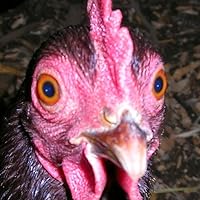
October 18, 2018
This is my third book by Daryl Gregory and I'll just go ahead and add everything he's written to my TBR list. I love the way he writes about family, and his humor is right up my alley.
I thought this book was pretty awesome for the first half, and slightly less so for the second half, but there were still a lot of funny and thoughtful scenes.
A few favorite bits:
Kwang and Stony in the barn with a bow and arrow
Mr. Blunt's puns
Captain Calhoun Fishstix guy and his crazy plan
The Lump
The audiobook narrated by David Marantz was well done.
I thought this book was pretty awesome for the first half, and slightly less so for the second half, but there were still a lot of funny and thoughtful scenes.
A few favorite bits:
Kwang and Stony in the barn with a bow and arrow
Mr. Blunt's puns
Captain Calhoun Fishstix guy and his crazy plan
The Lump
The audiobook narrated by David Marantz was well done.

October 31, 2018
An emotional story about the Mayhall family, and their unusual, zombie son. There's chomping, since it's a zombie story, but it's really about the super strong relationships amongst the iron-willed Mayhall women, who totally upend their lives caring for Stony from when they find him with his dead mother by the road (soonish after the first big zombie apocalypse in 1968) to his middle age when the constantly feared next zombie apocalypse occurs. Because of his upbringing and childhood relationships, Stony has a strong core of kindness and perseverance which guide his actions throughout his life/not-death, and it's his decency that kept me caring about him the whole story. And, Daryl Gregory has created an intriguing undeath for his zombies, with a believable clandestine set of factions within the zombie population; because, of course after the chomping, eventually comes the social and political concerns for the average undead individual.
I was left with a sense of satisfaction at the end of the book, with a certain sadness that I wouldn't find out more about Stony and the Mayhalls.
I was left with a sense of satisfaction at the end of the book, with a certain sadness that I wouldn't find out more about Stony and the Mayhalls.

January 24, 2019
Ahoy there me mateys! I was first introduced to this author with his book afterparty. That book was a sci-fi dealing with illicit drug use (a topic I normally avoid) which I found to be fun, thought-provoking, and twisty. Then me last novel of 2017, spoonbenders, was a five star sci-fi read about psychics (and much more). So when I saw that the library had this title which deals with zombies, well I had to read it.
This book begins in the time after the first zombie apocalypse. Humans got lucky and for the most part the zombie uprising was quashed. However stragglers are out there and the government and populace is in fear of the next outbreak. Wanda Mayhall is living with her three daughters in Iowa when she discovers a dead (for real) teenager and a baby. The baby happens to clearly be one of the undead. Wanda makes a choice to keep the baby despite the consequences of discovery. This is the story of what happens to the baby, Stony.
Well Gregory does it again with an odd and compelling read. In this version of the zombie apocalypse, the dead can rise and bites can cause infection. However, ye only be a ravenous husk for about two days and then lucidity can come back. So there are rational zombies out there. This book treats ye to zombie politics, human and undead relationships, scientific study, religious rationale, and much more.
The novel is told in several parts and follows Stony throughout many decades and chapters of his life. While I loved Stony as a character and his several family groups, the highlight of the book was the ramifications of what happens to the zombies and the unpredictable ways zombism (sp?) progresses. I thought the author stretched those possibilities in some truly unique fun ways. Basically this cements the fact that I need to read more of the author’s work. So if ye like weird, quirky zombies then give this one a chance. Arrr!
Check out me other reviews at https://thecaptainsquartersblog.wordp...
This book begins in the time after the first zombie apocalypse. Humans got lucky and for the most part the zombie uprising was quashed. However stragglers are out there and the government and populace is in fear of the next outbreak. Wanda Mayhall is living with her three daughters in Iowa when she discovers a dead (for real) teenager and a baby. The baby happens to clearly be one of the undead. Wanda makes a choice to keep the baby despite the consequences of discovery. This is the story of what happens to the baby, Stony.
Well Gregory does it again with an odd and compelling read. In this version of the zombie apocalypse, the dead can rise and bites can cause infection. However, ye only be a ravenous husk for about two days and then lucidity can come back. So there are rational zombies out there. This book treats ye to zombie politics, human and undead relationships, scientific study, religious rationale, and much more.
The novel is told in several parts and follows Stony throughout many decades and chapters of his life. While I loved Stony as a character and his several family groups, the highlight of the book was the ramifications of what happens to the zombies and the unpredictable ways zombism (sp?) progresses. I thought the author stretched those possibilities in some truly unique fun ways. Basically this cements the fact that I need to read more of the author’s work. So if ye like weird, quirky zombies then give this one a chance. Arrr!
Check out me other reviews at https://thecaptainsquartersblog.wordp...

August 24, 2021
Una novela genial. Seguiremos el desarrollo del personaje Stony desde bebe y tras la primera pandemia Zombie en los años 60, dónde los afectados viven escondidos del gobierno.
Como la familia Telemacus no es la típica novela y sigue por derroteros bastante diferentes de lo que es habitual. Esto es bueno o malo según lo que vayas buscando. Evidentemente no es la típica novela de zombies.
Como la familia Telemacus no es la típica novela y sigue por derroteros bastante diferentes de lo que es habitual. Esto es bueno o malo según lo que vayas buscando. Evidentemente no es la típica novela de zombies.

May 6, 2021
I adore books like this that:
a) take me way outside my comfort zone (to be fair, it's not as far outside my comfort zone as the descriptions of it as 'gothic' and 'horror' initially led me to believe)
b) manage to be downright hilarious and deadly (ahem) serious at the same time
c) weave complex themes into a compelling plot without becoming pedantic, expositional or - god forbid - a ham-fisted fable
d) hinge on characters that are deeply human and humane (don't get me wrong, I love 'unlikeable characters' too, but they mostly work at an intellectual level; characters like Stony and his family engage my head and my heart).
So, RSM does all this and does it all extremely well. Stony is a fabulous character and I fell in love with him. Leave it to the living dead to illustrate how, and what it means, to be alive and othered but ultimately human.
I'll say that, like all good spec fic, RSM does rely heavily on the metaphor/thought experiment, but there's lots of room to swim around freely in the ideas and bring one's own interpretations and meanings to them.
I'll also add that there was something really magical about how the different parts worked together. Each set a completely new tone and raised a new set of concepts and issues, but they worked cumulatively to enrich the story. I think maybe I noticed this because of my recent experience with Red Pill, which I felt did not do this nearly as effectively.
There were a few threads/themes set up in the beginning that I think didn't get explored sufficiently for my liking (including: ), and there was some funkiness in the POV/narrative voice that set me aback once or twice. I didn't love the ending ; I felt like it was an unneeded denouement that took something away from the climax of the previous chapters, and should've been a proper epilogue instead of a final chapter. Minor quibbles.
Consumed by audio with excellent narration by David Marantz.
P.S., I adore how much work the word 'raising' is doing in the title. This novel's layered cleverness starts, literally, from its very first word. Tip: book club discussion question and/or undergrad essay topic.
a) take me way outside my comfort zone (to be fair, it's not as far outside my comfort zone as the descriptions of it as 'gothic' and 'horror' initially led me to believe)
b) manage to be downright hilarious and deadly (ahem) serious at the same time
c) weave complex themes into a compelling plot without becoming pedantic, expositional or - god forbid - a ham-fisted fable
d) hinge on characters that are deeply human and humane (don't get me wrong, I love 'unlikeable characters' too, but they mostly work at an intellectual level; characters like Stony and his family engage my head and my heart).
So, RSM does all this and does it all extremely well. Stony is a fabulous character and I fell in love with him. Leave it to the living dead to illustrate how, and what it means, to be alive and othered but ultimately human.
I'll say that, like all good spec fic, RSM does rely heavily on the metaphor/thought experiment, but there's lots of room to swim around freely in the ideas and bring one's own interpretations and meanings to them.
I'll also add that there was something really magical about how the different parts worked together. Each set a completely new tone and raised a new set of concepts and issues, but they worked cumulatively to enrich the story. I think maybe I noticed this because of my recent experience with Red Pill, which I felt did not do this nearly as effectively.
There were a few threads/themes set up in the beginning that I think didn't get explored sufficiently for my liking (including: ), and there was some funkiness in the POV/narrative voice that set me aback once or twice. I didn't love the ending ; I felt like it was an unneeded denouement that took something away from the climax of the previous chapters, and should've been a proper epilogue instead of a final chapter. Minor quibbles.
Consumed by audio with excellent narration by David Marantz.
P.S., I adore how much work the word 'raising' is doing in the title. This novel's layered cleverness starts, literally, from its very first word. Tip: book club discussion question and/or undergrad essay topic.

August 23, 2021
8/10
¿Es "Vida y milagros de Stony Mayhall" una novela de zombis? Desde el momento en que a los afectados se les llama exactamente así en varios momentos de la obra, yo diría que la respuesta no puede ser sino afirmativa. Pero ¿es una novela de zombis realmente diferente al acervo habitual? La contestación es también, indudablemente, sí. Gregory ofrece una ucronía de muertos vivientes, cuyo punto Jonbar se sitúa en la década de los ‘60 del siglo pasado, que sigue las vivencias de un personaje ciertamente singular con el que explorar el sentido de la vida y de la muerte. Es esta una novela que encierra un buen número de facetas, un relato sobre el crecimiento juvenil y el paso a la edad adulta, sobre la familia y aquellos lazos que unen más que la sangre, una historia de sociedades secretas y de persecuciones, otra carcelaria, un thriller con cierto empaque conspiranoico y un crescendo catastrofista, una crítica a la marginación y al odio a los diferentes, una denuncia del racismo, un debate político y filosófico… ¿Ciencia ficción, fantasía, horror…? Un poco de cada. Las novelas de zombis, por regla general, suelen tratar sobre los vivos sobreviviendo como pueden. El autor le da la vuelta a la premisa y ofrece una novela sobre los muertos vivientes sobreviviendo, en efecto, como pueden.
Reseña completa en Sagacomic:
https://sagacomic.blogspot.com/2021/0...
¿Es "Vida y milagros de Stony Mayhall" una novela de zombis? Desde el momento en que a los afectados se les llama exactamente así en varios momentos de la obra, yo diría que la respuesta no puede ser sino afirmativa. Pero ¿es una novela de zombis realmente diferente al acervo habitual? La contestación es también, indudablemente, sí. Gregory ofrece una ucronía de muertos vivientes, cuyo punto Jonbar se sitúa en la década de los ‘60 del siglo pasado, que sigue las vivencias de un personaje ciertamente singular con el que explorar el sentido de la vida y de la muerte. Es esta una novela que encierra un buen número de facetas, un relato sobre el crecimiento juvenil y el paso a la edad adulta, sobre la familia y aquellos lazos que unen más que la sangre, una historia de sociedades secretas y de persecuciones, otra carcelaria, un thriller con cierto empaque conspiranoico y un crescendo catastrofista, una crítica a la marginación y al odio a los diferentes, una denuncia del racismo, un debate político y filosófico… ¿Ciencia ficción, fantasía, horror…? Un poco de cada. Las novelas de zombis, por regla general, suelen tratar sobre los vivos sobreviviendo como pueden. El autor le da la vuelta a la premisa y ofrece una novela sobre los muertos vivientes sobreviviendo, en efecto, como pueden.
Reseña completa en Sagacomic:
https://sagacomic.blogspot.com/2021/0...
Displaying 1 - 30 of 562 reviews