Hugo Pratt, born Ugo Eugenio Prat (1927–1995), was an Italian comic book writer and artist. Internationally known for Corto Maltese, a series of adventure comics first published in Italy and France between 1967 and 1991, Pratt is regarded as a pioneer of the literary graphic novel.
Born in Rimini, Italy, Pratt spent his childhood in Venice in a cosmopolitan family environment. In 1937, ten-years old Hugo moved with his parents to Ethiopia, East Africa, following the Italian occupation of the country. Pratt's father eventually died as a prisoner of war in 1942. Hugo himself and his mother spent some time in a British prison camp in Africa, before being sent back to Venice. This childhood experiences shaped Pratt's fascination with military uniforms, machineries and settings, a visual constant in most of his adult works. As a young artist in post-war Italy, Pratt was part of the so-called 'Venice Group', which also included cartoonists Alberto Ongaro, Mario Faustinelli. Their magazine Asso di Picche, launched in 1945, mostly featured adventure comics. In 1949 Pratt moved to Buenos Aires, Argentina, where he worked for various local publishers and interacted with well-known Argentine cartoonists, most notably Alberto Breccia and Solano López, while also teaching at the Escuela Panamericana de Arte. During this period he produced his first notable comic books: Sgt. Kirk and Ernie Pike, written by Héctor Germán Oesterheld; Anna nella jungla, Capitan Cormorant and Wheeling, as a complete author. From the summer of 1959 to the summer of 1960, Pratt lived in London drawing war comics by British scriptwriters for Fleetway Publications. He returned to Argentina for a couple more years, then moved back to Italy in 1962. Here he started collaborating with the comics magazine Il Corriere dei Piccoli, for which he adapted several classics, including works by Robert Louis Stevenson. In 1967, Hugo Pratt and entrepreneur Florenzo Ivaldi created the comics magazine Il Sergente Kirk, named after one of Pratt's original characters. Pratt's most famous work, Una ballata del mare salato (1967, The Ballad of the Salty Sea) was serialised in the pages of this magazine. The story can be seen as one of the first modern graphic novels. It also introduced Pratt's best known character, mariner and adventurer Corto Maltese. Corto became the protagonist of its own series three years later in the French comics magazine Pif gadget. Pratt would continue releasing new Corto Maltese books every few years until 1991. Corto's stories are set in various parts of the world, in a given moment in the first three decades of the 20th century. They often tangently deal with real historical events or real historical figures. The series gave Pratt international notoriety, being eventually translated into fifteen languages. Pratt's other works include Gli scorpioni del deserto (1969-1992), a series of military adventures set in East Africa during WWII, and a few one-shots published for Bonelli's comic magazine Un Uomo Un'Avventura ('One Man One Adventure'), most notably the short story Jesuit Joe (1980, The Man from the Great North). He also scripted a couple of stories for his pupil Milo Manara. Pratt lived in France from 1970 to 1984, then in Switzerland till his death from bowel cancer in 1995.
Znam da je kliše, ali ove ispovijesti Huga Prata Dominiku Ptifou po bog zna koji put dokazuju da život prevazilazi umjetnost. Meni je ova priča bila fascinantnija od Korta Maltezea upravo zbog toga što je sve sušta istina. Hugo Prat je već sa desetak godina završio u Etiopiji, gdje mu je otac službovao, kasnije, sa 13 godina, postaje Musolinijev vojnik i prepješačio je Etiopiju uzduž i poprijeko. Ako ste čitali L'ultimo colpo, kod nas preveden kao Etiopljani znajte da je čovjek prešao svaki korak što je nacrtao. Mnogo je toga u ovoj knjizi, od njegovih seksualnih avantura (ima dijete čak i sa jednom Indijankom iz Amazonije) pa do ezoterije i putovanja. Fascinantna knjiga, najtoplija preporuka svakome!
Iskustvo čitanja ove knjige 2019. pomalo je bizarno: knjiga se čita kao svojevrsna alternativna (muška) povijest 20. stoljeća, samoopravdavajuća, samodovoljna, u velikim retoričkim gestama, s jasnim tzv. muškim pogledom (male gaze) koji je usmjeren uglavnom u visinu ženske "zadnjice". Za razliku od Corta Maltesea koji mi se uvijek činio kultivirano i suzdržano emotivnim, Hugo Pratt u ovim se razgovorima pred čitateljicom oblikuje kao vrlo izravan i samo-fokusiran lik. S Cortom ga ipak povezuje nevjerojatna lakoća kojom svladava prostor: njegova putovanja s kraja na kraj svijeta podsjećaju na stripsko tretiranje prostora. Knjiga je podijeljena na dva dijela: prvi dio se čita brzo, kao što se i živio brzo, i na mene je ostavio neodređeni dojam - riječ je o Prattovim odgovorima na pitanja Dominiquea Petitfauxa o njegovom životu (djetinjstvo i mladost u Italiji i Etiopiji, uključujući i vojničko iskustvo u faštističkoj vojsci, pa i kratku epizodu u njemačkoj nacističkoj uniformi), zatim o radu u Južnoj Americi i Europi u rasponu od kasnih četrdesetih do devedesetih godina 20. stoljeća. Pratt je živio i stvarao popularnu kulturu u tom vremenu, a moj se ne previše povoljan dojam odnosi zapravo na osjećaj da se Pratt može čitati kao personifikacija alternativne ili kontra-kulture 20. stoljeća koja je jasno privilegirana i muška i koja, zbog toga što je muška, nije svjesna u kojoj je mjeri privilegirana. Drugi je dio ostavio bitno povoljniji dojam; u njemu se raspravlja o Prattovoj stripskoj poetici i njezinim izvorima, što je za gorljive, umjerene ili samo blago zainteresirane ljubitelji/ce Corta Maltesea poticajno, pa i fascinantno - čini se kao da Petitfaux svojim profinjenim pitanjima uistinu iz Pratta uspijeva izvući sve tajne lakoće i kreativnosti kojima Pratt, ne samo u Cortovim stripovima, povezuje i transformira svoje mitološke, ezoterijske i popularno-kulturne izvore. Ukratko: nije za potpune početnike.
Ova knjiga je zanimljivija od bilo kog romana! Život huga Prata je bio prepun neobicnih ljudi, ljubavi i putovanja i doživljaja. Sad tek vidim koliko je moj zivot dosadan sa spavanjem do 1 i ne rađenjem nicega. U svakom slučaju jako mi se dopada Hugo Prat bio je jako zanimljiv čovek. Volela bih da ovaj Dominik koji ga je intervjuisao nije dodao i deo u kome umire. Plaklala sam kao kiša kao da je sad umro , a ne 1995. Inače izdanje knjige je mnogo lepo prepuno finih ilustracija. Ima i fosta fotografija i crteža iz stripa. Ne mogu ni da zamislim kako bi Korto Malteze ikada mogao da bude zanimljiviji od samog Prata?! Zato ću morati da ga pročitam!
ler como se tivesse sido transportado para outro tempo, em jeito de mergulho no século XX. diga-se a verdade, nunca morri de amores por colto maltese e pelas histórias de hugo pratt mas a matéria-prima de que faz esta autobiografia em modo entrevista é especialmente rica. pratt parece ser mais interessante do que as suas personagens, mesmo que o fio da sua história contenha passagens a roçar o inverosímil. tanto melhor, que mau seria se só fôssemos feitos de verdade e memórias lineares. este homem habitou de facto outra época, foi um aventureiro, cortou a direito com a herança familiar do fascismo sem renegar os amigos que andaram de camisa negra quando esse era o zeitgeist. amou, viajou, teve filhos, bebeu, foi feliz na sua profissão, guardou muitas histórias para contar, muitas vezes melhores do que a ficção. o que se pode querer mais? também transportou consigo uma parte da alma do seu tempo que hoje faz torcer o nariz a muitos leitores. pelo menos a mim torce-o sem apelo. traços de marialvismo carregado de poeira, que pelo menos não se dá ao trabalho de disfarçar. em suma, vida invejável, ainda por cima ilustrada. chapeau, ou melhor, cappello, signore pratt.
"Želja da se bude beskoristan" nije biografija u pravom smislu riječi - to je niz razgovora sa Hugom Prattom, jednim od svakako najznačajnijih strip crtača svih vremena, vjerovatno široj javnosti poznatog po liku Korta Maltezea. Bogato opremljena fotografijama i crtežima knjiga zaista evocira sjećanja samog Pratta na vlastito odrastanje, putovanja, ljubavi, život. Ipak, osim fizičke forme koje je besprekorna, uradjena sa beskrajnom pedantnošću, ova knjiga zapravo ne nudi ništa više - i to je problem sa biografijama - ovo je ništa drugo do razgovor dvojice ljudi - možda interesantan recimo na primjer nekom koga zanima da napiše neku priču o Prattu ili neko obimnije djelo, daće vam samo jedan dugi niz podataka koji će vas možda zanimati, a možda i neće.
"I know thirteen ways to tell the story of my life. Today I choose the seventh…"
It took me almost two years to finish this one. Not because it’s long, as there is a lot of Pratt’s beautiful art in it. But first part of the book pissed me off. As it was a present and I love Corto, I slowly persisted. And, the second part was more than worth it.
The first part of the book is the seventh way Pratt chose to tell the story of his life – a life of fascist past, putting friendship as the thing one holds above all, yet holding no regards to women in his live that come and are left behind, always seeking new adventure.
Does it remind you of his well-known and even more loved wanderer, Corto Maltese? Well, yes, though I personally liked Corto much more, knowing about him as much as his short lines allow, no more, and no less.
So I marked Prat as a fascist, chauvinist and whatnot.
And then came the second part…
And now I like Prat again.
What gives?
In the first part, Petitfaux tried following Pratt through his many adventures, admitting, at points, that he lost him in all the places and names. He tried to give a detailed overview of Pratt’s life, as fascinating as that life has been, it often came out as no more than a checklist.
Now, in the second part, he tried to enter Pratt’s mind. And there he did marvellously. I may or may not agree with all Prat says. But here is where his mind shines, here is that he is no longer a fascist, but a child of his time, who is not trying to deny the past that happened to him when he was too young to know better. Here is where you will see Petitfaux trying to lure him into speaking about his love conquest, and hear Pratt speak with respect about women in his life. Here is when he will reflect on war and career heroes, and reveal why his literary contemporaries find him useless.
Yet, the second part would cut less deep, had it not been for the first one.
If you would like to know about the Author of the bohemian Corto Maltese then this is the book for you. I really enjoyed the interview woven in with historic context - Pratt really did have a certain charm and his honesty can be disarming sometimes. He isn't a saint but a person with all their flaws. I really enjoyed understanding the historical context of the world at the time of him creating Corto and how it all influenced each other.
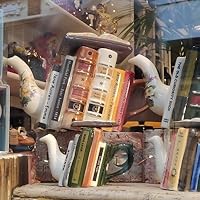
« Il ne me manque plus que d’avoir des vacances pour pouvoir lire mes livres tranquillement : autrefois, je consacrais mon temps libre à la recherche de livres, maintenant j’ai les livres mais plus de temps libre. Un livre peut dormir pendant des années sur un rayon, puis un jour j’ai besoin de lui ; je le retrouve, et il me semble qu’il m’en veut de l’avoir délaissé si longtemps. Je suis le nomade de ma bibliothèque. Parfois, dans un vieux livre, je découvre un papier que quelqu’un a laissé, une fleur séchée. Il ne me déplairait pas de finir ainsi, sec et aplati entre les pages d’un livre. Bien sûr, je ne ressemblerais pas à une primerose, peut-être même serais-je effrayant, mais néanmoins j’aimerais finir ainsi. » Hugo Pratt
J’ai grandi avec Hugo Pratt, Corto Maltese est peut-être même le premier personnage littéraire que j’ai découvert. Cet univers fait de voyages et d’aventures, empreint d’une profonde mélancolie et de poésie m’a toujours touché. Il n’y a que Corto pour si bien incarner la liberté.
Bien qu’il soit suivi de près par son créateur… Hugo Pratt a eu une vie absolument incroyable, voire trop pour être vraie ? « J’ai treize façons de raconter ma vie et je ne sais pas s'il y en a une de vraie, ou même si l’une est plus vraie que l’autre. » Peu importe la véridicité du conte, ces entretiens avec Dominique Petitfaux sont passionnants et émouvants.
Né en Italie en 1927, une enfance passée à Venise dans une famille fasciste aussi cosmopolite que l’on puisse l’être, il part à l’aube de l’adolescence en Ethiopie pour participer à la guerre que perdra l’Italie. A 13 ans il est le plus jeune soldat de l’armée fasciste. C’est suite à la défaite qu’il se distancera de la guerre, qu’il remettra en question les idéaux de la bannière qu’il servait. Après cela, plusieurs engagements, beaucoup d’opportunisme mais toujours mené par une éthique : être fidèle à ses amis (nombreux, varié, et toujours dans les deux camps) plutôt qu’à une armée, un pays, un religion ou une langue. Il lance ensuite sa carrière de dessinateur de bandes-dessinées, d’abord en Argentine, puis Corto Maltese en France qui lui assurera enfin la célébrité. De (très) nombreux voyages, deux mariages, et six enfants plus tard, le bonhomme meurt en Suisse, à 68 ans, entouré de ses quelques 35.000 livres.
J’ai aimé ce livre, j’ai aimé pouvoir écouter la voix de quelqu’un d’aussi attachant pendant quelques heures. Une profonde mélancolie m’est tombé dessus, Hugo Pratt est pour moi la figure d’une époque révolue, où l’aventure était encore possible. C’est un homme que seul le XXe siècle pouvait produire. Sans tomber dans la nostalgie réactionnaire, je ne suis pas sûre de vraiment apprécier le XXIe…