Written 1929 but first published in 1950, the characters in this caustically witty novel include six brother/sister pairs. Brothers and Sisters is about a willful woman who inadvertently marries her half brother. In common with most of her novels, this 1929 book revolves around the secrets, evasions and general awfulness of Edwardian family life.
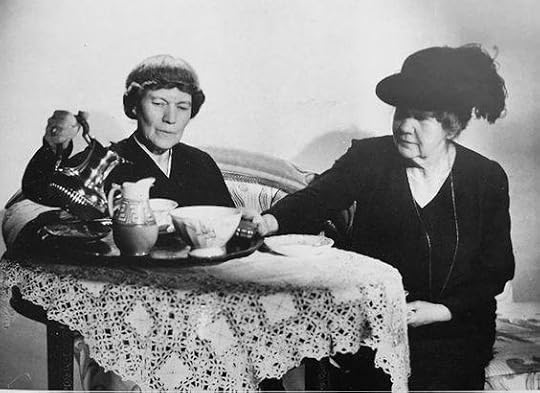
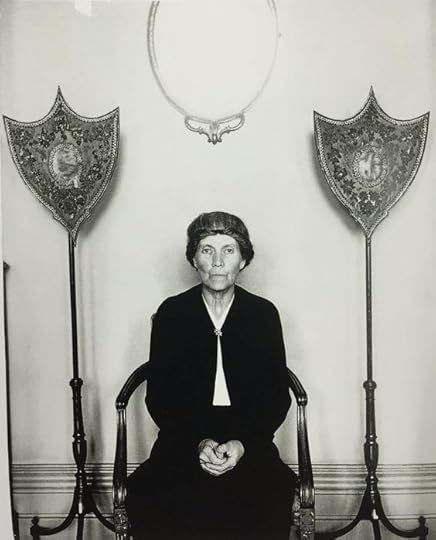
Dame Ivy Compton-Burnett, DBE was an English novelist, published (in the original hardback editions) as I. Compton-Burnett. Her works consist mainly of dialogue and focus on family life among the late Victorian or Edwardian upper middle class. She was awarded the 1955 James Tait Black Memorial Prize for her novel Mother and Son.
Fratelli e sorelle fu pubblicato nel 1929 ed è il terzo romanzo di Ivy Compton-Burnett, anche se per certi versi è il secondo in quanto la scrittrice inglese rinnegò il suo debutto considerandolo "qualcosa che si scrive da ragazzi".
Fin dal titolo siamo dentro uno dei suoi temi più ricorrenti: l’incesto. Perché, seppure Sofia e Christian, la coppia protagonista, siano fratellastri e non fratello e sorella, si sono comunque legati in matrimonio, e quindi trattasi d’unione incestuosa. Certo, non lo sapevano, lo scoprono a cose consumate. Ma il fattaccio rimane.
Il tè e l’incesto non mancano mai, in nessuna sua trama, consumati con eguale frequenza e analogo tedio. E ogni conversazione appare fitta di sottintesi criptici che i familiari intendono e l’estraneo no. Così spiega Alberto Arbasino che, per quanto riguarda il vecchio stivale italico, di Miss Ivy, da lui battezzata la Grande Signorina, fu probabilmente lo scopritore e il maggiore sponsor.
I fratelli Burnett erano braccianti e fittavoli sin dal Settecento e venivano da Gavelacre. A fine Ottocento due figli Burnett decisero di cercare fortuna altrove e spacciandosi per piccoli proprietari terrieri, terre che però non possedevano, impalmarono due sorelle, le sorelle Compton, figlie di commercianti benestanti originari di Winchester. Ecco come nacque la famiglia compton-Burnett.
Il nonno di Ivy, che morì un anno prima che la nipote nascesse, sposò una Wilson. Solo che il mese prima sua sorella aveva sposato il fratello di quella Wilson. E due anni dopo il fratello maggiore del nonno di Ivy sposerà un’altra sorella Wilson. Come dire che “fratelli e sorelle” è roba di famiglia.
D’altronde, il padre di Ivy sposò la madre di Ivy in seconde nozze portando in dote dal primo matrimonio ben cinque figli: non contento, pur se in età già piuttosto avanzata, in questo secondo matrimonio generò altri sette figli, e la prima fu proprio Ivy.
Relazioni interfamiliari, rapporti diversificati che si stabiliscono dentro la casa con preferenze, simpatie, predilezioni. Andrew e Dinah, fratello e sorella e l'enigma della separazione, la volontà di sposare altri per non incombere nel timore di voler vivere insieme il resto della loro vita. Si parla di incesto, si parla di fragilità con molta finezza e conoscenza, giacché si ritiene il testo fortemente autobiografico per la Compton - Burnett, che parla a noi con cognizione di causa e persino coraggio.
Dopo "Servo e Serva" eccomi a "Fratelli e Sorelle". Ivy Compton-burnett è una droga. Ma attenzione, puoi anche odiarla. Non ci sono mezze misure. Io la amo. Amo tutto il "non detto" nascosto dietro i dialoghi superficiali, amo l'ironia tragica di tutti i suoi romanzi. Amo il flusso infinito dei dialoghi e la caratterizzazione dei suoi personaggi. Della trama non parlo. Ivy va riscoperta, ristampata e riletta da tutti. "Il ritmo del suo scrivere non è nè lento nè rapido: è il ritmo eguale e senza scampo di chi sa dove deve andare. La sua pazienza è martellante ed infernale“ Natalia Ginzburg, La Grande Signorina (1969)
This book is full of an awful brutality even though the things the domineering mother does don't seem that bad, relatively speaking. I mean obviously she makes her children's lives a misery but she doesn't seem to have perpetrated any actual crimes (besides the will thing). What struck me as odd was Austen would have made something funny of many of Sophia's lines, but in this book the lines are so menacing. Maybe this says more about Austen's mercilessness in the pursuit of comedy than about Sophia's lack of menace.
As ever Compton-Burnett is a challenging read, but an absorbing one. I don't know how she makes everyday things so inexplicable. (Though "everyday" is a bit of a misnomer; the plot and setting are not really everyday.)
Description of a character as being "an almost startling example of failure to rise above a lack of advantages" -- ouch!
Leggendo uno scritto di Natalia Ginzburg ho incontrato per la prima volta il nome di questa scrittrice inglese, così apprezzata dalla Ginzburg e da tantissimi altri scrittori. Però da quanto ho visto non è molto conosciuta ed è un peccato. Penso che questo romanzo dia adito a diverse letture e a differenti valutazioni. Mancano le descrizioni dettagliate sia degli ambienti che delle persone, anzi manca una vera e propria analisi psicologica dei personaggi. e penso che questo sia l’aspetto più interessante di tutta la sua scrittura. Sono i dialoghi, numerosi a volte ridondanti che svelano nel modo più chiaro possibile il vero carattere dei personaggi. I colloqui, per esempio, o meglio i monologhi che Sophia fa con i figli rivelano certo l’affetto che lei ha verso di loro ma soprattutto il suo egocentrismo e il suo egoismo. Attraverso il linguaggio formale della società inglese dell’epoca vengono evidenziati proprio i vizi, gli egoismi e la falsità della stessa comunità. Penso che non mi fermerò solo a questo libro!
This story of three generations of the Stace family and the relationships within that family, and of the three Stace siblings in their twenties with four other similar brother/sister families is a typically uncomfortable ride, with shocking revelations driving the story.
Re the author:
Apart from Dolores (1911), a traditional novel she later rejected as something "one wrote as a girl", Compton-Burnett's fiction deals with domestic situations in large households which, to all intents and purposes, invariably seem Edwardian. The description of human weaknesses and foibles of all sorts pervades her work, and the family that emerges from each of her novels must be seen as dysfunctional in one way or another. Starting with Pastors and Masters (1925), Compton-Burnett developed a highly individualistic style. Her fiction relies heavily on dialogue and demands constant attention on the reader's part: there are instances in her work where important information is casually mentioned in a half sentence. Her use of punctuation is deliberately perfunctory: there are no colons or semi-colons, no exclamation marks,
A very strange style of writing. Almost all conversation and with abrupt switches to other settings with other people. Nevertheless entertaining. Some of the characters are barely distinguishable but the story is interesting and unintentionally (I presume) rather funny.
Fratelli e sorelle è un libro ipnotico. La prosa della Compton-Burnett, fatta praticamente solo di dialoghi, dopo un primo momento di sconcerto avvolge il lettore in una atmosfera particolare, da cui è difficile staccarsi: si leggono così decine di pagine, tutte scandite dallo stesso tono, dalla stessa apparente leggerezza e fatuità, entrando a poco a poco in un mondo di relazioni tra le persone fondate sull'incommensurabile distanza tra ciò che si dice e ciò che si pensa, tra ciò che si appare e ciò che si è. La forza del libro sta proprio nel fatto che l'autrice non ci dice queste cose: non ci sono quasi mai commenti, interpretazioni e interventi del narratore: è solo dai dialoghi, dalla giustapposizione delle frasi dette da ciascuno dei personaggi che si deve comprendere ciò che è nascosto sotto l'apparenza, dietro il significato letterale delle parole. Si prenda ad esempio il personaggio di Sophia, centrale nel romanzo: non uno dei suoi dialoghi con i figli manca di trasudare il più assoluto amore per loro: eppure, frase dopo frase, dialogo dopo dialogo, si finisce per tratteggiare Sophia come ipocrita e tirannica nei confronti della prole. Qui sta il grande fascino di questo libro: è stato scritto da una Dama inglese nei primi decenni del '900, utilizza un linguaggio che fa propri tutti i formalismi stereotipicamente tipici della società britannica, ma proprio attraverso l'uso di un tale linguaggio smaschera in maniera impietosa i vizi e le tare di quella società. Con questa storia Ivy Compton-Burnett sembra dirci che le tare che caratterizzano l'ambiente sociale della borghesia terriera inglese sono tare strutturali: nel caso della famiglia Stace, protagonista del libro, derivano dagli stessi rapporti di parentela tra i vari membri, che sono ambigui e confusi a causa di una antica “colpa” del capostipite. Il riverbero di tale “colpa” sui nipoti impedirà loro di uscire dalla cerchia familiare, e a questi non resterà, alla fine del libro, che continuare a vivere insieme, perpetuando la confusione e l'ambiguità dei ruoli. Forse solo il piccolo Robin riuscirà a strapparsi alla maledizione degli Stace. Del resto anche il destino delle altre tre coppie di fratelli e sorelle che popolano il libro non appare migliore: alcuni si sposeranno, ma la loro prospettiva sembra minata dalla consapevolezza che si tratta di una soluzione di ripiego, perché non si può restare scapoli e zitelle senza essere additati come “irregolari”. Insomma, la Compton-Burnett sembra dirci che non esistono alternative, per come è strutturata la società, tra aderire senza entusiasmo alle convenzioni che ci impone e perdere ogni possibilità di farne parte. O meglio, una alternativa esiste, ed è rappresentata da come agisce la famiglia del cugino Peter: non si fa tanti problemi o scrupoli ed alla fine porta a casa “la roba”.
This is my 7th Ivy Compton-Burnett and while it wouldn't be true to say they're all exactly alike, there are definitely common themes that run through them all - dysfunctional families with narcissistic members, cruelly witty dialogue, and deaths of parents. There are often remarriages and step-parents, and sometimes, as in Brothers and Sisters, we also have incest or potential incest when a spouse or fiancé turns out to be a character's illegitimate half-sibling.
I think there are a total of six brother/sister pairs in this book, although I lost track of who was who at times. Anyway, they're all a lot closer than any brother/sister pairs I have known. We rarely saw one member of a pair without the other, and if they were going to marry, they would marry another of the brother/sister pairs (or even their own brother/sister). Revelations of family secrets prevent some of the marriages, and a good thing too, the author seems to suggest. In fact, after reading a few of her novels, one is inclined to agree that the fewer marriages there are in the Compton-Burnett world the better, because a marriage will inevitably create another nightmarish family.
Perhaps I'm Compton-Burnetted-out and if I'd read this one first I would have liked it more, but as it was, it was my least favourite.
Andrew Stace has forbidden his daughter Sophia and adopted son Christian to consider marriage to each other and sends Christian away to prevent it; but upon his death, Sophia immediately announces their engagement. Thirty years later, the Staces have three adult children, the older Andrew and Dinah become engaged to Gilbert and Caroline Lang, who have just moved into the village with their mother. Mrs. Lang discovers than Christian Stace is her illegitimate son, given up for adoption as an infant. Sophia believes that her father's desk contains a will which will disinherit her and Christian due to their marriage, but unknown to her the will was burned and replaced with a letter addressed to Christian by her father. The reveals that he is Christian's biological as well as adoptive father. Discovery of this letter (at Sophia's prompting) kills Christian immediately and, eventually, Sophia. Their children leave the village for London to seek to escape the shame of their ancestry which has become common knowledge in the village. Oedipus Previous: Pastors and Masters Next: Men And Wives
This entire review has been hidden because of spoilers.
A very strange and intriguing book with fascinating characters. At the end, I don't really understand what the author was trying to accomplish, but I felt like she succeeded.