

What do you think?

The Blue Castle
Valancy lives a drab life with her overbearing mother and prying aunt. Then a shocking diagnosis from Dr. Trent prompts her to make a fresh start. For the first time, she does and says exactly what she feels. As she expands her limited horizons, Valancy undergoes a transformation, discovering a new world of love and happiness. One of Lucy Maud Montgomery's only novels intended for an adult audience, The Blue Castle is filled with humour and romance.
272 pages, Paperback
First published January 1, 1926
About the author
L.M. Montgomery
1,815 books13.9k followersLucy Maud Montgomery was a Canadian author whose novels, stories, essays and poems made her one of the most widely read writers in Canadian literary history. Publishing under the name L. M. Montgomery, she achieved international recognition with the novel Anne of Green Gables, released in 1908, which quickly became a bestseller and introduced readers to the imaginative orphan Anne Shirley. The success of the book transformed Montgomery from a schoolteacher and magazine contributor into a celebrated literary figure whose work reached audiences far beyond Canada. Raised on Prince Edward Island, she drew deeply on its landscapes, rural communities, and storytelling traditions, turning the island into the setting for many of her novels. The popularity of Anne of Green Gables led to numerous sequels, including Anne of Avonlea and Anne of the Island, establishing a beloved series that followed Anne from childhood to adulthood. Montgomery continued to write steadily throughout her life, producing twenty novels and more than a thousand short stories poems and essays. Her fiction often centered on young women, personal growth, and the emotional ties between people and place, combining gentle humor with reflections on memory, imagination, and belonging. Although she enjoyed enormous popularity, Montgomery also faced personal difficulties, including long periods of depression and the strain of caring for her husband, a Presbyterian minister who struggled with mental illness. Writing became both a profession and a refuge, allowing her to transform memories of childhood and observation of everyday life into vivid storytelling. In addition to the Anne series, she created other notable works, including the Emily novels and several stand alone stories that explored identity, creativity, and attachment to home. Her books were translated widely and attracted devoted readers around the world, helping shape the international image of Prince Edward Island as a place of pastoral beauty and warm community life. Scholars later studied her extensive journals letters and manuscripts, which revealed the complex inner life behind the cheerful tone of many of her books. By the time of her death in 1942, Montgomery had become one of the most successful and influential authors in Canadian literature. Her stories about imagination, resilience, and the search for belonging continue to inspire readers of all ages, and Anne Shirley remains one of the most recognizable characters in children's fiction. Through generations of readers, Montgomery's work has encouraged appreciation for storytelling, nature, and the emotional richness of ordinary life. Her legacy also includes a vast body of diaries and correspondence that document the challenges faced by a professional woman writer in the early twentieth century. Institutions such as the L. M. Montgomery Institute have continued to examine her influence on literature culture and tourism, particularly on Prince Edward Island, where sites associated with her fiction attract visitors from many countries. Adaptations of Anne of Green Gables for film, television, and theatre have introduced new audiences to her stories, ensuring that her characters remain part of global popular culture. Though critical opinion once dismissed her as merely a writer for children, later scholarship recognized the depth of her themes and the enduring craft of her storytelling. Today she is remembered as a central figure in Canadian literature whose imaginative vision gave voice to the beauty of rural life while celebrating the hopes of young dreamers who search for belonging.
Ratings & Reviews
Friends & Following
Create a free account to discover what your friends think of this book!
Community Reviews
Displaying 1 - 30 of 10,260 reviews

March 5, 2012
I arrived late to the L.M. Montgomery party, not having grown up with her stories as a young girl, but rather read them for the first time in my late 20's. Knowing what I know now about the beauty and magic of her books, I realize I missed out of some major reading adventures with Anne, Emily, Pat and gang, and will consequently never be able to wax nostalgic about how those books effected my life (which is probably for the best, as I tend to go into sappy, melodramatic overdrive when I really love a book - you know it's true, my GR friends) :P
But in the case of The Blue Castle, it's a good thing I didn't pick this up to read until I was about the age of Valency, because I don't think a younger girl would be able to fully appreciate this story as much a young woman who has lived a little. This is one of Montgomery's only books written with an adult audience in mind, and it wasn't highly acclaimed at the time of publication or for several decades afterwards. It definitely deals with more adult themes, and does so with a very sympathetic hand. I have since learned more about Montgomery's less-then-fairytale life, and it makes me appreciate her talents even more.
If Jane Austen's Persuasion is all about second chances in life, then Montgomery's The Blue Castle is all about allowing oneself to have a chance at all. Valancy's road to independence at the age of 29 is chock-full of convenient coincidences that happen in order for her (and the story) to blossom, but those plot contrivances thankfully don't lessen the appeal of the story. While the majority of the characters are one dimensional and make only a brief appearance, Montgomery perfectly captured the character of Valancy, her mother, Roaring Abel, Cissie, and Barney Snaith. And speaking of Barney Snaith, was there EVER a swoon-worthy hero with a more dumpy name in the history of fiction? Good grief, the man oozes sex appeal, but no reader ever brings him up in discussions of great fictional heros, and I am convinced it's because of his name. Think about it:
Gone with the Wind: Barney Butler....
Pride and Prejudice: Barney Darcy....
Twilight: Barney Cullen....
I rest my case.
But in the case of The Blue Castle, it's a good thing I didn't pick this up to read until I was about the age of Valency, because I don't think a younger girl would be able to fully appreciate this story as much a young woman who has lived a little. This is one of Montgomery's only books written with an adult audience in mind, and it wasn't highly acclaimed at the time of publication or for several decades afterwards. It definitely deals with more adult themes, and does so with a very sympathetic hand. I have since learned more about Montgomery's less-then-fairytale life, and it makes me appreciate her talents even more.
If Jane Austen's Persuasion is all about second chances in life, then Montgomery's The Blue Castle is all about allowing oneself to have a chance at all. Valancy's road to independence at the age of 29 is chock-full of convenient coincidences that happen in order for her (and the story) to blossom, but those plot contrivances thankfully don't lessen the appeal of the story. While the majority of the characters are one dimensional and make only a brief appearance, Montgomery perfectly captured the character of Valancy, her mother, Roaring Abel, Cissie, and Barney Snaith. And speaking of Barney Snaith, was there EVER a swoon-worthy hero with a more dumpy name in the history of fiction? Good grief, the man oozes sex appeal, but no reader ever brings him up in discussions of great fictional heros, and I am convinced it's because of his name. Think about it:
Gone with the Wind: Barney Butler....
Pride and Prejudice: Barney Darcy....
Twilight: Barney Cullen....
I rest my case.

March 26, 2014
If you think your relatives argue too much over Sunday dinner or are just impossible to live with

try Valancy Stirling's family.
Written in 1926 by the author of the beloved Anne of Green Gables series, this is the story of Valancy, a 29 year old timid mouse of a person, considered an old maid by her family and the town generally. She does what everyone asks even when she hates it, quails before her insolent relatives, never talks back (except in her own mind), cries herself to sleep on a regular basis, and overall lives a thoroughly miserable life. Her only solace is the imaginary Blue Castle she lives in when she daydreams, and the poetic nature books of John Foster, which speak to her heart.
One day Valancy, without telling her family, sneaks off to the doctor to find out why her heart has been bothering her. The doctor examines her, but rushes off in an emergency before he can give her a diagnosis. The letter she gets a day or two later from the doctor informs her that she has a severe heart condition, and less than a year to live.
Oddly enough, this death sentence frees Valancy from her miserable existence. With nothing to lose, she starts sassing her ice-cold mother and relatives, begins wearing "unsuitable" clothing, moves out of the family home, and generally starts doing what she wants to without a thought for propriety. It's lovely to see her bloom and gain confidence, and begin to seek out happiness and love on her own terms. And eventually (I won't spoil the story by going into the hows and whys) she finds a home in a cottage by the lake that reminds her of her beloved Blue Castle.

This really is an old-fashioned, romantic "wish fulfillment" type of tale, and you have to just appreciate it for what it is. A few things kind of bothered me: You have to wade through a fair amount of misery in the beginning of the book before Valancy decides to grow a spine (I recommended this book to my mother, and she texted me for two days whining about the first part and asking me if I was certain she was going to like this book). The plot is also pretty transparent: there are a couple of . . . developments (I can't really call them twists) that I could see coming from almost the very beginning of the book. But the lyrical, loving descriptions of the beauties of nature, a sweet romance and the witty humor touched my heart and won me over. Forget whatever shortcomings there are and just enjoy the ride.
If you like Anne of Green Gables and other old-fashioned books, you'll probably love this one. And you might pick up a few handy insults to use with your relatives when they get insufferable.
4.5 stars.
try Valancy Stirling's family.
Written in 1926 by the author of the beloved Anne of Green Gables series, this is the story of Valancy, a 29 year old timid mouse of a person, considered an old maid by her family and the town generally. She does what everyone asks even when she hates it, quails before her insolent relatives, never talks back (except in her own mind), cries herself to sleep on a regular basis, and overall lives a thoroughly miserable life. Her only solace is the imaginary Blue Castle she lives in when she daydreams, and the poetic nature books of John Foster, which speak to her heart.
One day Valancy, without telling her family, sneaks off to the doctor to find out why her heart has been bothering her. The doctor examines her, but rushes off in an emergency before he can give her a diagnosis. The letter she gets a day or two later from the doctor informs her that she has a severe heart condition, and less than a year to live.
Oddly enough, this death sentence frees Valancy from her miserable existence. With nothing to lose, she starts sassing her ice-cold mother and relatives, begins wearing "unsuitable" clothing, moves out of the family home, and generally starts doing what she wants to without a thought for propriety. It's lovely to see her bloom and gain confidence, and begin to seek out happiness and love on her own terms. And eventually (I won't spoil the story by going into the hows and whys) she finds a home in a cottage by the lake that reminds her of her beloved Blue Castle.
This really is an old-fashioned, romantic "wish fulfillment" type of tale, and you have to just appreciate it for what it is. A few things kind of bothered me: You have to wade through a fair amount of misery in the beginning of the book before Valancy decides to grow a spine (I recommended this book to my mother, and she texted me for two days whining about the first part and asking me if I was certain she was going to like this book). The plot is also pretty transparent: there are a couple of . . . developments (I can't really call them twists) that I could see coming from almost the very beginning of the book. But the lyrical, loving descriptions of the beauties of nature, a sweet romance and the witty humor touched my heart and won me over. Forget whatever shortcomings there are and just enjoy the ride.
If you like Anne of Green Gables and other old-fashioned books, you'll probably love this one. And you might pick up a few handy insults to use with your relatives when they get insufferable.
4.5 stars.

May 12, 2020
2020: 4/5
2022: 5/5 Sięgnęłam po inne tłumaczenie (nieskrócone wydanie) i UWIELBIAM!
2025: 5/5 to jedna z tych książek, które mogłabym czytać ciągle od nowa…
2025 wrzesień: 5/5 podpisuję się pod tym co napisałam wyżej. Tłumaczenie Kai jest świetne. Brawo i gratulacje!
2022: 5/5 Sięgnęłam po inne tłumaczenie (nieskrócone wydanie) i UWIELBIAM!
2025: 5/5 to jedna z tych książek, które mogłabym czytać ciągle od nowa…
2025 wrzesień: 5/5 podpisuję się pod tym co napisałam wyżej. Tłumaczenie Kai jest świetne. Brawo i gratulacje!
October 18, 2022
I HAD TEARS AND SMILE THROUGHOUT.
Warning- This novel is endearing and filled with ardour to a dangerous level, that one can risk into crooning and canoodling with the novel throughout!
Nothing could put the 2 of us asunder! 😊
Reading this was like finding a niche in the middle of this gruesome reality!
Quick Plot Summary -
Trying to bring together all the broken pieces of life, coming out of the fear of living, after knowing she has only a year left to live (coz of a fatal heart disease), the 29-year old Valancy Stirling (labelled as an oldmaid) no longer cares about the society, and family members. In short, she decides to stop impressing others, and takes an avowal to start living for herself and experience what all she had dreamt till date for herself!
She wishes to experience being with the man of her dreams and be in her dream house, which she refers to as “The Blue Castle”. Taking the reins of her life in her hands, she decides to live, and be a priority and not an option any more. She finally takes control!!
Post coming out of the clutches of her domineering and imperious family, she lands into a job of a caretaker of one of her former schoolmates, Cissy(who is passing away due to consumption). While working, she develops closeness with Barney Snaith!
After Cissy passes away, Valancy asks Barney to marry her, while confessing that she is about to die soon! Agreeing on the proposal, he takes her to live on his island in the woods, which ofcourse Valancy calls as “The Blue Castle”.
Having spent over a year, her heart health improves, and finally the disease vanishes. In course of events, they realise that the diagnosis was erroneous, and she never had any heart problem. Finally, the family re-unites, and all live happily ever after! 😊
########################################
MY VIEWS-
Epitome of Independence, and being true to one’s own identity, for traversing the path to true happiness, this novel defines adopting escapism vicariously to splinter the shackles of double society standards. Valancy’s family as a unit is metaphorical of this society, who constantly bullies Valancy, belittles and condescends her, and to escape the petrifying reality, Valancy builds her own “Blue Castle” in her dreams.
She is forever made to feel like an outsider, and is called a Doss! Blue castle, as an imaginary place, comes to her rescue, which she finally MANIFESTS!
An enthralling 4-stars for this book of novelty and prose, profusely laden with flora and fauna!
With an atmospheric and vibrant writing, it is an engaging, compelling, and an enjoyable read. Apt as a winter-read for the biting yet romantic season, to be accompanied with a hot cup of cocoa in hand!
From a stifling life to a vibrant life with her dream guy in her dream house, “The Blue castle” propounds about finding life and living it! 😊
Valancy, ultimately finds what she desired for, hope we too!
My fav part is the conversation between Barney and Valancy, which encapsulates the essence of the novel (with teary and smiling eyes 😊)-
"You see--I've never had any real life," she said. "I've just--breathed. Every door has always been shut to me."
My heart almost skipped a beat, when I went through the following lines (These are my favorite lines, I have ever read)-
"Isn't it better to have your heart broken than to have it wither up?" queried Valancy. "Before it could be broken it must have felt something splendid. That would be worth the pain."
Few other notable ones-
"John Foster says," quoted Valancy, "'If you can sit in silence with a person for half an hour and yet be entirely comfortable, you and that person can be friends. If you cannot, friends you'll never be and you need not waste time in trying.'"
The epitome of LOVE-
After the meal was over they would sit there and talk for hours--or sit and say nothing, in all the languages of the world, Barney pulling away at his pipe, Valancy dreaming idly and deliciously, gazing at the far-off hills beyond…
The epitome of ROMANCE-
"Not lovelier. But a different kind of loveliness. There are so many kinds of loveliness. Valancy, before this year you've spent all your life in ugliness. You know nothing of the beauty of the world. We'll climb mountains--hunt for 192 treasures in the bazaars of Samarcand--search out the magic of east and west--run hand in hand to the rim of the world. I want to show you it all--see it again through your eyes. Girl, there are a million things I want to show you--do with you--say to you. It will take a lifetime. And we must see about that picture by Tierney, after all."
A laudable work by LM Montogomery, not set on Prince Edward Island, like all her other works! 😊
Nb- I have docked a star, wishing if Barney Snaith was introduced earlier, or the romance quotient, was increased a tad more. This is a plea from a die-heart romantic like me!! :P

January 29, 2025
The Blue Castle is without a doubt a new all time favorite classic of mine. It is also further proof that L. M. Montgomery was (and still is) a literary genius and icon!
L. M. Montgomery’s humor in this story is exceptional. Her (or should I say the main character, Valancy’s) wit and sarcasm made me genuinely laugh out loud multiple times while reading. In a way, it reminded me a lot of the humor found in the works of Jane Austen (who I adore, of course).
I’m overjoyed to say that I love this book just as much as I love the Anne series. Although they are very different in many ways, both stories have the same magic, wonder, imagination, and beauty… L. M. Montgomery’s literary landmarks! Finally, I can’t forget to mention how gorgeously she captures the places her stories are set. Every tree, sunset, and glimmer of light is always described in full detail, honoring the extraordinary beauty of the natural world around us.
This book is a must read, especially if you love the Anne series and the works of Jane Austen!
L. M. Montgomery’s humor in this story is exceptional. Her (or should I say the main character, Valancy’s) wit and sarcasm made me genuinely laugh out loud multiple times while reading. In a way, it reminded me a lot of the humor found in the works of Jane Austen (who I adore, of course).
I’m overjoyed to say that I love this book just as much as I love the Anne series. Although they are very different in many ways, both stories have the same magic, wonder, imagination, and beauty… L. M. Montgomery’s literary landmarks! Finally, I can’t forget to mention how gorgeously she captures the places her stories are set. Every tree, sunset, and glimmer of light is always described in full detail, honoring the extraordinary beauty of the natural world around us.
This book is a must read, especially if you love the Anne series and the works of Jane Austen!

Read
November 8, 2020Hello one of my favourite books of all time, recently re-read to get me through what was a fairly stressful week, even for someone an ocean-away from the stress epicentre.
The Blue Castle just a goddamn fucking balm. Always.
The heroine, Valancy Stirling (my stars, what a name), is unmarried and twenty-something at a time when being unmarried twenty-something means your life is a total waste. Her family are repressive and awful beyond belief. Then she receives the news that she has a fatal heart condition and will die within a year.
Queue Valancy Now-Voyagering out and deciding to spend her last year actually living. Sliding down bannisters. Trying to shape for herself a life that actually makes her happy. Telling her awful family exactly what she thinks of them. And, as it happens, impulsively marrying a mysterious, wood-dwelling man called Barney Snaith (my stars, what a name in A BAD WAY). It’s kind of a pity-fuck marriage in the sense that Valancy is in love with him and Barney is trying to be a good person. But they move into his cottage on an island and proceed to be very, very happy together.
There’s some HIGHLY DRAMATIC twists and revelations in the final third which should dbe too pat, too perfect but … are actually just right for the story. Needless to say, spoilers ho, Valancy doesn’t die. Barney does fall in love with her. The blue castle—Valancy’s metaphor for her happiness—is real.
What I love about this book is that its simultaneously sweet as pie and sharp as fuck. The scene where Valancy lays the almighty smackdown on her family is worth the price of admission alone. But, in general, it’s full of hope, optimism, whimsy and the beauty of things both big and small. The other thing I’m kind of very here for is Valancy’s commitment to her own happiness. She’s not ambitious, she longs for romance, she doesn’t want to change THE world, just HER world. I think it’s fairly rarely to find a protagonist who is allowed to have such personal goals. Rare still that she allowed to achieve them.
Read this book when you need to be reminded that love is important, your own happiness is worth striving for, ambition can begin and end with yourself, and sometimes you just gotta tell vile people exactly what you think of them.
The Blue Castle just a goddamn fucking balm. Always.
The heroine, Valancy Stirling (my stars, what a name), is unmarried and twenty-something at a time when being unmarried twenty-something means your life is a total waste. Her family are repressive and awful beyond belief. Then she receives the news that she has a fatal heart condition and will die within a year.
Queue Valancy Now-Voyagering out and deciding to spend her last year actually living. Sliding down bannisters. Trying to shape for herself a life that actually makes her happy. Telling her awful family exactly what she thinks of them. And, as it happens, impulsively marrying a mysterious, wood-dwelling man called Barney Snaith (my stars, what a name in A BAD WAY). It’s kind of a pity-fuck marriage in the sense that Valancy is in love with him and Barney is trying to be a good person. But they move into his cottage on an island and proceed to be very, very happy together.
There’s some HIGHLY DRAMATIC twists and revelations in the final third which should dbe too pat, too perfect but … are actually just right for the story. Needless to say, spoilers ho, Valancy doesn’t die. Barney does fall in love with her. The blue castle—Valancy’s metaphor for her happiness—is real.
What I love about this book is that its simultaneously sweet as pie and sharp as fuck. The scene where Valancy lays the almighty smackdown on her family is worth the price of admission alone. But, in general, it’s full of hope, optimism, whimsy and the beauty of things both big and small. The other thing I’m kind of very here for is Valancy’s commitment to her own happiness. She’s not ambitious, she longs for romance, she doesn’t want to change THE world, just HER world. I think it’s fairly rarely to find a protagonist who is allowed to have such personal goals. Rare still that she allowed to achieve them.
Read this book when you need to be reminded that love is important, your own happiness is worth striving for, ambition can begin and end with yourself, and sometimes you just gotta tell vile people exactly what you think of them.

November 7, 2020
When I came across The Blue Castle a few years ago, I thought it was merely a young adult romance. I don't read romance novels now. I've read them enough for a lifetime when I was a young adult myself. :) But recently when it came to my notice again, I thought I'll give it a try. I told myself that I would endure it because it was a work of L.M. Montgomery and because my bookshelf is in want of Canadian literature. The first few chapters, however, were enough to set me straight. This wasn't a romance novel. Of course, it has romance but the story goes deeper than that. I was pleasantly surprised and a tad bit annoyed for judging a book too hastily by its cover.
The Blue Castle is a story of courage, of finding one's inner strength to fight fear, of standing up to family bullying and oppression, of finding life and living it on one's own terms, and finally of healing with the help of nature and love. The story is simple, perhaps too simple, but that didn't in any way impede the strong message of hope that is conveyed. In the present trying times, there are moments that our courage fails us when we lose hope that there could be better times ahead for us. In these moments of despair, Valancy Sterling gives us hope to journey through life amidst many adversaries.
What this simple story with its powerful message did to me is beyond the power of any word. I both laughed and cried over it. It is very rare in a book to arouse emotions of opposite poles. It also transported me away from this burdensome reality, and away from this mundane life and the claustrophobic surroundings into the magical realm of nature with its breathtaking lake views, the wilderness of the woods, and the pleasant atmosphere of peace and quiet and oneness. Sometimes books have the healing power which none other has. It uplifts your spirits and makes you more optimistic. The Blue Castle falls into that lot. Perhaps it is my present mood that makes me feel so strongly about this book, but honestly, I loved it. I feel I read it at the right moment when I needed to be reminded that despite the present chaos around you there is hope yet for better and happier times.
More of my reviews can be found at http://piyangiejay.com/
The Blue Castle is a story of courage, of finding one's inner strength to fight fear, of standing up to family bullying and oppression, of finding life and living it on one's own terms, and finally of healing with the help of nature and love. The story is simple, perhaps too simple, but that didn't in any way impede the strong message of hope that is conveyed. In the present trying times, there are moments that our courage fails us when we lose hope that there could be better times ahead for us. In these moments of despair, Valancy Sterling gives us hope to journey through life amidst many adversaries.
What this simple story with its powerful message did to me is beyond the power of any word. I both laughed and cried over it. It is very rare in a book to arouse emotions of opposite poles. It also transported me away from this burdensome reality, and away from this mundane life and the claustrophobic surroundings into the magical realm of nature with its breathtaking lake views, the wilderness of the woods, and the pleasant atmosphere of peace and quiet and oneness. Sometimes books have the healing power which none other has. It uplifts your spirits and makes you more optimistic. The Blue Castle falls into that lot. Perhaps it is my present mood that makes me feel so strongly about this book, but honestly, I loved it. I feel I read it at the right moment when I needed to be reminded that despite the present chaos around you there is hope yet for better and happier times.
More of my reviews can be found at http://piyangiejay.com/

May 24, 2007
An independent story from the author of Anne of Green Gables, written for an older audience. An important and underrated part of the Montgomery collection -- in this story, a young woman (young by our standards, an old maid in her time) rebels against her oppressive family and a conservative society to achieve a few basic but essential moments of happiness. On the surface this may look like flowers and fluff but, for the time, this was a subversively pre-feminist novel. Valancy becomes psychologically and sexually independent, finds her own voice and claims a corner of the world (and its scruffy male inhabitant) for herself. This book had a big impact on me in college, and is still important as realistic fantasy for women living in strict conservative societies (patriarchal Japan, for example). Montgomery's work is constantly under-estimated, and the way the books are marketed doesn't help (the flowery script, the swoony illustrations). There are many layers at work in her stories, and some pioneering feminist concepts tucked in between the deep appreciation of nature, the commentary on the stuffy contemporary society of her day, and the delightful, well-drawn characters.
May 9, 2020
4,5 stars (Covid quarantine read)
Escapism at its best. This was my very first book by L.M. Montgomery and I loved it!
I guess there's hardly anyone who doesn't entertain a wishful thinking of "Just-Getting-Away-From-It-All" time and again especially during this time of crisis and quarantine!
Woods, water, pure air, a lovely cabin, no demands from society or from tiresome family members, experiencing the change of seasons on your doorstep. BLISS, right?

And 29-year-old Valancy Stirling, the long-suffering grey-mouse and overlooked old-maid of the Clan Stirling has all the reasons in the world to try to escape into a fantasy world of her own.
“Valancy herself had never quite relinquished a certain pitiful, shamed, little hope that Romance would come her way yet—never, until this wet, horrible morning, when she wakened to the fact that she was twenty-nine and unsought by any man. Ay, there lay the sting. Valancy did not mind so much being an old maid. After all, she thought, being an old maid couldn’t possibly be as dreadful as being married to an Uncle Wellignton or an Uncle Benjamin, or even an Uncle Herbert. What hurt her was that she had never had a chance to be anything but an old maid.”
If you think Fanny Price is lonely, downtrodden and has a hard time of it, away from her Family, among her relatives in Mansfield Park, you ain't seen nothin'. Clan Stirling can give a run for their money to all them Bertrams and Mrs Norris any time and teach a thing or two about how to make someone feel like a nonentity.

PLUS, believe it or not, Valancy may very well be even more shy and quavering than Fanny.
“The only thing she really enjoyed was a funeral. You knew where you were with a corpse. Nothing more could happen to it. But while there was life there was fear.”

She has no love, no prospects, no hope things will get any better. The only consolation she has is her fantasy place, which she calls The Blue Castle, and occasionally reading the books of John Foster on nature, though even something like reading is frowned upon by her mother, who considers this -as most things in life having anything to do with joy and happiness- a sin.
It is quite a turn up for the books when Valancy (after much hesitation and further quavering she decides to sneak off to the local doctor her family disapproves of, because she has some alarming chest pains) finds out from the doctor that she has only a year to live. This has all the deliberating effect on the girl she and the readers could wish for and the first time in her life, Valancy starts to live and shakes off all the terrifying people, things and conventions as well as her fears that kept her shackled to a life of misery.
“Rebellion flamed up in her soul as the dark hours passed by – not because she had no future but because she had no past.”
She finds friendship, love and peace and her Perfect Blue Castle and ..... - I don't think I need to put this under a spoiler tag, because you can all see it coming from almost the very beginning - things just turn out all right at the end.
HAPPY SIGH.
Escapism at its best. This was my very first book by L.M. Montgomery and I loved it!
I guess there's hardly anyone who doesn't entertain a wishful thinking of "Just-Getting-Away-From-It-All" time and again especially during this time of crisis and quarantine!
Woods, water, pure air, a lovely cabin, no demands from society or from tiresome family members, experiencing the change of seasons on your doorstep. BLISS, right?
And 29-year-old Valancy Stirling, the long-suffering grey-mouse and overlooked old-maid of the Clan Stirling has all the reasons in the world to try to escape into a fantasy world of her own.
“Valancy herself had never quite relinquished a certain pitiful, shamed, little hope that Romance would come her way yet—never, until this wet, horrible morning, when she wakened to the fact that she was twenty-nine and unsought by any man. Ay, there lay the sting. Valancy did not mind so much being an old maid. After all, she thought, being an old maid couldn’t possibly be as dreadful as being married to an Uncle Wellignton or an Uncle Benjamin, or even an Uncle Herbert. What hurt her was that she had never had a chance to be anything but an old maid.”
If you think Fanny Price is lonely, downtrodden and has a hard time of it, away from her Family, among her relatives in Mansfield Park, you ain't seen nothin'. Clan Stirling can give a run for their money to all them Bertrams and Mrs Norris any time and teach a thing or two about how to make someone feel like a nonentity.
PLUS, believe it or not, Valancy may very well be even more shy and quavering than Fanny.
“The only thing she really enjoyed was a funeral. You knew where you were with a corpse. Nothing more could happen to it. But while there was life there was fear.”
She has no love, no prospects, no hope things will get any better. The only consolation she has is her fantasy place, which she calls The Blue Castle, and occasionally reading the books of John Foster on nature, though even something like reading is frowned upon by her mother, who considers this -as most things in life having anything to do with joy and happiness- a sin.
It is quite a turn up for the books when Valancy (after much hesitation and further quavering she decides to sneak off to the local doctor her family disapproves of, because she has some alarming chest pains) finds out from the doctor that she has only a year to live. This has all the deliberating effect on the girl she and the readers could wish for and the first time in her life, Valancy starts to live and shakes off all the terrifying people, things and conventions as well as her fears that kept her shackled to a life of misery.
“Rebellion flamed up in her soul as the dark hours passed by – not because she had no future but because she had no past.”
She finds friendship, love and peace and her Perfect Blue Castle and ..... - I don't think I need to put this under a spoiler tag, because you can all see it coming from almost the very beginning - things just turn out all right at the end.
HAPPY SIGH.

June 13, 2022
There's reason some books are called "Classics", and this one has everything to make it one of those.
Highly recommended.
Highly recommended.

September 7, 2025
Nie spodziewałam się, ale pierwsza książka we wrześniu przyniosła pierwsze pięć gwiazdek w tym roku AAAAAA

September 7, 2016
"Valancy had lived spiritually in the Blue Castle ever since she could remember. She had been a very tiny child when she found herself possessed of it. Always, when she shut her eyes, she could see it plainly, with its turrets and banners on the pine-clad mountain height, wrapped in its faint, blue loveliness, against the sunset skies of a fair and unknown land. Everything wonderful and beautiful was in that castle. Jewels that queens might have worn; robes of moonlight and fire; couches of roses and gold; long flights of shallow marble steps, with great, white urns, and with slender, mist-clad maidens going up and down them; courts, marble-pillared, where shimmering fountains fell and nightingales sang among the myrtles; halls of mirrors that reflected only handsome knights and lovely women--herself the loveliest of all, for whose glance men died. All that supported her through the boredom of her days was the hope of going on a dream spree at night. Most, if not all, of the Stirlings would have died of horror if they had known half the things Valancy did in her Blue Castle."- Lucy Maud Montgomery, The Blue Castle
This is the sort of book that makes me so glad to be a reader. Montgomery is an EXTREMELY talented and beautiful writer. Recently I've been finding myself wanting to read more of her work because it's honestly like a balm. There's a feeling I would get very often as a child when I was discovering the world of literature and everything was fresh and new; it's a feeling that as an adult I rarely get close to reliving, but in this book I did see some glimmers of it.
I'd never read any Montgomery books outside of the Anne series and anyone who's read those books knows how special they are. This story took me back to my preteens in Africa when I was first introduced to Anne by my aunt who then lived in the Maritimes (Nova Scotia). Now that Canada is my home, and because I've visited Prince Edward Island, Montgomery's beloved home, I have to say I feel even more attached to Montgomery now, knowing first-hand where she got much of her inspiration from.
This is the story of 29-year-old spinster, Valancy Stirling, the old-fashioned and archaic word for single woman being used because those were conservative times where a woman who was single after a certain age was considered to be a loser. As the book said, "She was twenty-nine, lonely, undesired, ill-favoured--the only homely girl in a handsome clan, with no past and no future." Our heroine is single, miserable, and part of a large clan where she sees herself as invisible, has a lot of fear, has no friends, and has never really known happiness in her life. In her sad existence, all she has is her blue castle: her imagination. A pivotal experience in her life (no spoilers), however, changes her life forever.
I loved the new Valancy; I fully support women who have thrown off their shackles, decided enough is enough, and have decided to live authentically. Recently I've been reading a lot of feminist texts that have reminded me what this empowerment means and just how important it is. Rereading Audre Lorde and rediscovering her famous quote, "My silences had not protected me. Your silence will not protect you", made me think of how apt it was in Valancy's case, and how life-giving it is when we realize that we can totally be free:
"'I've been trying to please other people all my life and failed,' she said. 'After this I shall please myself. I shall never pretend anything again. I've breathed an atmosphere of fibs and pretences and evasions all my life. What a luxury it will be to tell the truth! I may not be able to do much that I want to do but I won't do another thing that I don't want to do. Mother can pout for weeks--I shan't worry over it. 'Despair is a free man--hope is a slave'"
The freedom and life that Valancy experiences after the big turning point in her life warmed my heart. And it made me laugh to read how Valancy's relatives thought she had gone mad because of course free-thinking women have clearly lost it.
What I also adored about this book was Montgomery's veneration of nature. Although the book is set near Muskoka, Ontario, Montgomery got her nature-writing muse from PEI which is, in my humble opinion, one of the most beautiful places in Canada. Montgomery's descriptions of nature makes you want to be in it:
“...the woods, when they give at all, give unstintedly, and hold nothing back from their true worshippers. We must go to them lovingly, humbly, patiently, watchfully, and we shall learn what poignant loveliness lurks in the wild places and silent intervales, lying under starshine and sunset, what cadences of unearthly music are harped on aged pine boughs or crooned in copses of fir, what delicate savours exhale from mosses and ferns in sunny corners or on damp brooklands, what dreams and myths and legends of an older time haunt them. Then the immortal heart of the woods will beat against ours and its subtle life will steal into our veins and make us its own forever, so that no matter where we go or how widely we wander we shall yet be drawn back to the forest to find our most enduring kinship.”
Highly recommended! One of my favourite reads of the year <3
This is the sort of book that makes me so glad to be a reader. Montgomery is an EXTREMELY talented and beautiful writer. Recently I've been finding myself wanting to read more of her work because it's honestly like a balm. There's a feeling I would get very often as a child when I was discovering the world of literature and everything was fresh and new; it's a feeling that as an adult I rarely get close to reliving, but in this book I did see some glimmers of it.
I'd never read any Montgomery books outside of the Anne series and anyone who's read those books knows how special they are. This story took me back to my preteens in Africa when I was first introduced to Anne by my aunt who then lived in the Maritimes (Nova Scotia). Now that Canada is my home, and because I've visited Prince Edward Island, Montgomery's beloved home, I have to say I feel even more attached to Montgomery now, knowing first-hand where she got much of her inspiration from.
This is the story of 29-year-old spinster, Valancy Stirling, the old-fashioned and archaic word for single woman being used because those were conservative times where a woman who was single after a certain age was considered to be a loser. As the book said, "She was twenty-nine, lonely, undesired, ill-favoured--the only homely girl in a handsome clan, with no past and no future." Our heroine is single, miserable, and part of a large clan where she sees herself as invisible, has a lot of fear, has no friends, and has never really known happiness in her life. In her sad existence, all she has is her blue castle: her imagination. A pivotal experience in her life (no spoilers), however, changes her life forever.
I loved the new Valancy; I fully support women who have thrown off their shackles, decided enough is enough, and have decided to live authentically. Recently I've been reading a lot of feminist texts that have reminded me what this empowerment means and just how important it is. Rereading Audre Lorde and rediscovering her famous quote, "My silences had not protected me. Your silence will not protect you", made me think of how apt it was in Valancy's case, and how life-giving it is when we realize that we can totally be free:
"'I've been trying to please other people all my life and failed,' she said. 'After this I shall please myself. I shall never pretend anything again. I've breathed an atmosphere of fibs and pretences and evasions all my life. What a luxury it will be to tell the truth! I may not be able to do much that I want to do but I won't do another thing that I don't want to do. Mother can pout for weeks--I shan't worry over it. 'Despair is a free man--hope is a slave'"
The freedom and life that Valancy experiences after the big turning point in her life warmed my heart. And it made me laugh to read how Valancy's relatives thought she had gone mad because of course free-thinking women have clearly lost it.
What I also adored about this book was Montgomery's veneration of nature. Although the book is set near Muskoka, Ontario, Montgomery got her nature-writing muse from PEI which is, in my humble opinion, one of the most beautiful places in Canada. Montgomery's descriptions of nature makes you want to be in it:
“...the woods, when they give at all, give unstintedly, and hold nothing back from their true worshippers. We must go to them lovingly, humbly, patiently, watchfully, and we shall learn what poignant loveliness lurks in the wild places and silent intervales, lying under starshine and sunset, what cadences of unearthly music are harped on aged pine boughs or crooned in copses of fir, what delicate savours exhale from mosses and ferns in sunny corners or on damp brooklands, what dreams and myths and legends of an older time haunt them. Then the immortal heart of the woods will beat against ours and its subtle life will steal into our veins and make us its own forever, so that no matter where we go or how widely we wander we shall yet be drawn back to the forest to find our most enduring kinship.”
Highly recommended! One of my favourite reads of the year <3
December 3, 2021
چقدر قشنگ میشد اگه عشق به موقع به سراغ هر آدمی می اومد^‿^
والنسی عزیزم ، حالا که داستانت رو به پایان رسوندم ، قطعاً دلم برات تنگ میشه ؛ تو درست میگی ، زندگی رو باید زندگی کرد ، از اینکه یادم دادی جسور بودن چه شکلیه ، ازت متشکرم. به نظرم همه ی ما تو زندگی به یک بوته ی گل رز نیاز داریم که گل نده ، اونوقت ما هم مجبور میشیم تیکه تیکه اش کنیم تا یادش بیاد باید زندگی کنه.
( من این کتاب رو از نشر افق و با ترجمه خانم حاجی علیرضا خوندم)
والنسی عزیزم ، حالا که داستانت رو به پایان رسوندم ، قطعاً دلم برات تنگ میشه ؛ تو درست میگی ، زندگی رو باید زندگی کرد ، از اینکه یادم دادی جسور بودن چه شکلیه ، ازت متشکرم. به نظرم همه ی ما تو زندگی به یک بوته ی گل رز نیاز داریم که گل نده ، اونوقت ما هم مجبور میشیم تیکه تیکه اش کنیم تا یادش بیاد باید زندگی کنه.
( من این کتاب رو از نشر افق و با ترجمه خانم حاجی علیرضا خوندم)

January 3, 2025
Ta książka powinna zawierać dedykację: „Dla grzecznej i stłamszonej małej dziewczynki, którą nosi w sobie każdą z kobiet” 🥹

June 23, 2022
قصر آبی بی شک یکی از قشنگترین کتاباییه که خوندم😍
این لامصب همه چیزش قشنگ بود و آدم واقعا احساس همدردی میکرد، چیزی که عجیب بود اینه که عموی ولنسی به طرز فجیعی مثل عموی منه😑واقعا سخته خندیدن به جوکایی که اصلا جوک نیستن و من اینو از اعماق وجودم درک میکنم😂
خیلیییی برام جالب و جذاب بود این کتاب، واقعا چیزی بود که احتیاج داشتم😍
همین دیگه، در وصف شاهکار بودن این کتاب چیزی نمیگم چون واقعا نمیشه حسمو با کلمات توصیف کنم🗿
پ.ن: از آموزه های این کتاب در زندگی واقعیمم استفاده کردم:)
یه آموزشگاه تیزهوشان طور که سالای قبل میرفتم(😑، دیگه سبک زندگیمو عوض کردم) زنگ زد که آره بهین امسالم بیا کلاسای تیزهوشانی،یعنی باور کنین حدود ۲۰۰ باره دارن زنگ میزنن هر دفعم مامانم با آرامش بهشون میگه که نه دیگه بهین نمیاد، دیروز وقتی داشتم اینو میخوندم زنگ زدن منم گوشیو از دست مامانم گرفتم گفتم ممنون میشم دیگه زنگ نزنین، بسه دیگه!!😂
این لامصب همه چیزش قشنگ بود و آدم واقعا احساس همدردی میکرد، چیزی که عجیب بود اینه که عموی ولنسی به طرز فجیعی مثل عموی منه😑واقعا سخته خندیدن به جوکایی که اصلا جوک نیستن و من اینو از اعماق وجودم درک میکنم😂
خیلیییی برام جالب و جذاب بود این کتاب، واقعا چیزی بود که احتیاج داشتم😍
همین دیگه، در وصف شاهکار بودن این کتاب چیزی نمیگم چون واقعا نمیشه حسمو با کلمات توصیف کنم🗿
پ.ن: از آموزه های این کتاب در زندگی واقعیمم استفاده کردم:)
یه آموزشگاه تیزهوشان طور که سالای قبل میرفتم(😑، دیگه سبک زندگیمو عوض کردم) زنگ زد که آره بهین امسالم بیا کلاسای تیزهوشانی،یعنی باور کنین حدود ۲۰۰ باره دارن زنگ میزنن هر دفعم مامانم با آرامش بهشون میگه که نه دیگه بهین نمیاد، دیروز وقتی داشتم اینو میخوندم زنگ زدن منم گوشیو از دست مامانم گرفتم گفتم ممنون میشم دیگه زنگ نزنین، بسه دیگه!!😂

August 30, 2022
اگر لوسی مونتگمری میدونست که ۹۶ سال بعد یکی چقدر داره از خوندن این کتابش لذت میبره و احساسات مشابهی رو تجربه میکنه احتمالا خیلی به زندگیش امیدوارتر میشد..
شاید اگر تو هر دورهی دیگهای از زندگیم این کتابو میخوندم به اندازهی الان برام معنیدار و قابل لمس نبود.اینکه تو زمان درست کتاب درست رو پیدا کنی یه خوششانسیه کمیاب تو مسیر کتابخونی و زندگیته.چون به شدت برات به یادموندنی میشه.
شش هفت سال پیش روحیهی خودمو تو روحیهی انیشرلی پیدا کردم،پارسال این موقع هم که زندگیم با زندگی امیلی همزادپنداری میکرد و دفترخاطرات خود مونتگمری هم که عمیقا به وجودم رخنه کرد و حس کردم اون واقعا روح همزاد قدیمیه منه.و امسال هم که ولنسی.
کلا انگار هر تابستون ملودی زندگیم با کتابای مونتگمری هماهنگ میشه.
این کتابو وسط دشت و تپههای تابستونی و درختای بلند سبز و نارنجی و برکههای چندصدساله خوندم و تنها کسی که راز دلمو درک میکرد ولنسی بود چون خودش هم داشت همین مسیرو میرفت.
چیز بیشتری نمیتونم بگم که داستان کتاب یا خودمو اسپویل کنم،فقط اینکه خیلی شیرین بود:">
شاید اگر تو هر دورهی دیگهای از زندگیم این کتابو میخوندم به اندازهی الان برام معنیدار و قابل لمس نبود.اینکه تو زمان درست کتاب درست رو پیدا کنی یه خوششانسیه کمیاب تو مسیر کتابخونی و زندگیته.چون به شدت برات به یادموندنی میشه.
شش هفت سال پیش روحیهی خودمو تو روحیهی انیشرلی پیدا کردم،پارسال این موقع هم که زندگیم با زندگی امیلی همزادپنداری میکرد و دفترخاطرات خود مونتگمری هم که عمیقا به وجودم رخنه کرد و حس کردم اون واقعا روح همزاد قدیمیه منه.و امسال هم که ولنسی.
کلا انگار هر تابستون ملودی زندگیم با کتابای مونتگمری هماهنگ میشه.
این کتابو وسط دشت و تپههای تابستونی و درختای بلند سبز و نارنجی و برکههای چندصدساله خوندم و تنها کسی که راز دلمو درک میکرد ولنسی بود چون خودش هم داشت همین مسیرو میرفت.
چیز بیشتری نمیتونم بگم که داستان کتاب یا خودمو اسپویل کنم،فقط اینکه خیلی شیرین بود:">
August 8, 2022
فوق العاده زیبا بود🥲🥲
مونتگمری توی این کتاب خط بطلان میکشه بر کلیشههایی که توی اون زمان بوده و این حرکتش خیلی زیاد قشنگ بود واسم.
دختر داستان صبر نمیکنه تا کسی بياد و نجاتش بده خودش، خودش رو نجات میده.
این کتاب از اون دسته کتاباست واسم که هرچند وقت یبار باید دوباره بخونمش و لذت ببرم از قلم زیبای مونتگمری.
پ.ن: خوندنش همراه با گوش کردن به آهنگ خواب ستاره عارف عجیب خیلی خوب بود.
به کسایی که اهل کتابای کلاسیک هستن حتما توصیهاش میکنم.
مونتگمری توی این کتاب خط بطلان میکشه بر کلیشههایی که توی اون زمان بوده و این حرکتش خیلی زیاد قشنگ بود واسم.
دختر داستان صبر نمیکنه تا کسی بياد و نجاتش بده خودش، خودش رو نجات میده.
این کتاب از اون دسته کتاباست واسم که هرچند وقت یبار باید دوباره بخونمش و لذت ببرم از قلم زیبای مونتگمری.
پ.ن: خوندنش همراه با گوش کردن به آهنگ خواب ستاره عارف عجیب خیلی خوب بود.
به کسایی که اهل کتابای کلاسیک هستن حتما توصیهاش میکنم.

December 30, 2008
What a delightful book! Who could not love this story about a woman who gains the courage to break free from the smothering yoke of her family and to make the most of the life she has left?
This book was hilariously funny in some parts, always inspirational, and sometimes pretty sad. It was intensely readable, and I loved Valancy and Barney. I could empathize very deeply with Valancy's situation, and I cheered her on when she stopped being afraid, and decided to be true to herself. Life is too short to be hemmed and caged by others' expectations. If you can't be happy with who you are, then what is the point of living? It took a life-changing event to get Valancy to see this, and I was glad she did.
The romance was lovely in this book. I liked how Valancy and Barney's relationship started and would always be built on their friendship. There was a deep, romantic love there, no doubt. But, the person that one chooses as their life partner needs to be one that they can be happy to be around, and comfortable enough to not feel the need to fill the silences, but to cherish them. They found a connection as soulmates through the doorway of respect for each other and friendship. A great way to start a great lifetime love, in my opinion.
The metaphor of the blue castle spoke to me. We all need a blue castle in our lives, a place where we can go to feel true happiness, a retreat away from the disappointments and expectations of the world, and others' judgments and requirements for us. As I read this book, I wondered where my blue castle was. I got the answer to that question, and it made me smile.
This book gave me some wonderful hours of entertainment, but also encouraged me to life my life to its fullest. In the end, the quiet, shy, plain Valancy is a huge role model to readers who find themselves in a similar situation to hers. This is my first book by L.M. Montgomery, and I'm eager to read more of her.
This book was hilariously funny in some parts, always inspirational, and sometimes pretty sad. It was intensely readable, and I loved Valancy and Barney. I could empathize very deeply with Valancy's situation, and I cheered her on when she stopped being afraid, and decided to be true to herself. Life is too short to be hemmed and caged by others' expectations. If you can't be happy with who you are, then what is the point of living? It took a life-changing event to get Valancy to see this, and I was glad she did.
The romance was lovely in this book. I liked how Valancy and Barney's relationship started and would always be built on their friendship. There was a deep, romantic love there, no doubt. But, the person that one chooses as their life partner needs to be one that they can be happy to be around, and comfortable enough to not feel the need to fill the silences, but to cherish them. They found a connection as soulmates through the doorway of respect for each other and friendship. A great way to start a great lifetime love, in my opinion.
The metaphor of the blue castle spoke to me. We all need a blue castle in our lives, a place where we can go to feel true happiness, a retreat away from the disappointments and expectations of the world, and others' judgments and requirements for us. As I read this book, I wondered where my blue castle was. I got the answer to that question, and it made me smile.
This book gave me some wonderful hours of entertainment, but also encouraged me to life my life to its fullest. In the end, the quiet, shy, plain Valancy is a huge role model to readers who find themselves in a similar situation to hers. This is my first book by L.M. Montgomery, and I'm eager to read more of her.

February 18, 2025
✩ 4 stars ✩
What to Expect:
➼ Self-Discovery
➼ Live Like You’re Dying
➼ Romance Subplot
➼ Slow Burn
➼ Overbearing Parents
➼ Secret Identity
➼ Forced Proximity
➼ Marriage Arrangement
➼ Standalone
➼ Canadian Classic
➼ Third Person POV
At the age of 29, Valancy’s unmarried status and lack of marital prospects has already earned her the label of spinster in the late 1920s. She lives a drab repetitive life in her family home where she is never allowed to truly choose anything for herself. Her days are planned out for her from the moment she wakes up and she isn’t even allowed the freedom to decorate her own room. She is miserable and feels stuck. She’s also been experiencing heart pains that she knows she needs to consult with a doctor about. Her birthday provides the perfect opportunity to sneak away, but unfortunately, the news the doctor has to share is dire. He tells Valancy that she likely only has a few months to year left to live. She is devastated by the news, but the knowledge that she is going to die inspires her to truly live for once. I loved joining Valancy on her journey of self-discovery as her confidence grew and she learned to say no to her family and yes to life. There is a romance subplot that initially felt very unromantic, but we do get a grand gesture in the end! Gonna leave it at that to not give away too much of the plot.
✼ ҉ ✼ ҉ ✼ ҉ ✼ ҉ ✼ ҉ ✼ ҉ ✼
Pre-read: Classic pick for February! 💗 I loved Anne of Green Gables so much that I had to read another title by this author!
What to Expect:
➼ Self-Discovery
➼ Live Like You’re Dying
➼ Romance Subplot
➼ Slow Burn
➼ Overbearing Parents
➼ Secret Identity
➼ Forced Proximity
➼ Marriage Arrangement
➼ Standalone
➼ Canadian Classic
➼ Third Person POV
At the age of 29, Valancy’s unmarried status and lack of marital prospects has already earned her the label of spinster in the late 1920s. She lives a drab repetitive life in her family home where she is never allowed to truly choose anything for herself. Her days are planned out for her from the moment she wakes up and she isn’t even allowed the freedom to decorate her own room. She is miserable and feels stuck. She’s also been experiencing heart pains that she knows she needs to consult with a doctor about. Her birthday provides the perfect opportunity to sneak away, but unfortunately, the news the doctor has to share is dire. He tells Valancy that she likely only has a few months to year left to live. She is devastated by the news, but the knowledge that she is going to die inspires her to truly live for once. I loved joining Valancy on her journey of self-discovery as her confidence grew and she learned to say no to her family and yes to life. There is a romance subplot that initially felt very unromantic, but we do get a grand gesture in the end! Gonna leave it at that to not give away too much of the plot.
✼ ҉ ✼ ҉ ✼ ҉ ✼ ҉ ✼ ҉ ✼ ҉ ✼
Pre-read: Classic pick for February! 💗 I loved Anne of Green Gables so much that I had to read another title by this author!
May 19, 2022
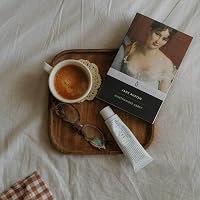
به به چه کتابی، انقد خوب بود که یه روزه تمومش کردم و واقعا لذت بردم، مثل "آنی شرلی" دوست داشتنی و صمیمی بود، البته من فقط "آنی شرلی" رو در قالب تصویر دیدم کتابش رو نخوندم، ای کاش فیلم اینم ساخته میشد، هر چی تصور میکنم خیلی کار عالی ای از آب در میومد، عجیبه که تا الان نساختنش:(
December 11, 2022
خیلی خیلی قشنگ بود.
توصیفات و شخصیتها عالی بودن. تعریف این کتاب رو خیلی شنیده بودم و انتظار نداشتم اینقدر قشنگ باشه
بشدت پیشنهادش میکنم.
توصیفات و شخصیتها عالی بودن. تعریف این کتاب رو خیلی شنیده بودم و انتظار نداشتم اینقدر قشنگ باشه
بشدت پیشنهادش میکنم.

December 6, 2024
What a glorious, wonderful novel. A new favourite.

October 1, 2021
معمولا همه با خوندن آنشرلی شروع به خوندن کتابای مونتگمری میکنند اما قصر آبی همیشه بیشتر برای من دلبری میکرد برای همین اومدم سراغ این بزرگوار.👀 به شدت زیبا، دوست داشتنی،گوگولی، بامزه و روون بود!
من اهل خوندن توصیفات نیستم معمولا هم دقتی نمیکنم اما مهارت نویسنده توی توصیفات به چشمم اومد. واقعا فضاسازی کتاب خوبه و حس قشنگی رو منتقل میکنه.
همراهی با شخصیتها حتی اونایی که یکم روی مخ آدم پیاده روی میکنند لذتبخشه و آدم دوست داره بیشتر ازشون بخونه. از همینجا سلام میکنم به دوتا از شخصیتهای موردعلاقهم، ولنسی و بارنی عزیز.😄 آقا خیلی چاکریم.🖐🏻
از همهی توصیفات و شخصیتپردازی و اینا بگذریم، کتاب داستان خیلی جذابی داره و آدم رو مشتاق میکنه تا به خوندن ادامه بده و ببینه چه اتفاقهایی در راهه.👀
کتاب رو هردو نشر قدیانی و افق منتشر کردند و من نمیدونم کدوم واقعا ترجمهی بهتری داره. فقط اینجا یه مشکلی هست. خلاصهی پشت کتاب افق به اندازهای که باید آدم رو جذب نمیکنه از طرفی خلاصهی پشت کتاب قدیانی زیادی از داستان میگه.😐😂 نظر من اینه که چشم بسته کتاب رو بخرید و بخونید.😂
نمیخوام حرفهای اضافه بزنم و وقتتون رو بگیرم. خلاصه و سر راست بهتون میگم داستان جذاب، شخصیتهای بامزه و دوستداشتنی و فضازسازی زیبا خوندن این کتاب رو واجب میکنه و همچنین فکر میکنم اگر قصد دارید وارد دنیای کلاسیک بشید این کتاب میتونه انتخاب مناسبی باشه.
امیدوارم لذت ببرید.💚
.
.
پ.ن. قصر آبی خودتون رو پیدا کنید!✨💙😢
من اهل خوندن توصیفات نیستم معمولا هم دقتی نمیکنم اما مهارت نویسنده توی توصیفات به چشمم اومد. واقعا فضاسازی کتاب خوبه و حس قشنگی رو منتقل میکنه.
همراهی با شخصیتها حتی اونایی که یکم روی مخ آدم پیاده روی میکنند لذتبخشه و آدم دوست داره بیشتر ازشون بخونه. از همینجا سلام میکنم به دوتا از شخصیتهای موردعلاقهم، ولنسی و بارنی عزیز.😄 آقا خیلی چاکریم.🖐🏻
از همهی توصیفات و شخصیتپردازی و اینا بگذریم، کتاب داستان خیلی جذابی داره و آدم رو مشتاق میکنه تا به خوندن ادامه بده و ببینه چه اتفاقهایی در راهه.👀
کتاب رو هردو نشر قدیانی و افق منتشر کردند و من نمیدونم کدوم واقعا ترجمهی بهتری داره. فقط اینجا یه مشکلی هست. خلاصهی پشت کتاب افق به اندازهای که باید آدم رو جذب نمیکنه از طرفی خلاصهی پشت کتاب قدیانی زیادی از داستان میگه.😐😂 نظر من اینه که چشم بسته کتاب رو بخرید و بخونید.😂
نمیخوام حرفهای اضافه بزنم و وقتتون رو بگیرم. خلاصه و سر راست بهتون میگم داستان جذاب، شخصیتهای بامزه و دوستداشتنی و فضازسازی زیبا خوندن این کتاب رو واجب میکنه و همچنین فکر میکنم اگر قصد دارید وارد دنیای کلاسیک بشید این کتاب میتونه انتخاب مناسبی باشه.
امیدوارم لذت ببرید.💚
.
.
پ.ن. قصر آبی خودتون رو پیدا کنید!✨💙😢

December 19, 2023
این کتاب رو باید توی ۱۸-۱۹ سالگی خوند، همون موقع که تازه یه نفر رو توی دانشگاه دیدی و ضربان قلبت ۴ تا دونه زیاد شده و بعد تا صد سال آینده رو باهاش برنامه ریزی کردی تو ذهنت. خیلی داستان قشنگ و خیلی ساده و همه چیز خوب و خوش و ایناست. به طور خلاصه کتاب در مورد ولنسی، دختر ۲۹ سالهست که هنوز ازدواج نکرده و با خانوادهی سنتی و مذهبی و به شدت سختگیرش زندگی میکنه به دلیلی تصمیم میگیره تمام مرزها رو بشکنه و هر طور دلش میخواد زندگی کنه.ه

May 22, 2017
Definitely, DEFINITELY a new favorite! Charming, witty, beautiful, delightful. Full of whimsy and heart and as is true of all Montgomery's books, stunning nature writing. And the sweetest romance there ever was (and a leading man with a most unfortunate name...). I laughed and cried - sometimes in the same chapter! This book rivals Anne for me,and that is something! Anne will always hold the top spot in my heart, but if not for nostalgia's sake, this one would sit right next to it.
Reread Nov 2023: Just as magical as the first time I read it. What a book. ❤️
Reread Nov 2023: Just as magical as the first time I read it. What a book. ❤️

October 27, 2021
همه یه قصر آبی دارن...توی خیالاتشون، توی دنیای خوشگل و خوشرنگ و بی خیالِ توی ذهنشون -البته ممکنه رنگش فرق داشته باشه، قصر خیال من به رنگ زرد آفتابگردونه :)
برای همین خوندن این کتاب، لذت بخش بود...نویسنده با اون قلم قشنگش و تصویر گری فوق العاده ش از طبیعت، دقیقا دست میذاره روی احساسات لطیفی که گاهی وقتا زیر فشار کار و درس و بدبختیِ زندگی، کمرنگ و مدفون میشه...از اینکه این حس های لطیفمو بعد از مدتها از اون ته ته های ذهنم کشیدم بیرون و دستی به سر و روشون کشیدم و رنگ زردشونو جلا دادم، بسی خوشحالم...
روحم تازه شد...
همین.
برای همین خوندن این کتاب، لذت بخش بود...نویسنده با اون قلم قشنگش و تصویر گری فوق العاده ش از طبیعت، دقیقا دست میذاره روی احساسات لطیفی که گاهی وقتا زیر فشار کار و درس و بدبختیِ زندگی، کمرنگ و مدفون میشه...از اینکه این حس های لطیفمو بعد از مدتها از اون ته ته های ذهنم کشیدم بیرون و دستی به سر و روشون کشیدم و رنگ زردشونو جلا دادم، بسی خوشحالم...
روحم تازه شد...
همین.

September 2, 2018
This book made me cry. And it is very rare when a story makes me cry.
This is one of Montgomery’s lesser know stories in The States. It got a reprint Stateside during the “Anne Mania” after PBS broadcasted the Canadian mini series.
And the premis of the story goes like this, Possible Spoilers.......
If you were told you only had a year to live, what would you do? And the main character crams in many things during that year. Which makes this book a fabulous adventure.
Even though it has its sad parts, this book can help inspire one to do great things.
This is one of Montgomery’s lesser know stories in The States. It got a reprint Stateside during the “Anne Mania” after PBS broadcasted the Canadian mini series.
And the premis of the story goes like this, Possible Spoilers.......
If you were told you only had a year to live, what would you do? And the main character crams in many things during that year. Which makes this book a fabulous adventure.
Even though it has its sad parts, this book can help inspire one to do great things.
September 25, 2026
Lucy Maude Montgomery is best known for her, "Anne of Green Gables" series but she wrote quite a few other books as well. This is one of her later novels that she penned in 1926. It's one of her few adult novels that features a 29 year old woman named Valency Stirling. She lives with her family who treat her horribly and consider her a failure. She seems to take it all in her stride and has accepted she will be a spinster. Then she is given some dreadful news and decides to leave her family and takes on a different approach to life. She accepts a job caring for an ill lady. It's there she meets Barney Snaith whom she falls in love with. There are some surprises ahead. Can she find her 'happily ever-after' and forever live in her beloved 'blue castle?'
This was charming and had a lot of heart. Some of the characters and Valency herself gave me quite a few chuckles as I was reading. It's very old-fashioned but cute. The story was set in the beautiful Muskoka region in Ontario, Canada. The fictional town was called, Deerwood and it's highly known that it was based on the real town of Bala, Ontario. Montgomery took a two-week summer holiday in the region in 1922 and fell in love with the area. While her writing beautifully captures the landscape and nature it was a little too descriptive for my liking. Some of it just went on and on......
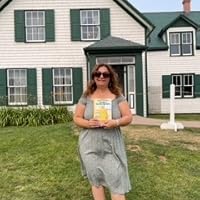
I recently visited the Ontario home of Lucy Maud Montgomery. She married her husband Ewan Macdonald, who was a Presbyterian minister and moved to the "manse" (Minister's home) in Leaksdale, Ontario. She would live there from 1911-1926 and it is where she raised her two sons and wrote part of this novel. What a great feeling it was to be able to sit in her actual parlour overlooking her favourite window. It was there where she most enjoyed to spend her time writing. It was a very interesting and informative tour.
This was charming and had a lot of heart. Some of the characters and Valency herself gave me quite a few chuckles as I was reading. It's very old-fashioned but cute. The story was set in the beautiful Muskoka region in Ontario, Canada. The fictional town was called, Deerwood and it's highly known that it was based on the real town of Bala, Ontario. Montgomery took a two-week summer holiday in the region in 1922 and fell in love with the area. While her writing beautifully captures the landscape and nature it was a little too descriptive for my liking. Some of it just went on and on......
I recently visited the Ontario home of Lucy Maud Montgomery. She married her husband Ewan Macdonald, who was a Presbyterian minister and moved to the "manse" (Minister's home) in Leaksdale, Ontario. She would live there from 1911-1926 and it is where she raised her two sons and wrote part of this novel. What a great feeling it was to be able to sit in her actual parlour overlooking her favourite window. It was there where she most enjoyed to spend her time writing. It was a very interesting and informative tour.

May 8, 2024
Lucy Maud Montgomery nie zawodzi! Joanna to wspaniała bohaterka, a suchary stryja Beniamina… nie powiem, kilka razy parsknęłam pod nosem! 😅

Read
June 8, 2020Warning: spoilery talk ahead for this book that is nearly a century old.
I've heard this book disparaged as second-rate Montgomery, even as outright trash. And I can see the problematical aspects--the "bucket list" plot was already pretty worn out by the time LMM hung this story on it (protag is told they have only X time to live, which turns out to be a mistake, of course), and I could definitely do without the thread of the hapless young woman who has to die of Didn't Remain A Virgin Until Marriage disease, whom Valancy takes pity on first. LMM found it difficult to let go of a lot of tried-and-true Victorian plot devices, and it shows.
But those things aside, this is wish-fulfillment at its finest. It's one of my insomnia books--if my eyelids open with a spang! at 1:30 a.m. and I know it will be hours before I get back to sleep, if at all, this is one of the books I take off the shelf.
Montgomery had two strengths in my readerly view: a wonderful sensitivity to nature, which makes her descriptions of gardens, forests, etc, utterly delightful, and she came from a small town on an island, born of very strong-minded people. Quirky strong-minded people, as one discovers in her published diaries. So her creation of characters, especially distinctive, oddball relatives, is sheer delight. We know a lot of those relatives, like the cousin everyone holds up as a paragon of virtue, but who is a meanie when the adults aren't looking. And the uncle whose threadbare jokes were never funny the first 182 times he told them, especially when you're the target.
Valancy, the heroine (with that name, you just know that she thinks she's homely but she'll turn out to be secretly beautiful--to those with the right eyes to see her. Like the hero), lives under the thumb of as obnoxious a set of relatives as LMM ever invented. Oh boy is she downtrodden. There is not the tiniest detail of her miserable life that some relative or other isn't minding for her own good, and lecturing her endlessly about from the pinnacle of Mt. Moral Superiority.
Once Valancy gets her misdiagnosis and decides to cut loose, the fun really gets going. When she doesn't give a hoot about What People Think, she does it big time. It's sheer bliss watching her at her first horrible family dinner as a free woman.
Of course she ends up married to the man of her dreams, and is wildly wealthy to boot (back of the hand to the Mean Cousin) but how she gets there is a ton of fun.
I've heard this book disparaged as second-rate Montgomery, even as outright trash. And I can see the problematical aspects--the "bucket list" plot was already pretty worn out by the time LMM hung this story on it (protag is told they have only X time to live, which turns out to be a mistake, of course), and I could definitely do without the thread of the hapless young woman who has to die of Didn't Remain A Virgin Until Marriage disease, whom Valancy takes pity on first. LMM found it difficult to let go of a lot of tried-and-true Victorian plot devices, and it shows.
But those things aside, this is wish-fulfillment at its finest. It's one of my insomnia books--if my eyelids open with a spang! at 1:30 a.m. and I know it will be hours before I get back to sleep, if at all, this is one of the books I take off the shelf.
Montgomery had two strengths in my readerly view: a wonderful sensitivity to nature, which makes her descriptions of gardens, forests, etc, utterly delightful, and she came from a small town on an island, born of very strong-minded people. Quirky strong-minded people, as one discovers in her published diaries. So her creation of characters, especially distinctive, oddball relatives, is sheer delight. We know a lot of those relatives, like the cousin everyone holds up as a paragon of virtue, but who is a meanie when the adults aren't looking. And the uncle whose threadbare jokes were never funny the first 182 times he told them, especially when you're the target.
Valancy, the heroine (with that name, you just know that she thinks she's homely but she'll turn out to be secretly beautiful--to those with the right eyes to see her. Like the hero), lives under the thumb of as obnoxious a set of relatives as LMM ever invented. Oh boy is she downtrodden. There is not the tiniest detail of her miserable life that some relative or other isn't minding for her own good, and lecturing her endlessly about from the pinnacle of Mt. Moral Superiority.
Once Valancy gets her misdiagnosis and decides to cut loose, the fun really gets going. When she doesn't give a hoot about What People Think, she does it big time. It's sheer bliss watching her at her first horrible family dinner as a free woman.
Of course she ends up married to the man of her dreams, and is wildly wealthy to boot (back of the hand to the Mean Cousin) but how she gets there is a ton of fun.
Displaying 1 - 30 of 10,260 reviews