Un incidente di montagna in Norvegia: Oliver Sacks si ritrova su un letto con una gamba che, nella sua percezione, non gli appartiene più. All’inizio, pensa che il suo caso sia semplice e banale. Poi, si trova sprofondato in un «abisso di effetti bizzarri e anche terrificanti». Quella gamba alienata dal suo corpo lo induce a indagare «l’orrore e la meraviglia che occhieggiano dietro la vita e che sono celati, per così dire, dietro la superficie usuale della salute». Perdere la percezione di un arto lede l’immagine di se stessi, obbliga a chiedersi che cosa sia questo Sé che agisce in noi. Anche questa volta, Sacks indaga, e ci fa partecipi della sua indagine, attraverso il racconto: che sarà il racconto di uno strano viaggio «in avanti e all’indietro – perché questa sembra essere la natura del pensiero: ricondurci al suo punto di partenza, alla casa atemporale della mente». Su una gamba sola apparve per la prima volta nel 1984.
Oliver Wolf Sacks, CBE, was a British neurologist residing in the United States, who has written popular books about his patients, the most famous of which is Awakenings, which was adapted into a film of the same name starring Robin Williams and Robert De Niro.
Sacks was the youngest of four children born to a prosperous North London Jewish couple: Sam, a physician, and Elsie, a surgeon. When he was six years old, he and his brother were evacuated from London to escape The Blitz, retreating to a boarding school in the Midlands, where he remained until 1943. During his youth, he was a keen amateur chemist, as recalled in his memoir Uncle Tungsten. He also learned to share his parents' enthusiasm for medicine and entered The Queen's College, Oxford University in 1951, from which he received a Bachelor of Arts (BA) in physiology and biology in 1954. At the same institution, he went on to earn in 1958, a Master of Arts (MA) and an MB ChB in chemistry, thereby qualifying to practice medicine.
After converting his British qualifications to American recognition (i.e., an MD as opposed to MB ChB), Sacks moved to New York, where he has lived since 1965, and taken twice weekly therapy sessions since 1966.
Sacks began consulting at chronic care facility Beth Abraham Hospital (now Beth Abraham Health Service) in 1966. At Beth Abraham, Sacks worked with a group of survivors of the 1920s sleeping sickness, encephalitis lethargica, who had been unable to move on their own for decades. These patients and his treatment of them were the basis of Sacks' book Awakenings.
His work at Beth Abraham helped provide the foundation on which the Institute for Music and Neurologic Function (IMNF), where Sacks is currently an honorary medical advisor, is built. In 2000, IMNF honored Sacks, its founder, with its first Music Has Power Award. The IMNF again bestowed a Music Has Power Award on Sacks in 2006 to commemorate "his 40 years at Beth Abraham and honor his outstanding contributions in support of music therapy and the effect of music on the human brain and mind".
Sacks was formerly employed as a clinical professor of neurology at the Albert Einstein College of Medicine and at the New York University School of Medicine, serving the latter school for 42 years. On 1 July 2007, Columbia University College of Physicians and Surgeons appointed Sacks to a position as professor of clinical neurology and clinical psychiatry, at the same time opening to him a new position as "artist", which the university hoped will help interconnect disciplines such as medicine, law, and economics. Sacks was a consultant neurologist to the Little Sisters of the Poor, and maintained a practice in New York City.
Since 1996, Sacks was a member of The American Academy of Arts and Letters (Literature). In 1999, Sacks became a Fellow of the New York Academy of Sciences. Also in 1999, he became an Honorary Fellow at The Queen's College, Oxford. In 2002, he became Fellow of the American Academy of Arts and Sciences (Class IV—Humanities and Arts, Section 4—Literature).[38] and he was awarded the 2001 Lewis Thomas Prize by Rockefeller University. Sacks was awarded honorary doctorates from the College of Staten Island (1991), Tufts University (1991), New York Medical College (1991), Georgetown University (1992), Medical College of Pennsylvania (1992), Bard College (1992), Queen's University (Ontario) (2001), Gallaudet University (2005), University of Oxford (2005), Pontificia Universidad Católica del Perú (2006). He was appointed Commander of the Order of the British Empire (CBE) in the 2008 Birthday Honours. Asteroid 84928 Oliversacks, discovered in 2003 and 2 miles (3.2 km) in diameter, has been named in his honor.
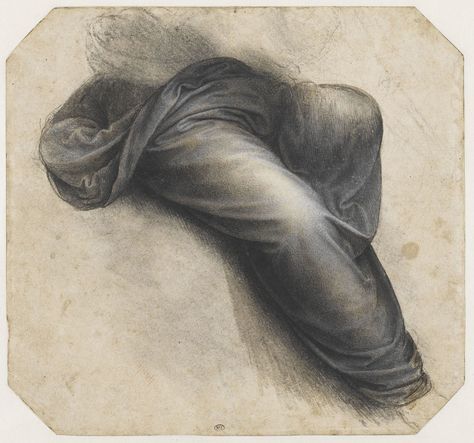
In copertina, Leonardo da Vinci: Drappo che avvolge le gambe di una figura seduta. Museo del Louvre, Parigi.
Il costante coinvolgimento, scientifico e umano (viene da dire emotivo), di Sacks nei casi che racconta nei suoi libri, qui fa un’impennata: perché il tutto prende avvio da un episodio della sua stessa vita, che rimane centrale alla narrazione. E quindi, Oliver Sacks rimane presente in queste pagine molto più del solito.
Un banale incidente con conseguenze tutt’altro che banali. E Sacks diventa paziente a sua volta, passa dall’altra parte della barricata (medici-malati). Durante la settima bianca sulle montagne norvegesi, Sacks, all’epoca ancora quarantenne, non ancora il canuto signore che siamo abituati a vedere in foto, cade e si rompe una gamba. Per arrivare a valle scivola con “tecnica gluteale”. Qui viene finalmente soccorso: ma la gamba rotta è nel frattempo peggiorata.
Sacks sperimenta cosa vuol dire essere un paziente, un ammalato, essere sull’altra riva. Essendo anche medico, è uno dei pazienti che si vorrebbe evitare: infatti, entra presto in conflitto col chirurgo che l’ha operato (inglese, nel frattempo il paziente Sacks ha lasciato la Norvegia ed è tornato a casa sua in UK).
Il diario clinico che ci travasa è diverso dalle altre sue narrazioni perché diverso è il punto di vista di chi scrive: da paziente questa volta, non più col camice. Ma la parte più interessante non è questa, il curatore che diventa curato: il racconto davvero affascinante è quello su come gli arti mancanti, persi, scomparsi, amputati, continuino a mandare segnali, messaggi, presenza. Una forma di ‘compensazione’. Muscoli, articolazioni e tendino mandano impulsi che in condizione normale non captiamo, non avvertiamo, distratti dai nostri cinque sensi: in quella condizione di deficit (handicap), con un arto mancante, si sviluppa il sesto senso, e diventiamo ‘consapevoli’ in un modo che la condizione normale di salute non ci stimola.
Su una gamba sola.
Sacks affianca alla teoria l’esperienza, in questo caso specifico più diretta che mai. Esperienza diretta personale che lo spinge a “partecipare” ancora più di quanto faccia di solito nei suoi studi e libri. Ogni libro di Sacks è insieme racconto e tentativo di comprensione, un universo aperto sul piano concettuale, tanto che egli continua a correggere, emendare, integrare i suoi libri, sottoposti a un lavoro di riscrittura davvero inconsueto per un “ricercatore”… Forse è proprio questa commistione di grande capacità affabulatoria e di ingenuità teorica che lo rende così gradito ai lettori non-specialisti, incuriositi dal misterioso funzionamento del corpo umano. Tutto meno che uno sguardo “distaccato”, Sacks è ben presente, dentro se non al centro di questo racconto.
Wow, what a marvelous book! I'd always thought: "how can even the brilliant Oliver Sacks write a 200-page book about his own leg?" That would have to be one of the great works of solipsism, wouldn't it? And it is, it is--the book is among other things a fascinating investigation of self, but it goes beyond that. In 1974 Dr. Sacks (a shy bookish man by temperament) went for a friendly climb of a 7,000 foot mountain in Norway. I don't know if you can say that Dr. Sacks does anything thoughtlessly, but when he clambers into the paddock of a bull despite ample signage warning him away, you wonder. In due course, he comes across the bull, which really does nothing more than raise it massive horned head. The animal never pursues Sacks. Yet the good doctor panics, bolts madly across a meadow, falls and brutally severs the quadriceps of his left leg. He is lucky he doesn't die on the mountain for he is miles from his village lodging and the nights even in summer are freezing. Almost miraculously he is found crawling back to town by a couple of hunters, a father and son. In short order he is flown to London where he proceeds to experience a profound sense of "alienation" from his leg. He excoriates his surgical team for their lack of bedside manner. That is itself something you rarely see in print or in life: one doctor criticizing another. But the fair-minded Sacks soon comes to realize that the problem goes deeper than his surgeon. It's symtomatic of the healthcare juggernaut as a whole. Sacks has been deliberately left alone with his thoughts and what ensues is a profound dissociation from his leg. He feels it is "no longer part of him," that the leg is "dead," that it will never return to full use. He undergoes a clinically pure example of loss of proprioception. This is the sense we all have of our bodily posture. Nurse Sulu enters Sacks's hospital room one day in alarm. His leg has fallen out of bed and splayed itself at a strange angle. Yet Sacks lies in bed with the distinct impression that the leg is still in bed with him, tidily tucked away. He is shocked upon lifting his head from the pillow. He exhorts Nurse Sulu to move the leg this way and that. He is unable to tell what position she has put the leg in with his eyes closed. In the first half of the book Sacks worked from his own journal and he was careful to leave the fear and exclamations in, his at times irrational circular reasoning. He wants us to know how frightening the whole experience is, not just for himself, but for those in the same predicament. The moment on the mountain pales in comparison to the horrors he experiences in the hospital. Sacks undergoes a profound alteration of body image. The injury, subsequent surgery and casting of his leg has led to desensitization and atrophy until he "forgets" how to use it. He is left abed for 14 days. The second half of the book is a consideration of his experience from a clinical perspective. I don't mean to say that the first part of the book is not of interest, but it is when Sacks begins his consideration of the neurological reasons for his experience that for me the book began to sing. There are fascinating explications of how the brain "sees" the body, as well as the neural correlates for all this. The section of the brain dedicated to body-image, as it turns out, is the somatosensory cortex, part of the parietal lobe. Eventually Sacks leads the reader thoughtfully through the available literature on body image. There isn't much, to be sure. Among these is a work entitled Reflex Paralysis generated by surgeons of the hand during the American Civil War (1861-65). I am glossing over a lot here. The book is an intellectual feast on many levels. It is an almost unbelievably rich feast for the thorough reader. In the end it's a very human book, a book about all of us. Highly recommended.
أن تكون طبيبا شيء وأن تكون الطبيب المريض شيء آخر ... أوليڤر ساكس في هذا الكتاب يقدم لنا شخصيته كطبيب مريض تعرض لسقطة شنيعة في جبل احد المناطق النرويجية ويحكي لنا تجربته في فقدان الإحساس بساقه التي تعرضت لتمزق في أربطة العضلة رباعية الرؤوس وبعض الأعصاب ... كل تلك الأوهام والوساس والصراعات التي كانت تصر على جعله يشعر يوما بعد يوم أنه سيفقد ساقه سيعيش عاجزا بساق واحدة وعكازات تلك الساق التي فقد الاحساس بها وشعر بأنها غريبة عنه ولا تمت له بصلة تقلب حالته النفسية بين وبين وكيف حاول جاهدا باستجلاب كل ما من أنه أن يرفع معنوياته مروره بحالة النقاهة والتنشيط واستشعار الصحة والعافية كانت كلها مليئة بمشاعر مرهفة ورقيقة ... برأيي كل طبيب يمر في محنة صحية سيكون أكثر تعاطفا ورحمة مع مرضاه أغلب الأطباء يكترثون لسماع وفحص حالة المريض الفسيولوجية ويتغاضون عن الحالة السيكولوجية التي بسببها قد يتم حل العديد من المشاكل ... الفصول الأخيرة كانت مليئة بالأبحاث والاستنتاجات لما حدث والمصطلحات الطبية التي سيفهمها أصحابها ... المشكلة الوحيدة تكمن في ترجمة الدار العربية للعلوم ناشرون ليست ترجمة بالمستوى الممتاز، لأن كل عمل تقرؤه منها تشعر بأنها ترجمة أكاديمية تفتقر إلى جمال النصوص الأدبية فتغدو الأعمال المترجمة الصادرة من هذه الدار تحمل نفس الوتيرة والنغمة كروايات دان براون مثلا وغيرها أرجو مع قادم الأيام أن يرتقي مستوى الترجمة في هذه الدار لأن ماتختاره من كتب جميل بحق..
مراجعة كتاب أريد ساقا أقف عليها📕 . اسم الكتاب: أريد ساقا أقف عليها اسم الكاتب: أوليفر ساكس (طبيب اعصاب وكاتب) عدد صفحات الكتاب : 255 صفحة دار النشر: الدار العربية للعلوم ناشرون نوع الكتاب : فلسفية - علمية - تنمية بشرية - أمراض سريرية. . 📌 ملخص الكتاب:- هل هو كتاب علمي؟! هل هو سيرة ذاتية لمريض سريري ؟ هل هي رواية مفعمة بالمشاعر تصف الاخر بكل دقة؟! هل هو كتاب فلسفي يجب ان يدرس لمنتهني مهنة الطب ؟! ام هو كل ذلك معا!. . “أوليفر ساكس” هو طبيب الذي اصبح مريض وعاش تجربة غيرت حياته .. لقد اختبر أوليفر ما قاله أفلاطون "انه حتى يصبح المرء طبيبا حقيقيا، فعليه ان يختبر جميع الأمراض التي يود معالجتها." . تبدأ الحكاية بتسلق أوليفر جبل في النرويج ( كما يحب دوما)ويهمل تحذيرا لم يفهم محتواه .. فتكون العاقبة هي مواجهته لثور ضخم على ذلك الجبل.. يفر أوليفر من ذلك الثور ف يسقط .. ثم تصاب العضلة الرباعية الروؤس في ساقه اليسرى إصابة بليغة .. فيكون أمامه خيار من اثنان (إما ان يحاول النجاة والحصول على مساعدة وان كان بشق الانفس معتمدا على الساق الاخرى السليمة، وإما ان يستسلم لنهاية لن يكون هناك حتى شاهد عليها)، فماذا جرى بعد ذلك وهل شفي من الإصابة ؟! ماهي مراحل اليأس والامل التي مر بها؟! لماذا تذكر حادثة لمريض راس السنة حينما كان طبيبا؟! وكيف كان وجه التشابه؟! ما دور العقل الباطن والموسيقى في مرحلة العلاج؟! وماذا حدث له بعد ذلك في عام 1984 ؟! وهل كان أشد صعوبة عليه من حادثة الجبل؟! كل ذلك اتركه للقارىء دون افساد عليه😊 . 📌 أسلوب الكتابة:- ممتعة مفعمة بالمشاعر والاخلاق، باعثة للأمل عميقه في التغلغل في فهم إلانا.. سيجد فيها الطبيب مرجعا علميا مليء بالمصطلحات الطبيبة وسيجد فيها القارىء سردا عميقا يجعله لا يتركها حتى ينتهي منها. ما يميزها انها تخاطبك مباشرة. رغم المصطلحات الطبية فان فهم الرواية لم يكن عصيا. .
🖊 التقييم:- 4،75 / 5 ✨اعجبني الكتاب جدا من خلال نقله لكل ما تعرض له أوليفر بمشاعر وعقل حاضرين. . تقييمي للكتاب هو عبارة عن رأئي الشخصي فقط 😊 . 📌اشترك بقناتي مع كتاب لتشاهد المزيد من المراجعات للكتب والروايات 😊 . #مراجعة_وتقييم#أريد_ساقا_أقف_عليها#أوليفر_ساكس#اقرا_معنا #مكتبتي #قراءاتي2017 #اقراء_لحياة_افضل #اصدقاء_الكتب #اصدقاء_القراءة #
نوع من السيّر الذاتيه نادر الوجود , ونادر جداً انك تطلع على ما يماثلها. قليله هى تجربة القراءة التى تخرجك من العالم المحيط بك , وهذا العمل يمثل تلك التجربة. أقل ما يقال عليه أنه عمل رائع , بامكانيات مذهله. الإنسانيه والبشريه والآدميه : فكونك إنسان تشارك البشر فى تجاربهم وتقدم التجربه الآدميه التى تعرضت لها لتشارك غيرك فيها وتنفعهم كما نفعتك هو شئ اكثر من رائع. أعتقد أن اوليفر ساكس انسان نادر الوجود. التجربه فى العمل ليست فقط تجربة مريض أو طبيب , بل هى تجربه طبيه مرضيه فلسفيه وحتى دينيه . تعبير رائع عن الذاتيه وصدق ينبض من داخل الكتاب يجبرك على التفاعل الصادق معه. ورغم عظمة التجربه (الأدبيه)إلا أن الطبيعه العلميه والتنظيميه للكاتب غلبت عليه فى أجزاء كثيرة . العمل تدرج على 7 مراحل متتابعه لخّص فيها الكاتب ترجمته بصورة شامله بديعه. اللغه ورغم أن العمل مترجم إلا أن الترجمه تدل على جمال النص الأصلى الأحداث والشخصيات واضحه وعميقه ومتكاملة الأركان. البديع فعلا فى العمل الاسقاط (الفلسفى العلمى الدينى الشخصى)على شخصية الروايه فى المجمل عمل جميل وممتع ومفيد جدا.
حقيقة لا أعرف ما هو تصنيف ما قرأت: سيرة ذاتية، كتاب أو رواية!! يتحدث الكاتب Oliver Sacks وهو طبيب أعصاب عن تجربته الشخصية عندما وقع عن الجبل وتم القيام بعملية جراحية لساقه فقد على أثرها احساسه بقدمه بشكل كليّ، كما أنه تحدّث أيضاً عن احساس اليأس والضعف الذي شعر به، عن عدم الفهم الذي قوبل به إزاء مرضه، وعن رحلته الطويلة من المرض إلى الشفاء ومن ثم فهم الحقيقة... الكتاب يطرح أمور مهمة من الممكن أن تحصل مع أي انسان ولم أكن أعرف عنها شيئاً وأكثر ما أثار انتباهي ظاهرة "الأطراف الشبحية" والتي أريد فعلاً القراءة عنها بشكل مفصّل أكثر.
اقتباسات: -إن العتمة هي حفرة في الحقيقة نفسها، حفرة في الزمن بقدر ما هي حفرة في المكان، وبالتالي لا يمكن اعتبار أن لها مدة أو نهاية. -إذا حدّقت في الهاوية فستحدق بك في المقابل.
التقييم: 3 نجوم، من سلبيات الكتاب الملل الفظيع في بعض الأجزاء، كما أن الفصل الأخير صعب الفهم قليلاً.
د أوليفر ساكس حباً ب الله أريد أن أسألك ألا تكف عن السّقوط؟؟
أحببت هذا الكتاب جيداً ، ولطالما تسائلت لمن ستكون الغلبة في إصدار الأوامر في الجسد البشري ( للإيماء أو للإيحاء ؟) النظام العصبي بفطرته رسائل وأشارات تُرسل الدماغ كما هو متعاوفٌ عليه .. ذاك في حالة الجسم الطبيعي ، لكن الجسم الذي فقد القدرة طبيعياً ما الذي سيعيد الأمور إلى نصابها .. منظومة الإيحاء والأيماء التي تحيرني كثيراً ، يحدث أن يصمّ المرض أذنيه متجاهلاً تيهنا و شاطئ العافية بعيد
الأكثرية يعتبرون المرض والإعاقة قوقعة .. بعيداً عن جدلية جدوى المحفز الذاتي الذي إن وجد يستحيل عملاقاً ينتشل جثثهم من نتانة القوقعة و يعنفهم على إستكانتهم لضغط المرض أو الإعاقة و إن لم يوجد كان راضخين لتجربة عجائبية يحتاجون فكراً صافياً ليخرجوا من التجربة أكثر فهماً لمبدأ ( تخلص من الفكرة ثم تخلص من الشيء نفسه )
الشفاء فكرة .. حالة تعبر لها أجسادنا بمرورها بعقبات ذهنية قبل أن تكون جسدية ، والصحة ليست ملموسة أو محددة الزوايا لتقبض عليها وتقول هاهي بحوزتي ! و كل ما لا تستطيع الإحاطة به وبعيداً عن مرمى إدراكك حواسك هو تحذير حسيّ لأن جسدك ليس الرَبان الوحيد في السفينة ،،!،،
في العام ١٩٧٤ يتعرض عالم الأعصاب د ساكس لحادث يؤدي لأصابة ساقه اليسرى في محاولة منه لتسلق جبل ، بعد ان يتم انقاذه ويخضع للجراحة يكون مجبراً مع التعايش مع الساق التي لم تعد ساقه و عنّونة العمل بأنه يريد ساقاً ليقف عليها يبهر القارىء .. من يستجدي شيء هو يملكه أساساً و يقف لا شعوره امامه ك سدٍّ منيع عن التواصل مع ساقه ! كيف يفكر الطبيب حين يكون تخت رحمة مبضع طبيب آخر؟ كيف يتعامل مع المرض و كيف ترتسم حوله هالة الشفاء ؟
تحت مصطلح سريري طبي ب قصور الأنتباه هي حالة شائعة بعد الخضوع لجراحة عضو معين من الجسم وتجبيره لفترة تنسيك وجوده و طريقة محاكاته من جديد يساعد ساكس نفسه ويكتب ما من شأنه مساعدة غيره من المرضى و يحفزهم على الإستنباه الذاتي للجسم البشري كوحدة ما أن ينالها فتور أو إهمال حتى تختل معادلة التمثيل الثابت في الوعي و تختلف وتيرة الشعور الي جُبِل عليها الفرد المعافى
سيتحدث د ساكس عن أهمية الموسيقى وتأثيرها في مرحلة النقاهة التي عاني منها من تبعات الجراحة بالاضافة ل تشويش بصري هو دلالة تلف الأعصاب و كطبيب أعصاب سأدهش بطريقة في التعامل مع مضاعفات المرض .
حين يكون التجبير خدر في الشعور سيكون ما بعده خدر في اللا شعور بل سيكون ما بعد التجبير بمثابة الشلل الهستيري أكثر منه شللاً عصبي ، و الأول يحاكي الثاني لأنه تجلٍ عقلي محض بينما الثاني فيزيائي يكون تغييره أشدّ صعوبة لأنه مستديم غالباً الشلل الهستيري هو نقص ذهني في صورة الجسد الكامل في ذهنية المرضى و بالتالي ليس بمقدور المريض تخيل أن له ساق أو يد و يخالجه شعور دائم بغربة العضو المتصل به لسبب عصبي ليس إلا هذا ما استلخصته من حالة د ساكس .
في العام ١٩٨٤ يتعرض د ساكس لأصابة أخرى في رجله اليمنى و أجزاء أخرى من جسده لكنه سيكون أكثر ثقة بقدرته على التعامل مع إي إعاقات ذهنية
لو أحسست بأن عضواً كساقك مثلاً خارجة عن إرادتك هل يكفي الإيماء لها لتسجيب أم أنها تحتاج إيحاء .. ألن تفعل ما يتوجب عليك فعله للخروج من القوقعة ؟؟
ذكرني هذا بمقولة ( في حالة الطوارئ يُلقى من السفينة كل ما هو غير ضروري للإبحار )
أوليفر ساكس الكاتب و طبيب الأعصاب الناجح كانت له مغامرة تسلق جبل في النرويج و التي حولت حياته رأسا على عقب، و حولته من طبيب و جراح ناجح إلى مريض ساقه مصابة إصابة شديدة جراء الحادث على الجبل.
لتبدأ رحلة البحث عن العلاج و والمعاناة في الآن نفسه، إستطاع الكاتب سرد قصته بكل تفاصيلها الدقيقة بلغة جميلة علمية و شاعرية في نفس الوقت. وصف أوقاته العصيبة و محاولات الخروج من هذه الشكلة الصحية. معلومات طبية أغدق بها الكاتب علينا أيضا.
فالطبيب البريطاني المتخصص في عالم الأعصاب...يعيش تجربة يتحول فيها للطبيب المريض...ويتحدث عن هذه التجربة الشخصية بصورة إنسانية، ينقل لنا من خلالها تطورات حالته، وما شعر به، والمراحل التي مرّ بها في طريقه للشفاء، وأثر ذلك على حياته... وكيف استفاد من تجربته الأولى في تجاوز إصابة ثانية في ساقه الأخرى عام 1984 باقتدار.
فبعد تعرضه لحادث أثناء تسلقه لأحد الجبال، تضررت بسببه إحدى ساقيه، وفقد على إثره الإحساس بها رغم عدم وجود سبب مرضي لذلك، بدأ يصف بشغف مشاعره وهو يواجه خطر الموت، ويرصد ملاحظاته وهو يخضع للعلاج، ويصف خوفه وقلقه من فقدان ساقه وهو يفتقد التواصل معها والإحساس بها، فقد تعرّض لنقص إدراكي ففقد الإحساس بها، ونقص عاطفي فقد من خلاله الإحساس تجاهها...ويرينا العالم من منظاره لما تماثل للشفاء وشهد ولادة جديدة وحياة جديدة ومعرفة جديدة
أوليفر ساكس يؤمن بأن للعامل النفسي دور كبير في التماثل للشفاء، وأن للموسيقى أثر كبير في مرحلة النقاهة، وأن تعامل الطبيب مع مريضه يجب ألا يقتصر على الجانب الجسدي، بل يجب أن يطال الجانب النفسي والروحي كذلك، وأن العلاقة بين الطبيب والمريض يجب أن تأخذ أبعادا إنسانية أكثر، وله فلسفة خاصة تركز على العلاقة بين نفس الإنسان وجسده...
جذبني الجزء الأول من الكتاب وأمتعني، وأضاف لي الكثير، فالتجربة ملهمة ومؤثرة وفريدة، وقد صاغها بقالب أدبي رغم كثرة المصطلحات العلمية، والتفسيرات الطبية.
أما الجزء الأخير فقد استعصى عليّ الاستمتاع به، وهو برأيي يناسب المتخصصين في علم الأعصاب، أو على الأقل المهتمين به والمطلعين عليه.
والكتاب بالإجمال يستحق القراءة، ويجعلك تدرك عظمة الخالق، من خلال دقة صنعه للإنسان وبخاصة جهازه العصبي.
أما عن الترجمة...فإما أن المصطلحات العلمية والطبية تركت أثرها، أو أنه كان بالإمكان أفضل مما كان.
Liga kaip transformuojantis žmogų įvykis. Tai filosofiniai, psichologiniai fizinės traumos, su ja susijusių pojūčių ir jausmų apmąstymai. Kai toks gydytojas kaip Oliver Sacks tampa pacientu, tik ir gali gimti tokia puiki knyga.
for some reason I fall in love with this book, I felt it was so honest and real, not to mention the highly interesting phenomenon that it describes..
as always I really loved how doctor Sacks shows us that healing isn't just drugs & procedures there's heart, feelings, harmony... so many amazing things to learn if a person wanted to :)
one more thing I loved is teaching us how medicine isn't just solid information.. there's always new things to learn, and new domains to discover..
the only star was removed cause I found some prolongation and repetition in some subjects :\ plus some difficult or weak parts, but maybe that was just due to the translated copy I had
however.. in some -great- parts the way of thinking & talking reminded me of a very dear person to my heart.. which made the book even more enjoyable for me :)
رواية "أريد ساقا لأقف عليها" لدكتور "أوليفر ساكس" طبيب أعصاب تعرض لحادث بشع في ساقه
الرواية كانت بالنسبة لي تجربة مثيرة جدااا كان للكاتب قدرة عجيبة علي نقل تجربته للقارئ كراوي هو طبيب و مريض في نفس الوقت كتير قرأت روايات أعجبتني .. وقرأت العديد من الروايات التي تركت أثر في نفسي لكن الرواية دي كانت كتجربة عشتها وليس مجرد رواية أقرأها وصفه لمشاعره وأحاسيسه وهو يتعامل مع مرضه جعلني أشعر بأن الساق التي يتحدث عنها هي ساقي أنا .. نقل مشاعره بفلسفه وبعلم و بدقه وابداع منقطع النظير لكي تستمتع بهذه الرواية يجب قرائتها بتأني شديد .. والاحساس بكل كلمة وكل حرف حقا كانت تجربة مميزة
والحمد لله على نعمة الصحة .. الحمد لله الذي عافنا وفضلنا علي كثير مما خلق تفضيلا
الانسان يحب تجاربه التي يتفاجأ من نفسه بها, وشتان بين ان تكون المجرب وبين المتلقي للتجربة بين ان تكون طبيباً وبين ان تكون مريضاً بين ان تكون على علم ومعرفه ووعي بما انت فيه وبما انت تجهله
وشتان بين ان يكون فقدانك والمك جسدياً وبين ان يكون نفسياً فأيهما يرتكز على الآخر أكثر؟؟ يأخذك ساكس بتجربته ومعاناته وافكاره وعواطفه وشعوره واحاسيسه نتيجة فقدانه للساق حسياً و حركياً حيث كان يعتبرها أنها غير موجودة بالنسبة له و لكنها صورياً موجودة بالفعل
الجميل في الكتاب هو حديث ساكس مع نفسه وتفكيره وتصرفه وطريقة نظرته انه يفكر بكل شيء
Doing journalism, I spend a lot of time reading through interview transcripts, looking for quotes that really drive home a point, that are overstated enough to build an argument on, to make my articles seem relevant and important. Sacks would be the best interview in the world. Every insight is an earth-shattering revelation; every challenge is a close call with the abyss; etc. etc.
He seems to be writing for an intended audience of physicians and medical students, so maybe his aim in writing like this is to knock them out of their comfort zones and make them reconsider assumptions. He keeps promising that his narrative (almost dying after injuring his leg in a mountaineering accident, losing feeling and "propioception" in the injured leg, then gradually regaining it) will lead us to a whole new kind of neuroscience-- "a neurology of the soul." I don't really see how it adds up. The end sort of fades out with him walking into the red dawn of a new understanding that the reader still doesn't fully understand. I'm interested to look into whatever book he wrote next, but I don't trust him to take this anywhere.
That said, there are many great passages in here, passages that will feel vindicating to people who have been through difficult and lonely experiences as patients and who may have never seen their experiences represented on the page as vividly as he does here. That's an important use of literature, and from this perspective Sacks does write with great integrity.
الطقس القرائي لهذا الكتاب يجب أن يكون مختلفا، يعني من الجائز أن أقرأه وأنا على السرير او جالس بجانب البحر او بأي وضعية تنبي عن راحة رفاهية، اما قراءة الكتاب مع شم رائحة المستشفى القابعة في ممراته او معاناة مع مرض وربما معايشة مريض يتألم ويئن من المرض هذه الوضعيات كفيلة أن تخلق بذاتها جوا يجعل للقراءة نكهة وواقعا مختلفا. (كتاب أريد ساقا أقف عليها ليس مجرد قصة عن ساق بل هو رواية من الداخل عن شكل الشعور الأولي، وهي رواية لا يمكن إلا لتجربة الاغتراب، ولا شئ غيرها، أن تزود بها)، فعندما يقدم هذه القصة طبيب مرِض فهي مختلفة وأول فكرة ترسخت لدي أن المعاناة والألم والتصرف بسلبية تجاه المرض لا تختلف من شخص لآخر حتى وإن كان طبيبا، ومن ذلك نرى انه خلال سرده يستذكر تصرفات بعض المرضى التي لم يكن يفهمها حينما كان طبيبا عليهم، كذلك أن هناك فكرة جوهرية وهي موقفه من ساقه المصابة حينما كان ينظر إليها أنها ساق غريبة عنه أجنبية منه، زائفة وليست حقيقية مما سماه اضطرابات في صورة الجسد من أجمل ما قرأت هذا العام ، ومراجعة صغيرة لا تعبر عن حجم روعة الكتاب وكاتبه.
اكتر من مجرد رواية ذاتية..الكتاب يعتبر مرجع فلسفي طبي نفسي مختلط..نادرا لنشوف هيك نوع من الكتب..يمكن قصد الكاتب انو يكتب قصة بسيطة صارت معو..لكن حالتو ك طبيب مريض وطريقة وصفو للاصابة بكل مراااحلها وكل اوجه وصفه ..جعلت من الكتاب كتاب استثنائي وفريد من نوعه بالفكرة وبالسرد وبالنقاش وحتى بالموجز العلمي اللي باخر الرواية.. كوني مشروع طبيبة استفدت من الكتاب اهمية استماع الطبيب لكل كلمة وكل مشكلة بيعرضها المريض على طبيبه ولو صغيرة ..استمتعت بطريقو وصف الكاتب للألم ولحالتو النفسية.. وصف بيضل مكبوت ب قلب المريض اللي مو عرفان شو عميصير ..بنصح فيه بشدة
On one level, this is a doctor-becomes-patient story, with the many revelations that come to those in medicine who suddenly find themselves at the other end of the stethoscope. For anyone who's been a patient, there's some satisfaction in reading stories like this in which an ill or injured doctor finds out "what it's really like" to be in a hospital bed and more or less at the mercy of the medical profession.
I suppose Oliver Sacks isn't quite a likely candidate for this tables-turned scenario. In his books and TV interviews (e.g., "Glorious Accident"), and in Robin Williams' portrayal of him in "Awakenings," he comes across as anything but the stereotypical doctor. But he learns plenty from his experience anyway, and not just from the imperious surgeon who insists that there's nothing wrong with Sacks now that his leg has been repaired or the jolly hockey-stick nurse who is copeless when he does not respond to physical therapy.
He also learns first hand the terror of being injured, alone, and far from any other humans to rescue him. He experiences the helplessness that can overwhelm a person who not only loses the use of a limb, but as a "patient," loses his identity as an independent person. Sacks' descriptions of his feelings as a patient, sometimes soaring, sometimes despairing, are vividly told and are a reminder to any healthcare worker of the wild fluctuations of emotions that a patient can experience, even from one hour to the next.
Another fascinating aspect of the book is its account of the mystery of healing. Sacks describes in great detail the slow and unpredictable experience of recovering the ability to walk again. And he gives special consideration to the process of "re-entry," as he spends time in a sanatorium, among others who are healing, finally venturing out into the world on his own to rediscover himself and his lost independence.
Sacks is a vivid and analytical writer, with a rich gift of language. This is a slender book, but much is packed into it. It is a journey through the looking glass for any healthcare worker who has never been hospitalized with a serious and debilitating injury or illness, and should be required reading.
In this book, Sacks writes about the conditions of injury and patienthood and their effects on the psyche, using an extreme, autobiographical example. The writing is sometimes (okay, often) overwrought, and there is little suspense throughout the entire narrative. However, as a description of a curious condition, this book succeeds.
My star rating about sums it up. It was okay. He discusses some interesting topics associated with consciousness and self, some of it a little beyond my ability to differentiate, I just think he could have covered the same ground in about half the time.
Me lo sono immaginata così, questo illustre neurologo che subisce un trauma importante al ginocchio e comincia a manifestare disturbi neurologici non del tutto irrilevanti. Essendo io sensibile al tema, ho passato molti mesi con un ginocchio inutilizzabile, ho potuto immedesimarmi nella narrazione e sentire il dolore da lui provato. Sentire che una parte di te è perduta per sempre, non riuscire addirittura a ricordarsi com'era avere quella parte, è una sensazione del tutto aliena. La narrazione alterna quindi un tono clinico, medico tout cort, ad una trattazione invece filosofica della vicenda, senza tralasciare risvolti mistici. Insomma uno stile un po' diverso da l'uomo che scambiò sua moglie per un cappello, ma decisamente apprezzabile.
A very engaging book in which Oliver Sacks, through a bizarre accident involving a bull at the top of a mountain, ended up badly breaking his leg, damaging the nerves there, and half dragging himself down the mountain to get help. At this point, the narrative changes. He is hospitalized and becomes a patient for about 6 weeks. At first, the idea of reading about someone's leg slowly healing might sound dull. But this isn't anyone's leg, this is Oliver fucking Sack's leg!
Oliver Sacks, if you haven't read him before, is a neurologist who writes very accessible, empathetic books about various disorders of the brain. I've read a few a long time ago, but what sets Dr. Sacks apart is that he writes like a scientist from the good old days, reminding me at times of Darwin, William James, Da Vinci etc. in that he is a broad thinker, bringing in the arts, music, poetry as equals. This doesn't make him any less rigorous, only that he acknowledges the power of these other fields, and that what we are dealing with is ultimately human. As his maiden aunt reminds him in his sick bed: "All the trouble starts when people forget they're human."
A few years ago, when my dad had to be hospitalized because of a heart problem, I could see the fear, anguish, and confusion in his eyes whenever I visited him. His stay was thankfully short, but there were many instances in which we felt like we were being shushed, dismissed, not-listened to. The environment is the exact opposite of what an environment of healing and well-being should be--at least emotional well-being, which is half the battle. It seemed like the professionals were only focused on my dad's surgery, and not with the stress of the entire experience (by the way, stress is one of the main causes of heart disease).
In this book, Oliver Sacks is the patient, whereas his usual role is doctor, and finds himself in the same predicament as my dad. But this book isn't a bitter diatribe about "the system". It is an attempt to understand both sides of the doctor/patient equation, as well as an attempt to document the EXPERIENCE of being a patient, the alienation, the striving for answers about his own body. At the end of the book, he talks about how little literature there is out there that is from the patient's perspective. How can we begin to heal if we cannot be empathetic towards the patient?
Beyond this, I was amazed at Dr. Sacks's ability to draw upon his large reservoir of the arts to comfort him and to help him understand his condition. He quotes Wittgenstein, Eliot, the book of Job and others, and he uses Mendelssohn to help him heal. As much as I read, I don't know if I would be able to use what I've read in such a pragmatic way, to gain insight and comfort into my current condition.
Lastly, Dr. Sacks writes vividly, and often his descriptions were truly epiphanic if you imagine yourself in his position. He reasons in and out and around corners about why he is feeling certain sensations, and you really feel like this is a scientist's constant exploratory mind at work. It is a pity that the doctors didn't listen to what he had to say, as they would've learned quite a bit.
My only complaint may be that at times he went on too long, repeating himself in much the same words he did several pages back.
I think all doctors, nurses, and health care professionals should read this book. Patients should read it too, so that they feel less alone in their experiences.
في بحر مليء بالأمواج الهائجة خاض بنا البحر عرضاً الدكتور أوليفر ساكس .. سافرت معه في كل التفاصيل ... تألمت لألمه و حزنت لما يمر به .. كنت أتمنى أن أذكره دوماً أن التفكير الإيجابي هو الحل لكل مشكلة .. كلنا معرض لهذه الحادثة ... يصف لنا الدكتور ساكس ما مر به من معاناة نتيجة فقدانه للساق حسياً و حركياً حيث كان يعتبرها أنها غير موجودة بالنسبة له و أنها كائن غريب ... و لكنها صورياً موجودة بالفعل ، فما نفعها إذا كانت لا تتحرك .. لا بد من طريقة تؤدي لإستعادة إرشادات كيفية عمل الساق .. يبدو أنه نسي كيف تعمل ؟ بفكر جديد يعود أوليفر ساكس بعد عشر أيام تقريباً ليزيل الجبيرة و تخطوا الخطوات الأولى التي تعلمه أن الحل في المشي .. الحل في اي مشكلة هي مواجهتها و المضي قدماً لتتجاوزها .. لا بد من ذلك فترة النقاهة و مشاركة التجارب للأخرين و معرفة ما يمر به المريض فعلاً .. أمر استطاع أوليفر نقله ببث حي و صورة جلية ... كانت تجربة رائعة عندما ذكر أنه تعرض لحادئة أخرى بعد فترة من الزمن و لكنه ما لبث أن شفي منها ببساطة و بسرعة غير متوقعة نتيجة الخبرات المتراكمة عن التجربة السابقة و ذلك يرسخ مفهوم الشفاء الحقيقي نتيجة لتغير الأفكار ... تلك الأفكار التي تعيق تقدمنا في كل وقت و تجعلنا مرضى من دون مرض شكراً دكتور أوليفر .. تعلمت من كتابك الكثير و كان بالنسبة لي تجربة حياة كاملة ..
حسنًا، جاء هذا الكتاب أقل من توقعاتي بكثير لا أدري ربما لأني كنت أبحث عن شئ معين فلم أجده، وربما لأني لازلت متأثرة بتجربتي مع "كاي ردفيلد جاميسون" وكتابها عقل غير هادئ فلقد كان بالفعل تجربة فريدة بالنسبة لي وربما قراءة تجربة اوليفر ساكس بعدها مباشرة جعلتني اشعر بأن هناك شيئاً مفقودًا وعلى الرغم من ذلك كان مهمًا بالنسبة لي قراءة هذا الكتاب بشكل خاص لأنني أنا أيضًا أبحث عن ساق أقف عليها ..
- كتاب : أريد ساقا أقف عليها / هو سيرة مرضية ( إن صح أن نطلق عليه هذا الاسم ) لدكتور الأعصاب الشهير " أوليفر ساكس " يروي تجربته المرضية في فقدانه الإحساس بساقه، إثر إصابته بتمزق في أربطة العضلة رباعية الرؤوس، أثناء تسلقه أحد جبال النرويج.
" هل واجهت أبدًا وضعًا متناقضًا أكثر من هذا ؟ كيف يمكنني أن أقف، من دون رجلٍ أقف عليها ؟ كيف يمكنني أن أمشي، وأنا مفتقرٌ إلى ساق أمشي بها ؟ كيف يمكنني أن أفعل، وأداة الفعل قد اختُزلت إلى شيء أبيض خامل عديم الحركة لا حياة فيه ؟"
- يصف " ساكس " ما مر به من معاناة نتيجة فقدانه لساقه حسيًا وحركيا، وتقلبات حالته النفسية المتضاربة بين تلك الأوهام والوساوس والصراعات النفسية التي كانت تسيطر عليه، حينما كان ينظر إلى ساقه ولا يشعر بوجودها، يشعر بأنها زائفة ليست حقيقية غريبة عنه، وأنه سيكمل حياته عاجزًا بساق واحدة وعكازات. وبين محاولاته للنهوض واستعادة النشاط والإحساس لساقه مرةً أخرى.
- يقول " أوليفر ساكس" أن للعامل النفسي دورًا كبيرًا في التماثل للشفاء، وللموسيقى أثرًا كبيرًا في مرحلة النقاهة، ويجب أن تأخذ العلاقة بين الطبيب والمريض أبعادًا إنسانية أكثر، فيجب ألا يقتصر تعامل الطبيب مع مريضه على الجانب الجسدي فقط ، بل يجب أن يشمل الجانب النفسي والروحي كذلك. . - تجربة إنسانية ملهمة ومؤثرة مفعمة بالمشاعر الإنسانية، صاغها " ساكس " بقالب أدبي ممتع مع بعض التفسيرات الطبية والفلسفية في فصول الكتاب الأولى، والفصل الأخير يحتوي على تشخيصًا علميًا منهجيًا لتلك الإصابة وإصابات أخرى مشابهة ، مع ملخص سريع لتطور علم الأعصاب، وهو يناسب المتخصصين والمهتمين بعلم الأعصاب. وذكر الكاتب أنه تعرض لحادثة مشابهة أخرى بعد فترة من الزمن و لكنه سريعًا ما شفي منها، نتيجة الخبرات المتراكمة عن التجربة السابقة، كتاب رائع. #تمت😍
Een mooi en rijk verslag over de lastige en onvoorspelbare weg naar herstel na een heftige val. Sacks heeft de gave om opmerkelijke ervaringen en gedachten, die een ander misschien voor een moment als ‘vreemd’ zou bestempelen om daarna weer vlot te vergeten, om te zetten in mooie (zij het soms wat breedsprakige) verhandelingen. Zo is hij verrast door zijn irrationale angsten, zijn onderdanige positie in de stijve ziekenhuishiërarchie en, belangrijk, het gemak waarmee hij zich schikt naar een leven tussen vier blinde muren.
Sacks gebruikt dit boek om een lans te breken voor een nieuwe kijk op neurologie, waarin ruimte is voor de ervaringen van de patiënt - want het verlies van controle over je been is meer dan het verlies van functie, het doet iets met jezélf:
“Dat de spier verlamd, ‘doof’ was […] verbleekte tot iets onbetekenends vergeleken met datgene wat nu als meest schrikbarend voor mij opdoemde. […] Wat aanvankelijk niet meer dan een lokale, perifere breuk en stoornis had gekeken, kwam nu in een heel ander, afschuwelijk licht te staan en bleek een stoornis te zijn in het geheugen, in het denken en in de wilskracht, geen kwetsuur in de spier, maar in mij.”
M’è piaciuto un po’ meno degli altri di Sacks, per la parte medica, forse perché è un po’ ripetitivo; cosa ovvia, in fondo, visto che anziché basarsi su diversi casi clinici, Sacks analizza solo la sua esperienza personale (con qualche breve e sporadico accenno ad altri casi). In compenso, però, è straordinariamente interessante la figura umana che ne viene fuori, le riflessioni dell’autore su se stesso, sulla vita, la religione, la musica e i rapporti umani, sul modo in cui la malattia è in grado di far uscire la natura più profonda dall’uomo, nel bene e nel male. Si stupisce lui per primo di come la sua temporanea invalidità lo avesse portato a provare astio verso chi si trovava in salute, elemento che già aveva notato, accentuata, in alcuni suoi pazienti con gravi disabilita: “Non è la malattia ma la loro personalità che traspare, distrutta o corrotta dalle crudeltà della vita. È facile essere simpatico, volgere verso gli altri un cuore caldo di affetto, a chi ha giovinezza, bellezza, buone attitudini, forza, a chi è baciato da fama, fortuna, favore del mondo e successo; ma fate che sia sfortunato, sgraziato, invalido, offeso; che la salute e la forza, la fortuna e la benevolenza lo abbandonino; che si ritrovi malato, infelice e senza una fondata speranza di guarigione – allora sì che la sua fibra e la sua personalità morale saranno messe a dura prova.” Altrettanto degne di attenzione sono le sue riflessioni sul trovarsi a essere paziente anziché dottore, sul trovarsi in una posizione di impotenza e “inferiorità”, perché pur essendo medico lui stesso, era per la prima volta completamente in mano altrui, con la sensazione di non essere ascoltato, di non essere capito. Di sicuro questa esperienza lo segnò profondamente, accentuando la sua propensione ad ascoltare i malati, a essere paziente e curioso. Non è il libro che consiglierei come primo approccio a Sacks, ma a chi ha già letto e apprezzato altri suoi scritti, e soprattutto ha apprezzato lui, non può mancare!
I thought the name of this book was just a metaphor for something else, except I was so wrong, he really needed a leg to stand on :D. OK, so Dr Sacks well he is a doctor, so he knew pain, he diagnosed it, he was able to help his patients to recover from it, but did he really know pain? did he understand what it's like to be in pain? So when Sacks's leg got broken while he was climbing a mountain he didn't understand what was happening to him, why everyone kept talking about a leg that wasn't there anymore? he lost the feeling of his leg, he forgot what it's like to have a leg. So in this book he shared his experience, his journey from having a useless leg that he really thought didn't exist in the first place to a well functioning leg. He needed this he needed to know what it's like to be a patient, what it's like to feel angry sad tired brave indifference, to feel everything and sometimes nothing at all. He needed this experience so he could understand his patients later.
I would really have enjoyed this book more, but he kept repeating himself in a lot of places and that frustrated me a little.