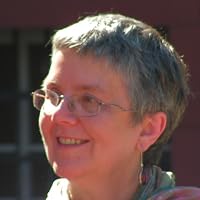
If you want to acquaint yourself with Naomi Shihab Nye's body of work, get this. It contains a sizeable selection of her poems from 1980-2015. I was initially drawn to work three years ago when I first read this poem of hers (also featured in this book):
So Much Happiness
It is difficult to know what to do with so much happiness.
With sadness there is something to rub against,
a wound to tend with lotion and cloth.
When the world falls in around you, you have pieces to pick up,
something to hold in your hands, like ticket stubs or change.
But happiness floats.
It doesn’t need you to hold it down.
It doesn’t need anything.
Happiness lands on the roof of the next house, singing,
and disappears when it wants to.
You are happy either way.
Even the fact that you once lived in a peaceful tree house
and now live over a quarry of noise and dust
cannot make you unhappy.
Everything has a life of its own,
it too could wake up filled with possibilities
of coffee cake and ripe peaches,
and love even the floor which needs to be swept,
the soiled linens and scratched records . . .
Since there is no place large enough
to contain so much happiness,
you shrug, you raise your hands, and it flows out of you
into everything you touch. You are not responsible.
You take no credit, as the night sky takes no credit
for the moon, but continues to hold it, and share it,
and in that way, be known.
-
If I could only recommend one poem to hook someone into reading Nye's works, this is it. It continues to be one my most favorite pieces of literature many years and many poems later, and it still carries the same magic as when I first encountered it.
I won't attempt to offer a description on what it is that I love about the poet. Honestly, I don't have the words for it right now (but hopefully someday as two of her poems in this book gave me an idea and encouraged me to write a letter to her). Instead, I'll give you this description from the back cover of the book, which is only partially shown in the goodreads about section:
"Through her empathetic use of poetic language, she reveals the shining nature of our daily lives, whether writing about local life in her inner-city Texan neighbourhood or the daily rituals of Jews and Palestinians in the war-torn Middle East. Probing the fragile connection between language and meaning, she knows how lives are marked by tragedy, inequity and sunderstanding, and that our best chance of surviving losses and shortcomings is to be acutely aware of the sacred in all things."
So yes, go read the book whoever you are. I guarantee that there is at least one poem in there that already has your heart. The only thing left is the joy of finding it.