Stark è una canaglia: dipende dalle droghe, vive nel crimine e non conosce pentimenti né voglia di affrancarsi. È il prototipo di tutti gli eroi di Bunker. Adora i vestiti di lusso, le automobili veloci, le prostitute d’alto bordo. Colleziona cadaveri mentre sgomita per farsi strada in una schiera di malviventi, sfrontato come solo chi si illude di vincere sa essere. Mentre lo spettro della camera a gas del carcere di San Quintino gli sta sempre alle costole.
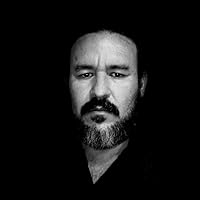
Edward Heward Bunker was an American author of crime fiction, a screenwriter, and an actor. He wrote numerous books, some of which have been adapted into films. Bunker was a bright but troublesome child, who spent much of his childhood in different foster homes and institutions. He started on a criminal career at a very early age, and continued on this path throughout the years, returning to prison again and again. He was convicted of bank robbery, drug dealing, extortion, armed robbery, and forgery. A repeating pattern of convictions, paroles, releases and escapes, further crimes and new convictions continued until he was released yet again from prison in 1975, at which point he finally left his criminal days permanently behind and became a writer. Bunker stayed out of jail thereafter, and instead focused on his career as a writer and actor.
Que esta novela fuera editada post-mortem y fuera encontrada entre papeles como quién desecha un panfleto de propaganda que alguien te ha dado por la calle dice mucho del pedazo de escritor que era Edward Bunker. Bunker crea personajes, te los vende y tu los compras. Los compras porqué los cuida, los dota de detalles, de incoherencias, de pensamiento. Es capaz de hacer que una rata como Ernie Stark te caiga bien a veces. A veces porqué, en general, es un mal tipo. Un estafador, un bribón, un yonqui (aunque él lo niegue aún con la aguja en la vena) y un traidor que vendería a su madre para salvarse de la cárcel. Bunker construye una historia alrededor de Stark. Una buena historia, muy entretenida y que se debe saborear rápido porqué el final es un poco precipitado. Los personajes secundarios son geniales: Momo, el yonqui hawaiano; Dummy, el mudo que no es mudo y que da miedo; Crowley, el teniente de narcóticos que utiliza a Stark o al revés porqué no queda muy claro; Dorie, la modelo que acaba enganchada a tipos como Stark.
La historia daba para 100 páginas más, pero tal vez hubiera sido su próximo proyecto literario. Nunca lo sabremos.
-----------------------------------------
That this novel was edited post-mortem and was found among papers like someone discarding a propaganda leaflet that someone has given you in the street says a lot about what a great writer Edward Bunker was. Bunker creates characters, sells them to you and you buy them. You buy them because he takes care of them, he gives them details, inconsistencies, thoughts. He's able to make you like a rat like Ernie Stark sometimes. Sometimes because, in general, he's a bad guy. A swindler, a crook, a junkie (although he denies it even with the needle in his vein) and a traitor who would sell his mother to save himself from prison. Bunker builds a story around Stark. A good story, very entertaining and to be savoured quickly because the ending is a bit rushed. The supporting characters are great: Momo, the Hawaiian junkie; Dummy, the mute who is not mute and who is scary; Crowley, the narcotics lieutenant who uses Stark or the other way around because it is not very clear; Dorie, the model who ends up hooked on guys like Stark.
The story could have gone on for another 100 pages, but maybe that would have been his next literary project. We will never know.
"A chorus of raucous laughter exploded from the table of marines as one of them leaned too far back in his chair and crashed to the floor. The jukebox dropped another platter to the turntable, and a trumpet sound screamed into the smoke and laughter and tinkling glasses. The Panama club throbbed with frenzied people and the neon life, trying to escape reality."
Man, this was an entertaining sleazy, sexy, lowlife crime novel full of twists and a surprising ending. This is unlike the other Edward Bunker novels that I have read. This one was not melancholic and while it is about a man out of jail, the lead character is a real creepy two-faced snitch junkie piece of shit. Stark was a lot like a Jim Thompson novel, frankly.
"You're too much Dorie. You blow as many ways as the wind."
Despite the short length, I was impressed by the strong characterization and the descriptions of the run down motels and honkytonks and the losers who are stuck in them.
The plot is the same as a hundred other crime novels. Stark, a junkie and criminal, after a stint in jail, is ready to snitch out all his "friends", screw their girls and snitch them out to the authorities to stay out of prison.
El Bunker que más me ha gustado que he leído por ahora. Con Ernie Stark consigue un personaje memorable, un estafador con todas las letras y ningún código moral. Un guión sorprendente y veraz. Una gran novela criminal.
Edward Bunker (December 31, 1933 – July 19, 2005) was an American author of crime fiction, screenwriter, and actor. Life notes: A foster child, in his early teens “befriended by Mrs Louise Wallis, a former star of the silent screen and wife of movie mogul, Hal Wallis, who produced films starring Bogart, Cagney, Edward G. Robinson and George Raft.” —at 17 the youngest ever to be jailed at San Quentin, 1950. Following his 5 years hard time and release, he broadened his experience as a career criminal “A parole violation resulted in a spell crossing America as a fugitive on the FBI’s most wanted list. His eventual capture led to Folsom prison. —His first published novel (1973) No Beast So Fierce, viewed by many as the finest crime novel ever written, changed his fortunes. It was filmed as Straight Time, starring Dustin Hoffman. — He received an Oscar nomination for the screenplay of Runaway Train, and has appeared in a score of films, most notably his legendary role as Mr Blue in Reservoir Dogs.”
Stark was the first book written by Edward Bunker. It was published posthumously (2007). Bunker little known as a writer, but highly acclaimed by aficionados of hardboiled, such as Quentin Tarantino and James Ellroy, for his west coast crime stories. Also was surprisingly recognized by the literary acclaimed. “Edward Bunker is among the tiny band of American prisoner-writers whose work possesses integrity, craftsmanship, and moral passion … an artist with a unique and compelling voice.” —William Styron.
From the afterword, by Jennifer Steele, “My relationship with Eddie spanned thirty years. Prison, halfway house counselor, wife for twenty years, mother of his son, and always his close friend.” She said Bunker “described Stark as a story about a con man. Eddie didn’t think much of con men, because, as a rule, they preyed upon people weaker than themselves. But he understood them. He thought it was worth telling a story from such a character’s point of view.” —No Beast So Fierce (1973) made a splash…. yet Stark was not ever published until after Bunker’s death? It stayed in a drawer. I’m wondering if his dislike of conmen was so strong —that it dictated his decision to leave it in a drawer?
More from her afterword: “At seventeen, he was the youngest inmate to ever enter San Quentin. It was 1950” —“back to back cells with Caryl Chessman (Chessman was on death row; on the opposite side, Eddie was not).” —“Argosy magazine. On the cover, the lead piece was “Cell 2455, Death Row by Caryl Chessman.” A light bulb exploded. He couldn’t believe it! Writers went to Harvard or Yale or Princeton. Chessman had also been raised by the State. If Chessman could write a bestseller, then why couldn’t he?” —“He thought most Americans didn’t value books. He thought that in America, only money mattered; and that although money was necessary for everything, to read widely is to have more of Life itself.” —“ He was obsessed with the “Truth,” and with finding it. He always said he was as dedicated to the Truth as a prelate to the Church. It was ironic: he was an atheist, but aspired to the Transcendent. — What he most wanted was a chance to last, a lotus to grow from the mud.”
If Harry Crews Southern Gothic stories best describe the underbelly of the south… well IMO Bunker does the same here with LA county… and in his introduction to Stark, LA hepcat James Ellroy backs me up! “Read it. It will make you want to turn tricks and geez dope. I’m jonesing for some “Horse” right now. Fatalism is far-out. Hey, Big Dead Eddie — I grok your groove, Daddy-o!” James Ellroy
Selected Highlights [low lights] for further viewing…
“Ernie Stark was not the nicest guy you’d ever meet. Ask his friends. If he had any. He was a two-bit hustler who dreamt that the next score would be the big one. — Stark had done a lot of shady things, but being a rat, a stool pigeon for the cops, was not a role he enjoyed. It was either that or going back to the slammer. He’d rather be a rat — outside. — hired a rat like Stark to get close to his pal and get the name of the supplier of Momo’s drugs. Easier said than done, mused Stark, sitting at the bar next to Momo in their favorite nightclub. It was 1962, and the Panama was the best popular club in Oceanview. Complicating things for Stark was that he was slowly getting hooked on heroin. -a twice-a-day habit. He had a growing monkey on his back. —Detective Lieutenant Patrick Crowley sat in the shadowed darkness of the unmarked police car. —could see the action coming and going and hear faintly the sound of a jukebox… He was a narcotics cop. He was waiting for his rat. It was Stark. — tall, with slightly stooped shoulders and a certain feline grace, a hip swagger halfway between poise and a pose. — “You made the deal, but I make the rules. When I want you, you come. Otherwise you’ll talk to me from a cell. You won’t like going cold turkey. I’ve seen what it does to punks like you. — You have two days to come through. If something doesn’t happen by then, I’ll pick you up and turn the key.”
“The stick of grass had been a gift from the bartender. Stark hadn’t wanted it at the time, but didn’t want to offend the guy —His own attitude had been prejudiced long ago by a dope fiend, his pool-hustler father, the fast man who said: “I don’t need shitty weed to make me crazier. Man, I need God’s medicine to make me sane.” He dragged once more on the joint, the marijuana worked its magic. In seconds his mind zoomed to a higher level of perspective, at once more intense and yet distorted. The lights were brighter, and the windows that had been ugly moments before seemed like rows of impressionist paintings hung by a great artist in the gallery of night. — Sounds of strident jukebox saxophone reached out to Stark as he neared the door of the Panama Club. — He loved it all. It was his turf. He stood in the shadows while his eyes adjusted to the glare. He scanned the large, pulsating room — bar, small dance floor, the filled tables, crowded, though not as jammed as on weekends.” Momo-“I didn’t think you liked pot,” “Now and then, I go for everything. — until you started giving me free rides of your shit. Now I got to have a couple of tastes every day. Like medicine. “How soon do you need it? The club closes in another hour.” “The sooner the better. This weed’s got my brain fuzzy as the jute mill in San Quentin.” He was twenty-eight years old and had a total of five years in jail — including his juvie stretch. That was three years ago. A lifetime back.” —At Momo’s. “Can I fix here?” “I guess it’s okay. I’m gonna fix myself. What about you, Dorie?” “Never leave me out of that automobile ride, honey. I love it.” —The spoon was moved over the flame and the powder dissolved, becoming a steamy clear liquid tinted faintly brown. —picked up a tiny piece of cotton. He rolled it between thumb and forefinger into a hard little ball, and dropped it into the bubbling junk. With trembling fingers he pressed the tip of the needle against the cotton and sucked up the liquid. — wrapped the nylon around his left bicep, “Tighter”… She might think she could manipulate him. He smiled at the idea, for sex had never been his weakness. Shit was his current weakness. There wasn’t room for a dame, too. —“Here’s to J. Edgar Hoover,” he said with a smile, and squeezed off the hit. The glow exploded and suffused him almost instantly. It was a crushing blow that weakened his knees, but sent him to lalaland. —The hour was that of the pre-dawn hush… It was the hour when most who are on the move are either members of the law or those against the law. It was Stark’s favorite time of night. — In the morning, after less than five hours’ sleep, he came awake half-sick. The queasy nausea of withdrawal was beginning in his stomach, and there was the strange aching in his joints — a unique agony he was beginning to experience every day. His habit was growing. —He fixed before taking a bath, then shaved and smoked the day’s first cigarette. While the glow was still on, he drank three cups of hot coffee.”
Well got ya into Stark’s habit, plenty a story to come … If ya need a cuppa more looks… my highlights at:
"Ernie Stark was not the nicest guy you'd meet. Ask his friends. If he had any. He was a two bit hustler who dreamt that the next score would be the big one. The one that would put him on easy street. But too often, he was outsmarted. If not by the sucker, then by the law."
So begins this short novel (180+ pages) by Edward Bunker. Stark is an amoral junkie, hustler, recently turned informer.
I really enjoyed this, perhaps as much as 'Animal Factory'. Published after Bunker's death, i would recommend this to anyone not yet familiar with Edward Bunker's crime fiction.
"Dummy watched; his ice blue eyes gave away nothing, but seemed to see everything. He was like a cobra, wound up and ready to spring. He was cold. Real cold. A chorus of raucous laughter exploded from the table of marines as one of them leaned too far back in his chair and crashed to the floor. The jukebox dropped another platter to the turntable, and a trumpet sound screamed into the smoke and laughter and tinkling glasses. The Panama Club throbbed with frenzied people and the neon life, trying to escape reality."
Edito postumo da Einaudi, a poco più di un anno dalla sua morte, è il primo vero romanzo di Edward Bunker. Stark non brilla certo per originalità della storia ed intreccio narrativo, ma non mancano tratti che si rincontreranno nelle sue opere successive.
Nell'introduzione James Ellroy scrive: "Leggetelo. Vi metterà voglia di fregare qualcuno e di bucarvi. In questo momento anch'io sono qui che sbavo per una pera".
Forse è andato volutamente un po' oltre, James Ellroy, ma il senso è chiaro: Stark affascina. Anche se siamo lontani dai risultati ottenuti con "Cane mangia cane", "Animal Factory" e "Come una bestia feroce", è difficile non schierarsi con il protagonista, tossico truffatore pronto a tradire tutto e tutti.
"El mundo sufre, nena. Todo el puto mundo lo pasa mal. Es una selva llena de leones, zorros y serpientes. Yo soy todo eso cuando la ocasión así lo requiere".
Stark vive en el submundo de Los Ángeles, es un adicto a la heroína y un delincuente que la va pasando gracias a pequeñas estafas que hace. Un buen día se ve en la necesidad de colaborar con la policía para evitar de nuevo la cárcel, y es cuando tiene que hacer alarde de sus habilidades.
My only problem with this amazing book is that the last 20 or so pages just didn't ring true. I was left wondering if commercial considerations (understandable given that even writers have to pay the rent and buy groceries) prompted Bunker to end Stark the way he did. Regardless, it's a great read and an amazing peek into a dead end cul de sac of endless cons and fixes.
I had to read more Bunker after thoroughly enjoying No Beast So Fierce and Stark is a very slim, boiled down version of that, which makes sense since it's supposed to have been one of his first finished efforts. Stark is about a man hooked on heroin trying to save himself by becoming an informant, while at the same time trying to go into business for himself. The story is kept simple with no fat so it's easy to breeze through and get a little kick out of it. His style is very inspired by Charles Willeford, though without some of the weirdness and a lot blunter in some respects.
It's a raw novel, showing its influences on its sleeve, but it has its own separate charm. A decent quick fix if you're in need for some crime.
It always seemed like Edward Bunker was writing the same novel, over and over again. No Beast So Fierce, Education of Felon, Dog Eat Dog, and Little Boy Blue were all thinly veiled autobiographies that held the same information: Bunker's criminal exploits, incarceration, and heroin use. His book The Animal Factory, was a slight departure as it wasn't first person narration – but it too had more of the same - facts and behaviors you could cross-reference from any of the above mentioned previous work. So it is strange that after his death his unpublished first novel would appear. In a lot of ways it is one of his better books. Not in that it deals with different subjects, or isn't autobiographical. No. More it's a stripped down noir-esque crime novel. And without Bunker putting "himself" into the story, he was able to pull it off without his usual bragging, bravado, and subsequent ego the other books are full of. Don't get me wrong. I think highly of Bunker. I've read everything he has ever written – some I have read twice – and although I don't think technically he was a great writer. I think he put in some work, tackled hard subject matter, overcame huge obstacles, and made a place for himself in the literary world. When I was just starting to write he was an inspiration – and he still is. It was great to read "new" work. And even greater to find he had done something a bit different.
Il concetto lo si trova già nelle recensioni dei (semi)professionisti online. Confermo che se si sono già letti e amati i suoi libri "maggiori" è un addendum obbligatorio per vedere come scriveva agli inizi. Se poi si considera che la sua produzione è stata molto limitata è naturale che un suo lettore affezionato arriverà a leggere anche Stark, non fosse altro che per una sorta di crisi di astinenza nei suoi confronti. Se invece non si è letto nulla di suo non è consigliato, si potrebbe restare delusi, meglio cominciare da altro. Storicamente importante, stilisticamente prescindibile.
Al leer a Edward Bunker me cuesta mucho trabajo separar al autor de su obra. Me causa una gran fascinación (morbosa, quizás) saber que estoy leyendo a un criminal que pasó gran parte de su vida entrando y saliendo de la cárcel. Un criminal que encerrado en una celda descubrió su vocación como autor y que decidió verter en la hoja en blanco todo su conocimiento sobre los bajos mundos del crimen californiano. Se trata de una experiencia de vida que vuelve muy ricos a sus personajes, sus dilemas y crisis pero que sobre todo los hace sumamente auténticos.
Sin embargo, Stark es quizás la menos afortunada de las lecturas que he realizado hasta ahora de Edward Bunker. Se dice que fue su primera novela pero que estuvo guardada en un cajón hasta que después de su muerte (2005) un editor malintencionado tuvo a bien publicarla.
No es mala en realidad. Se trata de una especie de novela negra invertida: mantiene todos los elementos (como la mujer fatal, por ejemplo) y el ritmo pero en lugar de ser un detective su protagonista es un drogadicto y estafador. Un heroinómano que se ve envuelto en una serie de enredos mientras fantasea con la idea de convertirse narco.
Se trata de una lectura amena con bastante folk californiano y sus buenas dosis de gore. Pero que no alcanza las elocuencias trepidantes a las que Edward Bunker me tenía acostumbrado como el asalto a la joyería en No hay bestia tan feroz o esa desgarradora secuencia final de Perro come perro.
En definitiva es una buena novela para los fans pero no para quienes tienen un primer acercamiento con el autor. Para ellos queda mejor los libros antes mencionados: No hay bestia tan feroz o Perro come perro.
Altro libro di Edward Bunker che mi ha appassionato molto. Alcuni lo reputano meno interessante di altri suoi romanzi, ma a me è piaciuto al pari di “Cane mangia cane” per esempio. È la storia di un doppiogiochista, un criminale da poco che cerca di mantenere l’equilibrio fra il suo essere un informatore della polizia, un criminale da due tacche e, un tossicodipendente. Sta sempre sul punto di essere arrestato in quanto la sua posizione lo lascia senza armi, senza informazioni importanti da dare alla polizia. Non serve più ai poliziotti che gli danno degli ultimatum. Allo stesso tempo non vuole andare in galera, anche per paura di avere a che fare con le crisi d’astinenza. Perciò escogita un piano che è a metà fra una truffa e un grande progetto criminale. Finale un po’ strano, sorprendente ma probabilmente non ponderato, mi ha dato un senso di acerbo.
Questo è un romanzo pubblicato postumo nonostante sia il primo che lui abbia mai scritto, in una delle sue prime esperienze carcerarie. Menomale che qualcuno si sia impegnato a recuperarlo per regalarcelo.
Desde que leí No hay bestia tan feroz, Edward Bunker parece haberse incorporado a ese club reservado a autores a los que recurro una vez al año. No son muchos. Emmanuel Carrere, Míchel Houellebecq, Ursula K. Leguin, Agota Kristof y Aleksievich antes de que terminara con su obra publicada y traducida. Es una manera como otra cualquiera de leer. Permite que la obra de un autor dure más. Como un plato tan delicioso en el que disfrutas y administras cada cucharada para prolongar sus efectos. También permite que se disipe la influencia de un libro antes de volver al autor. Buscamos la sensación del primer libro, el novedoso, como los yonquis con cada chute trataban de rescatar la primera vez que la aguja penetró en el torrente sanguíneo. Dejaremos al margen Huida del corredor de la muerte por tratarse de un libro de relatos y además de carácter póstumo. Stark es Edward Búnker pero presenta un abismo de divergencias respecto a No hay bestia tan feroz. Ambas transitan por el margen de la sociedad. Bunker se vale de su propia experiencia como delincuente para aportar sustancia y credibilidad a una historia que entronca con los cánones de la novela negra más negra. No olvidemos que Edward Búnker acumuló a lo largo de su vida condenas por extorsión, tráfico de drogas y atraco a mano armada. Su rostro llegó a figurar entre los 10 m��s buscados por el FBI. El tipo sabía de qué hablar cuando se refería al mundo criminal. De aquel pozo a convertirse en escritor de prestigio, guionista cinematográfico, actor en Mr. Blue en Reservoir dogs y musa de Quentin Tarantino. Stark es un delincuente del montón. Un estafador y un yonqui. Pero, sobre todo, es un ego adherido a una persona. En Los Angeles, como el escenario habitual de Búnker, tiene lugar una historia que entronca con los cánones de la novela negra. A saber: una chica tan bonita como peligrosa, un contexto sórdido de narcotráfico y adicciones, un policía que está dispuesto a jugar sucio, un primo, un boss, un tipo duro, un aspirante a progresar sin escrúpulos como Stark. Es todo eso, pero también es Búnker. Stark es también una obra póstuma. Su escritura se produjo cuando el propio Búnker se encontraba entre rejas en la cárcel de San Quintín. Respecto a No hay bestia tan feroz la principal diferencia es su carácter de entretenimiento. Stark es más amena. Su lectura puede llegar a ser tan adictiva como los estupefacientes que sus personajes consumen. En cambio, es menos personal. Y, sobre todo, carece de la pretensión filosófica y del pensamiento que inunda las páginas de ese monstruo que es No hay bestia tan feroz. Stark es una obra de consumo rápido. Que se disfruta —mucho—, pero no deja el terrible poso de reflexión que caracteriza a su obra más importante. Una obra más oscura pero que deleita de la misma manera que otra de las grandes de Sajalin, Cárter de Ted Lewis. Como decimos sus seguidores más acérrimos. No hay Sajalin malo. Larga vida a Sajalin.
Desde que arranqué a leer esta novela, todo el tiempo me sentía en una movie y eso me enganchó mucho. Cada personaje que aparecía me alucinaba y pensaba en cualquier momento, se viene un karatazo de un Bruce Lee. Fue un buen viaje este libro, personajes de la noche noche, textos fluidos y ese halo de Tarantino. Y como siempre que termino de leer, busco sobre el autor, algo más detallado, me entero que Edward Bunker es Mister Blue de "Perros de la Calle" y más flashie nuevamente con algunos pasajes de esta novela. Ya estoy buscando otra novela, porque bien vale la pena.
Another good novel from Eddie Bunker....not his best.. however it is compelling enough to read in a few sessions. This is his first and that shows. Still his novel "No Beast So a Fierce" is the best of this genre and highly recommend the enjoyment that his work brings to the late night reader.
Edward Bunker's first novel but the last to be published (after his death). This is a relatively straightforward conman yarn with an intriguing central character and a thinly drawn supporting cast. It doesn't sound promising but it turns out to be an excellent story, full of great dialogue and doublecrossing antics. Definitely worth finding if you can
Stark è un truffatore che si trova invischiato in un grosso affare di eroina. Non è il miglior libro di Bunker ma si legge, come tutti i suoi romanzi, con grande piacere. C’è tutto il suo mondo: la droga, la malavita, gli spacciatori, le puttane, la scimmia per la droga e le fughe. Viva Edward Bunker.
All'inizio è confuso, ma man mano che va avanti diventa una specie di giovane holden dei bassifondi, molto più picaresco. L'epopea di stark, un giovane truffatore ed eroinomane, che cerca di trovare la sua strada nel mondo è perfetta per un film di Tarantino. Sono partito molto diffidente, ma alla fine il libro mi è piaciuto.
Tough guy crime novel that moves at a quick clip. Better than average. Written by a real criminal. It rounds at the corners and folds in on itself in a satisfying way. It’s got some punchiness that most of this style lack. I’m interested in reading his other stuff.
Me pareció que tiene buen ritmo. No tiene relleno, todo parece ser útil para la historia o para la construcción de los personajes. Los personajes no son "agradables sujetos", pero todos son interesantes. Cronológicamente es su primera novela escrita; pero la última publicada (postmortem).