What do you think?
Rate this book


624 pages, Paperback
First published May 10, 1990
As for the Indians themselves, they were neither consulted nor considered in any of this. Yet, like their Muslim neighbours across the frontier, it was largely their blood which was spilt during the imperial struggle. All they ever wanted was to be left alone, something they achieved in 1947, when the British packed their bags and departed. But the peoples of Central Asia were less fortunate at their conquerors’ hands. For more than a century now the vast Russian empire there has served as a monument to the Tsarist heroes of the Great Game. How much longer it will continue to do so, in view of the violent turmoil threatening the Soviet Union, is impossible to forecast.

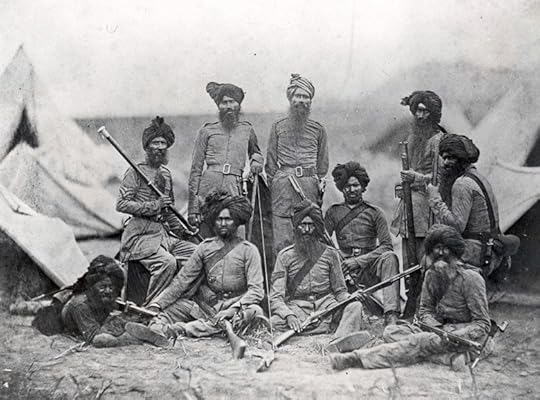
On January 14, 1831, a bearded, disheveled figure in native dress wandered out of the desert at an obscure town on British India's NW frontier, an area then collectively known as Sind. He had been traveling for more than a year, often exposed to great danger, his complexion darkened almost black by months in the sun, at times doubting that he'd ever return alive.
He was in fact a young British officer in disguise, Lieutenant Arthur Conolly of the 6th Bengal Native Light Calvary, having somehow survived his mission to reconnoiter the military & political no-man's-land between the Caucasus & the Khyber, through which a Russian army might march. Daring, resourceful & ambitious, Conolly was the archetypical Great Game player & it was he, fittingly enough, who first coined this memorable phrase in a latter to a friend. Despite his junior rank & tender years, his views were to have a considerable influence on the outcome of the Anglo-Russian rivalry in Asia.
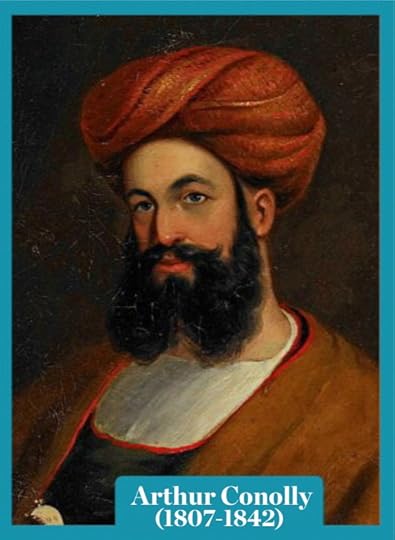 According to Hopkirk, Arthur Conolly also had a strongly religious nature and "in common with most of his generation, believed in the civilizing mission of Christianity & in the duty of its adherents to bring the message of salvation to others less fortunate." Indeed, the author does often view those protecting their homelands from intruders as heinous, treacherous & fanatical but he also sees British leadership as marked by incompetence, irresolution & plain cowardice, as in the case of General William Elphinstone.


Come tutti i principi afghani, Dost Mohammed era stato istruito sin dall'infanzia nelle arti dell'intrigo e del tradimento. A ciò si aggiungeva un talento naturale, ereditato dalla madre persiana, per le sottigliezze.