Jump to ratings and reviews
Rate this book

Contos de Kolimá #1

I racconti di Kolyma

Rate this book
"Ogni mio racconto è uno schiaffo allo stalinismo". Così nel 1971 Varlam Salamov definiva con secca, sonora immediatezza i centoquarantacinque Racconti di Kolyma, tragica testimonianza sui gulag sovietici, su "quello che nessun uomo dovrebbe vedere né sapere". Dalla fine degli anni Venti al dopoguerra milioni di persone vennero deportate e morirono nei lager staliniani, e alla Kolyma, regione desolata di tundra e ghiacci dove "uno sputo gela in aria prima di toccare terra", Salamov rimase confinato dal 1937 al 1953. L'anno successivo, subito dopo il ritorno a Mosca, tassello dopo tassello Salamov cominciò a comporre il suo monumentale mosaico contro l'oblio, il suo poema dantesco sulla vita e sulla morte, sulla forza del male e del tempo. Questa cronaca o, meglio, questo vivo documento contro il regime stalinista, viene ora pubblicato per la prima volta in Italia nella sua totalità.

1313 pages, Paperback

First published January 1, 1966

Loading...
Loading...

About the author

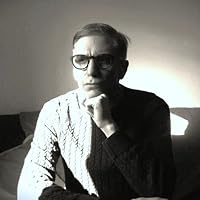
Varlam Shalamov

88 books237 followers
Varlam Tikhonovich Shalamov (Russian: Варлам Тихонович Шаламов; June 18, 1907–January 17, 1982), baptized as Varlaam, was a Russian writer, journalist and poet.

Alternate spellings of his name:
Варлам Шаламов
Varlam Chalamov
Warłam Szałamow
Warlam Schalamow
V. T. Shalamov
Varlam Șalamov

Ratings & Reviews

What do you think?
Rate this book

Friends & Following

Create a free account to discover what your friends think of this book!

Community Reviews

5 stars
5,134 (55%)
4 stars
2,863 (30%)
3 stars
964 (10%)
2 stars
223 (2%)
1 star
103 (1%)
Displaying 1 - 30 of 712 reviews
Profile Image for Vit Babenco.
1,887 reviews6,599 followers
April 20, 2014
Kolyma Tales is a book in which every story is a dirge of sorrow…
How is a road beaten down through the virgin snow? One person walks ahead, sweating, swearing, and barely moving his feet. He keeps getting stuck in the loose, deep snow. He goes far ahead, marking his path with uneven black pits. When he tires, he lies down on the snow, lights a home-made cigarette, and the tobacco smoke hangs suspended above the white, gleaming snow like a blue cloud. The man moves on, but the cloud remains hovering above the spot where he rested, for the air is motionless. Roads are always beaten down on days like these – so that the wind won’t sweep away this labor of man.

Writing his book Varlam Shalamov was this man beating a road down through the virgin snow so the others could read it and follow in the footsteps of his memory.
Supper was over. Slowly Glebov licked the bowl and brushed the breadcrumbs methodically from the table into his left palm. Without swallowing, he felt each miniature fragment of bread in his mouth coated greedily with a thick layer of saliva. Glebov couldn’t have said whether it tasted good or not. Taste was an entirely different thing, not worthy to be compared with this passionate sensation that made all else recede into oblivion. Glebov was in no hurry to swallow; the bread itself melted in his mouth and quickly vanished.

Hunger, horror, fear, humiliation: everything was used to turn a thinking man into a stupid animal.
Envy, like all our feelings, had been dulled and weakened by hunger. We lacked the strength to experience emotions, to seek easier work, to walk, to ask, to beg… We envied only our acquaintances, the ones who had been lucky enough to get office work, a job in the hospital or the stables – wherever there was none of the long physical labor glorified as heroic and noble in signs above all the camp gates.

The main task of the communist state was to turn a sentient individual into a thoughtless slave blindly obeying the dictator’s will.
The poet was dying. His hands, swollen from hunger with their white bloodless fingers and filthy overgrown nails, lay on his chest, exposed to the cold. He used to put them under his shirt, against his naked body, but there was too little warmth there now. His mittens had long since been stolen; to steal in the middle of the day all a thief needed was brazenness. A dim electric sun, spotted by flies and shackled in a round screen, was affixed to the high ceiling. Light fell on the poet’s feet, and he lay, as if in a box, in the dark depths of the bottom layer of bunks that stretched in two unbroken rows all around the walls of the room.

‘Martyr’ is derived from the Greek word ‘witness’… And Varlam Shalamov, among the millions of the silent victims, was a martyr of history too.
The main task of a human being in any inhuman conditions is to survive.
Profile Image for Jonfaith.
2,265 reviews1,836 followers
April 4, 2013
Kolyma Tales was my first used book purchase via Amazon. (I feel obligated to honor our benefactor at every turn now. I even touch my breast when I say Amazon.)

Emerging from a blue period, I truly had no idea how beautiful this harrowing account would be. I don't detect any tension between the sublime and Kolyma. Imre Kertész has taught me well. It is chance, it is human. Survival simply wasn't possible. Those that did emerge, were stripped of something. A loss occurred. Kolyma is a protean creation: it is a novel, a collection, a testament, an indictment, a discarded path towards something which couldn't be Hope.

Hungry men will always defend justice furiously (if they are not too hungry or too exhausted).

Consider my dilemma, I was so moved by this book over the last few days yet the events depicted are so alien and hostile as to defy comment. I kept reading, finding myself strangely hungry. I was spared the standard Kolyma dream of loaves of rye bread. Even while quaffing ale, I thought about those that drank medical alcohol at the expense of their patients. I thought repeatedly about the carpenter's puppy: that's all I can say about that particular anecdote. There are always foot rags to be adjusted, heels to be scratched time in the infirmary. There are innumerable others. I give Kolyma Tales my highest recommendation.
Profile Image for Rowena.
501 reviews2,872 followers
January 5, 2013
This was a tough read but one I am very glad to have read. This was a collection of stories about the conditions in Soviet forced-labour camps during the Stalinist regime. It definitely filled in many of the knowledge gaps I had of what happened in the Siberian gulags. Only someone who spent time in a Siberian labour camp could ever have come up with such a collection of short stories, stories that capture the abysmal conditions of the camps, describe what the camp does to the human psyche (both the prisoner’s and the officer’s), and the new codes the prisoners must adhere to. What I found astounding were the details included in each story. They were definitely not things most of us would consider.

“Nature in the north is not impersonal or indifferent; it is in conspiracy with those who sent us.”

The disease, hunger, violence and despair are all described in descriptive detail. The conditions beg the question: does anybody really deserve to be sent to such places, regardless of the crime they (allegedly) committed? Siberia is a place where winter temperatures are often around -60F, where temperatures of -13F was considered summery. Of course, what makes things even worse is the fact that most of the people sent to the camp weren’t even criminals, but innocent victims of the Stalinist regime. Plus, often their sentences were disproportionate to their supposed crimes.

“The arrests of the thirties were arrests of random victims on the false and terrifying theory of a heightened class struggle accompanying the strengthening of socialism.”

I liked the structure of the book; it was divided into several short stories, each dealing with different characters. Shalamov’s tone was also very matter-of-fact, so it was easier for me to handle the gruesome details.

This is definitely such an important work of literature. I can only imagine with his 17 years of living in Kolyma, Shalamov had to get everything out of his system.

To end with a quote I really liked : “Life repeats Shakespearian themes more often than we think.”

A big THANK YOU to Vera for recommending this book to me :)
Profile Image for [P].
145 reviews638 followers
March 13, 2015
I’ve written before about the idea of an ‘irrational attachment to life,’ which means that no matter how awful, how painful and degrading existence is one cannot forsake it. Not only that but, with a miser’s spirit, one actively clings to it. Of course it is not true of all – otherwise there would never be any suicide – but it is certainly true of many, including me. I had a very difficult childhood, and I would fantasise a lot about getting away, but at no point did I ever not want to be here. Quite the opposite: I would often cry in bed at night because I was so scared of dying. There’s something very funny about that, in a way…some kid weeping…begging…please give me more of this excruciating, this horrible life!

Why do some of us cling to life, no matter how awful that life may be? You could argue that it is the masochistic impulse. I believe in that, certainly. I think we have both a sadistic and masochistic impulse [one of which may be more pronounced in some], and that these influence many of our behaviours. I’m not convinced, however, that the masochistic impulse is responsible in this case, because an attachment to life in awful circumstances need not involve actively seeking out those circumstances [which would be necessary for me to consider it masochistic]. I think the desire to stay alive is a more basic, primordial impulse. A few years ago my cat fell out of a window and smashed his legs and split the palette in his mouth in two, but rather than lie down and succumb to what must have been a strong desire to give in he actually managed to drag himself out of the way of immediate danger and under a car. His instinct for survival was, you might say, absurdly strong, but there it was, urging him to protect what was left of his pain-wracked body. It’s an extraordinary thing, although It’s not necessarily admirable.

Varlam Shalamov spent, in total, seventeen years in prison and labour camps or Gulags. After his final release he commenced work upon a collection of short stories that dealt with camp and prison life. This collection came to be called Kolyma Tales. Kolyma is the name of the region where the camp was located in which the author served ten years. As this book, and others, attest life in the Russian labour camps was extraordinarily grim, with arctic conditions, beatings, scurvy, meagre rations, and near-unendurable work being the norm; the prisons weren’t much better.

“We have to squeeze everything out of a prisoner in the first three months — after that we don’t need him anymore.” – Naftaly Frenkel, Camp commander [from Solzhenitsyn’s Gulag Archipelago].

конченый
Translation: ‘goner’ or ‘doomed.’


If there is a philosophical idea behind Shalamov’s work it is what I wrote about in the opening paragraphs. Most of his characters are survivors, as was the man himself, even though the desire to survive seems absurd. Another day of this? Of starvation, misery, exhaustion? Yes. Because what else is there but another day?

On numerous occasions the author is at pains to impress upon the reader that suffering, true suffering, does not engender camaraderie or ennoble the spirit. The consequence of life in the camps is that the prisoners become animalistic, their engagement with life is reduced to that of instinct. In many of his stories the most important thing to the characters is to get warm, or attempt to; many also steal from the dead in order to give themselves a better chance of survival. However, it is, once again, important to point out that for Shalamov this survival is absolutely not heroic, it just is. This is emphasised by the author’s dispassionate or matter-of-fact style. It is a style that is reminiscent of Imre Kertesz’s Fatelessness, yet lacks the Hungarian’s subtle irony. Shalamov plays it straight, without the hint of an upraised eyebrow.

I do not want to give the impression, however, that the Russian’s stories are thinly disguised autobiography, or that they are essentially a form of documentary or reportage. To see them in this way does the writer a huge disservice. What was most impressive, for me, aside from the incredible consistency, was the literary quality of each of Shalamov’s short tales. The structure and pacing, for example, are immaculate. There is one story, In the Night, in which two men set out along a path leading to a pile of rocks. One thinks, of course, that they have been put to work, especially when they start to move the rocks. Yet the conclusion of the story reveals that what they are actually doing is digging up a deceased comrade, in order to steal his clothes. There is no unnecessary exposition, no melodrama, just a great deal of control and a sharp, quick punch in the guts at the end. In the Night is one of the earliest stories in the collection, and I knew after reading it that Shalamov was a master of the form.

In the very best short stories there is a world both inside and outside of the narrative. This is true also of Shalamov’s work. Take In the Night again where there is the actual narrated action, but also a host of unanswered questions about who the dead man is, how he died, who the two men digging him up are, how they came to be incarcerated, and so on. In this way I was reminded strongly of Raymond Carver, whose snapshots are similarly restrained and yet suggestive of a more detailed narrative that is ultimately left to your imagination. Also like Carver, and Chekhov too, Shalamov is essentially apolitical and totally non-judgemental. For Carver and Chekhov that would have would been, one imagines, an easier feat than for this writer, whose tales all deal with people arrested [often on trumped up charges] under Stalin’s government. This refusal to fully engage with politics, the distance Shalamov maintains from the political climate of the time, serves to emphasise just how isolated, how cut off, his characters are from the outside world.

Shalamov does, however, make frequent references to literature. In certain stories he writes about Pushkin and Chekhov; in others he mentions a deck of playing cards that are made out of a Victor Hugo novel and discusses how inmates who can retell well-known or published stories are called novelists. More interestingly, some of the prisoners are named after famous Russian characters, such as Tolstoy’s Vronsky; and Andrei Platonov, a real life figure, and fellow writer, also makes an appearance, even though we know, of course, that he never served time in a prison. Russian writers, it has always struck me, are the most self-referential, but Shalamov, I imagine, wasn’t merely giving shout-outs. If you take Platonov as an example, he himself was a controversial figure, who Stalin apparently disliked, and so one might argue that he could easily, on this basis, have ended up in a camp, which were full of intellectuals anyway. I think in using Platonov and Vronsky and so on, he is saying that this could literally happen to anyone, that anyone, no matter what their status is, could find themselves in this horrific situation. Furthermore, by populating his tales with well-known Russians, in pointing to the country's golden past or literary heritage, one might argue that Shalamov, whether intentionally or not, is subtly saying: look how we have come from that to this.

"I’d like to have my arms and legs cut off and become a human stump – no arms or legs. Then I’d be strong enough to spit in their faces for everything they’re doing to us."
Profile Image for Ludmilla.
363 reviews225 followers
May 21, 2020

Burada hep açsın, yorgunsun, donuyorsun… Yaraların iyileşmiyor, kemiklerin ısınmıyor, bitler üzerinde geziniyor. Tüm gücünü sadece hayatta kalmak, sadece ayakta kalmak için harcıyorsun. Duygulara yer yok burada, kin tutamazsın ya da öfke duyamazsın, duygulara ayıracağın her enerji zerresine ihtiyacın var, ayakta kalamazsın yoksa. O nedenle umursamazsın. Daha önce öğrendiklerin burada geçersiz, entelektüel becerilerin seni daha zayıf kılıyor. Adi suçlular en güçlüler ve herkesin üstündeler, acımasız ve vahşiler. Oysa Dostoyevski onları nasıl da merhametle anlatıyordu!


Önce duyguların terk ediyor seni, sonra bilişsel yeteneklerin. Bilinçsiz kalmaya o kadar ihtiyacın var ki ölü gibi yatıyorsun, kemiklerine işleyen soğuğu, midenin boşluğunu, uğradığın haksızlıkları, gücünün çok üstünde çalıştırılmanın yorgunluğunu ancak bu şekilde unutabiliyorsun. Bir sonraki güne dek.


Öyle şeyler görüp yaşıyorsun ki buradan kurtulduğunda ailenin yanına dönmeyi hayal edemiyorsun. Elinde kalan azıcık ve çok önemli şeyleri anlayamayacaklarını biliyorsun. Hiçbir insan senin tanık olduğun şeyleri bilmemeli. Ruhun da bedenin de çok yorgun, artık dinlenmek istiyorsun.


Ama bir sedir ağacı var, umudun ağacı. Umutsuzluğun orta yerinde bu her daim yeşil ağaca bakıyorsun, cesaretiyle ve inatçılığıyla büyülenerek. Seni ölmeye gönderdikleri bu yerde, açlıktan 48 kiloya düşmüşken ve her yerin iltihaplıyken onun gibi doğrulamıyorsun belki ama bir şeyler yapıyorsun: Kendi yolunu seçiyorsun*.


Adi suçlulara hikaye anlatarak ve onların topuklarını kaşıyarak daha rahat bir kamp hayatı geçirebilirsin, yapmıyorsun, seni o kadar aşağılamalarına izin vermiyorsun. Oyun oynadığınız köpeği öldürüyorlar, etinden sana da veriyorlar bir parça, açlıktan ölsen de yemiyorsun. İktidarın nasıl bir güç ve acımasızlık getirdiğinin farkındasın, hiç kimseye zarar vermemek için sana en ufak bir yetki verecek tüm görevleri reddediyorsun. Kendinden başka kimseye minnet duymak istemiyorsun, tek başına çıkacaksın bu kamptan, kendi gücünle, kendi becerinle. Sözcükler seni terk ediyor, anılar da. Ama sevdiğin şiirler hâlâ duruyor. Bitkinliğin, soğuğun, açlığın, sonu gelmez aşağılamaların bastıramadığı o şiirler sana hayatta kalabilmek için güç veriyor.


Bir gün çoktandır unuttuğun kelimelerden birini hatırlıyorsun. Öyle korkuyorsun ki dönüşü olmayan bir yere gitmekten, tedirgin oluyorsun ama çoktandır unuttuğun bir his yokluyor seni: Yaşamak istiyorsun, eski hayatına dönmek istiyorsun.


Ve hayatta kalıyorsun. Binbir zorlukla geri getirdiğin kelimelerle tüm o anlatılamaz acıyı aktarıyorsun. Sana göre edebiyatçı kendi bildiği gerçeği anlatmalı zaten. Sen de öyle yapıyorsun, gördüğün, bildiğin şeyleri anlatıyorsun, kendini acındırmadan, mecaz kullanmadan, süslemeden, doğrudan. Cehennem de ancak böyle anlatılabilirdi zaten ve sen bunu başarıyorsun. Ne de olsa cehennemden döndün.


* Toplama kamplarında yaşayan bizler, o kamptan bu kampa koşan, ellerindeki son ekmek kırıntılarını vererek başkalarını teselli etmeye çalışan insanları anlayabiliriz. sayıları az olabilir, ama bu bile bir insandan bir şeyin dışında her şeyin alınabileceğini yeterince gösterir: İnsan özgürlüklerinin sonuncusu; yani, belli koşullar altında insanın kendi tutumunu belirlemesi, kendi yolunu seçmesi . (Victor Frankl -İnsanın Anlam Arayışı)
Profile Image for Patrizia.
538 reviews171 followers
October 28, 2020
Il primo sentimento che questo libro suscita è rispetto per un uomo sopravvissuto a 17 anni di stenti, fatica, umiliazioni, fame, freddo, privazione della libertà. Man mano che la lettura procede, si innestano commozione per il livello di sopportazione e rabbia per il livello di crudeltà che esclude carcerieri - e spesso anche detenuti - dal genere umano, allontanandoli anche da quello animale, perché la ferocia gratuita non appartiene nemmeno alle belve.
Dal carcere duro, Šalamov e altri prigionieri vengono deportati nel grande Nord. Dopo l’iniziale sollievo generato dall’idea di abbandonare una cella per lavorare all’aperto, lo sconforto è immenso. Si aprono le porte di un inferno bianco, fatto di neve, ghiaccio e temperature estreme al di là dell’immaginazione. È un inferno popolato da esseri in via di trasformazione, sia fisica che mentale. Si perde peso, ci si ricopre di piaghe, la pelle cambia colore e l’espressione del viso diventa sguardo fisso perduto nel vuoto. Lo stesso vuoto si avverte all’interno, al posto dell’anima, che scompare per sempre, perché anche chi, come l’autore, riuscirà a rivedere il mondo non lo vedrà più come prima e sarà profondamente diverso.
Si perdono le parole, ridotte a un linguaggio essenziale che sa di fame, dolore e stanchezza. Si perdono i valori. Per quanto si lotti contro questa disumanizzazione, prima o poi ci si arrende, sentendosi ormai nell’anticamera della morte, che può sopraggiungere in ogni momento e per qualunque motivo, per mano delle guardie o dei compagni di pena, per un pezzo di pane o per un maglione, per una quota di lavoro non raggiunta o per sfinimento, malattia, fucilazione, suicidio.
La morte sembrerebbe in effetti preferibile, ma ci si aggrappa a qualunque cosa per sopravvivere.
Si continua a lavorare a qualunque temperatura e in qualunque condizione per una minestra acquosa e un pezzetto di pane.
I contatti con l’esterno sono interrotti, anche mentalmente. Si pensa al presente. Passato e futuro non hanno senso.
Quando Šalamov riconquisterà la libertà, avrà comunque perso tutto. Vivrà per scrivere della Kolyma e morirà solo, in un ospizio.
Ho letto soppesando le parole, riconquistate, con cui l’autore descrive l’inferno, denunciando la propria rabbia e il proprio odio, la vergogna per la perdita di dignità, le crudeltà subite e i pochi gesti di solidarietà ricevuti, importanti perché gli hanno salvato la vita, fedele alla regola tratta dalla sua esperienza:

“Prima di tutto bisogna restituire lo schiaffo e solo in un secondo tempo l’elemosina. Ricordare il male prima del bene. Ricordare tutto il bene ricevuto per cent’anni, e tutto il male per duecento”.
Profile Image for Mikey B..
1,190 reviews515 followers
August 21, 2021
It was with some trepidation that I picked this one off my shelf. I didn’t quite know what to expect. I found it remarkable! It’s a collection of short stories; my volume has well over fifty stories contained at slightly over 500 pages. They are under the titles of Kolyma Tales, The Left Bank, The Virtuoso Shovelman, Essays on the Criminal World, and Resurrection of the Larch.

Kolyma is in North-eastern Siberia and the author spent decades there as a political prisoner in forced labour camps. There are two types of prisoners – criminal and political. Political prisoners were at the bottom of the totem pole.

Conditions were atrocious and the stories reflect this – there is brutality, starvation, freezing cold, extreme isolation, and hard arduous work. This can make for relentlessly glum reading – but all the stories are different and some have a sardonic twist, albeit dark. Life was on a day-to-day basis.

One interesting story was on Russian prisoners of war who were “liberated” by Stalin’s armies – and then sent immediately to the Gulag (Siberia, Kolyma) to spend twenty or so years for having been captured by the Nazis. Soviet soldiers were not supposed to surrender.

Page 242 (my book) from short story Major Pugachov’s Last Battle

The arrests of the thirties were arrests of random victims on the false and terrifying theory of a heightened class struggle… The absence of any unifying idea undermined the moral resistance of the prisoners to an unusual degree. They were neither enemies of the government nor state criminals, and they died not even understanding why they had to die. Their self-esteem and bitterness had no point of support. Separated, they perished in the white Kolyma desert from hunger, cold, work, beatings, and diseases. They immediately learned not to defend or support each other. This was precisely the goal of the authorities. The souls of those who remained alive were utterly corrupted.

Page 242-43 from short story Major Pugachov’s Last Battle

New arrivals asked the surviving “aborigines”:
“Why do you eat your soup and kasha in the dining hall but take your bread with you back to the barracks? Why can’t you eat your bread with your soup the way the rest of the world does?”
Smiling with the crack of their blue mouths and showing their gums, toothless from scurvy, the local residents would answer the naïve newcomers:
“In two weeks each of you will understand, and each of you will do the same.”

How could they be told that they had never in their lives known true hunger, hunger that lasts for years and breaks the will? How could anyone explain the passionate, all-engulfing desire to prolong the process of eating, the surprise bliss of washing down one’s bread ration with a mug of tasteless, but hot melted snow in the barracks?


Page 413 from short story The Red Crisis

Physical force becomes moral force.
Profile Image for Matt.
61 reviews
May 29, 2020
I wasn't afraid of my memories.
-Varlam Shalamov

In 1966, Irina Sirotinskaya, a young mother working for the Russian State Archives, convinced Varlam Shalamov to let her preserve his works. Upon first meeting him, after being warned of his brusque nature, she remarked how his character struck her:

My first impression of Varlam Tikhonovich? Big. There was the physique, tall and broad-shouldered, and then a clear sense of an extraordinary, formidable personality — from his first words, at first glance.

They were to develop a friendship that would last until his death in 1982. This first meeting ended better than expected, with Irina asking to return and Shalamov remarking: “Come by. I like you.” It is to this meeting, and subsequent friendship, that a debt is owed, for what was preserved is a masterpiece of 20th-Century literature.

In Kolyma, in the far northeast of Russia, the gates above the prison-camp entrance were emblazoned with the words “Labor is a matter of honor, a matter of glory, a matter of valor and heroism,” but it may as well have read “ABANDON ALL HOPE YE WHO ENTER HERE.” Hell under a different banner. Through 86-stories, most of which are short, precise, and unceasingly palpable, Shalamov writes of his experiences in the Gulag prison system. As a political prisoner sentenced under the sinister “Article 58,” he was entitled to exist in unremitting misery, where “bread was what decided things”; waking early to endure 16-hour workdays mining for gold in temperatures reaching sixty degrees below zero (Below fifty-five degrees a gob of spit freezes solid in midair); enduring beatings from the bosses, guards, foreman, and humiliations from the criminals; the never-ending search for more rations of bread, tobacco, and warmth, only to slump into a plywood bunk when the day was done, embraced by fellow prisoners to keep warm, to make it through the night for a chance of surviving to the next day. The suffering does not stop for a moment: it does not give way to religious epiphanies, it does not provide any redemption or plausible explanation as to why one man survives, while the other dies (You today, me tomorrow). Perhaps this is why Shalamov is persistent in his belief that what separates human beings from every other living species on the planet is not our greater intelligence. It is the unshakable will of humans to survive that allows resistance to death in such a place where the odds are ever in favor of the abyss. And it is certainly why Shalamov proclaimed “Every minute of camp life is poisoned.”

In the wake of each story is an elegiac tone, in which Shalamov does not once tread into sentimentality, but rather mournful respect issued from a shared trauma. It is often reiterated that there is no heroism in suffering, and it is best exemplified when Shalamov writes of the dead: “They were martyrs, not heroes.”

Kolyma Stories is not just “camp literature,” but, in my view, a supreme work of art. It is a work bereft of moralizing, judgments, lessons, resolutions, and situations that seem always to work out in the end. Though Shalamov survived the camps, it was certainly not because he was ingrained with great wisdom from his experience, and this leads to a realization that what he has produced can be viewed only in the sense of what it is. The conclusions are drawn only in the reader’s mind. Shalamov expressed his view of his works in this way:

My writing is no more about camps that St-Exupéry's is about the sky or Melville's, about the sea. My stories are basically advice to an individual on how to act in a crowd... [To be] not just further to the left than the left, but also more real than reality itself. For blood to be true and nameless.

Irina Sirotinskaya wrote of the time she spent with Varlam Shalamov. The Years We Talked recounts his decline and entrance into several nursing homes, where Irina would visit him less and less over time. When Shalamov was moved to a new nursing home in January of 1982, nude, kicking, and screaming, it would be his last tussle with the hard life he had led. He died two days later. Sirotinskaya captured what followed:

On January 17, 1982, he died. He died in the hands of strangers and no one understood his last words.

Then there was the funeral, a troublesome matter. Excited faces of strangers who wound up taking part in a sensation. They put on an entire show. I kept talking to him in my mind: “Don’t be afraid, I’m with you.” I had a clear feeling of his presence. His dead face was serene. I put in the pocket of his jacket a talisman of ours which he had given to me a long time ago (“have it on you at all times”) – a small walrus, carved from walrus tusk.

Farewell, my friend.
Profile Image for Steven Godin.
2,809 reviews3,685 followers
March 30, 2021

This didn't have the same impact on me as Yevgenia Ginzburg's powerful and haunting 'Journey into the Whirlwind', but it is without question one of the greats of Gulag literature.
Not that the vast network of camps that spread like the plague across some of the most harsh and desolate regions of Russia were a walk in the park, but Kolyma was seen as the most extreme. We're talking temperatures so low that it was enough to squeeze a man’s temples like one had their head in a vice. Not to mention the lack of nutrition and lack of sleep. 17 years of that! - longer and more brutal than Aleksandr Solzhenitsyn's experiences - I'd gladly take a super-duper full on covid lockdown any day. The sort of book to put everything into perspective really. The sort of book that makes you feel physically exhausted without moving a muscle. Well, arms, and hands holding the book, obviously, but you get the picture. Shalamov wrote nearly 150 stories over a near 20 year period, and unless you read Russian, not all have been translated into other languages. While these stories obviously are autobiographical - making them hyper real -there is also interwined a more complex and surreal feel to some of them. This version came with the added bonus of a second collection called Graphite.
Profile Image for Jaguar Kitap.
54 reviews369 followers
August 17, 2019
Varlam Şalamov ilk kez Türkçede. Bu olağanüstü kitap, Gamze Öksüz'ün Rusça aslından çevirisiyle pek yakında!
Profile Image for Roberto.
627 reviews1 follower
Read
January 2, 2013

"La nostra epoca è riuscita a far dimenticare all'uomo che è un essere umano"

Salamov ci racconta quello che ha vissuto nei 17 anni trascorsi ai lavori forzati nell'inferno della Kolyma, ossia la Siberia orientale. Un luogo inospitale dove d'inverno si raggiungono i sessanta gradi sotto zero. Conosciamo così, tramite i suoi occhi, uno dei più terribili orrori dello scorso secolo: i campi di concentramento sovietici, organizzati da Stalin, dove tra gli anni trenta e cinquanta persero la vita impunemente quasi tre milioni di persone che stavano scontando pene per colpe che nella maggior parte dei casi erano inesistenti.

Sono stato all'isola di Sakhalin, in Siberia, che sta un pochino più a sud della Kolyma. Ricordo ancora i paesaggi, il cielo, la desolazione dei paesi, i 50 gradi sotto zero e il vento gelato che soffiava a cento chilometri orari. E non posso non immaginare cosa potesse significare passare vent'anni in quelle condizioni.

Nella giornata passata alla Kolyma c'è tempo solo per pensare a sopravvivere, anche se spesso si desidera la morte immediata come liberazione. Non c'è dignità umana. Ci sono solamente maltrattamenti, umiliazioni, fame, freddo, pidocchi, sputi che si ghiacciano prima di toccare terra, cancrene e malattia. I rapporti personali sono ridotti al lumicino, il pensiero è sempre alla quotidianità, alla soddisfazione per aver trovato una crosta di pane ammuffito, al freddo, al lavoro, al gelo. Ognuno cerca di arrivare a fine giornata senza pensare a cosa succederà il giorno seguente, perché non si sa se ci sarà un domani.

La vita interiore è azzerata; non si vive più, si vegeta. Non può non venire in mente, leggendo queste pagine, il libro di Primo Levi"Se questo è un uomo". La sofferenza è indipendente dalla nazionalità di detenuti e carcerieri.

Colpisce qui, come in altri racconti dai campi di concentramento, che anche nella disperazione e nella sfortuna alcuni individui tentino sempre di sopraffare gli altri. L'istinto di sopravvivenza fa emergere i lati peggiori delle persone. E purtroppo sono poi le persone più intellettualmente miserevoli a sopravvivere, perché senza scrupoli.

Il libro è costituto da una serie di racconti senza un apparente filo logico, dove a volte lo stesso personaggio o la stessa situazione si osserva in più d'un racconto, magari da prospettive diverse.
Purtroppo tanto dolore, tanta sofferenza porta assuefazione, vista la notevole mole del libro. Secondo me 1300 pagine son troppe, una maggiore sintesi avrebbe reso il libro molto più efficace.
Forse la cosa migliore è affrontare questa lettura impegnativa diluendola nel tempo.

Molto tragico, molto impegnativo, molto forte, molto angosciante.
Un altro libro da leggere per non dimenticare.
Profile Image for John .
1,004 reviews43 followers
December 15, 2023
This precedes an equally hefty collection of tales, mostly but slightly fictionalized I reckon, from the Kolyma labor camps in Northern Siberia. The scenes can overwhelm, as this volume is enormous. By the end, some incidents get retold or revised. Quite a few entries segue, or take themes and examine them from varied perspectives. I'd recommend starting with Anne Applebaum's "Gulag: A History" and the abridged "Gulag Archipelago" for context, and to test whether you want more testimony.

Shalamov has the stoic, determined, and relentless character needed for survival. I can't fathom how in minus-50C with rags for boots, soaked pants, and an unraveling cotton-stuffed thin jacket anyone--no matter how well-fed, sleep-contented, and healthy in mind and body--could endure let alone overcome beatings at hard labor for 12-14 hours daily. The ability of hungry, suspicious, venal, cunning, amoral brigades to endure pain, paranoia, fear, theft, and abuse proves astonishing.

This material cannot be taken in casually: none of the accounts in this dense collection come across as lighthearted. I found myself of two minds. I was engrossed for hours on end by the inherent grim drama of the scenes. I was mentally drained, afterwards, and it's very slow going. What you realize by the last fifth or so is how stories earlier told are retold, as in a vividly related escape, or play off each other in retelling. I'm suspecting that the translator wanted to leave us with the intact, stiff corpus...a fitting word...of what Shalamov left behind, for a complete anthology, excavating agony.

Fifty years earlier, Penguin published Kolyma Tales, which with a different translator, I assume is an abridgment. That may suffice for many. (N.B. I read this in weeks after the sudden death {z'l} of my wife, which may or may not be relevant, but it certainly revealed raw perspectives on suffering.

Over ten months later, I began its sequel, after being reminded of its scope by Ian Frazier's notice in "Travels in Siberia." In the interim, I reviewed the shorter and sparer memoir "Cold Crematorium," published in translation 2023/4, by an Hungarian survivor of the Shoah, József Debreczeni. He too reveals satellites--around Auschwitz among the Reich's Polish extensions--on an "archipelago." I raise this as like Shalamov in these vignettes and subsequent "Tales from the Criminal World," you face the experiences of not those in death camps per se, at least as rapidly executed, but those who must endure the hellish infirmaries and fever wards which haven't gained as much attention, as their horrors tended to linger to demoralize or defeat, rather than lash out rapidly a fatal sentence.)

However, back to this edition: it needed more aids for those unfamiliar with the subcategories of the catchall Article 58 which sent many "politicals" to exile, punishment, and starvation. I had to look these up, and Articles 35 and 88. Let alone a comic pair whose One-Story America shtick gains no explanation. Notes document many Russian names associated with this era, but leave readers like me still at sea as to the wider ice and swamps. Shalamov addresses himself and fellow survivors of the gulags, while audiences like ours lack, naturally, insider knowledge and "lived experience," in what's become shorthand for progressives. Who like some on their opposite side of our political spectrum need schooling in dangers inherent in forcing hundreds of millions into (now-again?) top-down "identitarian" classifications of worthy vs. reviled out of ideology rather than liberation.
Profile Image for Emiliya Bozhilova.
2,072 reviews417 followers
November 10, 2020
Песента Ванинский Порт

https://youtu.be/Vn6MwNUfTks

В Колима от далечния Север хора не са останали. Не физически, а метафорично... Само призраци на някогашни хора. И чудовища от древните легенди, които да ги пазят - на база подробни заповеди и правилници. Субарктически климат с минус 50. Норми за 16 часов работен ден. Таблици за храна, в които калориите в 1 литър вода са приравнени на калориите в маслото...

Шаламов просто разказва кое как е било, както сам го е изпитал из Колимските лагери между 1937 г.и 1953 г. Няма място за драма. Драмата е в отвъдния свят - този на живите. Ужасът не е никак драматичен, защото не е литературен жанр, създаден приятно да гъделичка нервите. Ужасът е ден след ден живот. И последната граница на личния Север.

Варлам Шаламов, подобно на своя италиански събрат по съдба и светоглед Примо Леви, успява да надхитри чудовището на съветската лагерна система, като просто оцелява. Като свидетелства. От първо лице. Човешки, стегнато и по същество.

”Ние — и четиримата — бяхме отлично подготвени за пътешествие в бъдещето — било то небесно или земно. Знаехме какво значи научнообоснована норма на хранене, какво е таблица за замяна на продуктите, според която излизаше, че кофа вода по калории замества 100 грама масло. Бяхме се научили на смирение, бяхме, се отучили да се учудваме. Нямахме гордост, себелюбие, самолюбие, а ревността и страстта ни се струваха марсиански понятия, при това пълна глупост. Много по-важно беше да се научиш да си закопчаваш гащите на студа, през зимата — възрастните мъже плачеха, когато понякога не можеха да го направят. Разбирахме, че да умреш не е никак по-лошо от това да живееш, и не се страхувахме нито от едното, нито от другото. Бяхме обладани от огромно равнодушие. Знаехме, че сме в състояние да прекратим този живот още утре, и понякога събирахме смелост, но всеки път ни пречеха някакви дреболии, от които се състоеше целият ни живот. Или ще вземат да раздават „брашненика“ — килограм хляб като награда — просто беше глупаво да се самоубиеш в такъв ден. Или дневалният от съседната барака ще обещае да ти даде цигара вечерта — да върне стар дълг.

Бяхме разбрали, че животът, дори най-лошият, се състои от редуване на радостта с мъката, на сполуките с несполуките и че човек не трябва да се плаши, че несполуките са повече от сполуките.

Бяхме дисциплинирани, слушахме началниците си. Разбирахме, че истината и лъжата са родни сестри, че на света има хиляди истини.

Смятахме се почти за светци — мислейки си, че с годините, прекарани в лагерите, сме изкупили всичките си грехове.

Бяхме се научили да разбираме хората, да предугаждаме постъпките им, да ги разгадаваме.
Бяхме разбрали — и това беше най-важното, — че нашите познания за хората не ни носят никаква полза в живота. Какво като разбирам, чувствам, разгадавам, предугаждам нечии постъпки? Нали не мога да променя своето поведение спрямо човека, няма да взема да доноснича срещу друг също такъв затворник, каквото и да направи. Няма да се домогвам до бригадирска длъжност, която дава възможност да останеш жив: най-лошото в лагера е да натрапваш своята (или нечия чужда) воля на друг човек — на арестант, какъвто съм и аз. Няма да търся „полезни“ познанства, да давам рушвети. И какво като знам, че Иванов е подлец, Петров — доносник, а Заславски — лъжесвидетел?

Невъзможността да използваме определени видове „оръжие“ ни прави слаби в сравнение с някои наши съседи по нар в лагера. Бяхме се научили да се задоволяваме с малко и да му се радваме.
Също така бяхме разбрали нещо много интересно — в очите на държавата и на нейните представители физически силният човек е по-добър, именно по-добър, по-нравствен, по-ценен от слабия, от онзи, който не може да изкопае двадесет кубометра скална маса през смяната. Първият е по-морален от втория. Той изпълнява „процента“, тоест изпълнява своя най-важен дълг пред държавата и обществото, заради което е уважаван от всички. С него се съветват и зачитат мнението му, канят го на съвещания и събрания, които по тематика са далеч от въпросите за изгребването на тежката, хлъзгава скална маса от мокрите, плъзгави ровове”.
Profile Image for paper0r0ss0.
660 reviews61 followers
July 14, 2021
Il terribile universo concentrazionario sovietico visto in prima persona. Una breve antologia che raccoglie alcuni episodi dell'odissea di sofferenze vissuti dall'autore. Che dire! Si fatica, leggendo, anche solo a immaginare cosa si dovesse provare trovandosi nelle situazioni descritte. Per quanto riguarda invece l'aspetto piu' strettamente letterario, si alternano pagine di struggente lirismo e altre francamente un po' ripetitive. Quello che conta pero' e' senza dubbio la denuncia, la testimonianza dell'orrore. Orrore se possibile ancora maggiore perche' seminato da chi tante speranze aveva suscitato negli ultimi di tutto il mondo.
Profile Image for Andrew.
2,330 reviews1,019 followers
Read
October 27, 2015
Every now and then you read one of those books describing tough circumstances where the reader is almost inevitably forced to think "what would I do in this situation?" Kolyma Tales is most definitely one of those. When you're thinking of Russian prison literature, most people think of Solzhenitsyn. For my money, Shalamov was as good a literary craftsman, but rather than trying to impose an ideology-- which in Solzhenitsyn's case, was a rather nasty Orthodox conservatism-- he seemed more content to tell simple stories. Which, in a situation as difficult as the Gulag, is enough.
Profile Image for Dragan.
112 reviews20 followers
May 12, 2020
Ova knjiga je jedno veliko NE Dostojevskom i cijeloj književnoj tradiciji "patnje kao iskupljenja" . Ovdje patnja ne donosi nikakvo iskupljenja niti za istu postoji odgovarajuća nagrada osim razaranja čovjeka i njegove ličnosti. Šalamov ne daje nikakve moralne putokaze, izbjegnuta je svaka patetika , a sarkazam je jedini autorov  komentar. Nema ovdje nikakvog sažaljenje i suosjećajnosti , pred nama je samo užas, dno ljudskog života i postojanja. Svjedoci smo jednog paklenog svijeta kolimskih logora na dalekom sjeveru Sibira, u pričama ispunjenih atmosferom jeze i užasa, ali i nevjerice ; ovo nije fikcija nego svjedočanstvo jednog logoraša! Priče su prepuno opsesivnih motiva poput gladi, zime, izmorenosti, beznađa ( ne, nema nade, nema budućnosti ni prošlosti, nema Boga, nema vjere kao kod npr. Solženjicina), gladi, rada, zime , fizičke iznemoglosti i opet gladi.... I zime.

I jedan citat koji se provlači više puta kroz cijelu knjigu: " Rad stvar časti i slave, pitanje smjelosti i herojstvo."
Profile Image for Yücel.
76 reviews
April 15, 2020
“açlıktan parlayarak yanan gözler”
Profile Image for Aurelio.
685 reviews29 followers
January 1, 2026
Varlam Shalamov llega al fondo de la condición humana y su supervivencia en los campos de trabajo de Kolima, desasosegante pero directo en cada relato hay una historia de vida con mucha humanidad. Fantástico
Profile Image for Thomé Freyre.
206 reviews8 followers
May 28, 2021
Os “Contos de Kolimá” e “Gulag” de Aleksandr Solzhenitsyn, são dois dos poucos testemunhos do inferno que eram os campos de concentração estalinista, onde qualquer pessoa, criminosa ou não, poderia ser encarcerada conforme as arbitrariedades do regime.
O presente livro só tem um “defeito”, ser demasiado curto.
Profile Image for Bogdan.
167 reviews117 followers
March 10, 2024
In English below

Варлам Шаламов провёл в заключении около 17 лет — более чем в четыре раза дольше, чем Достоевский, — и не в царских тюрьмах XIX века, а в куда более продвинуто жестоких сталинских лагерях. Он писал с проницательностью своего великого предшественника, а также с лаконичной точностью, напоминающей стиль Хемингуэя.

Кроме того (хотя они, конечно, не знали и не читали друг друга), Варлам Шаламов и Примо Леви, прошедшие через два главных ада XX века, писали, по сути, об одном и том же. Не только о истреблении всего человеческого в Освенциме и ГУЛАГе, но и о радикальном, уже нечеловеческом, отчуждении узников. О последнем уровне страдания, где СОстрадание становится невозможным, где исчезает любая значимая близость и обрываются последние связи между всё ещё живыми людьми:

Все человеческие чувства — любовь, дружба, зависть, человеколюбие, милосердие, жажда славы, честность — ушли от нас с тем мясом, которого мы лишились за время своего продолжительного голодания.


[...]

Дружба не зарождается ни в нужде, ни в беде. Те «трудные» условия жизни, которые, как говорят нам сказки художественной литературы, являются обязательным условием возникновения дружбы, просто недостаточно трудны. Если беда и нужда сплотили, родили дружбу людей — значит, это нужда не крайняя и беда не большая. Горе недостаточно остро и глубоко, если можно разделить его с друзьями. В настоящей нужде познается только своя собственная душевная и телесная крепость, определяются пределы своих возможностей, физической выносливости и моральной силы.


Варлам Шаламов – Колымские рассказы

Между тем мы были неприкасаемыми для большинства вольных. Все они, с той или иной степенью откровенности, демонстрировали нам свое отношение, колеблющееся от презрения до сочувствия, считая, что раз мы попали сюда, раз нас содержат в таких условиях, значит, дело с нами не чисто, значит, есть на нас какая-то тайная и ужасная вина. Они слышали, что мы говорим на разных непонятных языках, которые звучали для них дико, вызывая ассоциацию с криками зверей; они видели нас, полностью порабощенных, без волос, без имен, забывших о достоинстве, терпящих побои, с каждым днем все больше деградирующих, но не могли заметить в наших взглядах даже проблеска протеста, веры или смирения. Они знали нас как воров и обманщиков, как грязных голодных оборванцев и, поменяв местами следствие и причину, воспринимали нас такими, какими мы стали. Для них мы все были на одно лицо и назывались просто KZ — средний род, единственное число.


Примо Леви – Человек ли это?

Infatti, noi per i civili siamo gli intoccabili. I civili, piú o meno esplicitamente, e con tutte le sfumature che stanno fra il disprezzo e la commiserazione, pensano che, per essere stati condannati a questa nostra vita, per essere ridotti a questa nostra condizione, noi dobbiamo esserci macchiati di una qualche misteriosa gravissima colpa. Ci odono parlare in molte lingue diverse, che essi non comprendono, e che suonano loro grottesche come voci animali; ci vedono ignobilmente asserviti, senza capelli, senza onore e senza nome, ogni giorno percossi, ogni giorno piú abietti, e mai leggono nei nostri occhi una luce di ribellione, o di pace, o di fede. Ci conoscono ladri e malfidi, fangosi cenciosi e affamati, e, confondendo l’effetto con la causa, ci giudicano degni della nostra abiezione. Chi potrebbe distinguere i nostri visi? per loro noi siamo «Kazett», neutro singolare.


Primo Levi – Se questo è un uomo


English


Varlam Shalamov was imprisoned for around 17 years – more than four times longer than Dostoevsky – and not in the tsarist prisons of the 19th century, but in the Stalinist camps that were far more advanced in their systematic modern brutality. He wrote with both the depth of his great predecessor, and with a sharp precision reminiscent, despite the subject matter, of Hemingway.

Moreover (though they, of course, did not know or read each other), Varlam Shalamov and Primo Levi, having lived through the two main hells of the 20th century, wrote, in essence, about the same thing. Not only about the mass destruction of everything human and humane in Auschwitz and the Gulag, but also about the radical, already inhuman, alienation of prisoners; about the last degree of suffering, where compassion (even in the basic sense of “suffering with others”) becomes impossible, when all meaningful closeness and ties between still living people are broken:

Any human feelings—love, friendship, envy, charity, mercy, ambition, decency—had vanished along with the flesh we had lost during our prolonged starvation.


[...]

Friendship never arises in a state of deprivation or misery. The “difficult” conditions of life, which writers of fairy tales tell us are a precondition for friendship, are simply not difficult enough. If deprivation or misery ever gave people solidarity and friendship, then the deprivation was not extreme and the misery was not very great. Grief is not acute or deep enough if you can share it with friends. In the deprivation we underwent, all you are aware of is your own mental and physical strength, and you find out the limits of your capacities, your physical endurance, and your moral strength.


Varlam Shalamov – Kolyma Stories

In fact, we are the untouchables to the civilians. They think, more or less explicitly – with all the nuances lying between contempt and commiseration – that as we have been condemned to this life of ours, reduced to our condition, we must be tainted by some mysterious, grave sin. They hear us speak in many different languages, which they do not understand and which sound to them as grotesque as animal noises; they see us reduced to ignoble slavery, without hair, without honour and without names, beaten every day, more abject every day, and they never see in our eyes a light of rebellion, or of peace, or of faith. They know us as thieves and untrustworthy, muddy, ragged and starving, and mistaking the effect for the cause, they judge us worthy of our abasement. Who could tell one of our faces from the other? For them we are ‘Kazett’, a singular neuter word.


Primo Levi – If This Is A Man

Infatti, noi per i civili siamo gli intoccabili. I civili, piú o meno esplicitamente, e con tutte le sfumature che stanno fra il disprezzo e la commiserazione, pensano che, per essere stati condannati a questa nostra vita, per essere ridotti a questa nostra condizione, noi dobbiamo esserci macchiati di una qualche misteriosa gravissima colpa. Ci odono parlare in molte lingue diverse, che essi non comprendono, e che suonano loro grottesche come voci animali; ci vedono ignobilmente asserviti, senza capelli, senza onore e senza nome, ogni giorno percossi, ogni giorno piú abietti, e mai leggono nei nostri occhi una luce di ribellione, o di pace, o di fede. Ci conoscono ladri e malfidi, fangosi cenciosi e affamati, e, confondendo l’effetto con la causa, ci giudicano degni della nostra abiezione. Chi potrebbe distinguere i nostri visi? per loro noi siamo «Kazett», neutro singolare.


Primo Levi – Se questo è un uomo
Profile Image for Thomas.
56 reviews9 followers
May 29, 2020
A very important, extraordinarily important period was beginning in my life. I could sense that with my whole being. I now had to prepare for life, not for death. And I didn’t know which was harder.

Kolyma Stories is a collection of tales depicting the horrors of labor camp life in the Soviet Union. Relentless and unforgiving. Shalamov masterfully recreates his life experiences in the Gulag with harrowing detail. As Shalamov poignantly states:

There are no lessons to be learned from Kolyma. The camps are a negative school of life in every possible way.

We had learned to be meek; we had forgotten how to be astonished. We had no pride, no self-esteem or self-respect, while jealousy or passion seemed to us to be something only Martians might feel and, in any case was nonsense. It was far more important to learn the skills needed to button up your trousers in sub-zero winter temperatures. Grown men would weep when they found they could not do that. We realized that death was no worse than life and we were afraid of neither. We were in thrall to total indifference.
Profile Image for Max Berendsen.
159 reviews122 followers
November 30, 2021
"If you are about to read the stories of Varlam Shalamov for the first time, you are a person to be envied, a person whose life is about to be changed, a person who will envy others once you yourself have forded these waters."- John Glad.

Rest of the review to follow.
Profile Image for Olga.
541 reviews224 followers
May 22, 2022
Padarė didelį įspūdį, ypač dėl to, kad buvo parašyti žmogaus, kuris pats išgyveno visą tą pragarą.
Profile Image for Marianna Neal.
565 reviews2,279 followers
December 5, 2019
Dark, bleak, and soul-crushing. I have a hard time reviewing books like this, and they always leave me with questions of whether there is a limit to the horrible things humans will do to each other, and how do we let these things happen?
"Friendship is not born in conditions of need or trouble. Literary fairy tales tell of ‘difficult’ conditions which are an essential element in forming any friendship, but such conditions are simply not difficult enough. If tragedy and need brought people together and gave birth to their friendship, then the need was not extreme and the tragedy not great. Tragedy is not deep and sharp if it can be shared with friends."


"He didn't want to die here in the frost under the boots of the guards, in the barracks with its swearing, dirt and total indifference written on every face. He bore no grudge for people's indifference, for he had long since comprehended the source of that spiritual dullness. The same frost that transformed a man's spit into ice in mid-air also penetrated the soul. If bones could freeze, then the brain could also be dulled and the soul could freeze over. And the soul shuddered and froze - perhaps to remain frozen forever."
Profile Image for Sunny.
935 reviews64 followers
September 2, 2015
stunning book about a convicts 17 years in a Siberian death camp. The author who was In the camp writes some short stories of his time there. Think a day in the life of Ivan denisovic x 100 times worse. In fact Solzhenitsyn held shalamov in very high regard. This book is one of the biggest magnifying glasses into the human psyche that I have ever read. Some incredible truths in this book that feel so out of place in normal society. Some of the most interesting short stories were: shock therapy, major pugachovs last battle, my first tooth, condensed milk and the train. Some incredible hints and tips on how to survive both physically and mentally and most importantly, spiritually in a place like that if u were ever put there god forbid.
Displaying 1 - 30 of 712 reviews