La storia del libro si svolge nella ex Ddr, nel gennaio 1990. Enrico, teatrante e scrittore di romanzi nel cassetto, volta le spalle all'arte e comincia a lavorare nella redazione di un giornale appena fondato. Apparentemente liberato dalla necessità interiore di descrivere il mondo, si getta a capofitto nella vita attiva. Guidato dal suo Mefistofele, l'onnipresente Clemens von Barrisca, quintessenza del capitalismo, l'intellettuale sviluppa un'ambizione e un arrivismo che non sapeva di covare dentro di sé. È di questa svolta, parallela alla riunificazione della Germania, che raccontano le lettere di Enrico ai suoi tre amori: la sorella Vera, l'amico d'infanzia Johann e Nicoletta, l'Irraggiungibile. Ne viene fuori il romanzo di una vita, in cui si rispecchiano le mille sfaccettature della recente storia tedesca. E il protagonista diventa allegoria della discutibilità delle vecchie ma anche delle nuove vite.
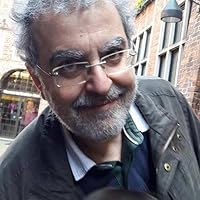
Ingo Schulze is a German writer born in Dresden in former East Germany. He studied classical philology at the University of Jena for five years, and, until the German reunification, was an assistant director (dramatic arts advisor) at the State Theatre in Altenburg 45 km south of Leipzig for two years.
After oversleeping the events of the night of November 9 1989, Schultze started a newspaper with friends. He was encouraged to write. Schultze spent six months in St Petersburg which became the basis for his debut collection of short stories 33 Moments of Happiness (1995). He has lived in Berlin since the mid 1990s.
Schulze has won a number of awards for his novels and stories, which have been translated into twenty languages, among them into English by John E. Woods.
Η ελληνική έκδοση του μυθιστορήματος είναι αρκετά καλά επιμελημένη χωρίς σοβαρά λάθη, αν και τα μικρολάθη είναι πολλά. Το έργο αποτυπώνει πάρα πολύ ζωντανά την μεταβατική φάση της ανατολικής Γερμανίας από το κομμουνιστικό στο δυτικό σύστημα. Ο συγγραφέας κατορθώνει να δείξει τόσο τους θεσμούς σε αυτή την μεταβατική περίοδο όσο και την στάση των περισσότερων κατοίκων της ανατολικής Γερμανίας και ασφαλώς και των κρατικών οργάνων. Κανείς δεν μπορεί να αποδώσει μια ταραγμένη περίοδο πιο αξιόπιστα από έναν λογοτέχνη, από έναν μυθιστοριογράφο.
Tedious read. I struggled to finish this book. Uninteresting characters, pointless commentary in too many footnotes, and ultimately a theme that has far better execution in other novels by far better writers. The reviews that attracted me to the book was sadly wrong, wrong, wrong. I am willing to believe (for a very little while longer) that the novel is just not Schulze's best medium for writing because, after all, his short story that I have read were not so bad. But . . . only for a little while.
Ich war sofort fasziniert wegen der Form wie alles geschrieben war.Leider kann ich das Buch nicht zusammenfassen,und dass weil wirklich nichts ich zu einer Idee zusammenbringen kann.Ich sage eins:ausfuhrlich beschriebene Lebensmomente!!
Es "riecht" sehr viel nach Thomas Mann.Fur mich bedeutet dieses Buch einfach das Aufzahlen aller Gedanken des Autors auf einmal reingeschrieben ohne Nachschreibungen.Es hatte eine Ende aber konnte ruhig noch weiter und weiter gehen und keiner wurde sagen : "Jetzt sind mal aber am Ende!"
I guess that writing this book must have been really interesting and enjoyable. The book is an artwork itself but I only started enjoying reading it starting on page 500. Sometimes it reminded me of Dürrenmatt's dialogues but the book has some lengths.
This is really, really, really good, but that said, I think you may find it annoying if you have never lived in Germany, aren't familiar with communist societies, and don't have the dates of 1989-1990 burned in your memory. Still, it really is the best thing I've read about the fall of the wall.
Μακριά!!! Ένα από τα χειρότερα βιβλία που έχω διαβάσει ποτέ (όσο μπόρεσα δλδ 182 σελ.) δε ξέρω αν φταίει η μετάφραση αλλά είναι πραγματικά ένα ανούσιο έργο, ειλικρινά δε βρίσκω για ποιο λόγο να κάτσει να γράψει αυτό το βιβλίο???
Forse questo romanzo desta maggior interesse a chi ha vissuto in Germania durante il crollo del muro. Per me, invece, è troppo frammentario, troppo ricco di particolari, di eventi privati che non danno una visione organica della storia. Tutto ciò appesantisce molto la lettura: là dove si cerca coerenza narrativa degli eventi storici si trovano vicende private noiose, senza però che queste si aggreghino per formare una storia.
I wanted to read a book by a highly regarded contemporary German author. The subject sounded interesting because it took place during and immediately after the fall of the Wall. However the writing is extremely dense and the book is much too long for the story bring told.