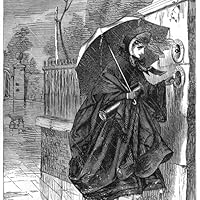
In 1883, as the Brooklyn Bridge nears completion, two women of little means design a dream for a better life. The relationship between Molly, a pickpocket, and Annabelle, a prostitute, is both warm and brusque. In a world where industrial progress and innovation were the apex of success, too many women were left unable to leverage their dreams to escape the poverty, the abuse and crime that made the Bowery area of New York so infamous. And Molly and Annabelle’s “career” complications prove adversity can make mere survival trump dreams.
In this expertly-crafted novel, with its tight plot and allegiance to the language and life of this era in this place, Blakemore has styled a memorable story of friendship, diffusively articulated love and a modified redemption that conjure up more reality than romance. And that’s how it should be for the mean streets of a city where lack of education led to lack of opportunity for the penurious populace, especially women. But Molly and Annabelle have their dream, a sad little determination to move to Brooklyn where they think life will be better. They don’t know much about getting there—they only know they want out of where they are. Extricating themselves from the depravity and danger of their tenement house, however, proves a challenge for two women unfamiliar with the niceties (and necessities) of power, rank and privilege.
Things change up a bit when the women meet a former resident of the Bowery, Emmeline DuPre, who establishes self-help classes in her own tenement house and encourages the young women to avail themselves of the books, the typing classes and other programs designed to help them become self-sufficient in legitimate ways. Ever suspicious of everyone’s motives, Molly becomes less than enthusiastic when Annabelle decides to take a class. By now, Annabelle has found herself in a “delicate” position, and Molly’s pickpocket fingers (and psyche) aren’t as nimble as they once were. We see that from the simplest dreams of the two women to the noble hopes of Miss DuPre’s programs, being there and getting there are two different things.
The authenticity of this book is its strong point, but being so, it’s not your dreamy-eyed romance; instead, we get a moving chronicle of life as it really was, penned by an author whose compunctions for detail are matched by her portrayals of the characters who embody that detail. We may not like who the two women are, but we feel empathy for their determination to be something better. Blakemore manages to allow us to see the simple dreams, raw instinct and drive of women who wanted out, even as we see the deck is stacked and the con artists are everywhere. Still, though the story ends in the way it must, we get a glimpse of where those lofty dreams of a better life led the lucky ones. Highly recommended for readers who want turn-of-the-century realism in a story that is eccentrically romantic without being Romance.