Jump to ratings and reviews
Rate this book

El Tiro de Gracia

Rate this book
Madrid. 18 cm. 138 p. Encuadernación en tapa blanda de editorial ilustrada. Yourcenar, Marguerite 1903-1987. Traducción de Emma Calatayud. Alfaguara/bolsillo. Traducción Le coup de grâce .. Este libro es de segunda mano y tiene o puede tener marcas y señales de su anterior propietario. 8420427292

138 pages, Hardcover

First published January 1, 1939

55 people are currently reading
2148 people want to read

About the author

Marguerite Yourcenar

207 books1,655 followers
Marguerite Yourcenar, original name Marguerite de Crayencour, was a french novelist, essayist, poet and short-story writer who became the first woman to be elected to the Académie Française (French Academy), an exclusive literary institution with a membership limited to 40.
She became a naturalized U.S. citizen in 1947. The name “Yourcenar” is an imperfect anagram of her original name, “Crayencour.”

Yourcenar’s literary works are notable for their rigorously classical style, their erudition, and their psychological subtlety. In her most important books she re-creates past eras and personages, meditating thereby on human destiny, morality, and power. Her masterpiece is Mémoires d'Hadrien, a historical novel constituting the fictionalized memoirs of that 2nd-century Roman emperor. Her works were translated by the American Grace Frick, Yourcenar’s secretary and life companion.
Yourcenar was also a literary critic and translator.

Ratings & Reviews

What do you think?
Rate this book

Friends & Following

Create a free account to discover what your friends think of this book!

Community Reviews

5 stars
430 (21%)
4 stars
724 (36%)
3 stars
613 (30%)
2 stars
176 (8%)
1 star
40 (2%)
Displaying 1 - 30 of 211 reviews
Profile Image for Ilse.
552 reviews4,437 followers
October 9, 2020
Yet each man kills the thing he loves

In a breath-taking disheartening soliloquy addressed to his comrades in a railway station waiting room in Pisa, a German officer, Erick de Lhomond, wounded in the Spanish civil war and waiting for a train to take him back to Germany, reminiscences on a dramatic episode in his life, the ten months he had been fighting as a volunteer in the Baltics against the Bolsheviks – reflecting on what has been the most meaningful and exigent friendship in his life, sharing a life of hardship and war with the aristocratic siblings Conrad and Sophie de Reval. Against the backdrop of war, shifting and uncertain loyalties, loss, death and disillusion, he looks back on the beginning of his particular friendship with the ethereal Conrad, and the love-hate relationship Erick will unwillingly develop with Conrad’s sister Sophie, as she gets hopelessly obsessed with Erick in an ardent and all-consuming passion – passion he indulges in but cannot answer , wondering why ‘women fall in love with the very men who are destined otherwise, and who accordingly must repulse them, or else deny their own nature’.

Analysing his own ambivalent role, thoughts, motives and emotions at that time, unravelling his agonising memories and self-delusions on love and friendship and his own nature, the intemperance of Sophie and the dynamics which ruled her excessive self-destructiveness and shattered his aloofness, Erick contemplates on the trio’s tragedy and the consequences of his own choices.

f1a638d80c6dc158163afc361327c620
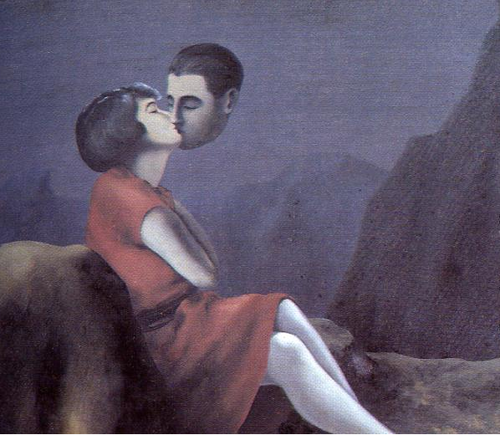
(René Magritte, Love from a Distance)

In this short novel first published in 1939 which almost reads like a theatre monologue Franco-Belgian author Marguerite Yourcenar focuses on the psychological dissection of human bonds and intimacy created by inexorable common destiny which get intensified, magnified and brought to extremes by the ubiquity of impending death – the strains and horrors of war mirrored by the psychological warfare between Erick and Sophie.

As only having read (and admired) Yourcenar’s magnificent philosophical and erudite novel The Abyss so far, the psychological cruelty and violence of this war story took me somewhat by surprise, puzzling me both on the vehemence of the protagonists as well on their chilling vision on female sexuality (at a certain moment Erick suggests the aptitude of rape as an instrument to awaken a woman sexually) and leaving me wondering why Yourcenar chose to paint this sophisticated portrait of an in several respects ambiguous character not able to desire a (particular) woman who is madly in love with him, as well as the woman seen through his eyes. The historic background set aside, a possible key to the understanding of this disconcerting tale could be found its autobiographical character, as according to her biographer Josyane Savigneau (in Marguerite Yourcenar: Inventing a Life) Coup de grâce was written to settles scores with a man Yourcenar had been vainly in love with– and so the unrequited passion crystallized into the novelist’s most adequate weapon, her art. And maybe such attitude shouldn’t surprise from a woman who wrote about passion:

We are so used to seeing in wisdom a residue of dead passions that it's difficult to recognize in it the hardest and most condensed form of ardour, the gold nugget pulled out of the fire, not the ashes.

bf48c33d2c98d5c70bb16a6a0be636d9
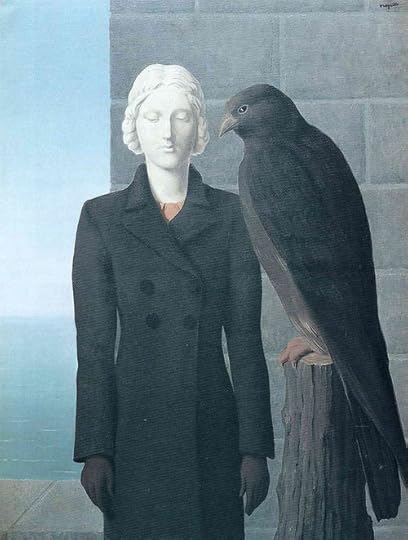
(René Magritte, Deep Waters)

Like the title suggests, in the end mercy will be granted, be it of the kind that comes back with a vengeance.
(***1/2)
Profile Image for Jim Fonseca.
1,163 reviews8,495 followers
November 13, 2023
A love story set in a time of war. In her introduction to this short novel of historical fiction (150 pages) the author implies this is a true story. I say ‘implies’ because she tells us this story was told to her by a good friend who was a friend of one of the principals. True or not true, it has a shocking ending, more so than the ending of a lot of thrillers that claim to be shocking. The author also tells us what the book is about: the moral disorder brought about by war.

I call it a love story, but only the woman is in love, so it’s a story of unrequited love. The object of her affection is a handsome young commander, billeted in her house with her soldier-brother. The two men have a bromance going – they have been best friends since childhood. The commander is busy fighting his war and tells us (and her) he is only interested in “women of the lowest sort.”

description

The core of the story becomes his treatment of this beautiful 18-year old woman who is in love with him and her reaction to this unrequited love. He can be kind or cruel, attentive or dismissive, loving or nasty, considerate or callous. Oftentimes he wounds her unknowingly or unthinkingly; other times he’s just cruel. She offers herself to him and he rejects her. An example of how he is unknowingly cruel: she is sick for a time and he tends to her in bed, even dressing her. (Other members of the household assume they are lovers – they are not.) He sees her beautiful naked body and still doesn’t want her. How can the young woman in love react to that except by being devastated?

“…all our contrasting feelings bound us together like two lovers, or partners in a dance. That much-desired bond did actually exist between us, and for my Sophie the worst torture of all must have been to feel how suffocatingly close it was, and at the same time how slight.”

The object of her love initially commands a rag-tag group of soldiers fighting the Russian Bolsheviks in the ethnically complex area around Lithuania, Belarus, Poland and then-Prussia. The time frame is just after WW I and around the time of the Russian Revolution.

The story is structured as a tale he tells years later to a group of half-interested strangers in a railway station café in Italy.

In a way it’s a war story too but there’s not a lot of gore nor detailed discussion of battles. We know very early into the book that it’s a tragedy. There’s a lot more to the story that I won’t go into because I’ll risk giving away too much of such a short novel.

I enjoyed the story and the writing, although the writing had a somewhat stiff flavor, almost as if written in the late 1800s. Perhaps the author, a historical novelist, wrote it that way (in 1939) in keeping with the time period of the story. Plus it’s translated, so I don’t really know.

description

The Belgian-French author (1903-1987) wrote collections of essays, poems, historical novels and her personal memoirs. She’s best known for Memoirs of Hadrian. (It must be good – a 4.3 rating on GR with 22,000 ratings and almost 2,000 reviews! It’s often called a ‘modern classic.’) Late in life she moved with her female partner to live on Mount Desert Island, Maine, where her home, Petite Plaisance, is now a museum dedicated to her memory.

description

Prussian soldiers in WWI from colorostariu.files.wordpress.com
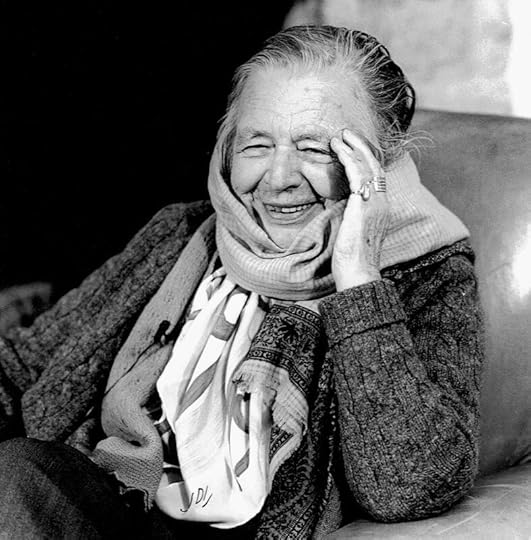
The author from lesbianhistorytrailmdi.weebly.com
The author's home in Maine from frenchheritagesociety.org

[Edited 11/13/23 to hide spoilers]
Profile Image for Cheryl.
525 reviews845 followers
March 10, 2017
Love had made her a glove in my hands, of a texture both supple and strong.


Espresso, another cup of espresso, and more espresso, as I read this book. The title of the book says everything you need to know. This is one book that didn't attempt to pull me in, as the first few pages are story stilts, but just when I thought I knew where its texture and narrator were taking me, it yanked me by the hair, surprised the hell out of me and quite frankly, made me a bit uneasy.

Why read another war novel of despair after just having read Zweig's The Post-Office Girl? I'm not sure. I've always wanted to sample Marguerite Yourcenar's works and this was an easier, shorter avenue. Besides, there is more to this than war; there is love and bond, even when love becomes an additional wound. And there are those distilling moments of contemplation, when Erick tenderly presents imagery of Sophie, a woman who desperately loved him, but one whose love he could not return:
In the glass were reflected the eyes of a child, or of an angel, perhaps; the face was broad with contours not sharply defined, like earth itself in spring, a region of fields gently sloping, traversed by streams of tears; the cheeks had the tint of sunlight on snow and the lips's pale rose almost made one tremble; her hair was as blond as those light golden loaves of good bread that we saw no more.

This Sophie reminds me of the Sophie in Styron's Sophie's Choice, one whose world around her shatters and soon, she becomes one of the shards. Really, what can I say about this plot of layered despair except that I could hardly concentrate on Erick's stoic narration, I barely was able to uncover Conrad's motives (perhaps because he chose to live through his books, ignorant of many things occurring around him), and I only wanted to see Sophie illuminated? The prose is elegant and occurs in mouthfuls of expertly arranged words that at times are lyrical, and there in the background, there is Sophie, occurring through Erick's recollections: a woman in love with a man undeserving, a woman symbolic of the civil war occurring, a woman who must sacrifice everything she knows to fight for everything she believes.
Profile Image for Carmo.
727 reviews566 followers
September 23, 2018
“Ler este livro não implica uma distração. É uma descida a um abismo …”
Agustina Bessa Luís

Também eu desci aos abismos das personagens, também eu caminhei com eles no fio da navalha vacilando entre conflitos privados; entre a vontade de encantar e o anseio de pedir perdão por existir, entre um amor submisso e humilhante e a altivez que resta a um ser ferido e abandonado. Sophie, é uma personagem que vou guardar comigo para sempre. Eric ...acho que não cheguei perto de o entender...
Terminei mortificada sem ter atingido a profunda complexidade das personagens. Só isso o priva das 5* que julgo merecer.

Fico a dever-lhe uma releitura. Embora a introdução de Agustina Bessa Luís seja um apoio valioso, torna-se imperativo ler tudo outra vez sob esse novo prisma. Isto porque logo nas primeiras páginas encontrei um spoilarzão gigante e acabei deixando a introdução da Agustina e o prefácio da Marguerite para o final da leitura. Ou seja, ou lemos e vamos informados para a história – inclusive do fim da mesma, ou, arriscamo-nos a extrair significados errados e/ou incompletos.
A narrativa é, como sempre, primorosa, e Marguerite Yourcenar deixou-me novamente comovida e deslumbrada com tanta beleza e delicadeza.
E de coração desfeito também.
Profile Image for Steve.
441 reviews582 followers
Read
November 11, 2016


Marguerite Yourcenar (1903-1987)


Elle était trop jeune pour se douter que l'existence n'est pas faite d'élans subits et constance obstinée, mais de compromissions et oublis.()


Based upon actual incidents, Marguerite Yourcenar's short novel Le Coup de grâce (1939) is, despite all the trappings of the setting in western Latvia during the 1919 war between the Bolshevists and their many enemies, a close and claustrophobic examination of a ménage à trois consisting of Eric, the narrator, and the siblings, Conrad and Sophie, that could not but remind me of Jean Cocteau's Les Enfants terribles, published a decade earlier. The vectors of desire within the threesomes differ, but the cruelty, obsession and co-dependence of the characters are very similar in these two books, as is the growing presence of death at the core of the relationships.

Though the relation never crosses the line so firmly drawn by church and state at that time (a line which, I am grateful to be able to say, is passing from absolute to derisory during my lifetime), Eric and Conrad form the central pair and Sophie is the self-sacrificing satellite.(*) Nonetheless, to my mind it is Sophie who is the central character. Not only does she occupy the narrator more than anybody or anything else, but it is her love, commitment, desperation, despair and, finally, rebellion that give shape to the narrative and lead to the final, terrible scene.

The accompanying story of the war in the Baltics is not entirely essential, but it does add another layer of fated darkness to the trio's tragedy as Eric and Conrad fight their doomed battle against the Bolschevists while European governments, exhausted by the War to End All Wars, increasingly erect obstacles to the logistical support of the anti-Bolshevists.

Conrad is nearly a cypher of purity, Eric is lucid, distant and solitary, while Sophie is self-destructive and desperate; all are doomed. Yourcenar has produced a tale that is every bit as dark as Cocteau's - if not quite as distilled, as honed to a fine and exact point of concentration - and told with penetrating psychological finesse.


() She was too young to suspect that existence is not made of sudden elans and obstinate constancy, but of compromises and disrememberings.

(*) In Les Enfants terribles the siblings, Paul and Elisabeth, formed the binary system whose satellite was Gérard.
Profile Image for Semjon.
764 reviews502 followers
July 30, 2022
Dieser kurze Roman wird im Klappentext als ein Dreiecksspiel zwischen zwei Männern und einer Frau in den Kriegswirren um die Jahre 1917/18 im Baltikum beschrieben. Ein deutscher Soldat (Erich), der sich einem Freikorps angeschlossen hat, verbringt einige Zeit auf dem Landsitz seines Freunds (Konrad) und dessen Schwester (Sophie). Die Kürze der Erzählung lässt es kaum zu, dass eine intensive Auseinandersetzung mit dem zwischenmenschlichen Umgang zwischen den Dreien erfolgt. Das Buch ist aus Sicht von Erich in der Ich-Form geschrieben. Insofern empfand ich die Erzählung eher als eine Seelenschau des treuen deutschen Soldaten, für den Pflicht und Ehrgefühl größere Tugenden als Freundschaft oder sogar Liebe sind.

Die jugendliche Sophie, durch eine Vergewaltigung schon traumatisierte, ist auf der verzweifelten Versuch nach Liebe in Zeiten, in denen nie gewiß ist, ob man den nächsten Tag überlebt. Erich erwidert ihre Liebe nicht im adäquaten Maß, also sucht sie nach anderen Männern, erhöht dadurch die Eifersucht bei Erich. Letztlich flieht sie zu den Rotarmisten auf die Gegenseite und wird eine Überläuferin. Die Geschichte endete in einer Tragödie.

Die Autorin kann gut erzählen, trotzdem blieb mir diese Geschichte „in der alten Tradition von Strenge und Tapferkeit“ bis zum Ende etwas fremd. Erich stellt sich in Aussagen als sehr rational und gefühlskalt dar. Obwohl er der Täter in vielfacher Hinsicht ist, beschreibt er sich zum Schluss als das Opfer, wenn der Satz „Mit solchen Frauen endet man immer in einer Falle!“ den Roman beschließt. Erich ist ein Gefangener seiner eigenen Prinzipien und so legt einen Brustpanzer an Härte um sich. Im Grunde sind alle Personen im Buch bemitleidenswert. Was für eine grausame Zeit.

Interessant fand ich im Nachwort von Frau Yourcenar (übrigens nicht ihr echter Name, sondern nur ein Anagramm ihres Geburtsortes), dass sie über Erich schreibt: „... vielleicht um ihn mit jener Klarheit und Schärfe des Geistes ausrüsten zu können, die nicht unbedingt deutsche Charakteristika sind, widerlegt jede Deutung, die entweder diese Gestalt zum Idealbild erhebt oder, im Gegenteil, zum Zerrbild eines bestimmten Adels- oder deutschen Offizierstyps erniedrigt.“ Dabei muss man wissen, dass das Buch 1938 von der Belgierin geschrieben wurde, also zu einer Zeit, in der der Deutsche an sich, nicht gerade wohl gelitten war bei seinen Nachbarn. Aber wer weiß, vielleicht fehlen auch mir geistige Klarheit und Schärfe, um den Roman ausreichend beurteilen zu können 😉.
Profile Image for Dagio_maya .
1,107 reviews350 followers
March 12, 2019
”Abbiamo l’abitudine di parlare come se le tragedie si svolgessero nel vuoto: ma chi le condiziona è lo sfondo.”


Eric, voce narrante, si ritrova ferito dopo aver partecipato alla Guerra civile spagnola.
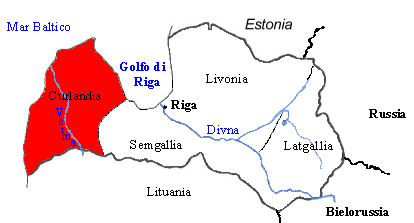
In un bar della stazione di Pisa, in attesa di ritornare in Germania si ritrova a raccontare ciò che successe nella regione baltica della Curlandia.

description

Tra il 1919 e il 1921, Eric, assieme all’amico Conrad (che la mia traduzione trasforma in Corrado…), si unisce alla forze antibolsceviche.
Nel castello di Kratowice, ritrovano Sophie – sorella di Corrado- e lì stabiliscono il quartiere generale del conflitto.

In un contesto, pertanto, d’instabilità e brutalità si sviluppa una storia di amore e odio.
Sentimenti che alla massima potenza non nascondono fin dalla prime righe la tragicità a cui sono destinati tutti i suoi protagonisti.

Nella prefazione, l’autrice spiega come la luce negativa puntata su Eric sia voluta.
Raccontando se stesso mette, infatti, in atto una sorta di inconscia autocritica co un atteggiamento cinico e sprezzante che si protrae fino all’ultima riga.

Una storia che racconta di profondi dolori intimi che possono essere alleviati solo a metà da un colpo di grazia…

Le quattro stelle che decido di assegnare questo breve romanzo sono, per lo più, riferite alla scrittura di Marguerite Yourcenar e alla sua profonda capacità di caratterizzazione psicologica dei personaggi che mette in scena.
Sinceramente la storia in sé non mi ha né coinvolta né emozionata.

Sono, poi, in completo disaccordo con la quarta di copertina della mia edizione Feltrinelli che sostiene una parità tra questo breve romanzo e i più celebri L’opera al nero e Memorie di Adriano. Per me, questo libro è un passo indietro.

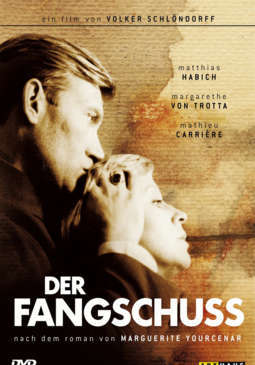
description
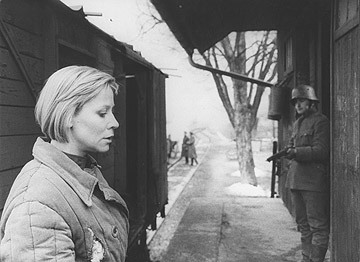
Film del 1976

Profile Image for Marica.
411 reviews210 followers
October 11, 2023
Cupio dissolvi
Ho comprato questo libro perchè ambientato in un paese dove sono stata e nel quale è stata effettuata una pulizia etnica che ha spazzato via la popolazione baltica; i loro nomi sono rimasti solo nei piccoli cimiteri nei boschi, con strane lapidi a forma di animali. Il libro è duro come il titolo lascia presagire. Breve esagerato intenso e vero. E' una storia accaduta in Curlandia negli anni '20 quando i tedeschi cercavano di ostacolare la presa di potere dei bolscevichi. Guerra civile, gioventù bruciata. La scrittura sobria della Yourcenar rende questa storia indimenticabile.
Profile Image for Celeste   Corrêa .
381 reviews324 followers
May 1, 2021
Um dia, relerei este livro.

Romance de personagens e paixões com um pano de fundo histórico: uma guerra civil entre partidários do regime antigo e comunistas no rasto da Guerra de 1914 e da Revolução Russa, bem como as vicissitudes subsequentes. A violência dos sentimentos das personagens e os acontecimentos confundem-se.

Marguerite Yourcenar declarou em tempos que O Golpe de Misericórdia nascera de uma ideia que lhe tinham contado; o fundo do romance é pois autêntico.
Três personagens: os irmãos Sofia e Conrad e o narrador, Eric, aristocrata do Báltico, cuja teimosia em defender a antiga ordem o reduz ao estado de mercenário na convicção que escapar ao futuro era ingressar na categoria que os antepassados da velha guarda teriam aprovado.
Sitiados na casa de família dos irmãos, forma-se um triângulo de difícil compreensão. Sofia ama (de modo abstracto?) Eric , que não lhe corresponde , e que, inclusivamente lhe provocou o mal. O que une estes três jovens?

«A amizade é, acima de tudo, certeza - é isso que a distingue do amor. É também respeito, e aceitação total dum outro ser.» página 43

«(..) eu tinha para com Sofia aquela camaradagem fácil com que um homem lida com os rapazes, quando não os ama.» página 52

«Suficientemente bem nascido, assás belo, bastante jovem para autorizar todas as esperanças, tudo em mim se conjugava para concentrar as aspirações duma rapariga até então sequestrada entre (…) o mais sedutor dos irmãos, mas que a natureza parecia não ter dotado de quaisquer veleidades de incesto.» páginas 52 e 53

« Mas Sofia apenas sofria de esgotamento, de desânimo, das fadigas dum amor que incessantemente mudava de forma, como uma doença nervosa que apresente todos os dias novos sintomas, e, ao mesmo tempo, de falta e excesso de felicidade.» página 78

Sofia renega o seu meio social aristocrático e junta-se ao movimento soviético.


Profile Image for Banu Yıldıran Genç.
Author 2 books1,423 followers
June 27, 2020
yourcenar 1900'lerin başında geçen bir romanı 30'larda yazmış ve başımıza musallat "ıssız adam" tipini tüm derinliğiyle yaratmış.
eric öyle bir karakter ki antisemit'liğinden tutun kadın düşmanlığına kadar çatır çatır tokatlarsınız yani :) hiç durmadan üzdüğü sophie bu kısacık romanın en güçlü karakteri.
yazar önsözde gerçek bir olaydan yola çıktığını ve bir tragedya yazmak istediğini söylüyor. bunu başarmış zaten. neredeyse tek olay, tek mekan... ayrıca 1.tekil kişili anlatımda karakterin her dediğine neden inanmamamız ve ayıklamamız gerektiğini o kadar güzel anlatıyor ki. büyük bir özenle kurmuş eric karakterini ve eminim eric'in kendisi hakkında söylediklerinden bir kısmı palavra :)
Profile Image for Eylül Görmüş.
756 reviews4,688 followers
March 25, 2023
"Ateşe bel bağlanabilir; yasasının ölmek ya da yanmak olduğunu bilmek kaydıyla."

En sevdiğim Yourcenar olmadı (zira Hadrianus'un Anıları diye bir başyapıt söz konusu) ama yine epey sevdiğim bir kitap oldu Marguerite Yourcenar'ın "Bir Ölüm Bağışlamak"ı. I. Dünya Savaşı sırasında geçen bir anlatı bu, Eric adlı bir askerin ağzından en yakın arkadaşı Conrad'ın kız kardeşi Sophie ile ilişkisini dinliyoruz. Sophie Eric'e aşık, Eric ise türlü sebeplerle bu aşka karşılık vermiyor.

Anlatı Eric'in ağzından aktığı için okuduklarımızın ne kadarına güvenmeliyiz orası meçhul. Zira Eric biraz beter birisi bence, Sophie'nin aşkından hoşnut, karşılık verememekten de hoşnut bence, bir de Sophie'nin yaptığı / yapmadığı her şeyin kendisiyle ilgili olduğunu zannediyor ki Allahım bunlar ne kadar da tanıdık erkek halleri!

Belki kitabın geçtiği zaman itibariyle, her zamankine kıyasla biraz daha klasik ve konvansiyonel bir dil kullanmış Yourcenar ama kendisinin dili her zamanki gibi müthiş lezzetli, insanın aşk ve savaşın türlü halleri karşısında vermek zorunda olduğu sınavlara bakışı çok derinlikli, zengin, ufuk açıcı.

Sophie'nin Eric'in problemli bakışı ve anlatımına rağmen muhteşem güçlü bir kadın olduğu ortada. Eric de muazzam iyi yazılmış bir karakter bence, zaten aksi halde kendisine bu kadar sinirlenmezdim sanıyorum.

Ezcümle, uzun bir aranın ardından güzel bir kavuşma yaşadık Yourcenar ile diyebilirim. Kendisini çok seviyorum.
Author 6 books253 followers
March 31, 2020
I come to this outstanding novel by way of the outstanding film version by Volker Schlondorff. The film is a little different, told from Sophie's point of view. The novel is narrated by von Lhomond himself, so originally it had a much more clearly defined focus.
What can one say about this strange little story? It's about a brother and sister and their childhood friend, the officer von Lhomond, and the strange love between the sister, Sophia, and von Lhomond, and the more banal love of the two men. This is made more apparent in the film, but is certainly heavily alluded to in the book. The backdrop is the confusing, bewildering civil war fought in the Baltics just after World War I, a bleak, wintry setting for a bleak-as-shit story of unrequited love. Or is it? It's hard to say. The novel is psychologically complex and beautiful in parts, unapologetic and the stunning, baffling end will give you hours of unsettled thought.
Profile Image for Richard Derus.
4,193 reviews2,265 followers
December 21, 2011
Rating: 3.5* of five

The Book Report: Told in the first person past perfect, this tale of three young people caught in a highly hormonal passage of their lives at the same moment as the Russian Revolution overthrows the privileged existences they'd led until that time purports to be the memory of Erick von Lhomond as he sits in a train station cafe, on his way to who knows where after his career as a soldier of fortune has led to a wounding in the Spanish Civil War then newly ended. Erick recalls his love for sibling aristos Conrad and Sophie, children of the Count of Reval, and his cousins. Sophie falls in love with him; he and Conrad are already involved. Triangle collapses, the two siblings die, and cowardly, contemptible Erick soldiers on. It's all in the hows, as life so often is when one is young; now, in the fullness of his wasted years, Erick is seeing the whys, and they're keeping him up nights. And not a moment too soon, ask me.

My Review: récit (French: “narrative” or “account”) a brief novel, usually with a simple narrative line; studiedly simple but deeply ironic tales in which the first-person narrator reveals the inherent moral ambiguities of life by means of seemingly innocuous reminiscences.

It's a very French narrative form, is the récit, the novella's Goth cousin, all chains and weird makeup effects and scary-looking hair. It's perfect for telling this sort of moralizing by a man with no morals tale, and there aren't that many English-language writers willing to do this without oodles of padding and the crutch of multiple characters. Yourcenar, whose Memoirs of Hadrian lives as one of my all-time favorite reads, tackled this difficult task in 1939, before WWII's official starting gun. She was quite clearly aware that war was inevitable and imminent, and wrote this tale as a protest against the further damage inevitable in a war.

The ending of the book, stark and violent and horrfying, sums up the expectations of this Belgian survivor of the First World War, and they were not in the least bit too dark or pessimistic.

I found the casual, unremarked-on anti-Semitism of the book jarring. I know it was a part of the culture Yourcenar lived in, but it hasn't aged well. I wasn't very impressed with the narrator's casual, caddish sexuality either...Conrad could certainly have done better, and Sophie's awakening has such tragic consequences that it makes one doubt the sanity of the child (she's sixteen to Conrad's and Erick's twenty during the brief span covered by this book).

Recommended? Well, on the whole, no. It's not a casual book, and it would offer too few thrills for most people in the modern audience. For me, I'm glad I read it, but I won't re-read it ever.
Profile Image for Elcin.
123 reviews9 followers
July 15, 2022
Başlı başına karmaşık duygular zaten sevgi ve nefret. Bir de bu duyguları dile getirmeden yaşamaya kalkıp ilişkileri sürdürdükçe, yitirilenler yaşamayı umduklarımızdan çok daha ağır oluyor.

Yazarların karşı cinsiyetten yarattığı anlatıcı karakteri her zaman sevmişimdir. Bu kitabı da sevdim. Sadece bir aşk hikayesini anlatmıyor yazar, dönem tarihine de küçük dokunuşlar yaparak savaşın hangi sefaletleri beraberinde getirdiğini ve insan duygularını nasıl acımasızca yönlendirdiğini de anlatıyor.

Onda bükülemeyecek, kırılamayacak bir şeyler bulunduğunu daha ilk bakışta anlamıştım. Bunlarla, doğa güçleri kadar tehlikeli bir anlaşmaya varabilirdiniz: Ateşe bel bağlanabilir; yasasının ölmek ya da yanmak olduğunu bilmek kaydıyla.
Profile Image for diario_de_um_leitor_pjv .
781 reviews139 followers
May 13, 2022
No rescaldo da primeira Guerra Mundial, e no meio dos conflitos fronteiriços no Báltico, no pós Revolução de Outubro, este pequeno romance de Yourcenar revisita uma velha ideia romanesca: um trio amoroso, os desencontros e as obsessões dos amores.

Com beleza da escrita de Yourcenar e utilizando uma estratégia da autora de escrever na primeira pessoa, e de colocar na voz de uma das personagens principais o desenrolar da narrativa este é mais um exemplo da razão porque Yourcenar ainda nos conquista como leitores.

Em pouco mais de 100 páginas Yourcenar apresenta os devaneios da guerra, a imbecilidade da violência armada, a violência sexual como arma de guerra... Será de referir que o livro foi escrito em 1938, e que se inicia com referências à guerra civil espanhola.

Efectivamente se, inicialmente, este livro é uma revisitação do triângulo amoroso, parece ser igualmente um libelo demonstrativo de como a Guerra nos impede de sermos, amorosamente, felizes.

A edição que li tem um belo e instigante prefácio de Agustina Bessa Luís.

É assim. Mais uma vez Yourcenar me encantou. Desta vez fazendo companhia numa noite de lareira nesta Páscoa bairradina.
Profile Image for Aylin.
176 reviews65 followers
November 29, 2021
Bu hikaye bana hiç geçmedi. Çeviriyi de hiç sevemedim (kitabın yarısından sonra daha iyileşiyor çeviri ama başlarda garip cümleler dolu). 3 kişinin hikayesi olduğu söyleniyor ama Conrad’a dair hiç bilgimiz yok neredeyse. Sophie’nin tepkilerini de anlamlandıramadım.

Profile Image for Marisol.
932 reviews85 followers
June 1, 2024
Una historia sobre personas reales ambientada sobre 1914 durante la revolución rusa, que no va por los caminos convencionales que han sido trazados y recorridos infinitamente por personajes que aman y son amados.

La guerra todo cambia, desdibuja y empaña con un tono sombrío acompañado de vileza, necesidad, infortunio y peligro, eso es lo que se respira en este relato que sin el telón de fondo del peligro y la violencia sería un juego inocente entre jóvenes que buscan el amor.

Sophie tiene 16 años y vive en una casona que ha sido ocupada por soldados, ahí llegan su hermano y su mejor amigo para usar de base, en medio de toda esta testosterona enrarecida de miedo y expectativa, Sophie se enamora del Erik, el amigo de su hermano Conrad.

Un inicio prometedor que se estampa ante una pared, Sophie es una joven bella como es la juventud, e impetuosa pero el objeto de su deseo no está en su misma sintonía, Erik no siente nada por Sophie, y está frialdad hace que ella actúe como un animal enjaulado que ansia la libertad, en un ambiente enloquecido, ella se vuelve temeraria, aventurera y amorosa con cualquiera que desee tomar algo de lo que ella está dispuesta a dar.

“Por qué se enamorarán las mujeres precisamente de los hombres que no les son destinados, sin dejarles más opción que la de cambiar su naturaleza o aborrecerlas?”


Erick no ama a Sophie pero durante el relato no hace otra cosa que obsesionarse con sus decisiones, eso lo lleva a un odiarla y temerla, como si su sola presencia lo insultara, hay un ambiente exacerbado por la guerra, y al no haber límites impuestos, los chiquillos toman decisiones apasionadas y muchas veces erróneas, en algún sentido Erik es como un verdugo de los hermanos y no porque el sea un ejecutor de sus sentencias sino por su papel prioritario en la debacle que los llevará por un camino ruin y sin esperanza.

Erick que al mismo tiempo es el narrador, deja la impresión de que la historia es impersonal o carece de sentimiento, como si la insensibilidad fuera el escudo que lo protege de lo que cuenta, hay mucho desdén y desprecio en las palabras de Erick, pero también se nota el barniz que recubre sus palabras, para ocultar el profundo dolor de sus decisiones erróneas, de su inacción, de su imposibilidad de comportarse como un joven enamorado, y sobre todo de la deslealtad de la que hace gala.

Una historia que transita de manera fatigosa, que se aleja de los cánones dictados para este tipo d historias, que nos deja sin esperanza y sin respuestas, que es tan real que parece inventada.
Profile Image for Jim Coughenour.
Author 4 books227 followers
July 1, 2010
One is always trapped, somehow, in dealings with women.

A curious remark, given that it's stated by an executioner, a man involved in an oblique love triangle (the speaker's in love with the brother of a woman who hopelessly loves him), who is in fact a character invented by the severe French lesbian Marguerite Yourcenar. This short novel is a long monologue, the painful confession of a blighted life – and this reader ached for the coup de grace long before it came.

Edmund White describes Yourcenar's Coup de Grace as "perhaps her strongest piece of fiction." It's many years since I read Memoirs of Hadrian, but I remember that book as being more impressive. This book does indeed possess a kind of cheerless hauteur, but it has the feel of a period piece. Still, there's something intriguing to me about novels with a gay protagonist written by women. I always think of Mary Renault in this connection, who like Yourcenar crafted an impressive career out of such strong characters.
Profile Image for Hulyacln.
987 reviews566 followers
April 4, 2024
‘O, fethedildiği halde tam anlamıyla ele geçirilememiş geniş ülkeler gibi benim için.’
.
Eric, Sophie, Conrad ve hepsini kapsayan, dörtnala koşan bir savaş. Bir Ölüm Bağışlamak adıyla yaşayan, bağışlanan ölümün de yük olabileceğini gösteren kısa bir hikaye. Aşkını bir türlü kendine itiraf edemeyen Eric, hayata suskun Conrad, uyanmayı bekleyen Sophie ile akıcı bir metin aynı zamanda.
Edebiyatta tanrı anlatıcıyı sevsem de Eric’in yer yer tanrı anlatıcılığa soyunmasını içselleştiremedim bu eserde, bana çok kararsız-tutuk geldi Eric belki de bundan sebep Sophie’yi de olanca saflığıyla göremedim..
Yazar Marguerite Yourcenar’ın diğer eserleri de listemde.
.
Hür Yumer çevirisi ve yazarın önsözüyle ~
Profile Image for Liviu.
2,520 reviews706 followers
February 7, 2017
Long time ago the two famous M. Yourcenar novels (Memoirs of Hadrian, Abyss) were huge favorites I used to read often, though I haven't looked at them in probably 25 years, maybe more, so i have no idea how they would read today; so when this book came to my attention by chance a few days ago and I liked the excerpt, I ordered a copy and as it's a short book, I actually managed to finish it in two days - funnily, I got a very annotated copy seemingly by someone for some study (it's a 1990's edition so i found it interesting someone actually studied it fairly recently as the book is written in the late 30's, published in the 50's and it shows in many ways ) and I enjoyed reading the pencil hand written notes alongside the text too

This being said and noting the blurb above is utterly wrong as Sophie is Conrad's sister and she has an unrequited passion for the narrator Erick actually, while he is more into Conrad though in the 30's tradition (and like in the Memoirs of Hadrian) there is no overt sexuality between the two men and Erick's inclinations are only hinted, it is definitely a book of its times

There are other ways in which the book shows its age (the sometimes over the top writing, the German aristocrat soldier hero narrator who had just returned wounded from fighting alongside Franco's forces in 1938 when he tells this tale of his younger years in the 1919-1921 war against Bolshevism in the Baltic states), while the novel is more of an old fashioned psychological tale where the war and death (symbolized so well in the 3 person bridge games, Erick, Conrad and Sophie play nightly on the siblings' Baltic estate - now a White force base on the front-line and where their soldiers and comrades die constantly under fire, while Bolshevik prisoners are also executed daily - with the dummy - "le mort - the dead" in French - getting the name of one of the corresponding day's dead) is a background that frames the over the top emotions of the narrator and of Sophie whose trauma early in the war leads to her fixation on the first "eligible man" (Erick is a poor aristocrat as his father lost their estates and money in gambling and prostitutes before dying conveniently on the front in France in 1915, but he is an aristocrat nonetheless, while Sophie and Conrad's relatives have recently been shot by the Bolsheviks in Riga) or at least this being how Erick intellectualizes Sophie's attraction to him, while he would rather be with Conrad all the time after all

Eminently readable and with the conclusion mentioned by Erick a few times across the narration, so with no particular twists or turns except in the intensity of the language, but the really old fashioned feel of the book shows too much for it too be one of my memorable reads; still a page turner that kept me interested till the end

Profile Image for J.
730 reviews553 followers
August 5, 2016
Yourcenar can write seemingly anything. Just as in 'Memoirs of Hadrian', her ability to invent voices out of the past and to make them believable and sympathetic is phenomenal. Only people like Patrick Leigh Fermor, Umberto Eco, and Jonathan Littell write with such a total command of european history and geography.

This is a VERY 19th century short novel about one small corner of the Russian Civil War. Yourcenar's narration of the life of a young White Russian solider, his friendships and ultimately tragic love interests, feels like something that could just as easily have been written in 1839 as 1939, when it was published.

It's very heavily narrated in the way that novels from the previous century are, but somehow that anachronism makes it all the more poignant. Yourcenar shows the transition from the old Europe of noblesse oblige and genteel manners to the new Europe of modern warfare and pitiless ideological struggle. A short read to make you sigh and look out the window on a rainy day.
Profile Image for Rosalba.
249 reviews32 followers
June 8, 2013
Al punto in cui sono, poco importa quale dei due dia o riceva la morte…


Un racconto drammatico, forse di più perché sappiamo trattarsi di una storia vera. Una vicenda che si snoda durante la guerra civile in Curlandia, all’inizio degli anni ’20, quando la Germania tenta in ogni modo di bloccare la presa di potere da parte dei bolscevichi. Fra i tre protagonisti, Eric e i due fratelli, Corrado e Sofia, costretti a vivere a stretto contatto e a condividere le ristrettezze richieste dalla guerra, si crea un triangolo di ambiguità. Da un lato una amicizia, che ha più il sapore di una omosessualità repressa, e dall’altra un amore offerto e duramente negato. Situazioni che alla fine generano incomprensioni, odio e tradimento, un desiderio di vendetta che culmina in un finale tragico e definitivo, crudele come del resto è la guerra.
Profile Image for Lobstergirl.
1,921 reviews1,435 followers
November 19, 2015

In Lithuania during the Russian Civil War (after WWI), three young Prussian aristocrats fight their passions, their ennui, the Bolsheviks, and Yourcenar's staggering usage of colons and semicolons. Needless to say, the punctuation defeats everyone. This is a very violent novella. Life has little value. In addition to a rape (off scene) there's a slap, a bullet to the stomach, and an execution. Oh, and a little dog is killed by a grenade. This is my first Yourcenar so I don't know yet if her punctuation threatens all her work.
Profile Image for Mathias Chouvier.
153 reviews6 followers
October 13, 2024
La plume est incroyable mais le narrateur est un véritable red flag ambulant !!
Profile Image for Lauren .
1,834 reviews2,550 followers
Read
September 10, 2021
"They say that fate excels in tightening the cord around the victim's neck, but to my knowledge, her special skill is to break all ties. In the long run, whether we wish it or not, destiny extracts is from difficulties by removing them, and everything else, from us."

▫️Coup de Grâce by Marguerite Yourcenar, translated from the French by Grace Frick, 1939.

#ReadtheWorld21 📍Belgium

This historical novella set in "the Baltic provinces" in the 1910s as the White Army and their allies fend off the Bolsheviks' expansion, this is a brutal backdrop for an equally brutal and twisted / psychological tale.

Only 150 pages in this novella, a small cast and a lot happens "off screen", but what we witness is the continued violence (near sadism in some parts) culminating in a shocking ending.

Didn't really know what I was getting into here with this first book by the acclaimed Franco-Belgian author, but I sure wasn't expecting this. It's challenging to discuss and to parse morally as well.

I can respect a book that brings these feelings on, even if it isn't one I "enjoyed" per se.

More Yourcenar to come for me - she's been on my TO READ list for far too long, so this one started the trend.

Great little tidbit too that her English translator, Grace Frick, was also her life partner. The two lived and collaborated together until Frick's death in 1979.
Profile Image for Rosanna .
486 reviews30 followers
June 15, 2020
"La mia Sofia". Eric von Lhomond mi stupisce quando a metà del suo racconto dice proprio cosi', 'la mia Sofia'. La stessa di cui rifiuta amore e devozione pur amandola. La stessa ragazza, selvaggia e tenera, violata nel corpo e 'nel desiderio', abbraccerà convinzioni che la porteranno alla morte. Morte che le darà lui stesso.
Strano come ad alcuni Amore infonda timore e ripulsa, come li atterrisca e fa nascere in loro un rifiuto a lasciarsi andare a se stessi e all'altro, nascondendosi dietro la propria natura, o peggio quella dell'altro. In piena guerra civile, sulla scia della prima guerra mondiale e la rivoluzione russa, questa storia realmente accaduta racconta di come, pur amando, si diventi carnefici e vittime.
Condivido la considerazione finale di Eric, vittima a posteriori:

"Sulle prime ho pensato che chiedendomi di compiere un simile gesto, ella intendesse darmi una estrema prova d'amore, e la più definitiva di tutte. Ho capito in seguito che voleva soltanto vendicarsi e lasciarmi un'eredità di rimorsi. Il suo calcolo era esatto: ne ho, qualche volta. Con simili donne si è sempre presi in trappola." (pag.125)
Profile Image for Teresa.
1,492 reviews
June 5, 2017
"A amizade é, acima de tudo, certeza - é isso o que a distingue do amor. É também respeito, e aceitação total de um outro ser."

Prefácios e Introduções só leio após terminar o livro porque, geralmente, revelam demasiado do enredo e retiram-me o prazer da surpresa. Neste livro, a excelente introdução de Agustina Bessa-Luis é uma análise detalhada do romance que inclui o resumo do enredo. Vale a pena ler, mas no final.

Relativamente ao romance, a magnífica prosa de Marguerite Yourcenar não foi suficiente para me emocionar com os trágicos destinos dos três jovens protagonistas.
Profile Image for Steve.
396 reviews1 follower
Read
September 8, 2023
In what amounts to a remembrance of bloodied things past, Mme Yourcenar casts a young Erick von Lhomand, of Prussian, French and Baltic ancestry, as a volunteer in the Latvian War of Independence, which immediately followed the First World War. Here he leads a corps in Kurland under Baron von Wirtz against the invading Reds. Twenty years have now passed as he reflects on that earlier conflict while recovering from wounds received in the Spanish Civil War.

While Erick’s memories are hazy, there’s no hiding the brutality, “No one took prisoners any more on either side.” Erick has a romantic interest in Sophie de Reval, another local of Baltic and some Russian ancestry, and is close friends with her brother, Conrad. Sophie is free with her affections; Erick takes great offense. I took his relationship with Sophie as a metaphor for the twisted world that arose from that First World War, where ultimate destruction arrived upon ideals most prized, where the established order was upended with fateful consequence. In the preface, Mme Yourcenar mentions she heard of this tragic story from a best friend of the principal character. Provided that inspiration, she produced an exceptional work.
Displaying 1 - 30 of 211 reviews

Can't find what you're looking for?

Get help and learn more about the design.