What do you think?
Rate this book


Questo terzo romanzo dell'autore di Alice ha conosciuto un lunghissimo, profondo oblio dal quale è riemerso solo negli ultimi decenni, quando la critica ne ha riscoperto il linguaggio sovversivo e l'audacissima struttura. Due storie si fronteggiano senza mai incontrarsi. Sinuosa e fantastica, piena di nonsense la prima; seriosa e romanzesca l'altra; onirica la prima, realistica l'altra. La giustapposizione delle due vicende richiama poi un'infinita serie di giustapposizioni - natura e cultura, senso e nonsenso, significante e significato - sempre inconciliabili. Sylvie e Bruno - grazie anche alla sua strepitosa brillantezza - diventa così una formidabile macchina comunicativa. Quando venne pubblicato riuscì ad eludere le strette maglie del moralismo vittoriano, mentre oggi testimonia, con una lucidità di cui solo i grandi visionari sono capaci, il profondo dualismo della coscienza moderna.
414 pages, Paperback
First published January 1, 1889
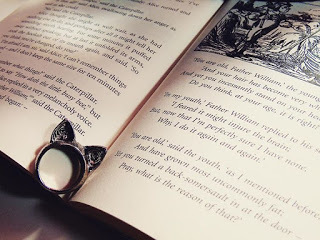
"The first rule is, that it must be a very hot day - that we may consider as settled: and you must be just a little sleepy - but not too sleepy to keep your eyes open, mind. Well, and you ought to feel a little - what one may call 'fairyish' - the Scotch call it 'eerie', and perhaps that's a prettier word; if you don't know what it means, I'm afraid I can hardly explain it; you must wait till you meet a Fairy, and then you'll know.As if that were not enough, the book is filled with puns, word play, utterly silly and intelligent language logic, and just some of the most beautiful lines ever. I love it.
And the last rule is, that the crickets should not be chirping. I can't stop to explain that: you must take it on trust for the present."
"After that they went throught the whole garden again, flower by flower, as if it were a long sentence they were spelling out, with kisses for commas, and a great hug by way of a full-stop when they got to the end."
"In the Old Testament, no doubt, rewards and punishments are constantly appealed to as motives for action. That teaching is best for children, and the Israelites seem to have been, mentally, utter children. We guide our children thus, at first; but we appeal, as soon as possible to their innate sense of Right and Wrong: and, when that stage is safely past, we appeal to the highest motive of all, the desire for likeness to, and union with, the Supreme Good."