Da sempre Beirut, tra i bagliori di una città aperta - al tempo stesso orientale e occidentalizzata, cristiana e musulmana, moderna ma profondamente radicata in una storia che ha visto passare Pompeo, Saladino, i Pascià Jazzar e Ibrahim - e gli incubi di un luogo esposto di continuo alla guerra, con i suoi abitanti di svariata provenienza, i suoi scrittori e artisti, i suoi contrasti ed eccessi, continua ad alimentare l'immaginario piú variegato. Restituendo alla città i mille volti della sua storia, Samir Kassir ci racconta le grandi contraddizioni della prima metropoli del mondo arabo. Spesso idealizzata in passato per lo scenario felice e la natura lussureggiante, nella seconda metà del Novecento Beirut vive la sua età dell'oro, ponendosi al centro di interessi economici che superano i confini della piccola Repubblica Libanese. Al proprio potere di attrazione la città sottomette anzitutto i vicini arabi, che vi affluiscono in massa: Beirut con la sua dolce vita rappresenta l'Occidente piú vicino, Svizzera d'Oriente e Piccola Parigi. Ed è allo stesso tempo luogo di ritrovo di esuli e intellettuali, fucina di idee e crogiolo di lingue e di culture. Tutto questo subirà una prima battuta d'arresto nel 1967 con la guerra dei sei giorni, per spegnersi del tutto nel 1975, quando il nome Beirut diventa sinonimo di guerra civile. Quindici anni di bombe e sangue che squarciano i muri e gli animi e riempiono i giornali, orfani della guerra del Vietnam. Estroversa e cosmopolita nella prosperità, la città lo sarà anche nella rovina, diventando il teatro della prima guerra evento televisivo. Dalle ceneri del tragico conflitto Beirut tenterà di rinascere e affronterà con coraggio la ricostruzione, senza tuttavia risolvere definitivamente le sue lacerazioni.
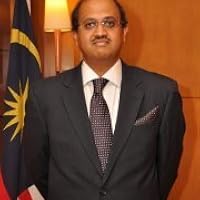
Samir Kassir was Lebanese professor of history at Saint-Joseph University and journalist.Born to a Palestinian father and a Syrian mother.Kassir received his degree in philosophy and political philosophy in 1984, in 1990, Kassir earned his PhD in Modern History also from the University of Sorbonne.He held both Lebanese and French nationality. A prominent left-wing activist, he was a strong advocate of freedom for the Palestinians, democracy in Lebanon and Syria and a vocal critic of the Syrian presence in Lebanon. He was assassinated on 2 June 2005 and his murderers remain unknown. A French investigation is currently underway but its results have yet to be released. Kassir was a keen advocate of secular democracy in the Middle east.
I'm not sure why I'm drawn to histories of cities from the former Ottoman empire, but this is the fourth one I've read in the past two or three years. All of them are heartbreaking: cosmopolitan paradises destroyed by sectarian violence. Beirut may be the most tragic because the end was so swift and so recent. This book has added poignancy in that the author was assassinated by a car bomb outside his home shortly after completing it.
The main focus is the era from the beginning of the nineteenth century to the eve of the civil war. The book traces all aspects of the city's growth and captures something of the feeling of what it must have been like to live in the city. The author does an admirable job explaining how the different regimes added to the character of the city and does as good a job as possible outlining the various forces that lead to the division of the city in 1975. Interestingly enough, it passes over the war itself, treating it as something of a coda to the city's life.
A wonderful history of Beirut since the beginning of civilisation. Particular strength in the late Ottoman and French mandate period. The book does unfortunately taper off when it comes to the Civil War - we get little idea of what the city was like and what life in the city was like during this time, with the author instead giving a heavy focus on the development of left-wing politics. Despite this shortcoming at the end this is a monumental, incredibly valuable work.
This one will be a slow burn; in reality am only about 100 pages in. It's a super comprehensive albeit extremely dense history of the city I consider my part-time home. Writing history in an engaging way is super difficult; I think I've only read a few books that did so successfully. And well, Samir Qassir did his best, but I would say did not entirely succeed on the audience engagement front (though his painstaking research and comprehensiveness is impressive). Such dry writing, at least for me, is only doable in chunks. Still I am getting a lot of lovely glimmers from it and a deeper understanding of how the modern chaos- and the beauty- came to be.
On peut écrire des tonnes de choses, mais sans surprise LE livre ultime sur Beyrouth. Déprimé quand livre terminé pour deux choses : 1 - Samir n'est plus là, et quand on sait comment il est parti, c'est la rage au ventre. Tout au long de la longue lecture, je n'arretais pas d'y penser. 2 - voir ce qu'était cette ville et ce qu'elle est devenue, c'est la déprime totale. Rien qu'a lire le postface (rédigé en 2003), on se croirait aujourd'hui. (Le seul bémol, car il faut en trouver quand c'est un chef d'oeuvre, le nom de Samir el Ghoussayni aurait dû figurer explicitement, les puristes comprendront 😁)
Very pleasing to read, but don't be fooled by the volume of the book, it's not a complete history (nothing is). Find additional resources that look beyond Beirut, at different parts of Lebanon, and that examine class more thoroughly. I recommend Trabulsi, A History of Modern Lebanon, as a supplement.