“True, toil and struggle had been hers every hour since she rode, a bride, into Erlend Nikulaussön’s manor--and saw that here one at least must fight to save the heritage of him she bore below her heart.”
When I started this saga, I thought it would be about the difficulty of the hard work required in the olden times of the 14th century. It is that, but I found it to be even more about the difficulty of decisions, like the kind we still face today. As Kristin matures, her problems mature, and as with each of us as we age, they seem to get harder. How do we honor our parents? support our spouse? raise our children? repay our friends? We struggle to follow our religion, respect those we disagree with, avoid hurting those we love. We fail. And we deal with that failure.
Kristin’s struggles, though specifically very different than mine, feel so real and relatable. Adored spouses infuriate, family members become estranged, cherished hopes are not realized.
Yet the story celebrates the precious gifts all around us, through and in spite of these struggles. Eventually Kristin finds the beauty in her flawed loved ones, and in the hard country where she makes a home.
This third book may not be as interesting to the young reader. Life builds in the first two parts, but in this one there is a natural diminishing. It might be depressing for those who haven’t yet experienced the undeniable truth of this fact of life.
“Kristin sat with her little grandson in her lap, and thought, easy ‘twoud scarce be for her either at the one or the other place. ‘Twas a hard matter, growing old. So lately, it seemed, ‘twas she herself who was the young woman--then it was about her fate that the men’s strife and counsels tossed. Now she had drifted into a backwater.”
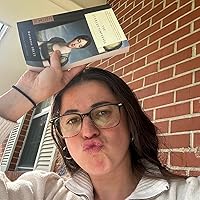
I have spread the three parts of the Kristin Lavransdatter trilogy over a period of five years now. I read very old library copies of all three books--1920’s translations by Charles Archer. His choice to include archaic phrases made for difficult reading at times, but I enjoyed the feel of them.
What I’d like to do now is find a newer translation, perhaps with extensive footnotes, and read it straight through. Maybe tackle some Norwegian history first. What can I say? There are a very few works of literature which promise a payback for the devotion of extensive time and energy. This is one.