

What do you think?
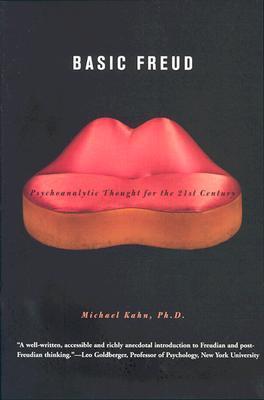
Basic Freud
In Basic Freud, noted psychologist Michael Kahn shows that, even in the age of psychopharmaceuticals and cognitive therapy, Freud's insights into the unconscious remain unsurpassed tools for understanding our behaviors, motivations, and emotions. In a style accessible to any lay reader or beginning student in psychology, Kahn presents key ideas such as the Oedipus complex, the repetition compulsion, guilt, anxiety, and defense mechanisms, along with recent research that has supported or expanded Freud's findings. He also presents case studies from his own work as a psychotherapist to show how Freudian thought has been instrumental in helping patients discover who they are and escape from destructive patterns. Readers aware of Freud's ideas and those discovering them for the first time will benefit from Kahn's fresh, informed, and unpretentious approach.
240 pages, Paperback
First published January 28, 1953
About the author
Michael D. Kahn
8 books1 followerMichael D. Kahn, Ph.D. (University of North Carolina at Chapel Hill), was Professor Emeritus of Clinical Psychology
Ratings & Reviews
Friends & Following
Create a free account to discover what your friends think of this book!
Community Reviews
Displaying 1 - 30 of 54 reviews

October 7, 2019
3¾/5
هذا الكتاب يعطينا تمهيد جيد، بنظرة واسعة لنظريات فرويد.. فهو على المجمل سلس للغاية في شرح كثير من المفاهيم والمصطلحات؛ ربما تركيز الكاتب في سرده لبعض النماذج بجرعة مكثفة؛ يجعل من بعض الأجزاء تبدو أكثر عمقا وتخصصا..
هذا الكتاب يعطينا تمهيد جيد، بنظرة واسعة لنظريات فرويد.. فهو على المجمل سلس للغاية في شرح كثير من المفاهيم والمصطلحات؛ ربما تركيز الكاتب في سرده لبعض النماذج بجرعة مكثفة؛ يجعل من بعض الأجزاء تبدو أكثر عمقا وتخصصا..

January 25, 2020
The quest to understand consciousness is perhaps the biggest mystery. Freud's insight and terminology allow us to interpret our feelings which we seldom have control of. The struggle within one's self, guilt, shame, anxiety, our defense mechanisms, and our puzzling unconscious compulsions can all be made sense of with an understanding of our inner faculties and their functions. In Freudian terms, the Id, ego and superego. Interestingly, these almost equally correspond to sufi terms, nefs, aql and wijdan respectively... Michael Kahn offers a readable and unpretentious account of Freud's intellectual thought. A must read introduction.
June 15, 2021
A brilliant introduction which really helped me to get my head around Psychodynamic theory. I particularly liked the chapter about transference and the way that a person's early relationships colour the lense through which they see all their future relationships.

January 29, 2022
An excellent book!
Particularly useful for counsellors and counselling students who wish to understand Freud and his work better.
The easiest read on Freud.
Particularly useful for counsellors and counselling students who wish to understand Freud and his work better.
The easiest read on Freud.

September 18, 2022
Uma bela introdução à Freud. Fácil de ler e muito elucidativa.


September 2, 2013
An ok read. If I'd been pursuing Freudian theory for my own general interest, this would have been fine, but it's a pop science book disguised as an academic source and it just doesn't work. There are too many anecdotes from the author's own psychology practice for it to be taken seriously as a work ABOUT FREUD.
That said, interesting to read something from the psychological side of Freud rather than the philosophical one, and providing some detailed information on the defence mechanisms rather than just focusing on the Oedipus conflict and the Eros/Thanatos drives. It's nice to see that some people of a scientific persuasion still take his earlier theories seriously after over a century of progress in the field.
That said, interesting to read something from the psychological side of Freud rather than the philosophical one, and providing some detailed information on the defence mechanisms rather than just focusing on the Oedipus conflict and the Eros/Thanatos drives. It's nice to see that some people of a scientific persuasion still take his earlier theories seriously after over a century of progress in the field.

January 31, 2013
This was a really interesting book. I was not too familiar with Freud's works. This book gave me a general idea of Freud's theories. Strongly recommend it!

January 14, 2024
Excelente!
Com uma linguagem muito simples, clara e com pequenos exemplos o autor me ajudou a entender muito bem diversos conceitos da psicanálise. Recomendo demais!
Com uma linguagem muito simples, clara e com pequenos exemplos o autor me ajudou a entender muito bem diversos conceitos da psicanálise. Recomendo demais!

Read
December 14, 2025 Psicanálise Freudiana
Conceitos Fundamentais
O Inconsciente: A parte da mente inacessível à consciência, que influencia comportamentos, pensamentos e sentimentos.
Processo Primário de Pensamento: Processos de pensamento ilógicos, atemporais e orientados para a fantasia, operando com base no princípio do prazer. Não há distinção entre realidade e fantasia.
Processo Secundário de Pensamento: Processos de pensamento lógicos e orientados para a realidade.
Id, Ego, Superego:
Id: Impulsos instintivos, princípio do prazer.
Ego: Princípio da realidade, mediador entre o id, o superego e o mundo externo.
Superego: Consciência, padrões parentais e sociais internalizados.
Mecanismos de Defesa: Estratégias inconscientes para proteger contra a ansiedade.
Fixação: Energia psíquica presa numa fase psicossexual.
Regressão: Recuar para uma fase psicossexual anterior sob stress.
Fases Psicossexuais
Oral (0–18 meses):
Foco: Boca, sucção, alimentação.
Fixação: Dependência, agressão, distúrbios alimentares.
Anal (18 meses–3 anos):
Foco: Ânus, treino de higiene, controlo.
Fixação: Compulsividade, ordem, parcimónia, rebeldia.
Fálica (3–7 anos):
Foco: Genitais, consciência das diferenças sexuais.
Fixação: Orgulho, inferioridade, inibição sexual ou sexualidade agressiva.
Latência (7 anos–Puberdade):
Impulsos sexuais reprimidos.
Genital (Puberdade em diante):
Sexualidade madura, foco nas relações interpessoais.
Complexo de Édipo
Definição: Desejo inconsciente de conexão íntima com o progenitor do sexo oposto e ciúme do progenitor do mesmo sexo.
Ocorre durante a fase fálica.
Rapazes: Desejo de substituir o pai como amante da mãe.
Raparigas: Desejo de substituir a mãe como amante do pai.
A resolução envolve a identificação com o progenitor do mesmo sexo e a repressão dos desejos.
O fracasso na resolução pode levar a vários problemas psicológicos.
Universalidade: Debatida; menos evidências para raparigas.
Críticas: A existência, inevitabilidade cultural e sexismo foram questionados.
Período de Latência
Definição: Repressão dos impulsos eróticos da fase fálica.
Impacto: Pode contribuir para neuroses posteriores.
Universalidade: Questionável; pode ser específica da cultura.
Período Genital
Definição: Puberdade; ressurgimento dos impulsos sexuais.
Tarefa: Resolver o complexo de Édipo.
Ajustamento Saudável: Direcionar a energia para objetos amorosos apropriados.
Divisão Ternura/Paixão: Dificuldade em sentir ambos pela mesma pessoa.
A Repetição Compulsiva
Definição: Reencenar inconscientemente experiências passadas dolorosas.
Objetivo Terapêutico: Libertação da compulsão.
Ansiedade
Definição: Resposta à impotência face ao perigo.
Tipos:
Realista: Medo do mundo externo.
Moral: Medo da punição do superego.
Neurótica: Medo do impulso inconsciente.
Mecanismos de Defesa
Repressão
Negação
Projeção
Formação Reativa
Identificação com o Agressor
Deslocamento
Voltar-se Contra Si Próprio
Culpa
Culpa: Surge do superego.
Tipos de Culpa:
Culpa ruidosa: Sentimento consciente de transgressão.
Culpa silenciosa: Autopunição inconsciente.
Sonhos
Visão de Freud: Os sonhos são realizações de desejos.
Conteúdo Manifesto: Eventos recordados do sonho.
Conteúdo Latente: O desejo oculto.
Conceitos Fundamentais
O Inconsciente: A parte da mente inacessível à consciência, que influencia comportamentos, pensamentos e sentimentos.
Processo Primário de Pensamento: Processos de pensamento ilógicos, atemporais e orientados para a fantasia, operando com base no princípio do prazer. Não há distinção entre realidade e fantasia.
Processo Secundário de Pensamento: Processos de pensamento lógicos e orientados para a realidade.
Id, Ego, Superego:
Id: Impulsos instintivos, princípio do prazer.
Ego: Princípio da realidade, mediador entre o id, o superego e o mundo externo.
Superego: Consciência, padrões parentais e sociais internalizados.
Mecanismos de Defesa: Estratégias inconscientes para proteger contra a ansiedade.
Fixação: Energia psíquica presa numa fase psicossexual.
Regressão: Recuar para uma fase psicossexual anterior sob stress.
Fases Psicossexuais
Oral (0–18 meses):
Foco: Boca, sucção, alimentação.
Fixação: Dependência, agressão, distúrbios alimentares.
Anal (18 meses–3 anos):
Foco: Ânus, treino de higiene, controlo.
Fixação: Compulsividade, ordem, parcimónia, rebeldia.
Fálica (3–7 anos):
Foco: Genitais, consciência das diferenças sexuais.
Fixação: Orgulho, inferioridade, inibição sexual ou sexualidade agressiva.
Latência (7 anos–Puberdade):
Impulsos sexuais reprimidos.
Genital (Puberdade em diante):
Sexualidade madura, foco nas relações interpessoais.
Complexo de Édipo
Definição: Desejo inconsciente de conexão íntima com o progenitor do sexo oposto e ciúme do progenitor do mesmo sexo.
Ocorre durante a fase fálica.
Rapazes: Desejo de substituir o pai como amante da mãe.
Raparigas: Desejo de substituir a mãe como amante do pai.
A resolução envolve a identificação com o progenitor do mesmo sexo e a repressão dos desejos.
O fracasso na resolução pode levar a vários problemas psicológicos.
Universalidade: Debatida; menos evidências para raparigas.
Críticas: A existência, inevitabilidade cultural e sexismo foram questionados.
Período de Latência
Definição: Repressão dos impulsos eróticos da fase fálica.
Impacto: Pode contribuir para neuroses posteriores.
Universalidade: Questionável; pode ser específica da cultura.
Período Genital
Definição: Puberdade; ressurgimento dos impulsos sexuais.
Tarefa: Resolver o complexo de Édipo.
Ajustamento Saudável: Direcionar a energia para objetos amorosos apropriados.
Divisão Ternura/Paixão: Dificuldade em sentir ambos pela mesma pessoa.
A Repetição Compulsiva
Definição: Reencenar inconscientemente experiências passadas dolorosas.
Objetivo Terapêutico: Libertação da compulsão.
Ansiedade
Definição: Resposta à impotência face ao perigo.
Tipos:
Realista: Medo do mundo externo.
Moral: Medo da punição do superego.
Neurótica: Medo do impulso inconsciente.
Mecanismos de Defesa
Repressão
Negação
Projeção
Formação Reativa
Identificação com o Agressor
Deslocamento
Voltar-se Contra Si Próprio
Culpa
Culpa: Surge do superego.
Tipos de Culpa:
Culpa ruidosa: Sentimento consciente de transgressão.
Culpa silenciosa: Autopunição inconsciente.
Sonhos
Visão de Freud: Os sonhos são realizações de desejos.
Conteúdo Manifesto: Eventos recordados do sonho.
Conteúdo Latente: O desejo oculto.

July 9, 2019
It is difficult for me to not let my personal opposing opinions to Freudian theory distort my view on this book and how it was written. It is easy to say that yes, this book was written in a way that conveys Freud's key concepts well with appropriate clinical examples. At times I found the content slightly absurd but that is no reflection of poor writing or inaccuracy, that is just my own opinion towards some aspects of Freudian theory.
I did however struggle with the overall tone that that Freudian theory and psychoanalysis is made of pure genius and cannot be surpassed by any other psychological theory. I find this gave a tone of bias to the book, I was looking for some information on theory but at times it did feel the author was consistently trying to defend Freud.
I did however struggle with the overall tone that that Freudian theory and psychoanalysis is made of pure genius and cannot be surpassed by any other psychological theory. I find this gave a tone of bias to the book, I was looking for some information on theory but at times it did feel the author was consistently trying to defend Freud.

July 22, 2020
This book is an easy-to-read and digest primer on Freud. I loved the review of certain concepts like defense mechanisms, transference, and the repetition compulsion. The case examples are shot, interesting, and clear.What I found less interesting was all the theories I find outdated and unhelpful. Though my psychiatrist husband disagrees, my work as a therapist has not used and found certain things to be helpful especially the Oedipal complex and dream interpretation (no one does that). Freud is absolutely the father of psychotherapy and it's amazing how much of his doctrine completely holds up. I'm also grateful for the progress and new discoveries and treatments we've developed since then.

April 7, 2020
Good introduction to Freud's psychoanalytic/psychodynamic theory. It covers the usual concepts which are by now part of everyone's awareness but were revolutionary during the beginning of 20th century. Learned few nuances like transference, primary/secondary impulse, free dream association etc which I was not consciously aware of before due to receiving these in the form of derivative sources or word of mouth back in the day.

August 23, 2024
Kitabın ilk kısmı okurken beni çok zorladı, çok sıkıldım ve okuduğum bazı teoriler garip veya saçma ya da 'old fashion' geldiği için okumaya çok motive olamamıştım. Ancak kitabın ikinci yarısında, özellikle sonlara doğru daha modern teorilere yakın düşüncelerini daha günümüzden örneklerle destekleyerek verdiği için kitabı ikinci yarısında daha çok sevdim. Freud'u anlamak için çok teknik olmadan okunabilecek güzel bir kitap!
February 10, 2026
I found Understanding Freud: In Life and Therapy interesting and informative. At first, I thought it might be difficult to read, but the language was clear and easy to understand. The book helped me see human behavior and emotions from a different perspective. Some parts made me think deeply about how the mind works in daily life. Overall, it was a meaningful and thought-provoking book, and I think it can be useful for anyone who wants to understand themselves better.

April 10, 2019
É um livro recomendadíssimos para os leigos tanto da área da psicologia, quanto de fora. Li no segundo semestre de Psicologia, como introdução aos conceitos de Freud 'mecanismo de defesa, libido, etc' e me auxiliou muito na forma ilustrativa com que apresenta os conceitos articulado com estudos casos.

January 16, 2020
Although I’m trained as a radical behaviourist practitioner, I can never hold myself back from learning and reading more about Freud and his psychoanalysis. This books gives a very good overall summary of his theories in a very simple language. It also includes the author’s real life case studies with his clients which makes the book very rich both theoretical and practical. Definitely recommend it.

October 2, 2022
Magnífico resumen de toda la teoría freudiana y, por ende, de las bases de la escuela psicoanalítica. Sencillo, directo y con la extensión adecuada, supone un ejemplo de cómo debería presentarse toda obra que aspire a condensar las tesis de unx autorx de este calibre.

July 6, 2024
Great intro for basic freudian thought, I was left with good questions and curiosity, which is always a good sign. It would be great to have a coda with “what to read next” to learn more about the field and its many offshoots.

May 9, 2018
Very brief and clear overview of Freud's theories.

October 31, 2020
Excelente libro para entender al complicado freud

January 8, 2022
very well written

July 17, 2022
An excellent and fair introduction to Freud and the impact he had on modern Psychology.

January 4, 2023
useful if uninspired

January 31, 2023
We've just touched on Freud on my level 3 counselling course and this book is a really accessible, easy to read introduction to Freud and his theories.
November 8, 2023
I can’t act like it is always the most riveting learning about psychoanalysis, but i think engaging with the topics that Freud was versed in will give any reader a deeper understanding of themself.
December 13, 2023
Excelente leitura, o trabalho e a atenção que o autor teve com este livro é admirável, algumas passagens são desconfortáveis mas necessárias.

February 17, 2024
What I learned is the root of everything womp-womp is a fear of pee-pee chop-chop
(Virtually anything of value that Freud says is better and less pervertedly stated by other psychologists. Also the author has a strong bias and makes many unsupported claims about Freud that I did not love!)
(Virtually anything of value that Freud says is better and less pervertedly stated by other psychologists. Also the author has a strong bias and makes many unsupported claims about Freud that I did not love!)

February 26, 2024
Illuminating summary and exploration of Freud and his impact on psychoanalysis. Inevitably, for someone in therapy, a new lens through which to gain insight.

August 6, 2024
Great and sufficient (for me) introduction to Freud. Easy and engaging language and interesting read.
Displaying 1 - 30 of 54 reviews